
A comprehensive guide to stainless steel tube fittings
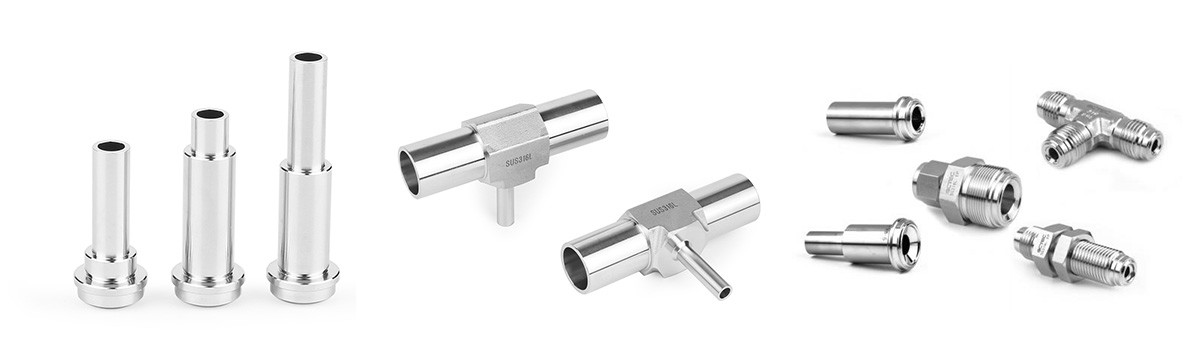
Stainless Steel Tube Fittings for High-Purity Gas:
Precision and Reliability in Critical ApplicationsIn industries where the delivery of high-purity gases is paramount—such as semiconductor manufacturing, pharmaceuticals, medical gas systems, and analytical laboratories—stainless steel tube fittings play a critical role in ensuring the integrity, safety, and efficiency of gas distribution systems. These fittings are engineered to provide leak-tight connections, maintain gas purity, and withstand the demanding conditions of high-pressure and corrosive environments. This article explores the design, types, applications, benefits, and key considerations of stainless steel tube fittings for high-purity gas, highlighting their importance in maintaining operational excellence in critical applications.
Table of Contents
ToggleUnderstanding High-Purity Gas Systems
High-purity gas systems are designed to deliver gases with minimal contamination, typically at purity levels exceeding 99.999% (5N) or higher. These systems are used in applications where even trace impurities—such as moisture, particulates, or hydrocarbons—can compromise product quality, equipment performance, or human safety. Examples include:
Semiconductor Manufacturing:
Ultra-high-purity (UHP) gases like nitrogen, argon, and hydrogen are used in processes such as chemical vapor deposition (CVD) and etching, where contamination can lead to defective microchips.
Pharmaceuticals:
High-purity gases like oxygen and nitrogen are used in drug manufacturing and packaging, requiring stringent compliance with regulatory standards.
Medical Gas Systems:
Medical gases such as oxygen and nitrous oxide must be delivered without contamination to ensure patient safety.
Analytical Laboratories:
Gases like helium for gas chromatography or argon for mass spectrometry require fittings that prevent leaks and maintain purity to avoid skewed results.
In these applications, stainless steel tube fittings are the backbone of gas distribution systems, providing reliable, leak-tight connections that preserve gas purity and system integrity.
What Are Stainless Steel Tube Fittings?
Stainless steel tube fittings are mechanical components used to connect, redirect, or terminate tubing in gas or liquid distribution systems. Unlike pipe fittings, which are designed for larger-diameter pipes, tube fittings are optimized for smaller-diameter tubing (typically 1/16” to 2” in diameter) and are engineered for precision applications. In high-purity gas systems, these fittings are typically made from high-grade stainless steel (e.g., 316 or 316L) due to its corrosion resistance, durability, and compatibility with a wide range of gases.
The primary function of stainless steel tube fittings in high-purity gas systems is to create secure, leak-tight connections that prevent contamination and maintain the integrity of the gas flow. These fittings are available in various configurations, including compression fittings, welded fittings, and face-seal fittings, each designed to meet specific performance requirements.
Why Stainless Steel for High-Purity Gas?
Stainless steel, particularly 316 and 316L grades, is the material of choice for high-purity gas fittings due to its unique properties:
Corrosion Resistance:
Stainless steel resists corrosion from aggressive gases like chlorine or ammonia, ensuring long-term reliability in harsh environments.
Low Outgassing:
316L stainless steel, with its low carbon content, minimizes outgassing (the release of trapped gases from the material), which is critical for maintaining gas purity.
Smooth Surface Finish:
Stainless steel fittings can be electropolished or mechanically polished to achieve ultra-smooth surfaces (e.g., 10 Ra or better), reducing the risk of particle entrapment and contamination.
High Strength and Durability:
Stainless steel withstands high pressures (up to 10,000 psi in some cases) and temperatures, making it suitable for demanding applications.
Compatibility:
Stainless steel is compatible with a wide range of high-purity gases, including oxygen, nitrogen, helium, hydrogen, and argon, as well as specialty gases used in semiconductor and pharmaceutical processes.
These properties make stainless steel tube fittings ideal for applications where purity, safety, and reliability are non-negotiable.
Types of Stainless Steel Tube Fittings for High-Purity Gas
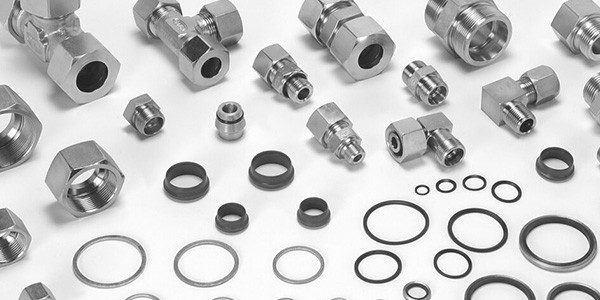
1. Compression Fittings
Compression fittings are widely used in high-purity gas systems due to their ease of installation and reliability. These fittings consist of a fitting body, a nut, and one or more ferrules (rings) that compress around the tubing when the nut is tightened, creating a leak-tight seal. Key features include:
*Double-Ferrule Design: Many high-purity compression fittings, such as those from Swagelok or Parker, use a double-ferrule design (front and back ferrules) to ensure a secure grip and gas-tight seal.
*Reusability: Compression fittings can often be disassembled and reassembled without compromising the seal, making them ideal for systems requiring frequent maintenance.
*Applications: Used in laboratory gas systems, analytical instrumentation, and industrial gas distribution where pressures are moderate (up to 6,000 psi).
2. VCJ (Vacuum Coupling Radiation) Face-Seal Fittings
VCJ fittings are specifically designed for ultra-high-purity (UHP) applications, such as semiconductor manufacturing. These fittings use a metal gasket (typically stainless steel or nickel) compressed between two polished faces to create a leak-tight seal. Key features include:
*Ultra-Low Leak Rates: VCJ fittings achieve leak rates as low as 10⁻⁹ sccm, making them ideal for UHP gases.
*High Cleanliness: The fittings are cleaned and packaged in cleanroom environments to prevent contamination.
*Applications: Used in semiconductor gas delivery systems, high-vacuum systems, and other UHP applications requiring extreme purity.
3. Butt-Weld Fittings
Butt-weld fittings are permanently welded to tubing, creating a seamless, high-integrity connection. These fittings are common in fixed installations where maintenance is minimal. Key features include:
*High Purity: Welded connections eliminate potential leak paths and reduce contamination risks.
*Smooth Internal Surfaces: Orbital welding techniques ensure smooth, crevice-free welds, minimizing particle entrapment.
*Applications: Used in pharmaceutical and biotech gas systems, as well as UHP gas delivery in semiconductor fabrication.
4. Push-to-Connect Fittings
Push-to-connect fittings allow for quick, tool-free connections and are used in less critical high-purity applications. These fittings feature a collet mechanism that grips the tubing when inserted. Key features include:
*Ease of Use: Ideal for systems requiring frequent reconfiguration or maintenance.
*Limitations: Typically used for lower-pressure applications (up to 300 psi) and less stringent purity requirements.
*Applications: Found in laboratory setups and low-pressure medical gas systems.
5. Hygienic Clamp Fittings
Hygienic clamp fittings, often compliant with standards like ASME BPE, are used in pharmaceutical and biotech applications where cleanliness is critical. These fittings use a clamp and gasket to create a detachable, leak-tight seal. Key features include:
*Cleanability: Designed for easy disassembly and cleaning, meeting strict regulatory requirements.
*Applications: Used in pharmaceutical gas systems for nitrogen, oxygen, or clean compressed air.
Key Design Considerations for Stainless Steel Tube Fittings
Designing and selecting stainless steel tube fittings for high-purity gas systems requires careful consideration of several factors to ensure performance, safety, and compliance:
1. Material Selection:
316L stainless steel is preferred for its low carbon content and reduced outgassing. For highly corrosive gases (e.g., chlorine), specialty alloys like Hastelloy may be used.
2. Surface Finish:
Fittings must have a smooth internal surface (e.g., 10 Ra or better) achieved through electropolishing or mechanical polishing to minimize particle entrapment and contamination.
3. Cleaning and Packaging:
Fittings for UHP applications are cleaned in cleanrooms using deionized water or solvents and packaged in sealed bags to prevent contamination.
4. Pressure and Temperature Ratings:
Fittings must be rated for the maximum operating pressure and temperature of the system. For example, VCJ fittings are designed for pressures up to 5,000 psi, while compression fittings may handle up to 10,000 psi.
5. Compatibility with Gas Type:
Fittings must be compatible with the specific gas to avoid reactions or contamination. For example, oxygen-compatible fittings are tested to prevent ignition risks.
6. Regulatory Compliance:
In medical and pharmaceutical applications, fittings must comply with standards such as ASME BPE, FDA regulations, or ISO 13485.
7. Leak-Tight Performance:
Fittings must achieve low leak rates (e.g., 10⁻⁹ sccm for VCJ fittings) to maintain gas purity and system efficiency.
Applications of Stainless Steel Tube Fittings in High-Purity Gas Systems
Stainless steel tube fittings are integral to a wide range of high-purity gas applications, including:
1. Semiconductor Manufacturing:
UHP gases like nitrogen, argon, and silane are delivered through stainless steel tube fittings to deposition chambers and etching tools. VCJ and butt-weld fittings are preferred for their ultra-low leak rates and high cleanliness.
2. Pharmaceutical and Biotech:
High-purity gases like nitrogen and oxygen are used in drug manufacturing, bioreactors, and packaging. Hygienic clamp and butt-weld fittings ensure compliance with GMP (Good Manufacturing Practices) and prevent contamination.
3. Medical Gas Systems:
Hospitals rely on stainless steel fittings to deliver medical gases like oxygen and nitrous oxide. These fittings must meet NFPA 99 and ISO 7396-1 standards for safety and reliability.
4. Analytical Laboratories:
Gases like helium for gas chromatography or argon for inductively coupled plasma (ICP) systems require fittings that maintain purity and prevent leaks. Compression fittings are commonly used for their ease of installation.
5. Food and Beverage:
Nitrogen and carbon dioxide are used for packaging and carbonation. Stainless steel fittings ensure food-grade purity and compliance with FDA regulations.
6. Aerospace and Defense:
High-purity gases like hydrogen and helium are used in rocket propulsion and testing, requiring fittings that withstand high pressures and extreme conditions.
Benefits of Stainless Steel Tube Fittings
Stainless steel tube fittings offer numerous advantages that make them indispensable in high-purity gas systems:
1. Leak-Tight Performance:
Precision-engineered fittings provide gas-tight seals, preventing leaks that could compromise purity or safety.
2. High Purity Maintenance:
Smooth, electropolished surfaces and cleanroom manufacturing processes minimize contamination risks.
3. Durability and Longevity:
Stainless steel’s corrosion resistance and mechanical strength ensure long service life, even in harsh environments.
4. Versatility:
Available in various configurations (e.g., elbows, tees, reducers), fittings can be customized for complex system designs.
5. Ease of Installation and Maintenance:
Compression and push-to-connect fittings simplify installation, while hygienic clamp fittings allow for easy disassembly and cleaning.
6. Safety:
Stainless steel fittings are designed to handle high pressures and aggressive gases safely, reducing the risk of accidents.
7. Regulatory Compliance:
Fittings meet stringent industry standards, ensuring suitability for medical, pharmaceutical, and food-grade applications.
Challenges and Considerations
While stainless steel tube fittings are highly reliable, certain challenges must be addressed:
*Cost:
High-purity fittings, especially VCJ and butt-weld types, are more expensive than standard fittings due to their precision manufacturing and cleanroom processing.
*Installation Expertise:
Improper installation of compression or VCJ fittings can lead to leaks or contamination. Proper training and torque specifications are essential.
*Compatibility Issues:
Mismatched fittings or tubing materials can cause galvanic corrosion or leaks. For example, combining stainless steel fittings with aluminum tubing may lead to corrosion in certain environments.
*Maintenance:
While stainless steel is durable, regular inspection and cleaning are necessary to prevent contamination in UHP systems.
*Regulatory Compliance:
Fittings must meet specific standards for medical, pharmaceutical, or food-grade applications, requiring careful supplier selection.
Future Trends in Stainless Steel Tube Fittings
As industries demand greater efficiency, safety, and sustainability, stainless steel tube fittings are evolving to meet these needs:
1. Advanced Manufacturing:
Additive manufacturing (3D printing) is being explored to create complex fitting designs with improved flow characteristics and reduced weight.
2. Smart Fittings:
IoT-enabled fittings with embedded sensors can monitor pressure, flow, and leak rates in real-time, enabling predictive maintenance and reducing downtime.
3. Sustainability:
Manufacturers are developing fittings with recyclable materials and energy-efficient production processes to meet environmental regulations.
4. Miniaturization:
As industries like semiconductors push for smaller, more compact systems, fittings are being designed with reduced footprints while maintaining performance.
5. Enhanced Surface Treatments:
New polishing and coating techniques are improving surface smoothness and reducing outgassing, further enhancing purity.
Selecting the Right Stainless Steel Tube Fittings
Choosing the appropriate fittings for a high-purity gas system requires careful evaluation of several factors:
1. Gas Type and Purity Requirements:
Ensure fittings are compatible with the gas and meet the required purity level (e.g., 5N or 6N).
2. System Pressure and Flow:
Select fittings rated for the maximum pressure and flow rate of the system.
3. Environmental Conditions:
Consider temperature, humidity, and exposure to corrosive substances when selecting materials.
4. Regulatory Standards:
Verify compliance with industry-specific standards (e.g., ASME BPE, NFPA 99).
5. Supplier Reliability:
Choose reputable manufacturers like Swagelok, Parker, or Ham-Let, known for their high-quality, cleanroom-processed fittings.
6.Installation and Maintenance Needs:
Opt for fittings that match the system’s maintenance requirements, such as reusable compression fittings or permanent butt-weld fittings.
Conclusion
Stainless steel tube fittings are a cornerstone of high-purity gas systems, providing the precision, reliability, and safety required in critical applications. From semiconductor manufacturing to medical gas delivery, these fittings ensure leak-tight connections, maintain gas purity, and withstand demanding conditions. By understanding the types, design considerations, and benefits of stainless steel tube fittings, industries can select the right components to optimize performance and comply with stringent standards. As technology advances, innovations in manufacturing, smart monitoring, and sustainability will further enhance the role of these fittings in high-purity gas systems, ensuring they remain a vital component in the pursuit of operational excellence.