
Pressure Regulator Information
A pressure regulator is a valve that controls the pressure of a fluid to a desired value, using negative feedback from the controlled pressure.
Single stage pressure regulator VS Two stage pressure regulator
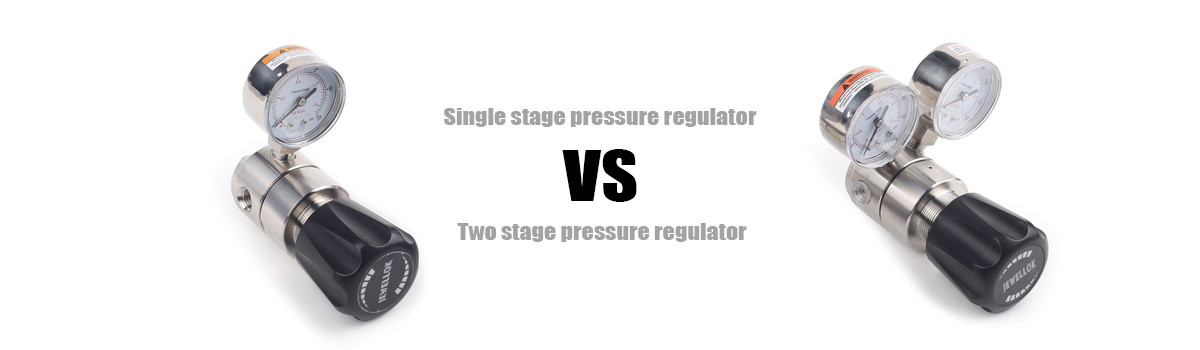
Pressure regulators are critical devices in countless industries, ensuring that gases or fluids are delivered at safe and consistent pressures for various applications. From welding torches to medical oxygen systems, these devices maintain operational efficiency and safety by reducing high-pressure inputs to usable levels. Among the many types of pressure regulators, single-stage and two-stage regulators are the most commonly used, each with distinct designs and performance characteristics. Understanding the differences between these two types is essential for selecting the right tool for the job, whether in industrial, medical, or laboratory settings.
A single-stage pressure regulator reduces pressure in one step, offering simplicity and cost-effectiveness but potentially sacrificing precision under fluctuating conditions. In contrast, a two-stage regulator uses two sequential pressure reduction stages, providing greater stability and accuracy, particularly for applications requiring consistent output over extended periods. While both types serve the same fundamental purpose, their differences in design, performance, and suitability make them better suited for specific tasks. For instance, a single-stage regulator may suffice for short-term welding tasks, while a two-stage regulator is often preferred in sensitive laboratory environments.
This article explores the nuances of single-stage and two-stage pressure regulators, comparing their functionality, advantages, limitations, and ideal applications. By examining their design principles, performance metrics, and real-world use cases, we aim to provide a clear guide for engineers, technicians, and decision-makers. Whether you’re managing a high-pressure gas system or selecting equipment for a medical facility, understanding these regulators’ strengths and weaknesses will help you make informed choices. The following sections will delve into their mechanics, compare their performance, and offer practical advice for choosing the right regulator for your needs.
Single-Stage Pressure Regulators
Pressure regulators are critical devices in numerous industries, ensuring that gases or liquids are delivered at a consistent and controlled pressure for safe and efficient operation. Among the various types of pressure regulators, single-stage pressure regulators stand out for their simplicity, affordability, and versatility.
Working Principle of Single-Stage Pressure Regulators
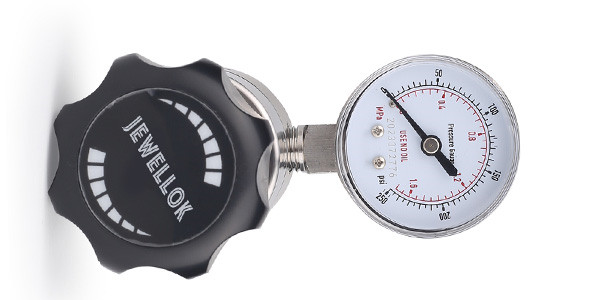
At its core, a single-stage pressure regulator is designed to reduce a high inlet pressure to a lower, stable outlet pressure in a single step. This makes it distinct from multi-stage regulators, which perform pressure reduction in multiple phases for greater precision. The single-stage regulator achieves its function through a straightforward yet effective mechanism involving a few key components: a diaphragm, a valve, and a spring.
When high-pressure gas or liquid enters the regulator from a source, such as a compressed gas cylinder, it encounters the valve, which is controlled by the diaphragm and spring assembly. The diaphragm, a flexible membrane, responds to changes in pressure by expanding or contracting. The spring, which is pre-set to a specific tension, applies force to the diaphragm, determining the desired outlet pressure. As the inlet pressure enters, the diaphragm adjusts the valve’s position to restrict or allow flow, maintaining the set outlet pressure.
For example, in a gas cylinder with a high internal pressure of 2000 psi, a single-stage regulator might be set to deliver a steady output of 50 psi. The diaphragm and valve work together to throttle the flow, ensuring that the downstream equipment receives gas at the desired pressure. However, single-stage regulators are sensitive to changes in inlet pressure. As the source pressure decreases—such as when a gas cylinder gradually empties—the regulator may struggle to maintain a perfectly stable outlet pressure. This leads to a phenomenon known as “pressure droop,” where the outlet pressure slightly increases as the inlet pressure drops. While this variation is often minimal, it can impact applications requiring high precision.
The simplicity of this design is both its strength and its limitation. By reducing pressure in a single step, the regulator minimizes complexity, but it sacrifices some of the precision offered by more sophisticated multi-stage systems. Understanding this trade-off is key to selecting the right regulator for a given application.
Advantages of Single-Stage Pressure Regulators
Single-stage pressure regulators are widely used across industries due to their practical benefits, which make them a go-to choice for many applications. Below are the primary advantages of these devices:
- Cost-Effectiveness: One of the most significant advantages of single-stage regulators is their affordability. The straightforward design, with fewer components than multi-stage regulators, results in lower manufacturing and maintenance costs. This makes them an attractive option for businesses or individuals operating on a tight budget or those who do not require the precision of more expensive systems.
- Compact Design: Single-stage regulators are typically smaller and lighter than their multi-stage counterparts. This compactness makes them ideal for portable applications or environments where space is limited. For example, in fieldwork or mobile workshops, a compact regulator can be easily transported and installed without adding significant bulk.
- Ease of Use and Maintenance: With fewer moving parts, single-stage regulators are easier to set up, operate, and maintain. The simplicity of the design reduces the likelihood of mechanical failure and makes troubleshooting straightforward. For users who need a reliable, low-maintenance solution, single-stage regulators are an excellent choice.
Limitations of Single-Stage Pressure Regulators
While single-stage pressure regulators offer numerous benefits, they are not without their drawbacks. Understanding these limitations is essential for determining whether they are suitable for a specific application. The primary limitations include:
- Pressure Droop: As mentioned earlier, pressure droop is a key limitation of single-stage regulators. As the inlet pressure decreases, the outlet pressure may rise slightly, leading to inconsistencies in performance. This can be problematic in applications where precise pressure control is critical, such as in laboratory experiments or high-precision manufacturing processes. For such tasks, a multi-stage regulator, which compensates for inlet pressure changes more effectively, may be a better choice.
- Limited Stability for Long-Term Use: Single-stage regulators are less suited for applications requiring constant pressure over extended periods. The pressure droop effect becomes more pronounced as the source depletes, which can lead to variations in performance over time. In contrast, multi-stage regulators provide greater stability by performing pressure reduction in multiple steps, making them preferable for long-duration tasks.
- Not Ideal for High-Precision Applications: Due to their susceptibility to pressure droop and limited ability to compensate for fluctuations, single-stage regulators are not the best choice for applications demanding extreme accuracy. For instance, in industries like semiconductor manufacturing or analytical chemistry, where even minor pressure variations can lead to significant errors, more advanced regulators are typically required.
Applications of Single-Stage Pressure Regulators
Single-stage pressure regulators are used in a variety of industries and settings, particularly where cost and simplicity are prioritized over ultra-precise pressure control. Some of the most common applications include:
- Welding: In welding, single-stage regulators are frequently used to control the flow of gases such as argon, CO2, or acetylene for processes like oxy-acetylene welding or MIG/TIG welding. The slight pressure variations caused by pressure droop are generally tolerable for short welds, and the low cost of single-stage regulators aligns well with the budget constraints of many welding shops. For example, a welder using an argon cylinder might employ a single-stage regulator to maintain a consistent gas flow to the welding torch, ensuring a stable arc without the need for expensive equipment.
- HVAC Systems: In heating, ventilation, and air conditioning (HVAC) systems, single-stage regulators are used to control the pressure of refrigerants or other gases. Their compact size and ease of maintenance make them well-suited for residential and commercial HVAC units, where precise pressure control is not always critical.
- Short-Term or Low-Precision Industrial Tasks: Single-stage regulators are commonly found in industrial settings where short-term or low-precision tasks are performed. For instance, they may be used in pneumatic tools, gas-powered machinery, or temporary setups where cost and portability are more important than absolute pressure stability.
- Medical and Laboratory Applications: In some medical or laboratory settings, single-stage regulators are used for non-critical tasks, such as controlling the flow of gases in low-pressure systems. For example, they might be used to regulate oxygen or nitrogen in portable medical devices or basic laboratory experiments where high precision is not required.
Practical Example: Single-Stage Regulators in Action
To illustrate the utility of single-stage pressure regulators, consider their use in a small welding shop. A welder needs to perform a series of short welds using an argon gas cylinder for TIG welding. The shop owner, mindful of budget constraints, selects a single-stage regulator due to its affordability and compact design. The regulator is set to deliver argon at a pressure of 20 psi, suitable for the welding torch. As the welder works, the regulator maintains a relatively stable output, with minor pressure droop as the cylinder empties. For short welds, these variations are negligible and do not affect the quality of the work. The simplicity of the regulator allows the welder to focus on the task without worrying about complex setup or maintenance, and the low cost ensures that the shop remains financially efficient.
In contrast, if the same shop were performing precision welding for aerospace components, where consistent pressure is critical, a multi-stage regulator might be necessary to avoid the effects of pressure droop. This example underscores the importance of selecting the right regulator based on the specific demands of the application.
Two-Stage Pressure Regulators
Pressure regulators are essential devices in systems that require controlled gas flow, ensuring that gases are delivered at safe and consistent pressures for a variety of applications. Among the various types of pressure regulators, two-stage pressure regulators stand out for their ability to provide precise and stable output, even under challenging conditions. T
Working Principle of Two-Stage Pressure Regulators
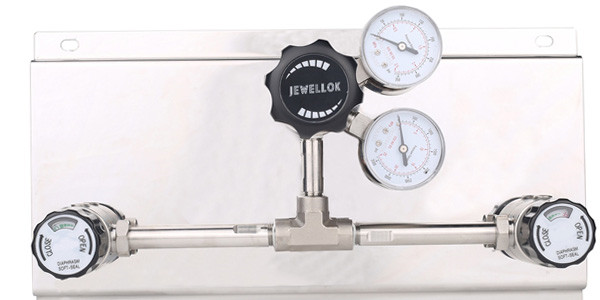
A two-stage pressure regulator is a sophisticated device designed to reduce high-pressure gas from a source, such as a compressed gas cylinder or pipeline, to a safe and usable level in two distinct steps. Unlike single-stage regulators, which reduce pressure in one step and are more susceptible to variations in output as inlet pressure changes, two-stage regulators offer enhanced precision and stability.
In the first stage, the regulator reduces the high inlet pressure to an intermediate, more manageable level. This stage typically involves a diaphragm or piston mechanism that responds to the incoming pressure, compressing a spring to open or close a valve. The intermediate pressure is significantly lower than the inlet but still higher than the desired final output. By performing this initial reduction, the first stage absorbs much of the variability in the inlet pressure, such as the natural decline in cylinder pressure as gas is depleted.
The second stage further refines the intermediate pressure to deliver the precise outlet pressure required by the application. This stage operates similarly to the first, using another diaphragm or piston to fine-tune the pressure with high accuracy. The two-stage design ensures that fluctuations in the inlet pressure have minimal impact on the final output, a phenomenon known as pressure droop—the tendency for outlet pressure to decrease as inlet pressure drops or flow demand increases. By dividing the pressure reduction process into two steps, the regulator achieves a stable and consistent output, making it ideal for applications where precision is critical.
The mechanics of a two-stage regulator involve a series of components, including valves, springs, diaphragms, and seals, all working in harmony to maintain equilibrium. For example, the first stage might reduce an inlet pressure of 3000 psi (pounds per square inch) from a gas cylinder to an intermediate pressure of 300 psi, while the second stage further lowers it to a precise 50 psi for safe delivery to a downstream system. This dual-stage approach ensures that even as the cylinder empties and inlet pressure drops, the output remains steady, providing reliability in sensitive operations.
Advantages of Two-Stage Pressure Regulators
Two-stage pressure regulators offer several distinct advantages that make them the preferred choice for applications requiring high precision and reliability. These benefits stem from their robust design and ability to handle complex pressure dynamics.
*High Precision
One of the primary advantages of two-stage regulators is their ability to maintain a consistent outlet pressure, even under varying conditions. This precision is critical in applications where even minor fluctuations in gas pressure could lead to equipment malfunction or compromised safety. For instance, in medical oxygen delivery systems, a stable pressure ensures that patients receive the correct flow rate of oxygen, avoiding potentially life-threatening variations. The two-stage design minimizes pressure droop, ensuring that the output pressure remains within tight tolerances, even as the gas source depletes.
*Stability in Varying Conditions
Two-stage regulators excel in environments where inlet pressure fluctuates significantly or where long-term operation is required. For example, in industrial settings where gas cylinders are used over extended periods, the inlet pressure naturally decreases as the cylinder empties. A single-stage regulator might struggle to maintain a consistent output in such scenarios, but a two-stage regulator compensates by stabilizing the pressure at the intermediate stage before fine-tuning it in the second stage. This stability is also valuable in systems with fluctuating flow demands, where sudden changes in gas usage could otherwise disrupt performance.
*Versatility Across Applications
Two-stage regulators are highly versatile, capable of handling a wide range of gases, including oxygen, nitrogen, argon, helium, and even specialty gases used in scientific research. They can also accommodate a broad spectrum of pressures, from high-pressure industrial gases to low-pressure laboratory applications. This adaptability makes them suitable for diverse industries, from healthcare and research to manufacturing and energy production. Manufacturers often design two-stage regulators with customizable settings, allowing users to adjust outlet pressures to meet specific requirements.
Limitations of Two-Stage Pressure Regulators
While two-stage pressure regulators offer significant advantages, they are not without drawbacks. Understanding these limitations is essential for determining whether a two-stage regulator is the right choice for a given application.
*Higher Cost
The complexity of the two-stage design, with its additional components and precision engineering, results in higher manufacturing costs compared to single-stage regulators. This increased cost can be a barrier for budget-conscious applications, particularly in scenarios where high precision is not critical. For example, a simple welding setup using a single-stage regulator may suffice for basic tasks, making the added expense of a two-stage model unnecessary.
*Larger Size and Weight
Two-stage regulators are generally larger and heavier than their single-stage counterparts due to the additional stage and associated components. This can be a disadvantage in applications where space is limited or portability is essential. For instance, in field operations or portable medical devices, the bulkier size of a two-stage regulator may pose logistical challenges, prompting users to opt for more compact alternatives, even if it means sacrificing some precision.
*Maintenance Requirements
With more moving parts, such as dual diaphragms, valves, and springs, two-stage regulators may require more frequent or complex maintenance compared to simpler designs. Components like seals and diaphragms can wear out over time, particularly in high-pressure or corrosive gas environments, necessitating regular inspections and replacements. While proper maintenance ensures long-term reliability, it can increase operational costs and downtime, particularly in industrial settings with continuous use.
Applications of Two-Stage Pressure Regulators
The precision and stability of two-stage pressure regulators make them indispensable in a variety of industries where consistent gas delivery is critical. Below are some key applications where these regulators shine.
*Medical Gas Systems
In healthcare, two-stage pressure regulators are widely used in medical gas delivery systems, such as those supplying oxygen to patients in hospitals or clinics. For example, in an intensive care unit, a two-stage regulator ensures that oxygen flows at a steady, safe pressure to ventilators or respiratory devices, even as the gas cylinder depletes. This reliability is crucial for patient safety, preventing dangerous fluctuations that could disrupt treatment.
*Laboratory Equipment
Scientific research often requires precise control of gas flow for experiments, such as gas chromatography or mass spectrometry. Two-stage regulators provide the stable pressure needed to ensure accurate results, particularly when working with specialty gases like helium or nitrogen. In a laboratory setting, even slight pressure variations can skew experimental data, making the precision of two-stage regulators invaluable.
*Industrial Processes
In industrial applications, two-stage regulators are used in processes requiring a continuous and stable gas supply, such as welding, chemical manufacturing, or semiconductor production. For instance, in semiconductor fabrication, precise gas delivery is essential for processes like chemical vapor deposition, where consistent pressure ensures uniform material deposition and high-quality output.
Real-World Example: Oxygen Delivery in Hospitals
To illustrate the importance of two-stage pressure regulators, consider their role in a hospital’s oxygen delivery system. Oxygen cylinders in medical facilities often start with high pressures (e.g., 2000–3000 psi) that must be reduced to a safe level (e.g., 50 psi) for patient use. As the cylinder depletes over time, the inlet pressure drops significantly. A single-stage regulator might struggle to maintain a consistent output, potentially leading to inadequate oxygen flow to patients. In contrast, a two-stage regulator first reduces the high cylinder pressure to an intermediate level (e.g., 300 psi) and then fine-tunes it to the precise pressure needed. This ensures that patients receive a steady and safe oxygen supply, regardless of the cylinder’s fill level, safeguarding their health and well-being.
Comparative Analysis
Pressure regulators are vital components in gas handling systems, controlling the flow and pressure of gases from high-pressure sources like cylinders or pipelines to usable levels for various applications. They ensure safety, efficiency, and precision in industries ranging from manufacturing to healthcare. Two primary types dominate the market: single-stage and two-stage regulators. A single-stage regulator reduces pressure in one step, directly from inlet to outlet, while a two-stage regulator employs a sequential process, first dropping to an intermediate pressure and then fine-tuning to the final output.
Performance
At the core of any regulator’s effectiveness is its performance in maintaining consistent pressure output. Single-stage regulators operate through a straightforward mechanism: a diaphragm or piston responds to inlet pressure, adjusting a valve to achieve the desired outlet. However, this simplicity comes with a notable drawback known as pressure droop. As inlet pressure fluctuates—common in depleting gas cylinders—or as flow demand increases, the outlet pressure can drop by 10-20% or more. For instance, if a cylinder starts at 2000 psi and drops to 500 psi, the output might vary significantly, leading to inconsistent gas delivery. This makes single-stage regulators unreliable for tasks demanding precision, such as analytical instrumentation where even minor variations can skew results.
In contrast, two-stage regulators excel in performance by dividing the reduction process into two phases. The first stage handles the bulk reduction to an intermediate pressure (e.g., from 3000 psi to 300 psi), absorbing inlet fluctuations, while the second stage provides fine control for stable output (e.g., to 50 psi). This design minimizes droop to less than 5%, ensuring steady pressure even over long durations or with varying inputs. Studies from gas equipment manufacturers like Harris or Victor show that two-stage models maintain output within ±1-2% tolerance, making them ideal for high-precision or extended operations. For example, in continuous industrial processes, this stability prevents downtime and waste, offering superior reliability where single-stage options falter.
Cost
Cost is a decisive factor in regulator selection, often tipping the scales toward single-stage models for budget-sensitive users. Single-stage regulators are typically 20-50% cheaper due to their simpler construction, involving fewer components like one diaphragm and valve assembly. Basic models can retail for $50-150, making them accessible for hobbyists or small-scale operations. While initial savings are appealing, hidden costs arise from potential inefficiencies, such as frequent adjustments or replacements in precision-demanding setups.
Two-stage regulators, priced at $100-300 or more, reflect their added complexity and precision engineering. The extra stage requires additional materials, tighter tolerances, and quality control, driving up manufacturing expenses. However, for critical applications, they provide better long-term value through reduced operational losses. In a laboratory setting, the stability of a two-stage unit might save thousands in ruined experiments, amortizing the higher upfront cost over time. Return on investment analyses from industry reports indicate that in high-stakes environments, two-stage regulators can pay for themselves within 1-2 years via enhanced efficiency and durability, whereas single-stage ones may incur ongoing recalibration expenses.
Size and Complexity
Size and complexity directly impact installation, portability, and maintenance, areas where single-stage regulators hold a clear edge. These devices are compact, often weighing 1-2 pounds and measuring just a few inches in diameter, thanks to their single-chamber design. Installation is straightforward—a simple connection to the gas source and outlet hose—requiring minimal tools or expertise. This ease suits field technicians or mobile setups, where space is premium and quick setup is essential.
Two-stage regulators, by incorporating dual chambers, diaphragms, and valves, are bulkier, typically 50-100% larger and heavier (2-5 pounds). This added bulk demands more installation space and often professional setup to ensure proper alignment and sealing. Maintenance is more involved, with potential for issues in multiple components like springs or seals, necessitating specialized knowledge or tools. For instance, disassembling a two-stage unit for cleaning might require factory-trained personnel, increasing downtime. While this complexity enhances performance, it can be a deterrent in space-constrained or novice-operated environments, where the simplicity of single-stage models reduces errors and training needs.
Applications
The choice between regulators often boils down to application-specific requirements, with each type shining in distinct scenarios. Single-stage regulators are suited for short-term, low-precision tasks where cost and simplicity outweigh absolute stability. In construction sites, their robustness handles intermittent use without fuss. They’re also prevalent in automotive repair for tire inflation or paint spraying, tolerating minor droop without compromising basic functionality.
Two-stage regulators dominate high-precision, long-term tasks requiring unwavering consistency. In medical fields, they ensure steady oxygen flow in hospital systems, preventing patient risks from pressure swings. Laboratories rely on them for gas chromatography or spectroscopy, where precise gas mixtures are critical for accurate data. Industrial applications like semiconductor manufacturing or pharmaceutical production benefit from their stability in continuous operations. For example, in a biotech lab analyzing samples over hours, a two-stage regulator maintains exact pressures for reagents, unlike single-stage alternatives that might require constant monitoring.
Safety
Safety is paramount in gas systems, where pressure mishaps can lead to leaks, explosions, or health hazards. Single-stage regulators, while equipped with relief valves, are more prone to output instability, posing risks in high-pressure setups. Sudden droop could under-deliver gas in critical moments, like fire suppression systems, or cause over-pressurization if not monitored.
Two-stage regulators enhance safety through inherent stability, reducing the likelihood of fluctuations that stress downstream equipment or endanger users. Their design includes redundant controls, often with built-in gauges for each stage, allowing early detection of issues. In handling hazardous gases like acetylene or chlorine, the minimized droop prevents surges that could rupture lines. Regulatory bodies like OSHA recommend two-stage models for medical and industrial high-risk environments, citing lower incident rates—data from safety reports show up to 30% fewer pressure-related failures compared to single-stage use in similar conditions.
Environmental Factors
Environmental resilience affects regulator longevity and performance in harsh conditions. Single-stage regulators perform adequately in standard settings but can falter under extremes. Temperature swings (e.g., -20°C to 50°C) may affect diaphragm elasticity, exacerbating droop, while corrosive gases like hydrogen sulfide accelerate wear on basic seals.
Two-stage regulators, built with robust materials like stainless steel or enhanced polymers, better withstand environmental stresses. Their multi-stage buffering mitigates temperature-induced variations, maintaining output accuracy in outdoor industrial sites or refrigerated labs. For corrosive applications, options with specialized coatings extend service life by 2-3 times. In oil and gas extraction, where regulators face dust, moisture, and chemicals, two-stage models reduce failure rates, as evidenced by field tests showing sustained performance in adverse climates versus single-stage degradation.
Comparison Table:
Feature | Single-Stage Regulator | Two-Stage Regulator |
|---|---|---|
Pressure Stability | Moderate (pressure droop) | High (minimal droop) |
Cost | Low | High |
Size | Compact | Larger |
Complexity | Simple | Complex |
Ideal Applications | Welding, HVAC | Medical, Laboratory |
Maintenance | Low | Moderate to High |
Choosing the Right Regulator
Selecting the appropriate pressure regulator is a critical decision in any gas handling system, whether in industrial, medical, laboratory, or hobbyist settings. Pressure regulators control the delivery of gases from high-pressure sources like cylinders to safe, usable levels, preventing equipment damage, ensuring safety, and maintaining efficiency. The two main options—single-stage and two-stage regulators—differ fundamentally in design and performance. A single-stage regulator reduces pressure in one step, offering simplicity and affordability but with potential inconsistencies. A two-stage regulator, by contrast, performs the reduction in two sequential steps, providing greater stability and precision at the expense of cost and size.
Key Considerations When Selecting a Regulator
Choosing between single-stage and two-stage regulators requires a thorough assessment of operational demands, constraints, and environmental factors. Below are the primary considerations, each illustrated with practical insights to guide your decision-making process.
Application Needs
The nature of your task is the foundational criterion. Ask yourself: Does the application demand high precision, long-term stability, or tolerance for minor fluctuations? Single-stage regulators suffice for basic, intermittent uses where exact pressure consistency isn’t paramount, such as inflating tires or basic pneumatic tools. However, for critical applications involving sensitive equipment or prolonged operation, opt for two-stage regulators. These excel in scenarios like analytical chemistry labs, where gas chromatography requires unwavering pressure to produce reliable data—variations as small as 1-2 psi could invalidate results. In medical oxygen therapy, two-stage models ensure steady flow to patients over hours, mitigating risks from cylinder depletion. Industry experts from organizations like the Compressed Gas Association emphasize that two-stage regulators reduce output variance by up to 90% compared to single-stage, making them indispensable for high-stakes environments where downtime or inaccuracies could lead to significant losses or safety issues.
Budget
Financial constraints often dictate choices, and single-stage regulators typically win here due to their lower upfront costs. Priced 20-50% less than two-stage equivalents (often $50-150 versus $100-300), they appeal to small businesses, DIY enthusiasts, or projects with limited funding. For instance, a welding hobbyist might select a single-stage unit to save money on occasional use, accepting occasional adjustments. However, consider total cost of ownership: two-stage regulators, while more expensive initially, offer long-term savings in critical setups by minimizing waste, recalibrations, and replacements. In a manufacturing plant, the stability of a two-stage model could prevent product defects costing thousands, yielding a quicker return on investment. Budget evaluations should include potential indirect expenses, like training for complex maintenance, tipping the scales toward single-stage for non-essential applications.
Inlet Pressure Range
Inlet pressure variability is another pivotal factor, as gas sources like cylinders naturally drop from full (e.g., 2000-3000 psi) to near-empty levels. Single-stage regulators struggle with wide ranges, exhibiting “droop” where outlet pressure declines as inlet decreases, potentially by 10-20%. This is manageable in stable pipeline systems but problematic in cylinder-based setups. Two-stage regulators are designed for broader fluctuations, with the first stage buffering changes and the second maintaining precision. They handle inlet swings from 50-3000 psi seamlessly, ideal for field operations or depleting sources. Engineering data from manufacturers like Swagelok shows two-stage models maintain output within ±1% across such ranges, versus ±5-10% for single-stage. If your system involves variable supplies—common in remote industrial sites or portable medical kits—prioritize two-stage to avoid performance dips.
Gas Type
Compatibility with the gas being regulated cannot be overlooked, as different gases pose unique challenges like corrosiveness, reactivity, or contamination risks. Both regulator types come in various materials, but selection must match the gas’s properties. For inert gases like nitrogen, standard brass single-stage regulators work fine and are cost-effective. However, corrosive gases such as chlorine or ammonia demand stainless steel or specialized alloys to prevent degradation, where two-stage models often incorporate these robust builds for enhanced durability. Oxygen systems require “oxygen-clean” regulators free of oils to avoid combustion hazards—both types offer this, but two-stage versions provide added safety through stable delivery, reducing leak risks. Consult Material Safety Data Sheets (MSDS) and standards like ISO 2503 for guidance; mismatching can lead to regulator failure, as seen in incidents where acidic gases corroded incompatible seals in single-stage units.
Portability
Mobility needs influence size and weight considerations. Single-stage regulators are compact (1-2 lbs, palm-sized), making them perfect for portable systems like camping stoves, scuba diving gear, or on-site repairs where ease of transport is key. Their simple design allows quick attachments without heavy tooling. Two-stage regulators, bulkier (2-5 lbs with dual chambers), suit stationary setups like laboratory benches or fixed industrial lines, where space isn’t constrained. In emergency response vehicles, a single-stage might be preferred for its lightweight profile, while hospital central gas systems favor two-stage for permanent installation. Assess logistics: if frequent movement is involved, the added weight of two-stage could increase fatigue or shipping costs, outweighing precision benefits.
Selection Checklist
To streamline the decision process, use this step-by-step checklist. It ensures all variables are covered, reducing oversights.
- Define the required outlet pressure and flow rate: Specify exact needs (e.g., 50 psi at 10 L/min). Two-stage if precision ±1 psi is essential; single-stage for broader tolerances.
- Assess inlet pressure variability: Measure source range and fluctuation frequency. Opt for two-stage if drops exceed 500 psi or occur often, as in cylinder use.
- Evaluate budget and maintenance capabilities: Calculate total costs, including parts and labor. Single-stage for low budgets; ensure your team can handle two-stage’s complex servicing (e.g., dual diaphragm replacements).
- Confirm gas compatibility and environmental conditions: Verify materials against gas properties (e.g., no brass for acetylene). Factor in temperature (-20°C to 50°C), humidity, or dust—two-stage for extremes due to sealed designs.
- Review safety and regulatory compliance: Check for certifications like CE or UL. Prioritize two-stage in hazardous areas.
- Test for portability and space: Measure available room and mobility needs. Prototype if possible possible to validate fit.
Common Mistakes to Avoid
- Choosing a single-stage regulator for a high-precision task: A frequent error in labs or medical fields, where droop causes inaccurate results or patient risks. For example, using one in mass spectrometry might, minor pressure shifts ruined experiments costing hours of rework. Always match precision needs—upgrade to two-stage for tolerances like like like like like like,.Even experienced users falter in regulator selection, leading to inefficiencies or hazards. Awareness of these pitfalls can save time and resources.
- Overlooking maintenance costs for two-stage regulators: Buyers focus on purchase price but ignore ongoing expenses. Dual components mean higher servicing fees—up to $100 per visit versus $50 for single-stage. In corrosive environments, neglected seals fail prematurely, causing leaks. Budget for annual inspections and train staff to extend lifespan.
- Ignoring gas-specific requirements: A grave oversight, like using non-cleaned regulators for oxygen, risking fires from contaminants. Or selecting brass for corrosive gases, leading to rapid corrosion. Case studies from safety reports highlight explosions from such mismatches; always verify cleaning protocols and material specs per ASME standards.
Conclusion
When choosing between single-stage and two-stage pressure regulators, the decision hinges on balancing performance, cost, and application-specific needs. Each type has distinct strengths and limitations, making them suited to different scenarios in gas handling systems.
Single-stage regulators offer simplicity, affordability, and compactness, ideal for short-term, low-precision tasks like welding, tire inflation, or HVAC maintenance. Priced 20-50% lower than two-stage models, they appeal to budget-conscious users and portable applications. However, their susceptibility to pressure droop—where outlet pressure drops as inlet pressure or flow varies—limits their reliability in high-stakes settings. For instance, in systems with depleting cylinders, single-stage regulators may require frequent adjustments, risking inefficiencies or safety issues.
Two-stage regulators excel in precision and stability, making them the go-to choice for critical applications such as medical oxygen delivery, laboratory gas chromatography, or industrial processes like semiconductor manufacturing. By reducing pressure in two steps, they minimize droop to under 5%, ensuring consistent output even with wide inlet variations. Though bulkier and costlier, their robust design and compatibility with corrosive gases or extreme environments enhance safety and longevity, offering better long-term value despite higher upfront costs and maintenance needs.
Ultimately, the choice depends on your priorities. For casual, cost-sensitive, or mobile tasks, single-stage regulators suffice. For precision, safety, or prolonged operations, two-stage models are superior. Evaluate application demands, budget, gas type, and environmental factors using a checklist to avoid pitfalls like mismatched regulators or overlooked maintenance. By aligning your choice with operational goals, you ensure efficiency, safety, and reliability, transforming a seemingly minor component into a cornerstone of effective gas management.