
Pressure Regulator OEM & ODM
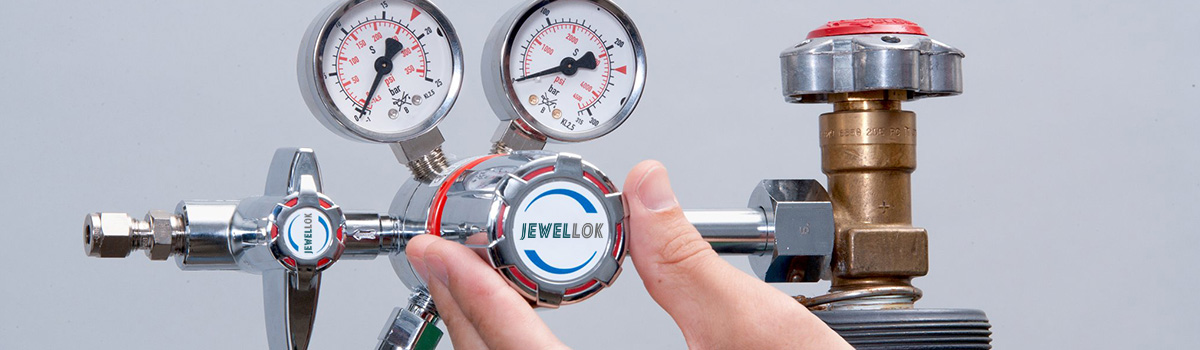
Understanding Pressure Regulators
Types of Pressure Regulators
- Single-Stage Regulators: These reduce pressure in one step, suitable for applications like welding or basic gas delivery, offering simplicity but less precision under varying flows.
- Dual-Stage Regulators: With two reduction stages, they ensure high stability for sensitive uses like laboratory gas chromatography or medical oxygen systems.
- Back Pressure Regulators: These control upstream pressure, vital in chemical processing to prevent system over-pressurization.
- Electronic Pressure Regulators: Equipped with digital controls, they provide precision (down to 0.1% accuracy) for advanced applications like semiconductor manufacturing.
OEM vs. ODM: Defining the Models
OEM: Original Equipment Manufacturing
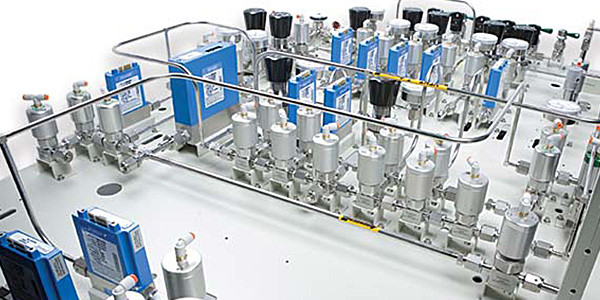
ODM: Original Design Manufacturing
Key Differences
- Design Ownership: OEM clients provide designs; ODM providers handle design and production.
- Time and Cost: OEM requires more client involvement, increasing time and cost. ODM leverages existing designs, reducing both.
- Customization Level: OEM offers bespoke solutions; ODM provides semi-customized products from templates.
The OEM and ODM Manufacturing Process
OEM Process
- Requirement Analysis: The client submits detailed specifications, including pressure ranges, materials, and certifications (e.g., ISO 9001 or ASME).
- Design Validation: The OEM reviews designs for manufacturability, suggesting tweaks for efficiency or compliance.
- Prototyping: A prototype is built and tested for performance metrics like flow stability and leak integrity.
- Production: Once approved, regulators are manufactured using CNC machining, forging, or casting, with rigorous quality checks.
- Delivery and Branding: Products are shipped unbranded or with client branding, ready for integration.
ODM Process
- Concept Selection: Clients choose from the ODM’s catalog of designs, specifying modifications like outlet pressure or material.
- Customization: The ODM adapts the design, often using modular components to streamline changes.
- Prototyping and Testing: A modified prototype is tested to ensure it meets client needs and industry standards.
- Mass Production: Approved designs enter high-volume production, leveraging economies of scale.
- Branding and Delivery: Products are labeled with the client’s brand and delivered for market distribution.
Both processes emphasize precision machining, material selection, and compliance with standards like ISO 10524 for medical regulators or API standards for oil and gas.
Benefits of OEM and ODM for Pressure Regulators
OEM Benefits
- Tailored Precision: Fully customized regulators meet exact application needs, critical for niche sectors like aerospace or pharmaceuticals.
- Brand Control: Clients retain IP and branding, strengthening market identity.
- Quality Assurance: Direct oversight ensures adherence to specifications, vital for high-stakes applications.
ODM Benefits
- Cost Efficiency: Leveraging existing designs reduces R&D costs, ideal for startups or budget-conscious firms.
- Speed to Market: Pre-existing templates accelerate development, enabling rapid deployment.
- Scalability: ODMs often have robust supply chains, supporting high-volume orders.
Shared Advantages
- Global Reach: Manufacturers, especially in Asia-Pacific (e.g., China), offer cost-effective production without compromising quality.
- Regulatory Compliance: OEMs and ODMs ensure adherence to standards like CE, RoHS, or ATEX for hazardous environments.
- Innovation Access: Partnerships provide access to cutting-edge technologies, like smart sensors in electronic regulators.
Applications Across Industries
Pressure regulator OEM and ODM services cater to diverse sectors:
*Oil and Gas: High-pressure regulators (up to 4500 psig) control natural gas or propane flow in pipelines and refineries, requiring robust materials like stainless steel to withstand harsh conditions.
*Medical and Healthcare: Dual-stage regulators ensure precise oxygen delivery in ventilators or anesthesia machines, with biocompatible materials and stringent certifications.
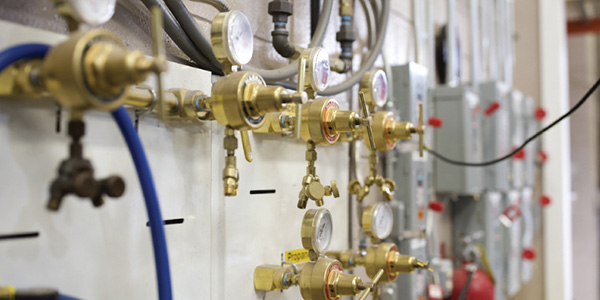
*Semiconductor Manufacturing: Electronic regulators maintain ultra-low pressures (e.g., 0-100 mbar) for gas delivery in cleanrooms, demanding high precision and minimal contamination.
*Automotive: Regulators manage fuel cell hydrogen flow in electric vehicles, requiring compact, lightweight designs.
*Renewable Energy: Regulators control biogas or hydrogen in green energy systems, supporting sustainability goals.
Customization via OEM/ODM ensures regulators meet specific pressure ranges, flow rates, and environmental demands, enhancing system reliability.
Market Trends
- Smart Regulators: Integration of IoT and sensors for real-time monitoring, with OEMs developing bespoke digital interfaces.
- Sustainability: Demand for regulators in hydrogen and biogas systems is rising, driven by renewable energy growth.
- Miniaturization: Compact regulators for portable devices, like medical ventilators, are in demand, with ODMs leading in modular designs.
- Asia-Pacific Dominance: China’s OEM/ODM ecosystem, with its low costs and high capacity, is projected to account for 40% of the global market by 2030.
Challenges and ConsiderationsChallenges
- Quality Control: OEM requires stringent oversight to ensure custom designs meet standards, while ODM risks template mismatches.
- Lead Times: OEM’s bespoke nature can delay production compared to ODM’s faster turnaround.
- IP Protection: OEM clients must safeguard designs, while ODM clients may face IP overlap with shared templates.
- Cost Management: OEM’s customization can escalate costs, requiring careful budgeting.
Considerations for Buyers
- Application Needs: Choose OEM for unique requirements or ODM for cost-effective, semi-custom solutions.
- Manufacturer Expertise: Verify certifications, production capacity, and industry experience.
- Supply Chain Reliability: Assess lead times and logistics, especially for global sourcing from regions like China.
What do Jewellok offers?
Jewellok is the best pressure regulator manufacturer in China, we offer pressure regulator designs and produtcts, including pressure regulator OEM and ODM services. If you have anything qesstion about the pressure regulators, pleasce contact us.