
What is a diaphragm valve
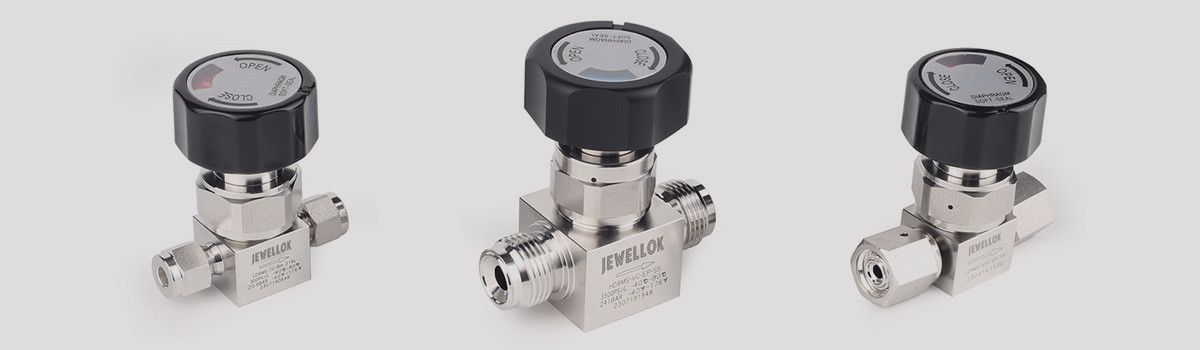
Diaphragm Valve Design and Working Principle
Types of Diaphragm Valves
- Weir Diaphragm Valves
The weir-type diaphragm valve is the most common design. It features a raised saddle or weir in the flow path, against which the diaphragm presses to stop the flow. When the valve is open, the diaphragm lifts, allowing fluid to pass over the weir. This design offers excellent throttling capabilities, making it suitable for applications requiring precise flow control. The weir reduces the flow area, which can slightly restrict flow compared to other valve types, but it ensures a tight seal, minimizing leakage. Weir valves are widely used in industries handling slurries, viscous fluids, or media with suspended solids, as the diaphragm prevents direct contact between the fluid and the valve’s internal components, reducing contamination and wear. - Straight-Through Diaphragm Valves
The straight-through or full-bore diaphragm valve is designed for applications requiring minimal flow restriction. In this design, the diaphragm moves away from the flow path entirely when the valve is open, allowing a nearly unobstructed flow. This makes straight-through valves ideal for handling highly viscous fluids, sludges, or media with large particles. However, they may not provide the same level of precision in throttling as weir valves. Straight-through valves are often used in industries like mining, wastewater treatment, and pulp and paper, where high flow rates and minimal pressure drops are critical.
Materials Used in Diaphragm Valves
- Metal
Valve bodies are commonly made from metals such as stainless steel, cast iron, or bronze. Stainless steel is preferred for its corrosion resistance, making it suitable for aggressive chemicals or hygienic applications in pharmaceuticals and food processing. Cast iron is used in less demanding applications, such as water treatment, due to its cost-effectiveness and durability. Some valves are lined with corrosion-resistant coatings, such as PTFE or glass, to enhance their resistance to harsh media. - Plastic
Plastic materials, such as PVC, CPVC, PP, or PVDF, are widely used for valve bodies in applications involving corrosive fluids or lower-pressure systems. Plastics offer excellent chemical resistance and are lightweight, making them cost-effective for industries like chemical processing and water treatment. However, plastic valves may have limitations in high-temperature or high-pressure environments. - Elastomers
The diaphragm itself is typically made from elastomeric materials, such as EPDM, nitrile, neoprene, or PTFE. The choice of elastomer depends on the fluid’s chemical composition, temperature, and abrasiveness. For example, EPDM is suitable for water and mild chemicals, while PTFE is chosen for highly corrosive fluids due to its exceptional chemical inertness. The diaphragm must be flexible yet durable to withstand repeated flexing without tearing or deforming.
How Diaphragm Valves Operate
- Manual Operation
Manually operated diaphragm valves are controlled by a handwheel or lever. Turning the handwheel moves a compressor, which presses the diaphragm against the weir or seat to close the valve or lifts it to open the flow path. Manual valves are simple, cost-effective, and widely used in applications where precise control is not required or where automation is impractical. They are common in small-scale systems or processes with infrequent valve operation. - Pneumatic Operation
Pneumatically actuated diaphragm valves use compressed air to move the diaphragm. An actuator, typically a piston or diaphragm actuator, applies pressure to the compressor, which controls the diaphragm’s position. Pneumatic valves are ideal for automated systems, offering fast response times and compatibility with remote control systems. They are widely used in industries requiring frequent or rapid valve operation, such as chemical processing or pharmaceutical manufacturing. Pneumatic actuators can be configured for fail-safe operation, closing or opening the valve in case of air supply failure. - Electric Operation
Electrically actuated diaphragm valves use an electric motor or solenoid to drive the compressor and control the diaphragm. These valves are highly precise and can be integrated into complex control systems, making them suitable for applications requiring automated and accurate flow regulation. Electric actuators are often used in industries with stringent process control requirements, such as food and beverage or semiconductor manufacturing. However, they may be slower than pneumatic actuators and require a reliable power source.
Working Principle
Advantages and Applications
Applications of Diaphragm Valves: Industries, Use Cases, and Comparisons
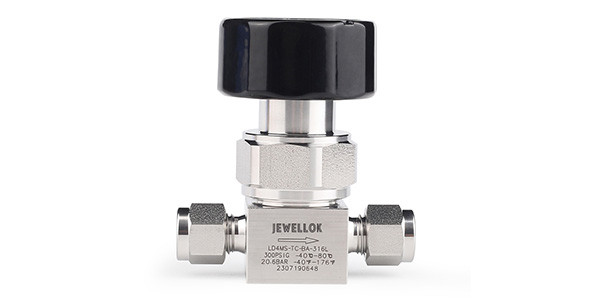
Industries Utilizing Diaphragm Valves
- Pharmaceutical Industry
In pharmaceutical manufacturing, maintaining sterile conditions is paramount. Diaphragm valves are extensively used in processes such as drug formulation, bioreactor systems, and clean-in-place (CIP) systems. Their ability to provide a contamination-free seal ensures that no residues or microbes compromise the product. The valves’ smooth, crevice-free surfaces and compatibility with steam sterilization make them ideal for handling sensitive fluids like vaccines, injectables, and biologics. - Food and Beverage Industry
The food and beverage sector relies on diaphragm valves for hygienic processing of products like dairy, beverages, sauces, and syrups. These valves are designed to meet stringent sanitary standards, such as those set by the FDA or 3-A Sanitary Standards. They are used in processes like pasteurization, filling, and cleaning systems, where their ability to prevent cross-contamination and handle viscous or particulate-laden fluids is critical. - Water Treatment
Diaphragm valves play a vital role in water treatment facilities, including potable water production, wastewater treatment, and desalination. They are used to control the flow of water, chemicals, and sludges. Their corrosion-resistant materials, such as PVC or stainless steel, and ability to handle abrasive or viscous media make them suitable for dosing chemicals, managing sludge, or regulating flow in filtration systems. - Chemical Processing
In chemical processing, diaphragm valves are employed to handle aggressive, corrosive, or toxic fluids, such as acids, alkalis, and solvents. Their design prevents fluid contact with internal metal components, reducing corrosion and extending valve life. These valves are used in applications like chemical dosing, reactor feed lines, and waste stream management, where reliable sealing and chemical compatibility are essential.
Specific Use Cases
- Sterile Processes
In pharmaceutical and biotechnology applications, diaphragm valves are critical for sterile processes. For example, in the production of injectable drugs or vaccines, these valves ensure a sterile flow path by preventing contamination from external sources or valve components. Their diaphragms, often made from materials like PTFE or EPDM, are compatible with steam sterilization and cleaning agents, ensuring compliance with Good Manufacturing Practices (GMP). In bioprocessing, diaphragm valves control the flow of cell cultures or media in bioreactors, maintaining sterility and preventing leaks that could compromise product quality. - Corrosive Fluids
Diaphragm valves excel in handling corrosive fluids, such as hydrochloric acid, sulfuric acid, or chlorine-based solutions, commonly found in chemical processing and water treatment. The diaphragm isolates the valve’s mechanical components from the fluid, preventing corrosion of critical parts. For instance, in chlor-alkali plants, diaphragm valves manage the flow of caustic soda or chlorine gas, where materials like PTFE-lined bodies or diaphragms ensure durability and safety. Their ability to handle slurries and viscous media also makes them suitable for applications involving abrasive or particle-laden fluids, such as mining slurries or wastewater sludge.
Comparison with Other Valve Types
- Ball Valves
Ball valves use a rotating ball with a bore to control flow, offering quick on-off operation and low pressure drop. They are durable and suitable for high-pressure applications but lack the fine throttling capabilities of diaphragm valves. Unlike diaphragm valves, ball valves are not ideal for sterile or corrosive applications, as their internal components are exposed to the fluid, increasing the risk of contamination or corrosion. Diaphragm valves are preferred in hygienic or corrosive environments, while ball valves are better for general-purpose applications with clean fluids. - Gate Valves
Gate valves are designed for on-off control, using a sliding gate to block or allow flow. They offer minimal flow resistance when fully open but are not suitable for throttling, as partial opening can cause vibration and wear. Gate valves are less effective for corrosive or hygienic applications, as their design allows fluid contact with internal components, leading to potential corrosion or contamination. Diaphragm valves, with their isolated flow path, outperform gate valves in applications requiring chemical resistance or sterility. - Globe Valves
Globe valves are excellent for throttling and flow regulation, using a plug or disc to control flow through a seat. However, their complex internal design increases the risk of contamination in hygienic applications, and they are less resistant to corrosive fluids compared to diaphragm valves. Globe valves also have higher pressure drops due to their tortuous flow path. Diaphragm valves, with their simpler design and lower maintenance needs, are preferred for handling corrosive or viscous media and maintaining sterile conditions.
Advantages and Limitations
Advantages and Limitations of Diaphragm Valves
Advantages of Diaphragm Valves
Limitations of Diaphragm Valves
Suitability for Specific Applications
Diaphragm Valve Materials and Selection Criteria
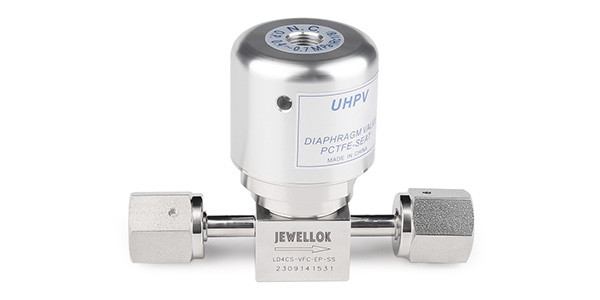
Common Diaphragm Materials
- EPDM (Ethylene Propylene Diene Monomer)
EPDM is a synthetic rubber widely used for diaphragms due to its excellent resistance to water, steam, and mild chemicals. It is flexible, durable, and suitable for applications involving hot water or dilute acids, making it a popular choice in water treatment and food processing. However, EPDM is less effective against oils, solvents, or strong acids, limiting its use in aggressive chemical environments. - PTFE (Polytetrafluoroethylene)
PTFE, often known as Teflon, is prized for its exceptional chemical inertness and resistance to corrosive fluids like acids, alkalis, and solvents. It is ideal for pharmaceutical and chemical processing applications where sterility and chemical compatibility are paramount. PTFE diaphragms can withstand high temperatures but may require a backing material, such as rubber, to enhance flexibility and durability under repeated flexing. - Rubber (Nitrile, Neoprene)
Other rubber materials, such as nitrile and neoprene, are used for specific applications. Nitrile is resistant to oils and hydrocarbons, making it suitable for fuel-related processes, while neoprene offers good resistance to abrasion and weathering, ideal for handling slurries or wastewater. These materials are cost-effective but may not match PTFE’s chemical resistance or EPDM’s thermal stability.
Body Materials
- Stainless Steel
Stainless steel, particularly 316L, is favored for its corrosion resistance and durability, making it ideal for pharmaceutical, food, and chemical applications. It is compatible with hygienic processes requiring steam sterilization and can handle corrosive fluids. However, it is more expensive than other options. - PVC (Polyvinyl Chloride)
PVC is a lightweight, cost-effective plastic with excellent resistance to acids, alkalis, and salts. It is widely used in water treatment and chemical processing for low-pressure, non-hygienic applications. PVC has temperature limitations, typically up to 60°C, restricting its use in high-temperature processes. - Cast Iron
Cast iron is a robust, economical choice for non-corrosive applications like water distribution or wastewater treatment. It is less resistant to aggressive chemicals, so it is often lined with materials like PTFE to enhance compatibility with corrosive fluids.
Factors to Consider in Material Selection
- Fluid Type
The chemical composition of the fluid dictates material compatibility. Corrosive fluids like acids require PTFE diaphragms and lined or stainless steel bodies, while water or mild fluids can use EPDM and PVC or cast iron. - Temperature
Operating temperature affects material performance. PTFE and stainless steel can handle higher temperatures (up to 150°C or more), while PVC and EPDM are limited to lower ranges. High temperatures may also require reinforced diaphragms to prevent deformation. - Pressure
The system’s pressure influences material choice. Stainless steel bodies are suitable for high-pressure applications, while plastics like PVC are limited to lower pressures. Diaphragm materials must withstand pressure without tearing or losing flexibility. - Sterility
In pharmaceutical or food processing applications, sterility is critical. Stainless steel bodies with PTFE or EPDM diaphragms are preferred due to their compatibility with sterilization processes like steam cleaning or CIP systems.
Diaphragm Valve Installation and Maintenance
Best Practices for Installation
- Pre-Installation Inspection
Before installation, inspect the valve, diaphragm, and associated piping for damage or defects. Verify that the valve’s materials (e.g., PTFE diaphragm, stainless steel body) are compatible with the fluid, temperature, and pressure of the system. Ensure the valve size and type (weir or straight-through) match the application requirements. - Correct Positioning
Install the valve in a position that allows easy access for operation and maintenance. Diaphragm valves can typically be installed in any orientation, but vertical installations are preferred to prevent sediment accumulation. Ensure the valve is aligned with the piping to avoid stress on connections, which could lead to leaks or damage. - Proper Piping Support
Support the piping system adequately to prevent excessive weight or vibration from affecting the valve. Use appropriate gaskets and ensure flange faces are clean and aligned. Tighten bolts evenly in a cross-pattern to avoid uneven pressure on the diaphragm or body, which could compromise the seal. - Actuator Setup
For pneumatically or electrically actuated valves, ensure the actuator is properly connected to the control system and calibrated for the required pressure or voltage. Test the actuator’s response to confirm smooth operation before commissioning the valve.
Maintenance Procedures
- Diaphragm Replacement
The diaphragm is the most critical component and is subject to wear due to repeated flexing. Inspect the diaphragm regularly for signs of cracking, tearing, or chemical degradation. To replace it, isolate the valve, depressurize the system, and remove the bonnet. Carefully detach the old diaphragm, clean the valve body and compressor, and install a new diaphragm, ensuring proper alignment. Tighten the bonnet bolts evenly to avoid distorting the diaphragm. Always use a manufacturer-approved diaphragm to ensure compatibility. - Cleaning
In hygienic applications like pharmaceuticals or food processing, regular cleaning is essential to maintain sterility. Use clean-in-place (CIP) systems or steam sterilization for stainless steel valves with PTFE or EPDM diaphragms. For manual cleaning, disassemble the valve, remove the diaphragm, and clean all components with appropriate cleaning agents. Ensure no residues remain, as they could contaminate the process fluid. Reassemble carefully, checking for proper seating of the diaphragm.
Troubleshooting Common Issues
- Leaks at the Valve Seat
If the valve leaks when closed, inspect the diaphragm for wear, tears, or improper seating. Replace the diaphragm if damaged. Check the compressor for misalignment and ensure the actuator applies sufficient force to close the valve fully. - Reduced Flow or Blockage
Reduced flow may indicate a clogged valve, particularly in straight-through designs handling slurries. Inspect the flow path for debris and clean as needed. If the diaphragm is not fully retracting, check the actuator or handwheel for mechanical issues or obstructions. - Actuator Failure
For pneumatic or electric valves, actuator issues may prevent proper opening or closing. Verify the air supply or electrical connections, and check for actuator wear or calibration errors. Replace or recalibrate the actuator as needed. - Corrosion or Material Degradation
If the valve body or diaphragm shows signs of corrosion, verify material compatibility with the fluid. Replace incompatible components with materials like PTFE or stainless steel suited for corrosive media.
Conclusion
Diaphragm valves are vital components in industries like pharmaceuticals, chemical processing, food and beverage, and water treatment, offering reliable flow control for corrosive, viscous, and sterile fluids. Their unique design, featuring a flexible diaphragm, ensures contamination-free operation, corrosion resistance, and versatility across applications. Available in weir and straight-through types, these valves cater to diverse needs, from precise throttling to handling slurries. Materials like PTFE, EPDM, stainless steel, and PVC are selected based on fluid type, temperature, pressure, and sterility requirements. Proper installation, regular maintenance (e.g., diaphragm replacement and cleaning), and troubleshooting ensure optimal performance and longevity. Actuation options—manual, pneumatic, or electric—enhance their adaptability to automated systems.
The future of diaphragm valves looks promising, with advancements in materials, such as more durable elastomers and corrosion-resistant coatings, improving performance in extreme conditions. Integration with smart control systems is also expected to enhance automation and monitoring capabilities. To maximize efficiency, industries must carefully select valves based on specific application needs, consulting manufacturers for tailored solutions. By choosing the right diaphragm valve, businesses can ensure reliable, safe, and cost-effective fluid control for their processes.