
Difference between high pressure and low pressure gas regulator

What is a Gas Regulator?
A gas regulator is a critical device used to control the flow and pressure of gas from a high-pressure source, such as a cylinder or pipeline, to a safe and usable level for various applications. Its primary purpose is to ensure that the gas delivered to equipment, appliances, or systems maintains a consistent pressure, regardless of fluctuations in the source pressure or demand. By doing so, gas regulators enhance safety, efficiency, and performance across a wide range of industries and settings. This article explores the function, components, and diverse applications of gas regulators, shedding light on their importance in modern technology and daily life.
Purpose and Function of Gas Regulators
Gas regulators serve as gatekeepers in gas delivery systems, ensuring that the pressure of gas flowing from a high-pressure source is reduced to a safe and stable level suitable for the intended application. Without regulators, high-pressure gas could damage equipment, cause leaks, or pose serious safety hazards, such as explosions or fires. Regulators achieve this by automatically adjusting the gas flow to maintain a predetermined output pressure, even as the input pressure from the source fluctuates or as downstream demand changes.
The basic principle behind a gas regulator’s operation is straightforward. High-pressure gas enters the regulator, where internal mechanisms reduce the pressure to a preset level before allowing the gas to exit. This process ensures that the gas is delivered at a consistent pressure, which is critical for the safe and efficient operation of devices like stoves, industrial machinery, or medical equipment. Regulators are designed to handle various gases, including natural gas, propane, oxygen, and nitrogen, with each type tailored to specific requirements.
Basic Components of a Gas Regulator
A typical gas regulator consists of several key components that work together to control gas flow and pressure. The primary elements include:
- Inlet Port: This is where high-pressure gas enters the regulator from the source, such as a gas cylinder or pipeline.
- Pressure-Reducing Mechanism: Often a diaphragm or piston, this component adjusts the gas flow to achieve the desired output pressure. The diaphragm responds to changes in pressure, expanding or contracting to open or close a valve.
- Valve: The valve regulates the amount of gas passing through the regulator, controlled by the diaphragm or piston.
- Outlet Port: This is where the regulated, lower-pressure gas exits the regulator to be delivered to the application.
- Adjustment Mechanism: Many regulators include a knob or screw to manually set the desired output pressure, allowing for fine-tuning based on specific needs.
- Safety Features: Some regulators are equipped with pressure relief valves or gauges to monitor and prevent over-pressurization, enhancing safety.
These components work in harmony to ensure precise control over gas delivery, making regulators indispensable in both simple and complex systems.
How Regulators Control Gas Flow and Pressure
The operation of a gas regulator relies on a balance of forces within its internal components. When high-pressure gas enters the inlet port, it encounters the pressure-reducing mechanism, typically a diaphragm or piston. The diaphragm is connected to a spring that applies force to keep the valve partially open. As gas flows through the valve, the downstream pressure pushes against the diaphragm. If the downstream pressure exceeds the desired level, the diaphragm compresses the spring, closing the valve slightly to reduce the flow. Conversely, if the pressure drops too low, the spring expands, opening the valve to allow more gas through. This dynamic adjustment ensures a stable output pressure, regardless of changes in the input pressure or demand.
Single-stage regulators reduce pressure in one step, while two-stage regulators perform the reduction in two phases, offering greater precision and stability, especially in applications requiring consistent low-pressure output. The choice between single-stage and two-stage regulators depends on the specific application and the level of precision required.
Industries and Applications of Gas Regulators
Gas regulators are used in a wide range of industries and applications, reflecting their versatility and importance. In residential settings, regulators are essential for controlling the flow of natural gas or propane to household appliances like stoves, water heaters, and furnaces. They ensure safe and efficient operation by delivering gas at the correct pressure for combustion.
In industrial environments, regulators play a vital role in manufacturing processes, welding, and chemical production. For example, in welding, regulators control the flow of gases like acetylene and oxygen to create a stable flame. In chemical plants, they ensure precise delivery of gases for reactions or processing, maintaining operational safety and efficiency.
The medical industry relies heavily on gas regulators for applications such as oxygen therapy, anesthesia delivery, and respiratory equipment. Medical-grade regulators are designed with high precision to deliver gases like oxygen or nitrous oxide at exact pressures, ensuring patient safety and effective treatment.Other applications include laboratory settings, where regulators control gases for experiments, and the energy sector, where they manage gas flow in pipelines or fuel cells. Specialized regulators are also used in scuba diving to regulate breathing gas and in aerospace for managing fuel systems.
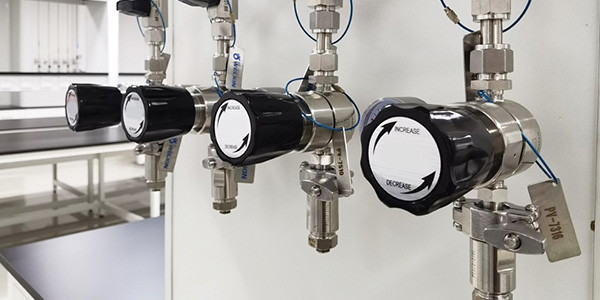
High Pressure Gas Regulators
Definition and Characteristics
Key Components and Design Features
- Inlet Port: The entry point where high-pressure gas from a cylinder or pipeline enters the regulator. It is designed to handle extreme pressures and is often equipped with robust seals to prevent leaks.
- Pressure-Reducing Mechanism: Typically a diaphragm or piston, this component is central to the regulator’s function. The diaphragm, made of flexible materials like stainless steel or elastomers, responds to pressure changes, while pistons are used in some models for higher durability under extreme pressures.
- Valve Assembly: The valve controls the flow of gas through the regulator, opening or closing in response to the pressure-reducing mechanism to maintain the desired output pressure.
- Outlet Port: The point where the regulated gas exits at a lower, controlled pressure, ready for use in the application.
- Adjustment Mechanism: A knob, screw, or lever allows users to set the desired output pressure. High pressure regulators often feature fine-threaded adjustments for precise control.
- Pressure Gauges: Most models include inlet and outlet pressure gauges to monitor the source and delivery pressures, providing real-time feedback to operators.
- Safety Features: High pressure regulators often incorporate relief valves, burst discs, or other mechanisms to prevent over-pressurization and ensure safe operation.
Applications of High Pressure Gas Regulators
- Industrial Welding and Cutting: In welding processes like oxy-acetylene or plasma cutting, regulators control the flow of gases such as oxygen and acetylene to maintain a stable flame or arc. Precise pressure control ensures high-quality welds and cuts while enhancing operator safety.
- High-Pressure Gas Cylinders: Regulators are used with compressed gas cylinders containing gases like nitrogen, helium, or hydrogen, common in laboratories, manufacturing, and aerospace. They ensure safe delivery of gas for processes like pressurizing systems or fueling experiments.
- Medical Applications: In healthcare, high pressure regulators manage gases like oxygen or nitrous oxide for anesthesia systems, ventilators, and hyperbaric chambers, where precision and reliability are critical for patient safety.
- Energy Sector: Regulators are used in natural gas pipelines and fuel cell systems to control high-pressure gas flow, ensuring efficient energy production and distribution.
- Aerospace and Defense: High pressure regulators manage fuel and oxidizer gases in rocket propulsion systems and other aerospace applications, where extreme reliability is paramount.
Advantages and Limitations
Safety Considerations and Maintenance Requirements
- Proper Installation: Regulators must be installed by trained professionals to ensure correct connections and prevent leaks. Compatibility with the gas type and pressure rating is critical.
- Regular Inspections: Routine checks for wear, corrosion, or damage to components like diaphragms, seals, and valves are essential to prevent malfunctions.
- Pressure Monitoring: Operators should regularly monitor pressure gauges to detect anomalies and avoid over-pressurization, which could lead to equipment failure or explosions.
- Use of Safety Features: Regulators with built-in relief valves or burst discs should be prioritized to mitigate risks of overpressure.
Examples of High Pressure Regulator Models and Specifications
- Victor EDGE 2.0 ESS32: Designed for industrial welding, this single-stage regulator handles pressures up to 3000 psi and features a stainless steel diaphragm and dual gauges for precise monitoring. It is compatible with gases like oxygen and argon.
- Harris Model 8700: A high-pressure regulator for industrial applications, capable of handling input pressures up to 6000 psi. It includes a multi-stage design for enhanced stability and is used in cutting and gas distribution systems.
- Tescom 44-1300 Series: A versatile regulator for laboratory and aerospace applications, with a maximum inlet pressure of 6000 psi and adjustable outlet pressures. It is constructed from stainless steel for corrosion resistance.
- Concoa 601 Series: Designed for high-purity gases in medical and laboratory settings, this regulator supports inlet pressures up to 4500 psi and includes a precision diaphragm for accurate control.
Low Pressure Gas Regulators
Definition and Characteristics
Key Components and Design Features
- Inlet Port: The entry point where gas from the source, such as a propane tank or natural gas line, enters the regulator.
- Pressure-Reducing Mechanism: Typically a diaphragm made of rubber or elastomeric materials, this component adjusts the gas flow to maintain the desired output pressure. The diaphragm responds to downstream pressure changes, balancing against a spring to regulate flow.
- Valve Assembly: A valve, controlled by the diaphragm, opens or closes to adjust the gas flow, ensuring consistent pressure at the outlet.
- Outlet Port: The point where the regulated, low-pressure gas exits to supply the appliance or system.
- Adjustment Mechanism: Some regulators include a manual adjustment screw or knob to fine-tune the output pressure within a specific range.
- Safety Features: Many models incorporate pressure relief valves or vents to prevent over-pressurization, protecting both the regulator and connected devices.
Applications of Low Pressure Gas Regulators
- Residential Gas Appliances: Regulators control the flow of natural gas or propane to appliances like stoves, ovens, water heaters, and clothes dryers, ensuring safe and efficient combustion.
- BBQ Grills: Propane-powered grills rely on low pressure regulators to deliver a steady gas flow for consistent flame control, enhancing cooking performance and safety.
- HVAC Systems: Heating, ventilation, and air conditioning systems use regulators to manage natural gas or propane for furnaces and heaters, maintaining optimal pressure for efficient operation.
- Camping Equipment: Portable stoves and lanterns used in camping rely on low pressure regulators to safely deliver propane or butane from small cylinders.
- Commercial Kitchens: Restaurants and catering services use regulators for gas-powered cooking equipment, ensuring reliable performance during high-demand operations.
Advantages and Limitations
Safety Considerations and Maintenance Requirements
- Correct Installation: Regulators must be installed by qualified professionals to ensure proper connections and compatibility with the gas type and appliance.
- Leak Detection: Regular checks for gas leaks using soapy water or electronic detectors are essential to prevent hazards.
- Pressure Monitoring: Operators should verify that the output pressure remains within the appliance’s specified range to avoid damage or unsafe operation.
- Ventilation: Regulators should be installed in well-ventilated areas to prevent gas buildup in case of leaks.
Examples of Low Pressure Regulator Models and Specifications
- Rego LV4403 Series: Designed for propane-powered appliances like BBQ grills and heaters, this regulator handles inlet pressures up to 250 psi and delivers an output of 11 inches water column (approximately 0.4 psi). It features a durable brass body and a built-in relief valve.
- Cavagna Group Type 924N: A compact regulator for residential natural gas appliances, with an inlet pressure range of 7 to 20 psi and an adjustable output of 4 to 6 inches water column. It includes a vent for safety and is suitable for furnaces and water heaters.
- Marshall Excelsior MER401: Used in RV camping and portable propane systems, this regulator supports inlet pressures up to 250 psi and delivers a stable 11 inches water column output. It features a zinc die-cast body for corrosion resistance.
- Fisher 67C Series: A high-precision regulator for commercial HVAC systems, with an inlet pressure capacity of up to 250 psi and adjustable output pressures from 0 to 20 inches water column. It includes a built-in filter for clean gas delivery.
Key Differences Between High and Low Pressure Gas Regulators
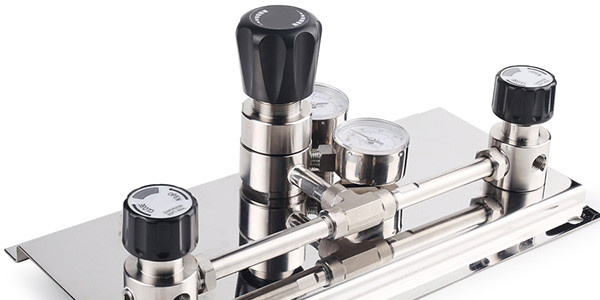
Comparison Table
Feature | High Pressure Gas Regulator | Low Pressure Gas Regulator |
|---|---|---|
Pressure Range | Inlet: 1000–6000+ psi; Outlet: 10–500 psi | Inlet: 50–250 psi; Outlet: 0.5–15 psi |
Applications | Industrial welding, cutting, medical gases, aerospace, labs | Residential appliances, BBQ grills, HVAC, camping equipment |
Design | Multi-stage or single-stage, robust materials (stainless steel, brass) | Single-stage, compact, lightweight materials (brass, aluminum) |
Precision | High precision for critical applications | Moderate precision for stable, low-demand systems |
Flow Rates | High flow rates for industrial processes | Lower flow rates for household/commercial use |
Safety Features | Relief valves, burst discs, dual gauges | Relief valves, vents, simpler safety mechanisms |
Cost | Higher due to complexity and materials | Lower, simpler design and materials |
Installation Complexity | Requires professional installation, precise calibration | Easier, often DIY-compatible for residential use |
Technical Differences
- Pressure Ranges: High pressure regulators are designed to handle extreme inlet pressures, often ranging from 1000 to over 6000 psi, with outlet pressures adjustable from 10 to 500 psi or more. They are built for applications where gases are stored or delivered at high pressures, such as compressed gas cylinders used in welding or aerospace. Low pressure regulators, by contrast, manage inlet pressures typically between 50 and 250 psi, delivering outlet pressures as low as 0.5 to 15 psi, often measured in inches of water column (e.g., 11 inches WC ≈ 0.4 psi). These are suited for residential or commercial systems like natural gas lines or propane tanks.
- Materials: High pressure regulators are constructed from robust materials like stainless steel or heavy-duty brass to withstand high mechanical stresses and resist corrosion from reactive gases like oxygen or hydrogen. Their components, such as diaphragms or pistons, are designed for durability under extreme conditions. Low pressure regulators, intended for less demanding environments, often use lighter materials like aluminum or zinc alloys, with rubber or elastomeric diaphragms that are sufficient for stable, low-pressure gases like propane or natural gas.
- Precision: High pressure regulators require greater precision due to their use in critical applications, such as medical oxygen delivery or laboratory experiments. They often employ multi-stage designs, which reduce pressure in two or more steps for enhanced stability and accuracy, especially when input pressures fluctuate. Low pressure regulators typically use single-stage designs, as their applications (e.g., BBQ grills or furnaces) require less precise control and operate under more stable conditions.
- Flow Rates: High pressure regulators are engineered to support higher flow rates, accommodating the demands of industrial processes like plasma cutting or chemical manufacturing. They can deliver large volumes of gas while maintaining consistent pressure. Low pressure regulators, designed for household or light commercial use, support lower flow rates, sufficient for appliances like stoves or heaters where gas demand is relatively modest.
Practical Differences in Usage and Installation
- Usage: High pressure regulators are employed in specialized, often industrial or technical settings. For example, in welding, they control oxygen and acetylene to produce a stable flame, while in medical settings, they regulate gases for ventilators or anesthesia systems. These applications demand high reliability and precision, often requiring operators to monitor pressure gauges closely. Low pressure regulators, on the other hand, are common in everyday settings, such as residential gas appliances (e.g., water heaters, ovens) or portable devices like camping stoves. Their operation is typically straightforward, with minimal need for ongoing adjustments.
- Installation: Installing high pressure regulators is more complex and usually requires professional expertise. Their high-pressure environment necessitates precise connections, compatibility checks with gas types, and calibration to ensure safe operation. For instance, a regulator for a high-pressure nitrogen cylinder in a laboratory must be installed with leak-proof fittings and regularly inspected. Low pressure regulators are simpler to install, often designed for plug-and-play use in residential or commercial systems. For example, a propane regulator for a BBQ grill can often be installed by the user, following basic instructions, due to its lower risk profile and standardized fittings.
- Maintenance: High pressure regulators require more rigorous maintenance, including regular inspections for wear, corrosion, or damage to critical components like diaphragms or seals. Calibration is often necessary to maintain precision, and safety features like relief valves must be tested. Low pressure regulators have simpler maintenance needs, typically involving periodic checks for leaks, cleaning to remove debris, and occasional replacement of filters or diaphragms. Their simpler design reduces the frequency and complexity of maintenance tasks.
Cost Considerations and Availability
Choosing the Right Gas Regulator
Factors to Consider When Choosing a Gas Regulator
- Application: The intended use of the regulator significantly influences its selection. High-pressure regulators are suited for industrial applications like welding, cutting, or laboratory processes, where gases are stored at pressures exceeding 1000 psi. For example, a regulator for oxy-acetylene welding must handle high inlet pressures and deliver precise outlet pressures for a stable flame. Conversely, low-pressure regulators are ideal for residential or commercial applications, such as propane-powered BBQ grills or natural gas furnaces, where outlet pressures are typically below 15 psi. Understanding the application helps determine whether a high-pressure or low-pressure regulator is needed.
- Gas Type: Different gases have unique chemical properties, requiring regulators designed for compatibility. For instance, oxygen regulators must be free of contaminants and use materials resistant to oxidation, while regulators for corrosive gases like ammonia require stainless steel or specialized alloys to prevent degradation. Using a regulator not designed for the specific gas can lead to corrosion, leaks, or safety hazards. Always verify the regulator’s compatibility with the gas, as specified by the manufacturer.
- Pressure Requirements: The regulator must match the system’s inlet and outlet pressure requirements. Inlet pressure depends on the gas source, such as a cylinder (up to 6000 psi for high-pressure systems) or a pipeline (50–250 psi for low-pressure systems). Outlet pressure must align with the downstream equipment’s needs, such as 10–50 psi for welding or 0.4 psi (11 inches water column) for a residential appliance. Some applications require precise pressure control, necessitating multi-stage regulators for high-pressure systems or adjustable regulators for fine-tuning.
- Flow Rate: The regulator must support the required gas flow rate for the application. High-flow regulators are needed for industrial processes like plasma cutting, where large volumes of gas are consumed, while low-flow regulators suffice for household appliances like stoves. Flow rate specifications, often provided in cubic feet per hour (CFH) or liters per minute (LPM), should be checked against the system’s demands to avoid under- or over-delivery of gas.
- Environmental and Operational Conditions: Consider the operating environment, such as temperature, humidity, or exposure to corrosive elements. Regulators used outdoors, like those for camping equipment, need weather-resistant materials. In medical or laboratory settings, regulators must meet strict cleanliness standards to prevent contamination. Additionally, consider whether the regulator requires manual adjustments or automatic pressure control for consistent performance.
Common Mistakes to Avoid When Selecting a Gas Regulator
- Ignoring Gas Compatibility: A frequent error is selecting a regulator without confirming its compatibility with the gas type. For example, using a propane regulator for acetylene can cause chemical reactions or seal degradation, leading to leaks or failures. Always check the manufacturer’s specifications for gas compatibility.
- Mismatching Pressure Ratings: Selecting a regulator with incorrect inlet or outlet pressure ratings can compromise performance. For instance, using a low-pressure regulator on a high-pressure cylinder can result in damage or unsafe operation, while a high-pressure regulator on a low-pressure system may not provide the required precision. Verify that the regulator’s pressure range aligns with the system’s requirements.
- Overlooking Flow Requirements: Choosing a regulator with an inadequate flow rate can starve the system of gas, reducing efficiency, or deliver too much gas, causing waste or safety issues. For example, a low-flow regulator used in an industrial cutting application may fail to meet demand, leading to inconsistent performance. Always match the regulator’s flow capacity to the application’s needs.
- Neglecting Safety Features: Some users opt for cheaper regulators lacking essential safety features like pressure relief valves or gauges. This can increase the risk of over-pressurization or undetected leaks. Prioritize regulators with appropriate safety mechanisms, especially for high-pressure or hazardous gas applications.
- Improper Sizing or Installation: Selecting a regulator that is physically incompatible with the system’s fittings or failing to install it correctly can lead to leaks or malfunctions. Ensure the regulator’s connections match the system’s threading and that installation follows manufacturer guidelines, often requiring professional expertise for high-pressure systems.
Importance of Matching Regulator to System Specifications
- Safety: Using a regulator designed for the specific gas, pressure, and flow requirements minimizes risks like leaks, over-pressurization, or chemical reactions. For example, a medical oxygen regulator must deliver precise, clean gas to avoid harming patients, while a mismatched regulator could introduce contaminants or unstable pressure.
- System Performance: A regulator that aligns with the system’s specifications ensures optimal operation. For instance, in welding, a high-pressure regulator delivering the correct pressure and flow rate produces a consistent flame, improving weld quality. In contrast, a mismatched regulator may cause fluctuations, leading to poor performance or equipment damage.
- Longevity: Regulators that match the system’s requirements experience less wear and tear, extending their lifespan. For example, a low-pressure regulator used in a high-pressure environment may fail prematurely due to stress on its components, while an oversized regulator in a low-pressure system may be inefficient and costly.
- Cost Efficiency: Selecting the right regulator avoids unnecessary expenses from equipment failures, gas waste, or frequent replacements. While high-pressure regulators are more expensive, they are necessary for demanding applications, whereas low-pressure regulators are cost-effective for residential use. Matching the regulator to the system prevents over- or under-investment.
- Compliance: Many industries, such as medical or aerospace, have strict regulatory standards for gas delivery systems. Using a regulator that meets these specifications ensures compliance with safety and performance regulations, avoiding legal or operational issues.