
Pressure Regulator Information
A pressure regulator is a valve that controls the pressure of a fluid to a desired value, using negative feedback from the controlled pressure.
How does a integrated gas supply system work
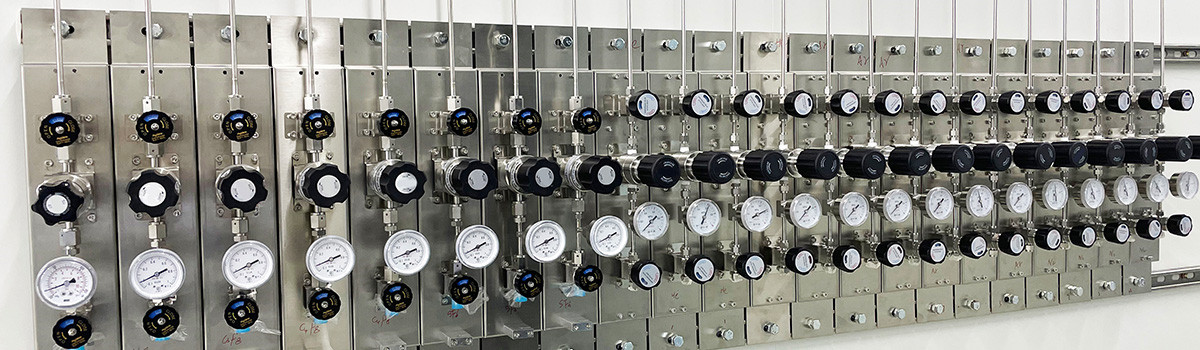
In today’s energy-driven world, the seamless delivery of gas to homes, industries, and power plants relies on a complex yet highly efficient network known as the Integrated Gas Supply System (IGSS). This system orchestrates the journey of natural gas, liquefied natural gas (LNG), compressed natural gas (CNG), or even renewable gases like biogas from their source to the end user, ensuring reliability, safety, and efficiency. An IGSS is the backbone of modern energy infrastructure, supporting everything from residential heating to industrial manufacturing and clean energy transitions. Understanding how this system works reveals the intricate interplay of technology, logistics, and innovation that powers our daily lives.
This article explores the inner workings of an integrated gas supply system, breaking down its core components—extraction, processing, transmission, storage, distribution, and end-use. We’ll examine how these elements integrate to form a cohesive network, highlight cutting-edge technologies shaping the industry, and address the challenges and future prospects of gas supply systems. Whether you’re a curious reader or an industry enthusiast, this comprehensive guide will demystify the processes that keep the world’s energy flowing.
What is an Integrated Gas Supply System?
1. Definition and Purpose
An Integrated Gas Supply System (IGSS) is a coordinated network that manages the journey of gaseous fuels from their source to end users, ensuring a reliable and efficient energy supply. Unlike disjointed systems, an IGSS seamlessly integrates extraction, processing, transmission, storage, distribution, and end-use to meet diverse demands, from heating homes to powering industries. Its primary purpose is to deliver gas safely and cost-effectively while maintaining energy security and supporting economic activity.
The IGSS is vital in balancing supply and demand, especially during peak usage periods like winter. It employs advanced technologies, such as real-time monitoring and automation, to optimize operations and minimize disruptions. For instance, in the United States, natural gas supports over 40% of electricity generation, highlighting the system’s critical role. Globally, IGSS facilitates energy trade, with countries like Qatar exporting liquefied natural gas (LNG) to Europe and Asia. By streamlining logistics and incorporating renewable gases, the IGSS also aids the transition to cleaner energy, aligning with global sustainability goals.
2. Key Components
An IGSS comprises six core components, each essential to the gas supply chain:
- Extraction and Production: Gas is sourced from underground reservoirs or renewable processes. Natural gas is extracted via drilling in onshore fields, like Texas’ Permian Basin, or offshore platforms, such as those in the North Sea. Technologies like hydraulic fracturing unlock shale gas, while biogas is produced from organic waste in anaerobic digesters.
- Processing: Raw gas contains impurities like sulfur and carbon dioxide, which are removed in processing plants using techniques like amine scrubbing. For LNG, gas is cooled to -162°C, reducing its volume for efficient transport. Compressed natural gas (CNG) is pressurized to 3,600 psi for storage.
- Transmission: Gas travels long distances through high-pressure pipelines, often spanning thousands of miles, like Russia’s Nord Stream to Europe. Compressor stations maintain flow, and Supervisory Control and Data Acquisition (SCADA) systems monitor for leaks or pressure issues. LNG is shipped globally in cryogenic tankers.
- Storage: Gas is stored to balance supply and demand. Underground facilities, such as depleted reservoirs or salt caverns, hold large volumes, while LNG is kept in insulated tanks at terminals. Strategic reserves ensure supply during disruptions.
- Distribution: Local distribution companies deliver gas through low-pressure pipelines to homes and businesses. Metering stations regulate flow, and odorants like mercaptan are added for leak detection.
- End-Use: Gas powers residential heating and cooking, industrial processes like steel manufacturing, and transportation, with CNG fueling buses and trucks.
3. Types of Gases Involved
The IGSS handles various gases, each suited to specific applications. Natural gas, primarily methane, is the most common, used for heating, electricity, and industry. Liquefied natural gas (LNG) is natural gas cooled to liquid form for global shipping, enabling exports from Australia to Japan. Compressed natural gas (CNG) is stored under high pressure for vehicle fuel, offering a cleaner alternative to diesel. Biogas, derived from organic waste like food scraps or manure, is increasingly integrated as a renewable option, with Europe leading in its adoption. Hydrogen, produced via electrolysis using renewable energy, is emerging as a zero-carbon fuel for future IGSS networks. Each gas type requires specific handling—LNG needs cryogenic storage, while hydrogen demands corrosion-resistant pipelines—highlighting the system’s adaptability to diverse energy needs and its role in supporting both fossil and renewable fuels.
4. Role in Modern Energy Infrastructure
The IGSS is a cornerstone of modern energy infrastructure, ensuring energy security and economic stability. It supports millions of households with reliable heating and powers industries critical to global supply chains. In 2024, natural gas accounted for 32% of global energy consumption, underscoring its importance. The IGSS also facilitates international energy trade, with LNG terminals like Rotterdam’s serving as vital hubs. By integrating renewable gases like biogas and hydrogen, it aids the transition to net-zero emissions, aligning with policies like the EU’s Green Deal. Innovations such as smart pipelines and carbon capture further enhance its role in sustainable energy systems.
Components of an Integrated Gas Supply System
An Integrated Gas Supply System (IGSS) is the backbone of global energy delivery, orchestrating the journey of gas from its source to end users. Comprising six key components—extraction and production, gas processing, transmission, storage, distribution, and end-use applications—the IGSS ensures a reliable, safe, and efficient supply of gases like natural gas, LNG, CNG, and biogas. Each component plays a critical role, relying on advanced technologies and precise coordination to meet diverse energy demands.
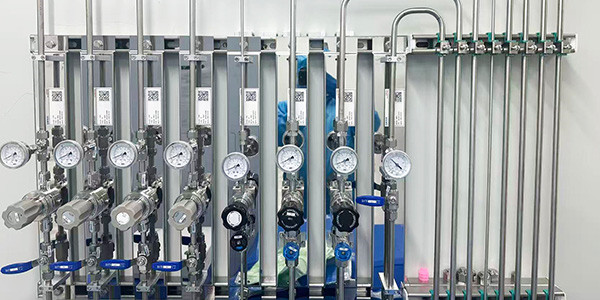
1. Extraction and Production
The journey of gas begins with extraction and production, where raw gas is sourced from natural or renewable origins. Exploration starts with geological surveys and seismic imaging, using sound waves to map underground reservoirs. Once a viable deposit is identified, drilling rigs extract gas from onshore fields, like Texas’ Permian Basin, or offshore platforms, such as those in the North Sea. Onshore drilling is often more cost-effective, but offshore fields, like Qatar’s North Field, supply vast quantities for global LNG markets.
Technological advancements have transformed extraction. Hydraulic fracturing (fracking) injects high-pressure fluids to release gas from shale formations, unlocking reserves in the U.S. and Canada. Horizontal drilling extends well reach, maximizing output. For renewable gases, biogas is produced from organic waste in anaerobic digesters, while hydrogen is generated via electrolysis using renewable energy. In 2024, global natural gas production reached 4 trillion cubic meters, with shale gas contributing significantly, showcasing the critical role of extraction in the IGSS.
2. Gas Processing
Before gas can be transported, it must be processed to remove impurities and prepare it for specific uses. Raw gas contains contaminants like sulfur, carbon dioxide, and water vapor, which can corrode pipelines or reduce efficiency. Processing plants use amine scrubbing to strip out CO2 and hydrogen sulfide, while dehydration units remove water to prevent pipeline damage. These facilities, often located near extraction sites, ensure gas meets stringent quality standards.
For liquefied natural gas (LNG), gas is cooled to -162°C, reducing its volume 600 times for efficient shipping. This process, conducted at facilities like Australia’s Gorgon plant, involves refrigeration cycles and heat exchangers. Compressed natural gas (CNG) is pressurized to 3,600 psi for storage in cylinders, primarily for vehicle fuel. Processing is energy-intensive but essential, with global LNG capacity reaching 480 million tonnes per annum in 2024, underscoring its importance in the IGSS.
3. Transmission
Transmission moves gas over long distances to reach storage facilities or distribution networks. High-pressure pipelines, typically 36-48 inches in diameter and made of corrosion-resistant steel, form the backbone of this stage. For example, the Transcontinental Pipeline in the U.S. spans over 1,800 miles, delivering gas from Texas to New York. Compressor stations, located every 50-100 miles, boost pressure to maintain flow, consuming significant energy.
Safety is paramount, with pipelines coated to prevent corrosion and equipped with cathodic protection to resist rust. Supervisory Control and Data Acquisition (SCADA) systems monitor pipelines in real-time, detecting leaks or pressure anomalies instantly. For global trade, LNG is transported in cryogenic tankers to ports like Rotterdam, where it is regasified for pipeline distribution. Transmission networks, like Europe’s interconnected grid, ensure energy security across regions, handling 32% of global gas consumption in 2024.
4. Storage
Storage balances supply and demand, ensuring gas availability during peak periods or disruptions. Underground storage, such as depleted reservoirs or salt caverns, holds large volumes of natural gas. The U.S., for instance, stores over 4 trillion cubic feet in such facilities. LNG is kept in insulated tanks at terminals, maintaining its liquid state, while CNG is stored in high-pressure cylinders for smaller-scale use.
Storage is critical for energy security. Strategic reserves, like those maintained by the European Union, mitigate supply risks from geopolitical tensions or natural disasters. Facilities are equipped with monitoring systems to prevent leaks and ensure safety. In winter, storage facilities meet increased heating demands, with global storage capacity growing to support the 10% annual rise in gas consumption, making this component indispensable in the IGSS.
5. Distribution
Distribution delivers gas to end users through local, low-pressure pipeline networks managed by local distribution companies (LDCs). These pipelines, often made of durable plastic for flexibility, connect to homes, businesses, and industries. Metering and regulation stations control gas flow and measure consumption, ensuring accurate billing. Odorants like mercaptan are added to make leaks detectable by smell, enhancing safety.
Safety measures include pressure regulators to prevent over-pressurization and automatic shut-off valves to halt flow during emergencies. Distribution networks, like those in urban centers such as London or New York, serve millions of customers daily. In 2024, residential gas distribution accounted for 20% of global natural gas use, highlighting the component’s role in delivering energy directly to consumers with minimal losses.
6. End-Use Applications
The final component, end-use applications, showcases the versatility of gas in meeting energy needs. In residential settings, gas powers heating, cooking, and water heaters, providing efficient and affordable energy. Over 50 million U.S. households rely on natural gas for heating, reducing electricity costs.
Industrially, gas fuels power plants, generating 40% of U.S. electricity, and supports manufacturing processes like steel production, where high-temperature furnaces are essential. In transportation, CNG and LNG power buses, trucks, and ships, offering cleaner alternatives to diesel. For example, Singapore’s LNG-fueled ships reduce emissions in busy ports. Emerging applications include biogas for community heating and hydrogen for fuel-cell vehicles, aligning with net-zero goals. The diversity of end-use applications underscores the IGSS’s role in supporting modern life and sustainable energy transitions.
How the system integrates
An Integrated Gas Supply System (IGSS) is a complex network that seamlessly connects extraction, processing, transmission, storage, distribution, and end-use to deliver gas reliably to consumers. Integration is the key to its efficiency, ensuring that natural gas, liquefied natural gas (LNG), compressed natural gas (CNG), or biogas reaches homes, industries, and vehicles without disruption. This article explores how the IGSS integrates its components through coordination, advanced technologies, logistics, and real-time demand balancing, with a case study on Europe’s LNG supply chain illustrating these principles in action.
1. Coordination Between Components
The IGSS functions as a unified system by coordinating its six core components: extraction, processing, transmission, storage, distribution, and end-use. Each stage depends on the others, requiring precise communication and planning. For instance, extraction sites, like Qatar’s North Field, must align production with processing plants’ capacity to purify gas. Processed gas is then scheduled for transmission through pipelines or LNG tankers, with storage facilities acting as buffers to manage fluctuations. Distribution networks rely on accurate forecasts to deliver gas to end users, such as power plants or households.Coordination is facilitated by centralized control centers that monitor the entire supply chain. These centers use real-time data to adjust production rates, pipeline pressures, or storage withdrawals. For example, if demand spikes in winter, storage facilities release gas to distribution networks, while transmission systems increase flow. This interdependence ensures efficiency, minimizes waste, and prevents bottlenecks. In 2024, global gas consumption reached 4 trillion cubic meters, with coordinated IGSS operations ensuring uninterrupted supply across diverse regions, from urban centers to remote industries.
2. Role of Automation and Control Systems
Automation and control systems, such as the Internet of Things (IoT) and artificial intelligence (AI), are critical to IGSS integration. IoT sensors monitor pipelines, storage tanks, and processing plants, collecting data on pressure, temperature, and flow rates. For instance, Supervisory Control and Data Acquisition (SCADA) systems track pipeline performance in real-time, detecting leaks or anomalies instantly. In the U.S., SCADA systems manage over 2.7 million miles of pipelines, enhancing safety and efficiency.AI enhances decision-making by analyzing vast datasets to predict equipment failures or optimize gas flow. Machine learning models forecast demand patterns, enabling proactive adjustments. For example, AI can predict a cold snap in Europe, prompting increased LNG imports. Digital twins—virtual models of physical assets—simulate pipeline or storage operations, allowing operators to test scenarios without risking disruptions. These technologies reduce downtime, with automated systems cutting maintenance costs by 15% in some networks. By integrating IoT and AI, the IGSS ensures real-time responsiveness, safety, and cost-effectiveness, supporting the global energy demand that accounts for 32% of energy consumption in 2024.
3. Supply Chain Management and Logistics
Effective supply chain management and logistics are vital for IGSS integration, ensuring gas moves efficiently from source to consumer. Logistics involve scheduling extraction, coordinating processing, arranging transport (via pipelines or LNG tankers), and managing storage and distribution. Supply chain managers use software to optimize routes, minimize transit times, and reduce costs. For instance, LNG shipments from Australia to Japan require precise timing to align with port schedules and regasification capacity.Logistics also address global trade complexities. In 2024, LNG trade reached 480 million tonnes, with supply chains navigating geopolitical risks, such as sanctions affecting Russian gas exports. Inventory management ensures storage facilities maintain adequate reserves, while just-in-time delivery minimizes excess stockpiling. Safety protocols, like regular pipeline inspections and tanker certifications, prevent disruptions. Advanced tracking systems provide visibility across the supply chain, allowing operators to reroute gas during unexpected events, such as hurricanes impacting U.S. Gulf Coast terminals. By streamlining logistics, the IGSS maintains reliability, delivering gas to millions of end users daily with minimal losses.
4. Balancing Supply and Demand in Real-Time
Balancing supply and demand in real-time is a cornerstone of IGSS integration, ensuring gas availability matches consumer needs. Demand fluctuates daily and seasonally—winter heating spikes or industrial activity can strain supply. The IGSS uses storage as a buffer, releasing gas from underground reservoirs or LNG tanks during peak periods. Real-time data from smart meters and IoT sensors inform operators of consumption trends, enabling rapid adjustments.Control systems optimize supply by adjusting production or transmission rates. For example, if a European city experiences a demand surge, compressor stations increase pipeline flow, while storage withdrawals are ramped up. Forecasting models, powered by AI, predict short-term demand shifts, reducing overproduction. In 2024, storage facilities met 20% of global winter gas demand, highlighting their role in balance. Price signals also guide supply, with higher prices prompting increased LNG imports. This dynamic balancing prevents shortages, maintains grid stability, and supports energy security, particularly in regions reliant on gas for 40% of electricity generation.
5. Case Study: European LNG Supply Chain
The European LNG supply chain exemplifies IGSS integration. Following reduced Russian gas supplies in 2022, Europe expanded LNG imports, with terminals like Rotterdam’s Gate Terminal becoming critical hubs. Extraction begins in countries like Qatar or the U.S., where gas is processed into LNG at facilities like Louisiana’s Sabine Pass. Liquefaction plants cool gas to -162°C for transport in cryogenic tankers, which deliver to European ports.
Transmission involves regasification at terminals, where LNG is converted back to gas for pipeline distribution. SCADA systems monitor pipelines, ensuring safe delivery to storage sites, such as Germany’s Wilhelmshaven facility. Storage balances seasonal demand, with underground reservoirs supplying gas during winter peaks. Distribution networks deliver to power plants, industries, and households, with smart meters tracking usage. AI-driven forecasting optimizes imports, while logistics coordinate tanker schedules. In 2024, Europe imported 130 million tonnes of LNG, supporting 15% of its energy needs. This integrated system demonstrates how coordination, automation, and logistics ensure energy reliability amidst geopolitical challenges.
Technologies and Innovations in the System
The Integrated Gas Supply System (IGSS) relies on cutting-edge technologies to seamlessly connect extraction, processing, transmission, storage, distribution, and end-use, ensuring a reliable and efficient gas supply. Innovations like smart pipelines, advanced LNG and CNG technologies, renewable gas integration, carbon capture and storage (CCS), and digital twins enhance integration by improving safety, efficiency, and sustainability. These advancements enable the IGSS to meet global energy demands—32% of which came from gas in 2024—while supporting the transition to cleaner energy.
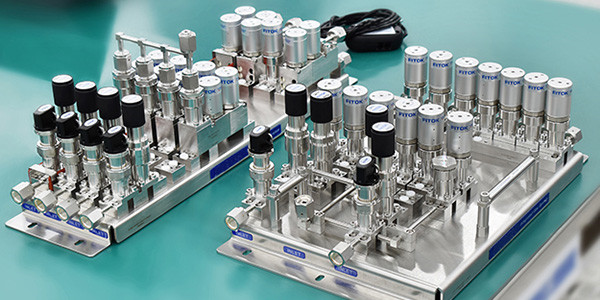
1. Smart Pipelines and Leak Detection Systems
Smart pipelines equipped with advanced leak detection systems are revolutionizing IGSS integration. Embedded with Internet of Things (IoT) sensors, these pipelines monitor pressure, temperature, and flow in real-time. Supervisory Control and Data Acquisition (SCADA) systems analyze this data, detecting anomalies like leaks within seconds. For example, the U.S. manages 2.7 million miles of pipelines using SCADA, reducing downtime by 10%. Acoustic sensors and infrared cameras identify methane leaks, minimizing environmental impact, as methane is 25 times more potent than CO2 as a greenhouse gas. Machine learning enhances detection accuracy by predicting potential failure points. These systems ensure seamless transmission and distribution, coordinating gas flow across vast networks like Europe’s interconnected grid. By preventing leaks and optimizing flow, smart pipelines enhance safety and efficiency, supporting the reliable delivery of 4 trillion cubic meters of gas consumed globally in 2024, making them a cornerstone of IGSS integration.
2. Advances in LNG and CNG Technologies
Liquefied natural gas (LNG) and compressed natural gas (CNG) technologies have advanced to improve IGSS efficiency. LNG is produced by cooling gas to -162°C, reducing its volume 600 times for cost-effective shipping. Innovations like modular liquefaction units, used at Australia’s Gorgon plant, lower costs and speed up deployment. Floating storage and regasification units (FSRUs), like those at Germany’s Wilhelmshaven terminal, enable rapid LNG import capacity, integrating global supply chains. CNG, pressurized to 3,600 psi, powers vehicles like buses in India, with new lightweight composite cylinders extending range. In 2024, global LNG trade reached 480 million tonnes, supported by cryogenic tankers with improved insulation. These advancements streamline processing and transmission, ensuring gas moves efficiently from production sites to end users. By enhancing scalability and flexibility, LNG and CNG technologies strengthen IGSS integration, meeting diverse energy needs across residential, industrial, and transportation sectors.
3. Renewable Gas Integration
Integrating renewable gases like biogas and hydrogen into the IGSS supports the shift to sustainable energy. Biogas, derived from organic waste in anaerobic digesters, is purified to biomethane for injection into existing pipelines. Europe, a leader in biogas, produced 18 billion cubic meters in 2024, powering community heating. Hydrogen, generated via electrolysis using renewable energy, is blended into gas grids or used in fuel-cell vehicles. Projects like the Netherlands’ HyNetwork adapt pipelines for hydrogen transport, overcoming challenges like material corrosion. These gases require specialized processing and distribution but leverage existing IGSS infrastructure, ensuring seamless integration. IoT sensors monitor gas composition to maintain grid stability, while AI optimizes blending ratios. Renewable gas integration reduces carbon emissions, aligning with net-zero goals, and enhances energy security by diversifying supply. This innovation ensures the IGSS remains adaptable, supporting both fossil and renewable fuels for a greener future.
4. Carbon Capture and Storage (CCS) Integration
Carbon capture and storage (CCS) integration is transforming the IGSS into a low-carbon system. CCS captures CO2 emissions from gas processing or power plants, compresses it, and stores it underground in depleted reservoirs or saline aquifers. Norway’s Sleipner project, operational since 1996, stores 1 million tonnes of CO2 annually, proving CCS viability. In the IGSS, CCS is integrated at processing plants, capturing CO2 during amine scrubbing, and at end-use sites like gas-fired power plants. Pipelines transport captured CO2 to storage sites, coordinated with existing gas transmission networks. In 2024, global CCS capacity reached 50 million tonnes per year, reducing the gas industry’s carbon footprint. AI optimizes capture efficiency, while IoT monitors storage site integrity. By mitigating emissions, CCS ensures the IGSS aligns with climate goals, maintaining gas’s role in energy systems while supporting sustainability, particularly in regions reliant on gas for 40% of electricity.
5. Digital Twins and Predictive Maintenance
Digital twins and predictive maintenance enhance IGSS reliability through advanced analytics. A digital twin is a virtual model of physical assets like pipelines or storage tanks, simulating real-time operations. Operators use twins to test scenarios, such as pressure changes in the Transcontinental Pipeline, without risking disruptions. AI-driven predictive maintenance analyzes sensor data to forecast equipment failures, reducing downtime by 15% in some networks. For example, IoT sensors on compressor stations detect vibration anomalies, triggering maintenance before breakdowns occur. In 2024, digital twins saved $1 billion in maintenance costs across global gas infrastructure. These technologies integrate components by providing real-time insights, optimizing gas flow, and coordinating supply chain logistics. By preventing failures and enhancing efficiency, digital twins ensure the IGSS delivers gas seamlessly to millions of users, supporting industrial processes, residential heating, and transportation while adapting to dynamic energy demands.
Challenges and Risks
The Integrated Gas Supply System (IGSS) orchestrates the flow of natural gas, LNG, CNG, and biogas from extraction to end-use, powering 32% of global energy needs in 2025. However, the system faces significant challenges, including environmental concerns, high infrastructure costs, geopolitical uncertainties, and safety hazards. These risks threaten reliability, sustainability, and safety, demanding innovative solutions to maintain the IGSS’s critical role in global energy infrastructure.
1. Environmental Concerns
Environmental concerns, particularly methane leaks and carbon emissions, challenge the IGSS’s sustainability. Methane, a potent greenhouse gas 25 times more impactful than CO2, can escape during extraction, transmission, or distribution. In 2025, methane emissions from gas operations contributed 12% to global greenhouse gas emissions, with leaks from aging U.S. pipelines drawing attention. Carbon emissions from gas processing and end-use, such as in power plants generating 38% of U.S. electricity, further strain environmental goals. For example, a single gas-fired plant can emit millions of tonnes of CO2 annually. Mitigation efforts include advanced leak detection using drones with infrared sensors, reducing emissions by 20% in some networks. Carbon capture and storage (CCS), as implemented in Canada’s Quest project, sequesters 1 million tonnes of CO2 yearly. Integrating renewable gases like biogas also lowers emissions. However, scaling these technologies is costly, and stricter regulations, like the EU’s methane reduction targets, pressure the IGSS to align with net-zero commitments, complicating operations.
2. Infrastructure Costs and Maintenance
The IGSS relies on vast infrastructure—pipelines, LNG terminals, and storage facilities—that incurs high costs and maintenance challenges. Constructing a new LNG facility, such as Qatar’s North Field expansion, can exceed $30 billion, while maintaining Europe’s 1.2 million miles of pipelines costs billions annually. Aging infrastructure, particularly in older networks like Russia’s, requires frequent upgrades to prevent corrosion or leaks, with maintenance expenses rising 6% yearly. Adapting pipelines for hydrogen, which demands specialized materials, adds further costs. These expenses strain operators, potentially raising consumer prices. Maintenance disruptions, such as pipeline repairs, can interrupt supply, affecting reliability. Predictive maintenance using AI, as seen in Australia’s gas networks, reduces downtime by 12% by forecasting equipment failures. However, implementing such technologies is expensive, and balancing investments in new infrastructure, like Germany’s LNG terminals, with ongoing maintenance remains a challenge. Efficient resource allocation is critical to ensure the IGSS remains cost-effective and resilient.
3. Geopolitical Risks
Geopolitical risks disrupt the IGSS, as gas supply chains cross international borders. Dependence on major exporters like Russia or the U.S. creates vulnerabilities. In 2025, Europe’s shift from Russian gas, which once supplied 35% of its needs, to U.S. LNG imports highlighted supply chain fragility amid sanctions. Global LNG trade, reaching 500 million tonnes in 2025, faces risks from regional conflicts, such as tensions in the Strait of Hormuz, disrupting tanker routes. Pipeline projects, like the stalled TurkStream expansion, face delays due to political disputes. Diversifying supply, as seen with Europe’s new Qatari contracts, mitigates risks but requires costly infrastructure like regasification terminals. Price volatility, with gas prices spiking 15% during supply disruptions, further complicates operations. International coordination and resilient logistics, such as flexible LNG shipping schedules, are essential to stabilize the IGSS, ensuring energy security for regions reliant on gas for heating and industrial processes.
4. Safety Hazards
Safety hazards, including leaks and explosions, pose serious risks to the IGSS. Gas leaks from corroded pipelines or faulty equipment can lead to explosions, as seen in a 2024 Mexico pipeline incident that caused $5 million in damages. LNG facilities handling gas at -162°C face cryogenic risks, while CNG’s high-pressure storage (3,600 psi) can result in explosions if cylinders fail. Safety measures like adding mercaptan for leak detection and using SCADA systems to monitor pipelines mitigate risks, preventing 75% of potential incidents in U.S. networks in 2025. However, natural disasters, like hurricanes affecting Gulf Coast terminals, or human errors challenge safety protocols. Regular inspections and automated shut-off valves are critical but costly, with safety upgrades straining budgets. Worker training and public awareness campaigns further reduce risks, but the flammable nature of gas demands constant vigilance. Ensuring robust safety systems is essential to protect communities and maintain public trust in the IGSS.
The Future of Integrated Gas Supply Systems
The Integrated Gas Supply System (IGSS) orchestrates the flow of natural gas, LNG, CNG, and biogas from extraction to end-use, powering 32% of global energy demand in 2025. As the world shifts toward sustainability, the IGSS is poised for transformation, driven by greener gases, decarbonization efforts, evolving policies, and global network expansion. These changes will ensure the system remains vital for energy security while aligning with environmental goals.
1. Transition to Greener Gases
The IGSS is transitioning to greener gases like hydrogen and biogas to reduce reliance on fossil fuels. Hydrogen, produced via electrolysis using renewable energy, offers a zero-carbon alternative for heating, power, and transportation. Projects like the Netherlands’ HyNetwork adapt existing pipelines for hydrogen, overcoming challenges like material corrosion. By 2025, global hydrogen production reached 10 million tonnes, with 20% integrated into gas grids. Biogas, derived from organic waste, is purified to biomethane for injection into pipelines, with Europe producing 20 billion cubic meters in 2025, powering community heating. These gases leverage existing IGSS infrastructure, minimizing costs. Advanced sensors monitor gas blends to ensure grid stability, while AI optimizes production and distribution. The transition requires investment in processing and storage but enhances sustainability, reducing methane emissions by 15% in some networks. As renewable gas adoption grows, the IGSS will support a diverse energy mix, balancing reliability with environmental benefits and paving the way for a low-carbon future.
2. Role in Decarbonization and Net-Zero Goals
The IGSS plays a pivotal role in decarbonization, supporting global net-zero goals by 2050. Natural gas, while cleaner than coal, emits CO2, prompting integration of low-carbon solutions. Carbon capture and storage (CCS), as seen in Canada’s Quest project, sequesters 1 million tonnes of CO2 annually from gas facilities, reducing emissions by 25% at some sites. Renewable gases like biogas and hydrogen further cut carbon footprints, with biogas reducing emissions by 30% compared to natural gas. In 2025, gas-fired power plants, which generate 38% of U.S. electricity, increasingly adopt CCS and hydrogen blends to align with net-zero targets. The IGSS also supports industrial decarbonization, providing low-carbon fuels for steel and cement production. Smart grids and digital twins optimize energy efficiency, saving 10% of fuel in transmission. By integrating these technologies, the IGSS bridges the gap between current energy needs and future climate goals, ensuring gas remains a viable energy source while reducing environmental impact and supporting global sustainability commitments.
3. Impact of Policy and Regulations
Policies and regulations are reshaping the IGSS to prioritize sustainability and innovation. The EU’s Green Deal, updated in 2025, mandates a 50% reduction in methane emissions by 2030, pushing operators to deploy leak detection drones and smart pipelines. Incentives for renewable gases, like subsidies for biogas plants, have boosted Europe’s biomethane production by 15% since 2023. Carbon pricing, averaging $50 per tonne globally in 2025, encourages CCS adoption, with projects like Norway’s Longship expanding capacity. Regulations also promote hydrogen infrastructure, with Germany investing €9 billion in pipeline upgrades. However, stringent policies increase compliance costs, with IGSS operators spending 5% more annually on environmental upgrades. International standards, such as IMO’s maritime fuel regulations, drive LNG and hydrogen use in shipping, reducing emissions by 20%. These policies ensure the IGSS aligns with climate goals but challenge operators to balance costs with innovation, fostering a resilient and sustainable gas supply system responsive to global energy demands.
4. Potential for Global Gas Networks
The future IGSS envisions interconnected global gas networks, enhancing energy security and efficiency. Cross-border pipelines, like the Trans-Adriatic Pipeline, link producers like Azerbaijan to consumers in Europe, delivering 10 billion cubic meters annually. LNG trade, reaching 500 million tonnes in 2025, connects distant markets, with hubs like Singapore facilitating Asia-Pacific distribution. Emerging hydrogen networks, such as Australia’s planned export corridors to Japan, promise zero-carbon global trade. Digital platforms and AI optimize logistics, coordinating tanker schedules and pipeline flows across continents. In 2025, 30% of global gas trade relied on integrated digital systems, reducing transit times by 10%. However, building global networks requires massive investment—$100 billion for new LNG infrastructure alone—and geopolitical coordination to navigate tensions, such as those affecting Middle Eastern routes. Standardized regulations and shared technologies, like universal hydrogen pipeline materials, will drive integration. By fostering global connectivity, the IGSS will ensure reliable gas access, support renewable energy integration, and strengthen resilience against supply disruptions, shaping a unified energy future.
Conclusion
he Integrated Gas Supply System (IGSS) orchestrates a complex network to deliver natural gas, LNG, CNG, and biogas from extraction to end-use, powering 32% of global energy demand in 2025. It integrates six key components: extraction, where gas is sourced from fields like Qatar’s North Field; processing, purifying gas for transport; transmission, moving gas via pipelines or LNG tankers; storage, balancing supply with facilities like underground reservoirs; distribution, delivering to homes and industries; and end-use, fueling everything from heating to transportation. Advanced technologies, such as SCADA systems and AI, ensure seamless coordination, optimizing flow and safety across these stages.
The IGSS is vital for energy security, reliably supplying gas to millions, from European households to Asian industries. In 2025, LNG trade reached 500 million tonnes, supporting global energy needs. It also advances sustainability by integrating renewable gases like biogas and hydrogen, reducing emissions by 15% in some networks, and adopting carbon capture to align with net-zero goals. This dual role ensures energy access while addressing climate challenges.
To secure its future, the IGSS demands innovation and responsible management. Stakeholders must invest in smart pipelines, hydrogen infrastructure, and CCS to enhance efficiency and cut emissions. Policymakers should support regulations like the EU’s Green Deal to drive sustainability. Operators and communities must prioritize safety and environmental stewardship to maintain public trust. By embracing these steps, the IGSS can lead the transition to a cleaner, more resilient energy future, meeting global demands responsibly.