
A comprehensive guide to stainless steel gas ball valve
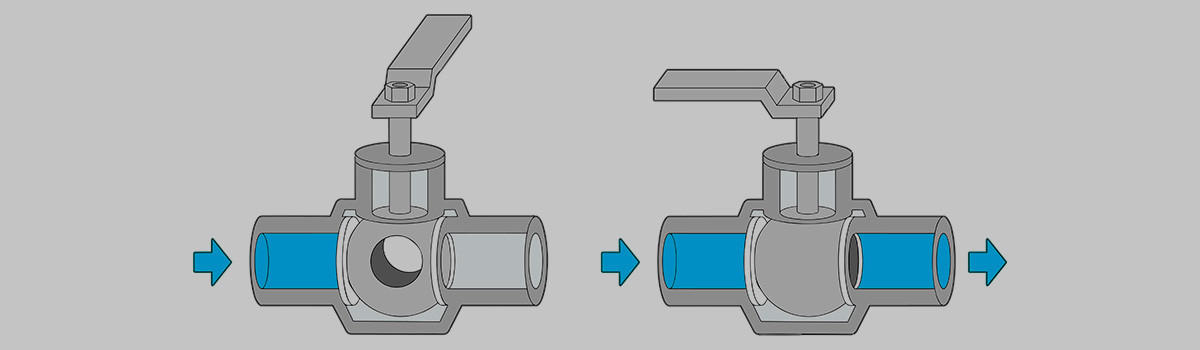
Stainless steel gas ball valves are critical components in fluid control systems, designed to regulate the flow of gases with precision, safety, and reliability. These valves, characterized by a spherical ball with a bore that rotates to open or close the flow path, are widely used across industries such as oil and gas, chemical processing, HVAC, and even food and beverage production. Their popularity stems from the unique properties of stainless steel, which offers exceptional corrosion resistance, durability, and compatibility with a wide range of gases, including natural gas, propane, and emerging fuels like hydrogen.
The importance of stainless steel gas ball valves lies in their ability to provide a tight shutoff, ensuring safety in high-pressure or hazardous gas applications. Unlike other valve types, such as gate or globe valves, ball valves operate with a simple quarter-turn mechanism, making them easy to use and highly efficient. Their robust construction allows them to withstand extreme temperatures, pressures, and corrosive environments, making them indispensable in demanding settings like offshore platforms, refineries, and residential gas lines.
This article aims to provide a comprehensive exploration of stainless steel gas ball valves, covering their design, types, material properties, applications, and benefits. We’ll delve into industry standards, installation best practices, and emerging trends shaping the future of these valves. Whether you’re an engineer specifying valves for a pipeline, a technician maintaining industrial systems, or a procurement manager seeking reliable components, this guide will equip you with the knowledge to understand and select the right stainless steel gas ball valve for your needs.
Table of Contents
ToggleWhat Are Stainless Steel Gas Ball Valves?
A stainless steel gas ball valve is a flow control device that uses a hollow, perforated, and pivoting ball to regulate the flow of gases through a pipeline. The ball, typically made of stainless steel, has a cylindrical bore through its center. When the valve is in the open position, the bore aligns with the pipeline, allowing gas to flow freely. A 90-degree turn of the handle or actuator misaligns the bore, closing the valve and stopping the flow. This quarter-turn operation makes ball valves ideal for applications requiring quick and reliable on/off control.
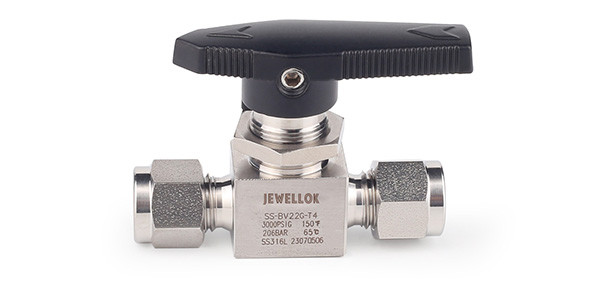
The key components of a stainless steel gas ball valve include the ball, stem, seats, body, and seals. The body, typically forged or cast from stainless steel grades like 304 or 316, houses the internal components and connects to the pipeline via threaded, flanged, or welded ends. The seats, often made of resilient materials like PTFE (Teflon), form a tight seal around the ball to prevent leaks. The stem connects the ball to the handle or actuator, enabling precise control. Seals and gaskets ensure the valve remains leak-proof under pressure.
Stainless steel is the material of choice for gas ball valves due to its superior corrosion resistance, strength, and longevity. Unlike brass or carbon steel, stainless steel can withstand exposure to aggressive gases and environmental conditions without degrading. For instance, grade 316 stainless steel, which contains molybdenum, offers enhanced resistance to pitting and crevice corrosion, making it ideal for marine or chemical applications. Additionally, stainless steel valves can operate across a wide temperature range, from cryogenic conditions to high-temperature gas flows, ensuring versatility.
The simplicity of the ball valve’s design contributes to its reliability. With fewer moving parts than gate or globe valves, ball valves experience less wear and require minimal maintenance. Their ability to provide a bubble-tight shutoff is critical for gas applications, where even minor leaks can pose safety risks or lead to costly losses. These characteristics make stainless steel gas ball valves a preferred choice in industries where safety, efficiency, and durability are paramount.
Types of Stainless Steel Gas Ball Valves
Stainless steel gas ball valves come in various configurations to suit different applications, pressures, and installation requirements. Understanding the types available is essential for selecting the right valve for a specific system. Below are the primary classifications based on design, port size, and actuation.
Material Properties of Stainless Steel in Gas Ball Valves
Stainless steel is the cornerstone material for gas ball valves due to its exceptional mechanical and chemical properties, which ensure reliability, safety, and longevity in demanding gas-handling applications. This section delves into the technical characteristics of stainless steel, focusing on its suitability for gas ball valves, including common grades, corrosion resistance, temperature and pressure capabilities, and comparisons with alternative materials.
Common Stainless Steel Grades
1. Full Port vs. Reduced Port Valves
Full port (or full bore) valves have a bore diameter equal to the pipeline’s inner diameter, allowing unrestricted flow and minimal pressure drop. These are ideal for applications where flow efficiency is critical, such as in gas distribution pipelines. Reduced port (or standard bore) valves have a smaller bore, which reduces flow capacity but is more compact and cost-effective, suitable for less demanding applications.
2. One-Piece, Two-Piece, and Three-Piece Designs
*One-piece valves are compact and economical, with a single body casting. They are non-serviceable, meaning they cannot be disassembled for maintenance, making them suitable for low-cost, low-maintenance systems.
*Two-piece valves consist of two body sections, allowing partial disassembly for inspection or repair. They offer a balance between cost and serviceability.
*Three-piece valves feature a modular design with a separate body and end connections. These are ideal for applications requiring frequent maintenance, as the valve can be serviced without removing it from the pipeline.
3. Floating vs. Trunnion-Mounted Ball Valves
*Floating ball valves rely on the ball floating between the seats, held in place by the pressure of the gas. They are suitable for low to medium-pressure applications.
*Trunnion-mounted valves have the ball anchored by a trunnion (a fixed support), making them ideal for high-pressure or large-diameter applications, such as in oil and gas pipelines.
4. Manual vs. Actuated Valves
Manual valves are operated by a handle, offering simple and cost-effective control. Actuated valves, powered by pneumatic or electric actuators, allow remote or automated operation, which is critical in large-scale industrial systems or hazardous environments.
5. End Connections
*Threaded valves are easy to install and suitable for smaller pipelines.
*Flanged valves are used in larger systems, offering secure connections for high-pressure applications.
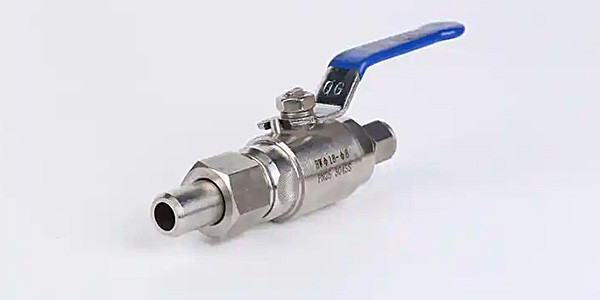
*Welded valves provide a permanent, leak-proof connection, ideal for critical gas systems where safety is paramount.
Each type of stainless steel gas ball valve is designed to meet specific operational needs, from residential gas lines to industrial processing plants. Selecting the appropriate type requires careful consideration of factors like pressure, flow rate, and maintenance requirements.
Common Stainless Steel Grades
The most widely used stainless steel grades for gas ball valves are 304, 316, and 316L, each offering distinct properties tailored to specific applications:
* 304 Stainless Steel: An austenitic stainless steel with 18% chromium and 8% nickel, grade 304 provides good corrosion resistance and is cost-effective for general-purpose gas applications, such as low-pressure natural gas lines in residential or commercial settings. Its yield strength is approximately 215 MPa, with a tensile strength of 505-620 MPa, making it suitable for moderate-pressure systems.
* 316 Stainless Steel: With the addition of 2-3% molybdenum, 316 offers superior corrosion resistance, particularly against pitting and crevice corrosion in chloride-rich environments (e.g., marine or coastal applications). It has a slightly higher yield strength (~220 MPa) and is commonly used in chemical processing, oil and gas, and other aggressive environments.
* 316L Stainless Steel: A low-carbon variant of 316, this grade minimizes carbide precipitation during welding, enhancing corrosion resistance in welded valves. Its mechanical properties are similar to 316, but its weldability makes it ideal for three-piece valves or applications requiring field repairs.
These grades are selected based on the specific gas being handled (e.g., natural gas, propane, or hydrogen), operating conditions, and environmental factors.
Corrosion Resistance
Stainless steel’s corrosion resistance is primarily due to its chromium content, which forms a passive oxide layer on the surface, protecting the material from rust and degradation. For gas ball valves, this is critical, as exposure to moisture, salts, or aggressive gases like hydrogen sulfide (H₂S) can cause rapid deterioration in lesser materials. For example:
* In natural gas pipelines, where trace moisture or sulfur compounds may be present, 316 stainless steel resists pitting corrosion better than 304.
* In offshore environments, 316 or 316L valves withstand saltwater exposure, maintaining integrity over extended periods.
* For hydrogen applications, stainless steel’s resistance to hydrogen embrittlement—a phenomenon where hydrogen atoms weaken metal—is crucial, though specific grades like 316L are preferred for their low carbon content, reducing embrittlement risks.
Corrosion resistance is quantified by standards like ASTM G48, which tests pitting and crevice corrosion. For instance, 316 stainless steel typically exhibits a critical pitting temperature (CPT) of 20-25°C higher than 304, making it a better choice for harsh conditions.
Temperature and Pressure Ratings
Stainless steel gas ball valves are designed to operate across a wide range of temperatures and pressures, making them versatile for diverse applications:Temperature Range:
* Typically, -50°C to 400°C for standard valves, with specialized designs (e.g., using high-temperature seals like graphite) extending to 600°C. Cryogenic valves, used for liquefied gases like LNG, can handle temperatures as low as -196°C with modified seals (e.g., PCTFE).
* Pressure Ratings: Stainless steel valves are rated from ANSI Class 150 (approximately 20 bar) to Class 2500 (up to 420 bar), depending on design. For example, a 2-inch full-port 316 stainless steel valve might have a maximum allowable pressure of 1440 psi (100 bar) at ambient temperature, with derating to 720 psi at 200°C, per ASME B16.34 standards.
* Pressure-Temperature Correlation: The pressure rating decreases with increasing temperature due to reduced material strength. Manufacturers provide pressure-temperature charts, typically showing a linear derating curve (e.g., 316 stainless steel retains 80% of its ambient pressure rating at 200°C).
Comparison with Other Materials
To highlight stainless steel’s advantages, consider its performance relative to other common valve materials:
* Brass: Often used in low-pressure gas systems (e.g., residential gas lines), brass offers good corrosion resistance but is limited to ~100 bar and 150°C. It’s less durable than stainless steel and prone to dezincification in certain environments.
* Carbon Steel: Stronger than stainless steel (yield strength ~350 MPa), but highly susceptible to corrosion, requiring coatings or linings for gas applications. It’s less suitable for humid or corrosive environments.
*PVC: Used in low-pressure, non-corrosive gas systems, PVC is lightweight but limited to ~10 bar and 60°C, making it unsuitable for high-pressure or high-temperature gas applications.
* Duplex Stainless Steel: An emerging alternative, duplex grades (e.g., 2205) combine austenitic and ferritic structures, offering twice the yield strength of 316 (~450 MPa) and superior resistance to stress corrosion cracking. However, they are more expensive and less common in standard gas applications.
Stainless steel strikes a balance between performance and cost, offering durability and versatility unmatched by brass or PVC in high-stakes applications. Its mechanical properties, such as a Young’s modulus of ~193 GPa and elongation of 40-50%, ensure it can withstand mechanical stresses without cracking.
Technical Considerations
* Hydrogen Compatibility:
Hydrogen can cause embrittlement in metals, but 316L stainless steel’s low carbon content and high nickel content (~10-14%) minimize this risk, making it suitable for emerging hydrogen fuel systems.
* Surface Finish:
Valves often undergo electropolishing or passivation to enhance corrosion resistance by improving the chromium oxide layer. A surface roughness (Ra) of <0.8 µm is typical for hygienic applications.
* Fatigue Resistance:
Stainless steel valves endure cyclic loading (e.g., frequent opening/closing) with a fatigue limit of ~200 MPa, ensuring long service life in dynamic systems.
In summary, stainless steel’s combination of corrosion resistance, mechanical strength, and thermal stability makes it the material of choice for gas ball valves in critical applications. Its ability to meet stringent performance requirements ensures safety and reliability across diverse industries.
Design and Manufacturing Standards
The design and manufacture of stainless steel gas ball valves are governed by rigorous industry standards to ensure safety, performance, and interoperability. These standards dictate material selection, dimensional tolerances, testing protocols, and certifications, ensuring valves meet the demands of gas-handling systems.
Key Industry Standards
* API 6D:
Specifies requirements for pipeline valves, including ball valves, used in oil and gas industries. It mandates design criteria like double block and bleed (DBB) capability, where both seats seal independently to prevent leakage, and a minimum wall thickness (e.g., 3 mm for a 2-inch valve per API 6D).
* ASME B16.34:
Covers pressure-temperature ratings, materials, and testing for valves. For example, a Class 600 stainless steel valve must withstand a hydrostatic shell test at 1.5 times its rated pressure (e.g., 2160 psi for a 1440 psi rating) without leakage.
* ISO 17292:
An international standard for metal ball valves in petroleum, petrochemical, and allied industries, specifying design, materials, and testing. It requires a minimum seat leakage rate of 0.01 cm³/min for gas service.
* API 607/6FA:
Defines fire-safe design requirements, ensuring valves maintain sealing integrity during fire exposure (e.g., 760°C for 30 minutes). Fire-safe valves use secondary metal-to-metal seats and graphite seals to prevent leakage under extreme conditions.
Testing Procedures
* Hydrostatic Testing:
The valve body is pressurized with water at 1.5 times the maximum allowable pressure to verify structural integrity. For example, a Class 300 valve (720 psi rating) is tested at 1080 psi.
* Seat Leakage Testing:
Per standards like API 598, gas ball valves must achieve zero visible leakage (Class VI) when tested with air or nitrogen at 80-100% of rated pressure. For a 2-inch valve, this might involve pressurizing to 576 psi and checking for bubbles in a water submersion test.
* Torque Testing:
Measures the force required to operate the valve, typically 10-50 Nm for a 2-inch manual valve, ensuring smooth operation without excessive wear on the stem or seats.
* Non-Destructive Testing (NDT):
Techniques like ultrasonic testing (UT) or radiographic testing (RT) detect internal defects in the valve body or welds, ensuring compliance with ASME B16.34.
Quality Control and Certifications
* CE Marking:
Indicates compliance with European Union safety standards, mandatory for valves used in the EU.
* ATEX Certification:
Required for valves in explosive atmospheres (e.g., natural gas facilities), ensuring no spark generation during operation. ATEX Zone 1 valves must withstand 500 V insulation tests.
* ISO 9001:
Ensures the manufacturer’s quality management system meets international standards, guaranteeing consistent production quality.
* Material Certificates:
Per EN 10204, Type 3.1 certificates verify the chemical composition and mechanical properties of the stainless steel used (e.g., 316 with 16-18% chromium, 2-3% molybdenum).
Design Features
* Blowout-Proof Stem:
Prevents the stem from being ejected under pressure, a critical safety feature for gas valves. The stem is typically retained by a shoulder design with a tensile strength exceeding 600 MPa.
* Anti-Static Design:
Incorporates grounding mechanisms (e.g., a stainless steel spring and ball) to prevent static electricity buildup, reducing spark risks in flammable gas environments.
* Cavity Relief:
Some valves include a cavity relief seat to prevent pressure buildup in the ball cavity, which could otherwise exceed 1.3 times the rated pressure and cause failure.
These standards and tests ensure stainless steel gas ball valves perform reliably in critical applications, minimizing risks of leaks, failures, or safety hazards.
Valve Automation Systems
Valve automation systems enhance stainless steel gas ball valves by enabling remote, automated, or precise control, reducing manual intervention and improving system efficiency. These systems consist of actuators, control units, sensors, and communication interfaces, working together to operate the valve based on predefined conditions or real-time data. Automation is critical in applications where safety, speed, or precision is paramount, such as in oil and gas pipelines, chemical reactors, or hydrogen distribution networks.
Types of Actuators:
1. Pneumatic Actuators:
Use compressed air to rotate the valve stem, offering high-speed operation (e.g., <1 second for a 90-degree turn). They are cost-effective and widely used in natural gas pipelines due to their reliability in explosive environments (ATEX-certified).
2. Electric Actuators:
Powered by electric motors, these provide precise control for modulating applications. They are energy-efficient and integrate easily with digital control systems, ideal for smart valve applications in IoT-enabled plants.
3. Hydraulic Actuators:
Use hydraulic fluid to generate high torque, suitable for large-diameter or high-pressure valves (e.g., >Class 1500). They are common in offshore platforms where high force is needed.
4. Electro-Hydraulic Actuators:
Combine electric control with hydraulic power, offering precision and high torque for specialized applications like subsea gas systems.
Components of Automation Systems:
* Actuators:
Deliver the mechanical force to rotate the ball, sized based on torque requirements (e.g., break torque of 30–50 Nm for a 2-inch valve).
* Control Units:
Programmable logic controllers (PLCs) or distributed control systems (DCS) process input signals to command actuator movement.
* Sensors:
Positioners, limit switches, and pressure/temperature sensors provide feedback on valve status and operating conditions.
* Communication Protocols:
Modbus, Profibus, or HART enable integration with SCADA or IoT platforms for real-time monitoring.
Automation systems enhance valve functionality by enabling remote operation, reducing response times, and supporting predictive maintenance through data analytics. For stainless steel gas ball valves, automation must account for the material’s high strength and corrosion resistance to ensure compatibility with actuator-induced stresses.
Conclusion
Stainless steel gas ball valves are indispensable in industries requiring safe, reliable, and efficient gas flow control, from oil and gas pipelines to chemical processing and emerging hydrogen systems. Their robust construction, leveraging grades like 316 and 316L, ensures exceptional corrosion resistance, mechanical strength, and durability under high pressures and extreme temperatures. These valves provide tight shutoff and low-maintenance operation, making them ideal for critical applications where safety is paramount. The integration of automation systems enhances their functionality, enabling precise, remote control and real-time monitoring, which improves efficiency and reduces operational risks. Adherence to standards like API 6D and ASME B16.34 guarantees performance, while innovations such as smart valves and IoT integration signal a future of increased automation and sustainability. Selecting high-quality stainless steel gas ball valves, tailored to specific pressure, temperature, and media requirements, is crucial for optimizing system performance and ensuring long-term reliability. By investing in these advanced components, industries can achieve operational excellence, environmental compliance, and enhanced safety, solidifying the role of stainless steel gas ball valves as a cornerstone of modern gas-handling systems.