
Pressure regulating valves in industrial system

The pressure regulating valve is a component to ensure the efficient and safe operation of hydraulic and pneumatic systems. It not only controls the pressure in these systems, but also optimizes performance, prevents catastrophic failures and reduces long-term operating costs.
In this article, we will discuss what pressure regulating valves are, how they work, their importance and why their correct application is key in industries that rely on these systems. In addition, we will discuss the critical and common problems that can arise and how to effectively solve them.
What is a Pressure Regulating Valve?
Types of Pressure Regulating Valves
- Direct-Acting Valves: These are simple, compact valves that use a spring and diaphragm mechanism to regulate pressure. They are ideal for low-flow systems and are commonly found in smaller hydraulic or pneumatic setups.
- Pilot-Operated Valves: Designed for higher-pressure or higher-flow systems, these valves use a pilot mechanism to amplify control, allowing for precise regulation in more complex applications.
- Pressure-Reducing Valves: These valves lower the inlet pressure to a safer, predetermined outlet pressure, protecting downstream equipment from damage caused by excessive pressure.
- Back-Pressure Regulating Valves: These maintain a constant upstream pressure by releasing excess fluid, ensuring the system does not exceed safe pressure levels.
Why Are Pressure Regulating Valves Essential?
- Preventing Equipment Damage: Uncontrolled pressure fluctuations can wreak havoc on system components. Excessive pressure may cause seals to fail, pipes to burst, or machinery to malfunction, while insufficient pressure can lead to poor performance or system failure. Pressure regulating valves act as a safeguard, protecting expensive equipment from damage and reducing the need for costly repairs.
- Enhancing System Efficiency: Stable pressure ensures that machinery operates at peak performance. Inconsistent pressure can lead to erratic operation, reduced precision, and energy waste. By maintaining a steady pressure, these valves optimize system efficiency, saving energy and improving output.
- Ensuring Safety: High-pressure systems, if not properly managed, pose significant safety risks to operators and nearby personnel. Pressure regulating valves mitigate these risks by preventing dangerous pressure spikes, ensuring safer working conditions.
- Prolonging System Lifespan: Consistent pressure reduces wear and tear on system components, extending the lifespan of machinery and reducing maintenance costs. This makes pressure regulating valves a cost-effective investment for any operation.
Applications Across Industries
How Pressure Regulating Valves Work in Hydraulic and Pneumatic Systems
The Core Principle of Operation
Differences in Hydraulic and Pneumatic Systems
Types of Pressure Regulating Valves
- Direct-Acting Valves: These use a simple spring-and-diaphragm mechanism, ideal for low-flow systems where precision is less critical.
- Pilot-Operated Valves: These employ a secondary pilot mechanism for precise control in high-pressure or high-flow systems, common in industrial settings.
- Pressure-Reducing Valves: These lower incoming pressure to a safe level for downstream components.
- Back-Pressure Valves: These maintain upstream pressure by releasing excess fluid, protecting the system from overpressure.
Why This Mechanism Matters
Applications in Real-World Systems
The pressure reducing valve: An essential subtype of pressure regulating valve
Within the group of devices known as pressure regulating valves, there is a specific subtype widely used in various industrial applications: the pressure reducing valve. The main function of this valve is to reduce a high inlet pressure to a lower, stable and constant pressure at the outlet of the system.
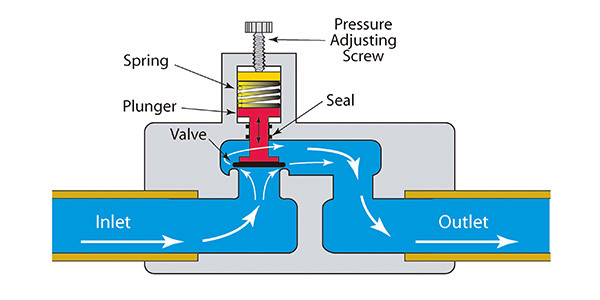
The Role of Pressure Reducing Valves in Hydraulic and Pneumatic Systems
Why Pressure Reducing Valves Are Essential
- Equipment Protection: Excessive pressure can cause significant damage to system components, such as cracked pipes, worn seals, or failed motors. By maintaining a safe outlet pressure, PRVs shield downstream equipment, extending its service life and reducing the need for costly repairs or replacements.
- Operational Efficiency: Consistent pressure is vital for optimal system performance. Pressure fluctuations can lead to erratic operation, reduced precision, and energy waste. PRVs ensure that machinery and tools operate smoothly, improving productivity and minimizing downtime.
- Safety: High-pressure systems pose risks to both equipment and personnel. A sudden pressure spike could result in equipment failure or even hazardous situations, such as explosions in extreme cases. PRVs mitigate these risks by keeping pressure within safe limits, creating a safer working environment.
- Versatility Across Applications: PRVs are used in a wide range of industries, from manufacturing and construction to oil and gas, aerospace, and even residential systems like plumbing and HVAC. Their ability to adapt to different fluids and pressure requirements makes them a versatile solution for pressure management.
Selection, Installation, and Maintenance
Reducing valves
- Potable water systems: In municipal water systems, pressure reducing valves are required to reduce the water pressure to safe levels in the-utility, to prevent damage to the water-borne water, to the water mains, and to the water appliances.
- Hydraulic systems: Used in industrial applications to reduce fluid pressure to safe levels for system components.
- Pneumatic systems: In systems using compressed air, a pressure reducing valve ensures that the pressure is maintained at a level suitable for pneumatic tools or equipment.
- Gas systems: In gas installations, these valves protect gas installations from dangerous pressures that could cause leaks or explosions.
Real-World Applications
The Critical Role of Pressure Regulating Valves in Pneumatic Systems
Understanding Pneumatic Systems and Pressure Regulation
Why Pressure Regulation is Crucial in Pneumatic Systems
- Protecting System Components: Pneumatic systems rely on delicate components like actuators, cylinders, and valves, which are designed to operate within specific pressure ranges. Excessive pressure can cause seals to fail, cylinders to wear out, or actuators to malfunction, leading to costly repairs or replacements. Pressure regulating valves prevent these issues by maintaining safe pressure levels, protecting components and extending their lifespan.
- Optimizing Energy Consumption: Compressed air is energy-intensive to produce, and inefficiencies in pressure management can lead to significant energy waste. Overpressurized systems consume more energy than necessary, driving up operational costs. By maintaining optimal pressure levels, regulating valves ensure that only the required amount of compressed air is used, reducing energy consumption and lowering costs.
- Ensuring Process Accuracy: In industries like industrial automation and electronics manufacturing, precision is paramount. Even minor pressure variations can affect the performance of pneumatic tools or actuators, leading to inconsistent results or defective products. For example, in semiconductor manufacturing, precise pressure control is critical for processes like wafer handling. Pressure regulating valves ensure that air pressure remains stable, enabling consistent and accurate operations.
- Enhancing Safety: High-pressure air can pose safety risks, such as hose ruptures or equipment failures, which could endanger workers. Pressure regulating valves mitigate these risks by preventing pressure spikes, creating safer working environments and reducing the likelihood of accidents.
Key Applications in Pneumatic Systems
- Industrial Automation: In automated manufacturing systems, pneumatic actuators and cylinders drive robotic arms, grippers, and conveyors. Pressure regulating valves ensure that these components operate with precision, enabling tasks like assembling automotive parts or packaging consumer goods. For instance, in an assembly line, a valve might regulate air pressure to ensure that a pneumatic gripper applies the correct force to handle delicate components without damage.
- Electronics Manufacturing: The production of electronics, such as semiconductors or circuit boards, requires extreme precision. Pneumatic systems power tools and equipment used in cleanrooms, where even slight pressure variations can disrupt processes or contaminate products. Pressure regulating valves maintain consistent air pressure, ensuring high-quality output and minimizing defects.
- Automotive Industry: Pneumatic tools, such as impact wrenches and spray guns, are widely used in automotive manufacturing and repair. Pressure regulating valves ensure that these tools deliver consistent performance, whether tightening bolts or applying paint. This consistency improves productivity and ensures high-quality results.
- Packaging and Food Processing: Pneumatic systems are common in packaging lines and food processing plants, where they power equipment like filling machines or sealing devices. Pressure regulating valves maintain stable pressure to ensure precise operation, preventing issues like overfilled containers or damaged packaging.
- Medical and Pharmaceutical Industries: In medical applications, pneumatic systems are used in devices like ventilators or automated drug dispensers. Pressure regulating valves ensure that air pressure remains within safe and precise limits, critical for patient safety and equipment reliability.
Benefits Beyond Performance
- Reduced Maintenance Costs: By protecting components from overpressure, these valves minimize wear and tear, reducing the frequency and cost of maintenance.
- Improved Productivity: Stable pressure ensures consistent operation, reducing downtime caused by pressure-related failures and boosting overall productivity.
- Environmental Impact: Optimized energy use translates to lower carbon emissions, supporting sustainability goals in industries striving to reduce their environmental footprint.
Considerations for Effective Use
Challenges and Solutions
3 critical problems that a pressure regulating valve can solve in your hydraulic and pneumatic systems

1. Frequent system failures: Why do they occur and how can they be avoided?
Hydraulic and pneumatic systems are essential in modern industry, but they often fail due to excessive pressure fluctuations. These variations can cause severe damage to critical components, such as leaks, accelerated wear or sudden failure. A properly adjusted pressure regulating valve maintains correct and constant levels, thus protecting the entire system against unexpected damage.
2. Reduced operating efficiency: Is your system wasting energy?
When system pressure is not properly controlled, operating efficiency is directly affected. Pressure fluctuations force pumps, motors and cylinders to work harder, resulting in higher energy consumption, lower productivity and unnecessary additional costs. Installing a pressure regulating valve optimizes efficiency, reduces energy consumption and extends the life of the system, generating real savings in your operations.
3. Stress, technical uncertainty and financial losses: Are you putting your operational peace of mind at risk?
Frequent failures and technical uncertainty generate continuous stress for operators, technicians and managers. Each unscheduled shutdown means delays, direct economic losses and constant worry about future failures. Implementing a reliable pressure regulating valve means giving back control and peace of mind to your equipment, ensuring operational stability, less stress and significant reduction of economic losses associated with avoidable problems, thus increasing safety and avoiding refinery fires.
Troubleshooting common problems in pressure regulating valves
Despite being robust and durable components, these valves may face some problems due to wear, dirt accumulation or improper maintenance. Here are the most common problems and how to solve them.
- Unstable or fluctuating pressure: A common problem is unstable pressure, which may be due to a malfunction in the regulating valve. This can cause pressure fluctuations that affect the performance of the hydraulic or pneumatic system.
- Solution: Make sure the valve is properly calibrated. If it is clogged or worn, it may need to be repaired or replaced.
- Valve leakage: Leakage can be caused by failures in valve seals or gaskets. In addition to affecting pressure, leaks can generate energy losses and increase operating costs.
- Solution: Regularly inspect the seals and gaskets. If leaks are found, replace the damaged components to fix the problem.
- Accumulation of dirt or contaminants: Dirt or contaminants can clog regulating valves, preventing them from functioning properly. This is common in systems where fluids are not filtered properly.
- Solution: Perform preventive maintenance including valve cleaning and filter replacement.
- Poor performance due to lack of preventive maintenance: Continued use without proper maintenance can decrease the performance of the regulating valve and affect the efficiency of the hydraulic or pneumatic system.
- Solution: Establish a regular preventive maintenance program to ensure that the regulating valve is in good condition and will function properly over the long term.
How to select the right pressure regulating valve for your hydraulic or pneumatic systems
The correct choice of a regulating valve is essential to ensure efficient and safe operation. Some key factors to consider are:
- Type of fluid or gas: Select a pressure regulating valve suitable for the type of fluid flowing through the hydraulic system or pneumatic system. For the hydraulic system, opt for valves that support high-pressure fluids, while for the pneumatic system, choose regulating valves compatible with compressed air.
- Pressure range and flow capacity: Make sure the regulating valve can handle the pressure range required for your application. The flow capacity must also be sufficient to ensure operation of the hydraulic system or pneumatic system without exceeding pressure limits.
- Temperature and ambient conditions: The regulating valve must be capable of operating within the specific temperature range of your hydraulic system or pneumatic system. If the environment is one of extreme temperatures, make sure the regulating valve is designed to withstand those conditions.
- Maintenance and durability: Some regulating valves require less maintenance, which is advantageous in industrial environments where downtime is costly. Investing in high quality, durable pressure regulating valves ensures efficient long-term performance.
- Industry regulations and standards: Verifies that the regulating valve complies with applicable regulations and standards, which not only ensures compliance with regulations, but also improves the reliability of the hydraulic system or pneumatic system.
Conclusions
The pressure regulating valve is a vital component in the hydraulic and pneumatic system, ensuring that pressure is maintained within safe levels for efficient and safe operation. Understanding how it works and its importance in each type of system is essential to optimize performance, prevent unplanned failures and avoid costly long-term damage.
Selecting the right control valve for each application and performing regular preventive maintenance ensures not only operational safety, but also prolongs equipment life and significantly reduces operating costs. Correctly choosing and properly maintaining these components can make the difference between efficient and costly operation.