
Pressure Regulator Information
A pressure regulator is a valve that controls the pressure of a fluid to a desired value, using negative feedback from the controlled pressure.
A comprehensive guide to gas delivery system in semiconductor
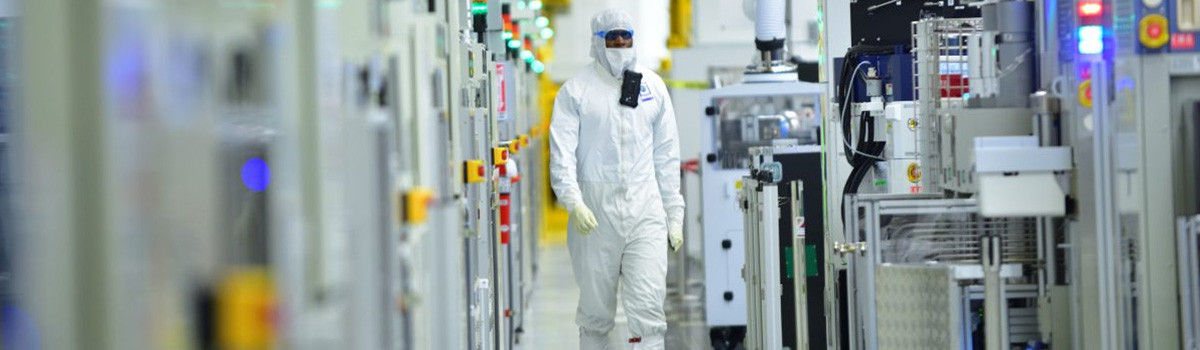
Gas delivery systems are vital to semiconductor manufacturing, enabling the production of high-quality microchips that power modern technology, from smartphones to medical equipment. These systems deliver ultra-pure gases with precision to support intricate fabrication processes. This guide offers engineers, students, and industry professionals a detailed overview of gas delivery systems, their components, and their critical role in chip production.
Theole in Semiconductor Manufacturing: Gas delivery systems provide the precise flow of gases required for processes like deposition, etching, and doping, which form the complex circuitry on silicon wafers. These processes demand exact gas composition, pressure, and flow to ensure chip performance and yield. Even minor impurities or flow inconsistencies can lead to defects, making gas delivery systems essential for maintaining cleanroom standards and achieving high-quality production.
Fundamentals of Gas Delivery Systems
Gas delivery systems are critical to semiconductor manufacturing, enabling the precise and safe delivery of ultra-pure gases to fabrication equipment. These systems underpin processes like deposition, etching, and doping, which are essential for producing microchips used in devices ranging from smartphones to advanced AI systems. By ensuring gases are delivered at the correct flow rate, pressure, and purity, these systems help achieve the high yields and performance required in modern semiconductor fabrication.
Definition and Purpose
Gas delivery systems in semiconductor manufacturing are engineered setups designed to transport, regulate, and monitor gases used in wafer processing. Their primary purpose is to deliver gases with exceptional precision and purity to fabrication tools, ensuring consistent process outcomes. In semiconductor production, even minute contaminants—measured in parts per billion (ppb)—can cause defects, reducing chip quality and yield. These systems also manage safety, handling hazardous gases like silane or arsine, which are flammable or toxic. By maintaining controlled environments and preventing unwanted reactions, gas delivery systems enable the creation of intricate chip designs at scales as small as 2 nanometers.
The importance of these systems cannot be overstated. They support the repeatability of manufacturing processes, ensuring that each wafer meets stringent specifications. As semiconductor technology advances, with smaller nodes and novel materials like 2D structures, gas delivery systems must evolve to meet increasingly demanding requirements for precision and reliability.
Key Components
Gas delivery systems comprise several critical components, each designed to ensure safe, precise, and contamination-free gas delivery:
- Gas Sources: These include high-pressure cylinders, bulk storage tanks, or on-site generators. The choice depends on the gas type and usage volume. For example, high-volume gases like nitrogen may come from bulk systems, while specialty gases like phosphine are typically stored in cylinders.
- Pressure Regulators: Regulators reduce high-pressure gas from sources to safe, usable levels. Dual-stage regulators are common in semiconductor applications, providing stable output pressures despite fluctuations in cylinder pressure.
- Mass Flow Controllers (MFCs): MFCs are the heart of precise gas delivery, controlling flow rates to within fractions of a standard cubic centimeter per minute (sccm). Using thermal or pressure-based sensors, MFCs ensure consistent delivery, critical for processes like chemical vapor deposition (CVD).
- Valves: High-purity valves, such as diaphragm or bellows valves, control gas flow while minimizing leaks and contamination. They are often made of corrosion-resistant materials to handle reactive gases.
- Tubing and Piping: Ultra-high-purity (UHP) stainless steel, often electropolished, is used to prevent contamination and corrosion. Tubing must meet strict standards, like SEMI F19, to ensure gas purity is maintained during transport.
- Purifiers: Gas purifiers remove trace impurities, such as moisture or oxygen, to achieve semiconductor-grade purity (e.g., 99.9999% or “six nines”). Purifiers are essential for preventing defects in sensitive processes like atomic layer deposition (ALD).
Types of Gases Used
Semiconductor manufacturing relies on a variety of gases, each tailored to specific processes. These gases are broadly categorized into inert, reactive, and specialty gases:
- Inert Gases: Gases like nitrogen (N₂) and argon (Ar) are used for purging and creating controlled environments. Nitrogen prevents oxidation during wafer processing, while argon provides a stable atmosphere in plasma-based processes like sputtering.
- Reactive Gases: These gases participate in chemical reactions during fabrication. Silane (SiH₄) is widely used in CVD to deposit silicon layers, while ammonia (NH₃) is employed in nitridation processes to form silicon nitride films. Fluorine-based gases, such as sulfur hexafluoride (SF₆), are critical for plasma etching, enabling precise patterning of wafers.
- Specialty Gases: These include dopants like arsine (AsH₃) and phosphine (PH₃), which introduce impurities to modify a semiconductor’s electrical properties. Specialty gases often require precise delivery due to their low flow rates and high toxicity.
The Critical Role of Gas Delivery Systems
Semiconductor manufacturing is a cornerstone of modern technology, producing microchips that power devices from smartphones to autonomous vehicles. Central to this intricate process are gas delivery systems, which supply ultra-pure gases with precision to enable key fabrication steps like deposition, etching, and doping. These systems ensure the quality, reliability, and safety required for high-performance chips.
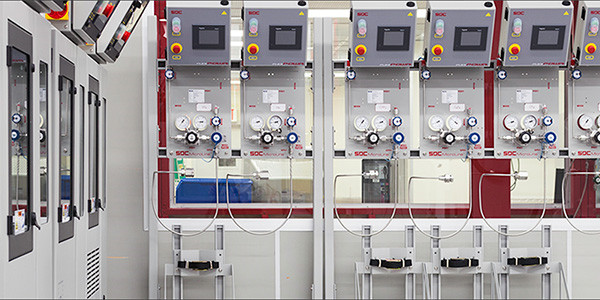
Overview of Semiconductor Manufacturing Processes
Semiconductor manufacturing involves a series of complex processes to create intricate circuitry on silicon wafers. The primary processes include:
- Deposition: This process deposits thin layers of materials onto the wafer to form insulating or conductive layers. Chemical Vapor Deposition (CVD) and Physical Vapor Deposition (PVD) are common techniques, relying on gases to create uniform films critical for chip functionality.
- Etching: Etching removes specific portions of deposited layers to pattern circuits. Dry etching, such as Reactive Ion Etching (RIE), uses plasma and gases to achieve precise material removal, shaping the nanoscale features of modern chips.
- Doping: This process introduces impurities into the silicon to modify its electrical properties, enabling the creation of transistors and other components. Ion implantation and diffusion rely on precise gas delivery to control dopant concentrations.
- Cleaning and Surface Preparation: Gases are used to clean wafers, removing contaminants like organic residues or oxides to ensure defect-free surfaces before subsequent steps.
Specific Gas Requirements for Each Process
Different semiconductor processes require specific gases tailored to their chemical and physical demands:
- Deposition (CVD/PVD): Chemical Vapor Deposition often uses silane (SiH₄) to deposit silicon layers, while other gases like ammonia (NH₃) or nitrous oxide (N₂O) are used for nitride or oxide films. PVD may use argon (Ar) as a sputtering gas to deposit metals like aluminum or titanium. These gases must be ultra-pure to prevent defects in the thin films.
- Etching: Fluorine-based gases, such as sulfur hexafluoride (SF₆) or tetrafluoromethane (CF₄), are commonly used in dry etching to remove material selectively. Chlorine-based gases like chlorine (Cl₂) are used for etching metals or polysilicon. Precision in gas flow ensures accurate patterning without damaging underlying layers.
- Doping: Gases like arsine (AsH₃), phosphine (PH₃), or diborane (B₂H₆) are used to introduce dopants. These gases are highly toxic and require stringent safety controls, alongside precise delivery to achieve uniform doping profiles.
- Cleaning: Gases like oxygen (O₂) or hydrogen (H₂) are used in plasma cleaning to remove contaminants. Nitrogen (N₂) may be used for purging to maintain a clean environment.
Importance of Precision, Purity, and Safety
Precision: Semiconductor processes operate at nanometer scales, where even slight variations in gas flow or pressure can lead to defects. Mass flow controllers (MFCs) are integral to gas delivery systems, ensuring precise control of gas volumes and flow rates. For example, in CVD, consistent silane flow ensures uniform film thickness, while in etching, precise gas ratios maintain pattern fidelity.
Purity: Contaminants like moisture, particulates, or trace metals can ruin wafers, reducing yield and performance. Gas delivery systems use electropolished stainless steel tubing and point-of-use purifiers to maintain ultra-high purity. Filters remove particles as small as 0.003 microns, ensuring clean gas delivery to the process chamber.
Safety: Many semiconductor gases are hazardous. Silane is flammable, arsine is highly toxic, and fluorine-based gases are corrosive. Gas delivery systems incorporate safety features like gas detectors, emergency shut-off valves, and exhaust systems to mitigate risks. Automated monitoring and alarms ensure rapid response to leaks or anomalies, protecting personnel and equipment.
Components of Gas Delivery Systems
Gas delivery systems are composed of several key components:
- Gas Sources: High-purity gases are stored in cylinders or bulk systems, often in specialized cabinets to ensure safety and accessibility.
- Regulators and Valves: Pressure regulators stabilize gas flow, while automated valves direct gases to specific tools. MFCs provide precise control, critical for process consistency.
- Piping and Tubing: Electropolished stainless steel or specialized alloys prevent corrosion and maintain gas purity. Welded connections minimize leaks.
- Filtration Systems: In-line and point-of-use filters remove impurities, ensuring gas quality at the point of delivery.
- Safety Systems: Gas sensors, shut-off valves, and exhaust scrubbers manage hazardous gases, ensuring compliance with safety regulations.
- Point-of-Use Systems: Deliver gases to individual tools, offering flexibility for small-scale or specialized processes.
- Bulk Gas Systems: Supply large volumes to multiple tools, ideal for high-throughput fabs.
- Specialty Gas Systems: Handle hazardous or reactive gases, incorporating advanced safety and monitoring features.
Challenges and Innovations
Contamination remains a significant challenge, as even trace impurities can ruin wafers. Advances in purifier technology and real-time monitoring systems are improving purity control. As chip designs shrink to sub-5nm scales, gas delivery systems must achieve higher precision. Innovations like integrated gas panels, which combine multiple components into compact units, and IoT-enabled monitoring for predictive maintenance are enhancing efficiency and reducing costs.
Design and Components of Gas Delivery Systems
Gas delivery systems are the backbone of semiconductor manufacturing, enabling the precise and safe delivery of ultra-pure gases for processes like deposition, etching, and doping. These systems are critical to producing high-quality microchips that power modern technology, from consumer electronics to medical devices. Their design and components must meet stringent requirements for precision, purity, and safety in highly controlled cleanroom environments.
Detailed Breakdown of System Components
Gas delivery systems in semiconductor manufacturing are complex assemblies of specialized components, each playing a vital role in ensuring reliable and contamination-free gas delivery. The key components include:
- Gas Cabinets and Panels
Gas cabinets and panels serve as the centralized hubs for storing and distributing gases. Gas cabinets house high-purity gas cylinders, protecting them from environmental contamination and ensuring safe handling of hazardous gases like silane (SiH₄) or arsine (AsH₃). These cabinets are equipped with ventilation systems, fire suppression, and access controls to comply with safety regulations. Gas panels, often integrated into cabinets or standalone units, provide a compact interface for controlling gas flow to specific tools. They incorporate valves, regulators, and monitoring systems to streamline operations. Modern designs emphasize modularity, allowing easy upgrades or reconfiguration to support evolving fabrication needs. - Pressure Regulators and Flow Control Devices
Precision in gas delivery is paramount, and pressure regulators and flow control devices ensure consistent gas pressure and flow rates. Pressure regulators maintain stable output pressure from high-pressure gas sources, preventing fluctuations that could disrupt processes. Mass flow controllers (MFCs) are critical for delivering precise gas volumes, often measured in standard cubic centimeters per minute (sccm). MFCs use thermal or pressure-based sensing to regulate flow, ensuring uniformity in processes like chemical vapor deposition (CVD) or etching. Advanced MFCs feature digital controls for real-time adjustments, enhancing accuracy and repeatability in high-volume manufacturing. - Piping and Tubing Materials
The piping and tubing in gas delivery systems must maintain gas purity and resist corrosion, given the reactive nature of many semiconductor gases. Electropolished stainless steel (316L grade) is the standard material due to its smooth, non-reactive surface, which minimizes particle generation and contamination. Ultra-high-purity (UHP) standards require tubing to have a surface roughness below 0.25 micrometers to prevent trapping impurities. For highly corrosive gases like chlorine (Cl₂), specialized alloys such as Hastelloy may be used. Welded or seamless connections reduce leak risks, and tubing is often cleaned and passivated before installation to ensure compliance with UHP requirements. - Safety Systems
Safety is a critical concern due to the hazardous nature of many semiconductor gases. Safety systems include leak detection sensors, which monitor for trace amounts of toxic or flammable gases using technologies like infrared or electrochemical detection. Emergency shut-off valves automatically isolate gas flow in case of leaks or system failures, protecting personnel and equipment. Exhaust systems, including scrubbers, neutralize hazardous gases before release, ensuring compliance with environmental regulations. Automated alarms and integration with facility management systems enable rapid response to anomalies, minimizing risks in cleanroom environments.
Design Considerations
Designing gas delivery systems for semiconductor manufacturing requires careful attention to modularity, scalability, and integration with cleanroom environments.
- Modularity: Modular designs allow systems to be reconfigured or expanded without significant downtime. For example, gas panels can be designed with interchangeable components, enabling quick adaptation to new gases or processes. This flexibility is essential as semiconductor fabrication evolves to support smaller node sizes or new materials.
- Scalability: As fabrication facilities (fabs) scale from pilot lines to high-volume production, gas delivery systems must accommodate increased demand. Bulk gas systems, for instance, can supply large volumes to multiple tools, while point-of-use systems offer flexibility for smaller setups. Scalable designs incorporate additional capacity for future expansion, reducing the need for costly retrofits.
- Integration with Cleanroom Environments: Cleanrooms demand ultra-low contamination levels, typically ISO Class 1 or 2, requiring gas delivery systems to minimize particle generation. Components are housed in sealed enclosures, and tubing is electropolished to prevent shedding. Systems are also designed for compatibility with cleanroom airflows, ensuring minimal disruption to laminar flow patterns. Integration with automated control systems, such as programmable logic controllers (PLCs), allows real-time monitoring and coordination with other cleanroom equipment.
Standards and Certifications
Gas delivery systems must comply with rigorous industry standards to ensure safety, performance, and interoperability. Key standards include:
- SEMI Standards: The Semiconductor Equipment and Materials International (SEMI) organization sets guidelines for gas delivery systems, such as SEMI S2 (safety guidelines) and SEMI F5 (gas system design). These standards specify requirements for component materials, leak testing, and safety features, ensuring consistency across the industry.
- ISO Compliance: ISO 9001 (quality management) and ISO 14001 (environmental management) certifications are often required for gas delivery system manufacturers. ISO 14644 governs cleanroom standards, ensuring systems meet particle and contamination control requirements.
- Other Certifications: Compliance with regional regulations, such as OSHA (Occupational Safety and Health Administration) in the U.S. or ATEX (for explosive atmospheres) in Europe, is critical for handling hazardous gases. Certifications like UL (Underwriters Laboratories) may also apply to electrical components within the system.
Challenges and Innovations
Gas delivery systems face several challenges, particularly in maintaining ultra-high purity as chip designs shrink to sub-5nm nodes. Even trace contaminants, such as moisture or particulates, can ruin wafers, reducing yield. Advanced filtration systems, including point-of-use purifiers, are addressing this issue by removing impurities at the delivery point. Another challenge is managing hazardous gases, requiring robust safety systems to mitigate risks.
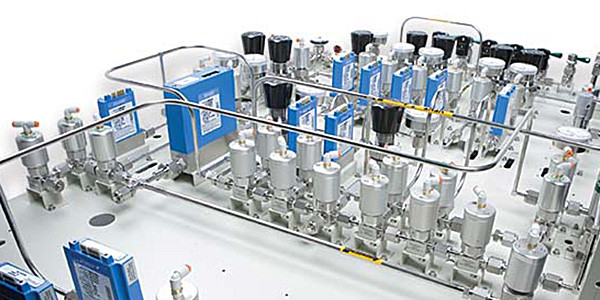
Innovations are driving improvements in gas delivery systems. Integrated gas panels combine regulators, valves, and MFCs into compact units, reducing footprint and simplifying maintenance. IoT-enabled monitoring allows real-time tracking of system performance, predicting failures before they occur. Additionally, advancements in materials science are leading to more durable, corrosion-resistant tubing, extending system lifespan. As the semiconductor industry pushes toward greater efficiency and sustainability, innovations like energy-efficient regulators and environmentally friendly gas scrubbers are gaining traction.
Types of Gas Delivery Systems
Gas delivery systems are essential in semiconductor manufacturing, supplying ultra-pure gases for processes like deposition, etching, and doping, which create the intricate circuitry of microchips. These systems must deliver gases with precision, purity, and safety to ensure high-quality chip production in cleanroom environments.
Centralized vs. Point-of-Use Systems
Centralized Gas Delivery Systems
Centralized systems distribute gases from a single source, typically a large storage facility, to multiple tools across a fabrication plant (fab). Located in a dedicated gas room, these systems use extensive piping networks to supply gases like nitrogen (N₂) or argon (Ar) to various process chambers. They are highly efficient for large-scale, high-throughput fabs, as they reduce the need for multiple gas cylinders at individual tools, minimizing space requirements and simplifying maintenance. Centralized systems are also easier to monitor and control, often integrating with automated facility management systems for real-time oversight.
Centralized systems distribute gases from a single source, typically a large storage facility, to multiple tools across a fabrication plant (fab). Located in a dedicated gas room, these systems use extensive piping networks to supply gases like nitrogen (N₂) or argon (Ar) to various process chambers. They are highly efficient for large-scale, high-throughput fabs, as they reduce the need for multiple gas cylinders at individual tools, minimizing space requirements and simplifying maintenance. Centralized systems are also easier to monitor and control, often integrating with automated facility management systems for real-time oversight.
However, centralized systems have limitations. Long piping runs can introduce pressure drops or contamination risks, requiring high-purity tubing and regular maintenance. They are less flexible for processes requiring frequent gas changes, as reconfiguration can be complex and costly. Additionally, a single point of failure, such as a leak, could disrupt the entire fab’s operations.
Point-of-Use Systems
Point-of-use systems deliver gases directly to individual tools, with gas cylinders or panels located near the equipment. These systems offer flexibility, making them ideal for smaller fabs or processes requiring unique gas mixtures. They allow rapid gas changes and minimize piping-related contamination risks due to shorter delivery paths. Point-of-use systems are also easier to install in retrofitted or experimental setups.Their drawbacks include higher space requirements, as each tool needs its own gas supply, and increased maintenance complexity, as multiple systems must be monitored. They are less cost-effective for large-scale operations due to the need for duplicate equipment and frequent cylinder replacements.
Point-of-use systems deliver gases directly to individual tools, with gas cylinders or panels located near the equipment. These systems offer flexibility, making them ideal for smaller fabs or processes requiring unique gas mixtures. They allow rapid gas changes and minimize piping-related contamination risks due to shorter delivery paths. Point-of-use systems are also easier to install in retrofitted or experimental setups.Their drawbacks include higher space requirements, as each tool needs its own gas supply, and increased maintenance complexity, as multiple systems must be monitored. They are less cost-effective for large-scale operations due to the need for duplicate equipment and frequent cylinder replacements.
Bulk Gas Delivery vs. Specialty Gas Systems
Bulk Gas Delivery Systems
Bulk gas systems supply large volumes of common gases, such as nitrogen, oxygen (O₂), or helium (He), to multiple tools in high-throughput fabs. These systems use large storage tanks or cryogenic vessels, often located outside the fab, connected to tools via extensive piping. They are cost-efficient for gases used in high quantities, reducing cylinder handling and downtime. Bulk systems are designed for reliability, with redundant supply lines and automated controls to ensure uninterrupted delivery.Limitations include high initial setup costs for storage and piping infrastructure. They are less suited for low-volume or highly specialized gases, and long piping runs increase the risk of contamination or pressure loss, requiring rigorous maintenance.
Bulk gas systems supply large volumes of common gases, such as nitrogen, oxygen (O₂), or helium (He), to multiple tools in high-throughput fabs. These systems use large storage tanks or cryogenic vessels, often located outside the fab, connected to tools via extensive piping. They are cost-efficient for gases used in high quantities, reducing cylinder handling and downtime. Bulk systems are designed for reliability, with redundant supply lines and automated controls to ensure uninterrupted delivery.Limitations include high initial setup costs for storage and piping infrastructure. They are less suited for low-volume or highly specialized gases, and long piping runs increase the risk of contamination or pressure loss, requiring rigorous maintenance.
Specialty Gas Systems
Specialty gas systems handle reactive, toxic, or rare gases, such as silane (SiH₄), arsine (AsH₃), or fluorine-based gases used in etching or deposition. These systems incorporate advanced safety features, including leak detectors, emergency shut-off valves, and exhaust scrubbers, due to the hazardous nature of the gases. They are designed for precision, often using point-of-use configurations to minimize exposure risks and ensure accurate delivery.
Specialty gas systems handle reactive, toxic, or rare gases, such as silane (SiH₄), arsine (AsH₃), or fluorine-based gases used in etching or deposition. These systems incorporate advanced safety features, including leak detectors, emergency shut-off valves, and exhaust scrubbers, due to the hazardous nature of the gases. They are designed for precision, often using point-of-use configurations to minimize exposure risks and ensure accurate delivery.
Their main limitation is cost, as specialty gases are expensive, and systems require robust safety and monitoring components. They are also less scalable, as they are tailored to specific processes, limiting their adaptability to changing fab requirements.
Liquid-to-Gas Delivery Systems for Precursors
Liquid-to-gas delivery systems are used for precursors—liquid chemicals like tetraethyl orthosilicate (TEOS) or trimethylaluminum (TMA)—that are vaporized into gases for processes like atomic layer deposition (ALD). These systems use bubblers, vaporizers, or direct liquid injection to convert liquids into controlled gas flows. They are critical for advanced nodes (sub-5nm), where precise precursor delivery ensures uniform film deposition.
Advantages include their ability to handle complex chemistries and support cutting-edge processes. However, they are complex to design and maintain, requiring precise temperature and pressure control to prevent condensation or inconsistent vaporization. The systems also demand high-purity components to avoid contamination, increasing costs.
Comparison of Advantages and Limitations
- Centralized Systems: Ideal for large-scale, high-volume production with common gases. Advantages include efficiency and centralized control, but long piping increases contamination risks and reduces flexibility.
- Point-of-Use Systems: Offer flexibility and reduced contamination for small-scale or specialized processes. However, they require more space and maintenance, making them less cost-effective for large fabs.
- Bulk Gas Systems: Cost-efficient for high-volume gases, with reliable supply chains. High setup costs and piping-related risks are key limitations.
- Specialty Gas Systems: Essential for hazardous or reactive gases, with robust safety features. High costs and limited scalability are drawbacks.
- Liquid-to-Gas Systems: Enable advanced processes with complex precursors. Their complexity and cost are significant challenges.
Challenges and Solutions in Gas Delivery Systems
Gas delivery systems are critical to semiconductor manufacturing, supplying ultra-pure gases for processes like deposition, etching, and doping that create microchips powering modern technology. These systems face significant challenges, including contamination, pressure fluctuations, and safety hazards, which can compromise chip quality and production efficiency. However, advanced solutions such as purification technologies, real-time monitoring, and automation, along with emerging technologies like IoT integration and predictive maintenance, are addressing these issues.
Common Challenges in Gas Delivery Systems
- Contamination
Contamination is a primary concern in semiconductor manufacturing, where even trace impurities—such as moisture, particulates, or trace metals—can ruin wafers, reducing yield and performance. Contaminants may originate from gas sources, piping, or system components. For example, in chemical vapor deposition (CVD), impurities in silane (SiH₄) can lead to defective films, while in etching, contaminants can disrupt precise patterning. Maintaining ultra-high-purity (UHP) standards, typically 99.999% or higher, is essential but challenging, especially as chip designs shrink to sub-5nm nodes. - Pressure Fluctuations
Precise pressure control is critical for consistent gas flow in processes like atomic layer deposition (ALD) or reactive ion etching (RIE). Pressure fluctuations, often caused by regulator inefficiencies or long piping runs, can lead to uneven gas delivery, resulting in process variability and defects. For instance, inconsistent flow of fluorine-based gases in etching can cause over- or under-etching, compromising circuit patterns. Maintaining stable pressure across complex systems, particularly in large-scale fabs, is a persistent challenge. - Safety Hazards
Many semiconductor gases, such as arsine (AsH₃), silane (flammable), or fluorine-based gases (corrosive), pose significant safety risks. Leaks or improper handling can lead to toxic exposure, fires, or environmental harm. The complexity of gas delivery systems, with high-pressure cylinders and extensive piping, increases the risk of accidents. Ensuring compliance with safety regulations while maintaining operational efficiency is a critical challenge, particularly for specialty gas systems handling hazardous materials.
Solutions to Address Challenges
- Advanced Purification
To combat contamination, gas delivery systems employ advanced purification technologies. Point-of-use purifiers, integrated near process tools, remove impurities like moisture or particulates down to parts-per-billion levels. High-efficiency filters, often made of ceramic or metal membranes, capture particles as small as 0.003 microns. Electropolished stainless steel tubing, with its smooth, non-reactive surface, minimizes particle generation and corrosion. Additionally, rigorous cleaning and passivation of system components before installation ensure UHP standards, protecting wafer quality. - Real-Time Monitoring
Real-time monitoring systems address pressure fluctuations by providing continuous oversight of gas flow and system performance. Mass flow controllers (MFCs) equipped with digital sensors ensure precise gas delivery, compensating for variations in pressure or temperature. Gas analyzers monitor purity levels, detecting trace contaminants instantly. These systems integrate with facility management software, allowing operators to adjust parameters in real time to maintain process stability, critical for high-precision processes like ALD or CVD. - Automation
Automation enhances both safety and efficiency. Automated valves and emergency shut-off systems isolate gas flow during leaks or anomalies, reducing risks from hazardous gases. Programmable logic controllers (PLCs) manage gas delivery, coordinating multiple components to ensure consistent operation. For example, automated systems can switch between gas cylinders without interrupting supply, minimizing downtime. Safety features like gas detectors and exhaust scrubbers are also automated, neutralizing hazardous emissions and ensuring compliance with regulations.
Emerging Technologies
- IoT Integration
Internet of Things (IoT) integration is transforming gas delivery systems by enabling real-time data collection and analysis. IoT-enabled sensors monitor parameters like pressure, flow, and purity across the system, transmitting data to centralized platforms. This allows operators to detect anomalies, such as leaks or pressure drops, before they impact production. IoT systems also facilitate remote diagnostics, reducing the need for manual inspections in cleanroom environments, which lowers contamination risks and improves efficiency. - Predictive Maintenance
Predictive maintenance leverages data analytics and machine learning to anticipate system failures. By analyzing trends in MFC performance, pressure data, or leak detection logs, predictive models identify potential issues, such as worn components or impending leaks, before they occur. This proactive approach minimizes unplanned downtime, extends equipment lifespan, and reduces maintenance costs. For instance, predicting when a purifier needs replacement ensures consistent gas purity without interrupting production.
Safety and Regulatory Considerations
Gas delivery systems in semiconductor manufacturing are critical for supplying ultra-pure gases to processes like deposition, etching, and doping, which produce microchips for modern technology. However, many gases used, such as arsine, silane, and fluorine-based compounds, are hazardous—posing risks of toxicity, flammability, or corrosion. Ensuring safety and regulatory compliance is paramount to protect personnel, equipment, and the environment.
Handling Hazardous Gases
Semiconductor manufacturing relies on gases with hazardous properties. For instance, arsine (AsH₃) and phosphine (PH₃), used in doping, are highly toxic, with exposure limits as low as 0.05 ppm. Silane (SiH₄), common in chemical vapor deposition (CVD), is pyrophoric, igniting spontaneously in air. Fluorine-based gases like tetrafluoromethane (CF₄), used in etching, are corrosive and can damage equipment or harm workers if mishandled. Handling these gases requires specialized systems to ensure safe storage, delivery, and disposal. Gas cabinets with sealed enclosures isolate cylinders, reducing exposure risks. Automated valves and flow controllers minimize manual handling, while trained personnel follow strict protocols to prevent accidents. Proper labeling and material safety data sheets (MSDS) are also critical to inform workers of risks and handling procedures.
Regulatory Compliance
Compliance with safety and environmental regulations is non-negotiable in semiconductor manufacturing. In the U.S., the Occupational Safety and Health Administration (OSHA) sets standards for workplace safety, including exposure limits for toxic gases and requirements for personal protective equipment (PPE). For example, OSHA’s Process Safety Management (PSM) standard applies to facilities handling highly hazardous chemicals, mandating risk assessments and emergency plans. The Environmental Protection Agency (EPA) regulates emissions of hazardous gases, requiring exhaust treatment systems to neutralize compounds like fluorine-based gases before release. Local regulations, such as California’s Title 8, may impose additional requirements, including fire safety codes for flammable gases like silane. Internationally, standards like the European Union’s ATEX directives govern equipment used in explosive atmospheres. Compliance involves regular audits, documentation, and adherence to industry standards like SEMI S2 for equipment safety, ensuring systems meet global benchmarks.
Safety Features
Gas delivery systems incorporate advanced safety features to mitigate risks:
- Ventilation: Cleanroom ventilation systems maintain negative pressure in gas storage areas, preventing hazardous gas leaks from spreading. Exhaust scrubbers neutralize toxic or corrosive gases before release, using chemical reactions or absorption to comply with environmental regulations. For example, wet scrubbers are effective for fluorine-based gases, reducing emissions to safe levels.
- Gas Detectors: Gas detection systems monitor for leaks of toxic or flammable gases, using technologies like electrochemical sensors for arsine or infrared sensors for silane. These detectors trigger alarms at trace levels, enabling rapid response to prevent exposure or fires. They are often integrated with facility management systems for real-time monitoring.
- Emergency Protocols: Emergency shut-off valves automatically isolate gas flow during leaks or system failures, minimizing risks. Emergency response plans, mandated by OSHA and local regulations, include evacuation procedures, spill containment, and first-aid measures. Regular drills and training ensure personnel are prepared for incidents, while backup systems maintain operational continuity.
Future Trends and Innovations
Gas delivery systems are vital to semiconductor manufacturing, supplying ultra-pure gases for processes like deposition and etching that produce advanced microchips. As the industry evolves toward smaller nodes and novel materials, gas delivery systems must adapt to meet increasing demands for precision, efficiency, and sustainability.
Advances in Gas Delivery Technology
Emerging technologies are transforming gas delivery systems to enhance precision and reliability. Smart systems, integrated with Internet of Things (IoT) sensors, enable real-time monitoring of gas flow, pressure, and purity. These systems detect anomalies like leaks or pressure fluctuations instantly, improving process stability for sub-5nm nodes. AI-driven monitoring takes this further by analyzing data to optimize gas delivery parameters, ensuring consistent performance in processes like atomic layer deposition (ALD). For example, AI can adjust mass flow controllers (MFCs) dynamically to maintain uniform film deposition. Predictive maintenance, powered by machine learning, anticipates component failures, such as purifier degradation, reducing downtime and costs. These advancements streamline operations and support the industry’s push for higher yields and efficiency.
Impact of New Semiconductor Materials
The shift to new materials, such as 2D materials like graphene and molybdenum disulfide (MoS₂), and the adoption of extreme ultraviolet (EUV) lithography are reshaping gas delivery requirements. 2D materials, used for their superior electrical properties in next-generation transistors, demand precise delivery of specialty gases like silane (SiH₄) or diborane (B₂H₆) for doping and deposition. These processes require ultra-low contamination levels, driving innovations in point-of-use purifiers and electropolished tubing. EUV lithography, critical for sub-7nm nodes, relies on hydrogen (H₂) to maintain clean optics and remove tin contaminants from EUV sources. Gas delivery systems must provide high-purity hydrogen with exact flow control to prevent defects. These material-driven demands are pushing the development of compact, modular gas panels that integrate seamlessly with advanced tools, ensuring compatibility with cleanroom environments.
Sustainability in Gas Delivery
Sustainability is a growing focus in semiconductor manufacturing, with gas delivery systems playing a key role in reducing waste and emissions. Traditional systems often result in unused gas residues in cylinders, contributing to waste. Advanced recycling systems now capture and purify residual gases for reuse, minimizing disposal costs. Energy-efficient MFCs and regulators reduce power consumption, while exhaust scrubbers neutralize hazardous gases like fluorine-based compounds before release, ensuring compliance with environmental regulations like those from the EPA. Innovations in green chemistry are also emerging, with research into less toxic precursors for deposition, reducing reliance on gases like arsine (AsH₃). Additionally, IoT-enabled systems optimize gas usage, minimizing over-delivery and emissions. These efforts align with the industry’s goal of achieving carbon-neutral manufacturing by 2050.
Conclusion
The Pivotal Role of Gas Delivery Systems in Semiconductor ManufacturingGas delivery systems are the cornerstone of semiconductor manufacturing, enabling the precise, safe, and efficient delivery of ultra-pure gases for critical processes like deposition, etching, and doping. These systems ensure the production of high-quality microchips that power modern technologies, from smartphones to advanced medical devices. As the semiconductor industry evolves toward smaller nodes, novel materials, and sustainable practices, gas delivery systems remain indispensable, adapting to meet increasingly stringent demands.
The importance of gas delivery systems lies in their ability to maintain ultra-high purity, precise flow control, and robust safety measures. Contamination, even at trace levels, can ruin wafers, reducing yields and driving up costs. Systems equipped with electropolished stainless steel tubing, point-of-use purifiers, and advanced filtration address this challenge, ensuring gases like silane or arsine meet purity standards of 99.999% or higher. Precision is equally critical, with mass flow controllers (MFCs) delivering exact gas volumes to support processes like atomic layer deposition (ALD), where uniformity is paramount. Safety features, including gas detectors, emergency shut-off valves, and exhaust scrubbers, mitigate risks from toxic or flammable gases, protecting personnel and complying with regulations like OSHA and EPA standards.
Looking ahead, gas delivery systems are evolving with industry trends. The adoption of 2D materials like graphene and extreme ultraviolet (EUV) lithography demands enhanced purification and delivery precision, driving innovations in modular gas panels and IoT-enabled monitoring. AI-driven systems and predictive maintenance are improving reliability by anticipating failures and optimizing gas usage, reducing downtime and costs. Sustainability is also a priority, with recycling systems minimizing gas waste and energy-efficient components lowering emissions, aligning with the industry’s carbon-neutral goals.
In conclusion, gas delivery systems are vital to the semiconductor industry’s success, balancing precision, safety, and efficiency. As chip designs push technological boundaries, these systems will continue to advance, incorporating smart technologies and sustainable practices to support next-generation manufacturing. By addressing challenges like contamination and safety while embracing innovations, gas delivery systems ensure the reliable production of advanced microchips, driving progress in technology and shaping the future of the digital world.