
Pressure Regulator & Valves Technology
Regulators, Valves and Systems deliver a wide range of standard and custom engineered precision pressure control solutions for a diverse world market.

Gas Regulator Material Compatibility
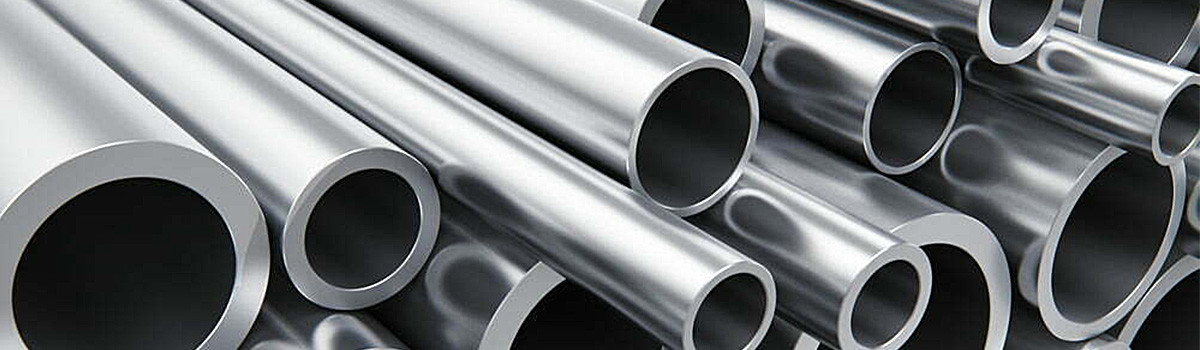
Gas regulators are critical components in systems that manage the flow and pressure of gases in various applications, from industrial processes to medical equipment and residential gas systems. These devices ensure safe and efficient operation by reducing high-pressure gas to a usable level. A key factor in the performance, safety, and longevity of gas regulators is the compatibility of their materials with the gases they handle. Material compatibility refers to the ability of a regulator’s components to withstand the chemical, physical, and environmental conditions imposed by the gas and operating environment without degrading or compromising performance. This article explores the principles of material compatibility in gas regulators, the materials commonly used, factors influencing compatibility, challenges, and best practices for ensuring optimal performance.

The Importance of Material Compatibility

Material compatibility in gas regulators is essential for several reasons:
  1. Safety: Incompatible materials can corrode, crack, or fail, leading to gas leaks, equipment damage, or hazardous situations, such as explosions or toxic exposure.
  2. Performance: Materials that react with gases may alter their properties, affecting the regulator’s ability to maintain consistent pressure or flow.
  3. Durability: Compatible materials resist wear and degradation, extending the lifespan of the regulator and reducing maintenance costs.
  4. Regulatory Compliance: Industries such as medical, aerospace, and oil and gas must adhere to strict standards (e.g., ISO, ASTM, CGA) that mandate material compatibility to ensure safety and reliability.
Poor material selection can result in catastrophic failures. For example, using a regulator with a brass body for ammonia gas can lead to stress corrosion cracking, while elastomers like Buna-N may swell or degrade when exposed to certain hydrocarbons. Understanding the interplay between materials and gases is thus critical for engineers, technicians, and system designers.
Gas regulators are critical devices used to control the flow and pressure of gases in various applications, from industrial processes to medical systems and aerospace technologies. The performance, safety, and longevity of gas regulators depend heavily on the materials used in their construction. These materials—metals, elastomers, and polymers—are carefully selected based on their mechanical properties, chemical compatibility, and environmental resilience.
ultra high purity nitrogen pressure regulators

1. Metals

Metals form the backbone of gas regulators, providing structural integrity for components such as regulator bodies, fittings, valves, and pressure chambers. The choice of metal depends on factors like the type of gas, operating conditions, and cost considerations. Below are the most commonly used metals in gas regulators.
Brass
Brass, an alloy of copper and zinc, is a staple material in gas regulator construction due to its affordability, excellent machinability, and good corrosion resistance for non-aggressive gases. It is widely used for regulator bodies, fittings, and connectors in systems handling gases like nitrogen, oxygen, argon, and compressed air. Brass’s cost-effectiveness makes it a go-to choice for general-purpose regulators in industries such as welding, HVAC, and laboratory settings.However, brass has limitations. It is incompatible with highly corrosive gases like ammonia or certain chlorinated compounds, which can cause dezincification—a form of corrosion that weakens the alloy. For applications involving such gases, alternative materials are preferred. Additionally, brass’s moderate strength compared to other metals limits its use in high-pressure or extreme environments.
Stainless Steel
Stainless steel, particularly grades like 316L, is the material of choice for regulators handling corrosive or high-purity gases, such as chlorine, hydrogen sulfide, or medical-grade oxygen. Its exceptional corrosion resistance, derived from its chromium and nickel content, makes it ideal for harsh environments. Stainless steel is also highly durable, capable of withstanding high pressures and temperatures, which is crucial for applications in the semiconductor industry, medical gas delivery, and chemical processing.
 
The 316L grade, with its low carbon content, is particularly valued in high-purity applications because it minimizes contamination risks. However, stainless steel is more expensive than brass and requires precise manufacturing due to its hardness, which can increase production costs. Despite this, its reliability in demanding conditions makes it indispensable for critical systems.
Aluminum
Aluminum is prized for its lightweight properties and good corrosion resistance, making it suitable for portable gas regulators used in applications like camping, medical oxygen delivery, or field research. Its lower density compared to brass or stainless steel reduces the overall weight of regulators, improving portability. Aluminum is also resistant to many non-corrosive gases, such as nitrogen and argon.
 
However, aluminum is less durable than stainless steel and is incompatible with strong acids or alkalis, which can cause pitting or material degradation. Its use is therefore limited to low-to-moderate pressure systems and environments where weight reduction is a priority.
Monel and Hastelloy
For highly corrosive gases like chlorine, fluorine, or wet hydrogen chloride, nickel-based alloys such as Monel and Hastelloy are employed. Monel, a nickel-copper alloy, offers excellent resistance to corrosion in marine and acidic environments, while Hastelloy, a nickel-molybdenum-chromium alloy, excels in resisting pitting and stress corrosion cracking. These alloys are used in specialized regulators for chemical processing, petrochemical industries, and semiconductor manufacturing.
 
The primary drawback of Monel and Hastelloy is their high cost, which restricts their use to applications where extreme corrosion resistance is non-negotiable. Their superior performance in aggressive environments, however, justifies the investment in such cases.

2. Elastomers

Elastomers are flexible, rubber-like materials used in gas regulators for seals, diaphragms, and O-rings, which ensure gas-tight connections under varying pressures and temperatures. The choice of elastomer is critical to prevent leaks, maintain flexibility, and resist chemical degradation. Below are the key elastomers used in gas regulators.
Nitrile (Buna-N)
Nitrile, also known as Buna-N, is a versatile elastomer used in regulators handling hydrocarbons such as propane, natural gas, and methane. Its excellent resistance to oils and fuels makes it suitable for industrial and energy applications. Nitrile is also cost-effective and maintains flexibility across a moderate temperature range.However, nitrile is unsuitable for high-pressure oxygen systems due to the risk of oxidation, which can lead to material breakdown or even combustion. It is also less resistant to polar solvents and certain chemicals, limiting its use in specialized applications.
Viton
Viton, a fluorocarbon-based elastomer, is highly resistant to aggressive chemicals, including hydrocarbons, acids, and solvents. This makes it ideal for regulators used in chemical processing, oil and gas, and other industries handling corrosive gases. Viton maintains its sealing properties under high pressures and moderately high temperatures.Its primary limitation is poor performance in low-temperature environments, where it becomes brittle. For applications requiring flexibility at sub-zero temperatures, other elastomers like EPDM are preferred.
EPDM
Ethylene Propylene Diene Monomer (EPDM) is an elastomer valued for its resistance to polar solvents, ammonia, and water-based chemicals. It is commonly used in regulators for ammonia delivery systems or applications requiring low-temperature flexibility, such as refrigeration or cryogenic gas handling. EPDM’s ability to remain pliable in cold conditions makes it a reliable choice for outdoor or extreme environments.However, EPDM is incompatible with petroleum-based gases and oils, which can cause swelling or degradation. Careful consideration of gas compatibility is essential when selecting EPDM for regulator components.
Neoprene
Neoprene is a general-purpose elastomer with balanced resistance to weathering, ozone, and moderate chemicals. It is used in regulators for applications where extreme chemical resistance is not required, such as air or inert gas systems. Neoprene offers good flexibility and durability but is less resistant to strong acids, high temperatures, or aggressive hydrocarbons compared to Viton or EPDM.

3. Polymers

Polymers are used in gas regulators for components like seats, seals, and linings, where chemical inertness and low friction are critical. These materials are selected for their ability to withstand specific gases and operating conditions.
PTFE (Teflon)
Polytetrafluoroethylene (PTFE), commonly known as Teflon, is renowned for its near-universal chemical inertness, making it ideal for seals and linings in regulators handling corrosive gases like chlorine or fluorine. PTFE’s low friction and non-stick properties also make it suitable for valve seats, ensuring smooth operation. Its ability to withstand a wide range of temperatures adds to its versatility.However, PTFE has limited mechanical strength and can deform under high pressure, which restricts its use in structural components. It is often paired with stronger materials to balance performance.
PCTFE
Polychlorotrifluoroethylene (PCTFE) is a fluoropolymer with high compressive strength and low gas permeability, making it suitable for high-pressure or cryogenic regulator applications. PCTFE is used in systems handling liquefied gases or high-purity gases, where minimizing leaks is critical. Its robustness compared to PTFE makes it a preferred choice in demanding environments, though it is more expensive.
PEEK
Polyetheretherketone (PEEK) is a high-performance polymer with exceptional chemical resistance, mechanical strength, and thermal stability. It is used in aerospace, medical, and high-pressure regulator applications where durability and precision are paramount. PEEK’s ability to maintain its properties under extreme conditions makes it ideal for specialized regulators, though its high cost limits its use to niche applications.

Key Factors in Selecting Materials for Gas Regulators

Gas regulators are vital for managing gas flow and pressure across industries, from manufacturing to healthcare. The materials used in their construction—metals, elastomers, and polymers—must be chosen with precision to ensure safety, reliability, and performance. Material compatibility hinges on three primary factors: the properties of the gas, the environmental conditions, and regulatory or application-specific requirements.

1. Gas Properties

The characteristics of the gas being regulated are central to material selection. Gases vary in their chemical behavior, purity needs, and operating conditions, each requiring materials tailored to specific demands.
Chemical Reactivity
The chemical nature of a gas dictates its interaction with regulator materials. Corrosive gases, such as chlorine, hydrogen chloride, or ammonia, can degrade metals and elastomers, leading to pitting, cracking, or embrittlement. For instance, brass, a common material for regulator bodies due to its affordability, is prone to corrosion when exposed to ammonia, necessitating alternatives like stainless steel or nickel-based alloys such as Monel or Hastelloy for corrosive environments. In contrast, inert gases like helium, argon, or nitrogen are less reactive, allowing the use of cost-effective materials like brass or aluminum without significant risk of degradation.
 
Elastomers, used for seals and diaphragms, are similarly affected. Nitrile (Buna-N) is suitable for hydrocarbons like propane or methane but is incompatible with high-pressure oxygen due to oxidation risks, which could lead to material failure or combustion. Fluorocarbon elastomers like Viton, resistant to acids and aggressive chemicals, are better suited for corrosive gases, though they may lose flexibility in cold conditions.
Purity Requirements
Applications involving high-purity gases, such as semiconductor manufacturing or medical oxygen delivery, require materials that minimize contamination. Outgassing—where materials release volatile compounds—can compromise gas purity, affecting processes like microchip production or patient safety. Stainless steel, particularly 316L, is favored for its low outgassing and high corrosion resistance, ensuring a clean gas stream. Polymers like PTFE (Teflon) are also used for seals and linings due to their chemical inertness, preventing unwanted interactions with the gas.
Pressure and Temperature
Operating pressure and temperature significantly influence material performance. High-pressure systems can stress materials, causing deformation or fatigue in less robust options like aluminum or certain polymers. Stainless steel or high-strength alloys like Hastelloy are preferred for their ability to withstand intense pressures. Temperature extremes pose additional challenges. Cryogenic gases, such as liquid nitrogen, demand materials like PCTFE or EPDM that remain flexible at low temperatures. High-temperature environments, conversely, can degrade elastomers like neoprene or cause thermal expansion in metals, leading to dimensional changes. High-performance polymers like PEEK are chosen for their stability in both high-pressure and high-temperature conditions, particularly in aerospace or industrial applications.

2. Environmental Conditions

The operating environment of a gas regulator can significantly affect material longevity and performance. Factors like moisture, temperature fluctuations, and exposure to external elements must be considered.
Moisture
Moisture, whether in the gas stream or the surrounding environment, accelerates corrosion in metals like brass or carbon steel. For example, wet chlorine gas is highly corrosive, requiring materials like Monel or Hastelloy to prevent pitting and ensure reliability. Elastomers are also affected; EPDM resists water-based chemicals and is suitable for humid conditions, while nitrile may degrade when exposed to moisture and hydrocarbons. Selecting moisture-resistant materials is critical to preventing leaks and extending regulator lifespan.
Temperature Fluctuations
Thermal cycling—repeated shifts between high and low temperatures—can cause materials to expand and contract, risking leaks or mechanical failure. Metals like stainless steel are less prone to thermal expansion than aluminum, making them suitable for environments with significant temperature variations. Elastomers and polymers must also maintain their properties across the expected temperature range. For instance, Viton performs well in moderately high temperatures but may become brittle in cryogenic conditions, where EPDM or PCTFE is preferred for its low-temperature flexibility.
UV Exposure and Abrasion
Regulators used outdoors, such as in portable welding or agricultural systems, may face ultraviolet (UV) radiation or abrasive particles like dust. UV exposure can degrade polymers and elastomers, causing cracking or loss of elasticity. Neoprene, with good resistance to weathering, is often used in such applications, though it may not withstand aggressive chemicals. Abrasion-resistant materials like PEEK or protective coatings can mitigate wear from particulate matter, ensuring durability in harsh outdoor environments.

3. Regulatory and Application-Specific Requirements

Material selection is also shaped by industry standards and the specific needs of the application, which vary across sectors like healthcare, industry, and aerospace.
Industry Standards
Standards such as CGA E-4 for oxygen service or ISO 11114 for gas compatibility provide critical guidelines for material selection. CGA E-4 specifies materials like stainless steel or PTFE to minimize ignition risks in oxygen systems, while ISO 11114 ensures compatibility with various gases to prevent reactions or contamination. Adhering to these standards is essential for safety and compliance, particularly in high-risk applications like medical gas delivery or hazardous gas handling.
Application Type
Different applications impose unique material requirements. Medical regulators, used for oxygen or anesthesia gases, demand biocompatible, non-contaminating materials like stainless steel or PTFE to meet strict purity standards. Industrial regulators, such as those for welding or chemical processing, prioritize durability and cost, often using brass or nitrile for non-corrosive gases. Aerospace regulators, where weight and performance are critical, may incorporate lightweight aluminum or high-strength PEEK. Each application requires a tailored approach to balance functionality, safety, and cost.

Challenges in Material Compatibility

Selecting materials for gas regulators is a complex task that requires balancing gas properties, environmental conditions, and application demands. Material compatibility is critical to ensure the safety, reliability, and longevity of regulators, but several challenges complicate this process. 
ultra high purity nitrogen pressure regulators

1. Complex Gas Mixtures

Many industrial, medical, and research applications involve gas mixtures, which pose unique compatibility challenges. A mixture may contain gases with conflicting material requirements, making it difficult to select a single material that performs reliably. For example, a mixture of oxygen and hydrocarbons requires materials that resist both oxidation and swelling. Oxygen can cause combustion risks with materials like nitrile elastomers, while hydrocarbons may swell or degrade fluorocarbon elastomers like Viton. Metals face similar issues; brass is suitable for oxygen but may corrode when exposed to certain hydrocarbon components.
 
To address this, engineers often select high-performance materials like stainless steel (e.g., 316L) or PTFE, which offer broad chemical resistance. However, these materials may not be ideal for all components or may increase costs. Careful analysis of the gas mixture’s composition and behavior is essential to ensure all materials—metals, elastomers, and polymers—can withstand the combined effects of the gases involved.

2. Trace Contaminants

Trace contaminants in the gas stream, such as sulfur compounds, moisture, or particulate matter, can cause unexpected material degradation. Even small amounts of impurities can lead to corrosion, pitting, or chemical reactions that compromise regulator performance. For instance, moisture in a chlorine gas stream can accelerate corrosion in brass or carbon steel components, necessitating the use of corrosion-resistant alloys like Hastelloy or Monel. Similarly, sulfur compounds in natural gas can react with certain elastomers, causing embrittlement or loss of sealing properties.
 
Detecting and mitigating trace contaminants requires rigorous gas quality control and material testing. In high-purity applications, such as semiconductor manufacturing, even minute contaminants can affect product quality, making materials like PTFE or stainless steel critical to prevent outgassing or reactions. Engineers must anticipate potential impurities and select materials that maintain integrity under these conditions.

3. Cost vs. Performance

Balancing cost and performance is a persistent challenge in material selection. High-performance materials like Hastelloy, Monel, or PEEK offer superior resistance to corrosion, high pressures, and extreme temperatures, making them ideal for demanding applications like chemical processing or aerospace. However, these materials are significantly more expensive than alternatives like brass or nitrile, which are sufficient for less aggressive gases like nitrogen or argon.
 
In budget-conscious applications, such as general industrial or HVAC systems, the temptation to opt for cheaper materials can lead to compromised reliability. For example, using aluminum instead of stainless steel in a mildly corrosive environment may reduce costs but risks premature failure. Engineers must carefully weigh the long-term benefits of durable materials against upfront costs, ensuring that safety and performance are not sacrificed for affordability.

4. Aging and Wear

Materials in gas regulators are subject to aging and wear due to repeated pressure cycles, temperature fluctuations, or chemical exposure. Over time, elastomers like EPDM or neoprene may lose flexibility, leading to leaks or poor sealing. Metals can suffer from fatigue or corrosion, particularly in harsh environments, while polymers like PTFE may deform under sustained high pressure. For example, regulators used in cryogenic applications may experience material embrittlement, while those in high-temperature settings may see thermal degradation.
 
To mitigate aging, regular inspection and maintenance are crucial. Predictive maintenance schedules, based on material properties and operating conditions, can help identify when components need replacement. Selecting materials with proven durability, such as PEEK for high-performance applications or stainless steel for corrosive environments, can also extend regulator lifespan, though this may increase initial costs.

5. Lack of Data

For new or exotic gases, such as those used in cutting-edge research or specialized industrial processes, compatibility data may be limited or nonexistent. Without established guidelines, engineers must rely on testing or data from analogous gases, which introduces uncertainty. For instance, a novel gas mixture used in advanced semiconductor processes may have unknown interactions with standard materials like nitrile or brass. Conducting compatibility tests can be time-consuming and costly, delaying regulator development.
 
In such cases, engineers often choose highly inert materials like PTFE or stainless steel as a conservative approach, but this may not always be optimal for performance or cost. Collaboration with material scientists and gas suppliers can help bridge data gaps, but the lack of standardized information remains a significant hurdle.

Case Studies on Material Compatibility in Gas Regulators
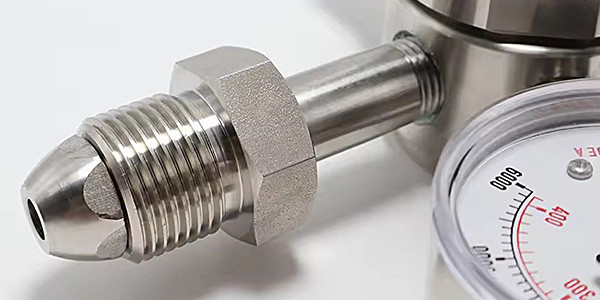
Material compatibility is critical for the safe and reliable operation of gas regulators, as improper material selection can lead to failures, safety hazards, or performance issues. The following case studies highlight real-world examples of compatibility challenges and their solutions, emphasizing the importance of choosing appropriate materials for specific gases and applications.

Best Practices for Ensuring Material Compatibility

Gas regulators are essential for controlling gas flow and pressure in industries ranging from manufacturing to healthcare and aerospace. Ensuring material compatibility is critical to their safety, reliability, and performance, as improper material selection can lead to corrosion, leaks, or catastrophic failures. The challenges of complex gas mixtures, trace contaminants, and environmental factors necessitate a systematic approach to material selection. 

1. Consult Compatibility Charts

Industry-standard compatibility charts are invaluable tools for selecting materials that withstand specific gases and operating conditions. Resources like the Compressed Gas Association’s (CGA) Handbook of Compressed Gases, ASTM standards, or material supplier data provide detailed guidance on how metals, elastomers, and polymers interact with gases. For example, these charts indicate that brass is suitable for inert gases like nitrogen but corrodes in the presence of ammonia, while stainless steel or Monel is better suited for corrosive gases like chlorine.
 
When using compatibility charts, consider the specific gas, pressure, and temperature conditions of the application. For instance, nitrile (Buna-N) elastomers are compatible with hydrocarbons like propane at moderate pressures but may degrade in high-pressure oxygen systems due to oxidation risks. Verifying compatibility for the exact operating parameters ensures that materials perform reliably and reduces the risk of unexpected degradation.

2. Conduct Material Testing

For critical applications or when dealing with new or exotic gases, compatibility testing under real-world conditions is essential. Testing verifies how materials perform when exposed to specific gases, pressures, and temperatures, especially when standard data is limited. Common tests include:

  • Immersion Testing: Exposing materials to the gas or gas mixture to assess corrosion, swelling, or chemical degradation. For example, immersing a Viton seal in a chlorine gas stream can confirm its resistance to chemical attack.
  • Mechanical Testing: Evaluating material strength and durability under pressure and temperature cycles. This is crucial for high-pressure systems, where materials like aluminum may deform, while stainless steel remains robust.
  • Gas Permeability Testing: Ensuring seals and diaphragms, such as those made from PTFE or PCTFE, prevent gas leakage, especially in high-purity or cryogenic applications.

Testing is particularly important in industries like semiconductor manufacturing, where even minor material incompatibilities can contaminate gas streams and ruin production processes. By simulating real-world conditions, engineers can identify the most suitable materials and avoid costly failures.

3. Select Materials for Specific Applications

Material selection must align with the application’s requirements, balancing gas compatibility, environmental conditions, and performance needs. Tailoring materials to specific use cases enhances regulator reliability and safety. Examples include:

  • Oxygen Service: Regulators for oxygen require materials like cleaned stainless steel (e.g., 316L) or brass with fluorocarbon seals (e.g., Viton) to minimize combustion risks. CGA E-4 standards emphasize the importance of oxygen-compatible materials to prevent ignition.
  • Corrosive Gases: For gases like chlorine or hydrogen sulfide, use corrosion-resistant materials like Monel, Hastelloy, or PTFE. These materials withstand aggressive chemical interactions, ensuring long-term durability.
  • Cryogenic Applications: Low-temperature gases, such as liquid nitrogen, demand materials like PCTFE or EPDM that maintain flexibility and sealing properties at sub-zero temperatures.

For high-performance applications, such as aerospace, PEEK (polyetheretherketone) is often chosen for its exceptional strength and thermal stability. Matching materials to the application ensures optimal performance while minimizing risks.

4. Follow Cleaning and Maintenance Protocols

Proper cleaning and maintenance are critical to prevent compatibility issues, particularly in regulators handling oxygen or high-purity gases. Contaminants like oils, grease, or particulates can react with gases, leading to ignition, contamination, or material degradation. For example, in oxygen service, residual hydrocarbons on a regulator’s surface can ignite under high pressure, posing a safety hazard.
 
Adhere to cleaning standards like CGA G-4.1, which outlines methods for removing contaminants from oxygen system components. Use approved solvents and techniques to ensure surfaces are free of residues. Regular maintenance is equally important, involving inspections of seals, diaphragms, and O-rings for signs of wear, cracking, or chemical attack. For instance, EPDM seals in ammonia regulators should be checked periodically for swelling or loss of elasticity. A proactive maintenance schedule, based on material properties and operating conditions, prevents compatibility-related failures and extends regulator lifespan.

5. Consider Environmental Factors

Environmental conditions, such as moisture, temperature fluctuations, and UV exposure, significantly impact material performance. Outdoor regulators, used in applications like welding or agricultural gas systems, may face corrosion from moisture or degradation from sunlight. Stainless steel or UV-resistant coatings can protect against these effects, while brass may corrode in humid environments.Temperature fluctuations can cause thermal expansion or contraction, leading to leaks or material fatigue. For example, aluminum regulators may experience dimensional changes in thermally variable environments, whereas stainless steel maintains stability. Elastomers like neoprene, with good weathering resistance, are suitable for outdoor use but may not withstand aggressive chemicals. Accounting for these factors during material selection ensures regulators remain reliable in challenging environments.

6. Work with Reputable Suppliers

Choosing regulators from reputable manufacturers is crucial for ensuring material compatibility. Trusted suppliers provide detailed material specifications, compatibility data, and certifications for specific gases and applications. For example, a regulator certified for medical oxygen will use biocompatible, non-contaminating materials like stainless steel or PTFE, adhering to strict industry standards.
 
Reputable suppliers also offer guidance on material selection and maintenance, reducing the risk of incompatibility. When sourcing regulators, verify that the manufacturer’s documentation aligns with the application’s requirements, such as CGA or ISO standards, to ensure safety and performance.

7. Train Personnel

Training technicians and engineers in material compatibility principles is essential for safe regulator operation. Personnel should understand the risks of improper material selection, such as corrosion, leaks, or contamination, and be familiar with industry standards like CGA E-4 or ISO 11114. Training should cover:

  • Material Selection: Recognizing which materials suit specific gases and conditions, such as using Monel for chlorine or PCTFE for cryogenic gases.
  • Installation: Ensuring proper assembly to avoid introducing contaminants or damaging components.
  • Maintenance and Inspection: Identifying signs of material degradation, such as cracking in elastomers or pitting in metals, and following maintenance protocols.

Well-trained personnel can prevent errors that lead to compatibility issues, enhancing regulator safety and longevity.

Case Studies on Material Compatibility in Gas Regulators
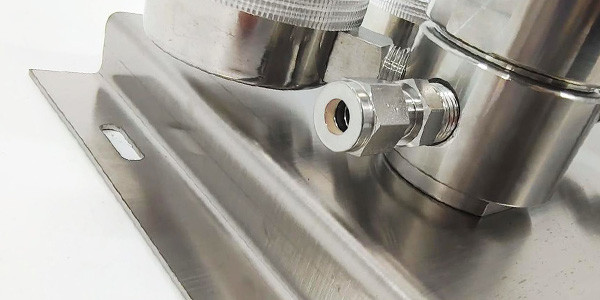
Material compatibility is critical for the safe and reliable operation of gas regulators, as improper material selection can lead to failures, safety hazards, or performance issues. The following case studies highlight real-world examples of compatibility challenges and their solutions, emphasizing the importance of choosing appropriate materials for specific gases and applications.

1. Ammonia Regulator Failure

A chemical processing facility used brass regulators to control ammonia gas flow, a common choice due to brass’s affordability and machinability. However, over time, the facility experienced persistent leaks, compromising safety and efficiency. Investigation revealed stress corrosion cracking in the brass components, caused by ammonia’s corrosive properties. Ammonia, a highly reactive gas, can cause dezincification in brass, leading to structural weakening and cracks.
 
To resolve the issue, the facility replaced the brass regulators with stainless steel models, specifically 316L grade, known for its excellent corrosion resistance. Additionally, they incorporated EPDM (ethylene propylene diene monomer) seals, which are highly compatible with ammonia due to their resistance to polar solvents and flexibility in varying temperatures. This switch eliminated leaks and ensured reliable operation, demonstrating the importance of selecting materials that withstand the specific chemical properties of the gas. The case underscores the need to consult compatibility charts, such as those from the Compressed Gas Association (CGA), to avoid costly failures in corrosive gas applications.

2. Oxygen Regulator Fire

In an industrial oxygen system, a regulator equipped with Buna-N (nitrile) seals ignited during operation, posing a significant safety risk. The incident occurred because Buna-N is incompatible with high-pressure oxygen, as it is prone to oxidation, which can lead to combustion under elevated pressures. The fire highlighted a critical oversight in material selection, as the elastomer was not suited for the oxygen-rich environment.
 
The facility addressed the issue by replacing the Buna-N seals with Viton, a fluorocarbon elastomer known for its resistance to oxidation and compatibility with high-pressure oxygen systems. Additionally, they implemented rigorous cleaning protocols compliant with CGA G-4.1 standards to remove contaminants like oils, which can exacerbate ignition risks. These changes eliminated the combustion hazard and restored safe operation. This case illustrates the importance of adhering to industry standards, such as CGA E-4 for oxygen service, and selecting materials like Viton or cleaned stainless steel to prevent catastrophic failures in oxygen systems.

3. Semiconductor Gas Contamination

A semiconductor manufacturer using ultra-high-purity nitrogen for microchip production encountered trace contamination in their gas delivery system, compromising product quality. The regulators, made of aluminum, were found to release minute impurities, likely due to outgassing or surface interactions with the gas. In semiconductor manufacturing, even trace contaminants can disrupt processes, leading to defective chips and significant financial losses.
 
To address the issue, the manufacturer switched to electropolished stainless steel regulators, specifically 316L, which offer low outgassing and high corrosion resistance. Electropolishing further reduced surface impurities, ensuring the nitrogen remained ultra-pure. This change restored gas purity and compliance with stringent industry standards, such as those for semiconductor production. The case highlights the need for materials like stainless steel or PTFE in high-purity applications, where contamination control is paramount, and the value of material testing to verify performance.

Future Trends in Material Compatibility for Gas Regulators

As industries evolve, advancements in materials science are transforming gas regulator design, enhancing performance, safety, and sustainability. Emerging technologies like nanocoatings, composite materials, smart materials, and eco-friendly options are addressing challenges in material compatibility, enabling regulators to meet the demands of diverse applications, from aerospace to medical systems.

Nanocoatings

Nanocoatings are revolutionizing material compatibility by enhancing the durability and corrosion resistance of regulator components. These ultra-thin layers, often just a few nanometers thick, are applied to metals like stainless steel or brass to protect against chemical attack and wear. For example, diamond-like carbon (DLC) coatings offer exceptional hardness and low friction, reducing wear on valve seats and fittings exposed to abrasive gases or high-pressure cycles. DLC coatings also resist corrosive gases like chlorine, extending the lifespan of components in harsh environments.
 
Other nanocoatings, such as ceramic or polymer-based films, provide tailored protection against specific gases, like hydrogen sulfide, which can cause pitting in untreated metals. By reducing maintenance needs and preventing premature failures, nanocoatings improve regulator reliability and lower lifecycle costs. As coating technologies advance, their adoption in industries like chemical processing and oil and gas is expected to grow, offering a cost-effective way to enhance material performance.

Composite Materials

Composite materials, combining lightweight polymers with reinforcing fibers, are gaining attention for their potential in portable gas regulators, particularly in aerospace and medical applications. These materials offer corrosion resistance comparable to metals like stainless steel while significantly reducing weight, a critical factor for portable oxygen systems or space-bound equipment. For instance, carbon fiber-reinforced composites can replace aluminum in regulator bodies, providing strength and chemical inertness without adding bulk.
 
Composites also resist degradation from environmental factors like moisture or UV exposure, making them ideal for outdoor or extreme conditions. However, their high production costs and complex manufacturing processes currently limit widespread adoption. Ongoing research aims to develop cost-effective composites with enhanced compatibility for gases like ammonia or hydrocarbons, potentially expanding their use in industrial and consumer applications.

Smart Materials

Smart materials with embedded sensors are an emerging trend, enabling real-time monitoring of material degradation and chemical interactions. These materials, such as polymers or metals with integrated micro-sensors, can detect changes like corrosion, cracking, or gas permeation in regulator components. For example, a smart diaphragm made from a polymer like PTFE could monitor stress or chemical exposure, alerting technicians to potential failures before they occur.
 
This technology enhances safety in critical applications, such as medical oxygen delivery or semiconductor manufacturing, where material failure could have severe consequences. By enabling predictive maintenance, smart materials reduce downtime and extend regulator lifespan. While still in early development, advancements in sensor miniaturization and material integration are expected to make smart regulators more accessible, transforming maintenance practices across industries.

Sustainability

Sustainability is becoming a priority in material selection as industries face stricter environmental regulations. Eco-friendly materials with lower environmental impact, such as recyclable polymers or metals with reduced carbon footprints, are gaining traction. For instance, bio-based polymers are being explored as alternatives to traditional elastomers like nitrile, offering compatibility with hydrocarbons while minimizing reliance on petroleum-based resources.
 
Manufacturers are also developing regulators with modular designs, allowing components like seals or diaphragms to be replaced without discarding the entire unit, reducing waste. These sustainable practices align with industry demands for greener solutions, particularly in sectors like healthcare and energy. As material science advances, eco-friendly options are expected to become more cost-competitive, driving their adoption in regulator design.

Conclusion

Material compatibility is a cornerstone of safe and effective gas regulator design and operation. By carefully selecting materials based on gas properties, environmental conditions, and application requirements, engineers can ensure safety, performance, and durability. Challenges such as complex gas mixtures and cost constraints require a combination of industry standards, testing, and best practices to overcome. As materials science advances, new solutions will further enhance the reliability of gas regulators, supporting their critical role in industries worldwide. By prioritizing material compatibility, stakeholders can mitigate risks, comply with regulations, and optimize system performance for years to come.