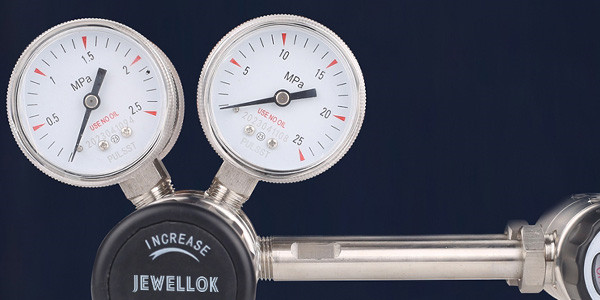
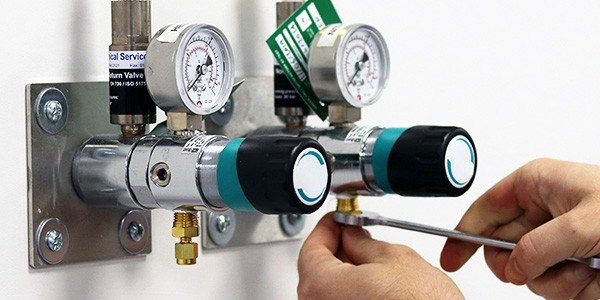
Pressure Regulator Information
A pressure regulator is a valve that controls the pressure of a fluid to a desired value, using negative feedback from the controlled pressure.

Understanding Gas Pressure Test Gauges

In industries ranging from oil and gas to healthcare, ensuring the safe and efficient operation of gas systems is paramount. At the heart of this safety lies the gas pressure test gauge, a critical instrument designed to measure the pressure of gases in various systems. These gauges provide accurate readings to prevent leaks, ensure system integrity, and maintain operational efficiency. Whether in a high-stakes industrial environment or a residential gas line test, gas pressure test gauges play a pivotal role in maintaining safety and performance.
 
Gas pressure test gauges are specialized tools that differ from standard pressure gauges due to their ability to handle specific gas types, pressure ranges, and environmental conditions. From detecting leaks in natural gas pipelines to monitoring oxygen levels in medical equipment, these gauges are indispensable across multiple sectors. This article delves into the intricacies of gas pressure test gauges, exploring their types, applications, technical specifications, and more. By the end, readers will have a comprehensive understanding of how to select, use, and maintain these critical devices.

What is a Gas Pressure Test Gauge?

A gas pressure test gauge is a precision instrument used to measure the pressure of a gas within a closed system. Unlike liquid pressure gauges, these devices are designed to handle the unique properties of gases, such as compressibility and sensitivity to temperature changes. They are essential for verifying that gas systems operate within safe pressure limits, preventing catastrophic failures like explosions or equipment damage.
 
The working principle of a gas pressure test gauge is straightforward yet highly effective. Most gauges operate based on mechanical or electronic mechanisms that translate gas pressure into a readable value. For example, a Bourdon tube gauge uses a coiled tube that straightens under pressure, moving a needle on a dial. Digital gauges, on the other hand, use sensors to convert pressure into an electronic signal displayed on a screen. These gauges are calibrated to provide accurate readings in units such as psi, bar, or pascal, depending on the application.
 
Gas pressure test gauges differ from other pressure gauges in their construction and calibration. They are often built with materials resistant to corrosion from specific gases, such as stainless steel for oxygen or brass for inert gases. Additionally, they may include safety features like blowout backs to protect operators in case of overpressure.
 

Types of Gas Pressure Test Gauges

Gas pressure test gauges come in various types, each suited to specific applications and environments. Understanding these types is crucial for selecting the right gauge for a given task.
  1. Analog vs. Digital Gauges
    Analog gauges, such as those with a dial and needle, are traditional and widely used due to their simplicity and durability. They are ideal for environments where power sources are unavailable. Digital gauges, however, offer higher precision, data logging capabilities, and easier readability. They are preferred in modern applications where real-time data monitoring is essential.
  2. Bourdon Tube Gauges
    The most common type of analog gauge, Bourdon tube gauges use a curved tube that straightens under pressure, moving a needle to indicate the pressure level. They are reliable for general-purpose applications but may not be suitable for very low or high pressures.
  3. Diaphragm Gauges
    Diaphragm gauges use a flexible membrane that deflects under pressure. These are ideal for low-pressure measurements or corrosive gases, as the diaphragm can be made from materials resistant to chemical reactions.
  4. Differential Pressure Gauges
    These gauges measure the difference in pressure between two points in a system. They are commonly used in filtration systems or to detect pressure drops in gas pipelines.
  5. Low-Pressure and High-Pressure Gauges
    Low-pressure gauges are designed for applications like HVAC systems, where pressures are typically below 15 psi. High-pressure gauges, used in industries like oil and gas, can measure pressures exceeding 10,000 psi.
  6. Specialized Gauges
    Certain gauges are designed for specific gases, such as oxygen or natural gas, to ensure compatibility and safety. For instance, oxygen gauges are cleaned to remove any oil or grease that could ignite under high pressure.
Each type of gauge has its strengths and limitations, making it essential to match the gauge to the specific requirements of the application.

Applications of Gas Pressure Test Gauges

Gas pressure test gauges are vital instruments across diverse industries, delivering precise and reliable measurements to ensure safety, efficiency, and compliance. These specialized devices monitor gas pressure in systems ranging from industrial pipelines to medical equipment, each application demanding unique performance characteristics. This article explores the key applications of gas pressure test gauges in industrial settings, healthcare, laboratories, and residential/commercial environments, highlighting their critical role in maintaining operational integrity and safety.

Industrial Applications

The industrial sector relies heavily on gas pressure test gauges to monitor and maintain safe operating conditions in complex systems. In the oil and gas industry, these gauges are indispensable for ensuring the integrity of pipelines, storage tanks, and refineries. Pipelines transporting natural gas or petroleum products operate under high pressure, and even minor leaks can result in environmental disasters or safety hazards. Gas pressure test gauges provide real-time data to detect pressure anomalies, enabling technicians to identify leaks or weak points before they escalate. For example, differential pressure gauges are often used to monitor pressure drops across pipeline segments, signaling potential blockages or leaks.
 
In chemical plants, gas pressure test gauges are critical for maintaining safe and efficient processes. Chemical reactions often require precise pressure control to ensure optimal yields and prevent dangerous overpressure conditions. Gauges monitor pressures in reactors, distillation columns, and gas storage units, ensuring reactions occur within specified parameters. For instance, diaphragm gauges are commonly used in corrosive gas environments, as their construction resists chemical degradation. These gauges help operators avoid costly downtime or hazardous incidents by providing accurate, real-time pressure readings.
 
HVAC systems represent another key industrial application, particularly for low-pressure gas systems. These systems use refrigerants or air to regulate temperature and maintain efficient airflow in buildings or industrial facilities. Low-pressure gauges, often with ranges below 15 psi, monitor refrigerant pressures to ensure optimal performance of compressors and condensers. Inaccurate readings can lead to inefficient cooling, increased energy consumption, or system failure. By maintaining precise pressure control, these gauges contribute to energy efficiency and system longevity, reducing operational costs for businesses.The versatility of gas pressure test gauges in industrial settings underscores their importance. Whether ensuring environmental safety in oil pipelines or optimizing chemical reactions, these instruments are critical for operational success. Their ability to withstand harsh conditions, such as extreme temperatures or corrosive environments, makes them a cornerstone of industrial safety and efficiency.

Medical Applications

In the healthcare sector, gas pressure test gauges are essential for patient safety and effective treatment delivery. These gauges are used in systems that deliver medical gases, such as oxygen, nitrous oxide, or medical air, to patients in hospitals, clinics, and home care settings. Accuracy is paramount, as even slight deviations in pressure can compromise patient outcomes.
 
Oxygen delivery systems rely on gas pressure test gauges to ensure patients receive the correct flow of oxygen. For example, in respiratory therapy, gauges monitor the pressure in oxygen tanks or concentrators to maintain consistent delivery to patients with conditions like chronic obstructive pulmonary disease (COPD). Inaccurate pressure readings could result in insufficient oxygen supply, posing life-threatening risks. Specialized gauges for oxygen are constructed with oil-free materials to prevent combustion risks, as oxygen can ignite in the presence of contaminants.
 
Anesthesia machines also depend on gas pressure test gauges to regulate the flow of anesthetic gases during surgical procedures. These machines mix gases like nitrous oxide and oxygen to deliver precise concentrations to patients. Gauges ensure that the pressure of each gas remains within safe limits, preventing over- or under-dosing that could harm patients. Similarly, ventilators used in critical care settings rely on gauges to monitor air and oxygen pressures, ensuring proper lung inflation for patients who cannot breathe independently.
 
The precision and reliability of gas pressure test gauges in medical applications make them indispensable for healthcare providers. Their role in preventing errors and ensuring patient safety cannot be overstated, particularly in high-stakes environments like operating rooms or intensive care units.

Laboratory and Research Settings

In laboratories and research facilities, gas pressure test gauges are critical for maintaining controlled conditions in experiments involving gases. These settings often involve gases like nitrogen, helium, hydrogen, or argon, each with specific pressure requirements to achieve reproducible results.The precision of these gauges ensures that experiments are conducted under consistent and safe conditions.
 
For example, in gas chromatography, a common analytical technique, precise pressure control of carrier gases like helium is essential for accurate separation of chemical compounds. Gas pressure test gauges monitor the pressure of gas cylinders or delivery systems, ensuring stable flow rates. Even minor fluctuations can skew results, leading to unreliable data. Similarly, in high-pressure reaction studies, such as those involving hydrogen in catalysis research, gauges monitor pressures to prevent equipment damage or hazardous reactions.
 
Laboratories also use gas pressure test gauges in cryogenic applications, where gases like liquid nitrogen are stored at extremely low temperatures. These gauges must withstand cold temperatures while providing accurate readings to ensure safe handling and storage. In research settings, digital gauges with data logging capabilities are increasingly popular, allowing scientists to track pressure trends over time and integrate data into experimental analyses.
 
The ability of gas pressure test gauges to deliver precise measurements in controlled environments makes them invaluable for scientific research. Their role in ensuring experimental accuracy supports advancements in fields ranging from chemistry to materials science.

Residential and Commercial Uses

In residential and commercial settings, gas pressure test gauges are essential for ensuring the safety and compliance of gas systems. Plumbers, HVAC technicians, and maintenance professionals use these gauges to test and maintain gas lines in homes, offices, and industrial buildings.
 
One of the primary applications is leak testing in natural gas or propane lines. Before a gas system is commissioned or after repairs, technicians use pressure test gauges to pressurize the system with an inert gas, such as nitrogen, and monitor for pressure drops that indicate leaks. This process is critical for preventing gas leaks that could lead to fires, explosions, or health hazards like carbon monoxide poisoning. For example, a residential plumber might use a low-pressure gauge to test a home’s gas line, ensuring it meets local building codes.
 
In commercial settings, such as restaurants or hotels, gas pressure test gauges are used to verify the integrity of gas-powered appliances like ovens, heaters, or boilers. These gauges ensure that appliances operate within safe pressure ranges, preventing malfunctions that could disrupt business operations or pose safety risks. Digital gauges are particularly useful in these settings, as they provide clear, precise readings that technicians can document for compliance purposes.
 
The use of gas pressure test gauges in residential and commercial applications highlights their role in public safety. By detecting leaks and ensuring system integrity, these gauges protect property and lives while ensuring compliance with regulatory standards.

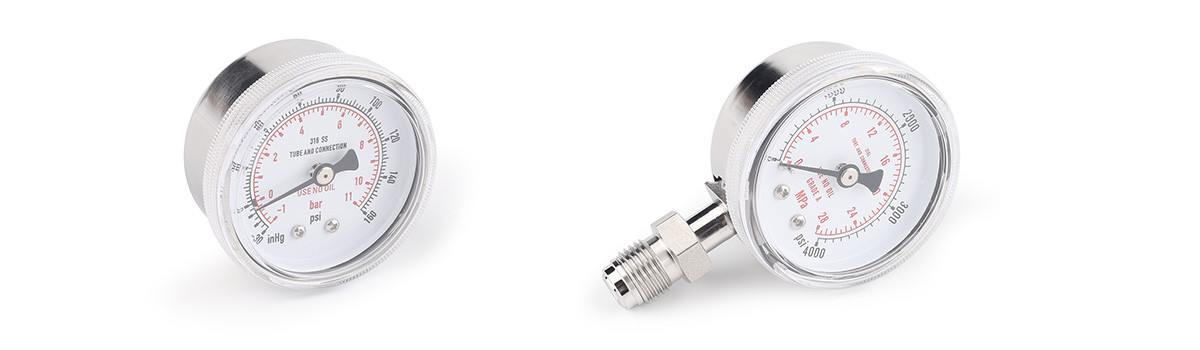
Technical Specifications and Features of Gas Pressure Test Gauges

Selecting the right gas pressure test gauge requires a thorough understanding of its technical specifications and features. These instruments are designed to measure gas pressure accurately in diverse applications, from industrial pipelines to medical systems. Key factors such as pressure range, accuracy, materials, calibration requirements, and environmental resilience determine a gauge’s suitability for a specific task. Additionally, modern features like digital displays or vibration-resistant designs enhance usability. 

Pressure Range

The pressure range is a fundamental specification when selecting a gas pressure test gauge. Gauges are designed to measure specific pressure ranges, such as 0–100 psi for low-pressure applications like HVAC systems or 0–15,000 psi for high-pressure systems in oil and gas operations. Choosing a gauge with an appropriate range is critical to ensure both accuracy and durability. A gauge rated below the system’s operating pressure risks damage or failure, while one rated far above may lack the sensitivity needed for precise measurements. For optimal performance, the system’s normal operating pressure should fall within the middle third of the gauge’s range, providing a safety margin of 25–50% above the maximum expected pressure. This approach prevents overpressure damage and ensures reliable readings, whether monitoring a low-pressure gas line or a high-pressure industrial process.

Accuracy and Precision

Accuracy and precision are vital for gas pressure test gauges, particularly in applications where small deviations can have significant consequences. Accuracy is typically expressed as a percentage of the full-scale range (e.g., ±1% FS), indicating how closely the gauge’s readings match the actual pressure. For example, a gauge with ±1% FS accuracy on a 100 psi range may deviate by up to 1 psi. High-precision gauges, often with accuracies of ±0.5% or better, are essential in critical settings like medical oxygen delivery systems or laboratory experiments, where even minor errors can compromise safety or results. In contrast, general industrial applications may tolerate slightly lower accuracy, such as ±2%, to balance cost and performance. Precision, or the gauge’s ability to consistently produce the same reading under identical conditions, is equally important. Digital gauges often outperform analog models in precision, offering clear, repeatable measurements for demanding applications.

Materials and Construction

The materials used in a gas pressure test gauge significantly impact its durability and compatibility with specific gases. Gauges are typically constructed from materials like stainless steel, brass, or plastic, chosen based on the gas type and operating environment. Stainless steel is preferred for corrosive gases, such as ammonia or chlorine, due to its resistance to chemical degradation. Brass is commonly used for non-corrosive gases like nitrogen or air, offering a cost-effective yet reliable option. In specialized applications, such as oxygen systems, gauges must be free of oil or grease to prevent combustion risks, requiring meticulous cleaning during manufacturing. The gauge’s housing and internal components, such as diaphragms or Bourdon tubes, must also withstand the physical and chemical properties of the gas. For example, diaphragm gauges are ideal for low-pressure or corrosive applications, as their flexible membranes resist damage while providing accurate readings.

Calibration Requirements

Regular calibration is essential to maintain a gas pressure test gauge’s accuracy and reliability. Over time, factors like mechanical wear, temperature fluctuations, or exposure to harsh conditions can cause readings to drift. Calibration involves comparing the gauge’s readings to a reference standard, such as those set by the National Institute of Standards and Technology (NIST), and adjusting as needed. The frequency of calibration depends on the application and manufacturer recommendations, typically ranging from every 6 to 12 months for critical systems. For instance, medical gauges may require more frequent calibration to ensure patient safety, while industrial gauges may follow a less stringent schedule. Calibration can be performed using portable kits or by professional services, ensuring compliance with industry standards. Proper calibration not only maintains accuracy but also extends the gauge’s lifespan, reducing the risk of costly errors or system failures.

Environmental Considerations

Gas pressure test gauges must operate reliably in diverse environmental conditions, including extreme temperatures, humidity, or vibration. Gauges are often rated for specific temperature ranges, such as -40°C to 70°C, to ensure performance in harsh settings like outdoor pipelines or refrigerated storage facilities. High humidity can cause condensation, potentially damaging internal components, so gauges used in humid environments may include sealed or weatherproof housings. Vibration, common in industrial settings with heavy machinery, can affect analog gauges by causing needle oscillation. Glycerin-filled dials are a common solution, as the liquid dampens vibrations, ensuring stable readings. Selecting a gauge with appropriate environmental ratings is crucial to prevent premature failure and maintain measurement accuracy in challenging conditions.

Additional Features

Modern gas pressure test gauges often include features that enhance usability and functionality. Glycerin-filled dials, mentioned earlier, are widely used in vibrating environments to stabilize needle movement. Digital gauges offer advantages like backlit displays for low-light conditions, data logging for trend analysis, and wireless connectivity for real-time monitoring. These features are particularly valuable in applications requiring continuous oversight, such as chemical processing or HVAC system maintenance. Some gauges also include safety features like blowout backs, which release pressure in the event of overpressure, protecting operators and equipment. For specialized applications, gauges may be equipped with custom scales or units (e.g., psi, bar, or pascal) to match user preferences or regional standards.

How to Choose the Right Gas Pressure Test Gauge

Selecting the appropriate gas pressure test gauge is critical for ensuring accurate measurements, system safety, and operational efficiency. These instruments are used in diverse applications, from industrial pipelines to medical gas systems, each with unique requirements. Choosing the right gauge involves evaluating factors such as pressure range, gas compatibility, environmental conditions, accuracy needs, industry standards, and budget constraints. By carefully considering these elements, users can select a gauge that meets their specific needs while maintaining reliability and performance.

Pressure Range

The pressure range is one of the most important factors when selecting a gas pressure test gauge. Gauges are designed to measure specific pressure ranges, such as 0–100 psi for low-pressure applications like HVAC systems or 0–10,000 psi for high-pressure systems in oil and gas operations. Choosing a gauge with a range that aligns with the system’s operating pressure is essential to ensure accuracy and prevent damage. If the gauge’s range is too low, overpressure can cause mechanical failure or inaccurate readings.
 
Conversely, a gauge with an excessively high range may lack the sensitivity needed for precise measurements. A best practice is to select a gauge where the system’s normal operating pressure falls within the middle third of its range, providing a safety margin of 25–50% above the maximum expected pressure. This approach ensures both safety and optimal performance, whether testing a residential gas line or monitoring an industrial process.

Gas Type

Compatibility with the gas being measured is another critical consideration. Different gases have unique chemical and physical properties that can affect gauge performance or safety. For example, oxygen gauges require oil-free construction to prevent combustion risks, as oil or grease can ignite under high-pressure oxygen. Similarly, corrosive gases like ammonia or chlorine demand gauges made from resistant materials, such as stainless steel, to prevent degradation. Inert gases like nitrogen or helium, on the other hand, may be compatible with brass or other cost-effective materials. Failing to match the gauge to the gas type can lead to equipment failure, inaccurate readings, or safety hazards. Manufacturers often provide guidance on gas compatibility, and consulting product specifications ensures the gauge is suitable for the intended application.

Environmental Conditions

The operating environment significantly impacts a gauge’s performance and longevity. Factors such as temperature, humidity, and exposure to corrosive substances or vibrations must be considered. For outdoor applications, such as pipeline testing in harsh weather, weatherproof or sealed gauges are essential to protect against moisture or dust. Temperature extremes, ranging from -40°C in cryogenic systems to 70°C in industrial settings, require gauges rated for those conditions to maintain accuracy. In environments with high vibration, such as near heavy machinery, glycerin-filled analog gauges or digital models with vibration-resistant sensors are preferred to prevent needle oscillation or component wear. Selecting a gauge designed to withstand the specific environmental challenges of the application ensures reliable performance and reduces maintenance costs.

Accuracy Requirements

Accuracy is a key factor in gauge selection, particularly for applications where precision is critical. Accuracy is typically expressed as a percentage of the full-scale range (e.g., ±1% FS), indicating the potential deviation from the true pressure. For instance, a gauge with ±0.5% FS accuracy is ideal for medical applications, such as oxygen delivery systems, where precise gas flow is vital for patient safety. In contrast, general industrial applications, like HVAC maintenance, may tolerate ±2% FS accuracy to balance cost and performance. Digital gauges often offer higher precision and easier readability than analog models, making them suitable for critical tasks. Understanding the accuracy requirements of the application ensures the gauge delivers reliable data without unnecessary expense.

Certifications and Standards

Compliance with industry standards is essential for ensuring gauge reliability and safety. Standards like ASME B40.100 or ISO 5171 define performance criteria, such as accuracy, durability, and construction, for pressure gauges. Gauges meeting these standards are rigorously tested to ensure they perform reliably under specified conditions. In regulated industries, such as oil and gas or healthcare, certifications may be mandatory to comply with safety or operational regulations. For example, gauges used in medical settings often require additional certifications to meet health and safety standards. Verifying that a gauge meets relevant standards provides confidence in its performance and helps avoid costly errors or regulatory violations.

Budget vs. Performance

Balancing budget and performance is a practical consideration when selecting a gas pressure test gauge. High-end digital gauges offer advanced features like data logging, wireless connectivity, or backlit displays, but they come at a higher cost. For applications requiring real-time monitoring or precise data analysis, such as chemical processing, these features may justify the investment. However, for simpler tasks, like residential gas line testing, analog gauges provide adequate performance at a lower price. Evaluating the application’s needs against the available budget helps determine whether advanced features are necessary or if a cost-effective option will suffice. Consulting with manufacturers or suppliers can provide clarity on cost-performance trade-offs.

Installation and Operation of Gas Pressure Test Gauges

Proper installation and operation of gas pressure test gauges are essential for ensuring accurate measurements, system reliability, and operator safety. These gauges are critical tools in applications ranging from industrial pipelines to medical gas systems, where precise pressure readings prevent failures and hazards.
 

Installation Procedures

Correct installation is the foundation for reliable gauge performance. Begin by selecting appropriate fittings that match the gauge and system specifications to ensure a secure, leak-free connection. The gauge should be mounted firmly, using brackets or panels as needed, to prevent movement or vibration that could affect readings. Avoid over-tightening fittings, as this can damage threads or seals, leading to leaks or inaccurate measurements. For high-pressure systems, such as those in oil and gas applications, incorporate safety devices like pressure relief valves to protect the gauge from overpressure damage. These valves release excess pressure, safeguarding both the gauge and the operator. Ensure the gauge is installed in a location that allows easy access for reading and maintenance, and verify that it is compatible with the gas type and environmental conditions, such as temperature or humidity.

Operational Guidelines

Before using a gas pressure test gauge, inspect it for visible damage, such as cracked dials, bent needles, or worn seals, which could compromise accuracy. Check the calibration status, as gauges can drift over time due to wear or environmental factors. Follow the manufacturer’s guidelines for zeroing the gauge—adjusting it to read zero when no pressure is applied—to ensure accurate measurements. During operation, monitor the gauge closely and record readings as needed, especially in critical applications like medical oxygen systems or chemical processing. For analog gauges, ensure the needle moves smoothly without sticking, which can occur due to debris or mechanical wear. Digital gauges may experience sensor drift, where readings gradually become inaccurate, requiring recalibration. Regular maintenance and adherence to manufacturer instructions can resolve these issues, ensuring consistent performance.

Common Challenges and Solutions

Operational challenges are common but manageable with proper care. In analog gauges, needle sticking can result from internal contamination or wear, leading to erratic readings. Cleaning or recalibrating the gauge often resolves this issue. Digital gauges may suffer from sensor drift, particularly in harsh environments, which can be corrected through recalibration using a reference standard. If readings are inconsistent, check for leaks in the system or improper installation, such as loose fittings. Consulting the manufacturer’s troubleshooting guide can help diagnose and address these problems efficiently.

Safety Precautions

Safety is paramount when installing or operating gas pressure test gauges, especially with hazardous gases like propane or oxygen. Wear appropriate protective gear, such as gloves and safety glasses, to guard against potential leaks or equipment failure. Ensure proper ventilation in the work area to prevent the buildup of harmful gases. For high-risk tasks, follow lockout-tagout procedures to isolate the system during installation or maintenance, reducing the risk of accidental gas release. Always adhere to industry safety standards and manufacturer recommendations to minimize hazards.

Maintenance and Calibration of Gas Pressure Test Gauges

Maintaining and calibrating gas pressure test gauges is essential for ensuring their accuracy, reliability, and longevity. These instruments are critical in applications ranging from industrial gas systems to medical equipment, where precise pressure measurements prevent failures and ensure safety. Regular maintenance keeps gauges in optimal condition, while periodic calibration ensures accurate readings.

Regular Maintenance

Routine maintenance is vital to extend the lifespan of gas pressure test gauges and maintain their performance. Regular cleaning is a key step, particularly in environments where dust, debris, or corrosive substances are present. For example, gauges used in chemical plants or outdoor settings may accumulate contaminants that affect readings or damage internal components. Use a soft cloth and manufacturer-recommended cleaning solutions to remove dirt, ensuring no residue enters the gauge. Avoid harsh chemicals that could degrade seals or housings.
 
Inspect seals, fittings, and other components regularly for signs of wear, such as cracks, leaks, or corrosion. Worn seals can cause gas leaks, compromising both safety and accuracy. Replace damaged parts promptly with manufacturer-approved components to maintain the gauge’s integrity. In corrosive environments, such as those involving ammonia or chlorine, ensure the gauge’s materials—often stainless steel—are resistant to degradation. For gauges used with hazardous gases like oxygen, verify that they remain free of oil or grease to prevent combustion risks. Consistent maintenance prevents minor issues from escalating, reducing downtime and repair costs.

Calibration Procedures

Calibration is critical to ensure gas pressure test gauges provide accurate readings over time. Factors like mechanical wear, temperature fluctuations, or heavy use can cause readings to drift, leading to errors. Manufacturers typically recommend calibration every 6–12 months, though the frequency depends on the application and usage intensity. For example, gauges in medical settings, such as oxygen delivery systems, may require more frequent calibration to ensure patient safety, while industrial gauges may follow a longer interval.
 
Calibration involves comparing the gauge’s readings to a reference standard, such as those set by the National Institute of Standards and Technology (NIST). If discrepancies are found, the gauge is adjusted to align with the standard. This process can be performed using portable calibration kits, which are convenient for on-site use, or by professional calibration services for higher precision. Digital gauges may require software adjustments, while analog gauges often need mechanical tuning. Following manufacturer guidelines ensures proper calibration and compliance with industry standards.

Troubleshooting Common Issues

Common issues with gas pressure test gauges include erratic readings, leaks, or unresponsiveness. Erratic readings in analog gauges may result from needle sticking due to contamination or wear, which can often be resolved by cleaning or recalibration. Digital gauges may experience sensor drift, causing gradual inaccuracies, which recalibration can correct. Leaks often stem from improper installation or worn seals, so inspecting fittings and connections is a key troubleshooting step. If issues persist, consult the manufacturer’s troubleshooting guide, which typically provides detailed steps for diagnosing problems like blockages or component failures. Addressing issues promptly prevents costly system errors or safety hazards.

Advancements in Gas Pressure Test Gauges

Gas pressure test gauges have undergone significant advancements, evolving from simple mechanical devices to sophisticated tools that enhance accuracy, versatility, and safety. These innovations, driven by digital technology, advanced materials, and emerging trends like artificial intelligence (AI) and the Internet of Things (IoT), are transforming how industries monitor and manage gas systems. From real-time data monitoring to predictive maintenance, modern gauges are improving efficiency and reliability across applications like oil and gas, healthcare, and manufacturing.

Digital Gauges and Wireless Connectivity

One of the most significant advancements in gas pressure test gauges is the shift from analog to digital models. Digital gauges offer superior precision and readability compared to traditional needle-and-dial designs, making them ideal for applications requiring exact measurements, such as medical oxygen systems or laboratory experiments. Equipped with clear, backlit displays, digital gauges are easier to read in low-light conditions, reducing the risk of human error.
 
A key feature of modern digital gauges is wireless connectivity, which enables real-time data monitoring and integration with IoT systems. For instance, smart gauges can transmit pressure readings to centralized control systems or mobile devices, allowing technicians to monitor conditions remotely. In critical applications like chemical processing or pipeline operations, these gauges can send instant alerts if pressure exceeds safe thresholds, enabling rapid response to prevent leaks or equipment failures. This connectivity streamlines operations, reduces downtime, and enhances safety by providing continuous oversight without the need for constant on-site checks.

Data Logging for Predictive Maintenance

Another transformative advancement is the incorporation of data logging capabilities. Modern gas pressure test gauges can record pressure data over time, enabling long-term trend analysis. This feature is particularly valuable in industries like oil and gas, where monitoring pressure fluctuations in pipelines or storage tanks can predict maintenance needs. For example, a gradual pressure drop might indicate a developing leak, allowing technicians to intervene before it becomes a major issue. Data logging also supports compliance with regulatory requirements by providing documented records of system performance. In HVAC systems, logged data helps optimize energy efficiency by identifying inefficiencies in refrigerant pressures. These capabilities make gauges not just measurement tools but integral components of predictive maintenance strategies, reducing costs and improving system reliability.

Advanced Materials for Durability

Advancements in materials science have significantly improved the durability and versatility of gas pressure test gauges. Modern gauges are constructed with robust materials like stainless steel or specialized alloys to withstand extreme conditions, such as high-pressure hydrogen systems or corrosive environments involving gases like ammonia. These materials resist chemical degradation and mechanical wear, extending gauge lifespan even in harsh settings like offshore oil platforms or cryogenic laboratories. For oxygen applications, gauges are meticulously cleaned to remain oil-free, preventing combustion risks. Enhanced durability ensures consistent performance, reducing the need for frequent replacements and maintenance.

Future Trends

Looking ahead, gas pressure test gauges are poised to become even more intelligent and user-friendly. AI-powered gauges are an emerging trend, with the potential to analyze pressure data and predict system failures before they occur. By identifying patterns in pressure fluctuations, AI could alert operators to potential issues, such as valve wear or seal degradation, enhancing preventive maintenance. Additionally, augmented reality (AR) is being explored for calibration and troubleshooting. AR systems could overlay digital instructions onto a gauge, guiding technicians through complex procedures with greater accuracy. These innovations promise to make gauges more proactive and accessible, further improving safety and efficiency.

Conclusion

Gas pressure test gauges are indispensable tools for ensuring the safety and efficiency of gas systems across industries. From their diverse types and applications to their technical specifications and maintenance needs, these gauges require careful consideration to select and use effectively. By understanding the factors that influence gauge performance—such as pressure range, gas compatibility, and environmental conditions—users can make informed decisions to meet their specific needs.
 
As technology advances, gas pressure test gauges are becoming smarter and more connected, offering new possibilities for monitoring and maintenance. Whether you’re a technician testing a residential gas line or an engineer overseeing a chemical plant, choosing the right gauge and maintaining it properly is critical. For tailored advice or specialized applications, consult with manufacturers or industry experts to ensure optimal performance and safety.