
Regulator Manufacturer Tel: +86 13380377051
Regulator Manufacturer Tel: +86 13380377051
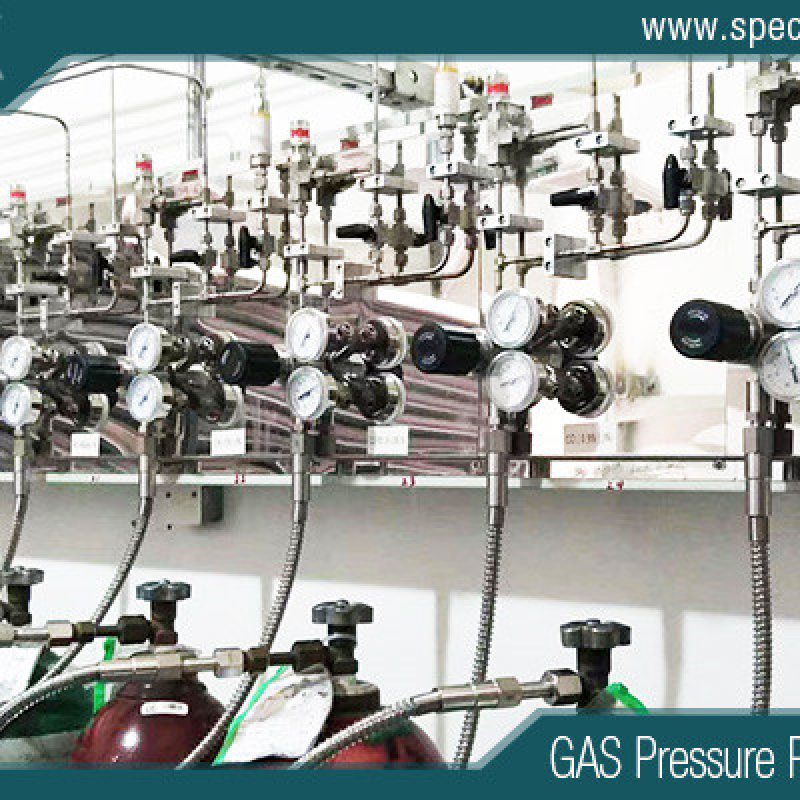
Automatic Gas Changeover Systems for Continuous and Reliable Industrial Gas Supply
Reliable gas delivery is essential for modern semiconductor manufacturing, laboratories, pharmaceutical production, analytical instrumentation, welding operations, and many other industrial processes. When a gas cylinder becomes empty, manually replacing it can interrupt production, affect process stability, and create unnecessary safety risks. For applications that require uninterrupted gas availability, an automatic gas changeover system provides an effective solution by automatically switching the gas supply from an empty or low-pressure cylinder bank to a full standby bank.
An automatic gas changeover system is designed to maintain a continuous and stable gas supply without requiring operators to manually change cylinders during normal operation. By monitoring supply pressure and controlling regulators, valves, and switching mechanisms, the system can automatically transfer the gas source when the primary bank reaches a predefined pressure level.
For industrial gas distribution and high-purity applications, the design of the changeover system must consider gas characteristics, pressure requirements, flow rate, material compatibility, contamination control, leak prevention, and operational safety. A properly engineered system can improve gas utilization, reduce downtime, simplify cylinder management, and provide greater control over the entire gas delivery process.
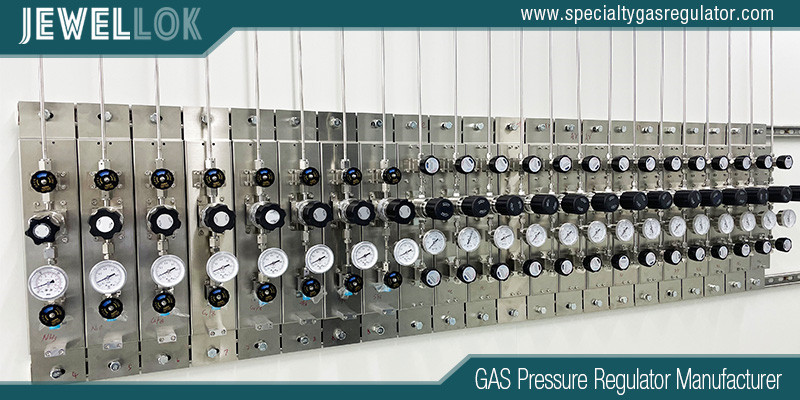
What Is an Automatic Gas Changeover System?
An automatic gas changeover system is a gas management assembly that connects two or more gas sources and automatically changes the active supply when the primary source reaches a low-pressure condition.
A typical system consists of two gas banks:
- Primary gas bank: The active cylinder or cylinder group supplying gas to the process.
- Secondary gas bank: The standby cylinder or cylinder group that takes over when the primary bank becomes depleted.
Pressure regulators and control valves are used to manage the gas pressure from each bank. When the primary bank pressure drops below the preset changeover point, the system automatically switches to the secondary bank. The operator can then replace the empty cylinders in the primary bank while the process continues receiving gas from the secondary side.
After the empty cylinders are replaced and properly pressurized, the system can be reset or configured to make the replenished bank the standby supply.
This arrangement is particularly valuable when gas interruption could result in production losses, equipment shutdowns, or process instability.
How Automatic Gas Changeover Works
The basic operating principle is relatively simple, although industrial systems can incorporate sophisticated control and monitoring functions.
During normal operation, gas flows from the primary cylinder bank through an inlet isolation valve and pressure regulator. The gas pressure is reduced to the required intermediate or outlet pressure before being supplied to downstream equipment.
At the same time, the secondary bank remains available as a backup source. The changeover mechanism monitors the pressure of the active bank. When the pressure falls below the defined switching threshold, the system identifies that the primary gas source is nearly depleted.
The changeover valve then transfers the gas supply to the secondary bank. Depending on the system design, the transition can occur automatically while maintaining stable downstream pressure.
A simplified sequence is:
Primary Bank → Pressure Regulation → Changeover Control → Outlet → Process Equipment
When the primary bank reaches low pressure:
Secondary Bank → Pressure Regulation → Changeover Control → Outlet → Process Equipment
The exact switching mechanism depends on whether the application uses mechanical automatic changeover regulators, pneumatic valves, electrically actuated valves, or a fully automated gas management system with PLC control.
Key Components of an Automatic Gas Changeover System
1. Gas Inlet Connections
Gas inlet connections connect the cylinder banks to the changeover system. Connection standards must match the specific gas service and cylinder valve requirements.
For high-purity and semiconductor applications, connection design is especially important because inappropriate fittings or materials can introduce contamination or create leakage points.
2. Pressure Regulators
Pressure regulators reduce the high pressure from gas cylinders to a controlled pressure suitable for downstream equipment.
High-quality regulators should provide stable outlet pressure under changing inlet pressure and flow conditions. For demanding applications, regulators manufactured from high-quality stainless steel and designed for high-purity gas service can help minimize contamination and improve reliability.
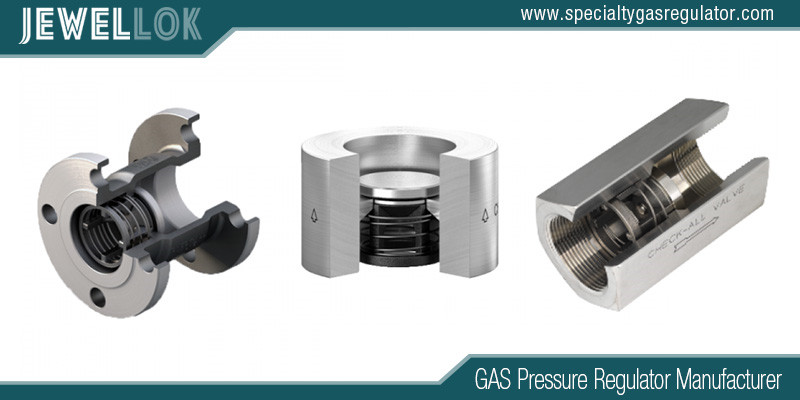
3. Changeover Valve or Regulator
The automatic changeover mechanism is the core of the system. It determines when the active gas source should be replaced by the standby source.
The switching pressure must be carefully selected. If it is set too high, gas may remain unused in the cylinder. If it is set too low, the system may not provide sufficient time or pressure margin for reliable changeover.
4. Isolation Valves
Isolation valves allow individual gas sources or system sections to be shut off for maintenance, cylinder replacement, or troubleshooting.
For critical gas systems, properly positioned isolation valves can also simplify maintenance without requiring the entire gas distribution network to be shut down.
5. Pressure Gauges and Sensors
Pressure gauges provide visual information about cylinder and line pressure. Advanced systems may use pressure transducers to continuously measure gas pressure and transmit the information to a monitoring or control system.
Digital pressure monitoring can provide operators with early warnings before a cylinder bank reaches the automatic changeover point.
6. Relief and Safety Devices
Depending on the gas, pressure rating, and applicable regulations, the system may incorporate pressure relief devices or other safety components.
These devices help protect downstream equipment from abnormal pressure conditions. The appropriate safety configuration should always be determined according to the gas properties, system pressure, local regulations, and application requirements.
Advantages of Automatic Gas Changeover Systems
Continuous Gas Availability
The primary advantage is continuous gas supply. Instead of stopping production to replace an empty cylinder, the system automatically transfers operation to the standby bank.
This is particularly important for processes that operate continuously or where restarting equipment requires significant time.
Reduced Production Downtime
Unexpected gas depletion can interrupt manufacturing processes. An automatic changeover system provides a backup gas source, significantly reducing the possibility of process interruption caused by an empty cylinder.
Improved Gas Cylinder Management
Operators can replace empty cylinders after the system has already switched to the standby bank. This creates a more organized cylinder replacement process and reduces emergency interventions.
Improved Process Stability
A well-designed changeover system can maintain a more stable downstream gas pressure compared with manual cylinder replacement.
Stable gas delivery is particularly important in semiconductor processing, analytical instrumentation, laboratory applications, and other processes where gas pressure directly influences process conditions.
Reduced Operator Workload
Manual monitoring of multiple cylinder banks can be time-consuming. Automatic systems reduce the need for continuous operator supervision while still providing status information through gauges, alarms, or digital monitoring.
Applications
Automatic gas changeover systems are used across many industries.
Semiconductor Manufacturing
Semiconductor fabrication requires precise and reliable gas delivery. Process gases may be supplied to deposition, etching, cleaning, doping, and other manufacturing processes.
For these applications, automatic changeover equipment can be integrated into UHP gas delivery systems, gas cabinets, gas panels, and facility gas distribution networks.
When high-purity or hazardous gases are involved, system materials, surface finish, welding quality, leak tightness, and particle control become critical design considerations.
Laboratories
Research laboratories frequently use gases such as nitrogen, oxygen, argon, helium, carbon dioxide, and other specialty gases.
Automatic changeover systems allow laboratory instruments to continue operating while gas cylinders are being replaced.
Pharmaceutical Manufacturing
Pharmaceutical processes can require controlled gas supplies for manufacturing, packaging, inerting, and analytical applications. Automatic gas switching can help maintain consistent gas availability and reduce interruptions.
Industrial Manufacturing
Welding, cutting, heat treatment, metal processing, and other industrial applications may require continuous supplies of shielding or process gases.
Automatic changeover systems are useful when multiple cylinders are connected to increase operating time between cylinder replacements.
Analytical Instrumentation
Gas chromatography and other analytical instruments can depend on stable gas supplies. Automatic switching can help prevent unexpected interruptions during long analytical runs.
Automatic vs. Manual Gas Changeover
A manual gas supply arrangement requires an operator to monitor cylinder pressure and manually switch valves when the active cylinder is depleted.
Although simple manual systems can be appropriate for low-demand applications, they have several disadvantages.
The operator must continuously monitor cylinder pressure, remember to replace cylinders, and perform the switching operation correctly. Human error can result in pressure fluctuations or temporary gas interruption.
An automatic system performs the switching operation based on predefined pressure conditions.
| Feature | Manual System | Automatic Changeover |
|---|---|---|
| Cylinder switching | Manual | Automatic |
| Continuous supply | Limited | Yes |
| Operator intervention | High | Lower |
| Pressure monitoring | Usually visual | Visual/digital |
| Production interruption risk | Higher | Lower |
| Remote monitoring | Limited | Available in advanced systems |
| Suitable for critical processes | Limited | Excellent |
For critical applications, automatic changeover provides a significant operational advantage.
Design Considerations
Selecting an automatic gas changeover system requires more than simply choosing a regulator with an automatic switching function.
Gas Type
The system must be compatible with the specific gas. Oxygen, nitrogen, hydrogen, corrosive gases, toxic gases, and specialty gases can have very different material and safety requirements.
Required Flow Rate
The system should be sized according to the maximum expected gas flow rather than average consumption alone.
Undersized regulators or valves can create excessive pressure drop and negatively affect downstream equipment.
Inlet and Outlet Pressure
Cylinder pressure, changeover pressure, intermediate pressure, and final outlet pressure must all be considered during system design.
Material Compatibility
For high-purity gas systems, 316L stainless steel is widely used because of its mechanical properties and corrosion resistance. For corrosive or reactive gases, additional material compatibility analysis may be required.
Cleanliness
Gas systems serving semiconductor and other high-purity applications must minimize contamination sources. Internal surface finish, cleaning procedures, welding quality, dead volume, and component selection can all influence gas purity.
Leak Tightness
Gas leakage is both a safety and performance concern. Proper sealing methods, high-quality fittings, precision machining, and appropriate leak testing are essential.
Control and Monitoring
Basic systems may use mechanical pressure gauges and automatic regulators. More advanced systems can incorporate pressure sensors, solenoid valves, PLC control, alarm systems, and communication interfaces.
This allows operators to monitor cylinder pressure, active/standby status, alarm conditions, and gas consumption from a central control platform.
Automatic Changeover for High-Purity Gas Applications
In semiconductor and advanced manufacturing environments, automatic gas changeover systems must meet much higher cleanliness and reliability requirements than conventional industrial gas systems.
A high-purity configuration may use orbital-welded 316L stainless steel tubing, VCR connections, high-purity regulators, diaphragm valves, and electropolished internal surfaces.
The objective is not only to maintain continuous gas supply but also to protect the process from particles, moisture, oxygen, hydrocarbons, and other contaminants.
For hazardous or toxic gases, the automatic changeover system may also be integrated with gas cabinets, gas detection systems, exhaust ventilation, automatic shutoff systems, and facility emergency controls.
Maintenance and Operation
Even an automatic system requires regular inspection and maintenance.
Operators should periodically check pressure gauges, regulators, valves, fittings, tubing, alarms, and cylinder connections. Leak testing should be performed according to the application’s maintenance procedures.
Cylinder replacement should follow a controlled procedure. Before disconnecting an empty cylinder, the relevant valve should be isolated and the connection safely depressurized according to the applicable operating procedure.
For hazardous gases, cylinder replacement should only be performed by trained personnel using the required protective equipment and facility safety procedures.
Keeping accurate records of cylinder replacement, pressure behavior, alarms, and maintenance activities can also help identify abnormal consumption or potential equipment problems.
Conclusion
An automatic gas changeover system for continuous gas supply is an important component of modern gas distribution infrastructure. By automatically switching between primary and standby gas sources, it helps reduce supply interruptions, improve process stability, simplify cylinder management, and reduce operator workload.
For general industrial applications, a reliable automatic regulator-based system may provide an efficient and economical solution. For semiconductor, pharmaceutical, laboratory, and other demanding applications, the system may require high-purity materials, precision regulators, advanced valves, automated monitoring, and comprehensive safety integration.
The best system should be selected according to gas type, flow rate, pressure requirements, purity level, cylinder configuration, installation environment, and applicable safety standards. With proper engineering and maintenance, automatic gas changeover technology can provide a reliable foundation for continuous and stable gas delivery across a wide range of industrial and high-tech applications.
For more about automatic gas changeover systems for continuous and reliable industrial gas supply, you can pay a visit to Jewellok at https://www.specialtygasregulator.com/product-category/specialty-gas-cabinet/ for more info.
-
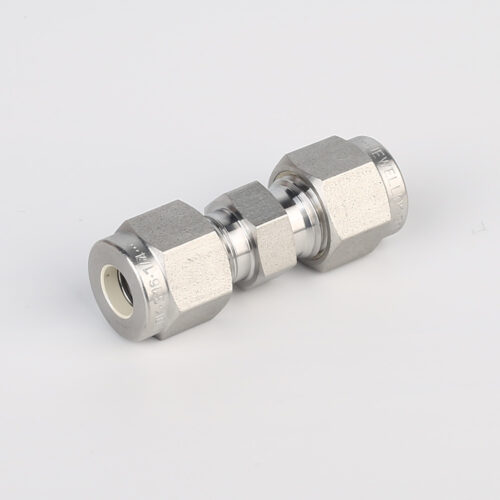
762L Stainless Steel High Purity Union High-Purity Gas System Fittings
-
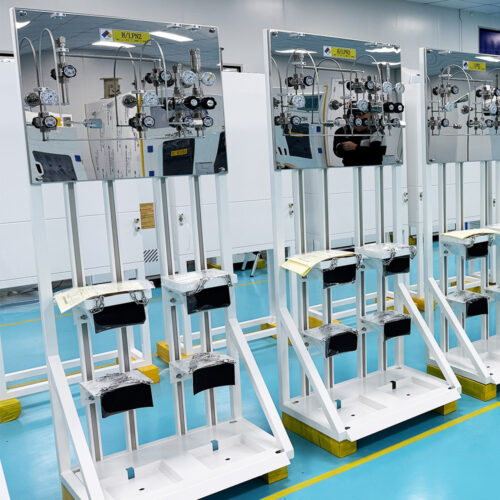
Semi-Automatic VMB Gas Cabinet Gas Changeover Manifold With Semiconductor Valve Manifold Box Diaphragm Valves And Gas Pressure Regulators
-
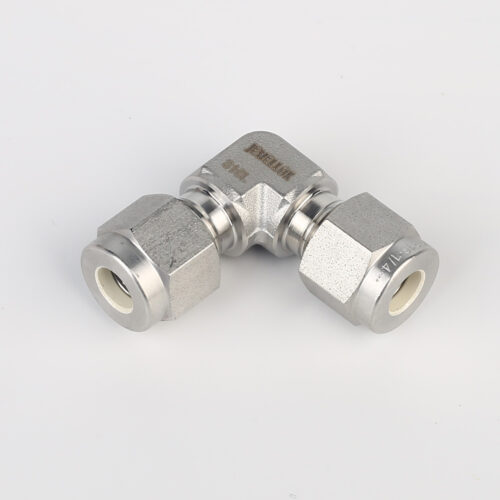
765L Stainless Steel Union Elbow Reducing High Purity Fitting Tubing Extension Tubing Connection
-
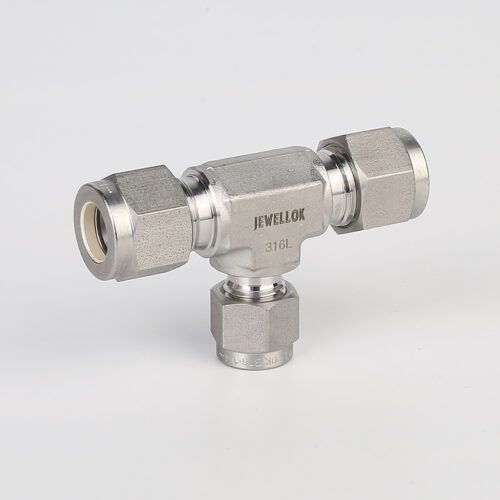
764LR Stainless Steel 316 Reducing Tee UHP Fitting Automatic Buttweld Reducing Tee
-
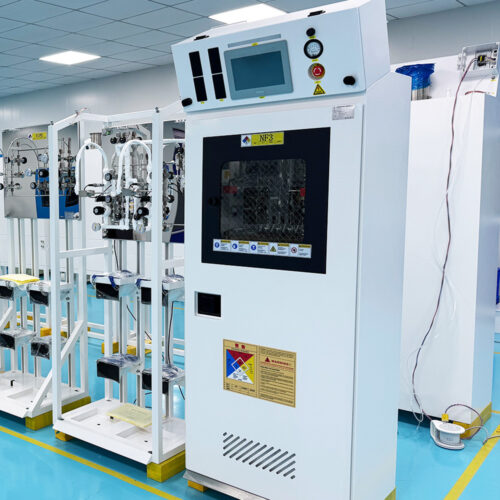
Semi Automatic Gas Cabinet Gas Panels High Purity Gas Delivery Systems JW-200-GC
-
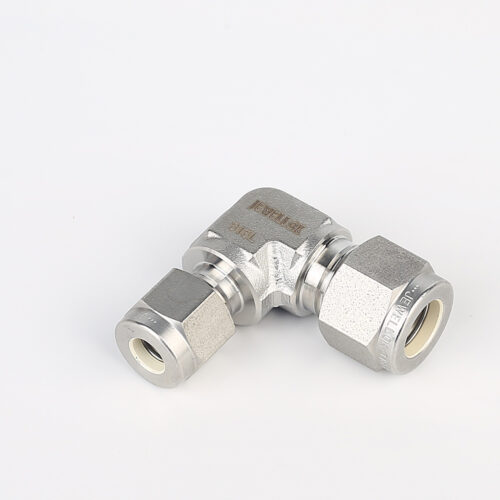
765LR Reducing Tee | Stainless Steel 316 High Purity Butt Weld Fittings Metal Face Seal For Welding Pipe Fitting Reducing Tee
-
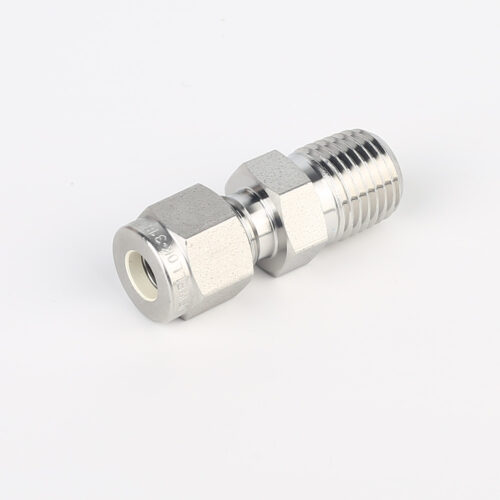
768L Stainless Steel Male Tube Butt Weld Connector | Clean Weld Fittings And Ultra-High Purity Fittings
-
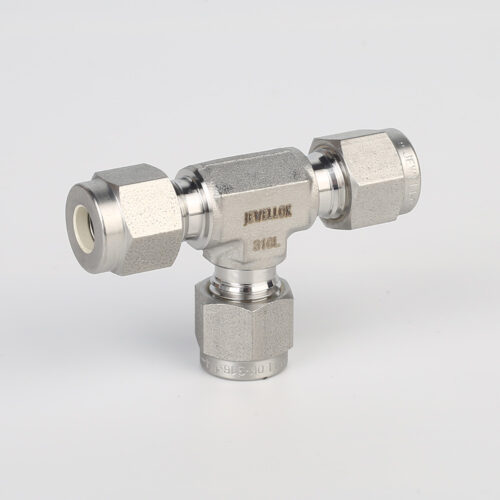
764L Stainless Steel Union Tee High Purity Fitting Union Tee Reducing Tubing Connection