
Regulator Manufacturer Tel: +86 13380377051
Regulator Manufacturer Tel: +86 13380377051
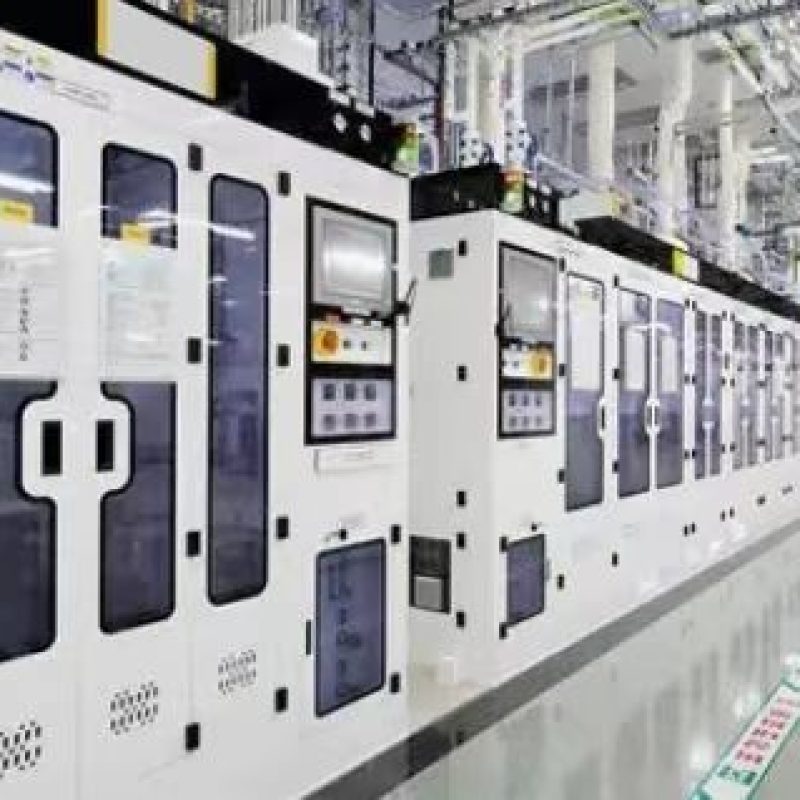
Chemical Laboratory Gas Scrubber System for Hazardous Gas Treatment
1. Introduction to Chemical Laboratory Gas Scrubber Systems
Chemical laboratories, research institutions, pharmaceutical facilities, chemical processing plants, and semiconductor laboratories frequently handle hazardous gases during experiments, chemical reactions, analytical testing, and material synthesis. These gases may include acidic gases, alkaline vapors, toxic compounds, corrosive fumes, and volatile chemical emissions. Without effective treatment, hazardous gas emissions can threaten personnel safety, damage laboratory equipment, contaminate indoor environments, and create environmental compliance risks.
A Chemical Laboratory Gas Scrubber System for Hazardous Gas Treatment is designed to capture, neutralize, absorb, or otherwise remove hazardous gaseous contaminants before treated exhaust is discharged into the atmosphere. By combining appropriate gas-liquid contact technology, chemical treatment media, ventilation equipment, and monitoring systems, a properly engineered scrubber can provide reliable exhaust treatment for a wide range of laboratory applications.
Unlike conventional ventilation systems that primarily dilute and remove contaminated air, gas scrubbers actively treat specific pollutants. Their performance depends on the chemical properties of the target gases, exhaust flow rate, contaminant concentration, temperature, humidity, and required removal efficiency.
Selecting the right laboratory gas scrubber requires a comprehensive understanding of laboratory processes, chemical compatibility, safety requirements, and long-term operating conditions.
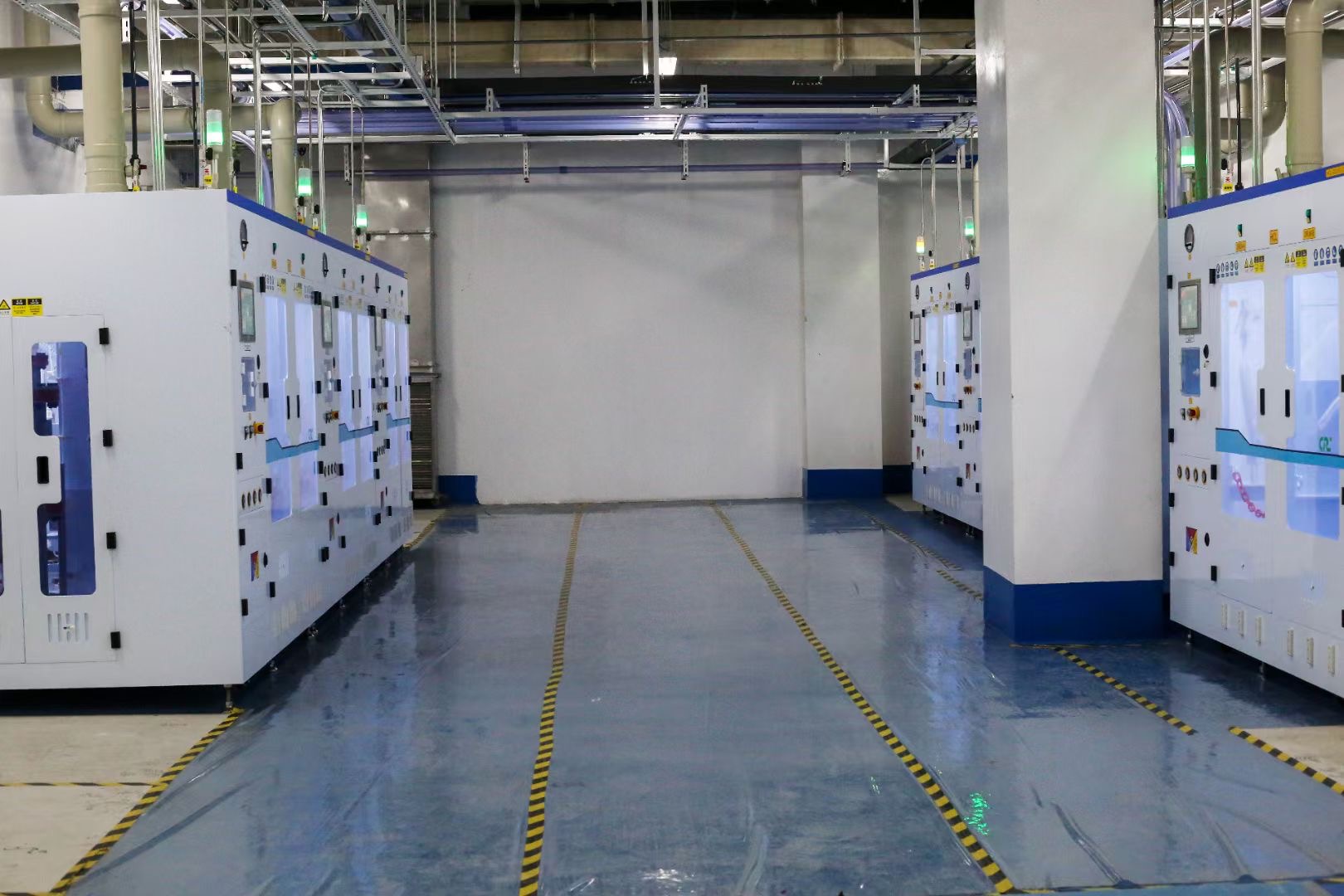
2. Why Hazardous Gas Treatment Is Essential in Laboratories
Laboratory exhaust streams can contain various hazardous substances generated by experiments, chemical storage operations, gas delivery systems, and specialized analytical equipment.
Common pollutants include hydrogen chloride (HCl), hydrogen fluoride (HF), sulfur dioxide (SO₂), ammonia (NH₃), chlorine (Cl₂), hydrogen sulfide (H₂S), and certain process-related volatile compounds. Semiconductor and advanced material laboratories may also handle specialty gases requiring dedicated treatment technologies.
The hazards associated with these emissions vary considerably. Acidic gases can corrode metal components and irritate respiratory tissues, while alkaline gases can cause chemical burns. Toxic gases may pose serious health risks even at relatively low concentrations. Certain gases are also flammable, pyrophoric, or capable of reacting violently with water or other treatment chemicals.
An effective gas scrubber system helps laboratories address several important objectives.
First, it reduces the release of hazardous pollutants by treating exhaust before discharge. Second, it helps protect laboratory personnel by supporting properly designed source capture and exhaust ventilation. Third, it minimizes corrosion and contamination in downstream exhaust ductwork and equipment. Finally, it supports compliance with applicable environmental, occupational safety, and facility-specific emission requirements.
A scrubber must not be considered a substitute for proper gas cabinets, leak detection, emergency shutoff systems, laboratory ventilation, or other required engineering controls. These systems should function together as part of an integrated hazardous gas management strategy.
3. Working Principles of Chemical Laboratory Gas Scrubbers
The operating principle of a chemical gas scrubber is to bring contaminated gas into contact with a suitable treatment medium so that target pollutants can be transferred, absorbed, neutralized, or chemically converted.
The most appropriate treatment mechanism depends on the chemical characteristics of the exhaust.
3.1 Gas Absorption
Gas absorption transfers soluble gaseous contaminants from the gas phase into a liquid phase. In a wet scrubber, contaminated exhaust passes through a vessel containing a liquid absorbent. The gas contacts the liquid across a large interfacial area, allowing soluble pollutants to dissolve.
Packing materials, spray nozzles, trays, or other contact structures may improve mass transfer by increasing the available contact area.
However, physical absorption alone may not provide sufficient treatment for every pollutant. The absorbent must be selected according to gas solubility, operating temperature, liquid composition, and the required outlet concentration.
3.2 Chemical Neutralization
Chemical neutralization is commonly used to treat acidic and alkaline gases. The absorbent contains reagents that react with the target pollutants, converting them into less hazardous dissolved products or salts.
For example, an alkaline scrubbing solution may neutralize certain acidic gases, while an appropriately selected acidic solution can absorb ammonia. The exact formulation depends on the pollutant, expected reaction products, corrosion considerations, and waste-treatment requirements.
Neutralization capacity decreases as the reagent is consumed. Therefore, pH monitoring, reagent replenishment, and periodic assessment of the scrubbing solution are important for maintaining consistent performance.
3.3 Oxidation and Reduction
Some pollutants require chemical oxidation or reduction rather than simple acid-base neutralization. Suitable treatment chemistry may convert the target compound into a more manageable form.
These processes require careful engineering because incompatible reagents can produce heat, toxic by-products, or secondary hazardous gases. The reaction pathway, reagent concentration, contact time, and by-product management must be evaluated before the system is commissioned.
3.4 Adsorption and Specialized Treatment
Activated carbon and other engineered adsorbents can remove selected gaseous compounds through adsorption. Depending on the contaminant, impregnated media or specialized dry-scrubbing materials may be more appropriate than conventional liquid absorption.
Adsorption is particularly useful for certain organic vapors and selected trace contaminants. However, ordinary activated carbon is not universally effective and may be unsuitable for strong oxidizers, highly reactive gases, or specific corrosive compounds.
For hazardous or chemically incompatible exhaust streams, a dedicated treatment technology may be necessary.
4. Main Types of Laboratory Gas Scrubber Systems
Different laboratories require different scrubber configurations. The selection should reflect the actual exhaust composition, operating conditions, available space, maintenance requirements, and applicable safety standards.
4.1 Wet Chemical Scrubber Systems
Wet scrubbers use a liquid absorbent or reactive solution to remove gaseous pollutants. Common configurations include packed-bed scrubbers, spray towers, and other gas-liquid contactors.
Packed-bed scrubbers are widely considered for treating soluble acidic and alkaline gases because their packing provides a large contact area between the gas and liquid. Spray towers may be suitable for certain applications requiring relatively simple construction or lower resistance to gas flow.
Wet scrubbers can provide effective treatment when gas-liquid contact, chemical reaction rates, and operating conditions are properly controlled. Their limitations include wastewater generation, potential scaling, liquid carryover, corrosion, and the need for regular chemical management.
4.2 Dry Chemical Scrubber Systems
Dry scrubbers use solid adsorbents or reactive media to capture or neutralize selected pollutants. They can reduce or eliminate the need for continuous scrubbing-liquid circulation, making them attractive where wastewater generation or liquid handling is undesirable.
Their effectiveness depends on media chemistry, bed design, residence time, contaminant loading, and humidity. Media replacement is necessary when the treatment capacity is exhausted.
For laboratories with intermittent exhaust flows or selected specialty-gas applications, a properly engineered dry scrubber may offer operational advantages. However, compatibility and breakthrough characteristics must be evaluated carefully.
4.3 Hybrid Scrubber Systems
Hybrid systems combine multiple treatment stages to address complex exhaust compositions. For example, a system may use a primary wet treatment stage followed by a secondary polishing stage to reduce residual contaminants.
The additional stage may employ specialized reactive media, adsorption, or another suitable process. Hybrid treatment is useful when a single technology cannot reliably achieve the required outlet concentration across the expected operating range.
The design should avoid introducing incompatible chemicals into the same treatment train and should provide appropriate monitoring between stages where necessary.
5. Key Components of a Chemical Laboratory Gas Scrubber
A complete laboratory gas scrubber system consists of several integrated components. Each component contributes to safe operation, treatment performance, and equipment reliability.
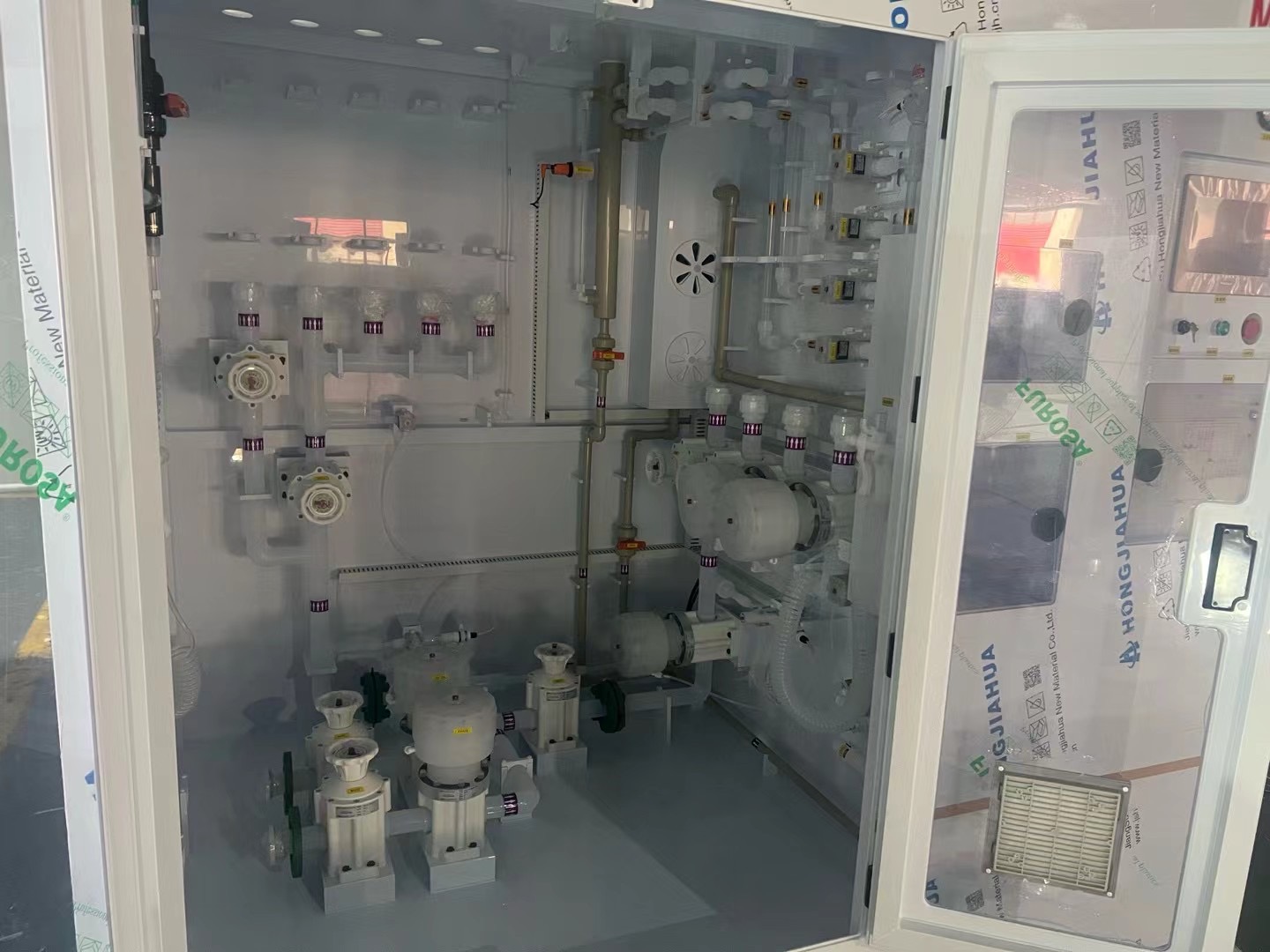
Scrubber vessel: The vessel contains the gas-liquid or gas-solid contact zone. Its size and geometry depend on the design flow rate, contaminant loading, required contact time, and selected treatment process.
Gas distribution system: Inlet ducts, distribution headers, and gas distributors guide contaminated exhaust into the treatment zone. Proper distribution helps prevent channeling and untreated gas bypass.
Packing or contact media: Packing increases the available surface area in many wet scrubbers. Other designs may use spray nozzles, trays, structured media, or specialized reactive materials.
Circulation pump and piping: Wet scrubbers commonly use a circulation pump to deliver treatment liquid to spray nozzles or distribution devices. Pump materials, seals, and piping must withstand the scrubbing solution and expected operating conditions.
Chemical dosing system: Depending on the process, dosing equipment replenishes neutralizing agents or other treatment chemicals. The system should include suitable chemical storage, containment, and controls.
Mist eliminator: A demister removes entrained liquid droplets from the exhaust gas before it enters downstream ductwork or discharge equipment. Proper maintenance helps limit liquid carryover and downstream corrosion.
Exhaust fan: The fan provides the airflow needed to overcome pressure losses throughout the scrubber and connected ductwork. Fan selection must consider corrosive environments, required airflow, system resistance, and potential exposure to hazardous gases.
Monitoring and control system: Sensors, alarms, and control instruments monitor relevant parameters such as airflow, differential pressure, liquid level, circulation flow, and scrubbing-liquid pH. Additional sensors may be required depending on the pollutant and risk assessment.
These components should be selected as a coordinated system rather than as independent products.
6. Material Selection and Chemical Compatibility
Material compatibility is one of the most important factors in laboratory scrubber design. Hazardous gases and treatment chemicals can attack equipment materials through corrosion, oxidation, swelling, permeation, or chemical degradation.
Common construction materials include polypropylene (PP), polyvinyl chloride (PVC), polyvinylidene fluoride (PVDF), fiberglass-reinforced plastic (FRP), and selected stainless steels. The appropriate material depends on the temperature, chemical concentration, pressure conditions, ultraviolet exposure, mechanical requirements, and expected service life.
PP may be suitable for many applications involving compatible acidic or alkaline solutions at appropriate temperatures. PVC is used in selected low-temperature chemical exhaust applications, while PVDF can offer enhanced resistance to a broader range of aggressive chemicals and elevated temperatures within its specified operating limits.
FRP can be suitable for certain large scrubber vessels and exhaust systems when the resin formulation is compatible with the process chemistry.
Stainless steel may be appropriate in selected environments, but it should not automatically be assumed to resist every acid, chloride-containing solution, or oxidizing chemical.
Material selection must cover the entire wetted and gas-contacting system, including pumps, seals, valves, instruments, fasteners, and duct connections. Compatibility should be verified against actual chemical concentrations and operating temperatures rather than relying only on general material descriptions.
7. Design Considerations for Laboratory Hazardous Gas Treatment
A successful scrubber installation begins with a detailed assessment of the laboratory’s exhaust conditions.
7.1 Exhaust Flow Rate and Contaminant Loading
Engineers must determine the normal, minimum, maximum, and potential peak exhaust flow rates. They should also identify the concentration and mass loading of each target contaminant.
An undersized scrubber may provide inadequate contact time or treatment capacity. An oversized unit can increase capital costs, footprint, and energy consumption. Design calculations should account for variations in laboratory operating schedules and simultaneous equipment use.
7.2 Gas Chemistry and Treatment Reactions
The exhaust composition determines the treatment technology and reagent selection. Engineers must consider gas solubility, reaction kinetics, heat generation, reaction products, and the possibility of incompatible mixtures.
For example, a scrubber designed for hydrochloric acid fumes may not be suitable for ammonia or an oxidizing specialty gas without changes to the treatment process.
Where multiple gases are present, their combined effects must be evaluated. Mixing incompatible gases or reagents may generate additional hazards.
7.3 Mass Transfer and Contact Time
Gas-liquid contact efficiency depends on factors such as liquid-to-gas ratio, packing characteristics, liquid distribution, temperature, and chemical reaction rate.
The scrubber must provide sufficient contact between the exhaust and treatment medium to achieve the target removal performance. Engineers should evaluate the expected operating range rather than designing only for one ideal laboratory condition.
7.4 Pressure Drop and Ventilation
The scrubber creates resistance to exhaust flow. Its pressure drop must be included in the overall ventilation-system calculation, together with ductwork, filters, mist eliminators, and other connected equipment.
The exhaust fan must maintain the required flow under actual operating conditions. Changes in packing condition, deposits, or liquid distribution can affect system resistance and should be monitored.
7.5 Emission Targets and Verification
The required outlet concentration or removal efficiency should be established from applicable regulations, permit conditions, process requirements, and the facility’s hazard assessment.
Removal efficiency alone does not establish compliance if the inlet concentration changes substantially. Outlet concentration, emission mass rate, and relevant monitoring requirements may also need to be considered.
Where required, performance should be confirmed through appropriate sampling and testing under representative operating conditions.
8. Intelligent Monitoring and Automated Control
Modern laboratory gas scrubbers increasingly incorporate automated monitoring to improve consistency and simplify maintenance.
A programmable logic controller (PLC) can coordinate pumps, fans, dosing equipment, and alarm functions. Human-machine interfaces (HMIs) allow operators to review operating parameters and identify abnormal conditions.
Typical monitoring functions include:
- Scrubbing-liquid pH and temperature monitoring.
- Circulation flow and liquid-level monitoring.
- Scrubber differential-pressure monitoring.
- Exhaust airflow or fan-status monitoring.
- Reagent tank level and dosing-system status.
- Alarm notifications and operating-status records.
Sensor selection should reflect the treatment chemistry. For example, pH measurement is useful for many neutralization processes but cannot independently confirm the removal of every hazardous gas.
For particularly hazardous applications, additional gas detection, automatic isolation, emergency ventilation, and interlocks may be required. The control strategy should define appropriate responses to low airflow, pump failure, exhausted treatment media, abnormal chemical conditions, or loss of power.
Fail-safe operation requires a project-specific assessment. An automatic shutdown that interrupts exhaust ventilation may create additional hazards in some laboratories, so control actions must be coordinated with the facility’s overall safety system.
9. Installation, Commissioning, and Routine Maintenance
Correct installation is essential for reliable performance. The scrubber should be positioned to provide safe maintenance access, suitable drainage, chemical containment, and adequate ventilation. Duct connections must be compatible with the exhaust stream and should minimize leakage, excessive pressure loss, and liquid accumulation.
Before commissioning, engineers should verify equipment alignment, piping connections, electrical protection, instrument calibration, chemical compatibility, and control-system configuration.
Commissioning should include airflow verification, pump and fan testing, leak inspections, alarm checks, and confirmation that treatment-liquid circulation and chemical dosing function as intended. Where required, representative emissions testing should demonstrate that the system meets its specified performance criteria.
Routine maintenance should include inspection of packing, spray nozzles, demisters, pumps, seals, piping, and chemical storage equipment. Operators should monitor liquid quality, reagent consumption, pressure drop, and any changes in exhaust conditions.
For dry scrubbers, maintenance should include checking media condition, operating history, and breakthrough indicators specified by the manufacturer.
Spent scrubbing liquid, exhausted adsorbents, and accumulated deposits must be handled according to their chemical characteristics and applicable waste-management requirements. A documented preventive maintenance schedule helps reduce unexpected failures and maintain long-term treatment reliability.
10. Applications Across Laboratory and Industrial Environments
Chemical laboratory gas scrubbers are used in universities, pharmaceutical research facilities, chemical laboratories, analytical testing centers, pilot plants, and advanced manufacturing environments.
In academic laboratories, scrubbers may treat acidic fumes generated during chemical experiments. In pharmaceutical research, they can support selected synthesis and process-development operations involving corrosive or reactive chemicals.
Semiconductor research and advanced manufacturing facilities may require specialized exhaust treatment for gases used in deposition, etching, cleaning, or other process steps. These applications demand careful evaluation of gas chemistry, reaction products, and any pyrophoric or highly toxic characteristics.
Environmental laboratories and industrial testing facilities may also use scrubbers to manage exhaust from analytical instruments, sample preparation systems, and chemical processing equipment.
Each application requires a tailored engineering solution. A standard wet scrubber should not be assumed to be appropriate for every specialty gas, particularly when the exhaust contains pyrophoric compounds, highly reactive species, or chemicals that require dedicated abatement technology.
11. How to Select a Reliable Chemical Laboratory Gas Scrubber Manufacturer
Choosing an experienced manufacturer is important for achieving reliable treatment performance and maintaining laboratory safety.
Buyers should evaluate the supplier’s engineering capabilities, knowledge of chemical compatibility, equipment manufacturing quality, instrumentation options, and ability to provide technical documentation.
A qualified supplier should be able to assess exhaust composition, flow rate, contaminant concentration, target outlet conditions, installation constraints, and maintenance requirements before recommending a system.
Other important considerations include customized vessel materials, corrosion-resistant piping, automated dosing, PLC-based control, alarm integration, spare-parts availability, and commissioning support.
Documentation should clearly identify the design operating conditions, compatible chemicals, maintenance procedures, limitations, and expected performance. Where the application involves highly hazardous gases, the supplier should demonstrate relevant experience and coordinate with the facility’s process-safety and exhaust-system engineers.
Jewellok can be introduced as a potential supplier for laboratory gas handling and related industrial gas system solutions. For projects requiring a chemical laboratory gas scrubber, buyers should confirm the manufacturer’s specific scrubber product range, engineering scope, chemical-treatment capabilities, and ability to meet the project’s safety and emission requirements before procurement.
Comparing suppliers on lifecycle cost rather than purchase price alone can help laboratories make more informed decisions. Energy consumption, reagent use, wastewater treatment, replacement media, maintenance labor, and equipment service life all contribute to the total cost of ownership.
12. Conclusion
A Chemical Laboratory Gas Scrubber System for Hazardous Gas Treatment is an important engineering solution for managing corrosive, toxic, and otherwise hazardous laboratory exhaust. By selecting an appropriate treatment technology, ensuring chemical compatibility, optimizing gas-liquid or gas-solid contact, and integrating effective monitoring and control, laboratories can improve exhaust treatment reliability and reduce environmental and occupational risks.
The best solution is determined by the actual exhaust chemistry, flow conditions, required outlet performance, and facility-specific safety requirements. Careful design, professional installation, verified commissioning, and preventive maintenance are essential for sustained operation.
For laboratories planning a new installation or upgrading an existing exhaust treatment system, working with an experienced engineering supplier can help ensure that the selected equipment is technically appropriate, maintainable, and aligned with applicable regulatory requirements. A well-designed scrubber system supports safer laboratory operations while contributing to responsible chemical management and environmental protection.
For more about chemical laboratory gas scrubber system for hazardous gas treatment, you can pay a visit to Jewellok at https://www.specialtygasregulator.com/product-category/specialty-gas-cabinet/ for more info.
-
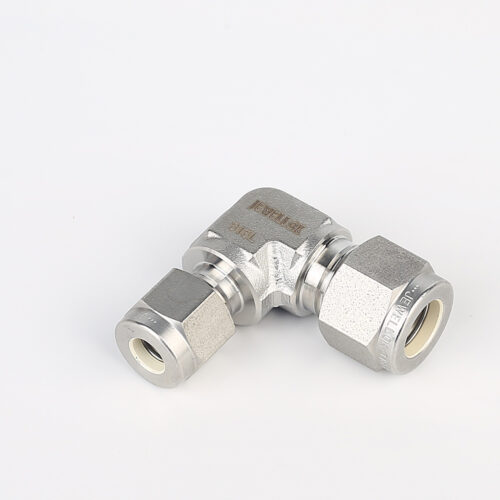
765LR Reducing Tee | Stainless Steel 316 High Purity Butt Weld Fittings Metal Face Seal For Welding Pipe Fitting Reducing Tee
-
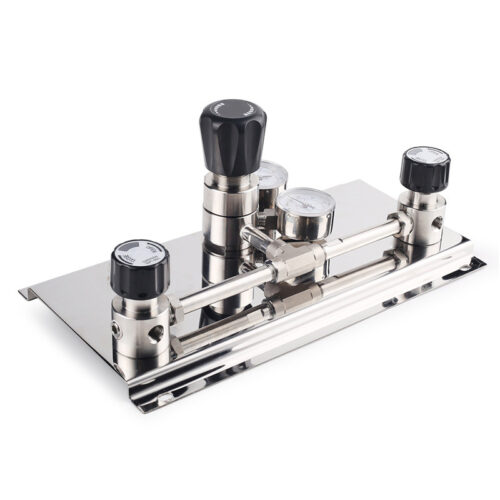
High Purity Semi-Auto Stainless Steel Changeover Manifold System, Nitrogen High Pressure Control Panel With Semiconductor Valve Manifold Box Diaphragm Valves
-
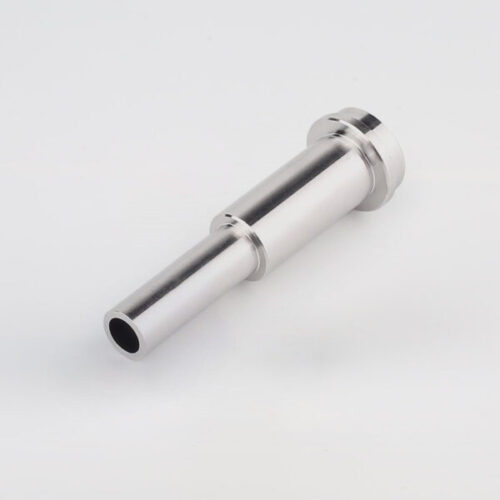
Long Gland LG Series For Ultra High Purity Gas And Chemical Delivery Systems
-
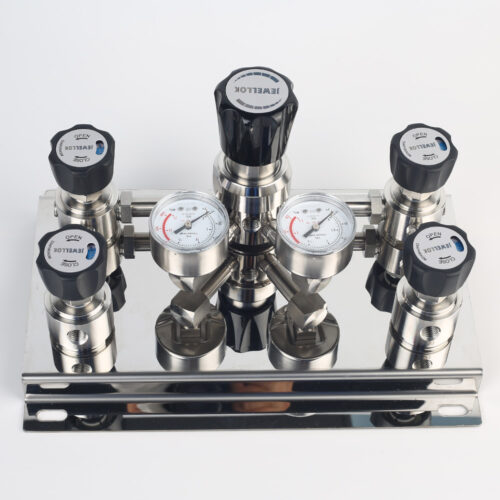
Single Stage Wall And Cabinet Mounting Pressure Control Panels JSP-2E Series For High Purity Gases
-
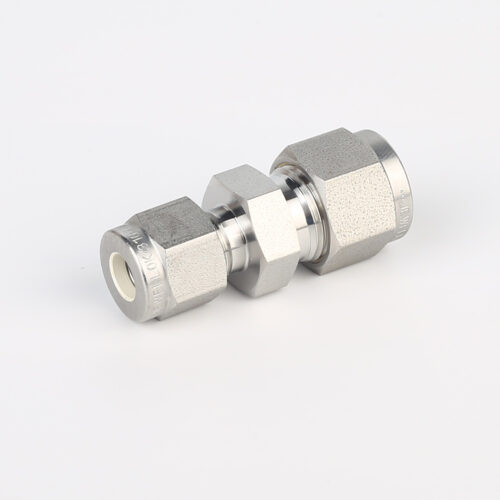
763L Stainless Steel High Purity Pressure Reducing Union Fittings And Tubing Pressure Reducing Valve Adjustment
-
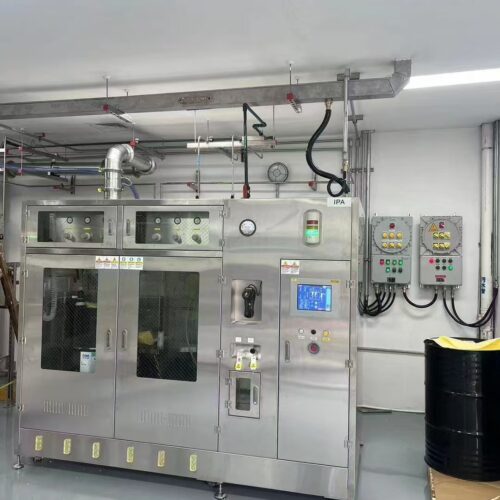
Ultra High Purity CDS Solutions Featuring 316L Electropolished Stainless Steel for Superior Chemical Integrity and Safety
-
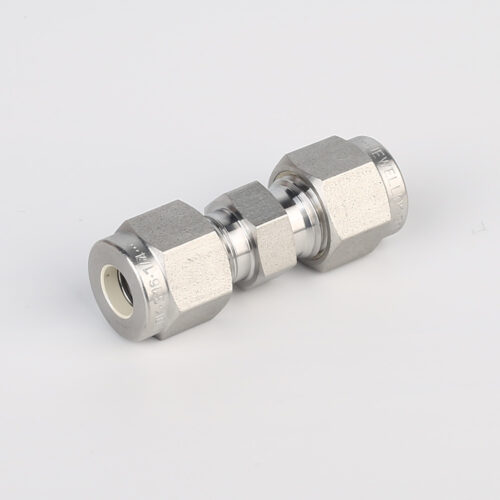
762L Stainless Steel High Purity Union High-Purity Gas System Fittings
-
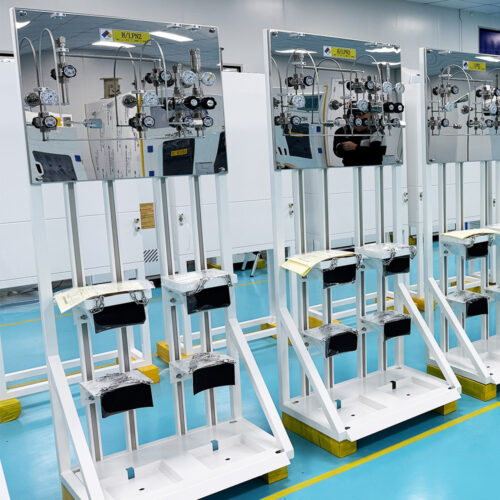
Semi-Automatic VMB Gas Cabinet Gas Changeover Manifold With Semiconductor Valve Manifold Box Diaphragm Valves And Gas Pressure Regulators