
Regulator Manufacturer Tel: +86 13380377051
Regulator Manufacturer Tel: +86 13380377051
What Factors Affect Silane Gas Abatement Efficiency and Emission Compliance?
Introduction
Silane gas (SiH₄) is widely used in semiconductor manufacturing, photovoltaic production, thin-film deposition, and other advanced industrial processes. It serves as an important precursor for depositing silicon-containing films, producing amorphous silicon, and manufacturing specialized electronic materials. However, silane is also a highly flammable and pyrophoric gas that can ignite spontaneously when exposed to air under suitable conditions. Its release may create serious fire, explosion, and process safety hazards.
For facilities that use silane, an effective silane gas abatement system is essential for controlling exhaust emissions, reducing operational risks, and meeting applicable environmental requirements. However, achieving reliable abatement performance involves more than simply installing a gas treatment unit. Destruction efficiency, exhaust composition, gas flow rate, operating temperature, moisture content, maintenance practices, and monitoring procedures can all influence system performance.
In semiconductor fabrication plants and photovoltaic manufacturing facilities, silane exhaust may also contain hydrogen, nitrogen, process by-products, and other gases generated during deposition or cleaning operations. These variations make exhaust treatment more complex and require a system designed around actual process conditions.
This article explains the major factors affecting silane gas abatement efficiency and emission compliance, helping engineers, environmental managers, equipment buyers, and facility operators evaluate and optimize silane exhaust treatment systems.
1. Understanding Silane Gas Abatement Efficiency
Silane gas abatement efficiency refers to the ability of a treatment system to remove or destroy silane before the exhaust is discharged. Depending on the system design and the applicable measurement method, performance may be expressed as removal efficiency, destruction efficiency, or overall treatment efficiency.
A basic calculation is:
Silane removal efficiency (%) = [(Inlet concentration − Outlet concentration) ÷ Inlet concentration] × 100
For example, if the inlet silane concentration is 1,000 ppm and the outlet concentration is 10 ppm, the calculated concentration reduction is 99%.
However, concentration-based calculations must be interpreted carefully. Changes in gas flow, dilution, sampling conditions, and operating pressure can affect the comparison between inlet and outlet measurements. Where appropriate, engineers should evaluate mass flow rates and use consistent measurement bases.
It is also important to distinguish between silane destruction efficiency and total environmental performance. A system may remove most of the silane while generating particulate matter, silicon-containing deposits, or other by-products that require additional treatment.
Therefore, a comprehensive evaluation should consider:
- Silane destruction or removal efficiency.
- Residual silane concentration at the exhaust outlet.
- Exhaust flow rate and operating stability.
- Particulate formation and secondary emissions.
- System availability and reliability.
- Compliance with applicable permit conditions and safety requirements.
The appropriate performance targets must be established according to the facility’s process conditions, environmental permits, and relevant regulatory standards.
2. Silane Concentration and Exhaust Gas Composition
One of the most important factors affecting silane abatement efficiency is the composition of the incoming exhaust gas.
2.1 Silane Concentration
Silane concentration may vary considerably depending on the deposition process, equipment configuration, production recipe, and operating stage.
High silane concentrations can increase the treatment load and may create challenges for thermal systems if the heat released during oxidation is significant. Low concentrations can also be difficult to measure accurately and may require sensitive monitoring equipment.
An abatement system must be designed for the expected concentration range rather than a single nominal value. Engineers should account for normal production, process transitions, maintenance conditions, and foreseeable abnormal operating scenarios.
2.2 Hydrogen and Other Process Gases
Silane exhaust may contain hydrogen, nitrogen, argon, and other gases associated with semiconductor or photovoltaic manufacturing.
Hydrogen can influence combustion behavior and thermal loading, while nitrogen and argon may affect dilution, heat transfer, and residence time. Other process gases can change reaction chemistry and may introduce additional treatment requirements.
For example, exhaust streams containing both silane and corrosive gases may require a treatment configuration that addresses silane destruction as well as downstream corrosion and by-product control.
A detailed exhaust gas composition analysis helps determine whether thermal oxidation, plasma-assisted treatment, or another engineered abatement technology is appropriate.
2.3 Process Variability
The exhaust stream from a semiconductor tool is not necessarily constant. Gas flow and composition may change between deposition, chamber cleaning, purging, and standby operations.
A system optimized only for steady-state conditions may perform poorly during short-duration concentration peaks or rapid changes in flow.
To reduce this risk, engineers should collect representative process data and establish the maximum expected treatment load. Where necessary, the system should incorporate suitable control strategies to maintain stable treatment conditions during transitions.
3. Treatment Technology and System Configuration
The selected abatement technology has a direct impact on silane destruction performance, operating costs, and environmental compliance.
3.1 Thermal Oxidation Systems
Thermal oxidation systems use controlled high-temperature conditions to react silane with an oxidant. Properly designed equipment can achieve high silane destruction efficiency when operating within its validated process envelope.
Important design parameters include temperature distribution, gas residence time, mixing, oxidant availability, and exhaust flow.
If the treatment temperature is insufficient, residence time is too short, or mixing is poor, some silane may pass through the treatment chamber without being fully converted.
Conversely, excessive temperature can increase energy consumption, accelerate material degradation, and contribute to higher maintenance requirements.
The system should therefore be engineered to maintain adequate reaction conditions across the expected operating range, with appropriate instrumentation and protective controls.
3.2 Plasma-Assisted Abatement
Plasma-assisted systems use energetic species to promote chemical reactions and can be suitable for selected semiconductor exhaust applications.
Their performance depends on plasma power, gas composition, pressure, flow rate, reactor configuration, and the characteristics of the process stream.
Changes in operating conditions may influence the degree of silane conversion and the formation of silicon-containing deposits. Consequently, plasma systems require validation under representative process conditions rather than relying solely on nominal equipment specifications.
3.3 Multi-Stage Treatment Systems
Some applications require multiple treatment stages to manage silane and other exhaust constituents.
For example, a primary abatement stage may destroy reactive gases, while a downstream filtration or scrubbing stage manages suitable particulate or soluble by-products.
However, downstream treatment cannot automatically compensate for poor primary silane destruction. The overall configuration must be designed around the actual reaction products and the treatment capabilities of each stage.
A well-engineered system considers the entire exhaust pathway, including ductwork, treatment equipment, particulate handling, discharge monitoring, and maintenance access.
4. Temperature, Residence Time, and Mixing
Temperature, residence time, and mixing are closely related factors that determine whether a treatment system can achieve its specified performance.
4.1 Operating Temperature
For thermal abatement, the reaction chamber must reach and maintain a temperature appropriate for the intended chemical reactions.
Temperature sensors should monitor representative locations, and control systems should detect deviations from validated operating conditions.
If temperatures fall below the required range, the system may experience reduced conversion efficiency. Temperature instability during startup, shutdown, or process transitions can also affect treatment performance.
The required operating temperature is technology-specific and should be established by the equipment manufacturer through engineering analysis and performance testing. A single universal temperature should not be assumed for every silane abatement application.
4.2 Gas Residence Time
Residence time describes how long the exhaust remains within the effective reaction zone.
At a given chamber volume, higher gas flow generally reduces residence time. If flow exceeds the system’s design capacity, the exhaust may not remain in the treatment zone long enough to achieve the specified destruction efficiency.
Residence time must therefore be evaluated alongside gas temperature, pressure, mixing, and reaction kinetics.
4.3 Gas Mixing and Flow Distribution
Even when the average temperature and residence time appear adequate, uneven flow distribution can create untreated regions within the reactor.
Poor mixing may result in localized areas with insufficient oxidant or inadequate thermal conditions. These conditions can reduce overall treatment performance.
Appropriate reactor geometry, flow management, and equipment commissioning help ensure that the exhaust contacts the active treatment zone consistently.
5. Moisture, Particulate Formation, and By-Product Management
Silane oxidation produces silicon-containing products, and reaction conditions can influence whether these products form fine particles, deposits, or other residues.
5.1 Silicon-Containing Particles
Silane oxidation can produce silicon dioxide particles under suitable reaction conditions. These particles may accumulate in exhaust ducts, filters, or treatment equipment.
Excessive accumulation can increase pressure drop, interfere with heat transfer, obstruct flow passages, and raise maintenance requirements.
A system that initially achieves excellent silane destruction may experience declining performance if particulate management is inadequate.
Engineers should therefore evaluate expected particle loading, suitable collection methods, inspection intervals, and safe residue removal procedures.
5.2 Moisture and Secondary Reactions
Moisture can affect the behavior of silicon-containing deposits and other exhaust constituents. Depending on the process chemistry, moisture may contribute to residue formation, corrosion, or changes in downstream treatment requirements.
Where exhaust streams contain acid-forming species or other reactive compounds, condensation may create additional corrosion risks.
Materials selection, temperature management, drainage design, and compatibility assessment are important for maintaining long-term equipment integrity.
5.3 Pressure Drop and Exhaust Flow
Accumulated deposits can restrict exhaust flow and increase system pressure drop.
If the extraction system cannot maintain the required flow, the exhaust conditions at the treatment equipment may move outside the validated operating range.
Differential pressure monitoring across filters and other relevant components can provide an early indication of blockage or excessive particulate loading.
A maintenance plan should define appropriate inspection criteria and procedures for restoring flow without compromising process safety.
6. Exhaust Flow Rate and System Sizing
Correct system sizing is essential for consistent abatement efficiency.
An undersized system may be unable to handle peak flow or maximum silane loading. An oversized system may operate inefficiently if its controls and treatment technology are not suitable for low-load conditions.
Engineers should evaluate the following parameters:
- Minimum, normal, and maximum exhaust flow rates.
- Maximum expected silane concentration and mass flow.
- Variations between process recipes and operating stages.
- Simultaneous operation of connected process tools.
- Pressure requirements and allowable backpressure.
- Expected particulate loading and maintenance intervals.
- Startup, shutdown, and fault conditions.
For centralized exhaust systems, the combined load may differ substantially from the sum of individual tools’ average loads. Simultaneous process peaks and interactions between exhaust branches must be considered.
A properly sized system should maintain the required treatment conditions while preserving adequate extraction from connected process equipment.
7. Monitoring, Instrumentation, and Control Systems
Reliable instrumentation helps ensure that the abatement system operates within its validated performance range.
7.1 Temperature and Flow Monitoring
Temperature sensors, flow measurement devices, pressure transmitters, and differential pressure indicators provide information about operating conditions.
These measurements help operators identify deviations that may affect silane destruction, such as insufficient heating, excessive flow, or blocked exhaust passages.
Instrumentation should be selected and installed according to the measurement requirements, environmental conditions, and manufacturer’s recommendations.
7.2 Silane Detection and Exhaust Measurement
Appropriate gas detection and analytical measurement systems are important for process safety and performance verification.
Inlet and outlet measurements can help determine whether the abatement system meets its intended treatment target. However, the measurement method must be suitable for the expected concentration range, gas matrix, sampling location, and response time.
Sampling systems should be designed to minimize measurement bias caused by dilution, condensation, particle deposition, or sample-line losses.
Where direct continuous silane measurement is impractical, validated alternative monitoring approaches may be used when accepted by the relevant regulator or permit authority.
7.3 Interlocks and Alarm Management
An abatement system should incorporate appropriate alarms, interlocks, and protective functions for conditions that could compromise safe operation.
Depending on the design, these may include abnormal temperature, loss of required flow, equipment failure, excessive pressure drop, or loss of essential utilities.
Protective actions must be determined through a process hazard analysis and the equipment’s safety design. They should not be improvised during operation.
Regular functional testing helps confirm that alarms and protective functions respond as intended.
8. Maintenance, Reliability, and Equipment Availability
Even a properly designed abatement system can lose effectiveness if maintenance is inadequate.
Common maintenance issues include damaged sensors, degraded heating components, blocked filters, worn seals, unstable flow controls, and accumulated silicon-containing deposits.
A preventive maintenance program should include:
- Routine inspection of critical mechanical and electrical components.
- Verification and calibration of relevant instruments.
- Inspection of filters, ducts, and pressure-drop indicators.
- Review of alarms, operating trends, and fault histories.
- Inspection of seals and connections by qualified personnel.
- Verification of protective functions according to the approved maintenance schedule.
- Documentation of repairs, replacement parts, and performance tests.
Maintenance frequency should be based on equipment design, process loading, operating history, manufacturer recommendations, and observed degradation.
For high-utilization semiconductor facilities, system availability is particularly important. Unexpected abatement failure may interrupt production, require process shutdown, or trigger additional environmental and safety assessments.
Spare-parts availability, service response time, and access to qualified technicians should therefore be considered during equipment procurement.
9. Emission Compliance and Regulatory Requirements
Achieving high silane destruction efficiency does not automatically guarantee regulatory compliance.
Applicable requirements depend on the facility’s location, operating permit, process category, exhaust composition, and environmental authorization. Requirements may address individual pollutants, total emissions, monitoring frequency, operating limits, recordkeeping, and reporting obligations.
9.1 Define Applicable Emission Limits
Before selecting an abatement system, identify the specific requirements imposed by the relevant environmental authority and facility permit.
These requirements may include emission concentration limits, mass emission limits, approved test methods, or operating parameters that must be maintained.
Silane should be assessed in the context of the entire exhaust stream. Depending on the process, other pollutants or reaction by-products may also require control.
9.2 Verify Performance Through Testing
Commissioning tests should demonstrate that the system meets its specified treatment requirements under representative operating conditions.
Testing should use appropriate sampling methods, calibrated instruments, documented operating conditions, and qualified personnel.
The results should identify the test location, process state, gas flow, relevant concentrations, and any limitations affecting interpretation.
Where required, testing should follow the approved regulatory protocol rather than an informal calculation based on equipment specifications alone.
9.3 Maintain Accurate Operating Records
Operating records can help demonstrate that the abatement system has been maintained and operated according to its approved design.
Useful records include maintenance reports, alarm histories, instrument calibration records, performance-test results, process changes, and corrective actions.
A clear recordkeeping system also makes it easier to investigate unexpected emissions and demonstrate the effectiveness of corrective measures during inspections or environmental audits.
10. How to Optimize Silane Abatement Performance
Improving abatement efficiency requires a coordinated approach to process characterization, equipment design, operational control, and maintenance.
First, establish a reliable baseline by measuring exhaust composition, flow, pressure, and relevant operating conditions.
Second, confirm that the selected treatment technology is suitable for the expected silane loading and associated process gases.
Third, validate critical operating parameters, including temperature, residence time, mixing, and exhaust flow, within the manufacturer’s specified operating envelope.
Fourth, establish monitoring and alarm strategies that identify abnormal conditions before they develop into serious performance or safety problems.
Finally, use maintenance and performance data to identify recurring problems, improve maintenance intervals, and assess whether the system continues to meet the facility’s needs.
Any proposed changes to oxidant supply, operating temperature, process routing, or protective control logic should undergo appropriate engineering review and hazard assessment before implementation.
Conclusion
Silane gas abatement system efficiency and emission compliance depend on multiple interacting factors, including exhaust composition, silane concentration, treatment technology, temperature, residence time, gas mixing, particulate management, system sizing, instrumentation, and maintenance.
A high-performance silane abatement system must do more than achieve a high nominal destruction percentage. It must maintain stable treatment conditions across realistic operating variations, manage reaction by-products, provide reliable fault detection, and demonstrate compliance with applicable permit requirements.
For semiconductor fabrication plants, photovoltaic manufacturers, and other facilities using silane, the most effective approach is to evaluate the complete exhaust treatment system rather than focusing on a single component or performance figure.
By combining appropriate engineering design, representative performance testing, reliable monitoring, preventive maintenance, and documented compliance procedures, facility operators can improve abatement reliability, reduce operational risks, and support safe, environmentally responsible production.
For more about what is the removal efficiency of an acid gas neutralization scrubber, you can pay a visit to Jewellok at https://www.specialtygasregulator.com/product-category/specialty-gas-cabinet/ for more info.
-
High-Efficiency Exhaust Gas Scrubber System for Semiconductor and Photovoltaic Hazardous Gas Abatement Solutions
-
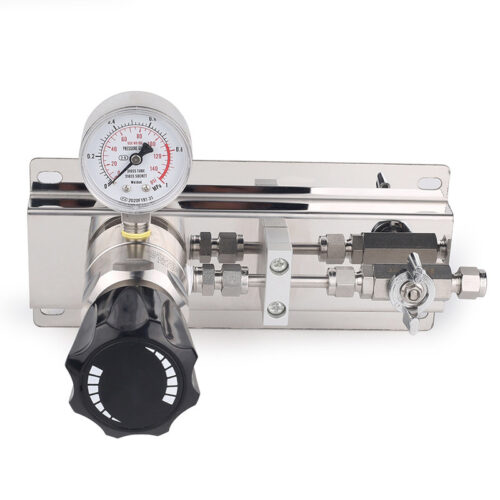
Medical Oxygen Single Stage Manual Gas Changeover Manifold Panel High-Purity Two-Stage Manual Gas Manifold Gas Pressure Control Panels
-
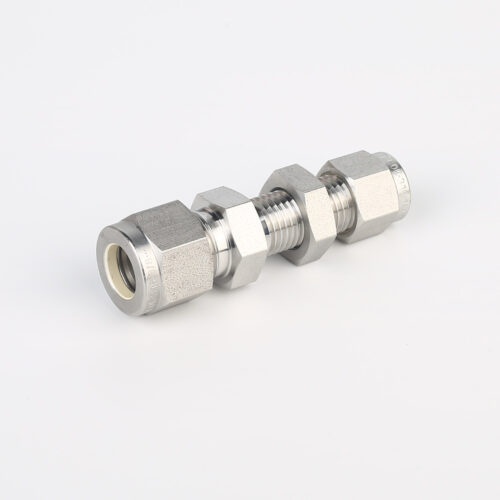
775L Bulkhead Reducing Union | Stainless Steel High Purity Double Ferrule Bulkhead Reducing Unions
-
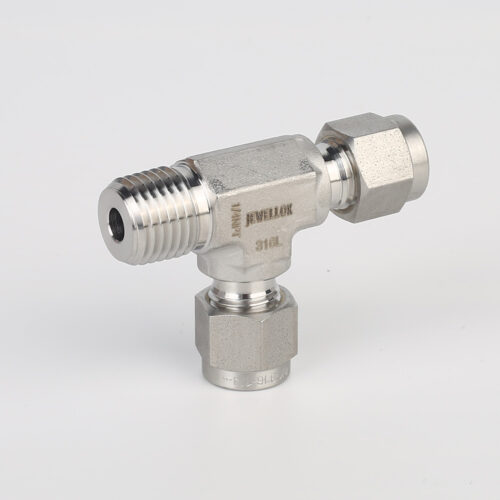
771L Male Run Tee | Stainless Steel High Quality High Purity Male Run Tee Branch Tee Pipe Fittings
-
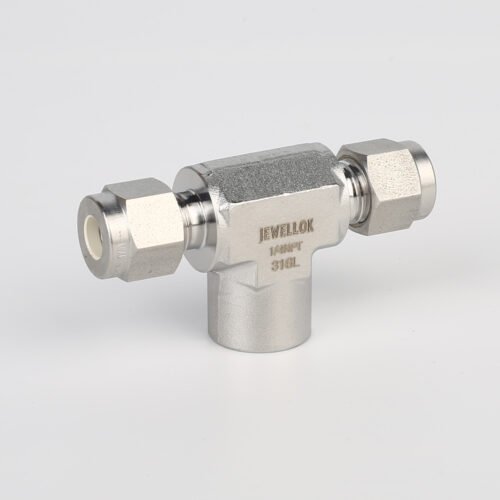
772 LF Female Branch Tee | Stainless Steel Tube Fitting Female Branch Tee 1/2 in. Tube OD x 1/2 in. Tube OD x 3/8 in. Female NPT
-
Fully Automated Gas Cabinet For Precise UHP Gas Delivery And High Purity Gas Delivery Systems JW-300-GC
-
7108L Cylinder Cap Connectors For Ultra High Purity Gases
-
Integrated Scrubber Tail Gas Treatment Cabinet for Safe Bulk Specialty Gas System Exhaust Management