
Regulator Manufacturer Tel: +86 13380377051
Regulator Manufacturer Tel: +86 13380377051
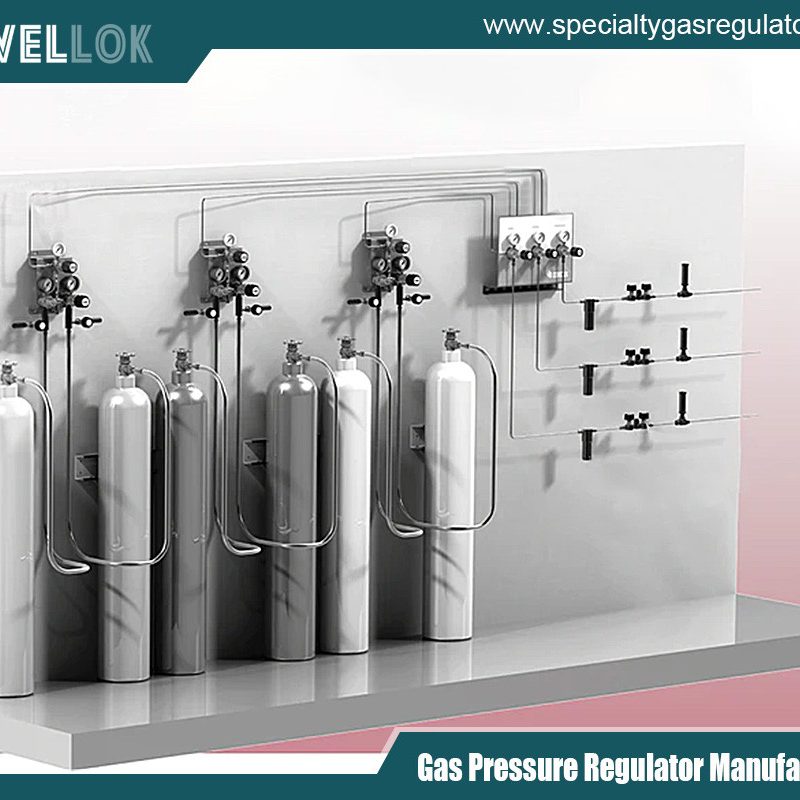
Automatic Gas Changeover System: Ensuring Seamless and Safe Gas Supply
In modern industrial, commercial, and residential settings, a reliable gas supply is crucial for operations ranging from heating and cooking to manufacturing processes and medical applications. An automatic gas changeover system represents a sophisticated solution designed to maintain uninterrupted gas flow by automatically switching between multiple gas cylinders or sources when one depletes. This technology eliminates the need for manual intervention, reducing downtime and enhancing safety. Unlike traditional manual systems, where users must monitor gas levels and switch cylinders themselves, automatic changeover systems employ sensors, valves, and controllers to detect low pressure and seamlessly transition to a backup supply.
The concept of gas changeover has evolved with advancements in automation and sensor technology. Initially developed for liquefied petroleum gas (LPG) applications in homes and businesses, these systems have expanded to handle various gases, including oxygen, nitrogen, and acetylene in industrial environments. By integrating electronic controls and fail-safe mechanisms, automatic gas changeover systems minimize risks associated with gas shortages, such as process interruptions or hazardous leaks. This article delves into the technical aspects of these systems, exploring their components, working principles, benefits, and applications.
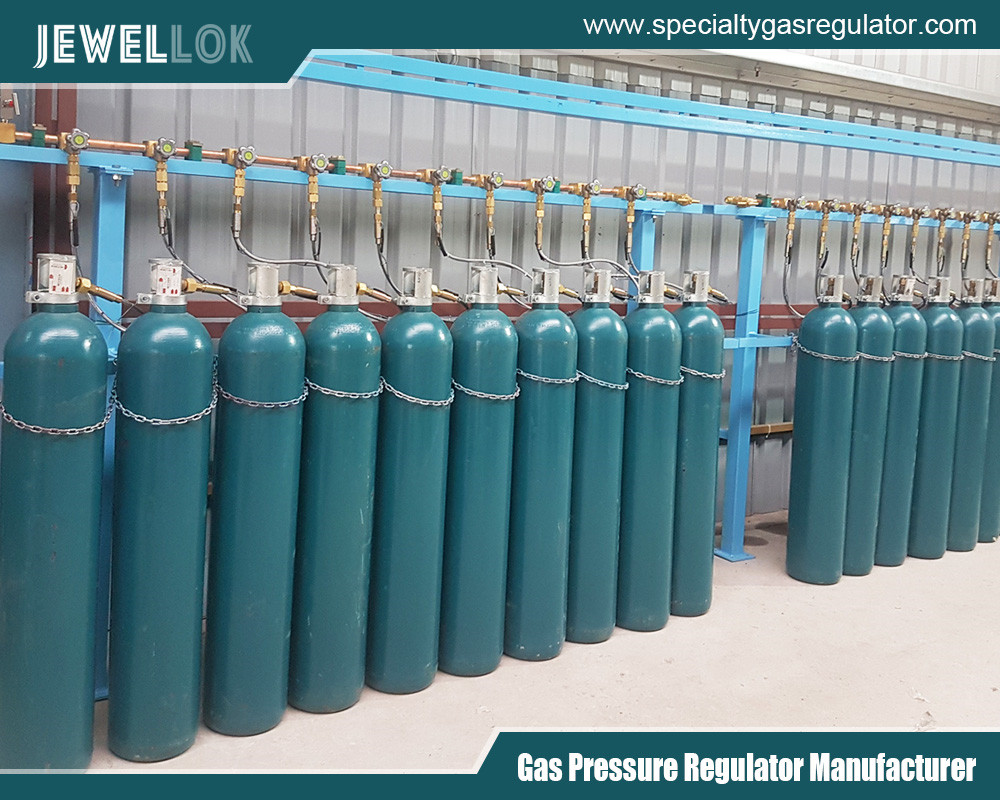
Key Components of an Automatic Gas Changeover System
At the heart of an automatic gas changeover system lies a set of interconnected components that work in harmony to monitor and manage gas supply. The primary element is the changeover manifold, a central hub that connects multiple gas cylinders—typically two or more—to a single outlet line. The manifold is equipped with high-pressure regulators that reduce the gas pressure from the cylinder (often around 200-300 bar for compressed gases) to a usable level, such as 1-2 bar for domestic use.
Pressure sensors or switches are critical for detection. These devices, often piezoelectric or diaphragm-based, continuously monitor the outlet pressure from the active cylinder. When the pressure drops below a predefined threshold—indicating the cylinder is nearing empty—the system triggers a switch. Solenoid valves or pneumatic actuators then redirect the flow to the reserve cylinder. In advanced models, a microcontroller or programmable logic controller (PLC) oversees the operation, allowing for customizable settings and integration with building management systems.
Additional features include visual and audible indicators, such as LED displays and alarms, which notify users of a switchover event. Safety valves, like excess flow valves and non-return valves, prevent backflow and over-pressurization. For systems handling flammable gases like LPG, flame arrestors and leak detectors are incorporated to comply with standards such as ISO 9001 and NFPA 58. Power supply is another vital aspect; many systems use batteries or uninterruptible power supplies (UPS) to ensure functionality during outages.
Working Principle
The operational mechanism of an automatic gas changeover system is rooted in pressure differential monitoring and automated valve control. Consider a typical dual-cylinder setup for LPG: Cylinder A is designated as the primary source, connected via flexible pigtails to the manifold. Gas flows through the regulator, where pressure is stepped down, and into the distribution line.
As gas is consumed, the pressure in Cylinder A gradually decreases. The pressure switch, calibrated to activate at around 0.5 bar above the minimum required output, sends a signal to the control unit. This unit, often a compact electronic board with relays, energizes the solenoid valve to close the path from Cylinder A and open the path from Cylinder B. The transition is nearly instantaneous, typically within seconds, ensuring no disruption in supply.
In more complex systems, such as those for medical gases in hospitals, the changeover might involve multiple banks of cylinders. Here, cascade control is employed, where cylinders are depleted sequentially to optimize usage. Sensors not only monitor pressure but also gas purity and flow rates using ultrasonic or thermal mass flow meters. Algorithms in the PLC can predict depletion based on consumption patterns, providing proactive alerts via SMS or email.
Fault tolerance is built-in; if both cylinders are low, the system enters a lockdown mode, shutting off supply to prevent unsafe operation. Calibration and testing are essential, with periodic checks using manometers to verify sensor accuracy.
Types and Applications
Automatic gas changeover systems vary by gas type and application. For domestic LPG, compact wall-mounted units with two-cylinder capacity are common, featuring simple mechanical switches or basic electronics. Industrial variants, handling gases like argon for welding, often include multi-cylinder manifolds with remote monitoring via IoT interfaces.
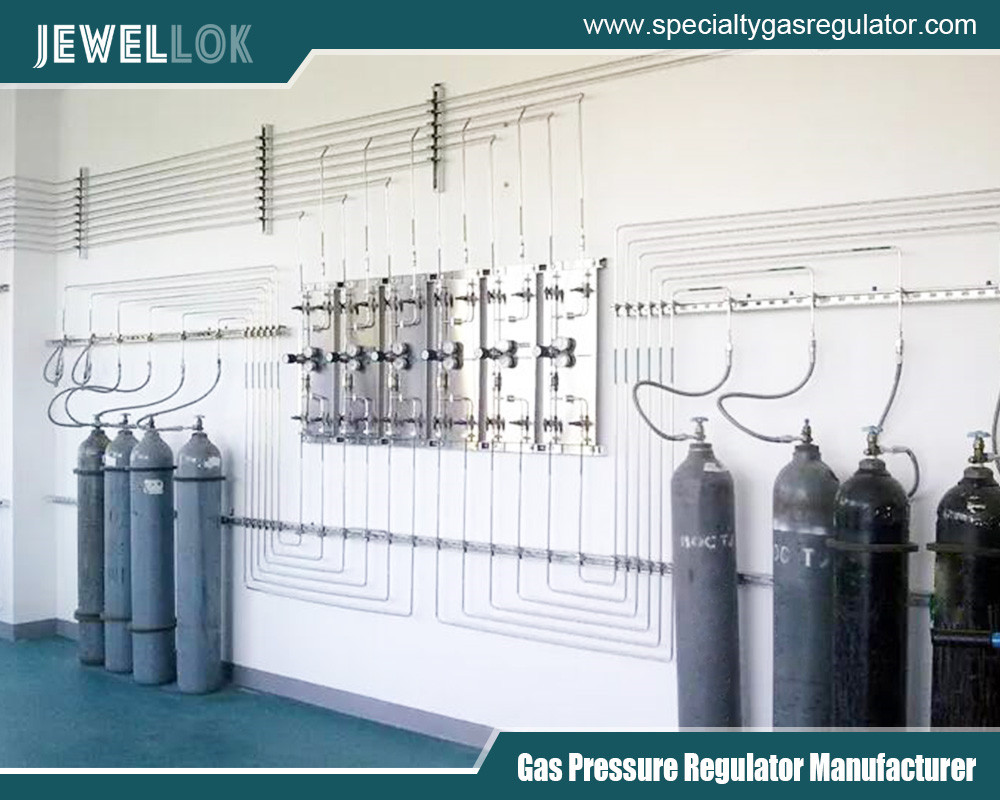
In healthcare, centralized medical gas pipeline systems (MGPS) use automatic changeover to switch between manifold banks for oxygen and nitrous oxide, adhering to HTM 02-01 standards. These systems incorporate oxygen depletion alarms and emergency reserves. Laboratories employ them for specialty gases, ensuring precise delivery for analytical instruments.
Emerging applications include renewable energy, where changeover systems manage hydrogen or biogas supplies in fuel cells. Portable units for camping or RVs provide lightweight, battery-operated solutions.
Benefits and Advantages
The adoption of automatic gas changeover systems offers multifaceted benefits. Foremost is uninterrupted supply, critical in scenarios like continuous manufacturing lines where downtime can cost thousands per hour. Safety is enhanced by reducing human error; manual switching risks exposure to high-pressure gases or leaks during disconnection.
Efficiency gains are significant: systems optimize cylinder usage by fully depleting one before switching, minimizing waste. Remote monitoring reduces the need for frequent site visits, lowering operational costs. Environmentally, better management curtails gas wastage, aligning with sustainability goals.
From a regulatory perspective, these systems facilitate compliance with safety codes, such as those from OSHA or EU directives, by incorporating audit trails and fail-safes.
Installation and Maintenance Considerations
Proper installation is key to system reliability. It begins with site assessment: ensuring adequate ventilation, secure mounting, and compatibility with cylinder types. Piping must use corrosion-resistant materials like stainless steel, with proper grounding for electrical components.
Maintenance involves routine inspections—checking for leaks using soap solutions, calibrating sensors, and replacing filters. Annual servicing by certified technicians includes pressure testing and software updates for smart systems.
Common issues include sensor drift due to environmental factors or valve sticking from contaminants; preventive measures like inline filters mitigate these.
Future Trends
Looking ahead, integration with AI and machine learning promises predictive maintenance, where systems forecast failures based on usage data. Wireless connectivity will enable cloud-based oversight, while advancements in materials may yield lighter, more durable components.
Sustainability drives innovation, with systems adapting to green gases like biomethane. Miniaturization could expand use in consumer appliances.
Conclusion
Automatic gas changeover systems epitomize the fusion of reliability, safety, and efficiency in gas management. By automating the switch between sources, they safeguard against disruptions across diverse sectors. As technology progresses, these systems will continue to evolve, supporting a safer and more sustainable gas infrastructure.
For more about automatic gas changeover system: ensuring seamless and safe gas supply, you can pay a visit to Jewellok to https://www.specialtygasregulator.com/product-category/gas-changeover-system/ for more info.
-
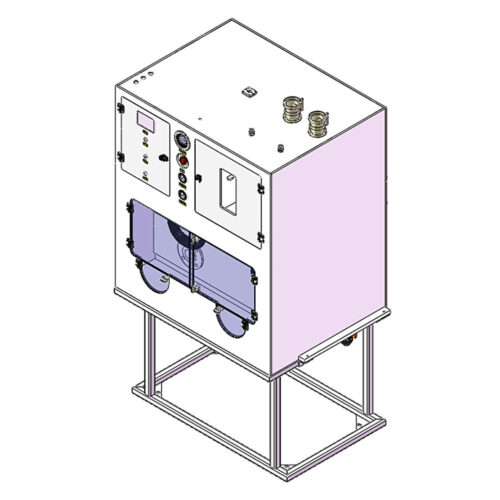
Clean Connection Cabinet JW-300-CCB Valve Manifold Box And Control Valve Box
-
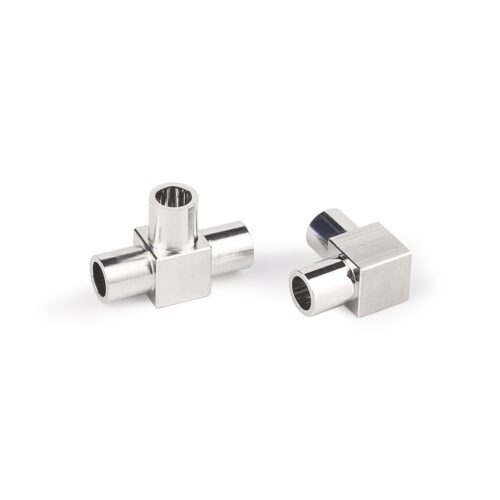
Stainless Steel Mini Elbow Mini Tee Mini Cross Mini Tribow Ultrahigh Purity Mini Butt Weld Fittings
-
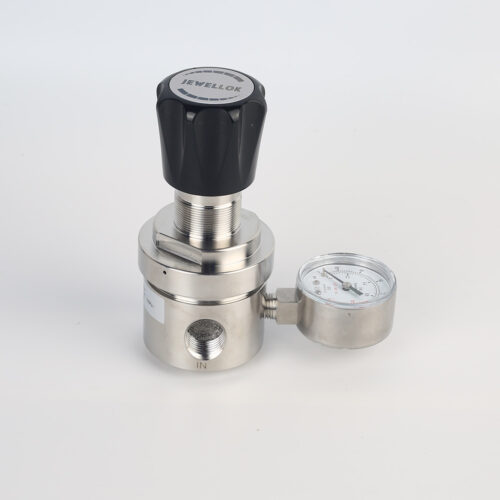
Line And Panel Mounting Adjustable Low Pressure Propane And Nitrogen Pressure Regulator JSR-3L & JSR-3LP Series
-
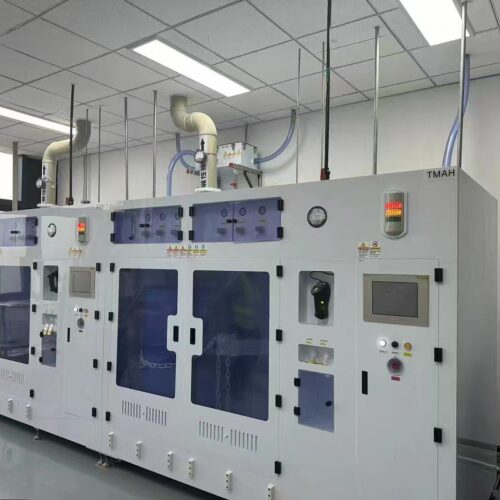
Automated Bulk Chemical Delivery System with Ultra High Purity CDU for Precise Industrial Fluid Control
-
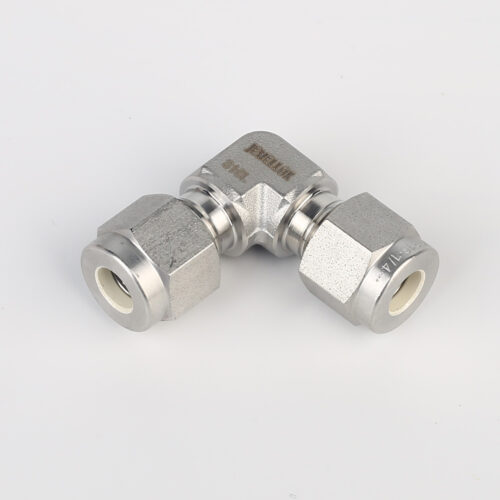
765L Stainless Steel Union Elbow Reducing High Purity Fitting Tubing Extension Tubing Connection
-
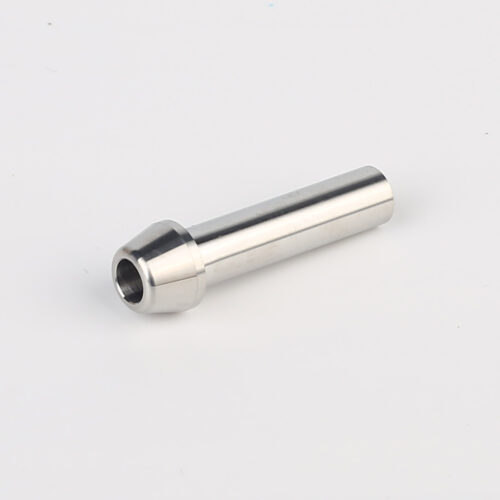
767LP Port Connector Ultra High Purity VCJ Metal Gasket Face Seal Tube Fittings
-
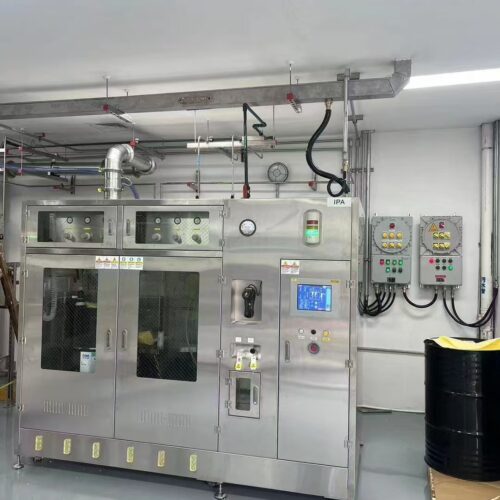
Ultra High Purity CDS Solutions Featuring 316L Electropolished Stainless Steel for Superior Chemical Integrity and Safety
-
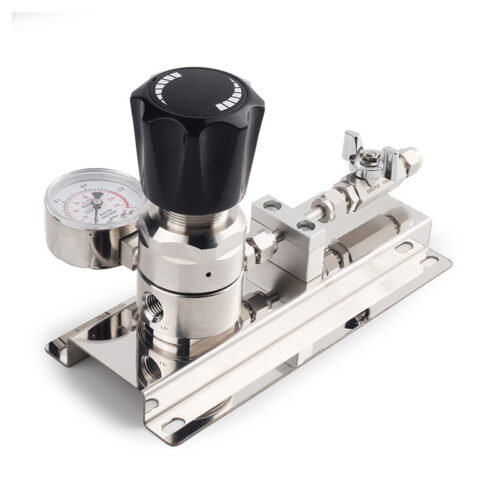
Ultra High Purity 316L Var Stainless Steel Compressed Gas Changeover Manifold Panel System For Integrated Gas Supply System