
Regulator Manufacturer Tel: +86 13380377051
Regulator Manufacturer Tel: +86 13380377051
How to Verify Compatibility of Specialty Gas Regulators with Reactive Gases
The Critical Importance of Compatibility Verification
When working with reactive specialty gases such as hydrides (arsine, phosphine), fluorides (tungsten hexafluoride, nitrogen trifluoride), corrosives, and toxics, the selection and verification of appropriate pressure regulator valves becomes a matter of both system integrity and personnel safety. Unlike inert gases, these reactive compounds can undergo chemical reactions with incompatible regulator materials, leading to catastrophic outcomes including regulator failure, gas decomposition, dangerous pressure build-up, or the generation of hazardous byproducts. The consequences extend beyond safety risks to include contaminated gas supplies that can ruin sensitive processes in semiconductor fabrication, pharmaceutical production, or analytical research. This article provides a comprehensive, step-by-step methodology for verifying the compatibility of a specialty gas regulator with reactive gases to prevent chemical reactions and contamination.
Understanding the Reactive Gas Challenge
Reactive specialty gas regulators present unique hazards that standard regulators cannot safely handle. Their chemical behavior demands specialized consideration:
- Hydrides (e.g., Arsine/AsH₃, Silane/SiH₄, Phosphine/PH₃): These gases are often pyrophoric (ignite spontaneously in air) and can decompose on contact with impurities or incompatible surfaces, potentially forming solid deposits that can clog or seize regulator mechanisms.
- Halogenated Compounds & Fluorides (e.g., Tungsten Hexafluoride/WF₆, Chlorine Trifluoride/ClF₃, Hydrogen Chloride/HCl): These gases are highly corrosive and can etch or degrade many common metals. Some, like WF₆, hydrolyze violently with even trace moisture to form toxic and corrosive byproducts (e.g., hydrofluoric acid).
- High-Purity & Dopant Gases: In applications like semiconductor manufacturing, the gas stream’s ultra-high purity is paramount. Any leaching, outgassing, or particulate generation from the regulator can contaminate the process, leading to costly yield loss.
The core principle is that the regulator must be chemically inert to the specific gas in both static and flowing conditions, across the entire range of operating temperatures and pressures.
Step-by-Step Verification Methodology
Step 1: Define the Gas Service and Operating Parameters
Begin by creating a clear and detailed specification:
- Exact Gas Identity: List all components in a gas mixture. Consider impurities and potential byproducts formed during use or from minor decomposition.
- Maximum Operating Conditions: Define the maximum inlet pressure (cylinder source pressure), required delivery pressure range, and expected operating temperature range (both ambient and potential process-induced temperatures).
- Flow Requirements: Specify the required flow rates, as high flow can increase the rate of any potential chemical attack or particle generation.
- Purity Requirements: Define the acceptable levels of contaminants (in parts per billion or trillion) for your process.
Step 2: Evaluate Material of Construction (MOC) Compatibility
The body, diaphragm, valve seat, and internal seals are the primary points of contact. Compatibility must be validated for each.
- Metallic Components:
- Stainless Steel (316L, 316L VIM/VAR): Standard for many corrosive services. 316L Electro-polished (EP) is the benchmark for high-purity applications as its smooth surface minimizes adsorption and particle shedding. Verify passivation quality.
- Hastelloy C-276 / C-22: Superior for the most aggressive halides and wet corrosive services. Often specified for hydrogen chloride, chlorine, and bromine gases.
- Monel: Excellent resistance to hydrogen fluoride (HF) and fluorine.
- Nickel-Plated Brass/Bronze: Sometimes used for certain hydrides to prevent decomposition; however, its use is declining in favor of high-purity stainless steel or specialty alloys.
- Critical Action: Consult a Chemical Compatibility Chart from the regulator manufacturer. Do not rely on generic charts. Cross-reference your specific gas with all wetted materials under your operating conditions.
- Non-Metallic Components (Elastomers & Plastics):
- Diaphragms: Stainless steel diaphragms are mandatory for reactive and high-purity gases. Elastomer diaphragms (like EPDM, Viton®) are generally unacceptable as they can permeate, react, and outgas.
- Valve Seats: Kel-F (PCTFE) and PTFE (Teflon) are common for their broad chemical resistance and low particle generation. Vespel® (Polyimide) is used for high-temperature stability.
- Secondary Seals (O-rings/Gaskets): Kalrez® (Perfluoroelastomer) or Chemraz® offer the best broad-spectrum chemical resistance. Metal (Helicoflex®) seals are used in the most demanding, ultra-high-purity applications as they eliminate organic outgassing entirely.
Table 1: Common Material Compatibility Guidelines for Reactive Gases
| Gas Category | Recommended Body Material | Critical Component Notes | Gases to Avoid With This Material |
| Hydrides (AsH₃, SiH₄) | 316L EP Stainless Steel | Use stainless steel diaphragm; metal or Kel-F seats. Avoid copper alloys if not specifically recommended. | Can decompose on hot or catalytic surfaces. |
| Fluorides (WF₆, NF₃) | 316L EP Stainless Steel, Monel (for HF) | Must be moisture-free (<5 ppm). All wetted parts must be compatible. | Avoid glasses, ceramics, or elastomers that can be etched. |
| Halogens (Cl₂, HCl, Br₂) | Hastelloy C-276, 316L SS (dry service) | Hastelloy is preferred for wet service. Diaphragm must be stainless steel. | Avoid standard stainless in wet chlorine. |
| Ultra-High Purity (Inerts) | 316L VIM/VAR EP Stainless Steel | Metal seals, particle-free design, <1 Ra µin surface finish. | Avoid any non-electropolished surfaces, elastomers. |
Step 3: Assess Regulator Design and Features
Compatibility is not just about materials; it’s also about design.
- Diaphragm vs. Piston Design: Diaphragm-type regulators are preferred. The isolating diaphragm prevents the process gas from entering the spring chamber, which is critical for toxic gases and prevents lubricant contamination.
- Purge and Vent Configurations:
- Purging: Regulators designed for reactive gases often feature purge ports (typically on the outlet and sometimes the inlet side). This allows for safe evacuation and purging with an inert gas (e.g., N₂) before and after use to remove residual reactive gas and prevent air/moisture ingress during cylinder changeover.
- Venting: For toxic gases, the vent port must be routed to an appropriate exhaust scrubber system to safely contain any diaphragm-failure releases.
- Particle Generation: Verify the regulator is designed for high-purity service. Features include internal electropolishing, minimum dead volume, all-welded construction where possible, and ultra-clean packaging and assembly in a controlled environment (Class 100 cleanroom).
- Leak Integrity: Ensure the regulator is rated and tested for helium leak tightness (e.g., <1 x 10⁻⁹ atm cc/sec He) to prevent atmospheric in-leakage (which brings in O₂ and H₂O) or toxic gas exfiltration.
Step 4: Consult and Verify Manufacturer Documentation & Certifications
A reputable specialty gas regulator manufacturer will provide explicit documentation.
- Manufacturer’s Statement of Compatibility: Obtain a written compatibility statement from the manufacturer’s technical department for your exact gas service. This is your primary verification document.
- Material Test Reports (MTRs): Request MTRs for the critical wetted metals (e.g., 316L SS) to verify the alloy composition meets specifications.
- Cleanliness Certifications: For high-purity applications, request documentation of the cleaning process (e.g., SEMI PV1/PV2 protocols), particle count, and hydrocarbon outgassing tests.
- Industry Standards Compliance: Verify the regulator is designed and built to relevant standards:
- CGA (Compressed Gas Association): E-4 for ultra-high-purity oxygen service (indicates clean design), G-4.1 for NH₃, etc.
- SEMI: Standards for gas handling components in semiconductor manufacturing.
- ISO: ISO 2503 for pressure regulators in general.
Step 5: Implement Operational and Validation Protocols
Even a perfectly compatible regulator can fail if used improperly.
- Safe Handling Procedures: Always purity the regulator before connecting it to a reactive gas cylinder and before disconnecting. Follow a strict leak-check procedure using an appropriate leak detector (not soap solution).
- Startup and Shutdown Sequences: Use validated, written procedures for slowly bringing the regulator online and for safe shut-down and purging.
- Monitoring and Maintenance:
- Regular Inspection: Monitor for signs of creep (slow pressure rise with outlet valve closed), which can indicate a failing valve seat.
- Preventive Maintenance: Adhere to the manufacturer’s recommended service intervals. Regulators for aggressive service may require more frequent rebuilding by certified technicians.
- Decontamination: Have a plan for safe decontamination of the regulator if used with highly toxic gases (like arsine) before any service work.
Verification Workflow Summary
- Specify: Document the exact gas, mixture, purity, pressure, and flow requirements.
- Research: Identify candidate regulators marketed for your gas category (e.g., “hydride service,” “ultra-corrosive”).
- Request Data: From the manufacturer, obtain: a) Compatibility statement, b) Detailed MOC list for all wetted parts, c) Design features (purge ports, diaphragm type), d) Cleanliness and leak test certifications.
- Cross-Check: Use the manufacturer’s data to verify compatibility at every material-gas interface. Resolve any discrepancies with their technical team.
- Validate Procedures: Before putting the regulator into service, ensure your operational, purging, and safety procedures are in place and that personnel are trained.
- Install & Monitor: Install carefully, perform initial leak checks, and establish a log for monitoring performance and scheduling maintenance.
Conclusion
Verifying the compatibility of a specialty gas pressure regulator for use with reactive gases is a non-negotiable, multi-step engineering and safety process. It requires moving beyond a simple parts list to a holistic assessment of material compatibility, specialized design features, validated manufacturing quality, and strict operational protocols. By systematically defining requirements, scrutinizing material interactions, demanding comprehensive documentation from manufacturers, and enforcing rigorous handling procedures, engineers and safety professionals can mitigate the severe risks of chemical reaction and contamination. This diligence ensures the protection of personnel, the environment, and the integrity of sensitive and valuable industrial and research processes.
For more about how to verify compatibility of specialty gas regulators with reactive gases, you can pay a visit to Jewellok at https://www.specialtygasregulator.com/about/ for more info.
-
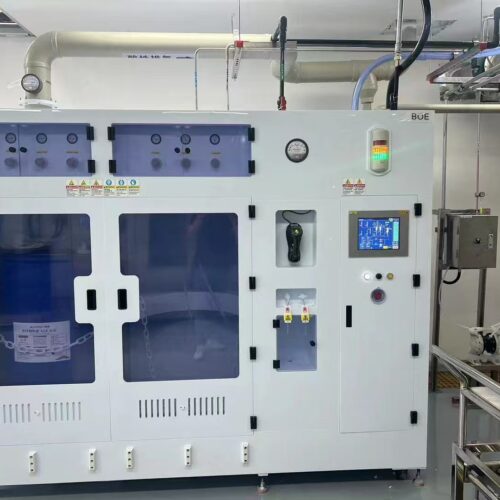
High Purity Bulk Chemical Delivery System and Automatic CDU for Advanced Semiconductor Manufacturing and Fabrication
-
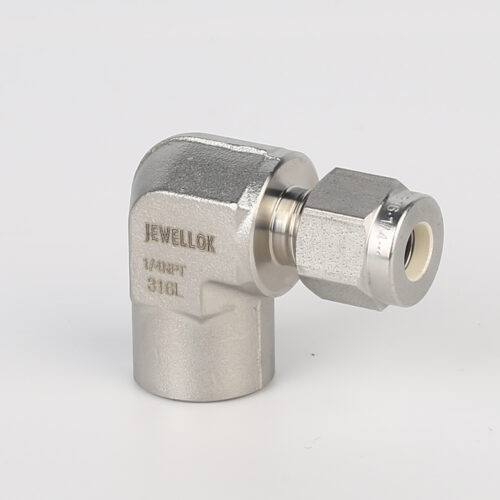
770L Female Elbow | Stainless Steel High Purity Weld Fittings Female Micro Elbow Fittings
-
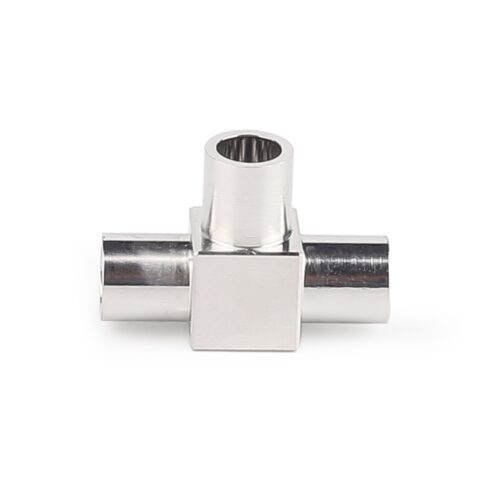
Stainless Steel Ultra High Purity Mini Butt Weld Mini Tee Reducer MTRW Series Fittings
-
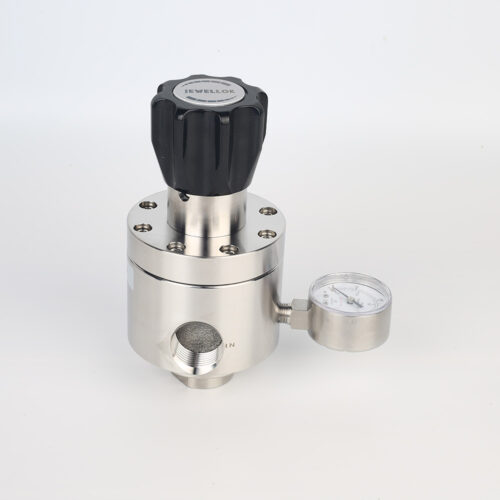
Low Pressure High Flow Line Pressure Regulators And Control Valves JSR-4L Series For Laboratory Pressure Control
-
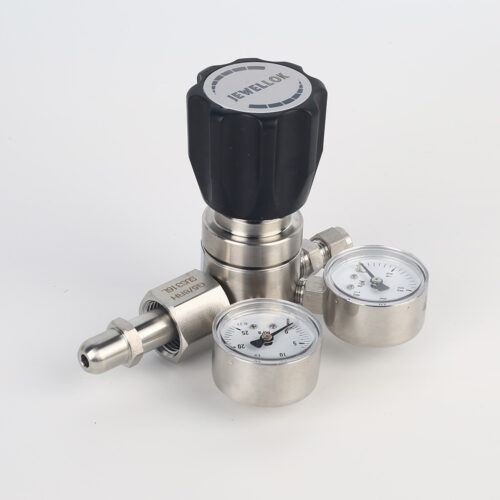
High Purity High Pressure Gas Cylinder Pressure Regulators Pressure Reducing Valve JSR-1E Series
-
Chemical Delivery Modules for Automated Blending and Precise Dilution in Modern Wafer Cleaning Applications
-
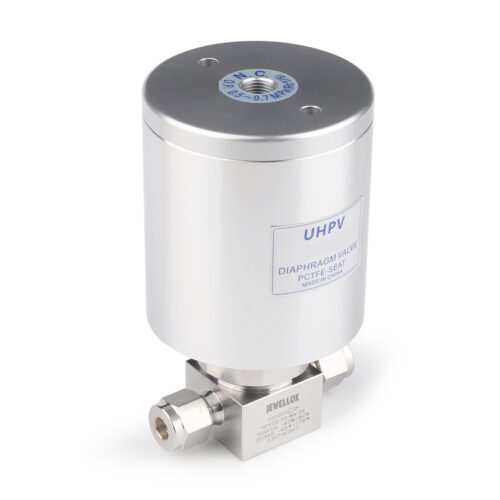
High Pressure High Temperature Pneumatic Ultrahigh Purity Stainless Steel Diaphragm Valves
-
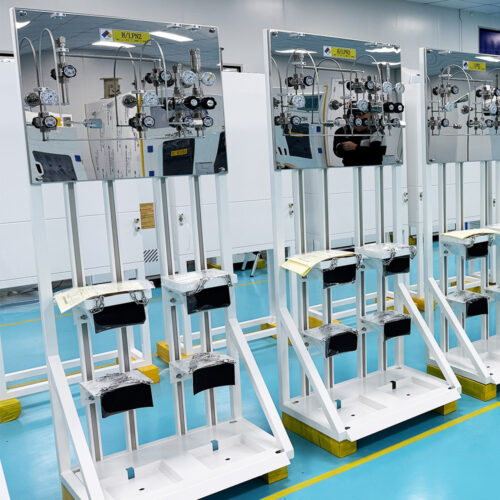
Fully Automated Gas Cabinet for Safe Ultra High Purity Specialty Gas Delivery in Semiconductor Manufacturing