
Regulator Manufacturer Tel: +86 13380377051
Regulator Manufacturer Tel: +86 13380377051
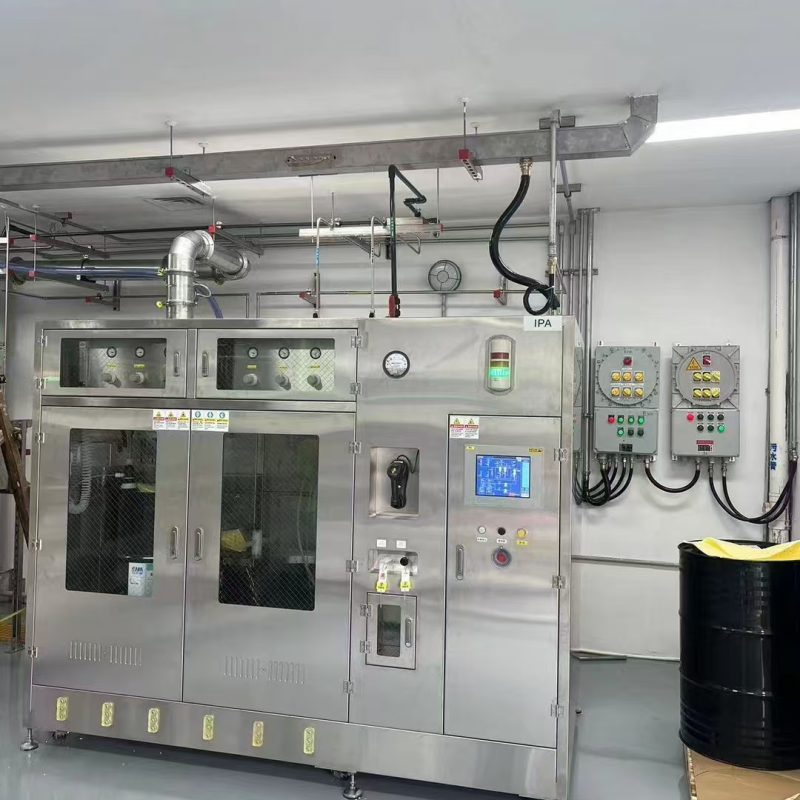
High Purity Liquid Chemical Cabinets for Semiconductor Manufacturing
The semiconductor industry is one of the most technologically advanced manufacturing sectors in the world. As chip geometries continue to shrink and process complexity increases, the demand for ultra-clean and precisely controlled chemical delivery systems has become more critical than ever. Among the essential infrastructure used in semiconductor fabs, High Purity Liquid Chemical Cabinets play a vital role in ensuring safe, stable, and contamination-free chemical distribution.
These cabinets are specifically engineered to store, control, and deliver high-purity chemicals used in wafer fabrication processes such as photolithography, etching, cleaning, deposition, and chemical mechanical polishing (CMP). Because even microscopic contamination can affect wafer yield and device performance, semiconductor manufacturers require chemical handling systems that meet extremely stringent purity, safety, and automation standards.
This article explores the design principles, functions, applications, materials, safety requirements, and technological advancements of high purity liquid chemical cabinets in semiconductor manufacturing.
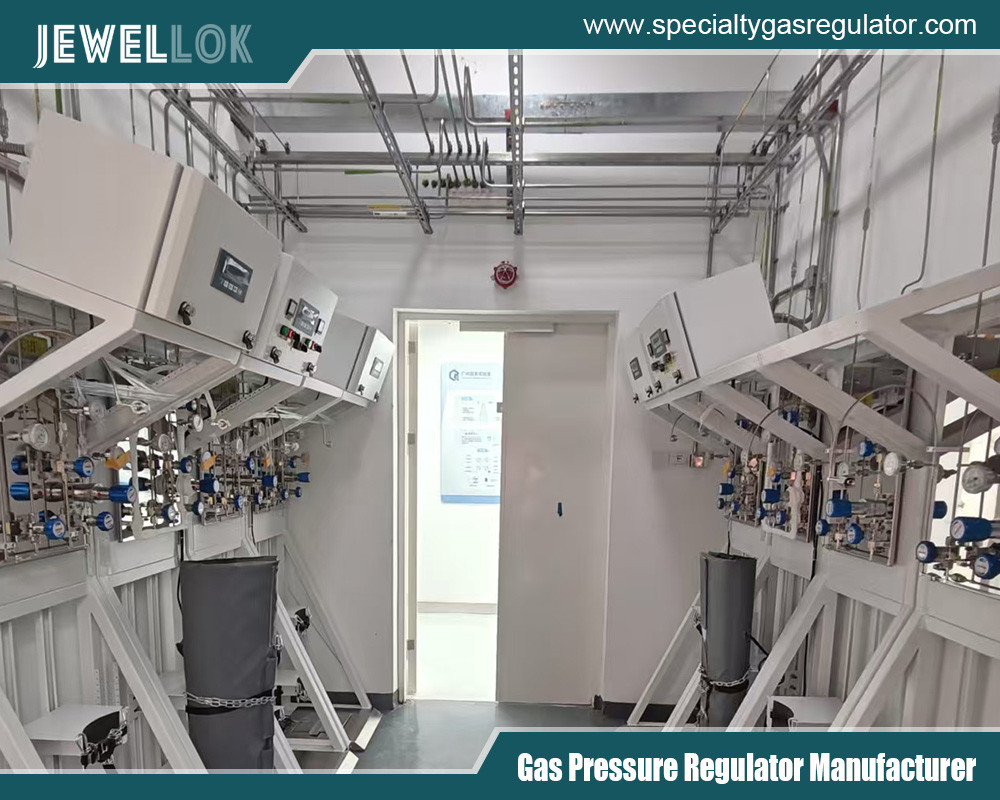
What Are High Purity Liquid Chemical Cabinets?
High Purity Liquid Chemical Cabinets are specialized enclosed systems designed for the safe storage, containment, monitoring, and transfer of corrosive, toxic, flammable, or ultra-pure chemicals used in semiconductor production facilities.
These cabinets are typically integrated into centralized chemical distribution systems and are responsible for supplying process chemicals from bulk containers or drums to semiconductor processing equipment with minimal contamination risk.
The chemicals commonly handled include:
- Sulfuric acid (H₂SO₄)
- Hydrofluoric acid (HF)
- Nitric acid (HNO₃)
- Hydrochloric acid (HCl)
- Ammonium hydroxide (NH₄OH)
- Hydrogen peroxide (H₂O₂)
- Isopropyl alcohol (IPA)
- Photoresist chemicals
- Solvents and specialty process chemicals
Because these substances are highly sensitive and often hazardous, the cabinet must provide precise leak prevention, chemical compatibility, pressure control, and environmental isolation.
Importance in Semiconductor Manufacturing
Modern semiconductor fabrication relies heavily on ultra-clean processing environments. As advanced nodes move toward 5nm, 3nm, and beyond, even nanometer-scale contamination particles or trace metal impurities can significantly impact chip performance and manufacturing yield.
High purity liquid chemical cabinets are essential because they:
- Prevent chemical contamination
- Ensure consistent chemical delivery
- Protect operators from hazardous exposure
- Improve process repeatability
- Support automated manufacturing environments
- Enhance facility safety and regulatory compliance
In semiconductor fabs, process stability directly affects production efficiency and wafer yield. A poorly designed chemical delivery system can introduce particles, dissolved gases, or metallic contaminants that compromise entire production batches.
Therefore, high purity cabinets are engineered with semiconductor-grade materials, orbital welding technology, electropolished surfaces, and advanced monitoring systems to maintain the highest purity levels.
Key Components of High Purity Liquid Chemical Cabinets
1. Cabinet Enclosure
The cabinet enclosure provides physical protection and chemical containment. It is usually constructed from:
- Stainless steel 304 or 316L
- Powder-coated steel
- Polypropylene (PP)
- PVDF-lined structures for corrosive chemicals
The enclosure includes sealed doors, ventilation ports, spill containment trays, and safety interlocks.
For semiconductor applications, stainless steel with electropolished finishes is widely preferred because of its corrosion resistance and low particle generation.
2. Chemical Delivery System
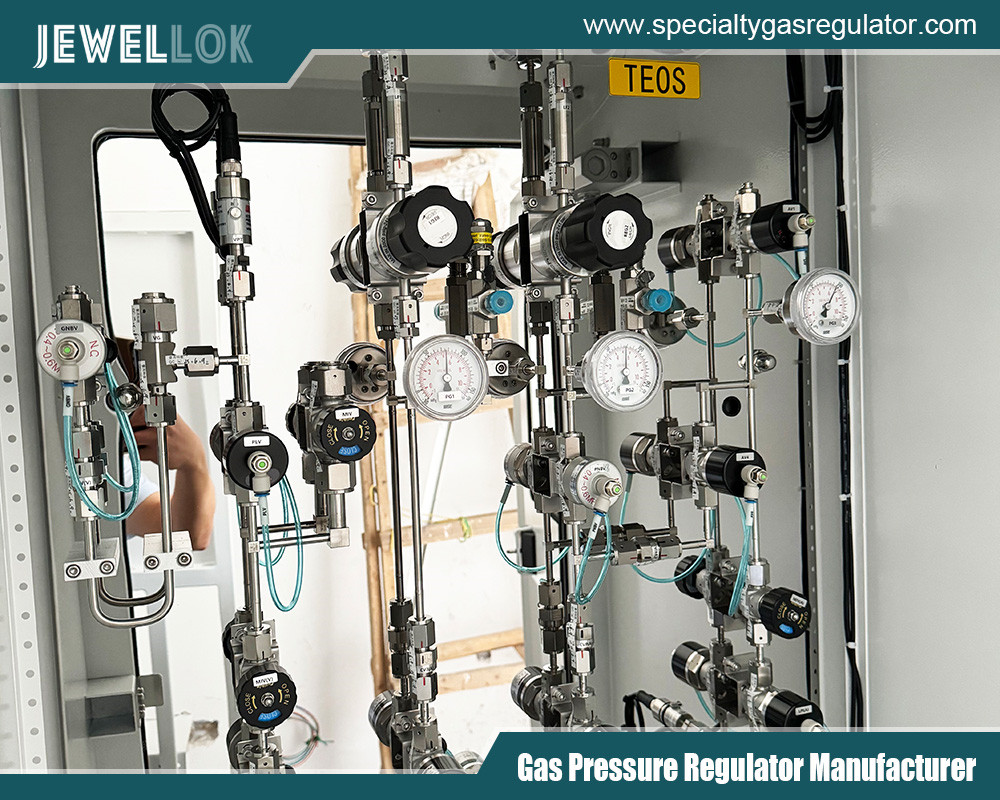
The delivery system transfers chemicals from source containers to process tools through ultra-clean tubing and valves.
Typical components include:
- Pneumatic diaphragm pumps
- Bellows pumps
- High purity tubing
- Pressure regulators
- Check valves
- Flow meters
- Filters
- Chemical sensors
The system must maintain stable pressure and flow while preventing contamination or chemical degradation.
3. High Purity Valves and Fittings
Valves and fittings are critical in maintaining leak-tight operation and ultra-high purity performance.
Common materials include:
- PFA
- PTFE
- PVDF
- Electropolished stainless steel
Diaphragm valves are commonly used because they minimize dead space and reduce particle entrapment.
Orbital welded tubing connections are often implemented to eliminate contamination risks associated with mechanical fittings.
4. Filtration Systems
Advanced filtration is necessary to remove particles and impurities before chemicals reach semiconductor process tools.
Filters may include:
- PTFE membrane filters
- Ultra-fine particle filters
- Degassing filters
- Chemical purification modules
Filtration levels often reach sub-micron or nanometer-grade specifications.
5. Leak Detection and Safety Sensors
Safety is a major priority in semiconductor chemical handling.
High purity liquid chemical cabinets typically include:
- Chemical leak detectors
- Gas sensors
- Pressure alarms
- Flow monitoring systems
- Emergency shutoff valves
- Fire suppression interfaces
Leak detection systems can automatically stop chemical flow and trigger facility alarms if abnormal conditions are detected.
Material Selection for Ultra-High Purity Applications
Material compatibility is one of the most important aspects of chemical cabinet design.
Semiconductor-grade chemical cabinets must avoid:
- Metal ion contamination
- Particle shedding
- Chemical corrosion
- Outgassing
Common materials used include:
| Material | Advantages | Typical Applications |
|---|---|---|
| PFA | Excellent chemical resistance | Ultra-pure acid delivery |
| PTFE | Non-reactive and low contamination | Chemical tubing and seals |
| PVDF | Strong mechanical properties | Corrosive chemical systems |
| 316L Stainless Steel | High strength and corrosion resistance | Structural and gas systems |
| Quartz | Ultra-clean compatibility | Specialty applications |
Electropolishing is commonly applied to stainless steel surfaces to reduce surface roughness and minimize particle generation.
Safety Standards and Regulatory Compliance
Because semiconductor chemicals can be highly hazardous, chemical cabinets must comply with strict international safety standards.
Important regulations include:
- SEMI standards
- NFPA regulations
- FM approval requirements
- OSHA safety guidelines
- CE certification
- International Fire Code (IFC)
Key safety features include:
Ventilation Systems
Continuous exhaust ventilation prevents the accumulation of hazardous vapors inside the cabinet.
Secondary Containment
Spill trays and sump systems contain accidental chemical leaks.
Automatic Shutdown Systems
Emergency shutoff systems isolate chemical flow during abnormal events.
Fire Resistance
Some cabinets are designed with fire-rated construction for flammable chemicals.
Compliance with these standards is essential for semiconductor fabs operating in highly regulated environments.
Automation and Smart Monitoring Technologies
Modern semiconductor manufacturing increasingly relies on Industry 4.0 automation technologies. High purity liquid chemical cabinets are evolving into intelligent systems with advanced monitoring and communication capabilities.
Typical smart features include:
- PLC-based control systems
- Human-machine interfaces (HMI)
- Remote monitoring
- Real-time flow analysis
- Predictive maintenance
- Data logging
- Ethernet and SECS/GEM communication
These technologies improve process control, reduce downtime, and support fully automated semiconductor fabs.
Real-time monitoring enables operators to track:
- Chemical levels
- Flow rates
- Pressure stability
- Filter condition
- Leak status
- Pump performance
Predictive maintenance algorithms can identify early signs of component wear before failures occur.
Applications in Semiconductor Processes
High purity liquid chemical cabinets support multiple semiconductor manufacturing processes.
Wet Etching
Acid and solvent delivery systems are used for selective material removal during wafer processing.
Wafer Cleaning
Ultra-pure chemicals are required to remove particles, organic residues, and metallic contamination from wafer surfaces.
Photolithography
Photoresist chemicals and developers must be delivered with exceptional purity and flow consistency.
Chemical Mechanical Polishing (CMP)
Slurries and cleaning chemicals require precise handling to maintain wafer surface quality.
Advanced Packaging
Semiconductor packaging processes also depend on high-purity chemical supply systems for substrate cleaning and surface treatment.
Challenges in High Purity Chemical Handling
Despite technological advancements, semiconductor chemical delivery systems face several engineering challenges.
Contamination Control
Maintaining ultra-low particle and metal contamination remains a constant challenge.
Chemical Compatibility
Aggressive chemicals such as hydrofluoric acid can rapidly degrade incompatible materials.
System Reliability
Continuous fab operation requires highly reliable pumps, valves, and monitoring systems.
Miniaturization
As fabs become more compact, equipment footprints must be reduced without sacrificing performance.
Environmental Compliance
Manufacturers must minimize chemical waste and emissions while meeting increasingly strict environmental regulations.
Addressing these challenges requires continuous innovation in material science, fluid dynamics, and automation technologies.
Emerging Trends in Chemical Cabinet Design
The semiconductor industry continues to push for higher efficiency, greater purity, and smarter manufacturing systems.
Several important trends are shaping the future of high purity liquid chemical cabinets.
1. Increased Automation
Automated chemical changeover systems reduce operator exposure and improve production efficiency.
2. Advanced Leak Prevention
New sensor technologies provide faster and more accurate leak detection capabilities.
3. Modular System Design
Modular cabinet platforms simplify installation, maintenance, and future expansion.
4. Digital Twin Integration
Digital twin technology enables virtual monitoring and simulation of chemical delivery performance.
5. Sustainable Manufacturing
Chemical recycling and waste reduction technologies are becoming increasingly important.
6. Enhanced Purity Standards
Future semiconductor nodes will require even stricter contamination control standards.
Benefits of High Purity Liquid Chemical Cabinets
Implementing advanced chemical cabinet systems provides significant operational advantages.
Improved Product Yield
Contamination-free chemical delivery enhances semiconductor production consistency.
Enhanced Safety
Integrated monitoring and containment systems reduce workplace hazards.
Reduced Downtime
Automated monitoring and predictive maintenance improve equipment uptime.
Lower Maintenance Costs
High-quality materials and precision engineering extend system lifespan.
Regulatory Compliance
Advanced safety systems help fabs comply with international regulations.
Scalability
Modern cabinet systems can support future semiconductor process upgrades.
Selecting the Right Chemical Cabinet System
Choosing the appropriate high purity liquid chemical cabinet depends on several factors.
Key considerations include:
- Chemical compatibility
- Required purity level
- Flow rate requirements
- Facility layout
- Automation needs
- Safety compliance
- Maintenance accessibility
- Future expansion capability
Semiconductor manufacturers often work closely with specialized fluid system suppliers to develop customized solutions tailored to specific process requirements.
Conclusion
High Purity Liquid Chemical Cabinets are indispensable components in modern semiconductor manufacturing facilities. As semiconductor devices continue to evolve toward smaller geometries and higher performance, the need for ultra-clean, safe, and reliable chemical delivery systems becomes increasingly critical.
These cabinets not only protect sensitive semiconductor processes from contamination but also ensure operator safety, environmental compliance, and manufacturing efficiency. Through advanced materials, intelligent automation, precision fluid control, and rigorous safety engineering, high purity liquid chemical cabinets support the demanding requirements of next-generation semiconductor fabrication.
As the semiconductor industry moves toward more advanced nodes, AI chips, high-performance computing, and advanced packaging technologies, the role of high purity chemical handling systems will continue to expand. Manufacturers that invest in high-quality chemical cabinet infrastructure will be better positioned to achieve superior process stability, higher wafer yields, and long-term operational reliability in the rapidly evolving semiconductor market.
For more about high purity liquid chemical cabinets for semiconductor manufacturing, you can pay a visit to Jewellok at https://www.specialtygasregulator.com/product-category/specialty-gas-cabinet/ for more info.
-
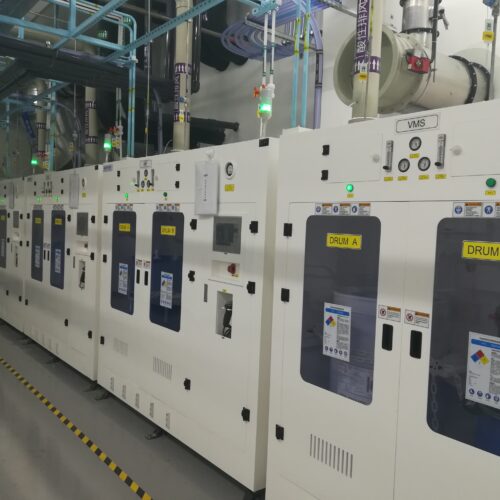
High Purity Liquid Chemical Delivery Systems Designed for Sub Micron Semiconductor Production
-
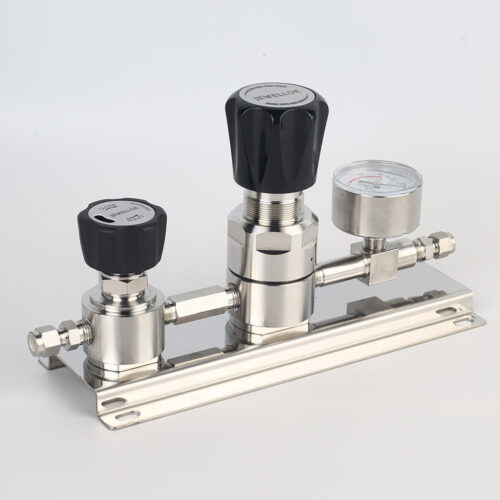
High Purity High Flow Pressure Control Regulators & Valves Gas Stick Assemblies JSR-2TG Series
-
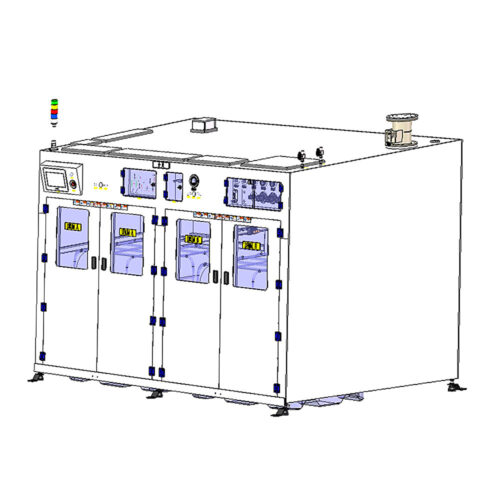
High Purity Chemical Dispense System & Packing System For Semiconductors JW-200L-CDM & JW-1000L-CDM
-
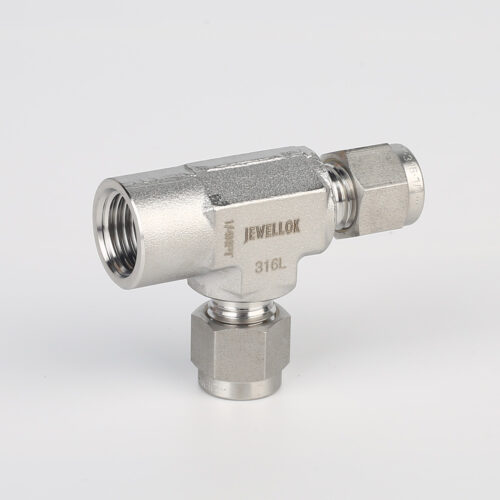
771LF Female Run Tee | Stainless Steel Tube Fitting Compression Fittings 1/4 In 3-Way Tee Female Run Tee
-
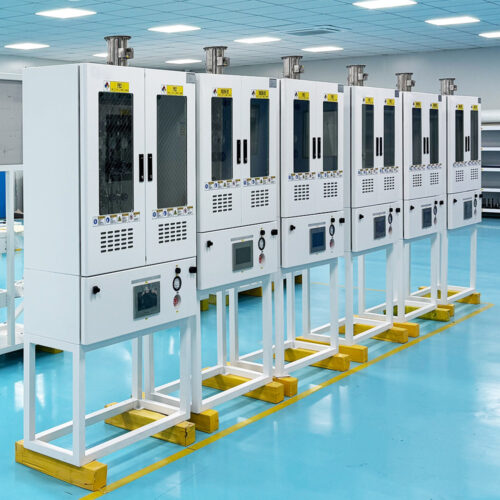
Automated Valve Manifold Box with Leak Detection for Toxic and Flammable Semiconductor Process Gases
-
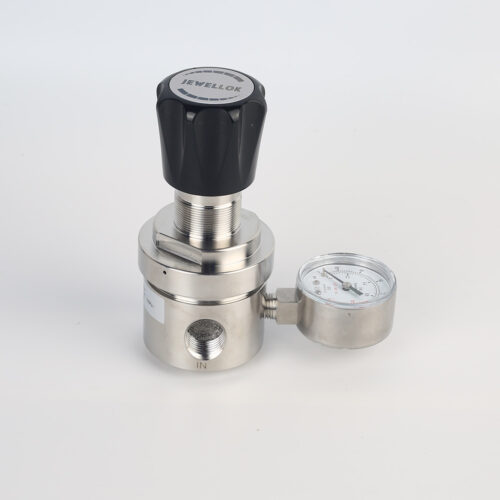
Line And Panel Mounting Adjustable Low Pressure Propane And Nitrogen Pressure Regulator JSR-3L & JSR-3LP Series
-
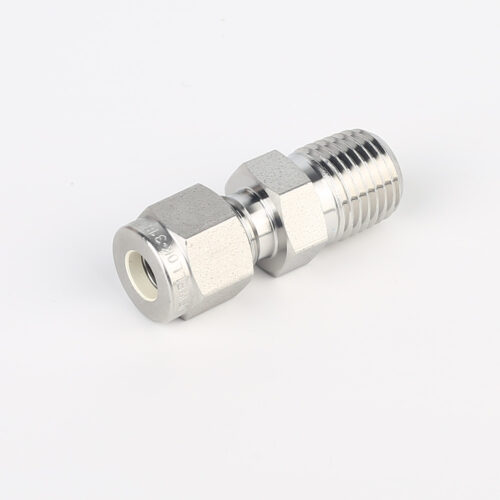
768L Stainless Steel Male Tube Butt Weld Connector | Clean Weld Fittings And Ultra-High Purity Fittings
-
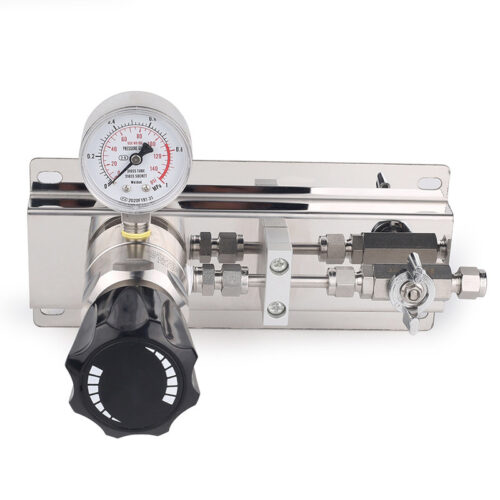
Medical Oxygen Single Stage Manual Gas Changeover Manifold Panel High-Purity Two-Stage Manual Gas Manifold Gas Pressure Control Panels