
Regulator Manufacturer Tel: +86 13380377051
Regulator Manufacturer Tel: +86 13380377051
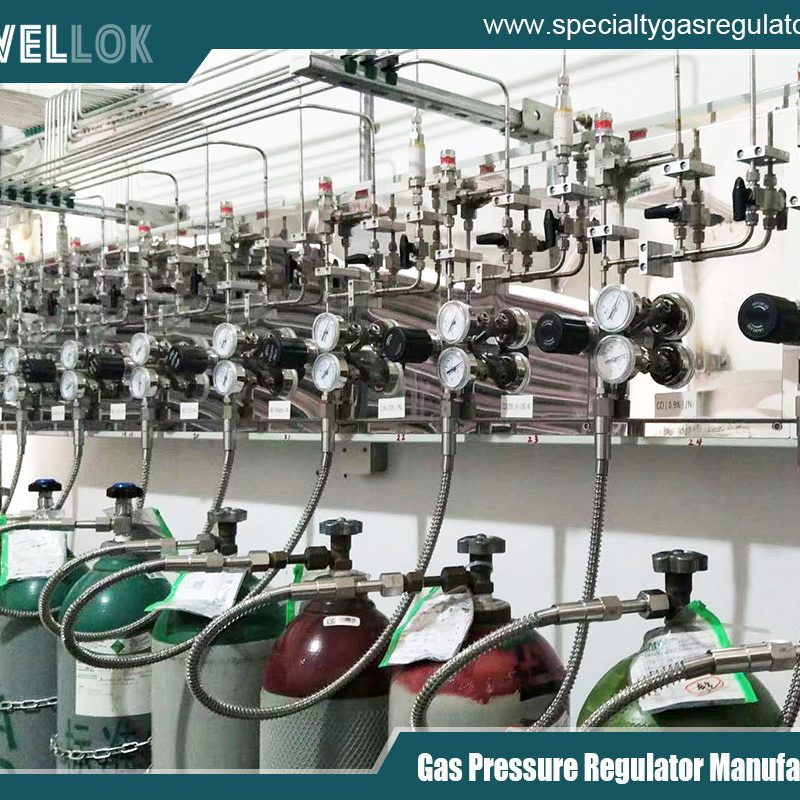
High-Performance Valves for Acidic and Corrosive Gas Delivery Systems
Introduction
In modern high-tech industries such as semiconductor manufacturing, photovoltaics, specialty chemicals, pharmaceuticals, and advanced materials processing, the safe and reliable delivery of acidic and corrosive gases is a critical requirement. Gases including hydrogen chloride (HCl), hydrogen fluoride (HF), chlorine (Cl₂), ammonia (NH₃), sulfur hexafluoride (SF₆), boron trichloride (BCl₃), and other reactive media are widely used in precision manufacturing processes. These gases are often highly toxic, corrosive, moisture-sensitive, and reactive under extreme operating conditions.
Within these complex gas delivery infrastructures, valves serve as one of the most essential control components. The performance of a valve directly affects system integrity, process stability, operator safety, contamination control, and production efficiency. Conventional industrial valves are often unable to withstand the severe corrosion, leakage risks, and purity demands associated with acidic gas handling systems. Therefore, high-performance valves specifically designed for corrosive gas applications have become indispensable in modern industrial gas delivery systems.
This article explores the technical requirements, material selection, structural design, sealing technologies, and application advantages of high-performance valves used in acidic and corrosive gas delivery systems.

Challenges of Acidic and Corrosive Gas Delivery
Transporting corrosive gases presents unique engineering challenges that go far beyond ordinary fluid control applications. Several key risks must be addressed simultaneously.
Severe Corrosion
Acidic gases can rapidly attack metallic surfaces, especially in the presence of moisture. Chlorides, fluorides, and halogen-based gases are particularly aggressive toward stainless steel and conventional elastomeric sealing materials. Corrosion can lead to:
- Material degradation
- Internal contamination
- Valve seizure
- Leakage failures
- Reduced service life
For example, hydrogen fluoride can aggressively etch glass and attack many metals, while chlorine gas may cause pitting corrosion in standard stainless steel components.
Ultra-High Purity Requirements
Semiconductor and pharmaceutical manufacturing require ultra-high purity (UHP) gas delivery environments. Even microscopic contamination particles or trace metal ions generated by valve corrosion can negatively affect product yield and process reliability.
High-performance valves must therefore maintain:
- Extremely low particle generation
- Minimal dead volume
- Smooth internal surface finishes
- Excellent chemical compatibility
Leakage Prevention
Many corrosive gases are also toxic or environmentally hazardous. Even minor leaks can threaten operator safety and damage surrounding equipment.
Gas delivery valves must achieve:
- Helium leak-tight performance
- Bubble-tight shutoff
- Reliable sealing under thermal cycling
- Long-term operational stability
Extreme Operating Conditions
Corrosive gas systems may operate under:
- High pressure
- Vacuum conditions
- Elevated temperatures
- Frequent cycling
- Rapid flow fluctuations
Valve performance must remain stable under all process conditions without compromising purity or safety.
Key Design Requirements for High-Performance Corrosive Gas Valves
To meet these demanding conditions, specialized valve technologies are required. High-performance valves for acidic gas delivery systems typically incorporate the following engineering characteristics.
Corrosion-Resistant Materials
Material selection is one of the most critical aspects of valve design.
Stainless Steel Alloys
High-grade stainless steels such as 316L VAR (Vacuum Arc Remelted) stainless steel are commonly used due to their improved corrosion resistance and low sulfur content. Electropolished 316L stainless steel provides:
- Smooth internal surfaces
- Reduced particle generation
- Enhanced corrosion resistance
- Improved cleanability
However, highly aggressive gases may require more advanced alloys.
Nickel-Based Alloys
Materials such as Hastelloy C-22 and Monel offer superior resistance against chlorides, fluorides, and oxidizing acids. These alloys are frequently used in:
- Chlorine systems
- Hydrogen fluoride handling
- Wet corrosive environments
Fluoropolymer Components
PTFE, PFA, and other fluoropolymer materials are widely utilized for seals and wetted components because of their outstanding chemical inertness.
These materials provide:
- Broad chemical compatibility
- Low outgassing
- Excellent sealing performance
- Reduced contamination risk
Advanced Sealing Technologies
Sealing integrity is vital in corrosive gas systems.
Metal-to-Metal Sealing
For ultra-high purity and hazardous gas applications, metal diaphragm sealing technologies are commonly employed. Compared with elastomeric seals, metal diaphragms offer:
- Lower permeation rates
- Better chemical resistance
- Longer service life
- Superior leak integrity
Diaphragm valves are especially popular in semiconductor gas cabinets and bulk specialty gas systems.
Bellows-Sealed Valves
Bellows-sealed valves isolate the process media from the external environment using welded metal bellows. This design significantly reduces fugitive emissions and enhances operator safety.
Advantages include:
- Zero external leakage
- High cycle life
- Excellent vacuum compatibility
- Reduced maintenance requirements
Springless Seat Designs
Some advanced valve architectures eliminate springs from wetted areas to minimize corrosion risks and particle generation. This approach improves long-term reliability in highly corrosive gas environments.
Surface Treatment and Cleanliness Standards
Internal surface quality plays a major role in maintaining gas purity and corrosion resistance.
Electropolishing
Electropolishing removes microscopic surface irregularities and contaminants from stainless steel surfaces. Benefits include:
- Reduced particle shedding
- Improved corrosion resistance
- Lower moisture retention
- Enhanced cleanability
Typical ultra-high purity systems require surface roughness values below Ra 10 μin.
Passivation
Passivation treatments strengthen the protective oxide layer on stainless steel surfaces, improving resistance against acidic attack.
Cleanroom Manufacturing
High-performance corrosive gas valves are often assembled and packaged in cleanroom environments to prevent particulate contamination before installation.
Types of Valves Used in Corrosive Gas Delivery Systems
Different valve configurations are selected depending on system requirements.
Diaphragm Valves
Diaphragm valves are among the most widely used valves in semiconductor gas delivery systems.
Key advantages:
- Excellent leak tightness
- Minimal dead volume
- High purity compatibility
- Corrosion resistance
- Precise flow control
These valves are ideal for:
- Specialty gas cabinets
- VMBs (Valve Manifold Boxes)
- Process tool gas lines
- High-purity distribution systems
Ball Valves
Corrosion-resistant ball valves are used in bulk gas systems and utility applications where higher flow capacity is required.
Features include:
- Full-port flow
- Fast shutoff
- Durable operation
- High-pressure capability
Special coatings and corrosion-resistant seats are often applied to improve durability.
Needle Valves
Needle valves provide precise flow adjustment for analytical instrumentation and low-flow gas control applications.
High-performance needle valves for corrosive gases typically incorporate:
- Fine-thread stems
- Non-rotating tips
- Metal sealing systems
- Electropolished flow paths
Check Valves
Check valves prevent reverse gas flow that may contaminate sensitive process lines or create dangerous chemical reactions.
Critical requirements include:
- Low cracking pressure
- Fast response
- Corrosion-resistant internals
- High leak integrity
Semiconductor Industry Applications
The semiconductor industry represents one of the most demanding environments for corrosive gas valve technologies.
Processes such as:
- Chemical Vapor Deposition (CVD)
- Atomic Layer Deposition (ALD)
- Plasma Etching
- Ion Implantation
require highly reactive process gases delivered with exceptional precision and purity.
Specialty gases commonly used include:
- HCl
- Cl₂
- WF₆
- NF₃
- BCl₃
- SiH₄
- PH₃
Valve failures in these applications can lead to:
- Wafer contamination
- Production downtime
- Yield loss
- Safety incidents
Therefore, semiconductor-grade valves are manufactured under strict standards including:
- SEMI compliance
- Ultra-high purity cleaning
- Helium leak testing
- Particle count validation
Safety Considerations in Corrosive Gas Systems
Safety remains a top priority in all acidic gas handling applications.
Leak Detection Compatibility
Valves must integrate seamlessly with gas monitoring and leak detection systems. High-integrity sealing reduces the likelihood of hazardous emissions.
Fire and Explosion Prevention
Certain corrosive gases are also flammable or reactive. Valve materials must resist ignition and prevent static accumulation.
Emergency Shutoff Capability
Automated pneumatic or actuated valves are frequently installed to enable rapid emergency isolation during abnormal conditions.
Regulatory Compliance
Valve systems must comply with international standards such as:
- SEMI standards
- ASTM standards
- ISO requirements
- CGA guidelines
- Pressure equipment regulations
Emerging Trends in Corrosive Gas Valve Technology
As industrial processes become more advanced, valve technologies continue to evolve.
Smart Valve Integration
Modern gas delivery systems increasingly incorporate:
- Digital monitoring
- Pressure sensors
- Position feedback
- Predictive maintenance diagnostics
Smart valves improve:
- Process visibility
- Equipment uptime
- Safety management
- Remote operation capability
Miniaturization
Semiconductor equipment manufacturers demand smaller valve footprints to maximize tool integration and reduce dead space.
Compact valve designs now offer:
- Faster purge cycles
- Reduced gas consumption
- Improved process efficiency
Enhanced Surface Coatings
Advanced coating technologies such as:
- DLC (Diamond-Like Carbon)
- Nickel plating
- Ceramic coatings
are being explored to further improve corrosion resistance and wear durability.
Sustainable Manufacturing
Manufacturers are also focusing on:
- Reduced fugitive emissions
- Longer service intervals
- Recyclable materials
- Energy-efficient production methods
to support global sustainability initiatives.
Selecting the Right Valve for Corrosive Gas Applications
Choosing the correct valve requires careful evaluation of several factors:
Gas Compatibility
The valve material must be chemically compatible with the target gas under all operating conditions.
Pressure and Temperature Ratings
System operating ranges must align with valve design specifications.
Purity Requirements
Ultra-high purity applications demand specialized cleaning, packaging, and surface finishing processes.
Flow Characteristics
Valve sizing and internal geometry should support stable flow performance and minimal pressure drop.
Maintenance and Reliability
Long service life and low maintenance requirements reduce operational costs and downtime.
Conclusion
High-performance valves are fundamental components in acidic and corrosive gas delivery systems across semiconductor, chemical, pharmaceutical, and advanced manufacturing industries. These specialized valves must deliver exceptional corrosion resistance, ultra-high purity performance, reliable sealing integrity, and long-term operational stability under highly demanding conditions.
Through advanced materials, precision engineering, metal sealing technologies, electropolished surfaces, and clean manufacturing processes, modern corrosive gas valves help ensure safe, efficient, and contamination-free gas delivery operations.
As industrial technologies continue to evolve toward higher precision and greater environmental responsibility, the demand for innovative high-performance valve solutions will continue to grow. Manufacturers capable of delivering reliable, ultra-clean, and corrosion-resistant valve technologies will play a critical role in supporting the future of advanced industrial gas control systems.
For more about high-performance valves for acidic and corrosive gas delivery systems, you can pay a visit to Jewellok at https://www.specialtygasregulator.com/product-category/specialty-gas-cabinet/ for more info.
-
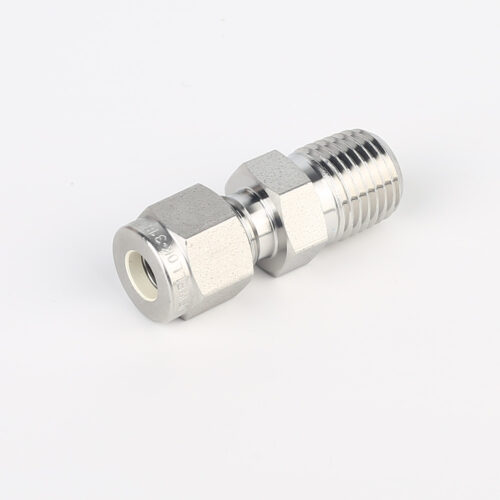
768L Stainless Steel Male Tube Butt Weld Connector | Clean Weld Fittings And Ultra-High Purity Fittings
-
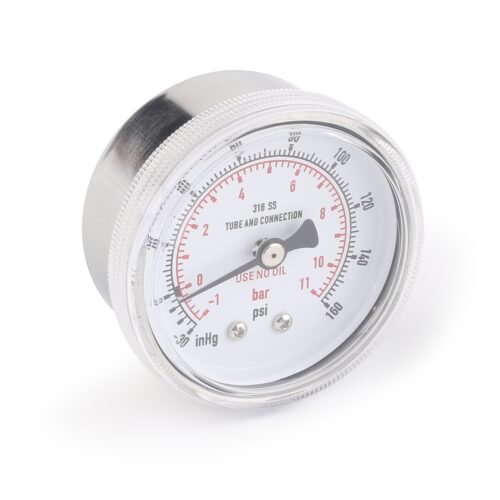
Ultra High Purity Pressure Gauge For Laboratory And Semiconductor JR Series
-
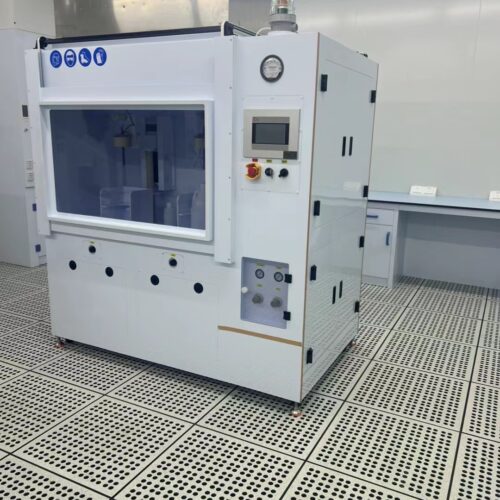
Custom VMB Valve Manifold Boxes for Enhanced Tool Isolation and Maximum Uptime in Complex Chemical Distribution Networks
-
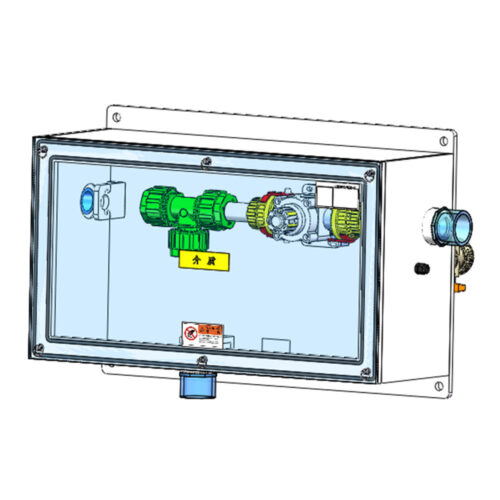
FT-BOX JW-FTB-C Valve Manifold Panels And Boxes With High Purity Configurable Systems
-
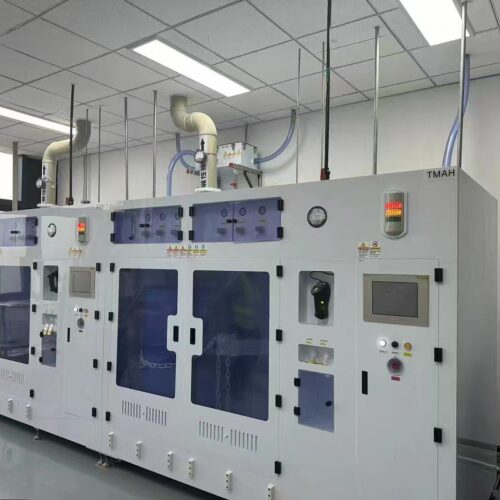
Vertical Laminar Flow Workstation (VLF) With Chemical Concentration Monitor
-
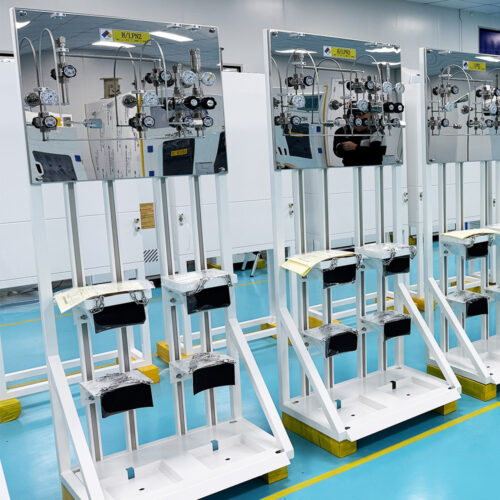
Fully Automated Gas Cabinet for Safe Ultra High Purity Specialty Gas Delivery in Semiconductor Manufacturing
-
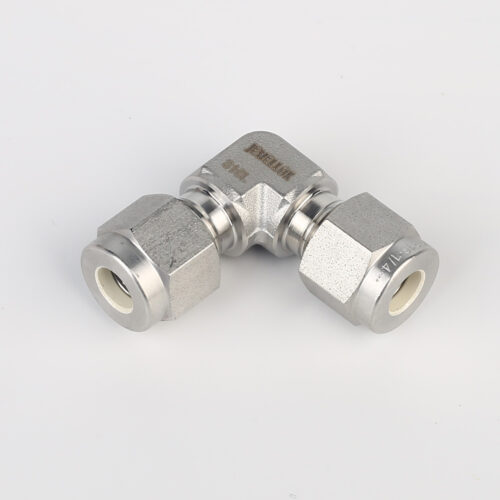
765L Stainless Steel Union Elbow Reducing High Purity Fitting Tubing Extension Tubing Connection
-
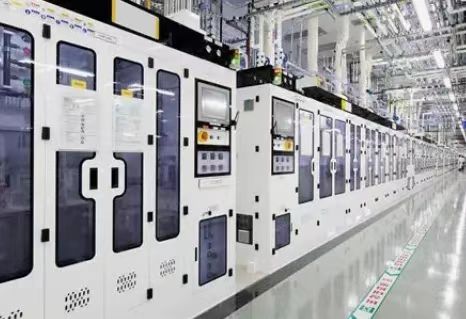
Automatic Chemical Delivery Module (CDM) and Chemical Delivery System (CDS) for Precise Point of Use Blending and Dilution