
Regulator Manufacturer Tel: +86 13380377051
Regulator Manufacturer Tel: +86 13380377051
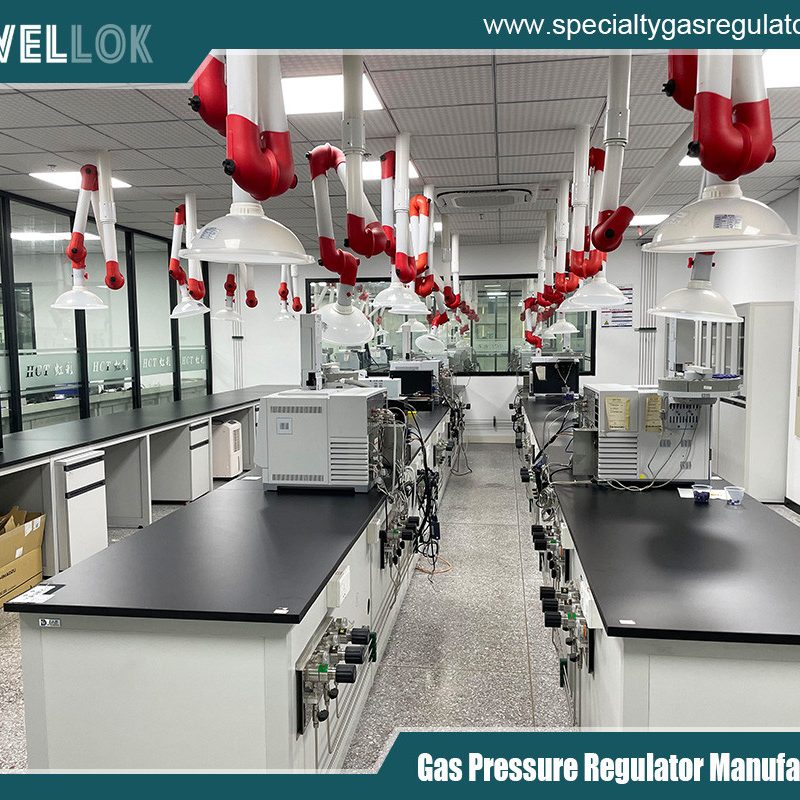
High-Purity Laboratory Gas Pipeline System for Safe and Reliable Gas Delivery
A high-purity laboratory gas pipeline system is a critical infrastructure solution for laboratories that require clean, stable, and reliable gas delivery. From analytical laboratories and research institutions to pharmaceutical facilities, semiconductor laboratories, universities, and testing centers, laboratory gases must be transported from cylinders, bulk gas sources, or gas supply equipment to points of use without compromising purity, pressure stability, or operational safety.
Unlike ordinary industrial gas piping, a high-purity laboratory gas pipeline system must be designed around contamination control, pressure management, leak prevention, material compatibility, and safe gas distribution. Gases such as nitrogen (N₂), oxygen (O₂), argon (Ar), helium (He), hydrogen (H₂), carbon dioxide (CO₂), and specialty gases may have different pressure, purity, and compatibility requirements. Therefore, selecting suitable tubing, valves, regulators, fittings, manifolds, and monitoring components is essential for maintaining consistent gas quality throughout the distribution network.

What Is a High-Purity Laboratory Gas Pipeline System?
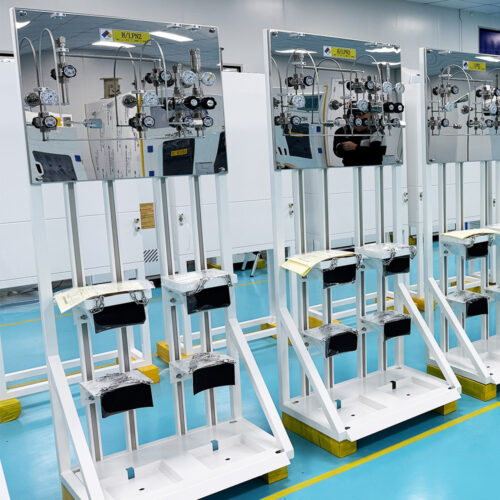
A high-purity laboratory gas pipeline system is an engineered network used to transport purified or specialty gases from a centralized gas source to one or more laboratory instruments or process stations.
A typical system may include:
- High-purity gas cylinders or bulk gas sources
- Gas cylinder manifolds
- Automatic or semi-automatic changeover systems
- High-purity pressure regulators
- Stainless steel tubing
- Diaphragm or bellows-sealed valves
- VCR or orbital-welded fittings
- Pressure gauges and transmitters
- Gas distribution manifolds
- Point-of-use regulators
- Gas detection and alarm systems
- Purge and vent lines
- Emergency shut-off systems
The system configuration depends on the type of gas, required flow rate, operating pressure, purity specification, number of points of use, and laboratory safety requirements.
For analytical applications, even a small amount of moisture, oxygen, hydrocarbons, particles, or other contaminants can affect measurement accuracy. Consequently, the pipeline itself must be treated as part of the laboratory gas purification and delivery process.
Why High-Purity Gas Piping Matters
The quality of gas at the cylinder does not automatically guarantee the quality of gas delivered to an instrument.
During transportation, gas can become contaminated through inappropriate tubing materials, poorly prepared fittings, dead volumes, elastomer degradation, particles, moisture adsorption, or leaks. These problems can be particularly significant in laboratories using sensitive analytical instruments.
For example, gas chromatography may require high-purity carrier and detector gases. Mass spectrometry systems can require stable and extremely clean gas supplies. Semiconductor research laboratories may use specialty and corrosive gases where both contamination and safety are major concerns.
A properly engineered laboratory gas pipeline minimizes these risks by controlling the entire gas path from the source to the point of use.
Key Components of a Laboratory Gas Pipeline
1. High-Purity Gas Tubing
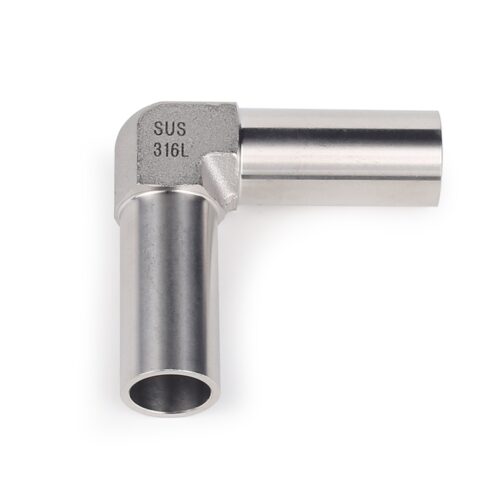
Tubing forms the primary gas transportation path. Stainless steel, particularly high-quality 316L stainless steel, is commonly selected for high-purity applications because of its mechanical strength, corrosion resistance, and compatibility with many laboratory gases.
For demanding applications, internally polished tubing can help reduce surface roughness and minimize locations where contaminants or moisture can accumulate.
Tube dimensions should be selected according to required flow rate, pressure drop, gas properties, and installation distance. Oversized or undersized tubing can negatively affect system performance.
2. High-Purity Valves
Valves control isolation, distribution, purging, and emergency shut-off functions.
For high-purity gas systems, diaphragm-sealed valves are frequently used because the sealing mechanism can reduce potential contamination and minimize internal dead volume. Bellows-sealed valves are another option for applications requiring high integrity and low leakage.
Valve selection should consider:
- Gas type
- Operating pressure
- Temperature
- Flow rate
- Purity requirements
- Corrosion characteristics
- Connection type
- Required leak rate
- Maintenance requirements
For sensitive laboratory applications, valve internal surfaces and wetted materials should be carefully specified.
3. Gas Regulators
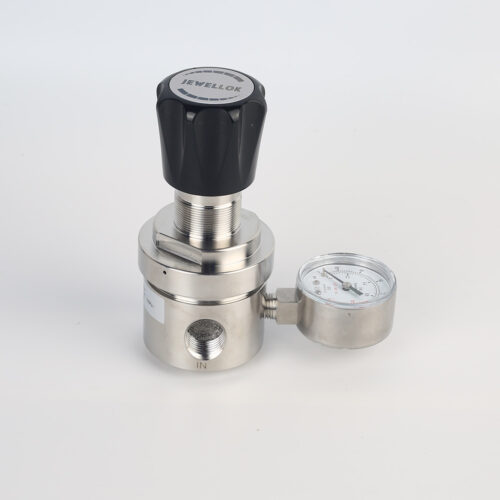
Gas regulators reduce the high pressure of a cylinder or supply source to a controlled delivery pressure.
A laboratory gas system may use multiple pressure-control stages. A high-pressure regulator can reduce cylinder pressure, while a point-of-use regulator provides more precise pressure control near the instrument.
For high-purity service, regulators should have suitable wetted materials, low internal volume, reliable diaphragm construction, and appropriate leak-tight connections.
Pressure stability is particularly important for instruments whose performance depends on consistent gas flow.
4. Gas Manifolds and Changeover Systems
Laboratories that consume significant quantities of gas may use multiple cylinders connected through a manifold.
A manual manifold requires operators to switch cylinders when the primary source becomes empty. An automatic changeover manifold can switch from the primary bank to the reserve bank according to pressure conditions.
This approach can reduce supply interruptions and improve laboratory productivity.
For critical applications, the changeover system can incorporate pressure indication, alarms, purge functions, and remote monitoring.
5. High-Purity Fittings
Fittings are one of the most important areas for contamination and leakage control.
Compression fittings can be used for certain laboratory installations, while face-seal fittings such as VCR-type connections are often selected where high integrity and clean service are required.
The number of unnecessary connections should be minimized. Proper installation, tube preparation, cleaning, alignment, and tightening procedures are equally important.
Materials Selection for Laboratory Gas Systems
Material compatibility should always be evaluated according to the gas being transported.
316L stainless steel is widely used for high-purity gas distribution because it provides a useful combination of corrosion resistance, mechanical strength, and surface cleanliness.
However, stainless steel is not automatically suitable for every gas and every operating condition. Reactive, corrosive, oxidizing, toxic, or specialty gases require detailed compatibility analysis.
For example, hydrogen service requires consideration of material compatibility and leak prevention, while corrosive gases may require specialized components and surface treatments.
Polymers such as PTFE and other fluoropolymers may be suitable for selected applications, but their permeability, mechanical properties, temperature limitations, and chemical compatibility must be evaluated before use.
Welding and Connection Technology
The connection method has a direct impact on system cleanliness and reliability.
Orbital welding is commonly used in high-purity gas distribution because it can produce repeatable, clean, and low-contamination permanent joints when properly controlled.
An engineered orbital-welded system can reduce the number of mechanical connections and minimize potential leakage points.
However, welding quality depends on several factors, including:
- Tube preparation
- Welding parameters
- Shielding gas
- Alignment
- Surface cleanliness
- Welder qualification
- Inspection procedures
After installation, the system should be appropriately tested for pressure integrity and leakage.
Gas Purity and Contamination Control
Maintaining gas purity requires more than using high-purity gas at the source.
The entire delivery system should be designed to prevent contamination. Important considerations include internal surface finish, cleaning procedures, component selection, dead-leg reduction, purge capability, and connection integrity.
Common contaminants include:
- Oxygen
- Moisture
- Hydrocarbons
- Particles
- Process residues
- Atmospheric air
Moisture can be particularly problematic because internal metal surfaces may adsorb water during installation or periods when the system is exposed to ambient conditions.
A proper purge procedure can help remove residual atmospheric gases before the laboratory system is placed into operation.
Pressure and Flow Control
A reliable laboratory gas pipeline must deliver gas at the pressure and flow rate required by the connected equipment.
Pressure losses can occur because of long tubing runs, small tube diameters, valves, fittings, filters, regulators, and changes in elevation.
System designers should calculate pressure drop rather than selecting tubing sizes solely according to the connection size of the instrument.
Flow requirements should also be considered during peak demand. A system serving multiple instruments may experience simultaneous gas consumption, which can affect pressure stability if the supply system is undersized.
A well-designed system balances source pressure, distribution pressure, flow demand, regulator capacity, and point-of-use requirements.
Laboratory Gas Pipeline Safety
Safety is a fundamental requirement when designing any laboratory gas delivery system.
Different gases present different hazards. Oxygen supports combustion, hydrogen is highly flammable, toxic gases can create serious exposure hazards, and corrosive gases can damage equipment and infrastructure.
A comprehensive system may therefore include:
- Gas leak detection
- Local and remote alarms
- Emergency shut-off valves
- Ventilation
- Pressure relief devices
- Cylinder restraints
- Clearly labeled gas lines
- Purge systems
- Exhaust or vent connections
- Automatic monitoring
Gas cylinders should be securely stored and connected using appropriate regulators and fittings. Pipeline layouts should also provide sufficient access for inspection and maintenance.
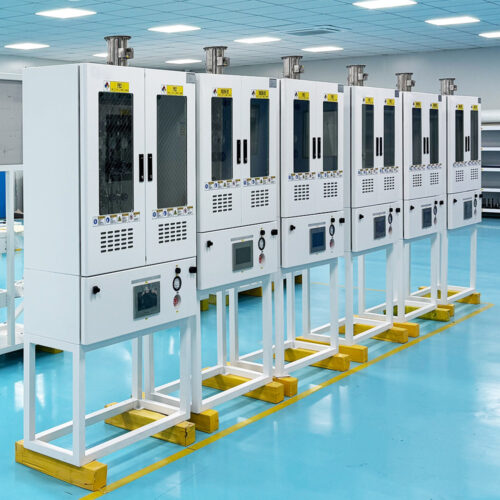
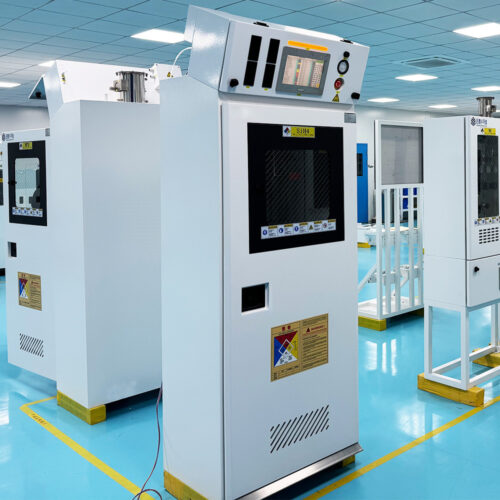
Toxic or hazardous specialty gases may require dedicated gas cabinets, exhaust systems, automatic shut-off functions, and continuous monitoring according to applicable regulations and facility requirements.
Designing a Reliable Laboratory Gas Distribution Network
The design process should begin with a clear understanding of laboratory requirements.
Engineers should identify the gas types, gas purity grades, source pressure, required delivery pressure, flow rate, number of points of use, operating schedule, and future expansion requirements.
The pipeline layout should then be designed to minimize unnecessary bends, dead legs, connection points, and excessive pressure drops.
Centralized gas distribution can offer advantages when many instruments require the same gas. Instead of connecting individual cylinders to every instrument, a centralized system can distribute gas through controlled pipelines.
This can improve space utilization, simplify cylinder management, and provide a more consistent supply.
Installation, Testing, and Commissioning
Even a well-designed system can fail if installation and commissioning are not properly controlled.
Before installation, high-purity tubing and components should be protected from dust, moisture, and other contaminants. Open tube ends should remain sealed whenever possible.
After installation, typical commissioning procedures may include:
- Visual inspection
- Connection verification
- Pressure testing
- Leak testing
- Purging
- Flow verification
- Regulator adjustment
- Alarm testing
- Point-of-use verification
- Final documentation
For critical applications, helium leak testing may be considered when very low leakage rates are required.
Documentation should include pipeline drawings, component specifications, pressure ratings, gas identification, test results, and maintenance information.
Maintenance of High-Purity Gas Pipelines
Regular maintenance helps preserve gas purity and system reliability.
Operators should periodically inspect regulators, valves, fittings, gauges, alarms, tubing, and cylinder connections. Any abnormal pressure fluctuation, unexpected gas consumption, alarm activation, or suspected leak should be investigated promptly.
Filters and purification components, where installed, should be replaced according to operating conditions and manufacturer recommendations.
Maintenance procedures should also avoid introducing contamination into the gas path. When components are replaced, proper cleaning, sealing, purging, and leak testing procedures should be followed.
Choosing a High-Purity Laboratory Gas Pipeline Supplier
Selecting a qualified supplier is important because laboratory gas systems combine mechanical engineering, gas handling, contamination control, and safety requirements.
A capable supplier should be able to provide customized solutions rather than only standard components.
Important evaluation criteria include:
- Experience with high-purity gas systems
- Knowledge of laboratory and specialty gases
- 316L stainless steel and high-purity component options
- High-integrity valve and regulator solutions
- Orbital welding capability
- Leak testing and pressure testing
- Customized gas manifolds
- Gas changeover systems
- Documentation and quality control
- After-sales technical support
For laboratories with complex requirements, the supplier should be able to review the complete gas delivery architecture and recommend suitable components for each section.
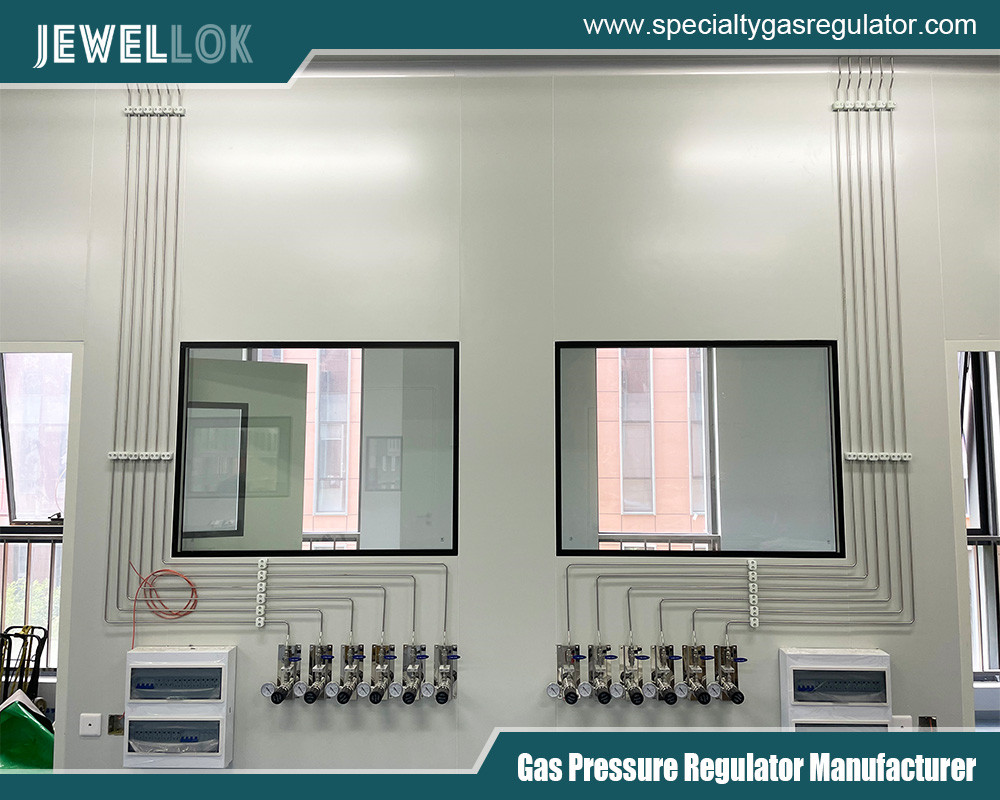
Conclusion
A high-purity laboratory gas pipeline system is more than a network of tubes and valves. It is an integrated gas delivery infrastructure designed to maintain gas purity, pressure stability, flow consistency, and operational safety from the source to the point of use.
The selection of 316L stainless steel tubing, high-purity valves, reliable regulators, leak-tight fittings, appropriate manifolds, and effective monitoring equipment can significantly influence system performance. Proper welding, cleaning, purging, pressure testing, and commissioning are equally important.
For laboratories handling analytical, research, pharmaceutical, semiconductor, or specialty gases, a professionally engineered gas pipeline system provides a controlled and dependable foundation for laboratory operations. By considering gas compatibility, purity requirements, pressure and flow demand, contamination control, safety, and future expansion during the design stage, laboratories can build a gas distribution network that supports accurate results, stable equipment operation, and long-term reliability.
For more about high-purity laboratory gas pipeline system for safe and reliable gas delivery, you can pay a visit to Jewellok at https://www.specialtygasregulator.com/product-category/specialty-gas-cabinet/ for more info.
-
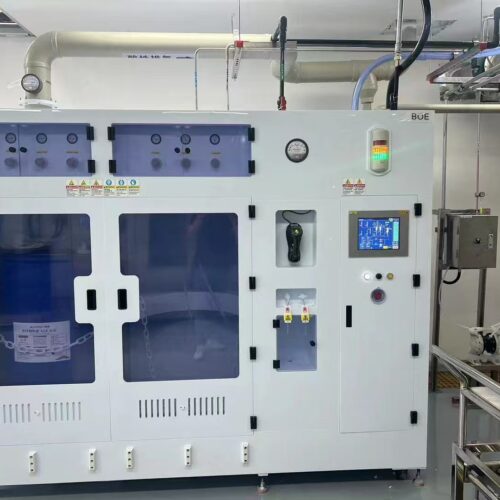
High Purity Bulk Chemical Delivery System and Automatic CDU for Advanced Semiconductor Manufacturing and Fabrication
-
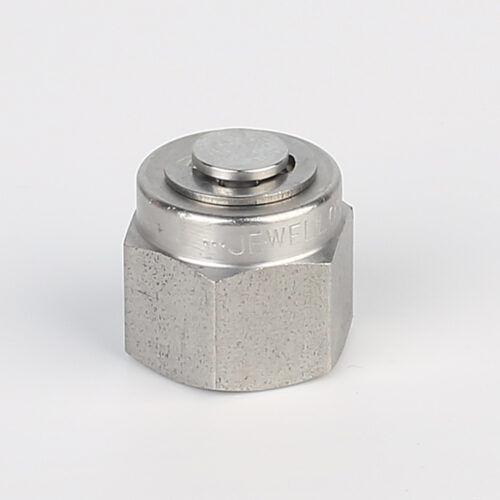
7121L Plug High Purity Plug Fitting And Blanking Plug
-
High Purity Stainless Steel Mini Tube Butt Weld Fittings For Semiconductor
-
UHP Liquid Chemical Delivery Systems with Nitrogen Blanketing and Secondary Containment for Hazardous Industrial Chemical Processing
-
Line And Panel Mounting Adjustable Low Pressure Propane And Nitrogen Pressure Regulator JSR-3L & JSR-3LP Series
-
Advanced Bulk Specialty Gas Systems BSGS Gas Cabinet for Safe Handling of Toxic and Flammable Process Gases
-
Fully Automated Gas Cabinet For Precise UHP Gas Delivery And High Purity Gas Delivery Systems JW-300-GC
-
Fully Automated Gas Cabinet for Safe Ultra High Purity Specialty Gas Delivery in Semiconductor Manufacturing