
Regulator Manufacturer Tel: +86 13380377051
Regulator Manufacturer Tel: +86 13380377051
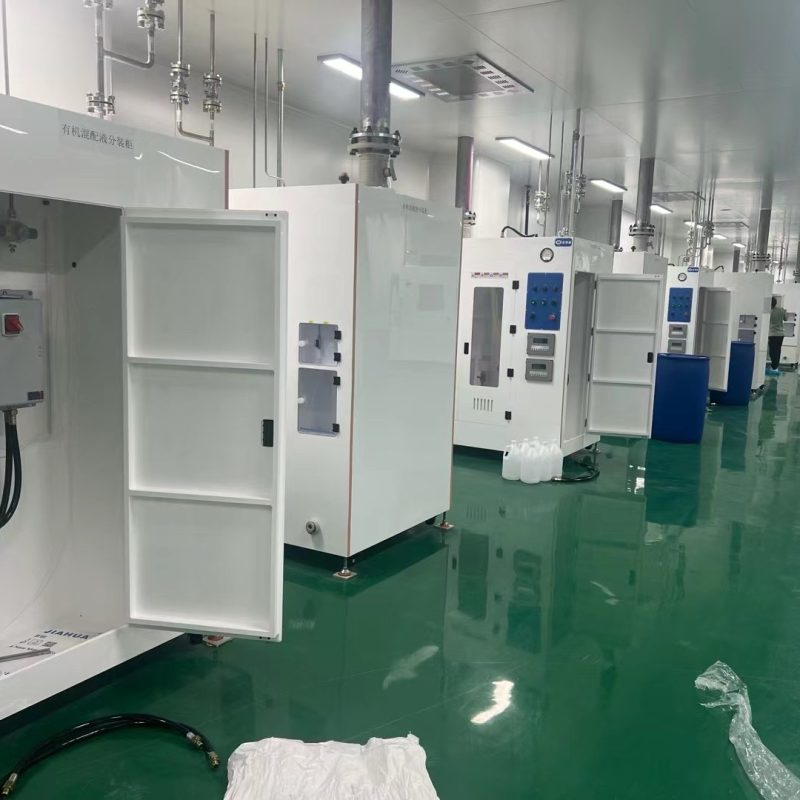
Laboratory Gas Scrubber and Exhaust Gas Treatment System: Complete Guide
Introduction
Laboratories, research institutions, semiconductor manufacturing facilities, pharmaceutical companies, chemical processing plants, and educational institutions frequently use hazardous gases and chemicals during their daily operations. These processes may generate toxic gases, corrosive vapors, acidic fumes, alkaline emissions, volatile organic compounds (VOCs), and other harmful air pollutants.
If these contaminants are released without proper treatment, they can create serious risks to laboratory personnel, damage equipment, corrode ventilation systems, and negatively affect the surrounding environment. Therefore, installing an effective laboratory gas scrubber and exhaust gas treatment system is essential for maintaining workplace safety and meeting environmental emission requirements.
A laboratory gas scrubber is an air pollution control device designed to remove harmful contaminants from exhaust streams before the treated gas is discharged. Depending on the gas composition and application, the treatment system may use wet scrubbing, chemical neutralization, adsorption, filtration, or other gas treatment technologies.
However, selecting the right exhaust gas treatment system requires more than simply choosing a scrubber based on its capacity. Engineers must consider gas composition, exhaust flow rate, contaminant concentration, chemical compatibility, temperature, pressure drop, removal efficiency, and maintenance requirements.
This complete guide explains how laboratory gas scrubbers work, the main types of exhaust gas treatment systems, key design considerations, common applications, maintenance requirements, and how to select a reliable laboratory gas scrubber manufacturer.
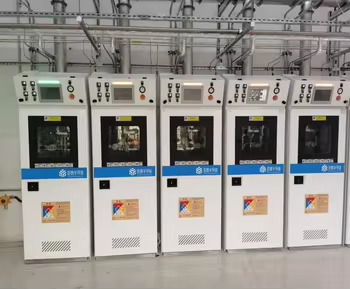
1. What Is a Laboratory Gas Scrubber?
A laboratory gas scrubber is an air pollution control system used to remove hazardous gases, chemical vapors, and particulate contaminants from laboratory exhaust streams.
The system generally consists of several major components:
- Scrubber tower or treatment chamber.
- Gas inlet and outlet ductwork.
- Spray nozzles or liquid distribution system.
- Packing materials, where applicable.
- Circulation pump.
- Chemical storage and dosing tank.
- Mist eliminator.
- Exhaust fan.
- Monitoring and control instruments.
- Drainage and wastewater discharge system.
In a typical wet scrubber, contaminated exhaust gas enters the treatment tower and comes into contact with a circulating liquid. Depending on the application, the liquid may contain water, sodium hydroxide, sodium carbonate, or another suitable chemical solution.
As the gas and liquid interact, soluble contaminants transfer from the gas phase into the liquid phase. Chemical reactions may then neutralize or convert the contaminants into less hazardous compounds.
The treated gas passes through a mist eliminator to remove entrained liquid droplets before being discharged through the exhaust system.
The resulting wastewater must be collected and managed according to its chemical composition and applicable environmental requirements.
2. How Does a Laboratory Gas Scrubber Work?
The operating principle of a wet laboratory gas scrubber is based on gas-liquid mass transfer and, where required, chemical absorption and neutralization.
The treatment process generally involves five stages.
Stage 1: Exhaust Gas Collection
Contaminated gases generated by laboratory equipment, fume hoods, chemical reactors, gas cabinets, or experimental processes are collected through an exhaust duct system.
The ductwork transports the contaminated gas to the scrubber inlet.
Proper duct design is important because insufficient exhaust velocity, leakage, or poor balancing may affect the overall treatment performance.
Stage 2: Gas-Liquid Contact
The exhaust gas enters the scrubber tower and contacts the circulating scrubbing liquid.
In a packed-bed scrubber, the packing creates a large surface area for gas-liquid interaction.
The liquid flows downward across the packing while the gas generally flows upward. This countercurrent arrangement improves contact time and mass-transfer efficiency.
Common packing materials include polypropylene (PP), polyvinylidene fluoride (PVDF), and other chemically compatible materials.
Stage 3: Chemical Absorption and Neutralization
Acidic or alkaline contaminants are absorbed into the scrubbing liquid.
For example, sodium hydroxide can be used to neutralize certain acidic gases.
A simplified reaction between hydrochloric acid gas and sodium hydroxide is:
HCl + NaOH → NaCl + H₂O
For sulfur dioxide, a simplified reaction under suitable conditions is:
SO₂ + 2NaOH → Na₂SO₃ + H₂O
The actual chemical reactions and operating conditions depend on the contaminant composition, solution chemistry, temperature, and oxidation conditions.
Stage 4: Mist Removal
After passing through the packing section, the treated gas may contain entrained liquid droplets.
A mist eliminator removes these droplets before the gas leaves the scrubber.
This helps reduce liquid carryover, downstream duct contamination, and chemical emissions associated with entrained droplets.
Stage 5: Treated Gas Discharge
The exhaust fan maintains the required airflow through the treatment system.
After treatment and mist removal, the exhaust gas is discharged through the designated outlet or stack.
Continuous monitoring may be required to verify that the system maintains the required treatment performance.
3. Main Types of Laboratory Gas Scrubbers
Different laboratory processes generate different types of pollutants. Therefore, the appropriate scrubber technology must be selected according to the chemical and physical properties of the exhaust gas.
3.1 Wet Chemical Scrubber
<AsyncImage query=”industrial wet chemical packed bed gas scrubber tower industrial exhaust treatment system” aspectRatio=”16:9″ width=”100%”/>
Wet chemical scrubbers use a liquid solution to absorb and neutralize water-soluble contaminants.
They are commonly used for treating:
- Hydrochloric acid (HCl).
- Sulfur dioxide (SO₂).
- Hydrogen fluoride (HF), with suitable system materials and chemistry.
- Chlorine (Cl₂), using an appropriately designed treatment chemistry.
- Other water-soluble acidic or alkaline gases.
The main advantages include high removal efficiency for suitable contaminants, relatively continuous operation, and flexible chemical treatment options.
However, wet scrubbers require careful control of liquid circulation, pH, chemical concentration, wastewater quality, and corrosion resistance.
3.2 Acid Gas Neutralization Scrubber
<AsyncImage query=”acid gas neutralization packed tower scrubber industrial chemical exhaust treatment” aspectRatio=”16:9″ width=”100%”/>
An acid gas neutralization scrubber is specifically designed to remove acidic gases through absorption and chemical neutralization.
Alkaline chemicals such as sodium hydroxide are commonly used, depending on the target gas and process requirements.
These systems are widely applied in:
- Chemical laboratories.
- Semiconductor manufacturing.
- Surface treatment facilities.
- Pharmaceutical production.
- Chemical storage and handling areas.
Proper pH control, liquid distribution, and chemical dosing are essential for maintaining stable neutralization efficiency.
3.3 Dry Scrubber
<AsyncImage query=”industrial dry chemical sorbent injection exhaust gas treatment system” aspectRatio=”16:9″ width=”100%”/>
Dry scrubbers remove selected pollutants using solid chemical sorbents rather than circulating liquid.
Common sorbents include activated carbon, hydrated lime, and sodium-based materials.
The technology can be useful where wastewater generation must be minimized or where particular contaminants are better treated through adsorption or solid-phase chemical reactions.
However, dry scrubbers require appropriate sorbent selection, contact design, dust collection, and spent-material management.
3.4 Activated Carbon Adsorption System
<AsyncImage query=”industrial activated carbon adsorption filter vessel exhaust gas treatment system” aspectRatio=”16:9″ width=”100%”/>
Activated carbon systems remove selected contaminants through adsorption onto a highly porous carbon surface.
They are commonly used for certain VOCs, solvent vapors, and organic chemical emissions.
Some specialized activated carbon media can also be used for selected inorganic gases, depending on the media impregnation and chemical compatibility.
Activated carbon systems are not universal solutions for all toxic or corrosive gases. Media selection must consider humidity, temperature, contaminant concentration, adsorption capacity, and potential chemical reactions.
3.5 Hybrid Exhaust Gas Treatment System
Some laboratories generate multiple pollutants that cannot be effectively treated using a single technology.
A hybrid system may combine:
- Wet chemical scrubbing.
- Activated carbon adsorption.
- Particulate filtration.
- Specialized gas treatment units.
- Additional polishing stages.
For example, a laboratory exhaust system may use a wet scrubber to remove acidic gases followed by an adsorption stage to control selected residual organic contaminants.
The actual treatment sequence should be determined through process characterization and engineering evaluation.
4. Common Laboratory Exhaust Gases and Their Treatment Methods
Understanding the chemical characteristics of exhaust gases is essential when selecting an appropriate scrubber.
| Exhaust gas or contaminant | Typical treatment approach | Key considerations |
|---|---|---|
| HCl | Alkaline wet scrubber | Corrosion resistance and pH |
| HF | Specialized wet scrubbing | Material and chemical compatibility |
| SO₂ | Alkaline wet scrubber | Chemical concentration and oxidation |
| Cl₂ | Specialized chemical scrubber | Reaction chemistry and safety |
| NH₃ | Water or acid scrubbing | Absorption and pH control |
| VOCs | Activated carbon or oxidation | Adsorption capacity and concentration |
| Silane (SiH₄) | Specialized gas abatement | Pyrophoric gas safety |
| Particulate emissions | Filtration or suitable wet treatment | Particle size and loading |
An important consideration is that not all hazardous gases can be safely or effectively treated by conventional wet scrubbing.
For example, silane is a pyrophoric gas that can ignite spontaneously under certain conditions. Its treatment generally requires specialized abatement equipment designed for the specific gas composition and process conditions.
Similarly, chlorine requires carefully engineered chemical treatment because its reaction behavior and potential secondary products must be considered.
A professional exhaust gas treatment design should always be based on the actual gas composition rather than a general assumption that one scrubber can handle every contaminant.
5. Key Design Considerations for Laboratory Gas Scrubber Systems
Selecting the correct scrubber capacity and configuration is essential for reliable operation.
5.1 Exhaust Gas Flow Rate
The exhaust gas flow rate determines the required treatment capacity of the system.
Engineers should calculate the maximum expected exhaust volume under normal and abnormal operating conditions.
The design should consider the number of connected fume hoods, gas cabinets, process tools, and exhaust branches.
For systems serving multiple laboratories, simultaneous equipment operation and exhaust diversity factors should be evaluated.
An undersized scrubber may experience excessive gas velocity and insufficient contact time, while an oversized system may increase capital and operating costs.
5.2 Gas Composition and Concentration
The chemical composition of the exhaust gas determines the required treatment technology.
Engineers need to identify:
- Target contaminants.
- Inlet gas concentration.
- Chemical reactivity.
- Water solubility.
- Temperature.
- Potential interactions between different gases.
- Expected changes in process conditions.
For mixed-gas applications, the design must consider possible chemical reactions between contaminants and scrubbing chemicals.
5.3 Scrubber Material Selection
Material selection directly affects equipment durability and maintenance costs.
Common construction materials include:
Polypropylene (PP): Frequently used for many laboratory acid and alkaline exhaust applications because of its chemical resistance and relatively low cost.
PVDF: Offers broader chemical and temperature resistance in certain applications and is often considered for more demanding chemical environments.
FRP: Can be suitable for certain corrosive exhaust applications when the resin system and construction are correctly selected.
Stainless steel: Used in selected applications where its corrosion resistance is suitable for the actual gas and liquid chemistry. Ordinary stainless steel should not automatically be assumed suitable for all acid gas environments.
Material selection should consider chemical concentration, temperature, pressure, mechanical loading, and expected service life.
5.4 Packing Height and Contact Time
In packed-bed scrubbers, packing height and type influence mass-transfer performance.
A larger effective contact area can improve absorption, but the required packing height depends on gas composition, liquid-to-gas ratio, reaction kinetics, and target removal efficiency.
Engineers must also consider pressure drop and the risk of flooding.
Simply increasing packing height does not guarantee better performance if the liquid distribution system is inadequate.
5.5 Liquid-to-Gas Ratio
The liquid-to-gas ratio is an important operating parameter in wet scrubbers.
Insufficient liquid circulation may lead to poor packing wetting and inadequate contaminant absorption.
Excessive liquid flow may increase pumping energy, pressure drop, and liquid entrainment.
The optimal ratio should be established through engineering calculations, equipment specifications, and operating experience.
5.6 Exhaust Fan and Pressure Drop
The exhaust fan must overcome the total system resistance, including:
- Scrubber packing.
- Mist eliminator.
- Ductwork.
- Filters.
- Dampers.
- Other connected equipment.
An improperly selected fan may result in insufficient exhaust flow or excessive energy consumption.
The design should consider both clean and expected fouled operating conditions.
6. Common Problems with Laboratory Gas Scrubbers
Even a properly designed exhaust gas treatment system requires regular inspection and maintenance.
Several common problems can reduce treatment efficiency.
6.1 Low Gas Removal Efficiency
Possible causes include insufficient chemical concentration, low liquid circulation, poor gas-liquid contact, incorrect pH, and excessive gas loading.
Operators should review operating parameters and verify the actual inlet and outlet contaminant concentrations.
6.2 Packing Blockage and Channeling
Chemical deposits, suspended solids, and accumulated contaminants may block packing openings.
This can create uneven gas and liquid distribution, reducing effective contact area.
Regular inspection, suitable filtration, controlled blowdown, and proper liquid distribution help prevent packing blockage and channeling.
6.3 Excessive Pressure Drop
High differential pressure may indicate packing fouling, flooding, excessive gas velocity, or mist eliminator blockage.
Operators should compare pressure-drop measurements with the original design values and investigate changes before they affect exhaust performance.
6.4 Unstable pH Control
An unstable pH may result from incorrect chemical dosing, sensor calibration problems, insufficient mixing, or changing acid gas loading.
Regular pH calibration and automatic chemical dosing control can improve operating stability.
6.5 Corrosion and Leakage
Incorrect material selection, damaged joints, unsuitable seals, or chemical attack may cause leakage.
Inspect tower connections, circulation tanks, pumps, ductwork, and chemical pipelines regularly.
Replace damaged components with materials compatible with the actual process chemistry.
7. Laboratory Gas Scrubber Maintenance and Inspection
A preventive maintenance program helps extend equipment service life and maintain stable exhaust treatment performance.
A practical inspection schedule may include:
| Component | Inspection activity | Suggested frequency |
|---|---|---|
| Circulation pump | Check operation, leakage, vibration | Daily |
| pH sensor | Verify readings and calibration | Weekly or as required |
| Spray nozzles | Check blockage and spray coverage | Monthly |
| Packing | Inspect scaling and fouling | During planned shutdowns |
| Mist eliminator | Check blockage and liquid carryover | Monthly or as required |
| Chemical dosing system | Check pumps and chemical levels | Daily |
| Exhaust fan | Check vibration, noise, and airflow | Weekly |
| Ductwork | Inspect corrosion and leakage | Periodically |
Actual inspection intervals should be adjusted according to gas toxicity, corrosion potential, operating hours, contaminant loading, and manufacturer recommendations.
Maintenance personnel should follow approved isolation, purging, chemical handling, and confined-space procedures before opening or servicing equipment.
8. How to Choose a Laboratory Gas Scrubber Manufacturer
Choosing an experienced manufacturer is essential because laboratory exhaust systems often involve complex chemical and safety requirements.
Before selecting a supplier, evaluate the following factors.
8.1 Engineering and Customization Capabilities
A reliable manufacturer should be able to design systems according to actual exhaust gas flow, chemical composition, operating temperature, and required treatment performance.
Avoid suppliers that recommend equipment based only on tower dimensions or nominal airflow without understanding the process.
8.2 Material and Component Quality
Ask about the materials used for the scrubber tower, packing, spray nozzles, pumps, piping, valves, and chemical storage tanks.
Request material specifications and chemical compatibility information where appropriate.
8.3 Treatment Performance
Ask the manufacturer to explain the expected removal efficiency and the conditions under which it can be achieved.
Performance guarantees should clearly define inlet concentration, gas flow, operating conditions, measurement methods, and outlet requirements.
8.4 Automation and Monitoring
Modern laboratory scrubbers may include:
- Automatic pH monitoring.
- Chemical dosing control.
- Liquid-level sensors.
- Differential pressure monitoring.
- Pump and fan status alarms.
- Exhaust flow monitoring.
- Remote monitoring interfaces.
These features can improve operational visibility and help detect abnormal conditions before they develop into major failures.
8.5 Installation and After-Sales Support
A qualified supplier should provide equipment documentation, installation guidance, operating instructions, maintenance recommendations, and technical support.
For international projects, confirm export packaging, electrical standards, spare-parts availability, and commissioning support.
9. Applications of Laboratory Gas Scrubber Systems
Laboratory gas scrubbers are used in a wide range of industries.
Semiconductor manufacturing: Treating selected acid gases and process exhausts generated by semiconductor fabrication equipment. Specialized abatement systems are required for pyrophoric and highly reactive gases.
Chemical laboratories: Removing acidic vapors, alkaline gases, and chemical fumes generated during experiments and synthesis processes.
Pharmaceutical facilities: Controlling selected chemical vapors and corrosive exhaust from manufacturing and laboratory operations.
University research laboratories: Treating exhaust emissions from fume hoods, chemical storage areas, and experimental equipment.
Industrial testing facilities: Managing corrosive gases and chemical emissions generated during material testing and analytical processes.
Surface treatment and electroplating: Treating acid-containing exhaust from pickling, cleaning, and chemical processing operations.
Each application requires a treatment system designed for its specific exhaust composition and operating conditions.
10. How to Improve Laboratory Exhaust Gas Treatment Efficiency
Improving scrubber performance requires coordinated optimization of equipment design, chemical control, and operating conditions.
The following measures are particularly important:
- Maintain adequate liquid circulation to ensure uniform packing wetting.
- Optimize alkaline chemical concentration and pH control.
- Prevent packing blockage through regular inspection and suitable filtration.
- Maintain proper gas velocity and avoid excessive loading.
- Select packing materials with appropriate chemical resistance.
- Monitor inlet and outlet gas concentrations.
- Maintain the mist eliminator to minimize liquid carryover.
- Verify exhaust fan performance and overall duct pressure balance.
- Implement preventive maintenance based on operating data.
- Review system capacity whenever laboratory processes or exhaust loads change.
For critical applications, a professional engineering assessment may be necessary to determine whether the existing scrubber can meet updated emission requirements.
Conclusion
A laboratory gas scrubber and exhaust gas treatment system is an essential part of modern laboratory ventilation and environmental protection infrastructure.
By removing hazardous gases, acidic vapors, and selected chemical contaminants, these systems help protect personnel, reduce equipment corrosion, and control industrial air emissions.
However, effective treatment depends on selecting the correct technology and designing the system around actual process conditions.
Wet chemical scrubbers, acid gas neutralization towers, dry scrubbers, activated carbon adsorption systems, and hybrid treatment solutions each serve different applications. Factors such as exhaust flow rate, gas composition, removal efficiency, packing design, material compatibility, chemical dosing, and pressure drop must all be evaluated.
Regular maintenance is equally important. Monitoring pH, liquid circulation, differential pressure, chemical consumption, and outlet gas concentration helps identify problems early and maintain reliable operation.
For laboratories, semiconductor facilities, chemical plants, and research institutions, working with an experienced laboratory gas scrubber manufacturer can help ensure that the exhaust gas treatment system meets operational, safety, and environmental requirements.
A properly engineered and maintained laboratory exhaust gas treatment system provides long-term value through improved treatment efficiency, reduced maintenance costs, safer working conditions, and more reliable environmental performance.
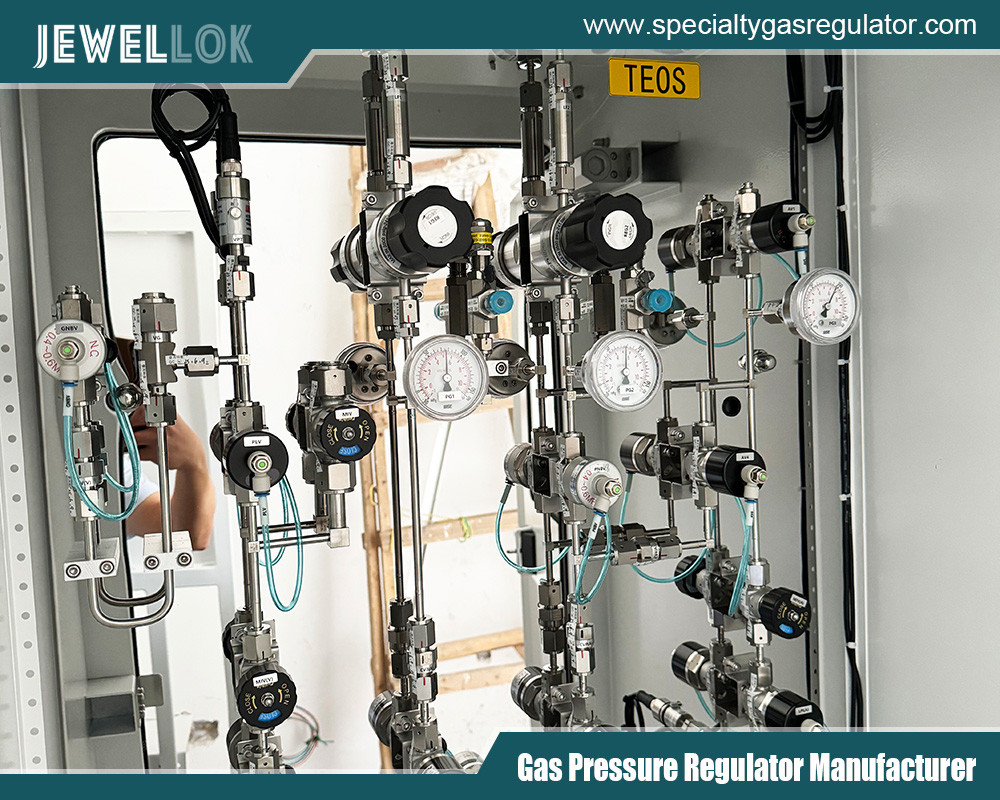
For more about laboratory gas scrubber and exhaust gas treatment system: complete guide, you can pay a visit to Jewellok at https://www.specialtygasregulator.com/product-category/specialty-gas-cabinet/ for more info.
-
764LR Stainless Steel 316 Reducing Tee UHP Fitting Automatic Buttweld Reducing Tee
-
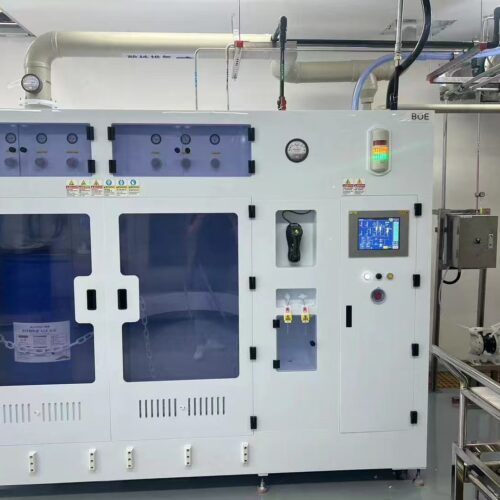
High Purity Bulk Chemical Delivery System and Automatic CDU for Advanced Semiconductor Manufacturing and Fabrication
-
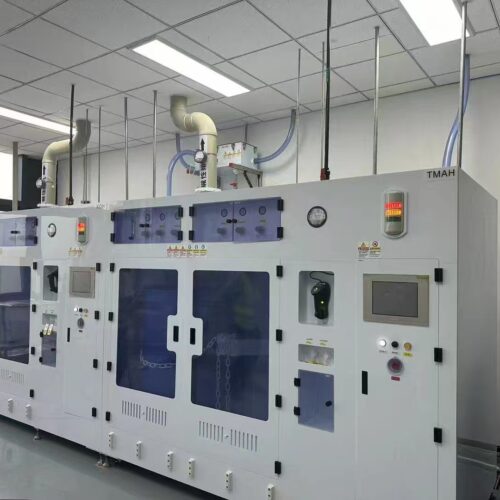
Integrated Bulk Chemical Delivery System and Automatic CDU Solutions for Safe Hazardous Chemical Fluid Handling
-
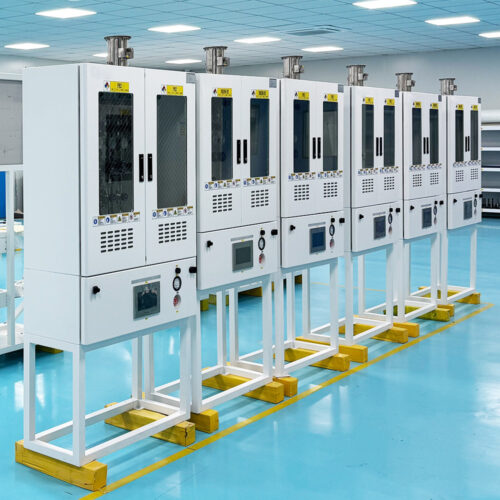
Precision Stainless Steel Valve Manifold Panel for Inert Gas Distribution in Cleanroom Manufacturing Environments
-
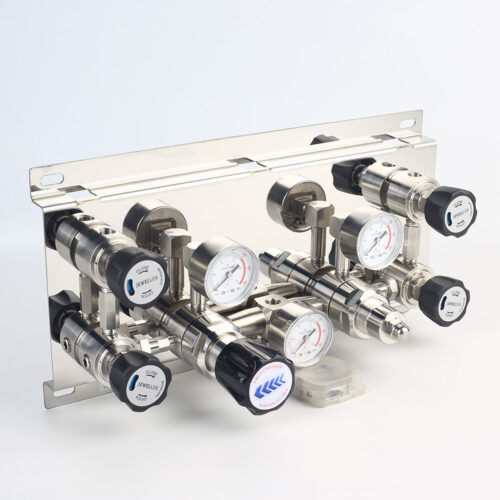
Pressure Control Panels For High Purity Gas Control System JSP-3AE Series From Pressure Control Panels Suppliers And Manufacturer
-
Stainless Steel Single Stage Semiconductor Grade Pressure Control Module Pressure Control Panels JSP-6A Series
-
Corrosion Resistant 316L Stainless Steel Exhaust Gas Scrubber System for Harsh Chemical Process Environments
-
Stainless Steel Fully Automatic Gas Switchover Manifold System Automatic Gas Cylinder Switchover Co2 Cylinder Auto Changeover Controller