
Regulator Manufacturer Tel: +86 13380377051
Regulator Manufacturer Tel: +86 13380377051
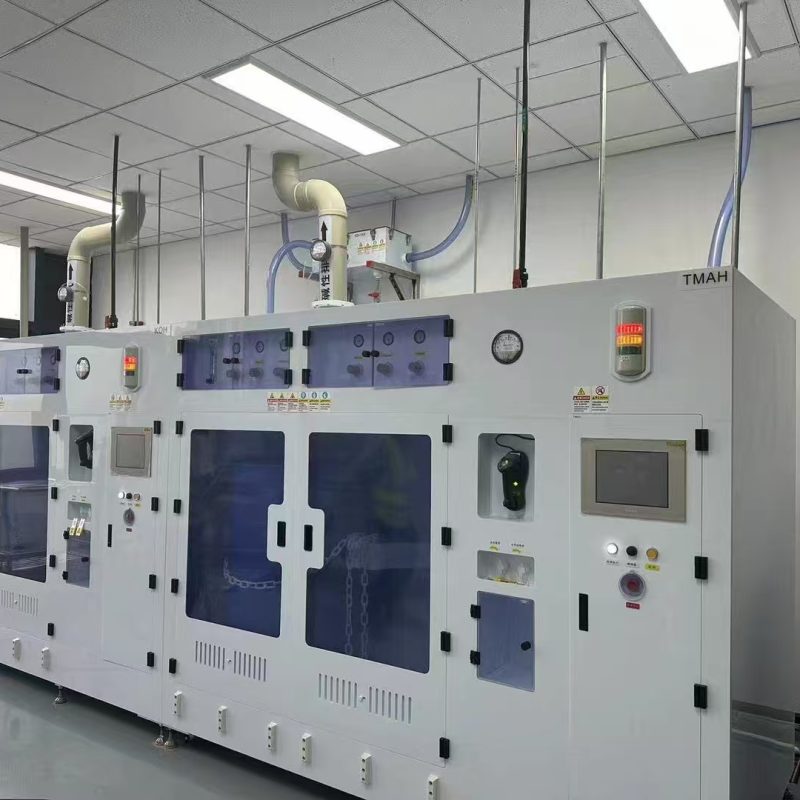
Polypropylene Wet Scrubber for Acid, Alkali and Chemical Exhaust Gas
Introduction
In modern industrial manufacturing—ranging from semiconductor fabrication and chemical synthesis to metal finishing and pharmaceutical processing—the management of aggressive exhaust gases is a paramount engineering challenge. Industrial exhaust streams frequently contain corrosive, toxic, and hazardous gaseous pollutants such as hydrogen chloride (HCl), sulfuric acid mist (H2SO4), nitric acid (HNO3), ammonia (NH3), sulfur dioxide (SO2), and various volatile organic or inorganic chemical vapors. Uncontrolled release of these emissions poses severe risks to environmental ecosystems, human health, and regulatory compliance.
Among the various air pollution control technologies available, wet scrubbing remains one of the most effective and versatile methods for capturing and neutralizing gaseous contaminants. By transferring gaseous pollutants into a liquid phase through absorption and chemical reaction, wet scrubbers achieve high removal efficiencies for both acid and alkaline streams.
Within this domain, Polypropylene (PP) has emerged as the premier material of construction for scrubber vessels, internal packing, and piping systems. This comprehensive technical article examines the engineering principles, material science, structural components, operational dynamics, and maintenance protocols of Polypropylene Wet Scrubbers designed for acid, alkali, and chemical exhaust gas treatment.
Fundamentals of Wet Scrubbing Technology
Polypropylene wet scrubbing relies on the fundamental principles of gas-liquid mass transfer and chemical absorption. The core objective is to maximize the intimate contact between the contaminated exhaust gas stream and a scrubbing liquid (typically water dosed with neutralizing reagents).
The scrubbing process generally occurs in three sequential steps:
-
Gas-Liquid Contact (Mass Transfer): The pollutant gas diffuses from the bulk gas stream through a gas film to the liquid-gas interface, and subsequently dissolves into the liquid phase according to Henry’s Law.
-
Chemical Reaction (Neutralization/Absorption): Once dissolved, the pollutant reacts chemically with active reagents present in the scrubbing liquor (e.g., sodium hydroxide reacting with acidic gases, or sulfuric acid reacting with alkaline gases). This chemical reaction consumes the dissolved pollutant, maintaining a high concentration gradient across the liquid film and driving further mass transfer from the gas phase.
-
Droplet Separation (Mist Elimination): After scrubbing, the cleaned gas passes through a mist eliminator to capture entrained liquid droplets before discharging into the atmosphere via an exhaust stack.
Why Polypropylene (PP)? Material Properties and Selection
Selecting the correct material for a wet scrubber handling highly corrosive chemical exhaust is critical to ensuring operational safety, longevity, and structural integrity. Traditional metallic materials such as carbon steel undergo rapid corrosion when exposed to strong acids or alkalis, while exotic alloys (e.g., Hastelloy, Titanium) introduce prohibitive capital costs.
Polypropylene (PP), a thermoplastic polymer of the polyolefin family, offers an optimal balance of chemical resistance, mechanical strength, and cost-effectiveness.
Chemical Resistance
Polypropylene exhibits exceptional resistance to a broad spectrum of aggressive chemicals across wide pH ranges:
-
Acids: Highly resistant to mineral acids, including hydrochloric acid, sulfuric acid, phosphoric acid, and hydrofluoric acid at various concentrations and temperatures.
-
Alkalis: Unaffected by strong caustic solutions such as sodium hydroxide (NaOH) and potassium hydroxide (KOH).
-
Salts and Solvents: Excellent resistance to aqueous salt solutions, though certain aromatic and chlorinated hydrocarbons may cause swelling or softening at elevated temperatures.
Mechanical and Thermal Characteristics
-
Density: With a density of approximately 0.90cm³, PP is lightweight, drastically reducing the structural load on supporting platforms and simplifying installation compared to heavy fiberglass-reinforced plastic (FRP) or steel towers.
-
Temperature Limits: Standard homopolymer and block copolymer polypropylene grades operate reliably up to temperatures of 80°C to 100°C, which comfortably accommodates most standard industrial chemical exhaust temperatures.
-
Fabrication Versatility: PP can be readily extruded, heat-welded (using extrusion or hot-gas welding techniques), and machined into complex internal tower structures, nozzles, and duct connections.
Structural Design and Components of a PP Wet Scrubber
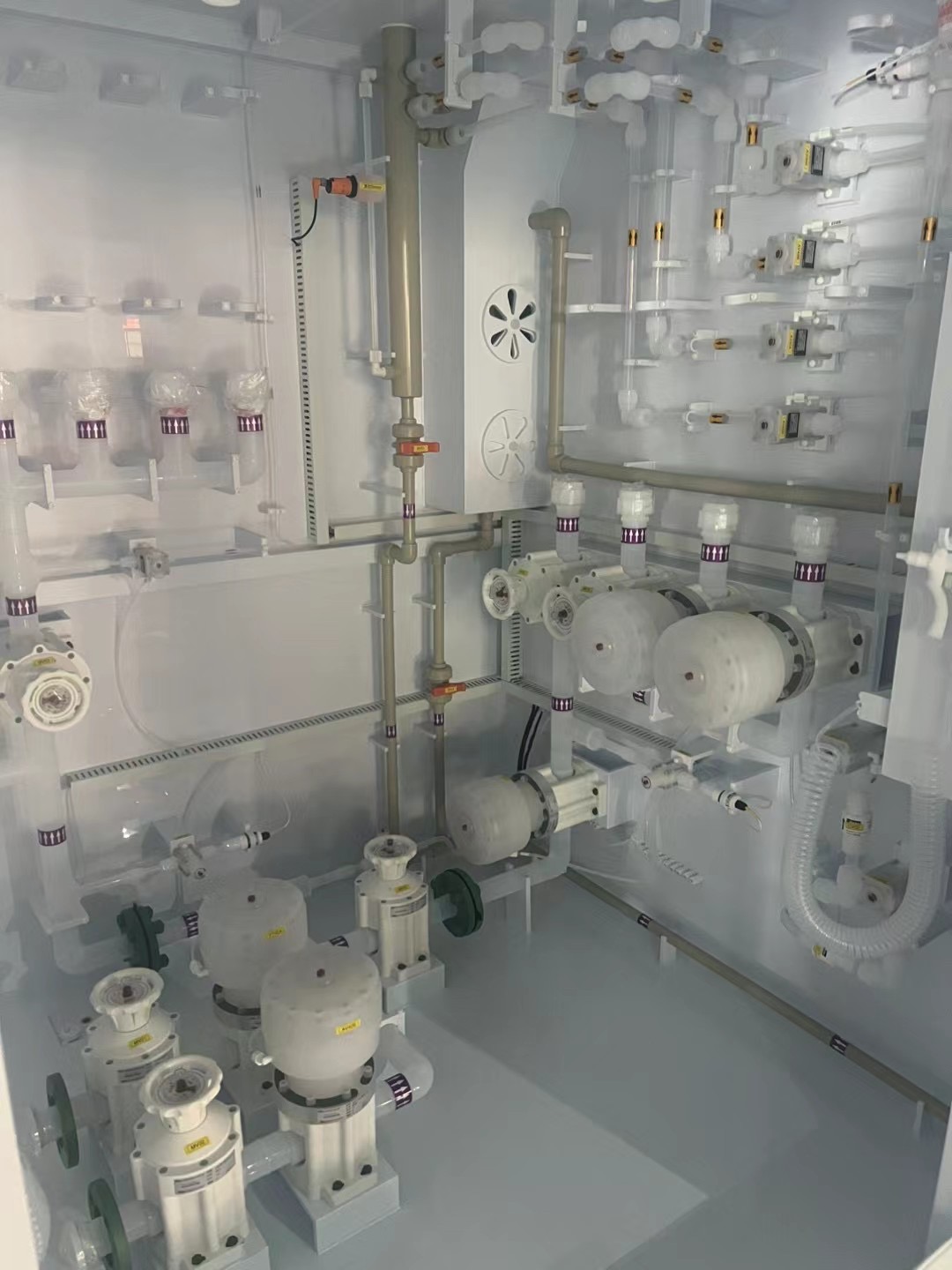
A typical industrial polypropylene wet scrubber is engineered as a vertical counter-current packed tower. Counter-current flow—where the gas enters at the bottom and travels upward while the scrubbing liquid is sprayed from the top and flows downward—ensures maximum driving force for mass transfer.
1. Scrubber Tower Body and Sump
-
Vessel Construction: Fabricated from high-grade extruded PP sheets, often reinforced externally with structural steel bands or thick FRP laminates (PP/FRP dual-laminate construction) when dealing with large-diameter towers or high wind/seismic loads.
-
Recirculation Sump: Located at the base of the tower, the integrated PP sump collects the spent scrubbing liquor. It houses drain valves, overflow connections, makeup water inlets, and chemical dosing injection ports.
2. Packing Media and Support Grids
To maximize the contact surface area between gas and liquid, the tower contains a structured or random packing bed (e.g., Pall rings, Raschig rings, or Cascade Mini-Rings) made of injection-molded PP.
-
High Specific Surface Area: Provides extensive surface area per unit volume (100 – 350 m²/m³) to facilitate rapid mass transfer.
-
Low Pressure Drop: Designed with high void fractions (90\%) to minimize fan energy consumption.
-
Support Grid: A heavy-duty PP grid located beneath the packing bed supports its weight while allowing unrestricted gas and liquid passage.
3. Liquid Distribution System
Efficient liquid distribution is vital to prevent channeling and dry spots within the packing bed.
-
Spray Headers and Nozzles: Manufactured from PVDF or PP, full-cone or hollow-cone spray nozzles are arranged uniformly across the cross-section above the packing bed. They ensure an even, overlapping spray pattern across the entire packing surface.
4. Demister / Mist Eliminator
Positioned at the upper section of the scrubber above the spray headers, the demister captures fine liquid droplets entrained in the upward-moving gas stream.
-
Chevron or Mesh Type: PP chevron blade demisters force the gas stream to undergo rapid directional changes, causing inertial impaction and removal of droplets down to 10–20 microns, protecting downstream induced draft (ID) fans and preventing chemical carryover into the atmosphere.
Operational Modes for Acid, Alkali, and Chemical Exhaust Gas
Depending on the specific industrial process, polypropylene wet scrubbers are configured for targeted pollutant removal:
Acid Gas Scrubbing (e.g., HCl, SO2, HF, Cl2)
-
Mechanism: Acidic gases are neutralized using an alkaline scrubbing solution, most commonly sodium hydroxide (NaOH).
-
Chemical Reaction Example:
HCl (g)+NaOH (aq) → NaCl (aq) + H2O (l) -
Control Strategy: Automated pH controllers monitor the recirculation sump, injecting concentrated caustic soda when the pH drops below a set threshold (typically maintained between $9.0$ and $11.0$).
Alkali Gas Scrubbing (e.g., Ammonia, Amines)
-
Mechanism: Basic gases are scrubbed using an acidic solution, typically dilute sulfuric acid (H2SO4).
-
Chemical Reaction Example:
2NH3 (g) + H2SO4 (aq) → (NH4)2SO4(aq) -
Control Strategy: Sump pH is maintained in the acidic range (typically $3.0$ to $5.5$) via automated acid dosing.
Chemical Oxidation Scrubbing (e.g., Odors, NOx, Cyanides)
-
Mechanism: For complex or sparingly soluble chemical species, oxidizing agents such as sodium hypochlorite (NaClO) or hydrogen peroxide (H2O2) are added to the scrubbing liquid to oxidize pollutants into soluble, easily removable compounds.
Key Design Parameters and Engineering Calculations
Proper sizing and engineering of a polypropylene wet scrubber require precise evaluation of several operational parameters:
| Parameter | Symbol / Unit | Typical Industrial Range | Significance |
| Gas Flow Rate | Q (m³/h or ACFM) | Variable based on exhaust source | Determines tower diameter and duct sizing. |
| Superficial Gas Velocity | vg \ m/s | 1.5 – 3.0 m/s | Prevents flooding while ensuring adequate residence time. |
| Liquid-to-Gas Ratio | L/G (L/m³) | 2.0 – 10.0 L/m³ | Ensures sufficient liquid wetting of packing media. |
| Pressure Drop | ΔP \ (Pa or in. w.g.) | 500 – 1500 Pa | Governs centrifugal fan power requirements. |
| Removal Efficiency | η (%) | 95% – 99.9% | Dictates packing bed height and number of transfer units. |
Installation, Operation, and Maintenance (O&M) Best Practices
To ensure long-term reliability and peak pollutant removal efficiency, structured O&M procedures must be established:
-
Pre-Commissioning Inspection: Verify all internal PP welds via spark testing (high-voltage holiday testing) if structural integrity against leaks is critical. Check nozzle spray patterns and alignment prior to startup.
-
Water Quality and Blowdown Management: Continuous evaporation and chemical reactions concentrate dissolved and suspended solids in the recirculation tank. A controlled purge (blowdown) combined with fresh makeup water prevents scaling and salt crystallization.
-
Instrumentation Calibration: Regularly calibrate pH probes, oxidation-reduction potential (ORP) sensors, differential pressure gauges across the packing bed, and liquid flow meters.
-
Periodic Inspection of Packings: Annually inspect random packing beds for fouling, biological growth, or structural collapse, cleaning or replacing media as needed.
Advantages and Limitations
Advantages
-
Superior Corrosion Resistance: Outperforms traditional metals in harsh chemical environments, eliminating rust and galvanic corrosion.
-
Cost-Effective: Lower material and fabrication costs compared to exotic metal alloys and high-nickel steels.
-
Lightweight Structure: Simplifies rooftop or elevated structural placement without requiring heavy crane mobilization.
-
High Removal Efficiency: Consistently achieves over 99% removal efficiency for soluble acid and alkali gases when properly designed.
Limitations
-
Temperature Restrictions: Limited to operating temperatures generally below 90℃ to 100℃ making them unsuitable for extremely high-temperature flue gases without prior quenching.
-
Wastewater Generation: Produces spent liquid effluent that requires neutralization and treatment prior to municipal discharge.
-
Structural Limitations in Large Diameters: Very large towers require dual-laminate reinforcement (PP bonded to FRP) to withstand wind loads and vacuum conditions.
Conclusion
The Polypropylene Wet Scrubber stands as a cornerstone technology in industrial environmental protection, offering exceptional resistance to aggressive acid, alkali, and chemical exhaust streams. Through rigorous engineering design—encompassing mass transfer principles, optimal liquid-to-gas ratios, precise chemical dosing, and robust PP material selection—industries can achieve stringent air quality compliance while minimizing capital and operational expenditures. As environmental regulations tighten globally, the versatility, durability, and efficiency of polypropylene wet scrubbers ensure their continued prominence in sustainable industrial manufacturing.
For more about polypropylene wet scrubber for acid, alkali and chemical exhaust gas, you can pay a visit to Jewellok at https://www.specialtygasregulator.com/product-category/specialty-gas-cabinet/ for more info.
-
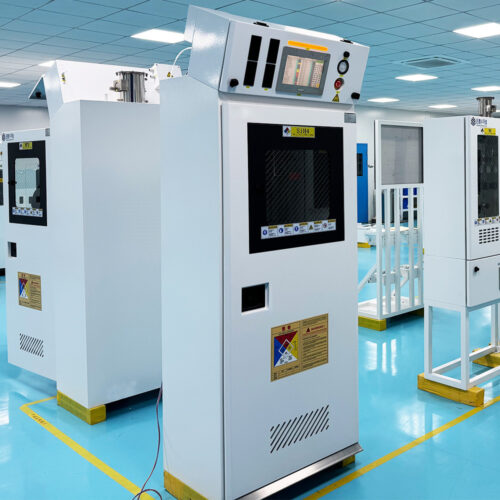
Fully Automated Gas Cabinet For Precise UHP Gas Delivery And High Purity Gas Delivery Systems JW-300-GC
-
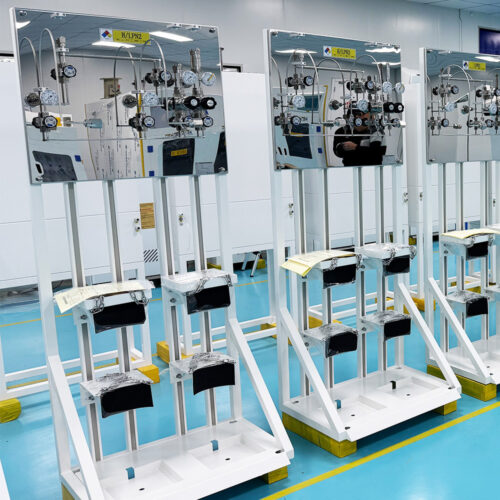
Manual Gas Rack High Purity Gas Delivery Systems JW-100-GR
-
7121L Plug High Purity Plug Fitting And Blanking Plug
-
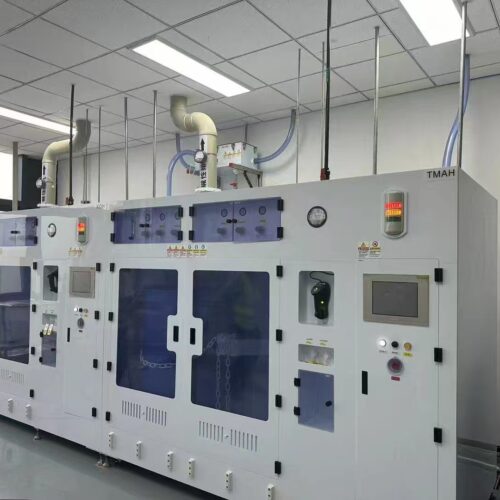
Integrated Bulk Chemical Delivery System and Automatic CDU Solutions for Safe Hazardous Chemical Fluid Handling
-
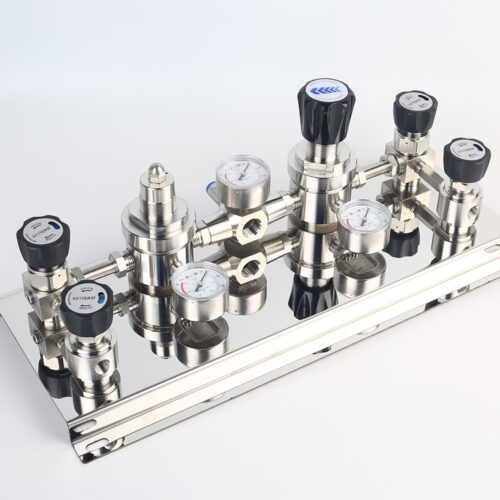
Stainless Steel Single Stage Semiconductor Grade Pressure Control Module Pressure Control Panels JSP-6A Series
-
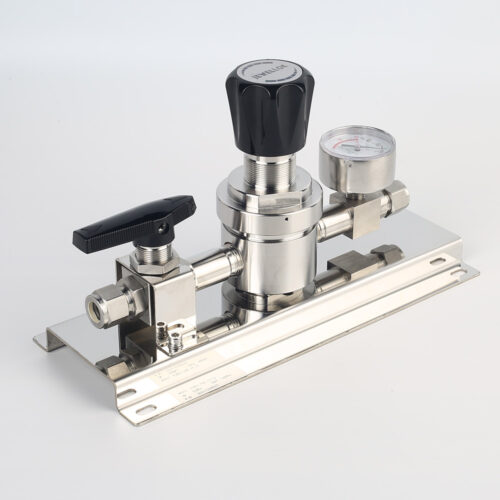
High Purity And Industria Gas Stick Assemblies Precise Pressure Control Gas Systems JSR-1ETG-BV Series
-
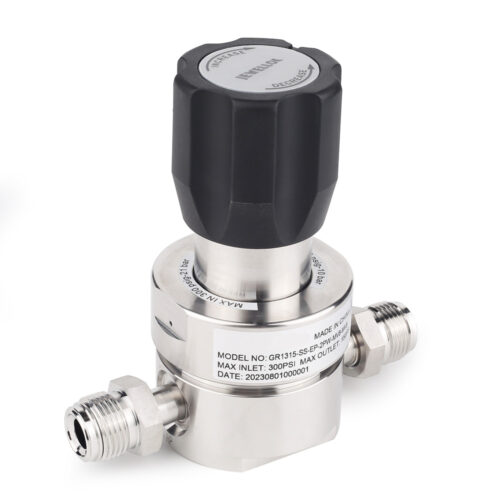
JR1300 Series Ultra High Purity Single Stage Regulator High Flow Line Regulator For Ultra High Purity Intermediate Flow
-
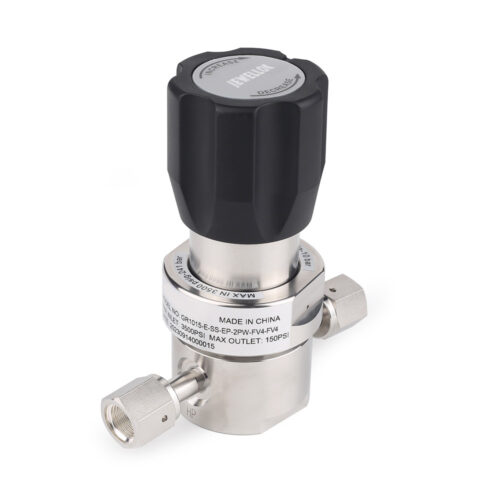
JR1000 Series UHP Ultra High Purity Single Stage Pressure Reducing Regulator And Low To Intermediate Flow