
Regulator Manufacturer Tel: +86 13380377051
Regulator Manufacturer Tel: +86 13380377051
How to Protect Silane Gas Abatement Scrubbers from Flashback Risks?
Introduction
Silane (SiH₄) is widely used in semiconductor manufacturing, photovoltaic production, thin-film deposition, chemical vapor deposition (CVD), and other advanced industrial processes. It is an important precursor gas for depositing silicon-containing films. However, silane is also a highly hazardous pyrophoric gas that can ignite spontaneously when exposed to air under certain conditions. Its combustion can generate intense heat and create serious risks for gas delivery systems, exhaust pipelines, and downstream abatement equipment.
A silane gas abatement scrubber is designed to treat hazardous process exhaust before it is released into the atmosphere. Depending on the application, the system may use thermal oxidation, combustion-assisted treatment, wet scrubbing, filtration, or a combination of technologies. Because silane may enter the exhaust system together with hydrogen, nitrogen, ammonia, and other process gases, the abatement system must manage potentially flammable mixtures and prevent uncontrolled ignition.
One of the most important safety challenges is flashback. Flashback occurs when a flame or combustion front travels backward from an ignition or treatment zone into an upstream exhaust pipeline or connected process equipment. Such an event can damage equipment, cause fires or explosions, and potentially expose personnel to hazardous gases.
Safety interlocks and automated purge sequences are essential engineering safeguards for reducing these risks. They coordinate gas flow, ignition conditions, ventilation, pressure monitoring, and emergency shutdown actions to prevent unsafe operating conditions.
This article explains how safety interlocks and purge sequences protect silane gas abatement scrubbers from flashback risks, the major components involved, common failure scenarios, and important design and maintenance considerations.
1. Understanding Flashback Risks in Silane Gas Abatement Systems
Flashback is a combustion-related hazard that occurs when flame propagation moves in an unintended direction through a gas-containing passage or exhaust system.
In semiconductor manufacturing, silane is typically supplied through dedicated gas cabinets and gas delivery panels. After participating in deposition or other process reactions, residual silane and reaction by-products enter the exhaust system and are transported to the abatement equipment.
Several conditions may contribute to flashback risks:
- The presence of combustible silane in an exhaust pipeline.
- Uncontrolled mixing between fuel gases and oxygen-containing gases.
- Inadequate separation between process exhaust and ignition sources.
- Loss of exhaust ventilation.
- Incorrect startup or shutdown sequences.
- Failure of flame detection or safety shutdown devices.
- Accumulation of combustible gas during abnormal operating conditions.
Silane presents a particular challenge because it can ignite spontaneously in air. Therefore, safety design cannot rely exclusively on conventional ignition prevention methods intended for gases that require an external ignition source.
The engineering objective is to prevent hazardous gas accumulation, maintain controlled operating conditions, detect abnormal events, and isolate or safely manage gas flows when a fault occurs.
Flashback protection must also consider the complete exhaust pathway, including process exhaust connections, ductwork, isolation devices, abatement chambers, and downstream ventilation equipment.
2. What Are Safety Interlocks in a Silane Abatement Scrubber?
Safety interlocks are automatic protective functions designed to prevent equipment from operating when specified safety conditions are not satisfied.
Unlike ordinary process controls, which regulate normal operating parameters, safety interlocks initiate predefined protective actions when dangerous conditions are detected.
In a silane gas abatement system, an interlock may prevent process gas delivery, disable an ignition-related function, initiate a controlled shutdown, or activate an approved emergency response sequence.
A typical safety interlock architecture may monitor the following parameters:
- Exhaust airflow and ventilation status.
- System pressure and differential pressure.
- Combustion chamber temperature.
- Flame detection status, where applicable.
- Purge gas availability.
- Valve position feedback.
- Abatement system operating status.
- Emergency stop signals.
- Power supply and control-system health.
These signals are evaluated by a safety control system according to a predefined cause-and-effect matrix.
For example, if the exhaust fan fails, the system may prevent further hazardous gas delivery and initiate the designed isolation and shutdown response.
The exact response depends on the equipment architecture, process requirements, and hazard analysis. It must be engineered and validated rather than based on a generic control sequence.
3. How Safety Interlocks Prevent Flashback
3.1 Exhaust Flow Interlocks
Adequate exhaust flow is essential for transporting process gases safely to the abatement equipment.
If exhaust ventilation becomes insufficient, combustible gases may accumulate in the exhaust duct or treatment chamber.
An exhaust flow interlock monitors whether the ventilation system is operating within its permitted range.
Typical monitoring devices include:
- Differential pressure switches.
- Airflow transmitters.
- Duct pressure sensors.
- Fan status feedback.
- Ventilation monitoring instruments.
If airflow falls below the validated operating limit, the safety system initiates the required protective action.
Depending on the system design, this may include preventing new process gas introduction, isolating affected gas supplies, and maintaining or activating an approved safe exhaust or purge arrangement.
A fan running signal alone is not sufficient evidence of adequate exhaust flow. Actual airflow or a validated pressure-based indicator should be monitored where required by the safety design.
3.2 Temperature Interlocks
Thermal abatement systems operate within defined temperature ranges to achieve effective treatment of hazardous gases.
If chamber temperature is too low, treatment efficiency may decrease, allowing untreated silane or other hazardous components to pass through the equipment.
If temperature becomes excessively high, equipment damage or abnormal combustion conditions may develop.
Temperature sensors provide feedback to the control system. When measured temperatures fall outside validated limits, the system may prevent hazardous gas introduction or initiate a controlled shutdown.
Temperature interlocks are particularly important during startup, when the abatement chamber may not yet have reached its required operating condition.
3.3 Pressure and Differential Pressure Interlocks
Abnormal pressure conditions can indicate exhaust blockage, excessive gas loading, leakage, fan malfunction, or mechanical failure.
Pressure monitoring helps identify conditions that may affect gas transport and containment.
For example, excessive pressure in an exhaust line may indicate a blockage or downstream restriction. Unexpected negative pressure changes may indicate ventilation instability or an equipment fault.
Pressure interlocks can initiate alarms, restrict process operation, or trigger protective isolation.
However, pressure monitoring alone cannot prevent every flashback scenario. It must be integrated with gas detection, ventilation monitoring, isolation devices, and other protective functions.
3.4 Valve Position Interlocks
Automated isolation valves are essential for controlling hazardous gas flow.
Valve position feedback confirms whether a valve has reached its required operating state.
For example, a safety sequence should not assume that an isolation valve has closed simply because a close command has been issued.
Position switches or other validated feedback devices help confirm actual valve status.
If a valve fails to reach its required position within the specified response time, the control system should generate a fault and prevent progression to an unsafe operating state.
For silane applications, valve selection, installation location, fail position, leakage performance, and response time must be established through the system hazard analysis.
3.5 Flame Detection Interlocks
Where thermal oxidation or combustion-based abatement is used, flame detection may form part of the protective system.
Flame detectors monitor the combustion zone and provide information about whether the intended combustion condition is present.
If flame loss occurs, the control system must respond according to the validated burner management and hazardous gas isolation design.
A flame detector is not a substitute for preventing silane-air contact. Silane’s pyrophoric properties mean that ignition may occur without a conventional ignition source.
Therefore, flame monitoring must be combined with controlled gas delivery, exhaust management, purge functions, and appropriate isolation arrangements.
4. What Is a Purge Sequence and Why Is It Important?
A purge sequence is a controlled procedure that uses an approved purge medium, commonly nitrogen, to displace residual process gases from selected equipment volumes and pipelines.
In silane gas abatement systems, nitrogen purging is particularly important because it can reduce the concentration of residual silane and other combustible gases before equipment enters certain operating or maintenance states.
The purpose of purging is to reduce the possibility of hazardous gas accumulation and uncontrolled reactions involving residual process gas.
Purge sequences may be required during:
- Initial system startup.
- Normal shutdown.
- Emergency shutdown.
- Equipment maintenance.
- Gas cylinder or supply changeover.
- Abatement chamber preparation.
- Restoration following certain fault conditions.
However, a purge sequence must be specifically engineered for the system. Simply introducing nitrogen for a predetermined period does not automatically guarantee that every part of the exhaust system has been made safe.
Dead legs, poorly swept sections, complex pipe geometry, leakage, and inadequate purge distribution can leave residual hazardous gas in the system.
5. How Purge Sequences Reduce Flashback Risks
5.1 Pre-Startup Purging
Before a silane abatement system enters its permitted operating state, designated equipment volumes may require purging to remove residual combustible gases or air, depending on the system configuration.
The purge sequence is controlled by the safety logic and is permitted only when the required equipment conditions are satisfied.
Typical monitored conditions may include:
- Nitrogen supply availability.
- Required purge pressure.
- Confirmed valve positions.
- Exhaust system availability.
- Relevant pressure or flow measurements.
- Purge completion status.
Where required, gas concentration monitoring provides additional evidence that the purge objective has been achieved.
The system should not rely solely on elapsed time unless the purge duration has been validated for the specific equipment volume, flow distribution, and worst-case conditions.
5.2 Purging During Normal Shutdown
When production stops, residual silane may remain inside gas delivery lines and exhaust components.
A properly designed shutdown sequence manages the isolation of process gas and the removal or controlled treatment of residual hazardous gas.
Nitrogen purging may be used in designated sections to displace remaining silane.
The sequence must ensure that purge gas does not create an unintended pressure condition, transfer hazardous gas into an unsuitable area, or interfere with the abatement system’s safe operating state.
5.3 Purging Following an Emergency Shutdown
Emergency shutdowns may be triggered by loss of exhaust flow, abnormal temperature, pressure faults, gas detection alarms, or other critical conditions.
In such cases, the system should execute the emergency response defined by the hazard analysis.
Depending on the specific design, this may involve:
- Preventing further hazardous gas introduction.
- Activating designated isolation functions.
- Maintaining or establishing a safe exhaust condition where available.
- Executing an approved purge or residual-gas management sequence.
- Monitoring the system until safe recovery conditions are established.
An important consideration is that emergency purging should not be treated as a universal response to every fault.
If a fire, severe leak, blocked exhaust, or loss of purge supply occurs, the correct response may differ. The emergency sequence must account for the actual hazard and the availability of supporting utilities.
6. Key Safety Components in a Silane Gas Abatement System
A reliable flashback protection strategy depends on multiple components working together.
| Safety component | Main function |
|---|---|
| Nitrogen purge system | Provides the approved inert purge medium |
| Automatic isolation valves | Restrict hazardous gas flow during abnormal conditions |
| Exhaust flow sensors | Verify ventilation performance |
| Pressure transmitters | Monitor abnormal pressure conditions |
| Temperature sensors | Monitor thermal operating conditions |
| Flame detectors | Monitor combustion status where applicable |
| Gas detectors | Identify hazardous gas releases in monitored areas |
| Safety PLC | Executes validated safety logic |
| Emergency stop system | Initiates designated emergency actions |
| Alarm system | Notifies operators of abnormal conditions |
These components should be selected according to the gas properties, operating environment, equipment design, and applicable safety requirements.
The overall system must also consider instrument reliability, response time, power failure behavior, communication faults, and maintenance access.
7. Common Interlock and Purge Sequence Failures
Even a well-designed protection system can become ineffective if its components are poorly maintained or incorrectly configured.
Several common problems deserve particular attention.
7.1 Insufficient Nitrogen Supply
Low nitrogen pressure or inadequate flow may prevent the purge system from achieving its validated performance.
Possible causes include insufficient supply capacity, blocked filters, regulator problems, leaking connections, or incorrect valve positions.
The system should monitor purge supply conditions and prevent progression whenever the required purge conditions are unavailable.
7.2 Faulty Flow or Pressure Sensors
Incorrect sensor readings may cause the safety system to incorrectly identify a safe or unsafe condition.
Sensors can drift, become contaminated, suffer wiring failures, or develop mechanical defects.
Regular calibration, functional testing, and diagnostic monitoring are essential.
7.3 Incorrect Interlock Logic
Improperly designed control logic may allow hazardous gas introduction before all required safety conditions have been satisfied.
Examples include incorrect bypass settings, missing valve feedback, inappropriate startup permissives, and inadequate handling of instrument faults.
Safety logic should be independently reviewed, validated, and protected against unauthorized changes.
7.4 Incomplete Purge Coverage
A purge system may operate normally while failing to remove residual gas from dead legs or poorly ventilated sections.
This can happen when purge inlet and outlet arrangements are incorrectly positioned or when piping geometry creates stagnant regions.
Purge effectiveness should be demonstrated through engineering calculations, appropriate analysis, and commissioning verification.
7.5 Loss of Power or Instrument Air
Power or instrument air failure may prevent valves, fans, sensors, or controllers from operating as intended.
The safety design must define the response to utility failure, including the required valve fail positions and any backup power or independent protective arrangements.
Operators should never assume that all valves automatically move to a safe position when power is lost.
8. Best Practices for Designing Reliable Flashback Protection
A robust silane abatement system should use multiple independent protective measures rather than relying on a single interlock or purge function.
The following practices are particularly important.
1. Conduct a formal hazard analysis. Use appropriate methods such as HAZOP and layer of protection analysis (LOPA) to identify flashback scenarios and determine the required safeguards.
2. Establish a clear cause-and-effect matrix. Define which conditions trigger alarms, gas isolation, shutdown, purge actions, and restart restrictions.
3. Validate purge effectiveness. Consider equipment volume, piping configuration, flow distribution, purge medium availability, and residual-gas monitoring requirements.
4. Use appropriate safety control architecture. Where safety instrumented functions are required, design them according to the applicable functional safety standards and required safety integrity level.
5. Minimize unnecessary bypasses. Interlock bypasses should be controlled, documented, time-limited where appropriate, and subject to formal authorization.
6. Integrate the complete exhaust system. Evaluate gas cabinets, process exhaust piping, abatement equipment, ventilation systems, and discharge arrangements as one interconnected safety system.
7. Maintain clear operating procedures. Startup, shutdown, emergency response, maintenance, and recovery procedures should be documented and regularly reviewed.
9. Inspection, Testing, and Preventive Maintenance
Regular inspection is essential to ensure that safety interlocks and purge sequences remain functional throughout the service life of the abatement equipment.
A preventive maintenance program should include:
- Calibration of pressure, temperature, and flow instruments.
- Functional testing of automatic isolation valves.
- Verification of valve position feedback.
- Inspection of nitrogen supply regulators and piping.
- Testing of gas detection and alarm systems.
- Verification of exhaust fan monitoring.
- Review of safety PLC diagnostics and event logs.
- Inspection of electrical connections and backup power systems.
- Verification of purge sequence logic after approved modifications.
Safety instrumented functions should undergo proof testing at intervals established by the safety requirements specification and applicable standards.
Any modifications to piping, software, valves, sensors, or purge arrangements should be managed through formal management-of-change procedures.
For semiconductor facilities operating multiple gas cabinets and abatement units, maintaining traceable inspection and test records is particularly important.
10. Applicable Safety Standards and Engineering Considerations
The design and operation of silane gas abatement systems should follow applicable regulations, recognized engineering standards, and site-specific requirements.
Relevant references may include:
- SEMI S2: Environmental, health, and safety guidelines for semiconductor manufacturing equipment.
- SEMI S6: Guidelines for exhaust ventilation systems in semiconductor manufacturing equipment.
- IEC 61511: Functional safety requirements for safety instrumented systems in the process industry sector.
- IEC 61508: General functional safety requirements for electrical, electronic, and programmable electronic safety-related systems.
- NFPA 86: Standards for ovens and furnaces, where applicable to the specific thermal equipment.
- Applicable hazardous gas handling codes: Requirements for storage, distribution, ventilation, detection, and emergency isolation of hazardous gases.
The applicable editions, local adoption, and scope of each standard must be confirmed by qualified engineers and the relevant authority having jurisdiction.
Conclusion
Silane gas abatement scrubbers require carefully engineered protection against flashback because silane is highly reactive and can ignite spontaneously when exposed to air.
Safety interlocks reduce the likelihood of hazardous operating conditions by monitoring exhaust flow, pressure, temperature, flame status, valve positions, and other critical parameters. Purge sequences provide an additional protective function by managing residual hazardous gases and reducing the possibility of combustible gas accumulation in designated equipment volumes.
However, neither interlocks nor nitrogen purging should be considered standalone guarantees against flashback. Effective protection requires a coordinated system involving gas isolation, ventilation, validated purge arrangements, suitable instrumentation, safety control logic, and regular functional testing.
For semiconductor manufacturers and industrial facilities, investing in a properly engineered silane gas abatement system can improve operational reliability, protect personnel, reduce equipment damage, and support compliance with hazardous gas safety requirements.
Ultimately, the most effective flashback prevention strategy is based on understanding the complete gas flow path, identifying credible failure scenarios, and ensuring that every protective function performs reliably under both normal and abnormal operating conditions.
For more about how to protect silane gas abatement scrubbers from flashback risks, you can pay a visit to Jewellok at https://www.specialtygasregulator.com/product-category/specialty-gas-cabinet/ for more info.
-
High Purity Configurable Systems VMB Valve Manifold Box JW-200-VMB-C & JW-100-VMB-C
-
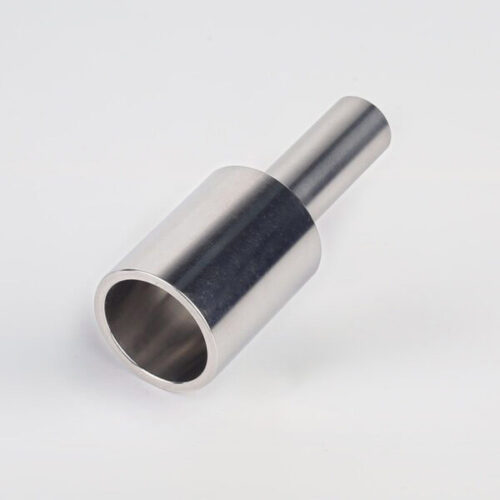
316L Stainless Steel Tube Butt Weld Reducing Fittings Union Reducer RW Series Ultrahigh Purity Process
-
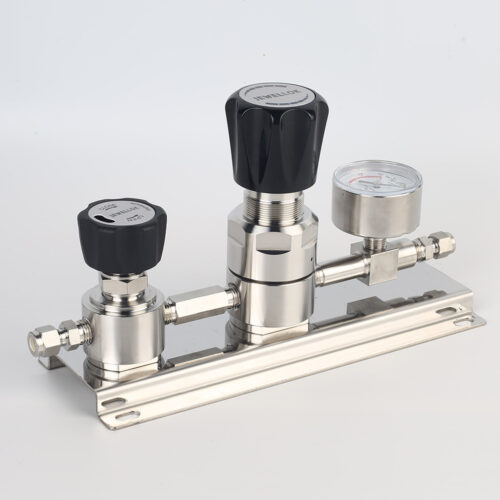
High Purity High Flow Pressure Control Regulators & Valves Gas Stick Assemblies JSR-2TG Series
-
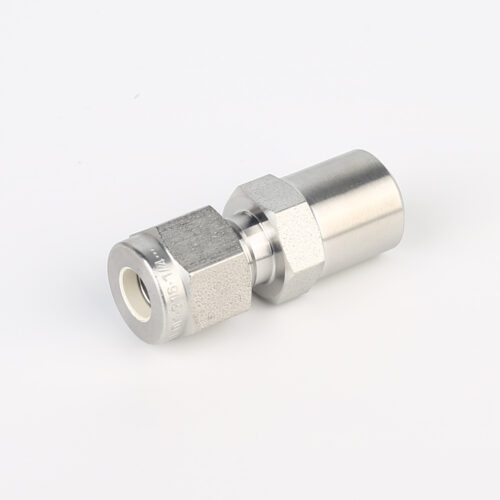
768LN Stainless Steel Male Pipe Tube Butt Weld Connector And Tube Fittings Supplier
-
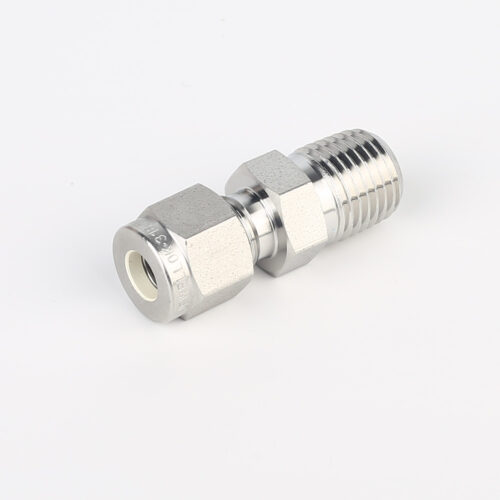
768L Stainless Steel Male Tube Butt Weld Connector | Clean Weld Fittings And Ultra-High Purity Fittings
-
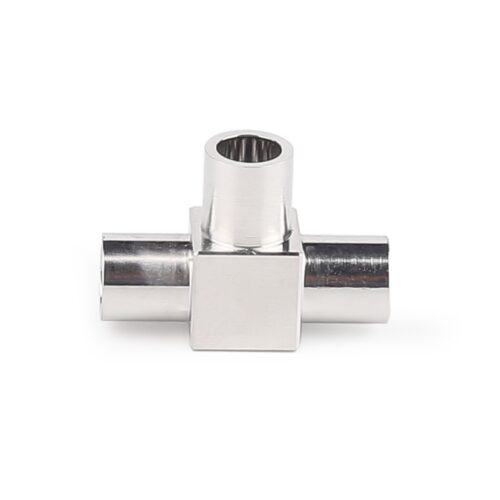
Stainless Steel Ultra High Purity Mini Butt Weld Mini Tee Reducer MTRW Series Fittings
-
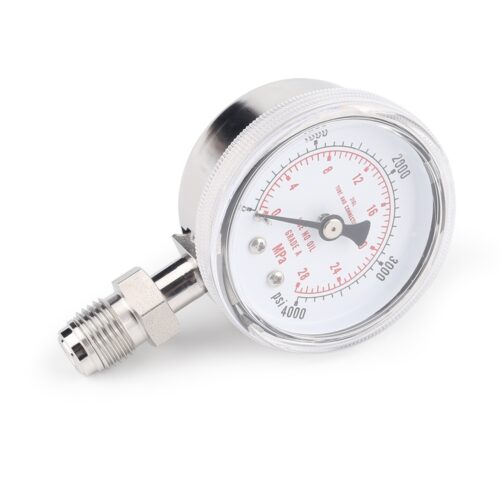
Ultra High Purity Oxygen Pressure Gauge For Semiconductor Gases JG Series Pressure Instruments For Semiconductor Manufacturing
-
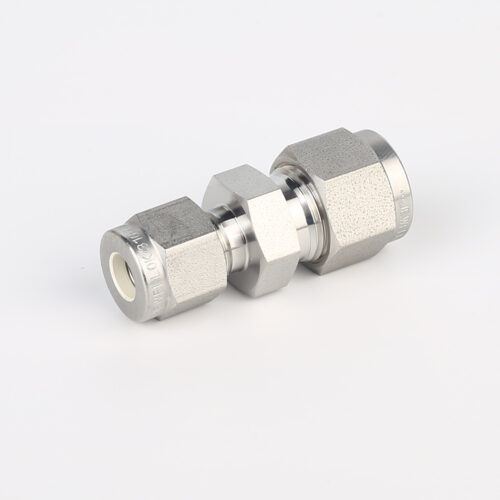
763L Stainless Steel High Purity Pressure Reducing Union Fittings And Tubing Pressure Reducing Valve Adjustment