
Regulator Manufacturer Tel: +86 13380377051
Regulator Manufacturer Tel: +86 13380377051
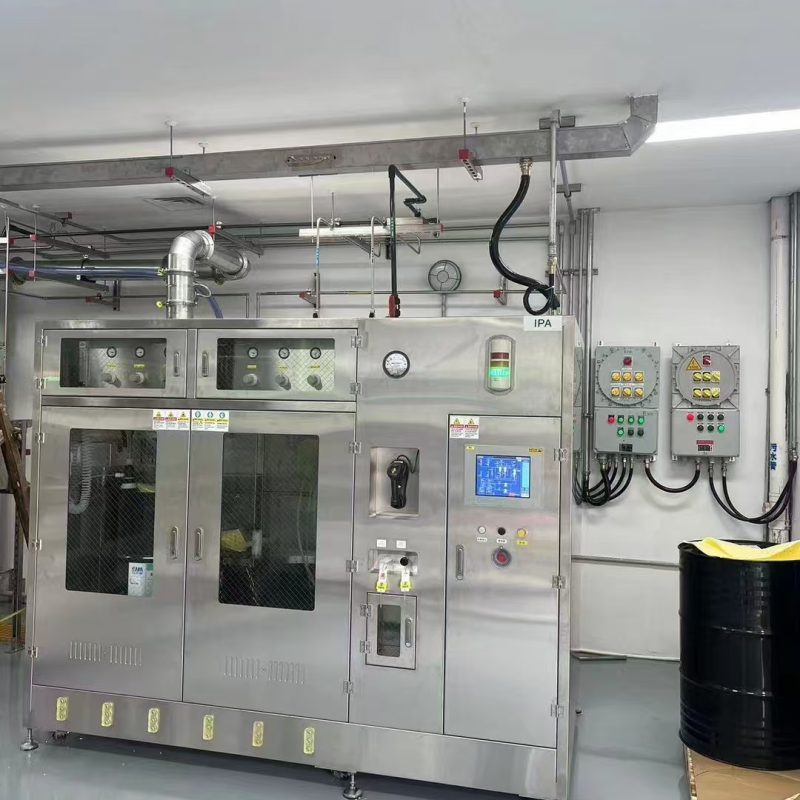
How Can Silicon Dioxide (SiO₂) Powder Buildup Be Prevented in Silane Abatement Systems?
Introduction
Silane (SiH₄) is widely used in semiconductor manufacturing, photovoltaic production, thin-film deposition, chemical vapor deposition (CVD), and other advanced industrial processes. It is an important precursor gas for depositing silicon-containing films, including silicon dioxide, silicon nitride, and amorphous silicon layers.
However, silane is also a highly reactive and pyrophoric gas that can ignite spontaneously when exposed to air under suitable conditions. During semiconductor manufacturing, unused silane and process exhaust gases must be treated by an appropriate gas abatement system before discharge.
One of the most common operational challenges in silane abatement systems is the accumulation of silicon dioxide (SiO₂) powder. When silane reacts with oxygen during oxidation-based abatement, solid silicon-containing particles can form and accumulate inside combustion chambers, exhaust pipelines, filters, and downstream treatment equipment.
Excessive SiO₂ powder buildup can cause pipeline blockage, increased pressure drop, reduced exhaust capacity, unstable abatement performance, frequent maintenance, and unexpected production downtime.
Preventing powder accumulation is therefore essential for maintaining reliable silane gas treatment and protecting semiconductor manufacturing equipment.
This article explains why SiO₂ powder forms in silane abatement systems, where it accumulates, and how equipment design, operating conditions, filtration, exhaust management, and preventive maintenance can minimize powder-related problems.

1. Why Does Silicon Dioxide Powder Form in Silane Abatement Systems?
Silane is a silicon-containing gas with the chemical formula SiH₄. During oxidation-based abatement, silane reacts with oxygen to produce silicon dioxide and water.
The simplified chemical reaction is:
SiH₄ + 2O₂ → SiO₂ + 2H₂O
This reaction demonstrates why solid silicon dioxide is generated during silane oxidation.
Unlike gaseous reaction products, SiO₂ remains in the solid phase under normal scrubber operating conditions. It may form fine particles, agglomerates, or deposits depending on reaction temperature, mixing conditions, residence time, and exhaust system design.
In actual semiconductor exhaust streams, the situation can be more complicated because the gas may contain other process gases, carrier gases, reaction byproducts, moisture, and particulate contaminants.
Several factors influence the quantity and characteristics of SiO₂ powder:
- Silane concentration in the exhaust stream.
- Oxygen availability.
- Combustion or oxidation temperature.
- Gas mixing and residence time.
- Exhaust flow velocity.
- Cooling rate after oxidation.
- Particle collection efficiency.
- Pipeline configuration and surface conditions.
When powder generation exceeds the system’s ability to collect or transport particles, deposits gradually accumulate in critical equipment sections.
2. Common Locations Where SiO₂ Powder Accumulates
Understanding where powder buildup occurs is the first step toward preventing it.
2.1 Abatement Reaction Chamber
The reaction chamber is where silane undergoes oxidation or thermal treatment.
If oxidation is incomplete or reaction conditions are unstable, particle formation may become uneven. Fine silicon-containing particles can deposit on chamber walls, internal surfaces, and nearby components.
High local particle concentrations may also contribute to deposits around gas injection points and chamber transitions.
Prevention methods:
Maintain stable operating temperatures and follow the equipment manufacturer’s specified gas flow and oxidation conditions.
Ensure that the silane and oxidant distribution system provides appropriate mixing.
Inspect the reaction chamber regularly for excessive deposits and signs of abnormal operation.
2.2 Exhaust Pipelines
Exhaust pipelines are particularly vulnerable to SiO₂ accumulation.
After leaving the reaction chamber, hot exhaust gas cools as it travels through downstream piping. Changes in temperature, flow velocity, and pipeline geometry can influence particle movement and deposition.
Powder may accumulate at:
- Elbows and bends.
- Horizontal pipeline sections.
- Dead-end branches.
- Sudden diameter changes.
- Low-velocity regions.
- Exhaust duct connections.
As deposits increase, the effective internal diameter of the pipeline decreases, causing higher pressure drop and potentially restricting exhaust flow.
Prevention methods:
Design exhaust pipelines with suitable diameters, smooth internal surfaces, and minimal unnecessary bends.
Avoid dead zones and poorly designed horizontal sections where particles may settle.
Provide appropriate inspection and cleaning access at locations where powder accumulation is expected.
2.3 Filters and Particle Collection Units
Filters are designed to capture solid particles before they enter downstream equipment.
However, SiO₂ powder can gradually block filter media, increasing differential pressure and reducing gas-handling capacity.
If filtration equipment is undersized or unsuitable for the particle characteristics, powder may pass through the filter or accumulate excessively within the housing.
Prevention methods:
Select filtration equipment according to particle size distribution, dust loading, gas temperature, chemical compatibility, and required collection efficiency.
Monitor differential pressure continuously or at appropriate intervals.
Establish replacement or cleaning schedules based on actual operating conditions rather than relying exclusively on fixed maintenance intervals.
2.4 Wet Scrubber and Downstream Treatment Equipment
Some silane abatement systems use wet treatment stages downstream of oxidation.
Water or alkaline scrubbing liquid may capture residual particulate matter and soluble contaminants. However, SiO₂ particles can accumulate in circulation tanks, spray nozzles, strainers, and piping.
Depending on particle characteristics and liquid chemistry, suspended solids may settle or form deposits.
Prevention methods:
Provide appropriate liquid filtration or solids separation.
Monitor suspended solids and circulation-system differential pressure.
Clean circulation tanks, strainers, and spray nozzles regularly.
Ensure that wastewater and sludge handling systems are designed to accommodate the expected solid loading.
3. Optimize Silane Abatement System Design
Proper system design is one of the most effective ways to reduce SiO₂ powder accumulation.
3.1 Select an Appropriate Abatement Technology
Different silane abatement technologies generate and manage solid reaction products differently.
Common approaches include:
Thermal oxidation systems: These systems use elevated temperatures to oxidize silane and other reactive gases. They require suitable downstream particle management because oxidation produces solid silicon dioxide.
Combustion-based abatement systems: These use controlled combustion to destroy reactive process gases. Their design must account for the generation, transport, and collection of solid particles.
Plasma-based abatement systems: Plasma technology uses energetic species to decompose or react with process gases. Depending on operating conditions, solid particulate byproducts may still form and require downstream treatment.
The appropriate technology depends on silane concentration, total exhaust flow, gas composition, required destruction and removal efficiency, utility availability, and maintenance requirements.
When selecting equipment, evaluate not only gas destruction performance but also powder-handling capability and maintenance accessibility.
3.2 Optimize Exhaust Pipeline Design
Poor pipeline design can significantly accelerate powder accumulation.
A well-designed exhaust system should minimize unnecessary changes in flow direction and avoid regions where particles can settle.
Important design considerations include:
- Appropriate pipeline diameter.
- Suitable gas transport velocity.
- Smooth internal surfaces.
- Minimal unnecessary elbows.
- Properly designed branch connections.
- Accessible inspection ports.
- Suitable cleaning and maintenance sections.
The required transport velocity should be determined through engineering calculations based on particle properties, gas density, flow rate, temperature, and pipeline geometry.
Excessively low velocity may encourage particle settling, while excessively high velocity can increase erosion, pressure losses, and mechanical loading.
Therefore, simply increasing exhaust fan speed is not a reliable solution to powder accumulation.
3.3 Install Suitable Particle Collection Equipment
An appropriately selected particle collection system can significantly reduce downstream SiO₂ contamination.
Depending on the system configuration, available technologies include:
- High-temperature particulate filters.
- Ceramic filtration systems.
- Bag filters designed for compatible operating conditions.
- Cartridge filtration systems.
- Cyclone separators for suitable particle-size distributions.
The selection must consider temperature resistance, particle size, dust loading, pressure drop, chemical compatibility, and the potential presence of reactive residual gases.
A filtration unit should not be installed without evaluating the hazards of collecting pyrophoric or chemically reactive dust.
In particular, deposited particles may contain unreacted silane or other hazardous materials if the abatement process is not operating correctly.
The filter housing, cleaning mechanism, dust discharge arrangement, and collected-material handling procedures must therefore be designed for the actual process hazards.
4. Optimize Operating Conditions to Reduce Powder Accumulation
Even a well-designed system can experience serious powder buildup if operating conditions are unstable.
4.1 Maintain Stable Oxidation Conditions
Stable oxidation is essential for consistent silane treatment.
Insufficient oxidation may allow unreacted silane to enter downstream equipment, creating additional safety risks and potentially causing uncontrolled reactions.
Operating conditions that deviate from the equipment manufacturer’s specifications may also affect particle formation and deposition.
Monitor relevant operating parameters, including:
- Reaction chamber temperature.
- Exhaust gas flow rate.
- Oxidant supply status.
- Chamber pressure.
- Equipment operating alarms.
- Abatement performance indicators.
Do not modify combustion temperature, oxygen supply, or gas mixing settings without an engineering review and the manufacturer’s approval.
4.2 Maintain Stable Exhaust Flow
Fluctuating exhaust flow can create inconsistent particle transport conditions.
For example, a sudden reduction in gas velocity may allow suspended particles to settle inside pipeline sections.
Changes in process loading may also increase particle production beyond the original design capacity.
Monitor exhaust fan performance, pressure conditions, and gas flow rates.
Where multiple semiconductor process tools connect to a common abatement system, ensure that simultaneous operation does not exceed the rated capacity.
4.3 Avoid Uncontrolled Temperature Changes
Temperature changes can influence gas density, particle behavior, and deposition patterns.
Hot exhaust gas may cool significantly in downstream pipelines, potentially creating conditions that promote particle deposition.
Insulation or controlled temperature management may help maintain suitable transport conditions in certain system configurations.
However, any heating or insulation strategy must account for equipment temperature limits, material compatibility, fire safety, and the manufacturer’s design requirements.
5. Establish Effective Filtration and Powder Removal Procedures
Particle collection equipment requires regular maintenance to prevent excessive pressure drop and downstream contamination.
5.1 Monitor Filter Differential Pressure
Differential pressure is one of the most useful indicators of filter loading.
As SiO₂ powder accumulates on the filter media, resistance to gas flow generally increases.
Operators should record differential pressure and compare it with the manufacturer’s recommended operating range.
A rapid increase may indicate abnormal particle loading, filter blockage, or an upstream abatement problem.
Do not wait until the exhaust system experiences severe flow restrictions before replacing or servicing filters.
5.2 Use Appropriate Filter Replacement Intervals
Filter replacement intervals should be determined by actual dust loading, pressure drop, operating hours, and manufacturer recommendations.
An excessively long replacement interval can result in:
- Increased exhaust pressure drop.
- Reduced gas flow.
- Filter damage.
- Particle breakthrough.
- Increased maintenance costs.
Conversely, replacing filters too frequently increases operating expenses unnecessarily.
A maintenance program based on differential-pressure trends provides a more reliable approach.
5.3 Improve Powder Collection and Disposal
Collected SiO₂ powder must be handled according to its actual chemical composition and process hazards.
Although silicon dioxide itself is generally considered chemically stable under ordinary conditions, powder collected from silane abatement equipment may contain residual reactive substances or other hazardous contaminants.
Before removal, confirm that the collection equipment has been safely isolated, purged, and decontaminated according to an approved procedure.
Use appropriate protective equipment and follow the site’s hazardous waste management requirements.
Never assume that collected powder is safe to handle simply because its main expected component is SiO₂.
6. Prevent SiO₂ Buildup Through Regular Maintenance
Preventive maintenance is essential for maintaining stable abatement performance.
A structured maintenance program should include the following activities.
| Inspection item | Suggested inspection frequency |
|---|---|
| Abatement chamber operating status | Daily |
| Exhaust pressure and flow | Daily |
| Filter differential pressure | Continuous or daily |
| Exhaust pipeline condition | Monthly or as required |
| Filter condition | According to loading |
| Particle collection system | Monthly or as required |
| Scrubber circulation system | Daily |
| Scrubber strainers and nozzles | Monthly or as required |
| Internal chamber inspection | During planned shutdowns |
| Complete system maintenance | According to manufacturer recommendations |
Actual intervals should be determined by process loading, equipment design, operating hours, and historical powder accumulation rates.
6.1 Develop a Powder Accumulation Inspection Plan
Identify locations where SiO₂ deposits are most likely to develop.
Typical inspection points include pipeline elbows, filter housings, chamber outlets, exhaust transitions, and downstream scrubber connections.
Record the amount and location of accumulated powder during maintenance.
Comparing these records over time can help identify abnormal deposition patterns and determine whether the problem originates in the abatement chamber, pipeline, or filtration system.
6.2 Maintain Scrubber Circulation and Solids Separation
For systems incorporating wet scrubbers, maintain appropriate circulation flow and solids separation.
Check:
- Circulation pump performance.
- Tank liquid level.
- Strainer condition.
- Spray nozzle condition.
- Suspended solids concentration.
- Blowdown and wastewater handling.
If solid loading becomes excessive, evaluate whether additional filtration or solids separation capacity is required.
6.3 Replace Damaged Internal Components
Inspect pipeline connections, filter housings, internal supports, and chamber components for erosion, corrosion, deformation, and accumulated deposits.
Replace damaged components with materials compatible with the process gases, temperatures, and chemical environment.
Maintenance should restore the original engineered flow path rather than introducing unapproved modifications.
7. Common Mistakes When Preventing SiO₂ Powder Buildup
Several maintenance practices can unintentionally make powder accumulation worse.
Ignoring early differential-pressure increases: A gradual increase may indicate developing filter blockage or pipeline deposits. Delayed maintenance can result in severe exhaust restrictions.
Installing unsuitable filters: Filters that cannot withstand the actual gas temperature or chemical environment may deteriorate prematurely.
Using undersized pipelines: Insufficient pipeline capacity can increase pressure losses and create unstable transport conditions.
Overlooking upstream operating problems: Excessive powder generation may originate from unstable oxidation conditions rather than downstream filtration alone.
Relying only on manual cleaning: Repeated cleaning without correcting the underlying cause will not provide a long-term solution.
Ignoring powder handling hazards: Deposits may contain hazardous residual chemicals and must be treated as potentially reactive until properly characterized.
8. When Should a Silane Abatement System Be Upgraded?
Sometimes routine cleaning and filter replacement are insufficient to control SiO₂ accumulation.
An engineering upgrade may be necessary when:
- Powder generation consistently exceeds the original design assumptions.
- Exhaust pipelines experience repeated blockages.
- Filter replacement intervals become excessively short.
- Pressure drop remains high after maintenance.
- Downstream equipment experiences frequent contamination.
- Abatement performance becomes unstable.
- Production downtime increases because of powder-related maintenance.
Possible improvements include upgrading filtration capacity, redesigning exhaust pipelines, improving particle collection, increasing maintenance accessibility, or replacing an undersized abatement system.
Any modification must be evaluated for process safety, pressure drop, gas transport, particle loading, and compatibility with the existing exhaust infrastructure.
For semiconductor manufacturing facilities, system upgrades should be reviewed by qualified process engineers, exhaust system specialists, and the abatement equipment manufacturer.
9. Safety Considerations During Maintenance
Silane is a highly hazardous pyrophoric gas. Improper handling can result in fire, explosion, and serious injury.
Silane abatement equipment may also contain corrosive gases, hot surfaces, reactive deposits, and contaminated particulate matter.
Before performing maintenance:
- Isolate the silane supply and relevant process gas lines.
- Shut down the abatement system according to the approved procedure.
- Apply lockout/tagout requirements.
- Purge and verify the system using an approved method.
- Confirm that residual reactive gases have been removed.
- Allow equipment to cool to a safe maintenance temperature.
- Follow site-specific procedures for filter and powder removal.
- Use appropriate PPE and qualified maintenance personnel.
Never open a filter housing, exhaust pipeline, or reaction chamber containing potentially reactive deposits without an approved hazard assessment and safe isolation procedure.
Conclusion
Silicon dioxide (SiO₂) powder buildup is a common maintenance challenge in silane abatement systems used in semiconductor manufacturing, photovoltaic production, and other advanced industrial applications.
The primary source of this powder is the oxidation of silane during exhaust gas treatment. If particle collection, gas transport, and downstream filtration are not properly designed, solid deposits can accumulate in reaction chambers, pipelines, filters, and wet scrubbers.
Preventing excessive buildup requires a comprehensive approach that combines appropriate abatement technology, stable oxidation conditions, optimized exhaust pipeline design, effective particle collection, and regular preventive maintenance.
Monitoring differential pressure, exhaust flow, filter loading, and powder accumulation patterns allows operators to identify developing problems before they cause serious equipment failures.
For semiconductor facilities, an effective SiO₂ powder management strategy can reduce pipeline blockages, extend filter service life, improve abatement reliability, minimize unexpected production downtime, and maintain safe exhaust gas treatment.
Ultimately, the best solution is not simply to remove accumulated powder more frequently, but to control powder generation, improve particle transport and collection, and design the entire silane abatement system around the actual process conditions.
For more about how can silicon dioxide (SiO₂) powder buildup be prevented in silane abatement systems, you can pay a visit to Jewellok at https://www.specialtygasregulator.com/product-category/specialty-gas-cabinet/ for more info.
-
Low Pressure High Flow Line Pressure Regulators And Control Valves JSR-4L Series For Laboratory Pressure Control
-
766L High Purity Female Connector UHP Fitting Female Connector
-

Semi Automatic Gas Changeover Manifold System Manual Changeover Manifold Panel Single Stage Automatic Switchover Board
-
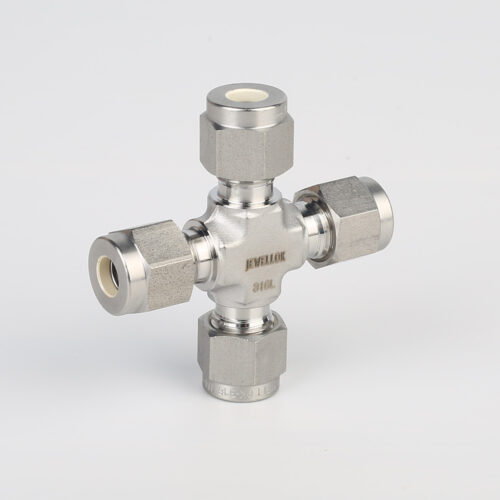
7102L Stainless Steel 316L SS Union Cross Ultra High Purity Long Arm Union Elbow Tee Cross Butt Weld Fittings
-
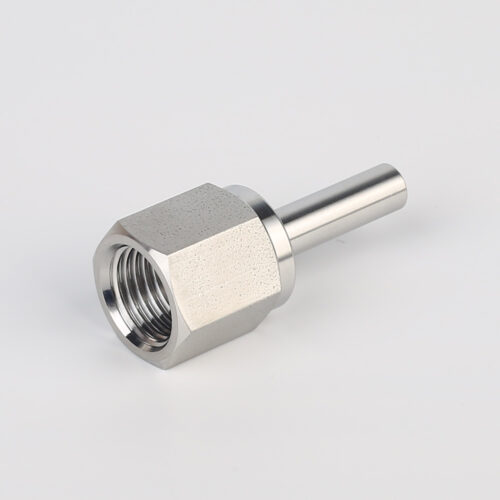
739LF High Purity Female Adapter Tube To Pipe Fittings And Connectors
-
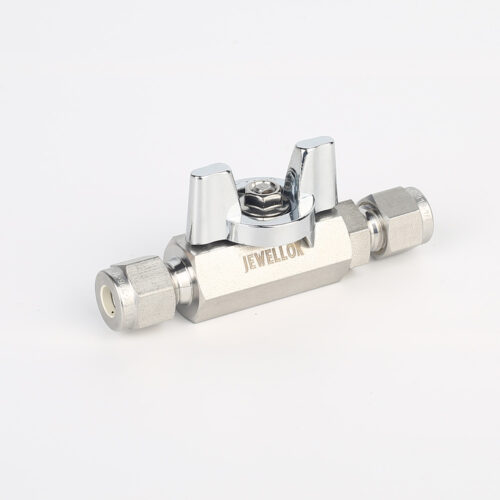
Stainless Steel High-Purity High Temperature Metal Seated Ball Valves JBV3 Series
-
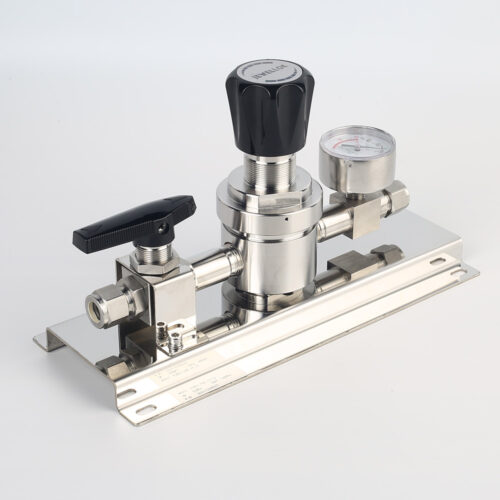
High Purity And Industria Gas Stick Assemblies Precise Pressure Control Gas Systems JSR-1ETG-BV Series
-
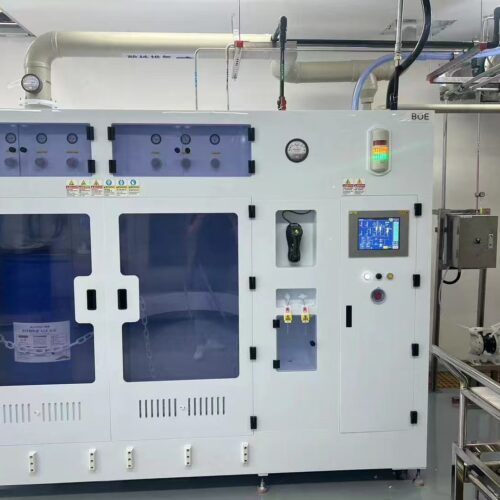
Chemical Delivery Modules for Automated Blending and Precise Dilution in Modern Wafer Cleaning Applications