
Regulator Manufacturer Tel: +86 13380377051
Regulator Manufacturer Tel: +86 13380377051
How to Select a High-Purity Gas Pressure Regulator for Laboratory Applications?
Introduction
High-purity gas pressure regulators are essential components in laboratory gas delivery systems, semiconductor manufacturing facilities, analytical instruments, pharmaceutical production, and scientific research environments. Their primary function is to reduce the high pressure of gas supplied from cylinders, gas cabinets, or centralized gas distribution systems to a stable and controlled downstream pressure.
In laboratory applications, pressure regulation involves more than simply reducing gas pressure. The regulator must maintain stable output pressure, prevent contamination, minimize particle generation, and ensure compatibility with the chemical and physical properties of the supplied gas.
Even small amounts of moisture, oxygen, hydrocarbons, or metallic contaminants can affect experimental accuracy, analytical results, chemical reactions, and semiconductor process performance. Therefore, selecting an appropriate high-purity gas pressure regulator is critical for maintaining gas quality and protecting sensitive laboratory equipment.
However, different gases and laboratory processes have different pressure, flow, purity, and safety requirements. A regulator suitable for nitrogen or argon may not be appropriate for corrosive gases, toxic gases, or highly reactive specialty gases.
This technical guide explains how to select a high-purity gas pressure regulator for laboratory applications, including material selection, pressure requirements, internal design, sealing technology, gas compatibility, flow characteristics, installation considerations, and maintenance requirements.
1. What Is a High-Purity Gas Pressure Regulator?
A high-purity gas pressure regulator is a precision pressure-control device designed to reduce and regulate the pressure of high-purity gases while minimizing contamination throughout the gas delivery process.
Unlike conventional industrial regulators, high-purity regulators are manufactured with special attention to internal surface quality, material cleanliness, sealing performance, and contamination control.
They are commonly installed in:
- Laboratory gas distribution panels.
- High-purity gas cylinder manifolds.
- Semiconductor gas delivery systems.
- Gas cabinets.
- Analytical instrument gas supply lines.
- Pharmaceutical and biotechnology facilities.
- Research and development laboratories.
- Specialty gas handling systems.
A typical high-purity regulator consists of several important components:
- Regulator body: The main pressure-containing component, commonly manufactured from high-purity stainless steel.
- Diaphragm: A flexible component that responds to changes in downstream pressure.
- Spring assembly: Provides the mechanical force required to control outlet pressure.
- Seat and valve assembly: Regulates gas flow through the regulator.
- Inlet and outlet connections: Connect the regulator to the gas supply and downstream piping.
- Pressure gauges or sensors: Display inlet and outlet pressure.
- Adjustment mechanism: Allows the operator to set the required delivery pressure.
The regulator operates by balancing the force generated by the outlet pressure against the spring force or another control mechanism. When downstream pressure changes, the regulator adjusts its internal valve opening to maintain the desired pressure within its operating characteristics.
For laboratory applications, the regulator should provide stable pressure control without introducing unacceptable contamination or leakage.
2. Identify the Type of Gas Before Selecting a Regulator
The first step in selecting a high-purity regulator is identifying the gas that will pass through it.
Different gases have different chemical properties, and these properties directly influence regulator material selection, sealing design, and safety requirements.
2.1 Inert Gases
Common inert or relatively non-reactive laboratory gases include:
- Nitrogen (N₂).
- Argon (Ar).
- Helium (He).
- Neon (Ne).
These gases are widely used for purging, analytical instruments, carrier gas applications, and controlled laboratory atmospheres.
For these applications, a high-purity stainless steel regulator with suitable metal or polymer sealing components may be appropriate, depending on the required purity and operating conditions.
2.2 Corrosive Gases
Corrosive gases include hydrogen chloride (HCl), hydrogen fluoride (HF), chlorine (Cl₂), and other chemically aggressive gases.
These gases can attack unsuitable metals, elastomers, and internal regulator components.
For corrosive gas applications, engineers should carefully evaluate the regulator body’s material, diaphragm alloy, valve-seat material, and sealing technology.
High-purity 316L stainless steel may be suitable for some corrosive gas services, but it is not universally compatible with every gas concentration, moisture level, or operating condition.
Specialized alloys and gas-compatible components may be necessary.
2.3 Toxic and Highly Reactive Gases
Some laboratory and semiconductor processes use highly toxic, pyrophoric, or chemically reactive gases, such as silane, phosphine, arsine, and certain specialty gas mixtures.
These applications require specialized gas-handling equipment and carefully engineered safety systems.
The regulator must be selected according to the gas manufacturer’s compatibility guidance, applicable safety standards, and the complete gas delivery system design.
Depending on the gas, additional requirements may include:
- Gas-specific regulator configurations.
- Compatible diaphragm and seat materials.
- Specialized leak-tight connections.
- Automatic shutoff systems.
- Gas detection and exhaust ventilation.
- Purge and isolation arrangements.
A standard general-purpose laboratory regulator should not be assumed suitable for toxic or pyrophoric gas service.
3. Choose the Correct Regulator Body Material
Material selection is one of the most important factors affecting the performance and service life of a high-purity gas pressure regulator.
3.1 316L Stainless Steel
<AsyncImage query=”high purity 316L stainless steel gas pressure regulator semiconductor laboratory” aspectRatio=”16:9″ width=”100%”/>
316L stainless steel is one of the most widely used materials in high-purity gas delivery systems.
Its advantages include:
- Good corrosion resistance in many gas applications.
- Low carbon content.
- Good mechanical strength.
- Excellent availability.
- Compatibility with electropolishing processes.
- Suitability for high-purity gas equipment when properly processed.
For applications requiring particularly low contamination, manufacturers may offer specially controlled 316L stainless steel with improved surface quality and documented material traceability.
3.2 316L VIM-VAR Stainless Steel
VIM-VAR refers to Vacuum Induction Melting followed by Vacuum Arc Remelting.
This manufacturing approach can improve material cleanliness and consistency by controlling impurities and reducing certain metallurgical defects.
316L VIM-VAR stainless steel is used in demanding high-purity gas systems where material quality and contamination control are important.
However, the use of VIM-VAR material alone does not guarantee a regulator’s overall purity performance. Manufacturing cleanliness, machining, surface treatment, assembly, and final testing are equally important.
3.3 Other Compatible Materials
Depending on the gas and process requirements, other materials may be considered for specific regulator components.
These can include:
- Hastelloy alloys for selected corrosive gas applications.
- Nickel-based alloys for specialized chemical environments.
- PTFE for compatible sealing applications.
- PCTFE for certain high-purity valve-seat applications.
- Other engineered polymers selected according to chemical compatibility.
Material selection should always be based on the complete operating environment rather than the regulator body material alone.
4. Consider Diaphragm Design and Sealing Technology
The diaphragm is a critical internal component because it separates the pressure-sensing mechanism from the gas passage and controls regulator operation.
In high-purity applications, diaphragm design affects pressure stability, leakage performance, and contamination risk.
4.1 Metal Diaphragm Regulators
<AsyncImage query=”high purity stainless steel metal diaphragm gas pressure regulator cutaway industrial” aspectRatio=”16:9″ width=”100%”/>
Metal diaphragm regulators are widely used in semiconductor and high-purity laboratory gas systems.
Their main advantages include:
- Reduced potential for elastomer-related contamination.
- Good chemical compatibility with selected gases.
- High sensitivity to downstream pressure changes.
- Low permeation characteristics.
- Suitable performance for demanding gas purity applications.
316L stainless steel is commonly used for certain diaphragm designs. Specialized nickel-based alloys may also be selected depending on the gas chemistry.
4.2 Elastomer Seals
Some regulators use elastomer seals made from materials such as FKM or other gas-compatible polymers.
These seals may provide effective sealing performance in suitable applications.
However, elastomer selection requires careful consideration of gas compatibility, temperature, pressure, permeation, outgassing, and potential chemical degradation.
For extremely high-purity applications, metal diaphragm designs with appropriately selected valve-seat materials may be preferred.
4.3 Seat Material Selection
The valve seat controls gas flow inside the regulator.
Common seat materials include PCTFE, PTFE, and other engineered polymers.
The correct choice depends on:
- Gas chemical compatibility.
- Operating pressure.
- Temperature.
- Leakage requirements.
- Mechanical loading.
- Required service life.
A regulator manufacturer should provide clear information about the diaphragm and seat materials rather than describing the entire product simply as stainless steel.
5. Determine the Required Inlet and Outlet Pressure
Pressure requirements must be established before selecting a regulator model.
A high-purity regulator should be capable of handling the maximum gas supply pressure while delivering the required downstream pressure under actual operating conditions.
5.1 Inlet Pressure
Inlet pressure is the pressure supplied by the gas cylinder, manifold, or centralized gas system.
High-pressure gas cylinders may contain gases at pressures of approximately 150–300 bar, depending on the gas and cylinder specification.
The regulator’s maximum rated inlet pressure must be equal to or greater than the maximum possible supply pressure, including relevant operating and temperature conditions.
5.2 Outlet Pressure
Outlet pressure is the regulated pressure supplied to downstream laboratory equipment.
Different applications require different outlet pressures.
For example:
- Analytical instruments may require relatively low and stable supply pressure.
- Laboratory reactors may require adjustable pressure according to the process.
- Gas distribution panels may require a defined secondary supply pressure.
- Semiconductor process equipment may require precise pressure control within a specified operating range.
Select a regulator whose outlet pressure range matches the actual process requirement.
Avoid choosing an unnecessarily wide adjustment range if a narrower range can provide better control for the intended application.
5.3 Pressure Regulation Accuracy
For sensitive analytical and research applications, outlet pressure stability is particularly important.
Pressure variations may affect gas flow, instrument calibration, reaction conditions, and measurement accuracy.
Ask the manufacturer for technical data covering:
- Regulation accuracy.
- Outlet pressure stability.
- Lock-up pressure.
- Supply pressure effect.
- Pressure droop.
- Repeatability.
These characteristics are more useful for evaluating performance than simply looking at the regulator’s maximum pressure rating.
6. Evaluate Flow Capacity and Cv Value
Pressure regulation and gas flow capacity are closely related.
A regulator must supply enough gas to meet the maximum downstream demand without excessive pressure reduction.
The flow coefficient, commonly expressed as Cv, is one parameter used to characterize the flow capacity of a valve or regulator assembly.
A regulator with an insufficient flow capacity may experience excessive pressure droop when downstream gas demand increases.
Conversely, selecting a regulator with unnecessarily large capacity may make pressure adjustment less suitable for certain low-flow applications.
When evaluating flow performance, consider:
- Maximum required gas flow.
- Minimum operating flow.
- Inlet pressure.
- Required outlet pressure.
- Gas molecular weight.
- Gas temperature.
- Pressure drop across the regulator.
For high-purity laboratory systems, request the manufacturer’s flow curves rather than relying only on the nominal connection size.
A regulator’s actual flow performance depends on its internal design and operating conditions.
7. Pay Attention to Surface Finish and Cleaning Standards
High-purity gas regulators require careful manufacturing and cleaning procedures to minimize contamination.
Internal surface quality is particularly important because contaminants trapped inside the regulator may be released into the gas stream.
7.1 Electropolishing
Electropolishing is an electrochemical surface treatment used to improve stainless steel surface characteristics.
For suitable components, it can reduce surface irregularities and improve cleanability.
High-purity regulator manufacturers may specify internal surface roughness using Ra values.
For example, some demanding applications specify internal surface finishes of 10 microinches Ra or better, depending on the system design and supplier specifications.
Buyers should confirm whether the quoted surface finish applies to all gas-contacting surfaces or only selected components.
7.2 High-Purity Cleaning
A professional high-purity regulator manufacturer should implement controlled cleaning, assembly, and packaging procedures.
These may include:
- Removal of machining residues.
- Degreasing.
- Particle removal.
- Moisture control.
- Controlled assembly.
- Purging with suitable clean gas.
- Cleanroom or controlled-environment packaging where required.
Ask the manufacturer whether the regulator is supplied with a documented high-purity cleaning procedure and cleanliness specification.
8. Select the Appropriate Connection Type
The connection design affects installation compatibility and leakage prevention.
Common connection types in laboratory gas systems include:
- VCR metal gasket face-seal connections.
- Compression tube fittings.
- NPT threaded connections.
- Other gas-specific cylinder and equipment connections.
<AsyncImage query=”high purity gas regulator VCR face seal stainless steel tube fitting connections” aspectRatio=”16:9″ width=”100%”/>
VCR connections are widely used in high-purity semiconductor gas distribution systems because they provide metal-gasket sealing when properly installed.
Compression fittings are commonly used in laboratory gas tubing systems.
NPT connections may be suitable for selected general laboratory gas applications, but threaded connections require appropriate sealing methods and compatibility assessment.
Never assume that a regulator with the correct thread size is automatically suitable for a particular gas cylinder or gas system.
Verify the connection standard, dimensions, pressure rating, material, and gas compatibility before ordering.
9. Consider Single-Stage vs. Two-Stage Regulators
Another important selection factor is whether the application requires a single-stage or two-stage pressure regulator.
9.1 Single-Stage Pressure Regulator
<AsyncImage query=”high purity stainless steel single stage gas pressure regulator” aspectRatio=”16:9″ width=”100%”/>
A single-stage regulator reduces inlet pressure to the required outlet pressure through one regulation stage.
Advantages include:
- Compact structure.
- Lower initial cost.
- Simple installation.
- Convenient maintenance.
- Suitable performance for many general laboratory applications.
However, outlet pressure may change as cylinder pressure decreases. This behavior is commonly associated with supply pressure effect.
9.2 Two-Stage Pressure Regulator
<AsyncImage query=”high purity stainless steel two stage gas pressure regulator laboratory” aspectRatio=”16:9″ width=”100%”/>
A two-stage regulator reduces inlet pressure in two successive stages.
The first stage reduces the high cylinder pressure to an intermediate pressure, while the second stage provides the final regulated outlet pressure.
Advantages include:
- Improved outlet pressure stability as cylinder pressure decreases.
- Better suitability for applications requiring consistent pressure.
- Reduced sensitivity to changes in cylinder pressure under specified operating conditions.
Two-stage regulators are commonly considered for analytical instruments, precision laboratory applications, and high-purity gas supply systems.
The final selection should be based on actual pressure stability requirements, flow demand, and system configuration.
10. Common Mistakes When Selecting a High-Purity Gas Regulator
Buyers and system integrators should avoid several common mistakes.
Choosing a regulator based only on price: A low-cost regulator may not meet the required cleanliness, material, or pressure-control specifications.
Ignoring gas compatibility: A regulator suitable for nitrogen may be unsuitable for corrosive, toxic, or reactive gases.
Selecting the wrong pressure range: Excessively wide or unsuitable pressure ranges may compromise the required control performance.
Overlooking flow capacity: A regulator may have the correct pressure rating but insufficient flow capacity for the connected equipment.
Ignoring internal surface quality: High-purity performance depends on gas-contacting surfaces, cleaning procedures, and manufacturing quality.
Using unsuitable seals: Incorrect sealing materials may degrade, leak, or introduce contamination.
Failing to verify connection standards: Incorrect fittings can create leakage risks and installation difficulties.
A proper technical evaluation should consider the regulator as part of the complete gas delivery system.
11. Maintenance and Inspection of High-Purity Gas Pressure Regulators
Regular inspection helps maintain pressure stability, prevent leakage, and extend equipment service life.
Recommended maintenance practices include:
- Inspect external connections for signs of leakage or mechanical damage.
- Monitor inlet and outlet pressure readings.
- Check pressure stability during normal operating conditions.
- Verify gauge accuracy according to the maintenance schedule.
- Inspect diaphragm and valve-seat condition when servicing is required.
- Replace damaged seals with approved compatible materials.
- Follow manufacturer-approved cleaning and assembly procedures.
- Perform appropriate leak testing after maintenance.
- Maintain service records and component replacement history.
High-purity regulators should be serviced by qualified personnel using procedures appropriate for the specific gas.
For toxic, corrosive, pyrophoric, or oxygen-service applications, additional gas-specific precautions are necessary.
Do not disassemble a regulator while it remains pressurized or connected to an active hazardous gas supply.
12. How to Choose a Reliable High-Purity Gas Pressure Regulator Manufacturer
Selecting a qualified manufacturer is essential for achieving reliable performance and consistent gas purity.
Before placing an order, evaluate the following factors:
Material quality: Confirm the regulator body, diaphragm, valve seat, and sealing materials.
Manufacturing capability: Ask about machining accuracy, surface treatment, cleaning, assembly, and inspection procedures.
Technical documentation: Request product datasheets, pressure ratings, flow curves, material specifications, and connection drawings.
Testing capability: Confirm whether the manufacturer performs pressure testing, leakage testing, and functional performance testing.
Customization: For specialized applications, check whether the supplier can provide customized pressure ranges, connection configurations, materials, and regulator assemblies.
Quality management: Review relevant quality certifications and manufacturing traceability. Certifications should be verified for the actual manufacturing site and product scope.
Technical support: A professional supplier should be able to assist with model selection, gas compatibility, installation, and maintenance.
For semiconductor, pharmaceutical, and advanced research applications, it is especially important to select a manufacturer with practical experience in high-purity gas delivery systems.
Conclusion
Selecting the right high-purity gas pressure regulator for laboratory applications requires a comprehensive evaluation of gas compatibility, pressure requirements, flow capacity, internal materials, diaphragm design, surface finish, sealing technology, and connection standards.
316L stainless steel regulators with suitable metal diaphragm designs are widely used in demanding high-purity gas applications. However, the correct specification depends on the actual gas chemistry, operating conditions, and required contamination-control performance.
Single-stage regulators offer a practical solution for many general laboratory applications, while two-stage regulators may provide improved outlet pressure stability where supply pressure variations are a concern.
Beyond the regulator itself, manufacturing cleanliness, electropolishing, leak testing, and proper installation all contribute to reliable gas delivery.
For laboratory operators, semiconductor manufacturers, and gas system integrators, working with an experienced high-purity gas regulator manufacturer helps ensure that the selected equipment meets technical, operational, and safety requirements.
A properly selected and maintained high-purity gas pressure regulator can provide stable pressure control, minimize contamination risks, improve laboratory process reliability, and support long-term gas delivery system performance.
For more about how to select a high-purity gas pressure regulator for laboratory applications, you can pay a visit to Jewellok at https://www.specialtygasregulator.com/product-category/specialty-gas-cabinet/ for more info.
-
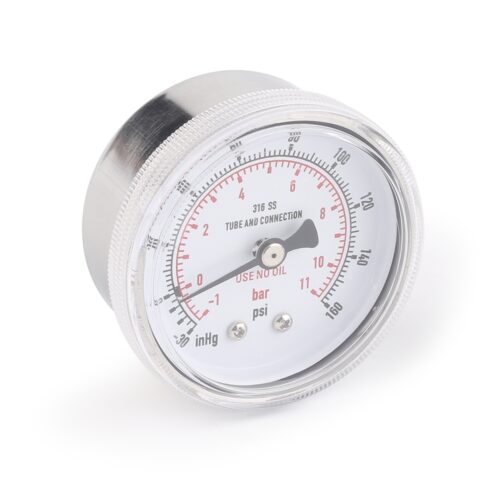
Ultra High Purity Pressure Gauge For Laboratory And Semiconductor JR Series
-
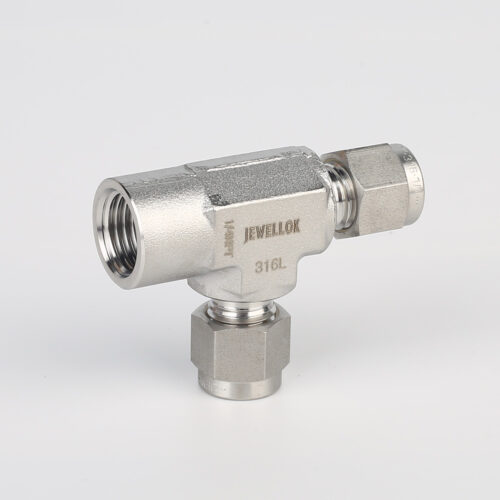
771LF Female Run Tee | Stainless Steel Tube Fitting Compression Fittings 1/4 In 3-Way Tee Female Run Tee
-
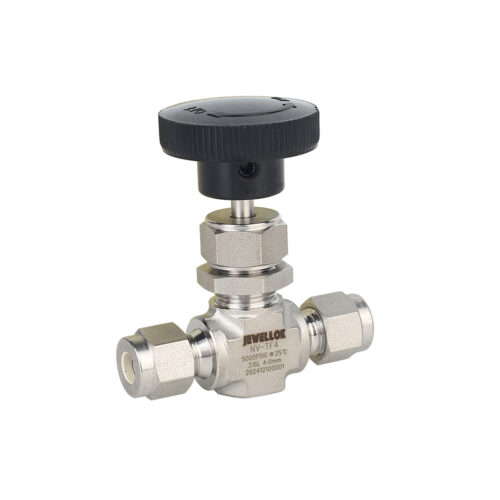
High Purity High Pressure Stainless Steel Needle Valve Natural Gas Flow Control Valve JNV Series
-
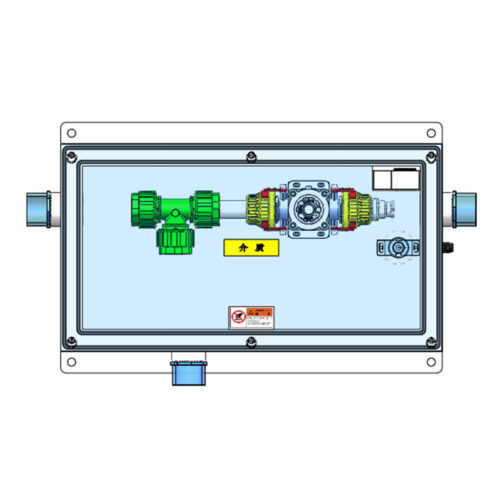
T-BOX JW-TB-C Special Gas Delivery System Gas Valve Manifold Boxes
-
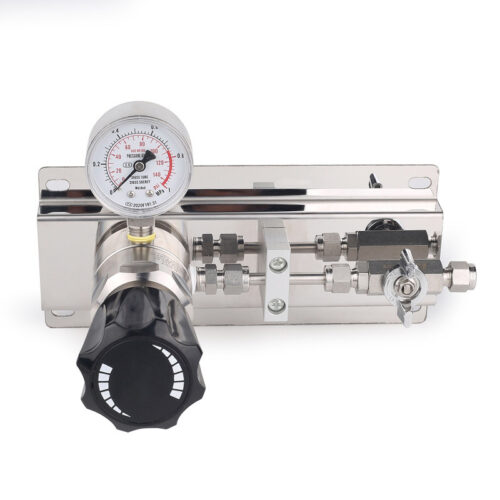
High Purity Gas Cylinder Semi Automatic Changeover Manifold Regulator Panel 3000psig Stainless Steel Gas Control Panel 1/8 Npt With Gauge
-
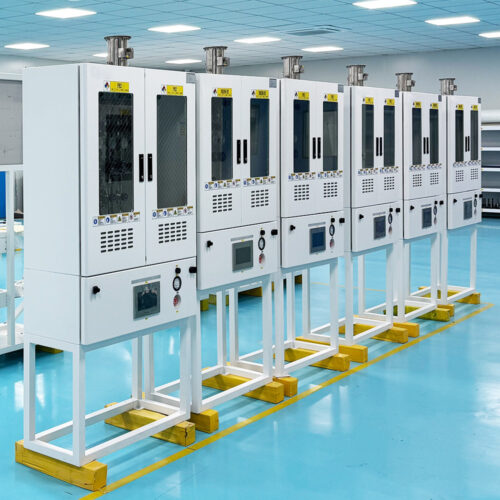
Integrated Gas Delivery Solutions with VMB Valve Manifold Box and Automatic Gas Switchover Systems for Industrial
-
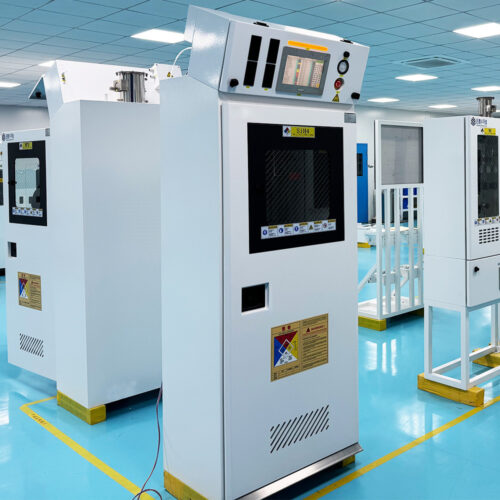
Fully Automated Gas Cabinet For Precise UHP Gas Delivery And High Purity Gas Delivery Systems JW-300-GC
-
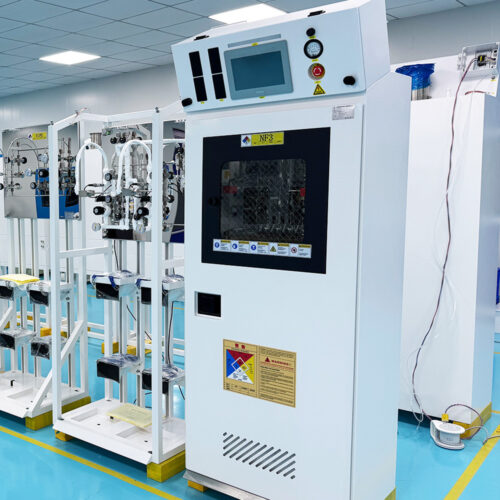
Semi Automatic Gas Cabinet Gas Panels High Purity Gas Delivery Systems JW-200-GC