
Regulator Manufacturer Tel: +86 13380377051
Regulator Manufacturer Tel: +86 13380377051
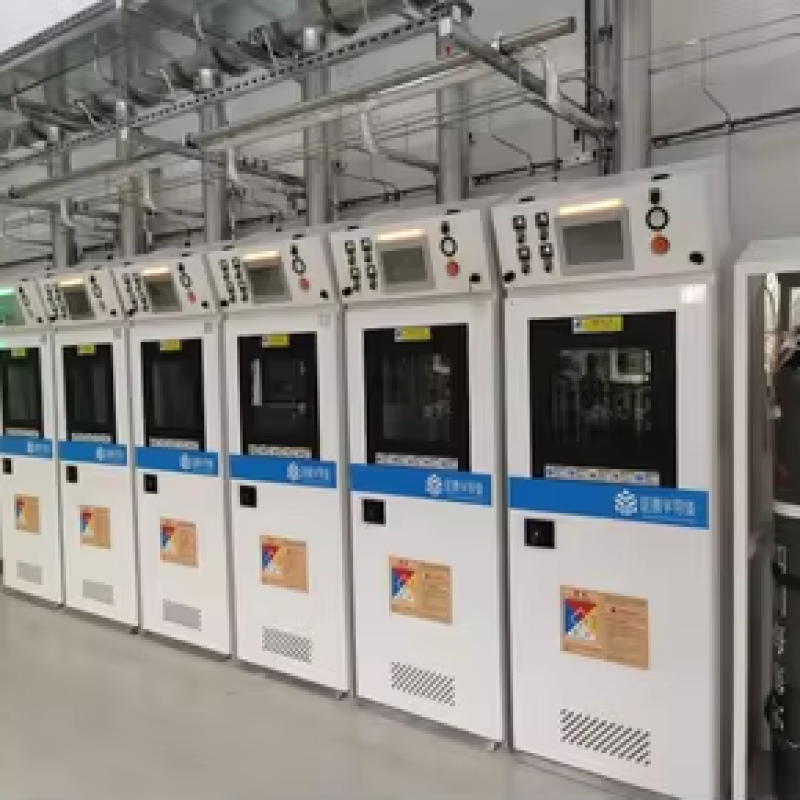
Custom Specialty Gas Cabinet for High Purity Gas Delivery Systems
High purity gas delivery is a critical part of semiconductor manufacturing, photovoltaic production, LED fabrication, MEMS, pharmaceuticals, analytical instrumentation, and other advanced industrial processes. In these applications, process gases must be delivered safely, consistently, and with extremely low levels of contamination. A custom specialty gas cabinet provides an engineered solution for storing, controlling, monitoring, and supplying hazardous or high-purity gases while meeting the specific requirements of the process.
Unlike standard gas cabinets, custom systems can be configured around gas type, cylinder capacity, pressure requirements, flow rate, facility layout, process equipment, automation level, and safety requirements. When properly engineered, a custom specialty gas cabinet becomes an integrated component of a high purity gas delivery system rather than simply an enclosure for gas cylinders.
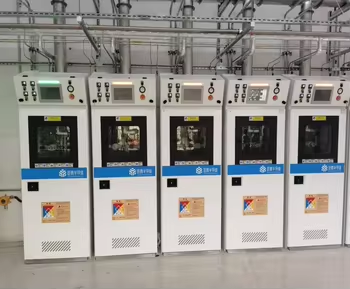
What Is a Specialty Gas Cabinet?
A specialty gas cabinet is an enclosed gas handling system designed to contain and control one or more gas cylinders and their associated gas delivery components. Depending on the application, the cabinet can incorporate regulators, valves, filters, pressure transmitters, pneumatic components, mass flow controllers, sensors, exhaust connections, and PLC-based control systems.
For high purity applications, the internal gas path is normally designed to minimize particle generation, moisture, oxygen, and hydrocarbon contamination. Wetted components may use high-quality stainless steel, particularly 316L stainless steel, with suitable surface treatment and electropolishing where required.
The cabinet also provides an additional layer of safety. If the process involves toxic, corrosive, flammable, oxidizing, or pyrophoric gases, the enclosure can be connected to a facility exhaust or gas abatement system. Gas detection, automatic shutoff, pressure monitoring, and alarm functions can further reduce operational risks.
Why Customization Matters
Every high purity gas delivery application has different operating requirements. A cabinet designed for nitrogen or argon may have very different requirements from one handling corrosive or toxic process gases.
Customization allows the system manufacturer to select the appropriate components and architecture based on the application. Important design factors include:
- Gas type and chemical compatibility
- Cylinder size and quantity
- Supply pressure and delivery pressure
- Required gas flow rate
- Purity specification
- Number of process tools
- Automatic or manual operation
- Cabinet dimensions and installation location
- Exhaust requirements
- Gas detection requirements
- Facility communication protocols
- Maintenance and cylinder replacement requirements
For example, a semiconductor fabrication facility may require an automatic dual-cylinder gas cabinet that switches from an empty cylinder to a full cylinder without interrupting the gas supply. Another application may require multiple gas sources, independent pressure control, or redundant safety shutoff valves.
A custom design makes it possible to address these requirements before equipment manufacturing begins.
High Purity Gas Delivery System Architecture
A typical specialty gas cabinet consists of several functional sections.
The first is the gas source section, where cylinders are securely installed and connected to the gas delivery manifold. Proper cylinder restraints and connection hardware are essential for safe operation.
The second is the gas regulation section. High-performance regulators reduce cylinder pressure to the required downstream pressure. Depending on the application, single-stage or dual-stage regulation may be used.
The third is the purification and filtration section. Point-of-use or cabinet-level filters can help control particles and other contaminants. Filter selection should consider gas compatibility, pressure drop, flow capacity, and required purity.
The fourth is the valve and control section. Pneumatic or electrically actuated valves can provide automatic isolation, gas switching, purge control, and emergency shutoff functions.
Finally, the cabinet includes monitoring and safety systems. Pressure sensors, gas detectors, flow monitoring devices, exhaust monitoring, and PLC controls can provide real-time information about system conditions.
Materials for Ultra-High Purity Applications
Material selection is one of the most important considerations in a high purity gas delivery system.
316L stainless steel is widely used for critical gas-wetted components because of its corrosion resistance, mechanical strength, and suitability for high-purity gas applications. For demanding semiconductor processes, components may be specified with controlled material composition, specialized manufacturing processes, and electropolished surfaces.
Surface finish also matters. Rough internal surfaces can create locations where contaminants or particles accumulate. Smooth, properly treated internal surfaces can improve cleanability and reduce potential contamination sources.
Gas connections may use VCR-type fittings or other high-integrity connection technologies depending on system requirements. Proper tube preparation, orbital welding, cleaning, and assembly procedures are essential for maintaining system cleanliness.
Material compatibility must also be evaluated according to the specific gas. Corrosive gases can attack unsuitable metals, seals, and polymers. Therefore, the material selection process should consider gas chemistry, concentration, temperature, pressure, and operating conditions.
Automatic Gas Switching
Automatic gas switching is a major feature of many custom specialty gas cabinets.
A dual-cylinder configuration typically consists of a primary gas source and a secondary gas source. When the primary cylinder reaches a predetermined pressure threshold, the control system can initiate a controlled changeover to the secondary cylinder.
This architecture can help maintain a continuous gas supply and reduce process interruptions. It can also provide an alarm indicating that the depleted cylinder needs replacement.
For critical manufacturing operations, additional redundancy can be incorporated into the design. The exact switching sequence, pressure thresholds, valve configuration, and alarm logic should be determined according to the gas delivery requirements and facility safety philosophy.
PLC-Based Control and Monitoring
Modern specialty gas cabinets increasingly use PLC-based automation.
A PLC can monitor pressure, valve status, gas detection signals, cabinet exhaust conditions, cylinder status, and other parameters. It can also control pneumatic valves and execute predefined operating sequences.
A typical control system may include:
- PLC controller
- Human-machine interface (HMI)
- Pressure transmitters
- Gas detection interfaces
- Solenoid valves
- Pneumatic actuators
- Digital and analog I/O
- Emergency stop circuits
- Audible and visual alarms
- Communication interfaces
The HMI can display real-time system conditions and alarm information. Depending on the facility architecture, the PLC may communicate with a factory automation or building management system through an appropriate industrial communication protocol.
Automation can also improve maintenance efficiency. Historical alarms and operating data can help technicians identify abnormal pressure behavior, valve problems, or gas supply issues.
Safety Features
Safety is fundamental to specialty gas cabinet design.
The cabinet enclosure can provide physical containment around gas cylinders and gas delivery components. An exhaust connection can continuously remove potentially hazardous gas from the cabinet when required by the application.
Gas detection systems may monitor the cabinet atmosphere for leaks. If an abnormal gas concentration is detected, the control system can initiate predefined safety actions, such as closing automatic valves and generating an alarm.
Emergency shutoff functions can provide rapid isolation of the gas source. Pressure relief devices can protect components from excessive pressure when appropriately selected and installed.
For toxic, corrosive, flammable, or pyrophoric gases, the cabinet design should be integrated with the facility’s overall safety infrastructure, including gas detection, exhaust ventilation, emergency shutdown, and gas abatement systems.
The exact safety configuration should be determined by qualified engineers and applicable local codes, standards, and site requirements.
Purge and Evacuation System
A properly designed purge system is essential for many high purity gas applications.
Before introducing a process gas, the gas delivery lines may need to be evacuated and purged to reduce residual air, moisture, or previous process gas. Depending on the application, inert gas such as nitrogen can be used as the purge medium.
A custom cabinet can include dedicated purge valves, vacuum connections, and automated purge sequences. PLC-controlled purge cycles can standardize operating procedures and reduce dependence on manual valve operation.
For applications involving hazardous gases, the purge system must be carefully designed so that the discharged gas is routed to an appropriate exhaust or abatement system.
Leak Prevention and System Integrity
Gas leakage is a critical concern in high purity gas systems. Even a small leak can create safety problems, reduce gas purity, or affect process stability.
High-integrity connections, properly fabricated tubing, suitable valves, reliable regulators, and appropriate sealing technologies are therefore important.
The finished cabinet may undergo pressure testing, leak testing, functional testing, and other quality-control procedures before shipment. Test methods should be selected according to the system specification and gas service.
For ultra-high-purity applications, manufacturers should also control assembly cleanliness. Components should be properly cleaned, protected, and packaged to prevent contamination during transportation and installation.
Custom Cabinet Configurations
Specialty gas cabinets can be designed in different configurations according to production requirements.
A single-cylinder cabinet is suitable for applications where uninterrupted gas supply is not critical or where frequent cylinder replacement is acceptable.
A dual-cylinder automatic changeover cabinet is more appropriate for continuous processes because it can maintain gas availability during cylinder replacement.
For larger facilities, multi-cylinder systems can support centralized gas distribution or multiple process tools.
The cabinet can also be designed as a compact standalone unit or integrated into a larger gas delivery skid. Dimensions, access doors, cylinder arrangements, control panels, and connection locations can all be customized around the facility layout.
Application in Semiconductor Manufacturing
Semiconductor manufacturing places particularly demanding requirements on gas delivery systems. Process gases may be used for deposition, etching, cleaning, doping, oxidation, and other fabrication processes.
Gas purity and delivery stability can directly influence process performance. Contamination, pressure fluctuations, or unstable gas flow may affect wafer processing and yield.
A custom specialty gas cabinet can therefore be designed to provide controlled pressure, stable gas flow, reliable gas switching, effective purging, and comprehensive monitoring.
The cabinet can also be integrated with semiconductor facility infrastructure, including gas distribution systems, exhaust systems, gas abatement equipment, and factory automation platforms.
Engineering and Manufacturing Considerations
A successful custom specialty gas cabinet project should begin with a detailed technical specification.
The engineering team should define the gas list, cylinder specifications, pressure ranges, flow requirements, piping materials, connection standards, control philosophy, cabinet dimensions, exhaust requirements, and safety functions.
A process and instrumentation diagram (P&ID) is normally developed before fabrication. The P&ID helps engineers verify the gas path, valve arrangement, pressure control, purge sequence, and safety functions.
After design approval, components can be fabricated and assembled under controlled procedures. Tubing fabrication, welding, cleaning, inspection, electrical wiring, PLC programming, and final testing should follow documented quality procedures.
Factory acceptance testing can then verify mechanical integrity, control logic, alarms, valve operation, pressure monitoring, and other specified functions before delivery.
Choosing a Custom Specialty Gas Cabinet Manufacturer
When selecting a manufacturer, buyers should evaluate more than the cabinet enclosure itself. The supplier should have experience with high purity gas handling, precision tubing, valve integration, pressure control, automation, and safety systems.
Important evaluation criteria include:
- Experience with high purity gas delivery systems
- Knowledge of gas compatibility and material selection
- Capability to manufacture customized gas cabinets
- Quality control for welding and assembly
- Leak and pressure testing capability
- PLC and HMI integration experience
- Documentation and P&ID support
- Ability to integrate gas detection and exhaust systems
- After-sales technical support
- Compliance with applicable project standards
A capable engineering partner should be able to work from the customer’s process requirements rather than simply offering a fixed cabinet model.
Conclusion
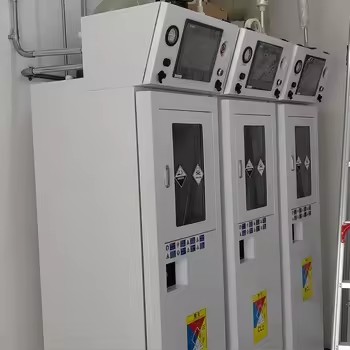
A custom specialty gas cabinet for high purity gas delivery systems provides an integrated solution for safe, reliable, and controlled gas distribution. By combining high-quality gas-wetted components, precision pressure regulation, automatic valve control, effective purge functions, gas monitoring, and PLC-based automation, the system can be tailored to the specific requirements of advanced manufacturing processes.
For semiconductor fabs and other high-tech facilities, customization is particularly valuable because gas purity, system reliability, safety, and process continuity are closely connected. A well-engineered cabinet can support stable gas delivery while simplifying operation, maintenance, and integration with the facility’s broader gas management infrastructure.
The key to a successful project is not simply selecting a gas cabinet with the correct dimensions. It is developing a complete gas delivery architecture based on gas chemistry, pressure, flow, purity, safety, automation, and facility requirements. With the right engineering approach and manufacturing quality, a custom specialty gas cabinet can become a dependable foundation for high purity gas delivery and modern industrial process control.
For more about custom specialty gas cabinet for high purity gas delivery systems, you can pay a visit to Jewellok at https://www.specialtygasregulator.com/product-category/specialty-gas-cabinet/ for more info.
-
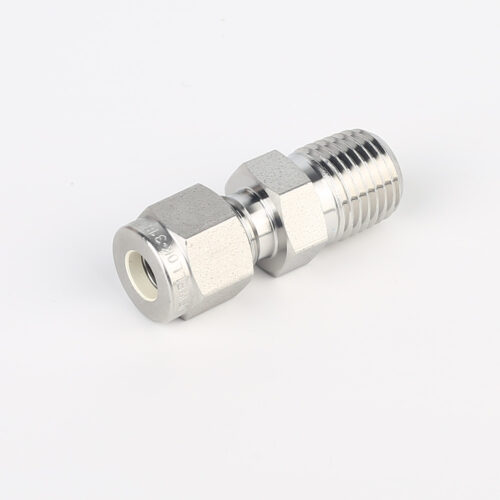
768L Stainless Steel Male Tube Butt Weld Connector | Clean Weld Fittings And Ultra-High Purity Fittings
-
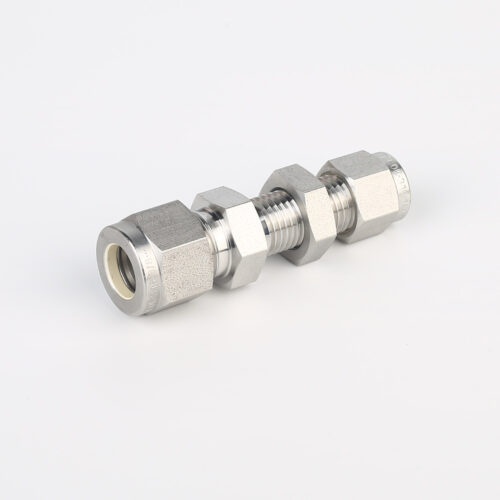
775L Bulkhead Reducing Union | Stainless Steel High Purity Double Ferrule Bulkhead Reducing Unions
-
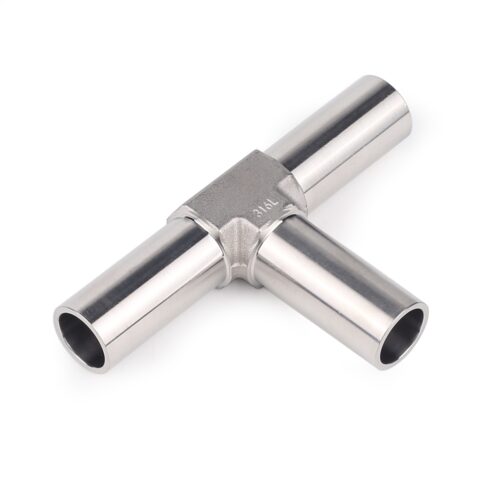
Stainless Steel Ultra Clean Welding Joint Fittings TW Series TRW Series & CW Series
-
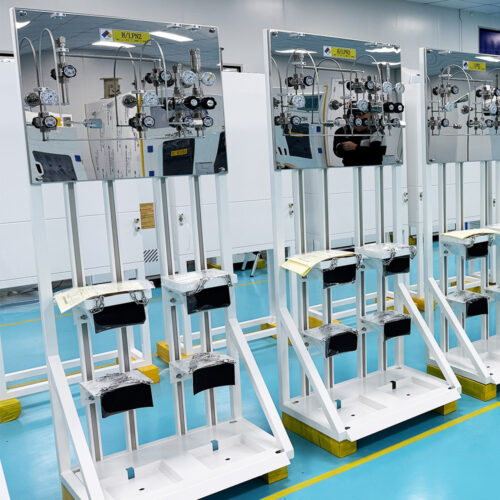
Semi-Automatic VMB Gas Cabinet Gas Changeover Manifold With Semiconductor Valve Manifold Box Diaphragm Valves And Gas Pressure Regulators
-
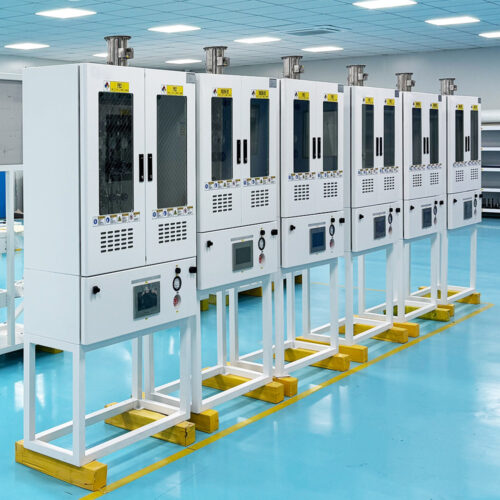
Ultra High Purity Gas Delivery Systems And Liquid Chemical Delivery Systems JW-300-LDS
-
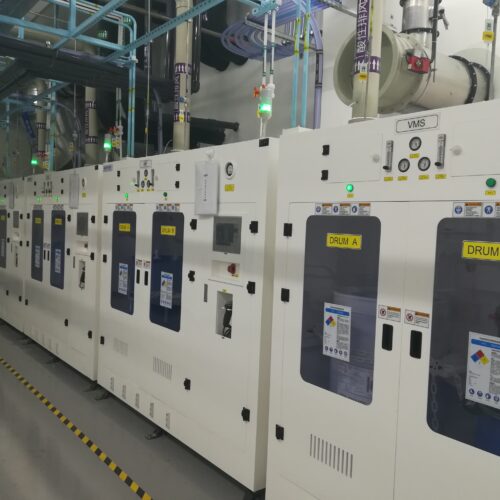
High Purity Liquid Chemical Delivery Systems Designed for Sub Micron Semiconductor Production
-
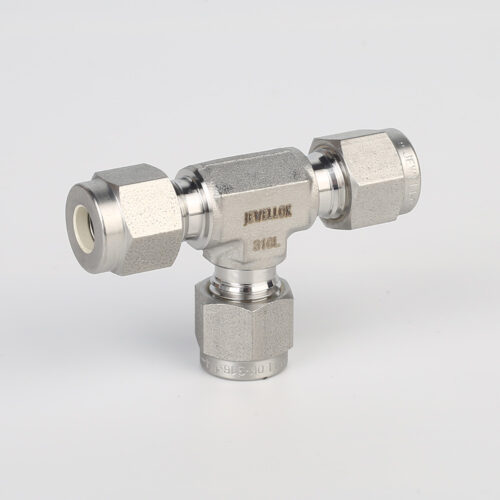
764L Stainless Steel Union Tee High Purity Fitting Union Tee Reducing Tubing Connection
-
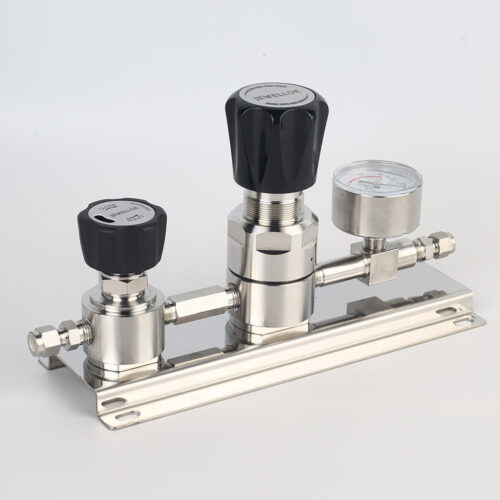
High Purity High Flow Pressure Control Regulators & Valves Gas Stick Assemblies JSR-2TG Series