
Regulator Manufacturer Tel: +86 13380377051
Regulator Manufacturer Tel: +86 13380377051
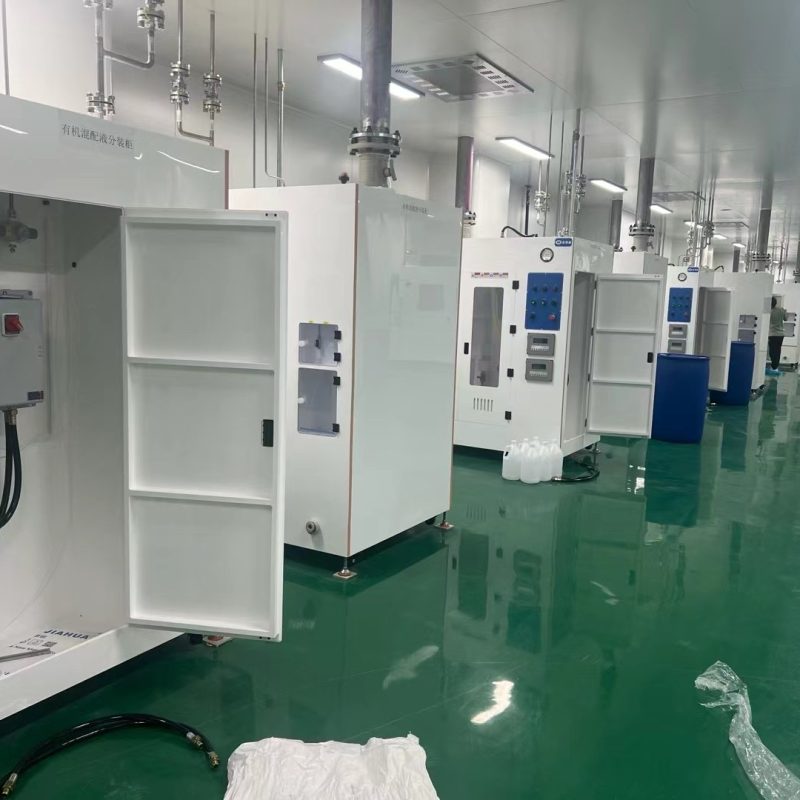
How Does Acid Gas Scrubber Work? Types, Design and Applications
Acid gas emissions are a major concern in chemical processing, semiconductor manufacturing, metal treatment, pharmaceuticals, laboratories, wastewater treatment, and other industrial operations. Gases such as hydrogen chloride (HCl), sulfur dioxide (SO₂), hydrogen fluoride (HF), chlorine (Cl₂), hydrogen sulfide (H₂S), and other acidic or corrosive compounds can damage equipment, create occupational hazards, and contribute to atmospheric pollution if they are not properly controlled.
An acid gas scrubber is an industrial gas treatment system designed to remove acidic contaminants from process exhaust streams before the treated gas is discharged into the atmosphere. Among different emission-control technologies, wet scrubbers are widely used because they can handle corrosive gases, fluctuating concentrations, and relatively high gas flow rates.
This article explains how an acid gas scrubber works, the major scrubber types, key design considerations, applications, and factors to consider when selecting an acid gas neutralization scrubber.
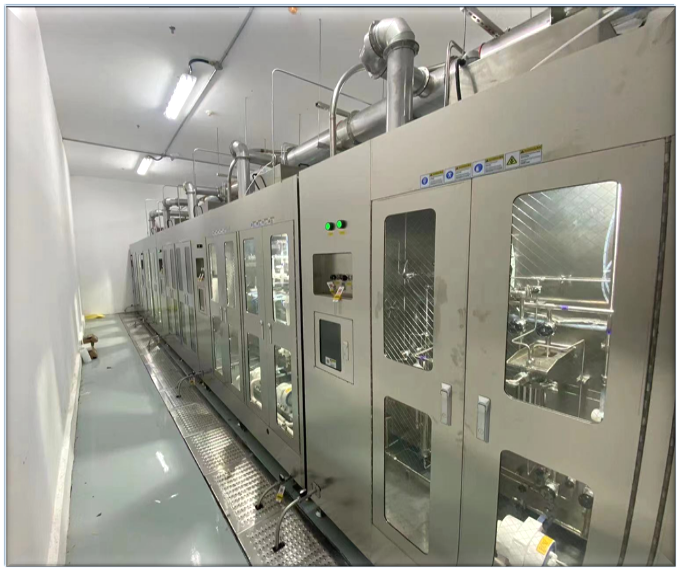
What Is an Acid Gas Scrubber?
An acid gas scrubber is an exhaust gas treatment device that transfers acidic pollutants from a gas stream into a liquid scrubbing solution. The system typically consists of a scrubber tower, spray or packed section, recirculation tank, pump, mist eliminator, ductwork, instrumentation, and control system.
The basic objective is to bring contaminated gas into intimate contact with a suitable liquid. Acidic molecules dissolve into the liquid and may then react chemically with an alkaline reagent, converting them into less hazardous salts or other stable compounds.
For example, hydrogen chloride can be neutralized using sodium hydroxide:
HCl + NaOH → NaCl + H₂O
Similarly, sulfur dioxide can react with an alkaline solution to form sulfite or sulfate compounds depending on the process conditions.
An acid gas scrubber therefore combines two important mechanisms: mass transfer and chemical neutralization.
How Does an Acid Gas Scrubber Work?
The operating principle can be divided into several stages.
1. Contaminated Gas Enters the Scrubber
Industrial exhaust gas enters the scrubber through an inlet duct. Depending on the system design, the gas may first pass through a quench section to reduce its temperature and saturate it with moisture.
Temperature control is particularly important when the exhaust contains hot process gases. Excessive temperature can reduce absorption efficiency, damage packing materials, or cause unwanted evaporation of the scrubbing liquid.
2. Gas Contacts the Scrubbing Liquid
Inside the scrubber, the gas comes into contact with the circulating liquid. In a packed-bed scrubber, the liquid is distributed over packing materials while the gas flows through the packing.
The packing creates a large wetted surface area, increasing contact between the gas and liquid phases.
Acidic gases dissolve into the liquid according to their physical and chemical properties. The larger the effective gas-liquid contact area and the longer the effective contact time, the greater the potential removal efficiency.
3. Chemical Neutralization Takes Place
For reactive acid gases, physical absorption alone may not provide sufficient removal. An alkaline reagent is therefore introduced into the circulating liquid.
Common reagents include:
- Sodium hydroxide (NaOH)
- Sodium carbonate (Na₂CO₃)
- Calcium hydroxide [Ca(OH)₂]
- Magnesium hydroxide
- Other application-specific alkaline chemicals
The alkaline solution reacts with dissolved acidic compounds, maintaining the chemical driving force for additional absorption.
For this reason, pH control is one of the most important parameters in an acid gas scrubber system.
4. Mist Is Removed
After passing through the absorption section, the treated gas normally passes through a mist eliminator.
The mist eliminator captures fine droplets carried by the gas stream and returns them to the scrubber system. This prevents excessive liquid carryover into downstream ductwork, fans, stacks, or other equipment.
5. Treated Gas Is Discharged
After the acid gas concentration has been reduced to the required level, the treated gas leaves the scrubber through the outlet duct and is discharged through the exhaust system.
Meanwhile, the circulating liquid is continuously monitored and periodically replenished or replaced to maintain the required treatment performance.
Main Types of Acid Gas Scrubbers
Different scrubber configurations are available depending on gas composition, flow rate, temperature, pollutant concentration, and required removal efficiency.
1. Packed Bed Scrubber
Packed bed scrubbers are among the most common designs for acid gas treatment.
The tower contains specially designed packing materials that provide a large surface area for gas-liquid contact. The scrubbing liquid is distributed from the top while contaminated gas generally flows upward from the bottom.
Packed scrubbers are particularly suitable for:
- HCl removal
- HF removal
- SO₂ treatment
- Chlorine-containing exhaust
- Chemical manufacturing exhaust
- Semiconductor process exhaust
- Laboratory corrosive gas treatment
The packing material must have suitable chemical resistance. Common materials include PP, PVC, CPVC, PVDF, and other corrosion-resistant materials.
2. Spray Tower Scrubber
A spray tower uses nozzles to atomize the scrubbing liquid into droplets. Contaminated gas contacts the droplets as it moves through the tower.
Compared with packed towers, spray scrubbers generally have a simpler internal structure and lower risk of packing blockage.
They can be useful for applications involving particulate matter, relatively high-temperature gases, or liquids containing solids. However, gas-liquid mass transfer efficiency may be lower than that of a properly designed packed-bed system.
3. Venturi Scrubber
A Venturi scrubber accelerates the gas through a constricted section, where high gas velocity creates strong turbulence and atomizes the scrubbing liquid.
Venturi scrubbers provide intensive gas-liquid contact and can simultaneously remove gases and particulate contaminants.
Their main disadvantage is relatively high pressure drop and therefore higher fan energy requirements.
4. Multi-Stage Scrubber
Some industrial processes generate exhaust containing multiple contaminants or require very high removal efficiency. A multi-stage system can therefore be used.
For example, the first stage may perform cooling and particulate removal, while subsequent stages provide acid gas absorption and polishing.
Different scrubbing chemicals can also be used in different stages when the exhaust contains several chemically different pollutants.
Key Acid Gas Scrubber Design Considerations
Proper design is essential for achieving stable removal performance. A scrubber should not be selected solely according to exhaust airflow.
Gas Flow Rate
The gas flow rate determines the size of the scrubber tower, ductwork, fan, spray system, and other components.
Designers normally consider both normal and maximum exhaust flow rates. Oversizing can increase capital costs, while undersizing may result in excessive gas velocity and insufficient contact time.
Acid Gas Concentration
The inlet concentration of HCl, HF, SO₂, H₂S, chlorine, or other contaminants directly affects reagent consumption and scrubber capacity.
Accurate inlet concentration data are therefore important when selecting the appropriate scrubber configuration.
Gas Temperature
Temperature influences gas solubility, reaction kinetics, evaporation, materials selection, and fan performance.
Hot exhaust streams may require a quench or cooling stage before entering the primary absorption section.
Scrubbing Chemical
The reagent must be compatible with the target pollutant and the operating conditions.
For example, sodium hydroxide is commonly used for acidic gases because it reacts rapidly with many water-soluble acid compounds. However, reagent selection should consider wastewater generation, chemical consumption, operating cost, and downstream treatment requirements.
pH and ORP Control
Automated pH monitoring allows the system to maintain the scrubbing liquid within the desired operating range.
Depending on the chemistry, oxidation-reduction potential (ORP), conductivity, temperature, liquid level, and other parameters may also be monitored.
An automated control system can adjust chemical dosing according to real-time process conditions rather than relying entirely on manual adjustment.
Gas-Liquid Ratio
The gas-to-liquid or liquid-to-gas ratio affects mass transfer and chemical utilization.
Insufficient liquid circulation can reduce absorption efficiency, while excessive liquid flow can increase pump energy consumption and chemical usage.
Pressure Drop
Pressure drop is another important design parameter. Excessive pressure drop increases the load on the exhaust fan and therefore increases energy consumption.
The scrubber should provide adequate gas-liquid contact without creating unnecessary resistance to airflow.
Corrosion Resistance
Acid gas treatment systems operate in highly corrosive environments. Material selection is therefore critical.
Common construction materials include:
- PP
- PVC
- CPVC
- FRP
- PVDF
- PTFE-lined components
- Corrosion-resistant metals for selected components
The appropriate material depends on the gas chemistry, temperature, concentration, and scrubbing solution.
Acid Gas Scrubber Applications
Acid gas scrubbers are used across a wide range of industries.
Semiconductor Manufacturing
Semiconductor fabrication processes may generate corrosive and hazardous gases during etching, cleaning, deposition, and other operations.
Wet scrubbers can be integrated with exhaust treatment systems to remove water-soluble acid gases before final discharge.
Chemical Manufacturing
Chemical plants may generate HCl, SO₂, HF, chlorine, and other corrosive gases. Scrubber systems can be installed on reactors, process vessels, storage tanks, and production lines.
Metal Surface Treatment
Pickling, etching, and metal finishing processes can generate acidic fumes. A properly designed scrubber can capture and neutralize these emissions.
Pharmaceutical and Laboratory Facilities
Laboratories and pharmaceutical production facilities may use acids, solvents, and specialty chemicals that produce corrosive exhaust.
Compact scrubber systems can be integrated into laboratory exhaust or centralized ventilation systems.
Wastewater Treatment
Wastewater treatment facilities may produce hydrogen sulfide and other odorous or corrosive compounds.
Depending on the contaminant, chemical scrubbers can be used as part of a broader odor and gas treatment system.
Incineration and Combustion Processes
Combustion systems can generate sulfur oxides, hydrogen chloride, and other acidic pollutants. Scrubbing technology may be incorporated into flue gas treatment systems to reduce acid gas emissions.
How to Select an Acid Gas Scrubber
Before purchasing or engineering an acid gas scrubber, several operating parameters should be clearly defined.
A typical technical specification should include:
- Exhaust gas flow rate
- Normal and maximum inlet concentration
- Gas temperature
- Target outlet concentration
- Required removal efficiency
- Gas composition
- Required operating hours
- Scrubbing chemical
- Available installation space
- Allowable pressure drop
- Wastewater treatment requirements
- Applicable environmental regulations
For highly corrosive or hazardous gases, the system should also include appropriate leak detection, chemical storage, emergency controls, alarms, and interlocks.
Acid Gas Scrubber Maintenance
Regular maintenance is necessary to maintain stable treatment efficiency.
Operators should inspect spray nozzles, pumps, packing, mist eliminators, circulation tanks, dosing systems, sensors, valves, ducts, and fans.
pH probes require periodic calibration because inaccurate measurements can lead to insufficient reagent dosing or excessive chemical consumption.
Packing should also be inspected for fouling, scaling, blockage, or degradation. Mist eliminators should be cleaned when pressure drop increases or liquid carryover becomes excessive.
Conclusion
An acid gas scrubber works by bringing contaminated exhaust gas into contact with a suitable liquid, allowing acidic pollutants to dissolve and react with a neutralizing chemical. The treated gas then passes through a mist elimination stage before being discharged.
Packed bed scrubbers, spray towers, Venturi scrubbers, and multi-stage systems can all be used depending on the specific gas composition and operating requirements. Successful scrubber design requires careful consideration of gas flow, contaminant concentration, temperature, chemical dosing, pH control, gas-liquid contact, pressure drop, and corrosion resistance.
For industrial applications involving HCl, HF, SO₂, chlorine, H₂S, and other acid gases, a properly engineered scrubber can provide reliable emission control while protecting equipment, personnel, and the surrounding environment. The most effective system is not simply the largest scrubber, but one designed around the actual process conditions, contaminant chemistry, required removal efficiency, and long-term operating requirements.
For more about how does acid gas scrubber work? Types, design and applications, you can pay a visit to Jewellok at https://www.specialtygasregulator.com/product-category/specialty-gas-cabinet/ for more info.
-
771L Male Run Tee | Stainless Steel High Quality High Purity Male Run Tee Branch Tee Pipe Fittings
-
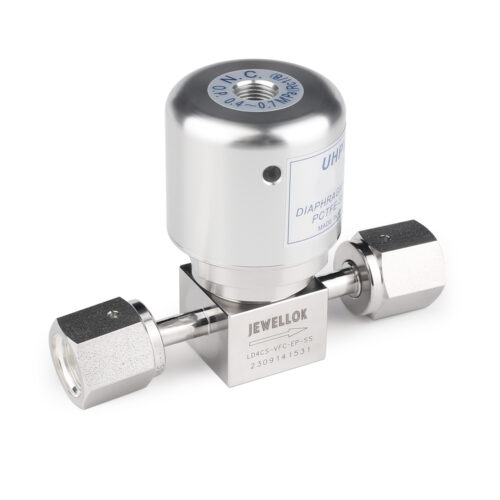
Stainless Steel Low Pressure Seal Pneumatic Diaphragm Control Valve For For HP & UHP Gases
-
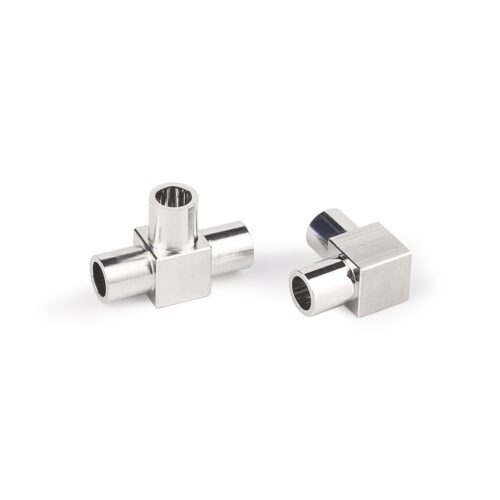
Stainless Steel Mini Elbow Mini Tee Mini Cross Mini Tribow Ultrahigh Purity Mini Butt Weld Fittings
-
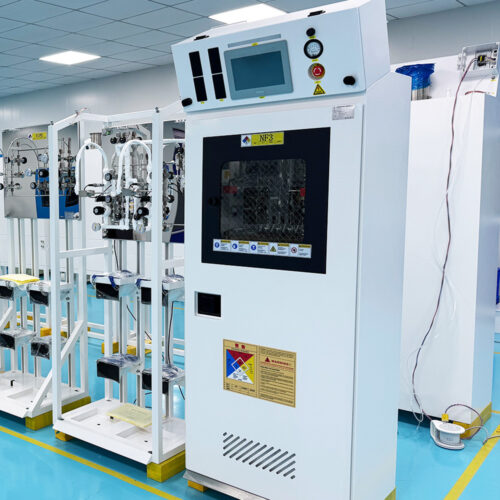
Semi Automatic Gas Cabinet Gas Panels High Purity Gas Delivery Systems JW-200-GC
-
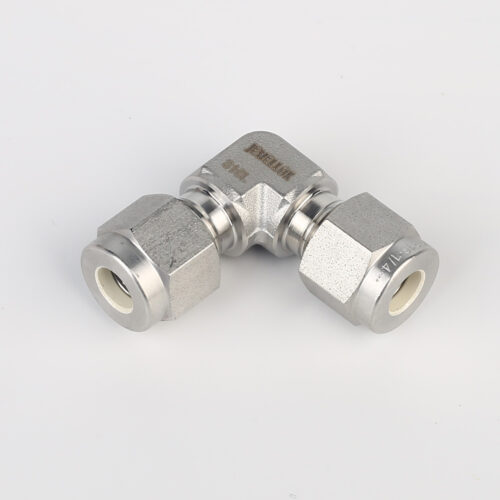
765L Stainless Steel Union Elbow Reducing High Purity Fitting Tubing Extension Tubing Connection
-
VMB Valve Manifold Panels And Boxes High Purity Configurable Systems JW-200-VMB & JW-100-VMB
-
Fully Automated Gas Cabinet Gas Rack Gas Delivery Systems JW-300-GR
-
Clean Connection Cabinet JW-300-CCB Valve Manifold Box And Control Valve Box