
Regulator Manufacturer Tel: +86 13380377051
Regulator Manufacturer Tel: +86 13380377051
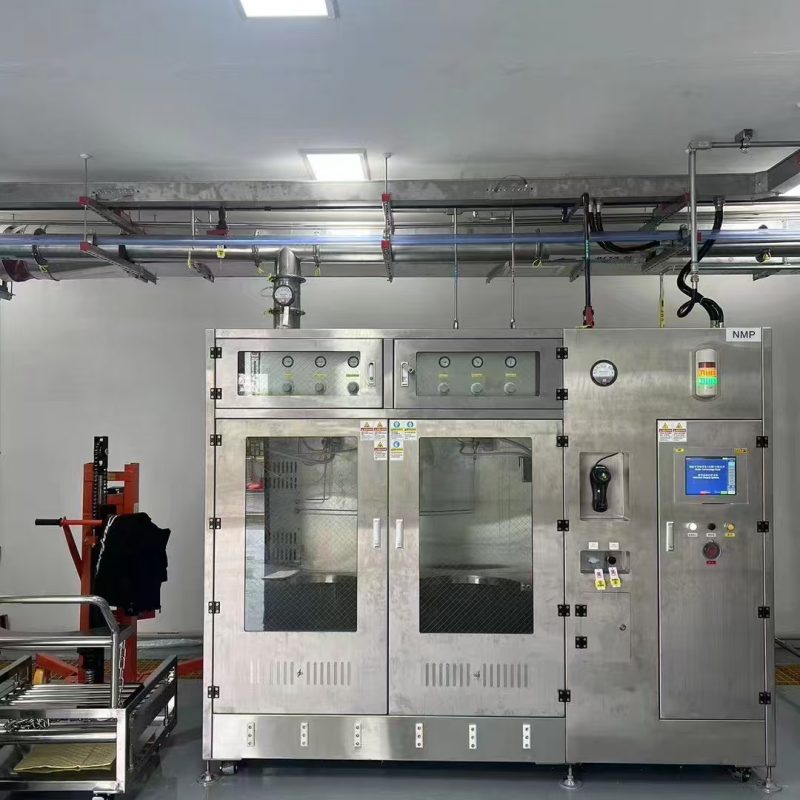
Industrial Polypropylene Chemical Exhaust Scrubber for Chemical Fumes and Exhaust Gas
Industrial processes involving acids, alkalis, solvents, corrosive chemicals, and reactive gases can generate hazardous chemical fumes and exhaust gases. Without effective treatment, these emissions may damage ventilation systems, create workplace safety risks, contribute to environmental pollution, and accelerate corrosion of downstream equipment.
An industrial polypropylene chemical exhaust scrubber provides a practical solution for controlling corrosive chemical fumes and water-soluble exhaust gases. Manufactured primarily from polypropylene (PP), these scrubbers combine corrosion resistance, chemical compatibility, efficient gas-liquid contact, and relatively low maintenance requirements. They are widely used in chemical manufacturing, semiconductor production, laboratories, metal finishing, pharmaceutical plants, battery manufacturing, wastewater treatment, and other industrial applications.
This article explains the construction, operating principle, advantages, applications, design considerations, and selection criteria of polypropylene chemical exhaust scrubbers.
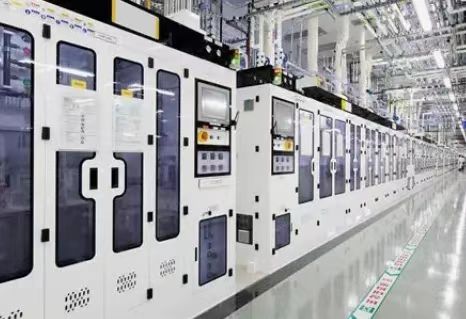
What Is a Polypropylene Chemical Exhaust Scrubber?
A polypropylene chemical exhaust scrubber is a wet air-pollution-control system designed to remove or neutralize contaminants from industrial exhaust streams. The system uses a liquid scrubbing solution to contact contaminated gas, allowing target pollutants to be absorbed, neutralized, or otherwise removed before the treated gas is discharged.
Polypropylene is commonly selected as the construction material because it offers good resistance to many acids, alkalis, salts, and other corrosive chemicals. Compared with conventional metal equipment, PP scrubbers can provide longer service life in highly corrosive exhaust environments when the material is properly matched to the chemical composition and operating temperature.
A typical system may include:
- Polypropylene scrubber tower
- Gas inlet and outlet
- Spray nozzles
- Packing media
- Liquid circulation tank
- Circulation pump
- Mist eliminator
- Demister support structure
- Inspection ports
- Access doors
- pH monitoring system
- Differential-pressure monitoring
- Dosing system
- Exhaust fan
- Control panel
Depending on the application, the scrubber can be designed as a packed-bed scrubber, spray tower, tray scrubber, or a combination of different treatment stages.
How Does an Industrial PP Chemical Scrubber Work?
The basic operating principle is based on intensive contact between contaminated exhaust gas and a suitable scrubbing liquid.
First, chemical exhaust gas is collected from the process through a local exhaust ventilation system. The exhaust stream enters the polypropylene scrubber through the gas inlet.
Inside the scrubber, the gas comes into contact with a liquid distributed through spray nozzles or across packing media. In a packed-bed configuration, the packing material increases the effective contact area between the gas and liquid.
As the contaminated gas travels through the scrubber, soluble pollutants transfer from the gas phase into the liquid phase. Depending on the chemical characteristics of the pollutants, the scrubbing liquid may also chemically react with and neutralize the contaminants.
For example, acidic gases may be treated using an alkaline solution, while alkaline gases can be treated using an acidic solution. The exact reagent, concentration, circulation rate, and operating pH must be determined according to the specific exhaust composition.
After gas-liquid contact, a mist eliminator removes entrained droplets from the gas stream. The treated gas then passes through the outlet duct and is discharged through the exhaust system.
The contaminated scrubbing liquid is continuously circulated, monitored, replenished, or replaced according to the system design and pollutant loading.
Why Use Polypropylene for Chemical Exhaust Scrubbers?
Material selection is one of the most important factors in designing an industrial chemical exhaust treatment system. Polypropylene offers several characteristics that make it suitable for many corrosive gas applications.
1. Excellent Corrosion Resistance
Many chemical exhaust streams contain corrosive compounds that can attack conventional carbon steel or other metals. PP provides strong resistance to numerous acidic and alkaline environments.
This makes polypropylene suitable for applications involving hydrochloric acid, sulfuric acid, nitric acid, sodium hydroxide, and other chemical fumes, subject to temperature and concentration limitations.
2. Lightweight Construction
Polypropylene is considerably lighter than many metal construction materials. A PP scrubber can therefore reduce structural loading and simplify transportation and installation.
Large industrial scrubber towers can also be fabricated in modular sections to facilitate delivery and on-site assembly.
3. Low Maintenance Requirements
PP surfaces are relatively smooth and resistant to many corrosive liquids. Properly designed systems can reduce corrosion-related maintenance compared with unsuitable metal systems.
However, regular inspection remains necessary. Packing, spray nozzles, pumps, ducts, demisters, and circulation tanks should be inspected according to operating conditions.
4. Fabrication Flexibility
Polypropylene sheets can be fabricated and welded into customized scrubber towers, tanks, ducts, and chemical handling components. This allows manufacturers to adapt equipment dimensions and configurations to different airflow rates and installation conditions.
Major Applications of Polypropylene Chemical Exhaust Scrubbers
Industrial PP scrubbers are used across multiple industries where corrosive fumes or water-soluble chemical gases must be controlled.
Chemical Manufacturing
Chemical plants may generate acidic, alkaline, chlorine-containing, ammonia-containing, or other chemically reactive exhaust streams.
A properly engineered PP scrubber can be integrated into the plant exhaust system to provide continuous gas treatment.
Semiconductor and Electronics Manufacturing
Semiconductor fabrication and electronics production can involve corrosive chemicals used during cleaning, etching, deposition, and other processes.
PP wet scrubbers are commonly considered for exhaust streams containing water-soluble acidic or alkaline contaminants. For more complex semiconductor exhaust, multiple treatment technologies may be required depending on the specific process chemistry.
Metal Surface Treatment
Electroplating, pickling, anodizing, and metal cleaning operations can release acid and alkaline fumes.
A local exhaust system combined with a PP chemical scrubber can capture and treat these emissions before they enter the external environment.
Pharmaceutical Manufacturing
Pharmaceutical production may generate chemical vapors, solvent-containing emissions, and process exhaust. Depending on the contaminant characteristics, wet scrubbing can be incorporated as one stage of an overall exhaust treatment system.
Battery Manufacturing
Battery production can involve corrosive chemicals and process fumes. PP scrubbers can be considered for suitable water-soluble exhaust streams, particularly where chemical resistance is a primary equipment requirement.
Laboratories
Laboratories frequently handle acids, bases, and reactive chemicals in fume hoods. Compact polypropylene scrubbers can be integrated with laboratory exhaust systems when centralized or point-source treatment is required.
Packed-Bed Polypropylene Scrubber Design
A packed-bed scrubber is one of the most common configurations for industrial chemical exhaust treatment.
The tower contains specially shaped packing media. The scrubbing liquid flows downward over the packing while the contaminated gas generally travels upward. This counter-current flow creates a large gas-liquid contact area.
The performance of a packed-bed scrubber depends on several factors:
- Exhaust airflow rate
- Gas temperature
- Pollutant concentration
- Gas solubility
- Liquid-to-gas ratio
- Packing type and height
- Spray distribution
- Scrubbing-liquid chemistry
- Residence/contact time
- Pressure drop
- Mist eliminator efficiency
The packing should provide sufficient surface area without creating excessive pressure drop. Poor liquid distribution can create channeling, reducing gas-liquid contact and treatment performance.
Scrubbing Liquid Selection
The scrubbing solution must be selected according to the target pollutants.
For acidic gases, an alkaline solution may be used to promote neutralization. Sodium hydroxide is one example of an alkaline reagent used in suitable applications.
For alkaline gases such as ammonia, an acidic solution may be considered.
For some highly soluble gases, water alone may provide useful absorption. However, the appropriate solution depends on the contaminant, concentration, required removal performance, wastewater requirements, and applicable environmental regulations.
Automatic pH monitoring can help maintain the scrubbing liquid within the required operating range. A dosing system can automatically add chemicals when the pH moves outside the specified setpoint.
The selection of reagents should always be based on chemical compatibility, safety requirements, wastewater treatment considerations, and actual process conditions.
Key Parameters for Selecting an Industrial PP Scrubber
Choosing a scrubber based only on tower dimensions is insufficient. A reliable design should begin with the exhaust characteristics.
Airflow
The exhaust volume, normally expressed in m³/h, CFM, or another appropriate unit, determines the required gas-handling capacity.
Oversizing or undersizing the tower can affect equipment cost, gas velocity, pressure drop, and treatment performance.
Pollutant Type
The exact chemical composition of the exhaust must be identified. Acid gases, alkaline gases, VOCs, particulate matter, and highly reactive compounds may require different treatment technologies.
Pollutant Concentration
Inlet concentration directly influences chemical consumption and scrubber design. Peak concentrations should also be considered rather than relying solely on average values.
Gas Temperature
Polypropylene has a defined operating temperature range. High-temperature exhaust may require cooling, dilution, heat-resistant materials, or another suitable design before entering the PP scrubber.
Required Removal Efficiency
The target outlet concentration or removal efficiency should be established according to process requirements and applicable regulations.
A scrubber should not be selected solely according to a generic efficiency percentage. Actual performance depends on pollutant properties, operating conditions, equipment configuration, and chemical treatment.
Pressure Drop
Fans must overcome the pressure drop generated by the scrubber, packing, mist eliminator, ductwork, and other system components.
Therefore, scrubber design should be coordinated with fan selection to ensure stable airflow.
Automatic Monitoring and Control
Modern industrial chemical scrubbers can incorporate automated control systems to improve operating stability.
Common monitoring functions include:
- pH measurement
- Liquid level monitoring
- Pump status
- Differential pressure
- Exhaust airflow
- Temperature
- Chemical dosing
- Alarm status
For example, a PLC-based control system can monitor the pH value and automatically control a chemical dosing pump. If the circulation pump fails or the liquid level becomes too low, the system can generate an alarm or initiate a protective shutdown sequence.
These functions are particularly useful for continuous industrial production environments where stable exhaust treatment is required.
Maintenance of PP Chemical Exhaust Scrubbers
Although polypropylene provides strong chemical resistance, regular maintenance remains essential.
Operators should periodically inspect spray nozzles for blockage, packing media for contamination or degradation, pumps for abnormal operation, and demisters for fouling.
The scrubbing liquid should also be monitored for pH, chemical concentration, suspended solids, and other parameters relevant to the application.
Differential pressure is another useful maintenance indicator. An unexpected increase in pressure drop may indicate packing fouling, demister blockage, excessive particulate accumulation, or another operating problem.
Scheduled inspection helps identify issues before they reduce treatment performance or cause unplanned downtime.
Polypropylene Scrubber vs. Metal Scrubber
Material selection should be based on chemical compatibility rather than simply equipment cost.
Metal scrubbers may be appropriate for certain applications, particularly where high mechanical strength or elevated-temperature resistance is required. However, corrosive chemical environments can require specialized metal alloys or protective coatings.
PP scrubbers offer an alternative where the operating temperature and chemical conditions are compatible with polypropylene. Their corrosion resistance, lightweight construction, and fabrication flexibility make them attractive for many chemical exhaust applications.
The correct choice should consider chemical composition, temperature, pressure, mechanical loads, expected service life, maintenance requirements, and total lifecycle cost.
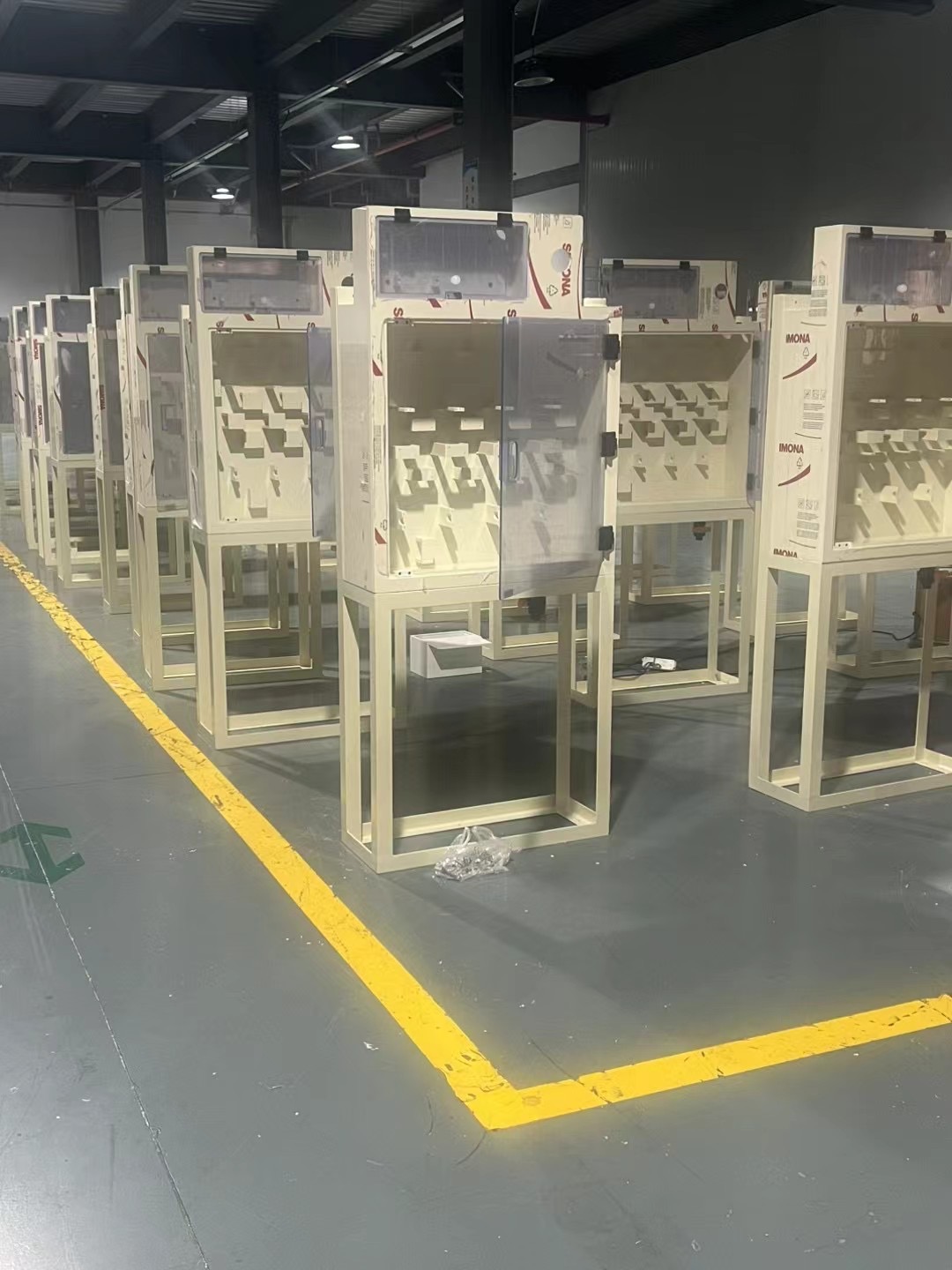
Conclusion
An industrial polypropylene chemical exhaust scrubber for chemical fumes and exhaust gas is an effective wet-scrubbing solution for many corrosive and water-soluble industrial emissions. Its PP construction provides chemical resistance and fabrication flexibility, while packed-bed and spray configurations enable effective gas-liquid contact.
For successful application, however, the scrubber must be engineered around the actual exhaust conditions. Airflow, pollutant composition, concentration, temperature, required removal performance, pressure drop, scrubbing chemistry, and wastewater handling should all be evaluated before equipment selection.
A complete system may combine a polypropylene scrubber tower, circulation pump, spray system, packing media, mist eliminator, chemical dosing equipment, exhaust fan, instrumentation, and PLC controls.
For chemical plants, semiconductor facilities, laboratories, metal-finishing operations, pharmaceutical manufacturing, battery production, and other industrial environments, a properly designed PP chemical exhaust scrubber can form an important part of an integrated exhaust gas treatment system. The final equipment configuration should always be validated against the actual process chemistry, operating conditions, safety requirements, and applicable environmental standards.
For more about industrial polypropylene chemical exhaust scrubber for chemical fumes and exhaust gas, you can pay a visit to Jewellok at https://www.specialtygasregulator.com/product-category/specialty-gas-cabinet/ for more info.
-
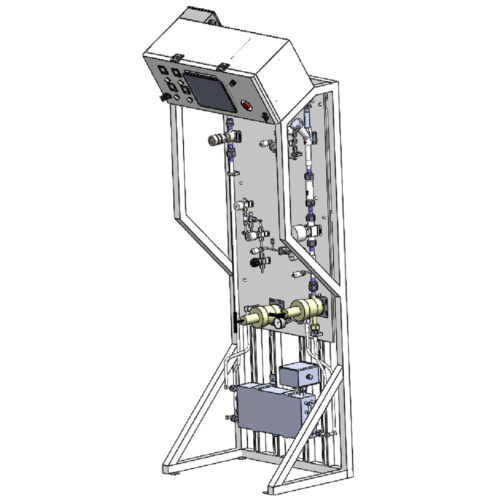
Fully Automated Gas Cabinet Gas Rack Gas Delivery Systems JW-300-GR
-
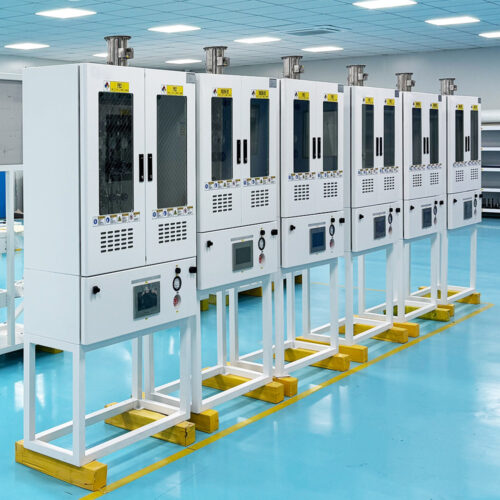
VMB Valve Manifold Panels And Boxes High Purity Configurable Systems JW-200-VMB & JW-100-VMB
-
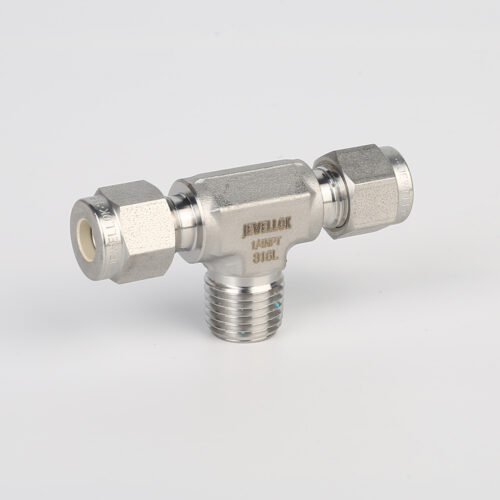
772L Male Branch Tee | Stainless Steel High-Purity Tube Fitting Male Branch Tee
-
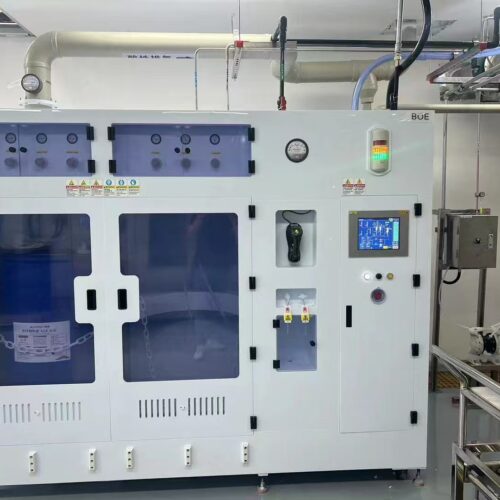
Chemical Delivery Modules for Automated Blending and Precise Dilution in Modern Wafer Cleaning Applications
-
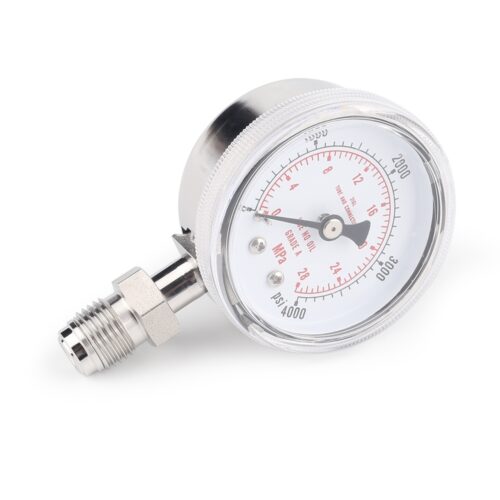
Ultra High Purity Oxygen Pressure Gauge For Semiconductor Gases JG Series Pressure Instruments For Semiconductor Manufacturing
-
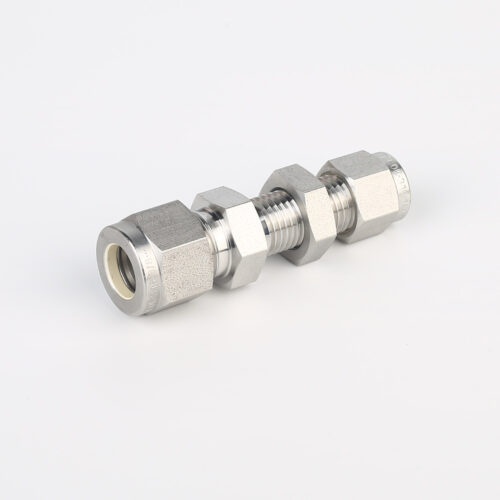
775L Bulkhead Reducing Union | Stainless Steel High Purity Double Ferrule Bulkhead Reducing Unions
-
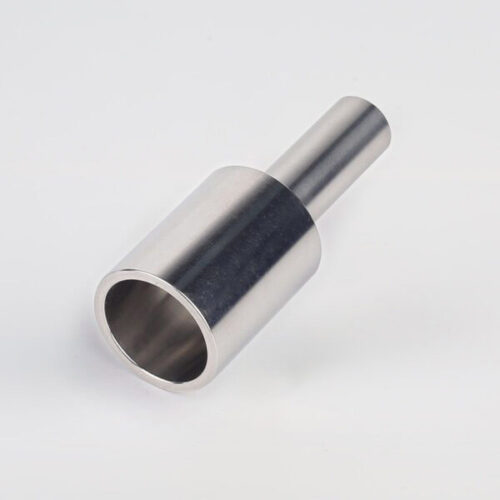
316L Stainless Steel Tube Butt Weld Reducing Fittings Union Reducer RW Series Ultrahigh Purity Process
-
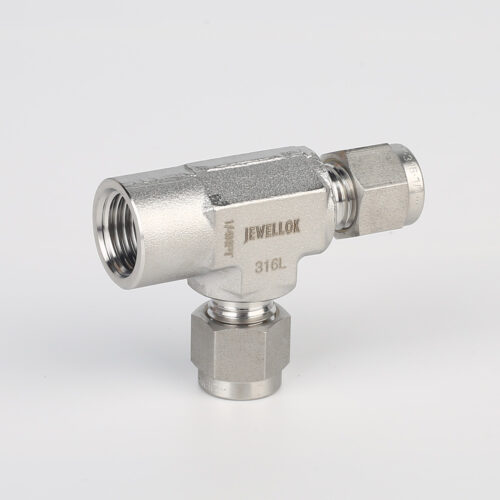
771LF Female Run Tee | Stainless Steel Tube Fitting Compression Fittings 1/4 In 3-Way Tee Female Run Tee