
Regulator Manufacturer Tel: +86 13380377051
Regulator Manufacturer Tel: +86 13380377051
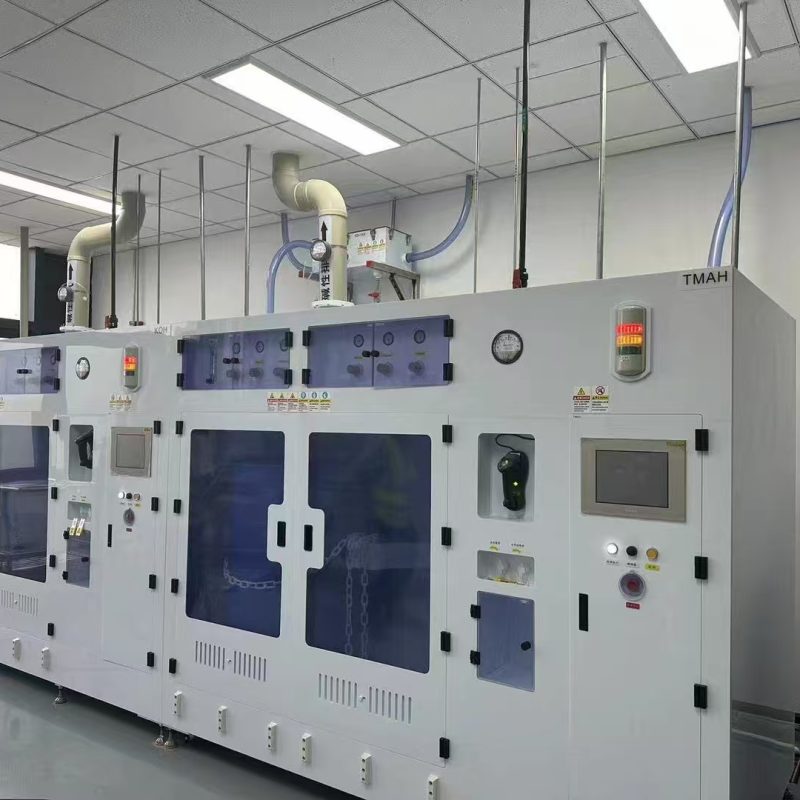
Silane Gas Abatement System for Semiconductor and CVD Processes
Silane gas (SiH₄) is an essential process gas widely used in semiconductor manufacturing, photovoltaic production, thin-film deposition, and chemical vapor deposition (CVD). It enables the formation of silicon-containing films for applications such as semiconductor devices, solar cells, MEMS components, and advanced electronic materials. However, silane is also a highly reactive and pyrophoric gas that requires carefully engineered gas handling, exhaust, and abatement systems.
A properly designed Silane Gas Abatement System is therefore a critical component of modern semiconductor and CVD facilities. The system must safely capture and treat process exhaust containing unreacted silane and reaction byproducts while maintaining stable process conditions, minimizing emissions, and protecting personnel and downstream equipment.
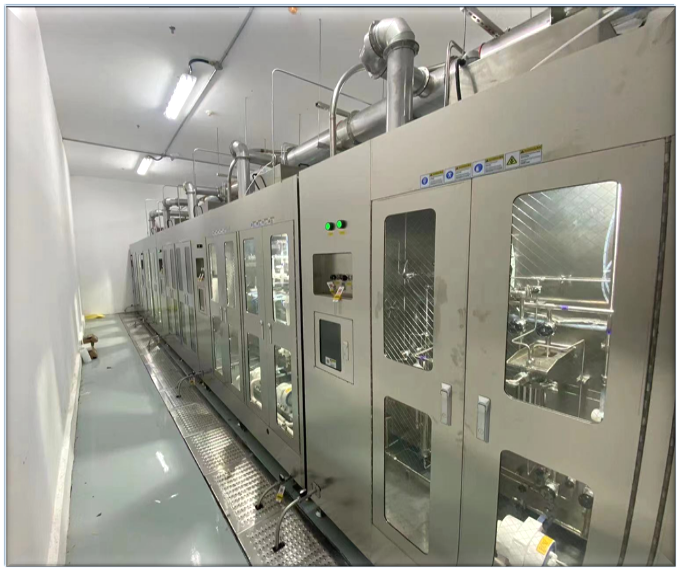
What Is a Silane Gas Abatement System?
A silane gas abatement system is an engineered exhaust treatment solution designed to remove or convert residual silane from process exhaust streams before the gas is discharged into a facility exhaust system or the atmosphere.
During semiconductor and CVD processes, only part of the supplied silane may participate in film deposition. The remaining SiH₄ can enter the process exhaust together with carrier gases and other process gases. Depending on the process, the exhaust may also contain silicon-containing particles, hydrogen, nitrogen, dopant gases, solvents, moisture, and other chemical byproducts.
The abatement system is installed downstream of the process chamber and typically includes several functional stages:
- Process exhaust collection
- Primary silane destruction
- Particle and byproduct management
- Cooling or quenching
- Scrubbing or filtration
- Exhaust monitoring
- Safety interlocks and control systems
The exact configuration depends on gas concentration, exhaust flow rate, process chemistry, chamber operating conditions, and local environmental and safety requirements.
Why Silane Requires Specialized Abatement
Silane differs from many conventional process gases because of its high chemical reactivity and flammability. In contact with air, silane can ignite spontaneously under suitable conditions. This characteristic creates significant safety considerations for semiconductor fabs and CVD production facilities.
During deposition, silane can also form silicon-containing particles. If these particles accumulate inside exhaust piping, valves, filters, or pumps, they can reduce flow capacity and increase maintenance requirements.
A suitable abatement system must therefore address more than simply reducing gas concentration. It should also control:
- Fire and ignition risks
- Unreacted silane
- Silicon particle formation
- Exhaust line deposition
- Potential hazardous byproducts
- Pressure and flow instability
- Equipment contamination
- Maintenance and downtime
This makes silane abatement an important part of the overall process safety architecture.
Silane Abatement Technologies
Several technologies can be used to treat silane-containing exhaust. The appropriate solution depends on process conditions and the required destruction performance.
1. Thermal Abatement
Thermal abatement uses controlled high temperatures to decompose or oxidize silane.
In a properly engineered thermal system, silane-containing exhaust enters a reaction chamber where heat promotes chemical conversion. Depending on the system design and gas composition, the resulting products can include silicon-containing solids and gases such as hydrogen or water vapor.
Thermal systems are widely considered for processes with relatively high silane concentrations or variable exhaust compositions because they can provide robust destruction performance.
However, thermal systems require careful control of temperature, oxygen availability, residence time, and byproduct handling. Silicon deposits generated during treatment must also be managed to prevent blockage or excessive maintenance.
2. Combustion-Based Abatement
Combustion abatement systems introduce controlled combustion conditions to destroy reactive gases.
For silane applications, the system must carefully control fuel, oxidant, exhaust flow, ignition, and chamber conditions. Flame detection and automatic shutdown functions are particularly important.
Combustion-based systems can be integrated with wet scrubbing or other downstream treatment stages to capture particulate matter and soluble byproducts.
3. Plasma Abatement
Plasma technology uses an energized plasma environment to promote the decomposition of process gases.
Plasma systems can be useful when low-temperature treatment is desirable or when the process requires a compact abatement solution. Depending on the specific configuration, plasma treatment can decompose silane and other process gases while reducing thermal loading.
The system must nevertheless address the solid products generated during silane decomposition. Particle management and downstream filtration remain important considerations.
4. Wet Scrubbing
Wet scrubbers can be incorporated downstream of a primary silane destruction stage. Their primary role is generally to remove soluble gases, particulate matter, and certain reaction products rather than relying on wet scrubbing alone to handle concentrated pyrophoric silane.
A typical configuration may therefore combine a primary combustion or thermal stage with a wet scrubber.
The scrubber can use water or a chemically selected scrubbing solution to capture specific contaminants. Proper control of liquid circulation, pH, temperature, differential pressure, and discharge is necessary for reliable operation.
Typical Silane Abatement System Configuration
A semiconductor facility may use a system architecture similar to:
CVD Chamber → Exhaust Line → Primary Abatement → Quench/Cooling → Wet Scrubber → Particle Separation → Exhaust Fan → Facility Exhaust
The actual configuration can vary significantly.
At the process chamber, the exhaust system removes residual process gases. The primary abatement stage then destroys or converts reactive silane. Downstream cooling reduces gas temperature before the exhaust enters a scrubber or filtration system.
If the process produces substantial silicon-containing particulate matter, a dedicated particle management stage may be necessary.
Sensors and control devices are distributed throughout the system to monitor operating conditions and initiate protective actions when abnormal conditions occur.
Key Design Considerations
Gas Flow Rate
The abatement system must be sized according to the maximum expected exhaust flow rather than only normal operating conditions.
Insufficient capacity can cause excessive backpressure and negatively affect process chamber performance. Oversizing, meanwhile, can increase capital and operating costs.
A proper design considers process flow, carrier gas flow, purge cycles, chamber pressure, and potential transient conditions.
Silane Concentration
Silane concentration has a major impact on abatement technology selection.
Low-concentration exhaust may require a different treatment configuration from concentrated silane streams. The design should consider maximum concentration, average concentration, dilution conditions, and possible changes during process transitions.
Residence Time and Reaction Conditions
For thermal and combustion systems, temperature and residence time are fundamental design parameters.
The reaction chamber must provide sufficient conditions for effective conversion while avoiding excessive energy consumption or uncontrolled secondary reactions.
Particle Management
Silicon-containing particles are one of the major operational challenges associated with CVD exhaust.
Particles may accumulate in exhaust pipes, elbows, valves, pumps, and treatment chambers. Over time, deposits can reduce the internal diameter of the exhaust path and increase pressure drop.
Therefore, a silane abatement system should incorporate appropriate particle removal, inspection access, cleaning procedures, and maintenance strategies.
Pressure Control
Stable exhaust pressure is particularly important for semiconductor processing.
An abatement system that introduces excessive pressure fluctuations may influence chamber pressure and therefore affect deposition uniformity.
Pressure sensors, control valves, exhaust fans, and automatic control logic should work together to maintain stable operating conditions.
Safety Features
Because silane is pyrophoric, safety engineering must be integrated into the system rather than treated as an additional feature.
Common safety functions may include:
- Gas leak detection
- Flame detection
- Temperature monitoring
- Pressure monitoring
- Flow monitoring
- Automatic gas shutoff
- Emergency shutdown
- Purge sequences
- Nitrogen dilution
- Exhaust monitoring
- Alarm management
- Interlocked process controls
The exact safety architecture should be developed according to the facility’s process hazard analysis, applicable standards, equipment specifications, and local regulations.
Automatic interlocks can prevent continued operation when critical parameters move outside defined limits.
For example, abnormal temperature, loss of exhaust flow, or detection of a hazardous condition may initiate an automatic shutdown or controlled purge sequence.
Integration With Semiconductor CVD Equipment
A silane abatement system cannot be designed independently from the process tool.
The CVD chamber, gas delivery system, exhaust piping, vacuum pump, abatement equipment, and facility exhaust system form an interconnected process chain.
For example, changes in chamber pressure can affect exhaust flow. Changes in deposition chemistry can alter particle loading. Changes in silane concentration can influence the required abatement capacity.
For this reason, equipment suppliers and process engineers should evaluate the entire exhaust pathway.
Important interface parameters include:
- Exhaust pressure
- Gas flow
- Gas temperature
- Silane concentration
- Process cycle frequency
- Particle loading
- Pump capacity
- Exhaust duct diameter
- Available utilities
- Drain requirements
- Electrical requirements
- Control communication
Maintenance and Reliability
Maintenance is essential for long-term silane abatement performance.
Silicon deposits can gradually accumulate inside the exhaust and treatment system. Filters, scrubber components, reaction chambers, and other parts may therefore require periodic inspection and cleaning.
A preventive maintenance program can include:
Routine inspection: Check pressure drop, temperature, flow, alarms, and visible deposits.
Particle management: Remove accumulated silicon deposits before they restrict exhaust flow.
Filter maintenance: Replace or clean filtration components according to operating conditions.
Scrubber maintenance: Monitor liquid quality, pH where applicable, circulation rate, spray performance, and differential pressure.
Sensor calibration: Periodically verify critical temperature, pressure, flow, and gas detection instruments.
Safety testing: Confirm emergency shutdowns, alarms, interlocks, and gas isolation functions.
A condition-based maintenance strategy can help reduce unexpected shutdowns by identifying abnormal trends before they become major equipment problems.
Energy Efficiency and Operating Cost
Abatement equipment can represent a significant portion of the utility consumption associated with semiconductor exhaust treatment.
Energy efficiency should therefore be considered during system design.
Potential approaches include optimized thermal operation, efficient combustion control, variable-speed exhaust equipment, heat management, optimized water circulation, and intelligent operating modes.
However, energy reduction should not compromise safety or required destruction performance.
The best solution is usually a balance among abatement efficiency, reliability, safety, utility consumption, maintenance requirements, and total cost of ownership.
Monitoring and Automation
Modern silane abatement systems increasingly use PLC-based control systems to continuously monitor equipment status.
A centralized control architecture may collect data from:
- Temperature sensors
- Pressure sensors
- Flow meters
- Gas detectors
- Flame sensors
- Pump status
- Scrubber circulation systems
- Filter differential pressure sensors
- Valve position feedback
The PLC can execute predefined control sequences and generate alarms when abnormal operating conditions occur.
Integration with a factory monitoring system can also provide operators with real-time information about equipment status and maintenance requirements.
Data logging is particularly valuable for identifying long-term trends such as increasing pressure drop, increasing particle loading, or abnormal temperature behavior.
Selecting a Silane Gas Abatement System
When selecting an abatement system for semiconductor or CVD applications, buyers should evaluate the complete process rather than choosing equipment based only on nominal gas flow.
Important questions include:
- What is the maximum silane concentration?
- What is the maximum exhaust flow rate?
- What other process gases are present?
- How much particulate matter is generated?
- What is the operating pressure?
- What is the process cycle?
- What level of destruction performance is required?
- Is wet scrubbing required downstream?
- What utilities are available?
- What maintenance interval is expected?
- What safety and regulatory requirements apply?
A detailed process gas and exhaust analysis should be completed before final equipment selection.
Conclusion
A Silane Gas Abatement System for Semiconductor and CVD Processes is an essential safety and environmental control system for facilities using silane-based deposition technologies. Because silane is highly reactive and pyrophoric, effective exhaust treatment requires coordinated control of gas destruction, particle management, pressure, temperature, and safety interlocks.
Thermal, combustion, plasma, and hybrid treatment technologies can be selected according to process conditions. In many applications, primary silane destruction is combined with downstream cooling, particle removal, and wet scrubbing to provide comprehensive exhaust treatment.
The most effective system is not simply one that destroys silane efficiently. It must also maintain stable exhaust conditions, minimize particle accumulation, support reliable CVD operation, simplify maintenance, and provide appropriate safety protection.
For semiconductor fabs, photovoltaic manufacturers, research laboratories, and other facilities using silane, a properly engineered abatement system can become an integral part of a reliable and controlled process exhaust infrastructure. When designed around actual gas composition, flow conditions, deposition chemistry, and facility requirements, silane abatement technology provides a practical foundation for safer CVD operations and responsible exhaust management.
For more about silane gas abatement system for semiconductor and CVD processes, you can pay a visit to Jewellok at https://www.specialtygasregulator.com/product-category/specialty-gas-cabinet/ for more info.
-
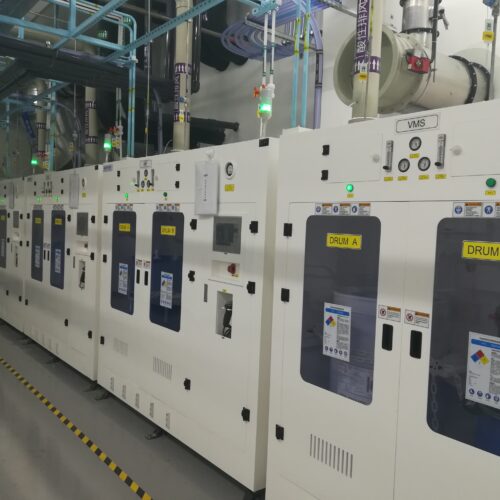
High Purity Liquid Chemical Delivery Systems Designed for Sub Micron Semiconductor Production
-
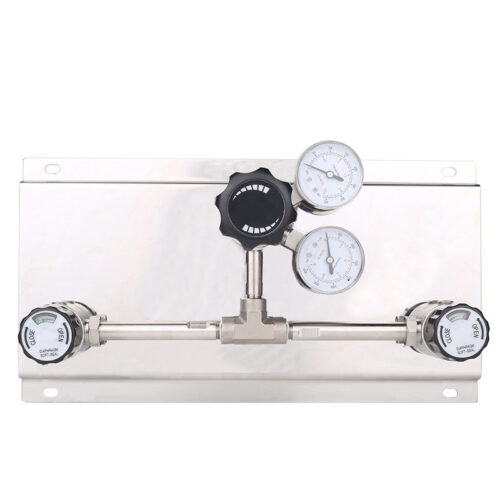
High Pressure High Flow Specialty Gas Control Panel With Diaphragm Valve , 3000Psig Oxygen Control Medical Changeover Manifold Panel
-
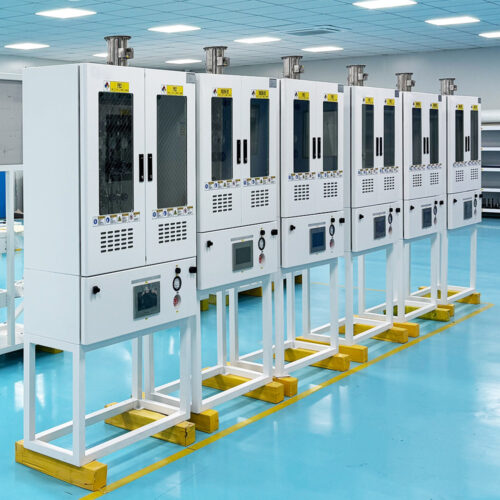
UHP Liquid Chemical Delivery Systems with Nitrogen Blanketing and Secondary Containment for Hazardous Industrial Chemical Processing
-
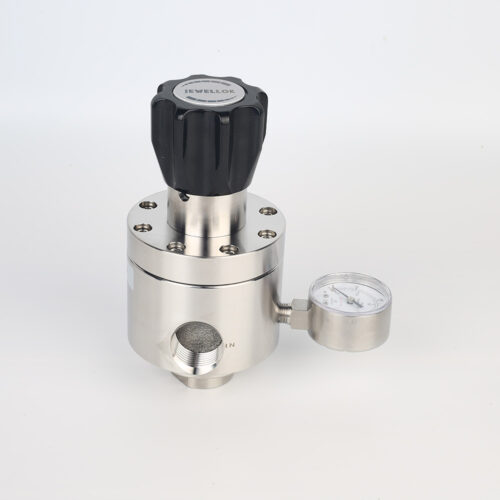
Low Pressure High Flow Line Pressure Regulators And Control Valves JSR-4L Series For Laboratory Pressure Control
-
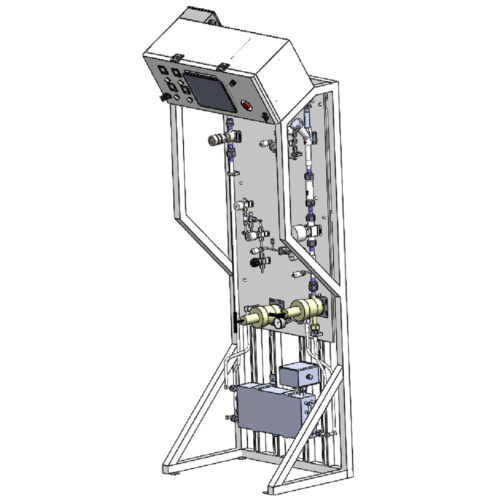
Fully Automated Gas Cabinet Gas Rack Gas Delivery Systems JW-300-GR
-
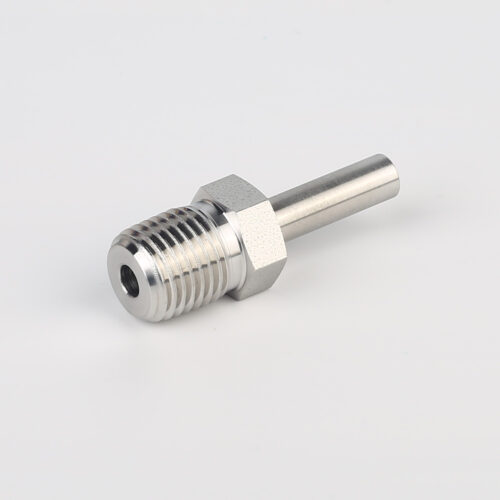
739 High Purity LMR Male Adapter Tube To Pipe Fittings And Adapters
-
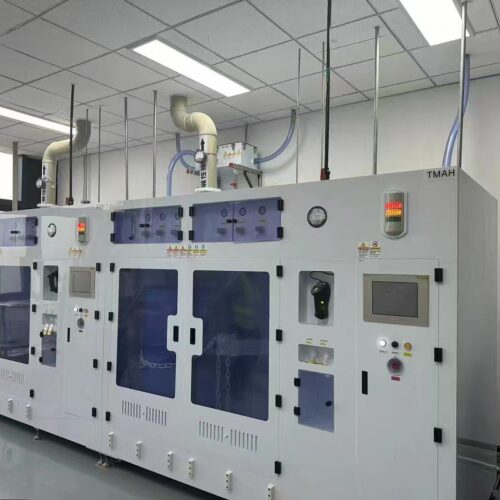
Integrated Bulk Chemical Delivery System and Automatic CDU Solutions for Safe Hazardous Chemical Fluid Handling
-
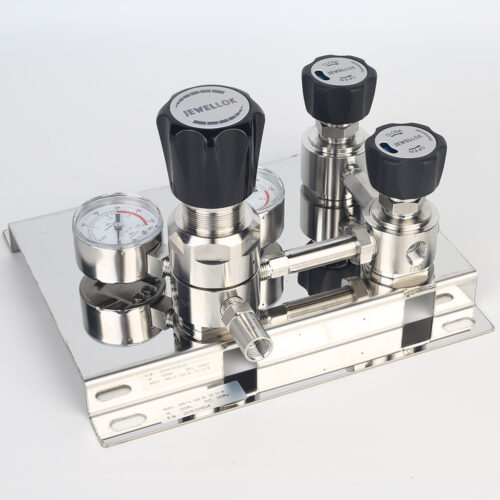
Stainless Steel 316L Single Stage Regulator Pressure Control Panels JSP-1E Series For Semiconductor Fluid Control