
Regulator Manufacturer Tel: +86 13380377051
Regulator Manufacturer Tel: +86 13380377051
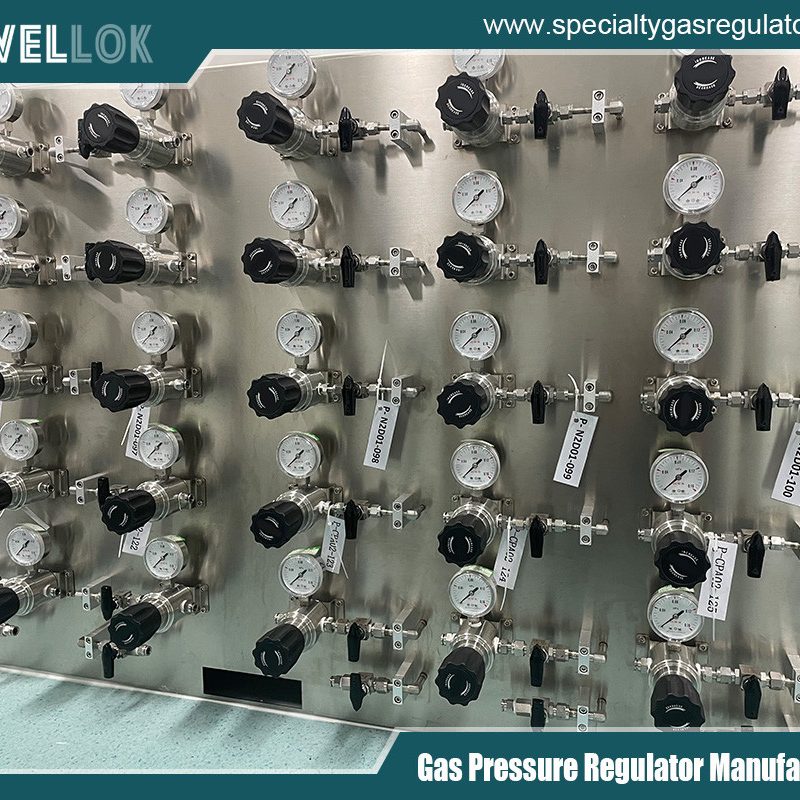
Gas Manifold for High-Pressure Cylinders: Design, Components, Applications, and Safety Considerations
Introduction
A gas manifold for high-pressure cylinders is an essential component in industrial gas distribution systems, ensuring a continuous, safe, and reliable supply of compressed gases to critical processes. These systems are widely used in semiconductor manufacturing, laboratories, pharmaceutical production, laser cutting, food processing, medical facilities, petrochemical plants, and research institutions where uninterrupted gas flow and precise pressure control are essential.
Unlike a single-cylinder connection, a gas manifold allows multiple high-pressure cylinders to be connected simultaneously. This configuration significantly extends gas supply duration, reduces downtime caused by cylinder replacement, improves operator safety, and provides a stable outlet pressure for downstream equipment.
Modern gas manifold systems are designed with advanced pressure regulation, automatic changeover functions, leak-tight construction, and high-purity materials to meet the demanding requirements of industrial and ultra-high purity (UHP) gas applications.
This article explores the working principles, major components, design considerations, applications, and maintenance practices of gas manifolds for high-pressure cylinders.

What Is a Gas Manifold?
A gas manifold is a centralized gas distribution assembly that combines the output from multiple compressed gas cylinders into a single outlet pipeline. Instead of relying on one cylinder at a time, the manifold balances gas supply between cylinder banks and maintains continuous gas delivery even during cylinder replacement.
Depending on application requirements, gas manifolds may be configured as:
- Single-cylinder manifolds
- Dual-cylinder manifolds
- Manual changeover manifolds
- Semi-automatic manifolds
- Fully automatic changeover manifolds
- High-purity gas manifolds
- Specialty gas manifolds
- Corrosive gas manifolds
- High-flow industrial gas manifolds
These systems can operate with gases stored at pressures exceeding 200 bar (3,000 psi), and in some specialty applications, pressures may exceed 300 bar.
Working Principle of a High-Pressure Gas Manifold
A gas manifold receives gas from multiple cylinders connected to separate cylinder banks. Each cylinder is equipped with isolation valves and flexible pigtail connections that feed into the manifold header.
The system generally operates in one of two modes:
Manual Changeover
Operators manually switch from the depleted cylinder bank to the reserve bank after pressure decreases below a specified level.
Advantages include:
- Lower equipment cost
- Simple operation
- Easy maintenance
However, manual systems require operator intervention, increasing the risk of gas interruption.
Automatic Changeover
Automatic gas manifolds continuously monitor cylinder pressure through pressure regulators and changeover valves.
When the primary bank reaches a preset pressure, the system automatically switches to the reserve bank without interrupting downstream gas flow.
Benefits include:
- Continuous gas supply
- Reduced operator workload
- Improved process stability
- Enhanced safety
- Lower production downtime
Automatic changeover systems are commonly used in semiconductor fabs, hospitals, laboratories, and pharmaceutical manufacturing facilities.
Major Components of a High-Pressure Cylinder Manifold
A well-designed gas manifold consists of several precision-engineered components.
1. Cylinder Connections
Cylinder pigtails connect each gas cylinder to the manifold.
Common materials include:
- 316L stainless steel
- PTFE-lined stainless steel hose
- Copper (for industrial gases)
- Nickel-plated brass
For ultra-high purity applications, stainless steel pigtails with orbital welding are preferred.
2. Isolation Valves
Each cylinder includes an isolation valve that allows cylinders to be disconnected individually without shutting down the entire system.
Benefits include:
- Easy cylinder replacement
- Leak isolation
- Improved maintenance
- Increased operational flexibility
3. High-Pressure Header
The manifold header combines gas flow from multiple cylinders into one distribution line.
Headers are manufactured using:
- Seamless 316L stainless steel tubing
- VCR fittings
- Compression fittings
- Orbital welded connections
The header must withstand maximum cylinder pressure while minimizing pressure drop.
4. Pressure Regulators
Pressure regulators reduce high cylinder pressure to the required working pressure.
Typical stages include:
- Primary pressure regulator
- Secondary pressure regulator
- Line regulator
Dual-stage regulators provide superior pressure stability for precision applications.
5. Changeover Assembly
The changeover valve automatically switches between cylinder banks.
Modern automatic systems include:
- Mechanical changeover valves
- Pneumatic changeover systems
- Electronic pressure controllers
- PLC-controlled switching systems
6. Pressure Gauges
Pressure gauges continuously display:
- Cylinder pressure
- Intermediate pressure
- Delivery pressure
Digital pressure transmitters may also provide remote monitoring.
7. Safety Relief Devices
Every manifold should include pressure relief protection.
Typical devices include:
- Relief valves
- Burst discs
- Pressure switches
- Over-pressure protection valves
These components protect downstream equipment from excessive pressure.
Materials Used in High-Pressure Gas Manifolds
Material selection directly influences safety, corrosion resistance, and gas purity.
Common materials include:
316L Stainless Steel
Widely used for:
- Semiconductor gases
- Specialty gases
- Medical gases
- Pharmaceutical gases
Advantages:
- Excellent corrosion resistance
- High pressure capability
- Low particle generation
- Excellent cleanliness
Brass
Commonly used with:
- Nitrogen
- Air
- Oxygen
- Argon
Advantages:
- Cost-effective
- Easy machining
- Good mechanical strength
Monel
Suitable for corrosive gases such as:
- Hydrogen fluoride
- Chlorine
- Marine environments
Hastelloy
Recommended for extremely corrosive gases including:
- HCl
- HBr
- SO₂
- Chlorinated chemicals
Types of Gases Used with High-Pressure Manifolds
Gas manifolds support numerous industrial gases.
Common examples include:
Industrial gases:
- Nitrogen
- Oxygen
- Argon
- Helium
- Hydrogen
- Carbon dioxide
Specialty gases:
- Ammonia
- Silane
- Phosphine
- Diborane
- Sulfur hexafluoride
- Nitrous oxide
Calibration gases:
- Mixed analytical gases
- Zero gases
- Span gases
Ultra-high purity gases:
- UHP Nitrogen
- UHP Argon
- UHP Hydrogen
- UHP Helium
Design Considerations
Selecting an appropriate gas manifold requires evaluating several engineering factors.
Operating Pressure
Cylinder pressures vary depending on gas type.
The manifold must safely accommodate maximum inlet pressure while maintaining stable outlet pressure.
Flow Capacity
The required flow rate determines:
- Header size
- Regulator capacity
- Valve size
- Piping diameter
Undersized components increase pressure drop and reduce system efficiency.
Gas Compatibility
Not every material is compatible with every gas.
For example:
- Oxygen systems require oxygen-clean components.
- Corrosive gases require corrosion-resistant alloys.
- Semiconductor gases require ultra-high purity construction.
Leak Tightness
Leak integrity is critical, especially for toxic or expensive gases.
High-performance manifold systems often achieve helium leak rates below:
1 × 10⁻⁹ atm·cc/sec
This minimizes gas loss and contamination.
Cleanliness
High-purity gas systems require:
- Degreased components
- Particle-free assembly
- Electropolished tubing
- Cleanroom packaging
These practices prevent contamination of sensitive manufacturing processes.
Applications
Gas manifolds are widely used across multiple industries.
Semiconductor Manufacturing
Semiconductor fabs require continuous delivery of:
- Nitrogen
- Hydrogen
- Helium
- Process gases
- Carrier gases
- Purge gases
Automatic gas manifolds minimize production interruptions while maintaining gas purity.
Pharmaceutical Manufacturing
Drug manufacturing facilities utilize manifolds for:
- Nitrogen blanketing
- Oxygen supply
- Process gas delivery
- Sterile production environments
Reliable pressure control ensures product consistency.
Laboratories
Research laboratories use gas manifolds for:
- Gas chromatography
- Mass spectrometry
- Atomic absorption spectroscopy
- Chemical synthesis
Automatic changeover eliminates interruptions during experiments.
Laser Cutting
Industrial laser systems require stable supplies of:
- Nitrogen
- Oxygen
- Argon
Pressure fluctuations directly affect cutting quality.
Medical Facilities
Hospitals rely on centralized gas manifold systems to distribute:
- Oxygen
- Nitrous oxide
- Medical air
- Carbon dioxide
Automatic redundancy improves patient safety.
Safety Features
Safety is the highest priority when handling high-pressure compressed gases.
Modern manifold systems incorporate numerous protective features.
These include:
- Non-return valves
- Pressure relief valves
- Emergency shutoff valves
- Excess flow valves
- Pressure alarms
- Gas leak detectors
- Vent piping
- Automatic shutdown systems
Some advanced systems integrate PLC controllers and HMI touchscreens for real-time monitoring and alarm management.
Maintenance Recommendations
Routine maintenance maximizes reliability and extends equipment life.
Recommended maintenance practices include:
- Inspect pigtails for wear or damage.
- Verify pressure gauge accuracy.
- Test changeover operation regularly.
- Replace regulator seats when necessary.
- Perform leak testing after cylinder replacement.
- Clean filters and strainers.
- Inspect relief valves.
- Check valve operation.
- Tighten fittings according to specifications.
- Maintain service records.
Preventive maintenance reduces unexpected downtime and improves operational safety.
Advantages of Automatic High-Pressure Gas Manifolds
Compared with manual cylinder switching, automatic systems offer significant operational advantages.
Key benefits include:
- Continuous gas supply without interruption
- Reduced labor requirements
- Improved production efficiency
- Stable outlet pressure
- Enhanced gas utilization
- Reduced cylinder change frequency
- Increased operator safety
- Lower maintenance costs
- Remote monitoring capability
- Higher system reliability
For mission-critical industries, these advantages often justify the higher initial investment.
Future Trends
As Industry 4.0 and smart manufacturing continue to evolve, gas manifold technology is becoming increasingly intelligent.
Emerging innovations include:
- IoT-enabled pressure monitoring
- Remote diagnostics
- Predictive maintenance
- Digital pressure sensors
- Automatic gas inventory management
- Cloud-based monitoring platforms
- AI-assisted leak detection
- Smart alarm systems
- Integration with Manufacturing Execution Systems (MES)
These technologies improve operational efficiency while enhancing workplace safety and reducing gas consumption.

Conclusion
A gas manifoldfor high-pressure cylinders is far more than a collection of valves and regulators—it is a critical infrastructure component that ensures the safe, reliable, and efficient delivery of compressed gases across a wide range of industries. From semiconductor fabrication and pharmaceutical manufacturing to laboratory research and medical facilities, modern gas manifolds provide uninterrupted gas supply, precise pressure control, and advanced safety features that support demanding production environments.
When selecting a gas manifold system, engineers should carefully evaluate operating pressure, gas compatibility, flow requirements, construction materials, leak integrity, and future expansion needs. High-quality manifolds manufactured with precision-engineered components, 316L stainless steel construction, automatic changeover technology, and rigorous cleanliness standards offer superior performance, longer service life, and lower total operating costs.
As industrial automation advances, intelligent gas manifold systems equipped with remote monitoring, predictive maintenance, and digital control capabilities will become the standard for high-performance gas distribution, enabling safer operations, improved process stability, and greater operational efficiency.
For more about gas manifold for high-pressure cylinders: design, components, applications, and safety considerations, you can pay a visit to Jewellok at https://www.specialtygasregulator.com/product-category/specialty-gas-cabinet/ for more info.
-
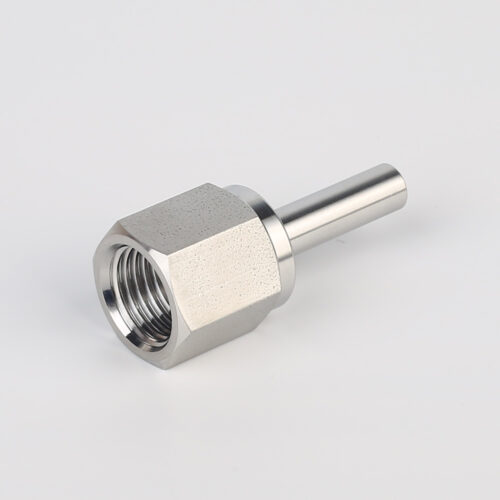
739LF High Purity Female Adapter Tube To Pipe Fittings And Connectors
-
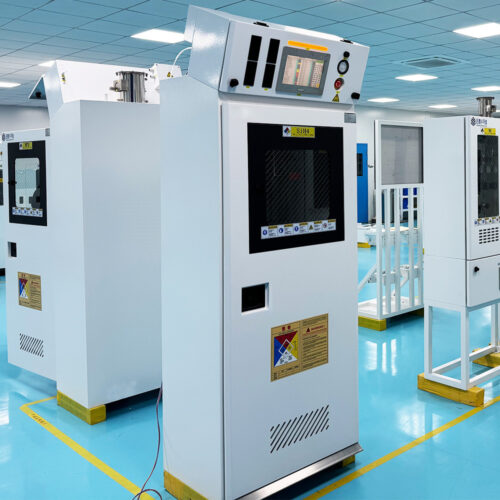
Fully Automated Gas Cabinet For Precise UHP Gas Delivery And High Purity Gas Delivery Systems JW-300-GC
-
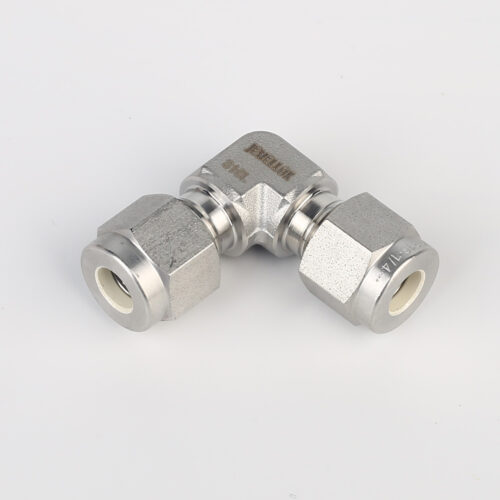
765L Stainless Steel Union Elbow Reducing High Purity Fitting Tubing Extension Tubing Connection
-
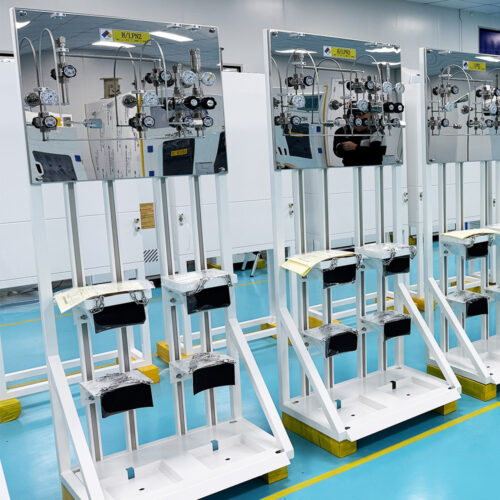
Fully Automated Gas Cabinet for Safe Ultra High Purity Specialty Gas Delivery in Semiconductor Manufacturing
-
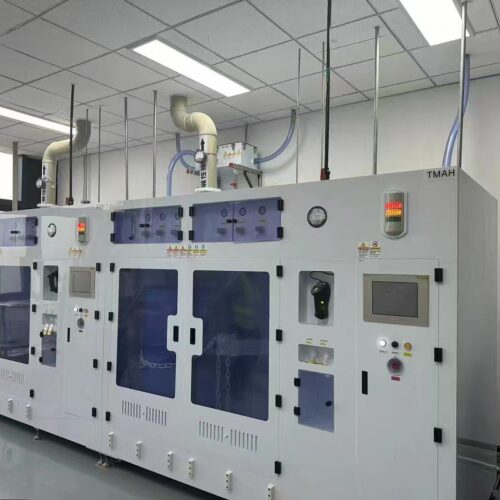
Vertical Laminar Flow Workstation (VLF) With Chemical Concentration Monitor
-
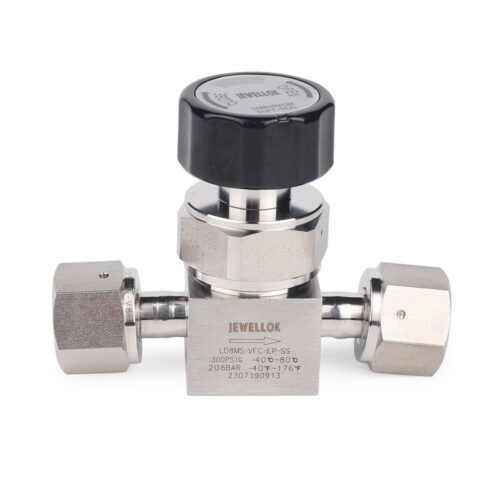
Flow Control Stainless Steel Low Pressure Manual Diaphragm Valve For High Purity And Ultra High Purity Gases
-
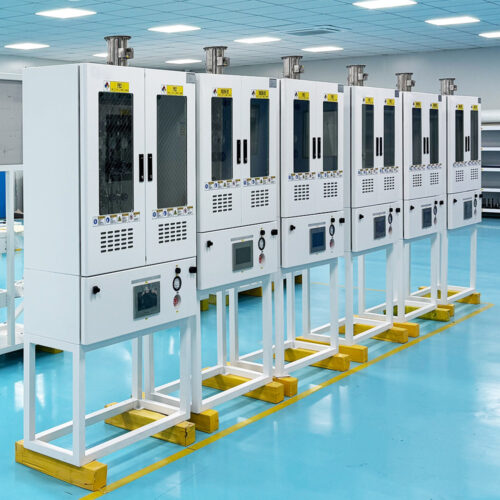
Precision Stainless Steel Valve Manifold Panel for Inert Gas Distribution in Cleanroom Manufacturing Environments
-
7121L Plug High Purity Plug Fitting And Blanking Plug