
Regulator Manufacturer Tel: +86 13380377051
Regulator Manufacturer Tel: +86 13380377051
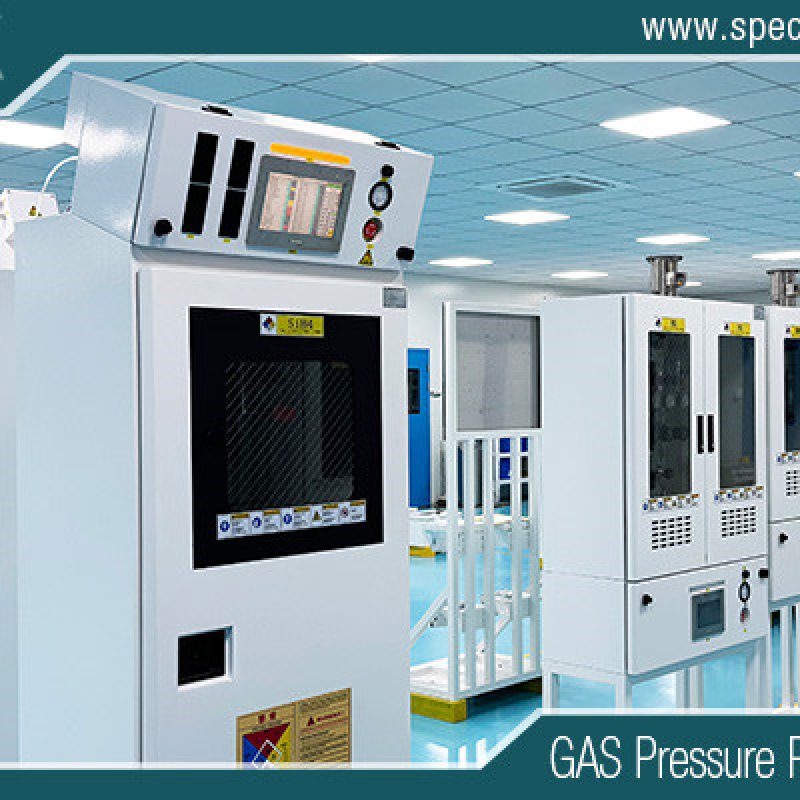
High Purity Gas Cylinder Cabinet for Semiconductor Gas Delivery Systems
High purity gases are essential to modern semiconductor manufacturing. Processes such as chemical vapor deposition (CVD), atomic layer deposition (ALD), etching, ion implantation, oxidation, and chamber cleaning rely on precisely controlled process gases. Many of these gases are supplied from high-pressure cylinders and may be toxic, corrosive, flammable, pyrophoric, or otherwise hazardous. As a result, safe and reliable gas storage and delivery are critical to semiconductor fabs, research facilities, and advanced manufacturing plants.
A High Purity Gas Cylinder Cabinet provides a controlled enclosure for storing and delivering gas cylinders while integrating gas pressure regulation, automatic or manual valve control, leak detection, ventilation, and safety protection. Unlike a conventional gas storage cabinet, a semiconductor-grade gas cylinder cabinet is designed around contamination control, ultra-high-purity (UHP) gas handling, process stability, and operational safety.
For semiconductor gas delivery systems, the cylinder cabinet serves as the connection point between the gas source and downstream equipment. Its design directly influences gas purity, pressure stability, system reliability, maintenance requirements, and overall facility safety.
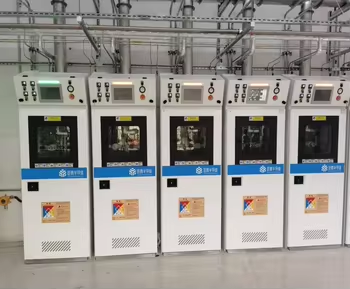
What Is a High Purity Gas Cylinder Cabinet?
A high purity gas cylinder cabinet is an engineered enclosure designed to house one or more high-pressure gas cylinders and provide controlled gas delivery to semiconductor process equipment.
The cabinet typically contains the gas cylinders, cylinder restraints, high-purity tubing, valves, regulators, pressure sensors, purge lines, gas filters, and safety components. Depending on the application, it can also include automatic switching systems, programmable logic controllers (PLC), gas detectors, emergency shutoff valves, exhaust connections, and human-machine interfaces (HMI).
The basic gas flow can be represented as:
Gas Cylinder → Cylinder Valve → High-Purity Regulator → Isolation Valve → Filter → Pressure Control → Gas Delivery Line → Process Equipment
The cabinet isolates potentially hazardous gas sources from the cleanroom environment while providing controlled and repeatable gas delivery.
For semiconductor applications, cabinet construction and internal components must be carefully selected to minimize particle generation, moisture contamination, oxygen contamination, and other sources of process-gas degradation.
Why Semiconductor Manufacturing Requires High-Purity Gas Cabinets
Semiconductor manufacturing operates with extremely tight process tolerances. Even small changes in gas composition, pressure, flow, or contamination levels can affect wafer quality and process repeatability.
A standard industrial gas cabinet may not provide the level of purity and control required for advanced semiconductor processes. High-purity gas cabinets are therefore engineered specifically for UHP gas applications.
Several factors make them particularly important.
1. Protection Against Hazardous Gases
Semiconductor processes may use gases such as ammonia, hydrogen chloride, chlorine, hydrogen fluoride, silane, phosphine, arsine, and other specialty gases. Some gases are toxic or corrosive, while others can present fire or chemical hazards.
The cabinet creates a secondary containment environment around the cylinders and gas connections. A dedicated exhaust system can continuously remove leaked gas from the cabinet, reducing the risk of hazardous gas accumulation.
Gas detection and emergency shutoff functions can further improve safety.
2. Maintaining Gas Purity
Gas purity is one of the most important requirements in semiconductor gas delivery.
The cabinet should minimize contamination caused by:
- Moisture
- Oxygen
- Hydrocarbons
- Particles
- Metallic contamination
- Residual process gases
- Poor-quality tubing or fittings
UHP components manufactured from suitable materials, particularly high-grade 316L stainless steel, are commonly used in critical gas paths. Internal surfaces may receive electropolishing and controlled cleaning to reduce surface contamination and improve gas compatibility.
3. Stable Gas Pressure
Semiconductor processing requires consistent gas pressure and flow. Pressure fluctuations can affect deposition rates, etch profiles, film thickness, and other process parameters.
A high-purity gas cylinder cabinet incorporates pressure regulators and monitoring instruments to reduce pressure variations between the high-pressure cylinder and downstream process equipment.
Advanced systems can also integrate pressure transducers and automatic control valves for real-time monitoring.
Key Components of a Semiconductor Gas Cylinder Cabinet
A properly engineered cabinet consists of multiple interconnected components. Each component contributes to gas purity, safety, or process control.
Gas Cylinder Restraint System
Gas cylinders must remain securely positioned inside the cabinet. Mechanical restraints prevent cylinders from tipping or moving during installation, operation, or maintenance.
The restraint design should accommodate the cylinder dimensions and weight while allowing technicians to safely replace cylinders.
High-Purity Gas Regulator
The regulator reduces cylinder pressure to a controlled downstream pressure.
For semiconductor applications, regulators should be selected based on gas compatibility, inlet pressure, outlet pressure, flow rate, material construction, leak performance, and required cleanliness.
A high-quality regulator can help provide stable pressure while minimizing dead volume and contamination.
UHP Valves
Valves control gas isolation, purging, switching, and process flow.
Common valve types include diaphragm valves, needle valves, check valves, and pneumatic valves. For UHP semiconductor systems, diaphragm valves are widely used where low particle generation, low dead volume, and high leak integrity are required.
316L stainless steel is frequently selected for wetted components because of its corrosion resistance and suitability for high-purity gas service.
High-Purity Tubing and Fittings
Tubing connects the gas cylinder to the regulator, valve manifold, and downstream gas delivery line.
VCR-type connections and other high-integrity UHP fittings can provide reliable metal-to-metal sealing for critical gas systems.
Proper orbital welding, surface finishing, cleaning, and installation procedures are essential for maintaining system integrity.
Filters
Gas filters can remove particles and other contaminants before gas reaches sensitive process equipment.
The filter rating and material should be selected according to the gas type, pressure, temperature, flow requirements, and semiconductor process specifications.
Pressure Sensors
Pressure transducers provide real-time information about cylinder pressure and downstream pressure.
Monitoring pressure allows operators and control systems to identify conditions such as low cylinder pressure, regulator problems, unexpected pressure drops, or abnormal process demand.
Automatic Gas Switching
For continuous semiconductor manufacturing, gas supply interruption can result in expensive production downtime. Automatic gas switching systems help maintain uninterrupted gas delivery by switching between primary and secondary cylinders or cylinder banks.
A typical automatic system monitors the pressure of both gas sources.
When the primary cylinder approaches its predefined changeover pressure, the system can automatically switch to the secondary cylinder. The empty cylinder can then be replaced while the process continues receiving gas.
Automatic changeover can be particularly valuable for fabs operating continuously or for processes where interruption could damage wafers or affect production yield.
Purge and Vent Systems
Purging is a critical part of high-purity gas cabinet operation.
Before a cylinder is connected to the gas delivery system, the connection lines may need to be purged to remove air, moisture, or residual gases. Purging can also be used during cylinder replacement and maintenance.
Depending on the gas and system design, inert gases such as nitrogen may be used for purge operations.
The cabinet should also provide a suitable exhaust path. Exhaust systems help maintain negative pressure inside the enclosure and remove potentially hazardous gases in the event of a leak.
Leak Detection and Safety Functions
Safety is a fundamental design requirement.
A semiconductor gas cabinet may incorporate:
- Gas leak detectors
- Pressure monitoring
- Emergency shutoff valves
- Automatic isolation
- Exhaust monitoring
- Door interlocks
- Fire detection interfaces
- Audible and visual alarms
- PLC-based safety control
If a hazardous condition is detected, the control system can initiate predefined safety actions, such as shutting off the gas supply and generating an alarm.
The exact safety architecture should be determined according to the gas properties, facility requirements, applicable codes, and risk assessment.
Materials and Surface Treatment
Material selection has a direct impact on gas purity and equipment lifetime.
316L stainless steel is commonly used for UHP gas components because it offers good corrosion resistance and can be manufactured with high-quality surface finishes.
For particularly demanding semiconductor applications, components may undergo electropolishing and specialized cleaning processes. Electropolished surfaces can provide a smoother internal surface and reduce locations where contaminants could accumulate.
Other materials may also be used depending on gas compatibility and component function. Seals, valve seats, diaphragms, and polymer components must be carefully evaluated for chemical compatibility and long-term reliability.
Single- and Dual-Cylinder Configurations
High-purity gas cylinder cabinets can be designed in several configurations.
A single-cylinder cabinet is suitable for applications where gas consumption is relatively low or process interruption is acceptable.
A dual-cylinder cabinet generally provides greater operational flexibility. One cylinder can supply gas while the second cylinder serves as a backup.
For high-consumption semiconductor processes, multiple-cylinder configurations or centralized gas delivery systems may be more appropriate.
The correct configuration depends on gas consumption, cylinder capacity, process continuity requirements, facility layout, and maintenance strategy.
Integration With Semiconductor Gas Delivery Systems
The gas cylinder cabinet is normally only one part of a larger gas distribution architecture.
A typical semiconductor gas delivery system may include:
Gas Storage → Gas Cylinder Cabinet → Gas Manifold → Pressure Control Panel → Gas Distribution System → Process Equipment
The cabinet provides controlled source management, while downstream pressure control panels and distribution systems manage the gas before it reaches individual process tools.
Communication between these systems can be achieved through industrial control networks and PLC systems. Parameters such as pressure, valve status, cylinder status, alarms, and gas consumption can be monitored by facility control systems.
This integration enables better preventive maintenance and centralized process monitoring.
Design Considerations for Selecting a Gas Cylinder Cabinet
When selecting a high-purity gas cylinder cabinet, engineers should evaluate several technical parameters.
Gas Type
Gas compatibility must be considered first. Toxic, corrosive, flammable, oxidizing, inert, and pyrophoric gases can have different cabinet requirements.
Pressure
The maximum cylinder pressure, regulator inlet pressure, and downstream operating pressure must be considered when selecting components.
Flow Rate
The cabinet must support the required gas flow without creating excessive pressure drop.
Purity Requirements
For UHP applications, component cleanliness, surface finish, leak performance, dead volume, and materials become particularly important.
Automation Level
Manual cabinets may be appropriate for simple systems, while automated cabinets are better suited to continuous semiconductor production.
Exhaust Capacity
The cabinet ventilation system must provide appropriate airflow and negative-pressure containment for the gases being handled.
Maintenance
The design should allow technicians to safely access cylinders, valves, regulators, filters, and other components without unnecessary disruption to the gas supply.
Applications
High-purity gas cylinder cabinets are used across many semiconductor and advanced manufacturing applications, including:
- Semiconductor wafer fabrication
- CVD systems
- ALD systems
- Plasma etching
- Ion implantation
- Thin-film deposition
- LED manufacturing
- MEMS fabrication
- Solar cell manufacturing
- Compound semiconductor production
- Research and development laboratories
They are especially valuable where hazardous specialty gases and high-purity process gases must be delivered continuously and safely.
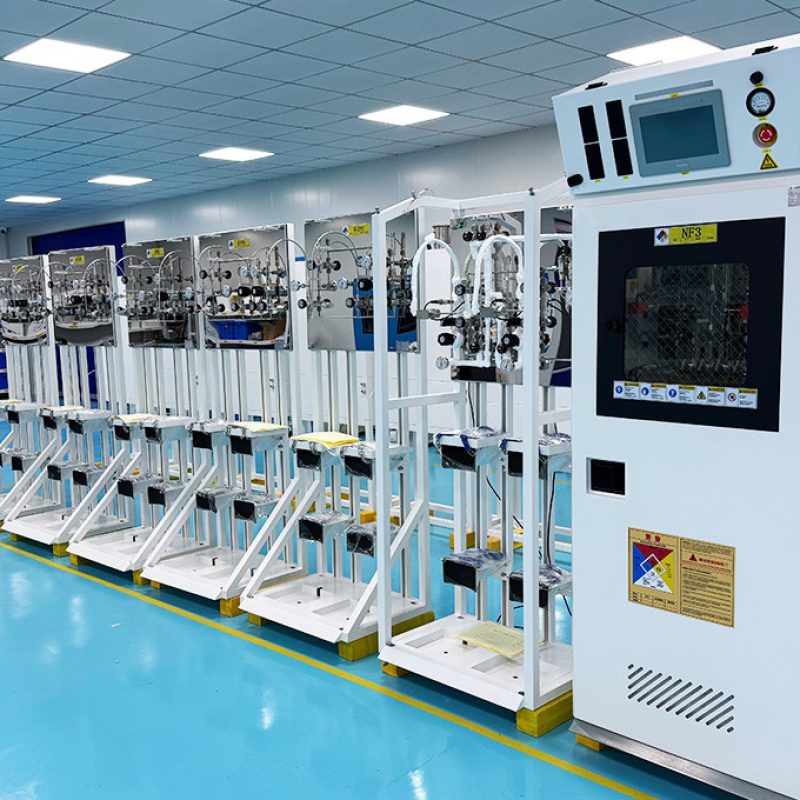
Conclusion
A High Purity Gas Cylinder Cabinet for Semiconductor Gas Delivery Systems is much more than an enclosure for gas cylinders. It is an integrated gas-management platform that combines high-purity materials, precision pressure control, reliable valves and fittings, automated gas switching, purge systems, ventilation, leak detection, and safety controls.
As semiconductor processes become increasingly precise, the quality and reliability of gas delivery systems become increasingly important. A well-designed cylinder cabinet can help protect personnel, reduce contamination risks, stabilize gas pressure, improve process continuity, and simplify cylinder management.
For semiconductor fabs and advanced manufacturing facilities, the best solution should be designed according to the specific gas properties, purity requirements, pressure and flow conditions, automation requirements, facility safety standards, and downstream process equipment.
By combining UHP components with intelligent monitoring and reliable safety systems, modern high-purity gas cylinder cabinets provide a dependable foundation for semiconductor gas delivery—from the gas source all the way to the process chamber.
For more about high purity gas cylinder cabinet for semiconductor gas delivery systems, you can pay a visit to Jewellok at https://www.specialtygasregulator.com/product-category/specialty-gas-cabinet/ for more info.
-
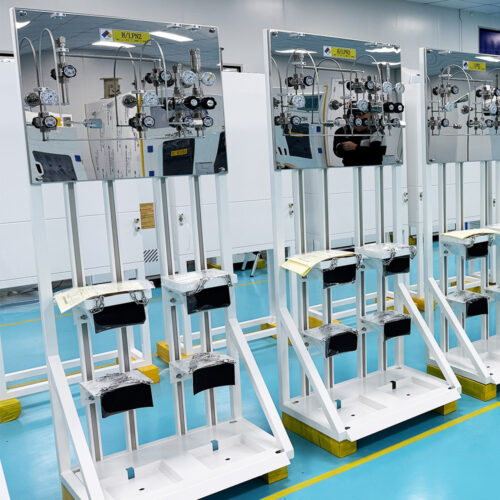
Fully Automated Gas Cabinet for Safe Ultra High Purity Specialty Gas Delivery in Semiconductor Manufacturing
-
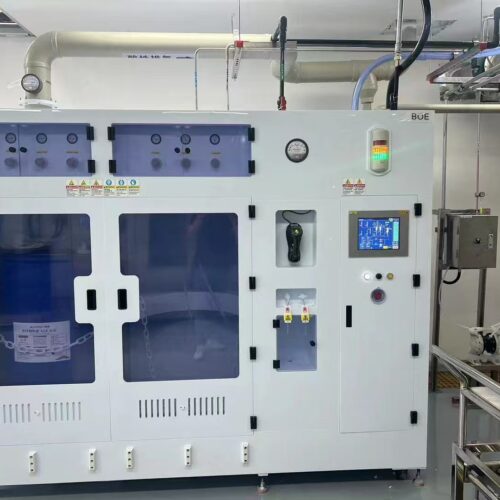
High Purity Bulk Chemical Delivery System and Automatic CDU for Advanced Semiconductor Manufacturing and Fabrication
-
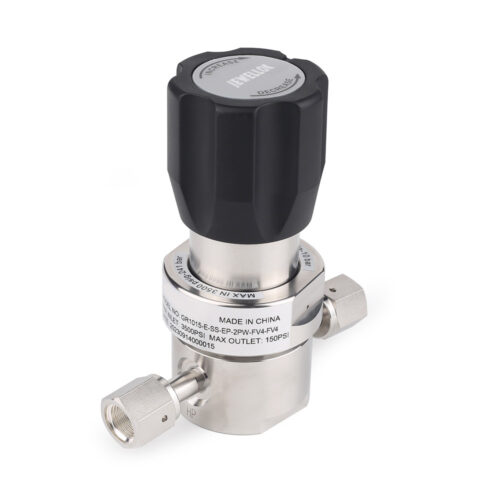
JR1000 Series UHP Ultra High Purity Single Stage Pressure Reducing Regulator And Low To Intermediate Flow
-
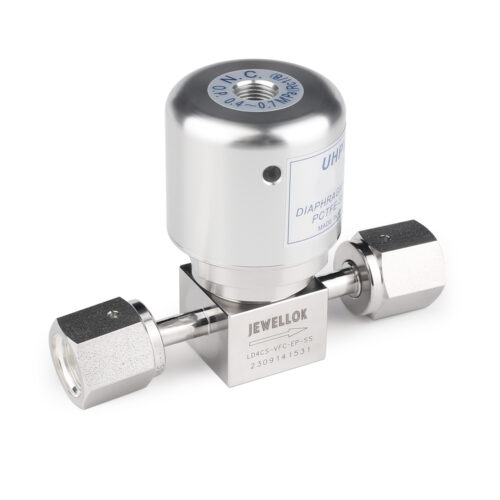
Stainless Steel Low Pressure Seal Pneumatic Diaphragm Control Valve For For HP & UHP Gases
-
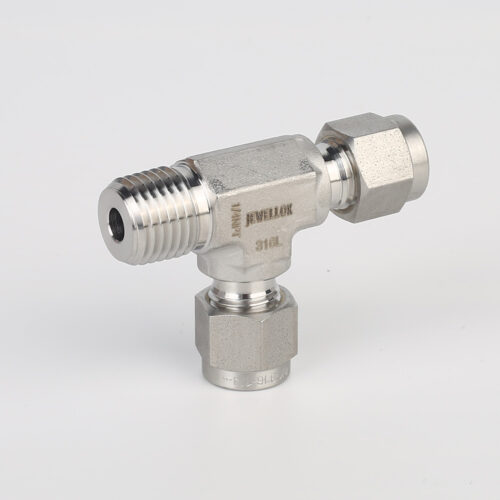
771L Male Run Tee | Stainless Steel High Quality High Purity Male Run Tee Branch Tee Pipe Fittings
-
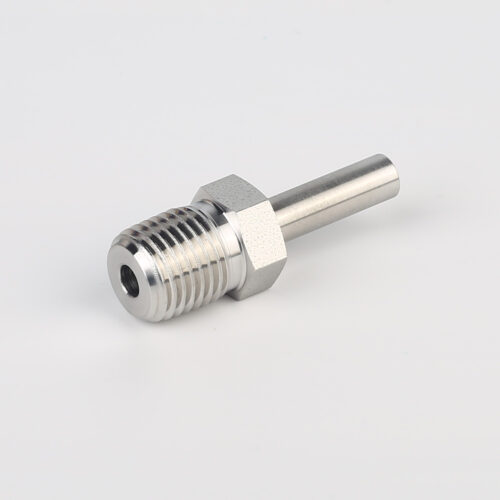
739 High Purity LMR Male Adapter Tube To Pipe Fittings And Adapters
-
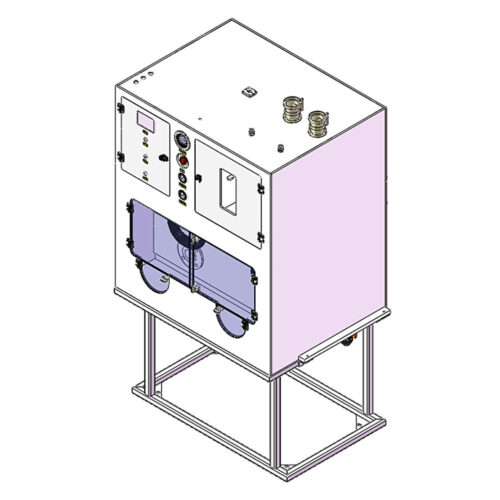
Clean Connection Cabinet JW-300-CCB Valve Manifold Box And Control Valve Box
-
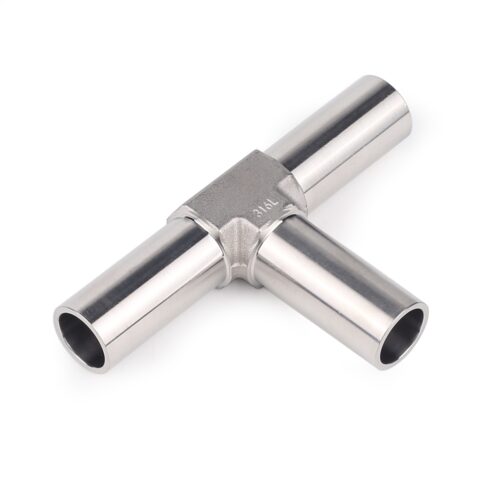
Stainless Steel Ultra Clean Welding Joint Fittings TW Series TRW Series & CW Series