
Regulator Manufacturer Tel: +86 13380377051
Regulator Manufacturer Tel: +86 13380377051
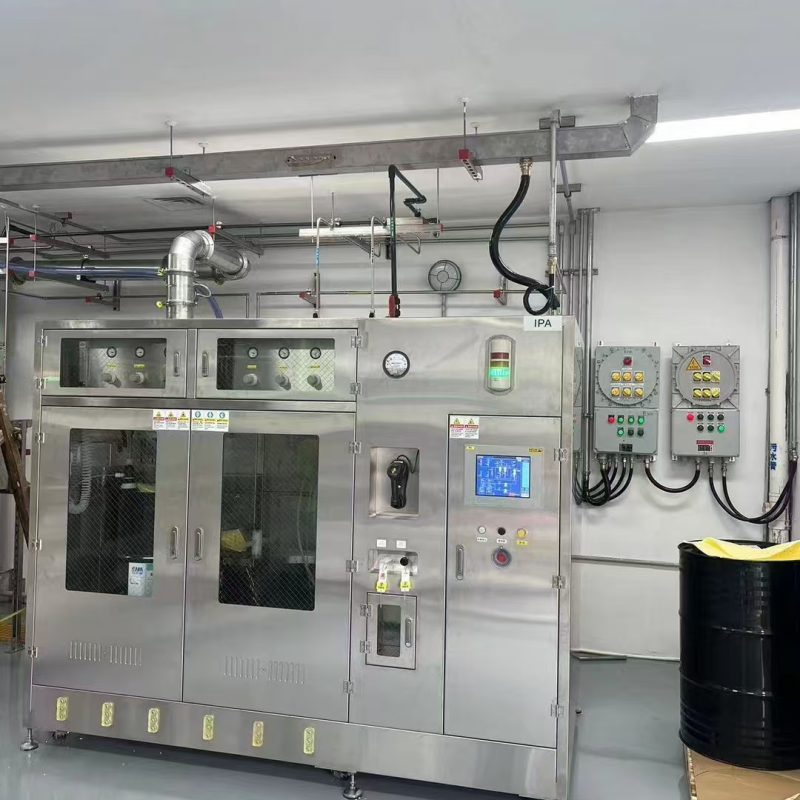
Future Trends in CVD Gas Precursor Delivery Technology for Advanced Semiconductor Manufacturing
Chemical Vapor Deposition (CVD) is a critical manufacturing technology for producing high-quality thin films in semiconductor, photovoltaic, MEMS, display, and advanced materials applications. As device structures become smaller and process requirements become increasingly demanding, the performance of the CVD process is no longer determined only by the deposition chamber. The gas precursor delivery system has become an equally important component in achieving stable deposition rates, uniform film properties, high purity, and reliable production.
CVD precursor delivery technology is evolving rapidly in response to several major trends: increasing precursor complexity, ultra-high-purity requirements, tighter process control, lower precursor consumption, digitalization, automation, and the development of new semiconductor materials. Future systems will need to deliver reactive and sometimes temperature-sensitive precursors with extremely high accuracy while minimizing contamination, dead volume, particle generation, and process variability.
This article examines the key technological trends shaping the future of CVD gas precursor delivery systems and explains how these developments may influence semiconductor manufacturing equipment and industrial gas infrastructure.
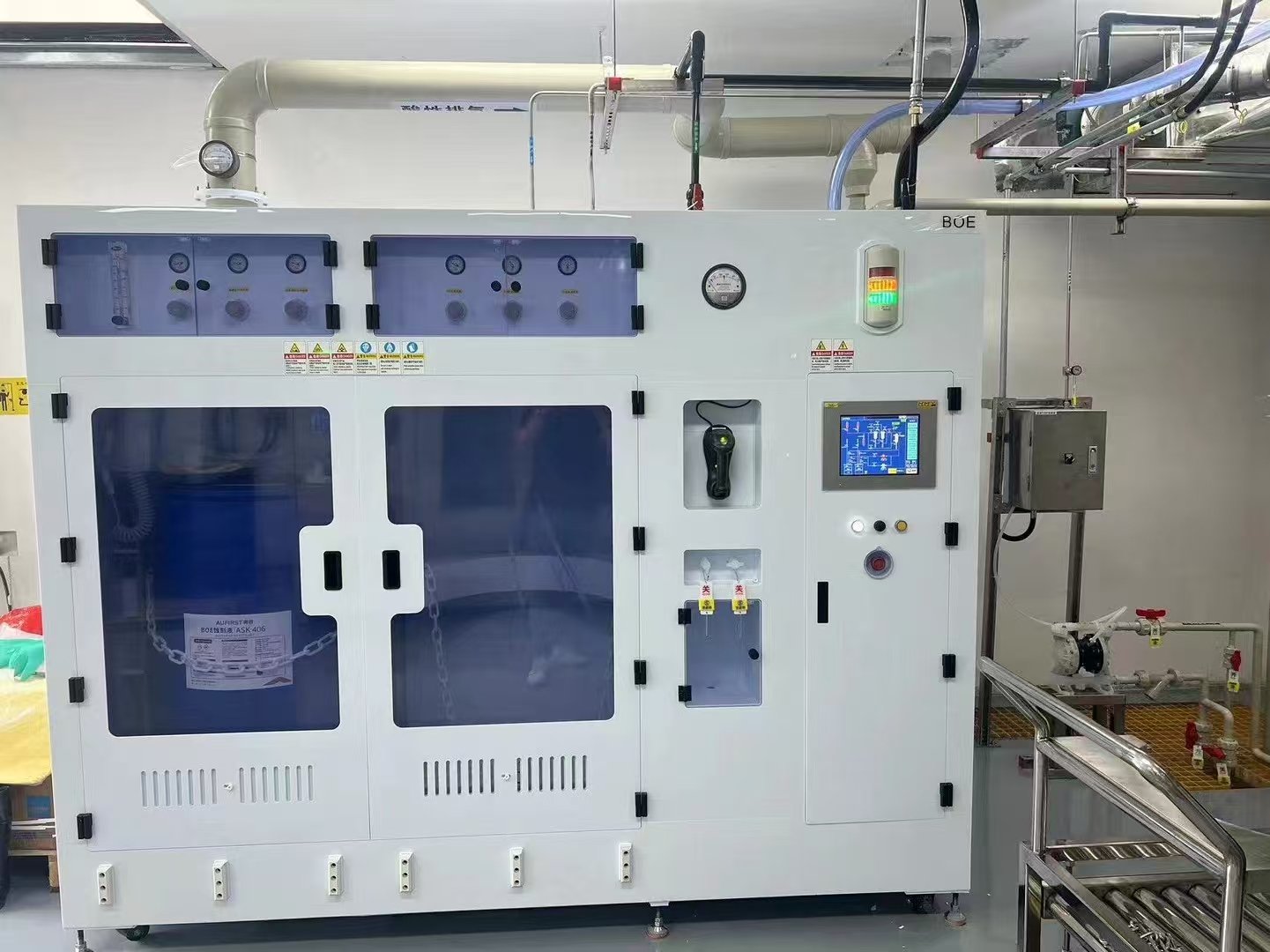
1. Increasing Demand for Ultra-High-Purity Precursor Delivery
One of the most important trends in CVD gas delivery is the continuous improvement of gas purity. Modern semiconductor processes are highly sensitive to trace contamination. Moisture, oxygen, hydrocarbons, metallic impurities, particles, and other contaminants can negatively affect film quality and device performance.
Future precursor delivery systems will therefore increasingly adopt ultra-high-purity components, including high-performance regulators, diaphragm valves, filters, mass flow controllers, fittings, tubing, and welded piping.
316L stainless steel is expected to remain an important material for high-purity gas systems because of its corrosion resistance, mechanical strength, and compatibility with semiconductor gas applications. Advanced material processing, electropolishing, surface passivation, and controlled welding technologies can further reduce surface-related contamination.
In addition, internal surface quality will become increasingly important. Lower surface roughness can reduce adsorption and desorption effects, while optimized internal geometry can minimize particle accumulation and improve system cleanability.
Future CVD precursor delivery systems will also place greater emphasis on leak-tight construction. High-integrity diaphragm valves, orbital-welded connections, and helium leak testing can help maintain system integrity throughout long production cycles.
2. Advanced Delivery of Low-Vapor-Pressure Precursors
Traditional CVD processes often use gaseous precursors that can be delivered relatively easily through pressure control and mass flow regulation. However, emerging deposition processes increasingly rely on liquid or solid precursors with low vapor pressure.
This creates significant challenges for conventional gas delivery architectures.
Future precursor delivery systems will increasingly integrate vaporization technologies, heated delivery lines, source temperature control, carrier-gas management, and advanced pressure regulation. The objective is to generate a stable precursor vapor concentration and deliver it to the process chamber with minimal fluctuation.
Temperature management will be particularly important. If the precursor temperature is too low, condensation may occur in the delivery line. If it is too high, the precursor may decompose prematurely or generate unwanted reaction products.
As a result, next-generation CVD gas delivery systems will likely feature more sophisticated thermal management architectures, including independently controlled heating zones, temperature sensors, insulation, and predictive temperature control.
3. More Precise Mass Flow and Pressure Control
As semiconductor geometries continue to shrink, process windows become narrower. Small variations in precursor flow can influence deposition rate, film thickness, composition, and uniformity.
Mass flow controllers (MFCs) will therefore continue to evolve toward higher accuracy, faster response times, and improved repeatability. Future systems may combine high-performance MFCs with intelligent pressure regulators and real-time process monitoring.
Instead of treating pressure and flow as independent parameters, advanced systems will coordinate them dynamically. Feedback control can continuously compare actual process conditions with target values and automatically adjust valves, regulators, or flow controllers.
This closed-loop architecture can help compensate for changes in source pressure, temperature, precursor consumption, and downstream process conditions.
For high-volume semiconductor manufacturing, improved control stability can translate into better wafer-to-wafer consistency and reduced process variation.
4. Intelligent and Automated Gas Delivery Systems
Automation will be another defining feature of future CVD precursor delivery technology.
Conventional gas systems may require operators to manually monitor pressure, valve status, source conditions, and alarms. Modern systems are moving toward automated control through PLCs, industrial communication networks, sensors, and centralized equipment monitoring platforms.
An intelligent precursor delivery system can monitor parameters such as:
- Source pressure
- Line pressure
- Precursor temperature
- Flow rate
- Valve position
- Leak detection status
- Filter condition
- Gas consumption
- Cabinet temperature
- System alarm status
The collected data can be analyzed to identify abnormal operating conditions before they become major equipment problems.
Predictive maintenance is another potential benefit. For example, unusual pressure behavior or increasing flow resistance could indicate a filter problem, valve degradation, or supply instability. Early detection can reduce unexpected downtime and improve equipment availability.
5. Modular Precursor Delivery Architecture
Another emerging trend is modular system design. Semiconductor manufacturers increasingly require flexible production platforms capable of supporting different processes and precursor combinations.
A modular gas delivery system can separate the overall architecture into functional modules such as source modules, pressure-control modules, vaporization modules, purge modules, distribution modules, and monitoring modules.
This approach offers several advantages. Engineering changes can be implemented more efficiently, while standardized modules can simplify manufacturing, testing, installation, and maintenance.
Modularization can also help equipment manufacturers develop customized solutions without completely redesigning the gas system for every application.
For CVD equipment used in research and development environments, modular architectures are especially valuable because process requirements can change frequently as new materials and deposition recipes are introduced.
6. Greater Focus on Precursor Utilization Efficiency
Precursor cost can represent a significant portion of the operating cost of advanced deposition processes. Improving precursor utilization is therefore becoming an important engineering objective.
Future systems will seek to reduce unnecessary precursor loss through optimized line volumes, improved valve sequencing, shorter delivery paths, and more accurate flow control.
Advanced purge strategies can also help reduce residual precursor without unnecessarily consuming large quantities of purge gas.
Dead volume reduction will become particularly important. Large internal volumes can increase the amount of precursor required to establish stable process conditions and may increase the risk of cross-contamination between process steps.
Engineers will therefore increasingly optimize component geometry, tubing layouts, valve configurations, and manifold designs to minimize unnecessary internal volume.
7. Improved Safety for Reactive and Hazardous Precursors
Many CVD precursors are reactive, toxic, corrosive, pyrophoric, or otherwise hazardous. As precursor chemistry becomes more sophisticated, safety engineering will become even more important.
Gas cabinets and precursor delivery systems will increasingly incorporate multiple layers of protection, including automatic shutoff valves, pressure monitoring, leak detection, exhaust management, purge systems, and emergency isolation.
The system architecture should be designed so that abnormal conditions can trigger predefined safety responses. For example, excessive pressure, unexpected flow, temperature abnormalities, or detected leakage can initiate automatic isolation procedures.
Gas delivery equipment will also increasingly integrate with facility-level safety systems. This creates a coordinated safety architecture connecting process equipment, gas cabinets, facility monitoring, exhaust systems, and emergency response infrastructure.
8. Digital Connectivity and Industry 4.0 Integration
The future CVD precursor delivery system will not operate as an isolated mechanical subsystem. It will increasingly become part of a connected manufacturing environment.
Industrial communication protocols can allow gas delivery equipment to exchange data with process tools, factory automation systems, manufacturing execution systems, and facility management platforms.
Digital connectivity can provide manufacturers with real-time visibility into precursor consumption, equipment status, alarms, maintenance requirements, and process trends.
Historical data can also support process optimization. Engineers can analyze correlations between precursor flow stability, pressure fluctuations, temperature changes, and deposition performance.
Over time, this data-driven approach can contribute to more intelligent process development and equipment optimization.
9. AI-Assisted Monitoring and Predictive Control
Artificial intelligence and machine learning may become increasingly relevant to precursor delivery systems.
A conventional control system typically operates according to predefined parameters and control logic. An AI-assisted system could analyze large amounts of historical and real-time data to identify patterns associated with equipment degradation or process instability.
For example, a system could detect subtle changes in pressure response or valve behavior that are difficult to identify through simple threshold-based alarms.
AI-based predictive models could potentially estimate component degradation, optimize maintenance schedules, and recommend operating parameters.
However, AI will not replace fundamental engineering controls. Safety-critical functions should continue to rely on deterministic control logic, validated hardware, and established engineering standards. AI is more likely to serve as an additional monitoring and optimization layer.
10. Development of New Materials and Advanced Precursors
The evolution of semiconductor materials will continue to drive innovation in CVD precursor delivery.
Advanced devices may require increasingly complex materials and multilayer structures, including high-k dielectrics, metal films, barrier layers, compound semiconductors, and other engineered thin-film systems.
These applications may introduce precursors with different vapor pressures, decomposition characteristics, corrosivity, and thermal stability.
Consequently, future delivery systems will need to become more chemically flexible. Component material selection, valve design, surface treatment, heating systems, and sealing technologies will all need to be evaluated according to the specific precursor chemistry.
This trend will increase the importance of application-specific engineering rather than relying solely on standardized gas delivery configurations.
11. Faster Qualification and Factory Integration
Semiconductor fabs require high equipment reliability and predictable installation schedules. Future CVD precursor delivery systems will therefore increasingly be designed for faster qualification and integration.
Factory acceptance testing, helium leak testing, pressure testing, flow verification, cleanliness inspection, and automated functional testing can be performed before equipment shipment.
Skid-mounted and pre-assembled gas delivery modules can further reduce installation time at the customer site.
Digital documentation and equipment data can also improve traceability. Component serial numbers, test results, calibration records, and maintenance information can be stored electronically and associated with individual systems.
This approach can simplify commissioning and long-term equipment management.
12. The Future of CVD Precursor Delivery
Looking ahead, CVD gas precursor delivery technology will become more precise, intelligent, compact, modular, and application-specific.
The next generation of systems will likely combine ultra-high-purity fluid handling components with advanced thermal management, high-speed flow control, automated safety functions, real-time monitoring, and digital connectivity.
The most successful designs will not simply deliver precursor gas from point A to point B. They will provide a controlled environment in which precursor pressure, temperature, flow, purity, and delivery timing can be managed with high repeatability.
For semiconductor equipment manufacturers, this means gas delivery engineering must become increasingly integrated with process engineering. Valve selection, regulator performance, tubing configuration, thermal control, automation, and software architecture all influence the final deposition process.
At the same time, suppliers of high-purity gas delivery components will need to improve manufacturing consistency, surface quality, cleanliness, testing capability, and technical support.
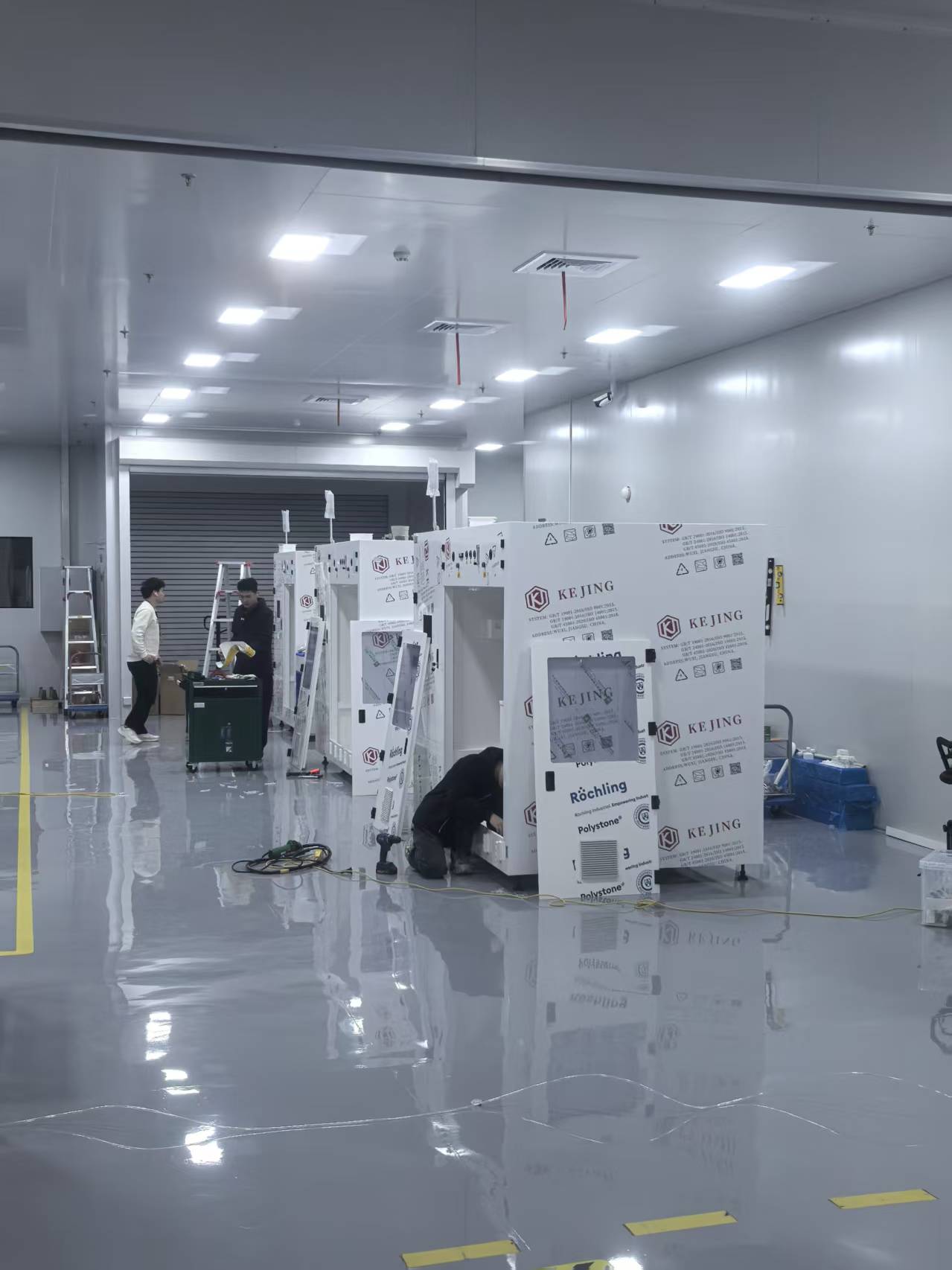
Conclusion
Future CVD gas precursor delivery technology will be driven by the semiconductor industry’s demand for higher purity, tighter process control, greater safety, lower operating costs, and smarter manufacturing systems.
Ultra-high-purity 316L stainless steel components, advanced diaphragm valves, precision pressure regulators, intelligent mass flow control, heated precursor delivery, modular architectures, automated safety systems, and digital monitoring will become increasingly important.
The transition from conventional gas handling toward intelligent precursor management will enable CVD systems to support increasingly complex materials and tighter process windows. Companies that invest in precision fluid control, advanced automation, reliable component technology, and application-specific engineering will be better positioned to meet the requirements of next-generation semiconductor manufacturing.
Ultimately, the future of CVD precursor delivery is not defined by a single component or technology. It is the integration of purity, precision, thermal management, safety, automation, data analytics, and system engineering into one highly reliable delivery platform. As semiconductor processes continue to advance, this integrated approach will become a critical foundation for stable, scalable, and high-performance thin-film manufacturing.
For more about future trends in CVD gas precursor delivery technology for advanced semiconductor manufacturing, you can pay a visit to Jewellok at https://www.specialtygasregulator.com/product-category/specialty-gas-cabinet/ for more info.
-
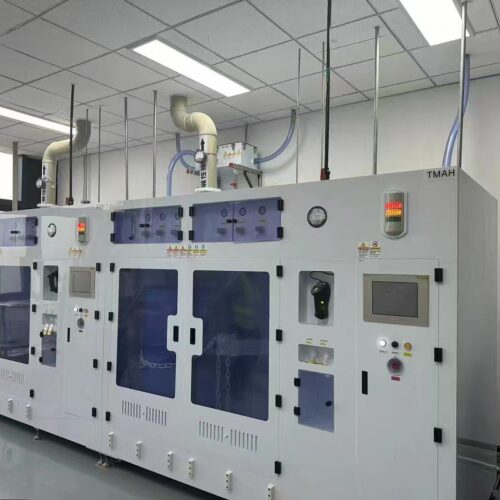
Liquid Bulk Chemical Delivery System with Automatic Chemical Dispense Unit (CDU) Featuring 316L Electropolished Stainless Steel Piping Components
-
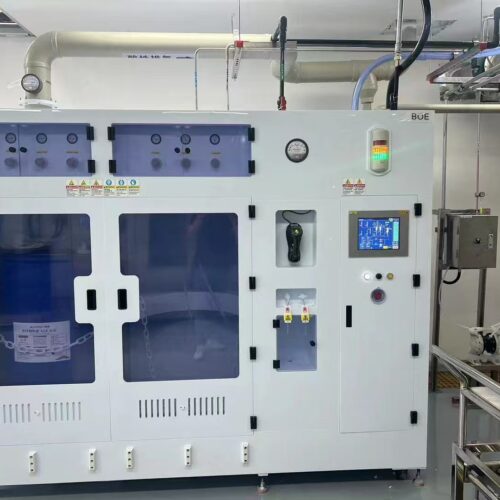
UHP Liquid Chemical Delivery Systems for Semiconductor Fabrication and Photovoltaic Manufacturing Processes
-
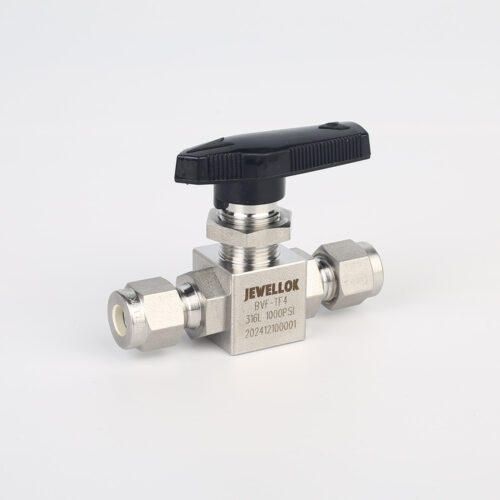
Stainless Steel High Purity High Temperature Pneumatic Actuated Ball Valves JBV2 Series
-
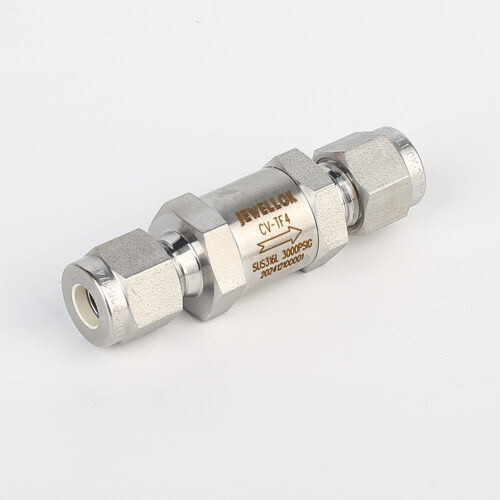
High Pressure High-Purity Welded Check Valves And Low Cracking Pressure Check Valve JCV1 Series
-
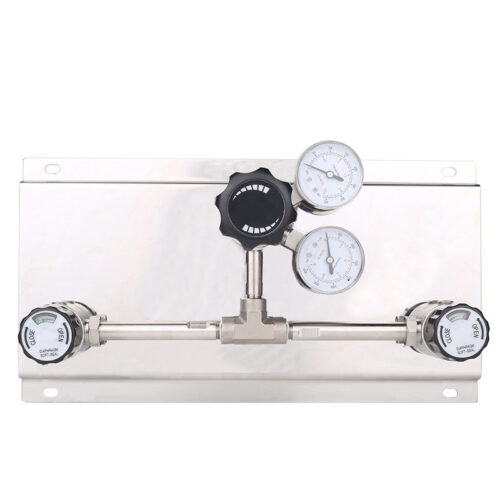
High Pressure High Flow Specialty Gas Control Panel With Diaphragm Valve , 3000Psig Oxygen Control Medical Changeover Manifold Panel
-
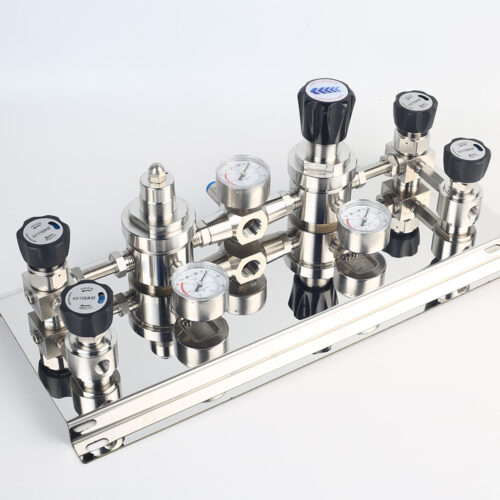
Stainless Steel Single Stage Semiconductor Grade Pressure Control Module Pressure Control Panels JSP-6A Series
-
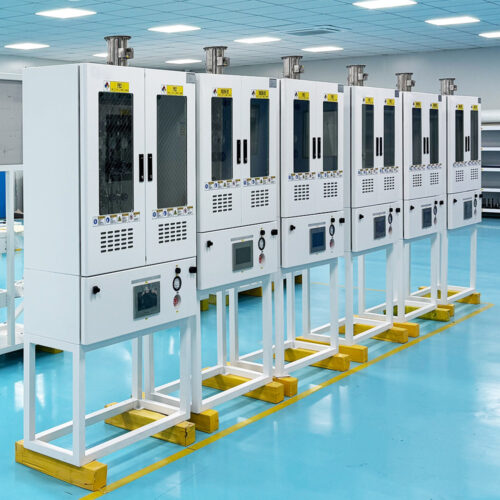
Custom Wet and Dry Exhaust Gas Scrubber System Technology for Effective Acid Gas Neutralization
-
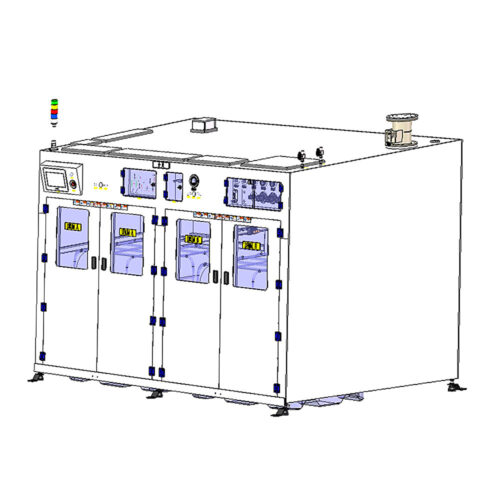
High Purity Chemical Dispense System & Packing System For Semiconductors JW-200L-CDM & JW-1000L-CDM