
Regulator Manufacturer Tel: +86 13380377051
Regulator Manufacturer Tel: +86 13380377051
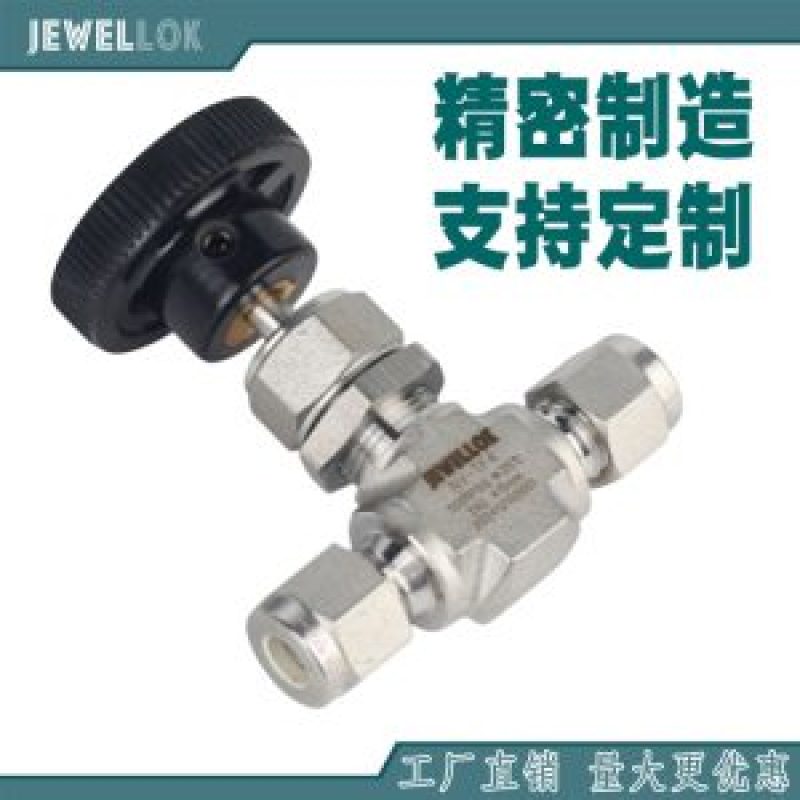
Stainless Steel Needle Valve Manufacturer & Supplier: Complete Buying Guide
Choosing the right stainless steel needle valve is critical for applications that require precise flow control, reliable shutoff, corrosion resistance, and long service life. From semiconductor gas delivery systems and chemical processing equipment to instrumentation, laboratory systems, and industrial gas pipelines, needle valves provide accurate control of gases and liquids in demanding operating environments.
However, not all stainless steel needle valves are manufactured to the same standards. Material grade, pressure rating, connection type, internal surface finish, leakage performance, manufacturing tolerances, and supplier quality control can significantly affect system performance.
This complete buying guide explains the key technical factors to consider when selecting a stainless steel needle valve manufacturer and supplier, helping engineers, procurement teams, and system integrators make a more informed purchasing decision.
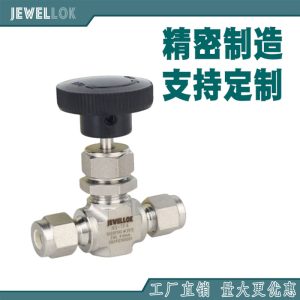
What Is a Stainless Steel Needle Valve?
A stainless steel needle valve is a precision flow-control valve designed to regulate fluid or gas flow through a small orifice. Its name comes from the tapered needle-shaped plunger that moves into or away from the valve seat.
Unlike conventional ball valves, which are generally designed for fast isolation, needle valves are optimized for fine flow adjustment. The stem can be rotated gradually, allowing operators to control flow rates with greater precision.
Typical components include:
- Stainless steel valve body
- Bonnet or valve cap
- Tapered needle/stem
- Valve seat
- Packing or sealing system
- Handle or actuator
- Inlet and outlet connections
For industrial applications, 316 or 316L stainless steel is commonly selected because of its combination of mechanical strength, corrosion resistance, and compatibility with many gases and chemicals.
Why Choose Stainless Steel Needle Valves?
Material selection is one of the most important considerations when purchasing a needle valve. Stainless steel offers several advantages over carbon steel, brass, and other materials.
1. Excellent Corrosion Resistance
316L stainless steel contains molybdenum, which improves resistance to chloride-containing environments and many corrosive media. This makes 316L needle valves suitable for chemical processing, laboratory equipment, gas distribution, and other demanding applications.
2. High Mechanical Strength
Stainless steel can withstand relatively high pressure and temperature conditions when the valve is correctly designed and rated. This makes it suitable for industrial gas systems and high-pressure instrumentation.
3. Clean and Durable Construction
Stainless steel surfaces can be polished and treated to achieve a clean internal flow path. For applications where contamination must be minimized, properly manufactured stainless steel components can provide excellent performance.
4. Long Service Life
A high-quality stainless steel needle valve can provide long-term reliability when the valve is correctly selected, installed, and maintained.
316 vs. 316L Stainless Steel Needle Valves
When comparing stainless steel needle valve suppliers, buyers will often encounter both 316 and 316L stainless steel.
The main difference is carbon content. 316L has a lower carbon content than standard 316 stainless steel, which improves weldability and reduces the risk of certain forms of corrosion associated with welding.
For high-purity gas systems and semiconductor applications, 316L stainless steel is frequently preferred because it supports stringent cleanliness and fabrication requirements.
When purchasing valves, buyers should request clear material specifications rather than accepting a generic description such as “stainless steel.”
Important material information may include:
- ASTM or equivalent material specification
- Stainless steel grade
- Heat treatment requirements
- Material certificates
- Traceability documentation
- Surface treatment and passivation requirements
Key Technical Specifications to Check
Before placing an order with a stainless steel needle valve manufacturer, several technical parameters should be confirmed.
Pressure Rating
The valve’s pressure rating must be higher than the maximum operating pressure of the system.
Depending on the design, stainless steel needle valves can be manufactured for applications ranging from low-pressure instrumentation to high-pressure industrial gas systems.
Do not select a valve based solely on connection size. A 1/4-inch valve, for example, can have very different pressure capabilities depending on its construction and manufacturer.
Temperature Rating
Temperature capability depends on the valve body, seat material, packing, seals, and overall construction.
Common questions to ask suppliers include:
- What is the minimum operating temperature?
- What is the maximum operating temperature?
- Is the rating based on the valve body or the complete valve assembly?
- How does pressure rating change at elevated temperatures?
Flow Capacity
Flow capacity is another important consideration.
Needle valves are generally designed for controlled flow rather than maximum flow throughput. Manufacturers may provide flow coefficients such as Cv or Kv.
A properly sized valve should provide the required flow range without creating unnecessary pressure loss.
Connection Type
Common connection options include:
- Male NPT
- Female NPT
- BSP
- Tube compression fittings
- Double-ferrule fittings
- VCR connections
- Butt-weld connections
- Socket-weld connections
- Custom process connections
For high-purity semiconductor gas systems, VCR and welded connections may be selected because they can support stringent cleanliness and leak-control requirements.
UHP Stainless Steel Needle Valves for Semiconductor Applications
Ultra-high-purity gas delivery is one of the most demanding applications for stainless steel needle valves.
Semiconductor manufacturing processes use gases with extremely strict purity requirements. Even small amounts of contamination can affect process stability and wafer yield.
For these applications, a UHP needle valve may require:
- 316L stainless steel construction
- Controlled internal surface finish
- Electropolished internal surfaces
- High-purity cleaning
- Controlled assembly environment
- Low particle generation
- Helium leak testing
- High-quality VCR or welded connections
- Traceable materials
- Protective packaging
The valve design should minimize dead volume and avoid unnecessary internal cavities where contaminants could accumulate.
When purchasing UHP valves, buyers should evaluate the manufacturer’s manufacturing environment and quality-control procedures rather than focusing only on the valve’s external appearance.
Needle Valve vs. Ball Valve
A common purchasing question is whether a needle valve or ball valve should be used.
A ball valve is generally preferred when rapid isolation and low pressure drop are the primary requirements. Its quarter-turn operation allows the valve to open or close quickly.
A needle valve is more appropriate when precise flow adjustment is required.
| Feature | Needle Valve | Ball Valve |
|---|---|---|
| Flow control | Excellent | Limited |
| Fine adjustment | Excellent | Poor to moderate |
| Fast isolation | Moderate | Excellent |
| Pressure drop | Relatively higher | Relatively low |
| Typical operation | Multi-turn | Quarter-turn |
| Instrumentation | Excellent | Good |
| Gas flow adjustment | Excellent | Limited |
In some systems, both types are used together. A ball valve can provide primary isolation, while a needle valve provides precise flow control.
How to Choose the Right Needle Valve Manufacturer
Selecting the manufacturer is just as important as selecting the valve specification.
A reliable stainless steel needle valve manufacturer should be able to provide consistent quality, technical documentation, customization capabilities, and stable production capacity.
Manufacturing Capability
Ask whether the supplier manufactures the valve internally or primarily acts as a trading company.
A manufacturer with in-house machining, assembly, cleaning, testing, and inspection capabilities may provide better control over product consistency.
Quality Control
Important quality-control procedures can include:
- Dimensional inspection
- Pressure testing
- Leak testing
- Material verification
- Surface inspection
- Functional testing
- Cleanliness inspection
- Packaging inspection
For critical applications, buyers should request inspection reports and test certificates.
Customization Capability
Industrial systems frequently require customized valve configurations.
A capable supplier should be able to modify:
- Connection size
- Connection type
- Body configuration
- Handle design
- Stem configuration
- Seat material
- Pressure rating
- Surface finish
- Packaging
- Special cleaning requirements
Engineering support is especially valuable when the valve is part of a larger gas delivery or fluid control system.
Important Valve Seat and Seal Materials
The valve seat and sealing materials affect chemical compatibility, temperature resistance, leakage performance, and service life.
Common materials may include:
- PTFE
- PEEK
- PCTFE
- Metal-to-metal sealing
- Other engineered polymers
The correct material depends on the process medium and operating conditions.
For example, a chemically aggressive process may require a different seat material than a general-purpose compressed-air system.
Buyers should provide the manufacturer with complete process information, including:
- Media type
- Pressure
- Temperature
- Flow rate
- Required leakage rate
- Number of operating cycles
- Environmental conditions
The supplier can then recommend a suitable configuration.
Leakage Performance and Testing
Leakage control is particularly important in gas applications.
A needle valve may be subjected to several types of testing, including shell pressure testing, seat leakage testing, and helium leak testing.
For high-purity or hazardous gas systems, the required leak rate should be clearly specified before purchasing.
Instead of simply asking for a “leak-proof valve,” buyers should request the manufacturer’s actual test method and acceptance criteria.
For example, questions may include:
- What leak-testing equipment is used?
- Is helium leak testing available?
- What is the maximum allowable leakage rate?
- Is each valve individually tested?
- Is a test report provided?
Clear specifications help avoid misunderstandings between the buyer and supplier.
Surface Finish and Cleanliness
Surface finish becomes increasingly important as system purity requirements increase.
Rough internal surfaces can create locations where particles, moisture, or process residues accumulate.
For UHP applications, manufacturers may offer electropolished internal surfaces and specialized cleaning procedures.
Buyers should distinguish between external cosmetic polishing and actual internal surface treatment. For high-purity applications, the internal wetted surface is what matters most.
Packaging Requirements
Proper packaging is often overlooked.
After precision cleaning, valves must be protected from contamination during storage and transportation.
Depending on the application, packaging may include:
- High-purity cleaning
- Drying
- Cleanroom assembly
- Individual protective caps
- Double-bag packaging
- Sealed outer packaging
- Lot identification and traceability
For semiconductor and pharmaceutical applications, packaging requirements should be included in the purchase specification.
Questions to Ask a Stainless Steel Needle Valve Supplier
Before ordering, procurement teams should ask the supplier the following questions:
- What stainless steel grade is used?
- Can you provide material certificates?
- What is the maximum working pressure?
- What is the temperature rating?
- What is the available Cv/Kv range?
- What connection types are available?
- What seat and seal materials are offered?
- What is the internal surface finish?
- Is electropolishing available?
- Is helium leak testing available?
- What cleanliness standard is followed?
- Can you provide inspection and test reports?
- Can the valve be customized?
- What is the minimum order quantity?
- What is the production lead time?
- How is each valve packaged?
- Is product traceability available?
- What after-sales technical support is provided?
A professional supplier should be able to answer these questions clearly and provide appropriate documentation.
Stainless Steel Needle Valve Applications
Stainless steel needle valves are used across a wide range of industries.
Typical applications include:
Semiconductor Manufacturing
Used in UHP gas delivery systems, gas panels, process equipment, and specialty gas distribution.
Chemical Processing
Used for controlled delivery of gases and liquids where corrosion resistance and accurate flow adjustment are required.
Industrial Gas Systems
Used for pressure control, gas sampling, instrumentation, and flow regulation.
Laboratory Equipment
Used in analytical instruments, test systems, research equipment, and gas handling systems.
Pharmaceutical and Biotechnology
Used in clean process systems where material compatibility and cleanliness are important.
Oil and Gas
Used in instrumentation, pressure measurement, sampling, and process control applications.
Cost Factors When Buying Needle Valves
Price should not be the only factor when comparing suppliers.
The total cost depends on:
- Stainless steel grade
- Valve size
- Pressure rating
- Connection type
- Surface finish
- Seat material
- Cleaning requirements
- Testing requirements
- Customization
- Order quantity
- Certification
- Packaging
A low-cost valve may become expensive if it causes leakage, contamination, premature replacement, or system downtime.
For critical applications, buyers should evaluate total cost of ownership rather than purchase price alone.
Final Buying Checklist
Before approving a stainless steel needle valve supplier, verify the following:
Material: 316/316L or required alloy
Pressure: Suitable for maximum system pressure
Temperature: Suitable for operating conditions
Flow: Appropriate Cv/Kv and flow range
Connections: Compatible with existing piping
Sealing: Suitable seat and packing materials
Leakage: Meets required acceptance criteria
Surface: Appropriate internal finish
Cleanliness: Meets process requirements
Testing: Pressure and leak testing available
Documentation: Certificates and inspection records available
Customization: Configuration can meet system requirements
Packaging: Suitable for transportation and storage
Support: Technical and after-sales support available
Conclusion
Selecting the right stainless steel needle valve requires more than comparing size and price. Material quality, pressure and temperature ratings, flow characteristics, connection design, sealing materials, leakage performance, surface finish, cleanliness, testing, and supplier manufacturing capabilities all influence valve performance.
For standard industrial applications, a high-quality 316 stainless steel needle valve may provide an excellent balance of corrosion resistance, strength, and cost. For demanding semiconductor and UHP gas applications, 316L stainless steel, precision machining, controlled surface finishing, high-purity cleaning, leak testing, and traceable manufacturing become much more important.
The best stainless steel needle valve manufacturer or supplier should therefore provide not only reliable hardware but also technical expertise, quality documentation, customization capabilities, and consistent production quality.
By evaluating suppliers against these technical criteria before purchasing, engineers and procurement teams can reduce leakage risks, improve system reliability, extend service life, and select needle valves that are properly matched to their specific process requirements.
For more about stainless steel needle valve manufacturer & supplier: complete buying guide, you can pay a visit to Jewellok at https://www.specialtygasregulator.com/product-category/specialty-gas-cabinet/ for more info.
-
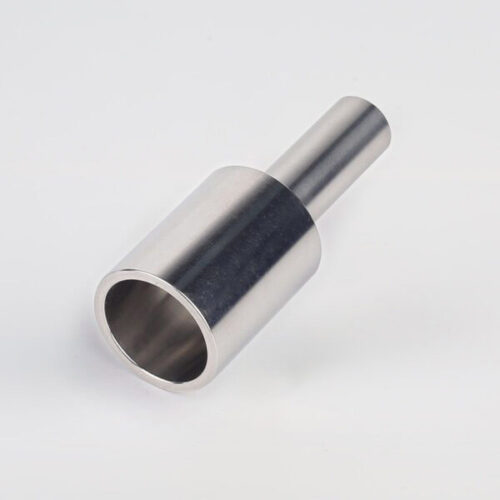
316L Stainless Steel Tube Butt Weld Reducing Fittings Union Reducer RW Series Ultrahigh Purity Process
-
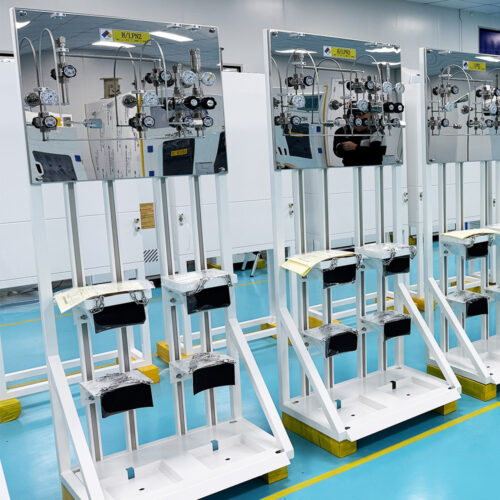
Semi Automatic Gas Cabinet Systems for Handling Toxic and Flammable Process Specialty Gases in High Tech
-
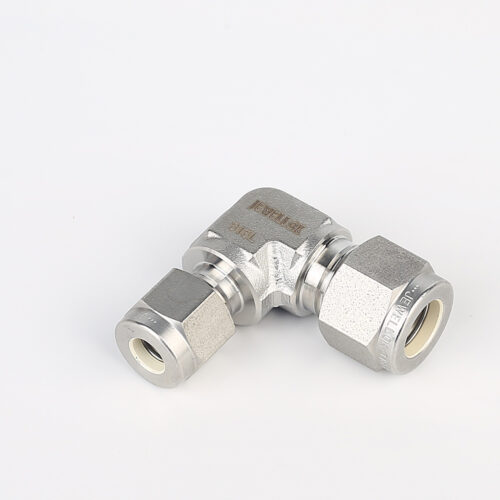
765LR Reducing Tee | Stainless Steel 316 High Purity Butt Weld Fittings Metal Face Seal For Welding Pipe Fitting Reducing Tee
-
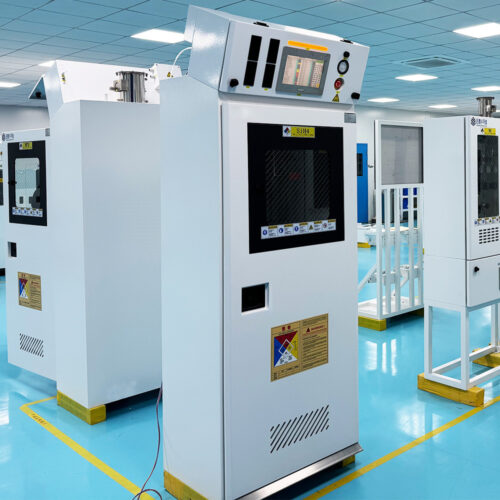
Advanced Bulk Specialty Gas Systems BSGS Gas Cabinet for Safe Handling of Toxic and Flammable Process Gases
-
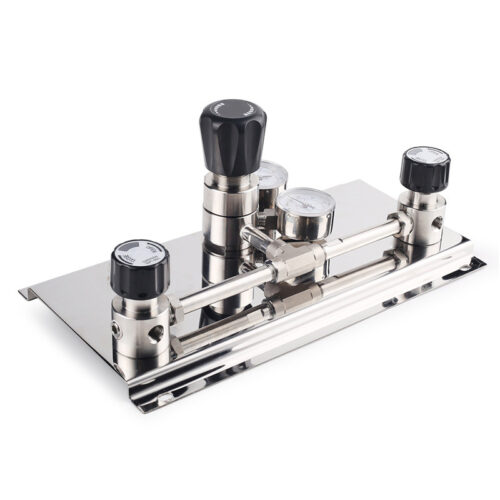
High Purity Semi-Auto Stainless Steel Changeover Manifold System, Nitrogen High Pressure Control Panel With Semiconductor Valve Manifold Box Diaphragm Valves
-
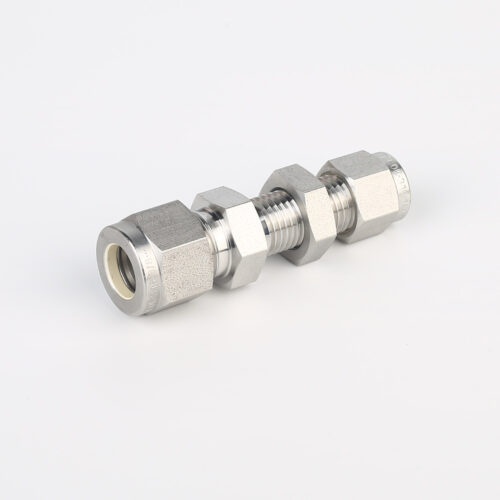
775L Bulkhead Reducing Union | Stainless Steel High Purity Double Ferrule Bulkhead Reducing Unions
-
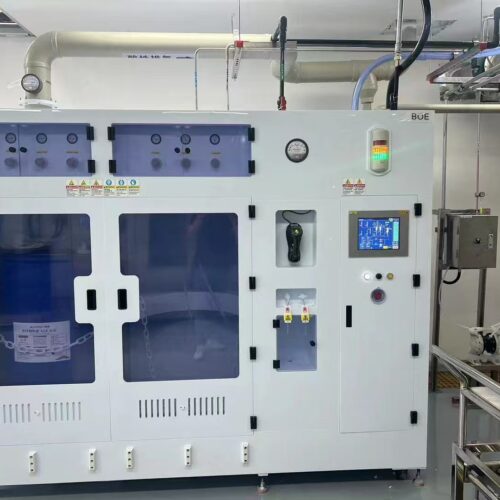
UHP Liquid Chemical Delivery Systems for Semiconductor Fabrication and Photovoltaic Manufacturing Processes
-
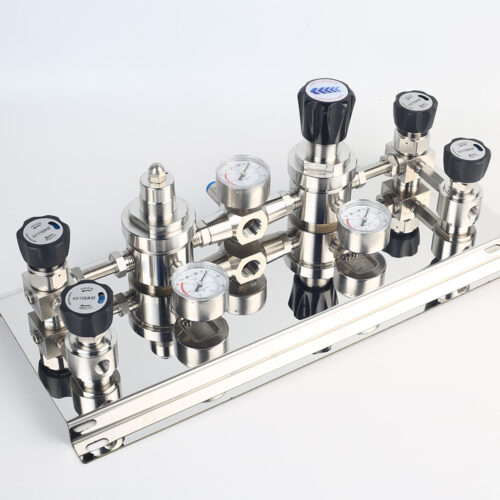
Stainless Steel Single Stage Semiconductor Grade Pressure Control Module Pressure Control Panels JSP-6A Series