
Regulator Manufacturer Tel: +86 13380377051
Regulator Manufacturer Tel: +86 13380377051
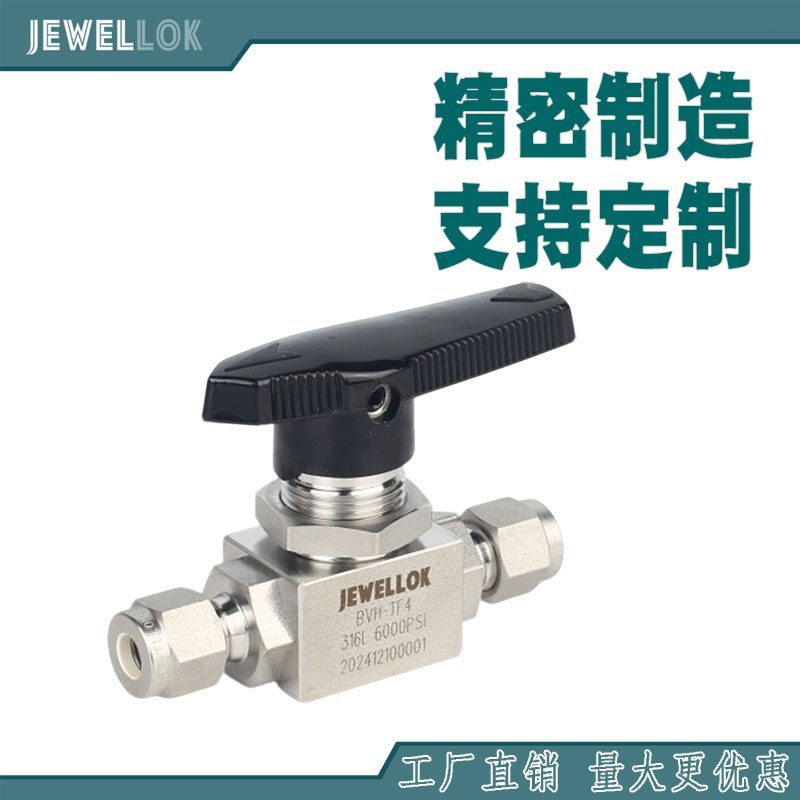
UHP 316L Ball Valves with Orbital Weld Ends for Critical Gas Systems
In semiconductor manufacturing, photovoltaic production, pharmaceutical processing, analytical laboratories, and other high-purity industries, gas delivery systems require components that can maintain exceptional cleanliness, leak tightness, reliability, and process stability. Among these components, UHP 316L ball valves with orbital weld ends are increasingly used in critical gas distribution lines where contamination control and long-term performance are essential.
Unlike conventional industrial valves, ultra-high-purity (UHP) valves are designed around the complete gas pathway. Material selection, internal surface finish, dead volume, sealing performance, welding quality, and cleaning procedures all directly affect system performance. When combined with orbital welding technology, 316L stainless steel ball valves can provide a robust connection solution for permanent gas piping while minimizing contamination risks and potential leak points.
This article explains the construction, advantages, applications, selection criteria, and installation considerations of UHP 316L ball valves with orbital weld ends for critical gas systems.
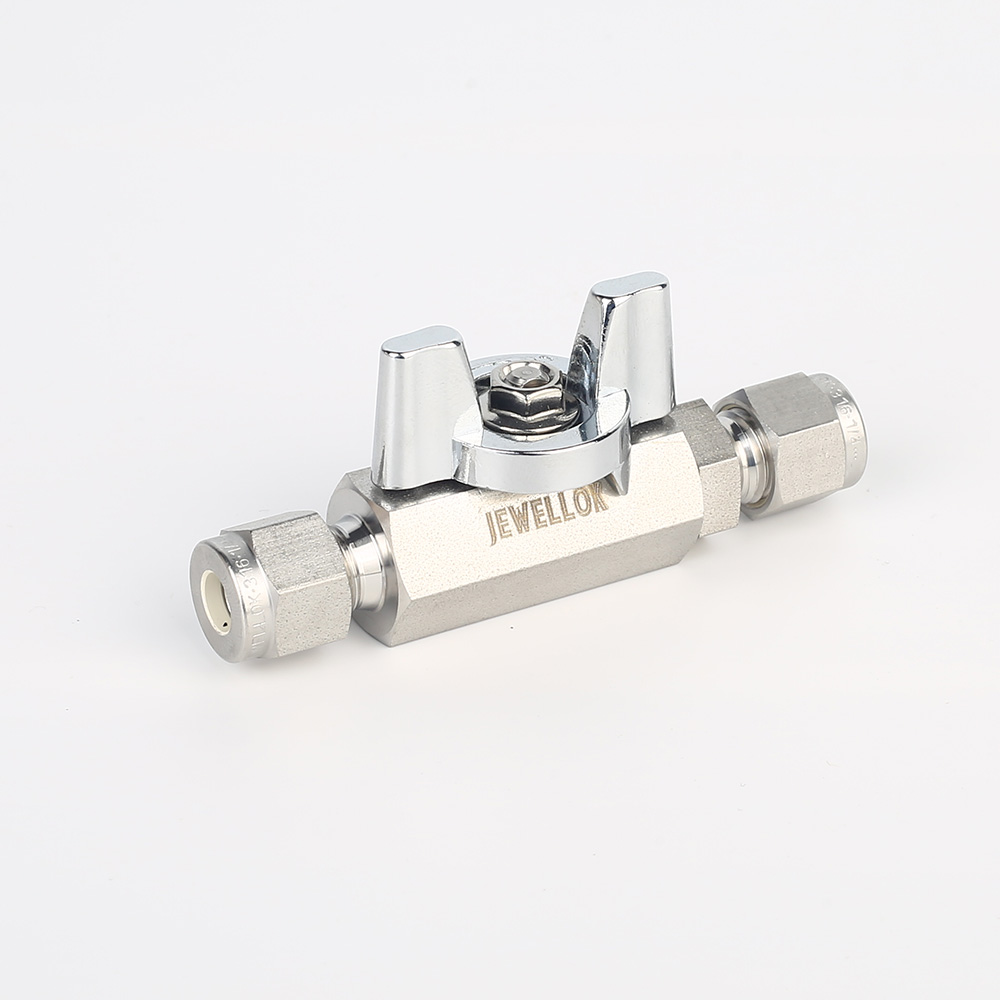
What Is a UHP 316L Ball Valve?
A UHP 316L ball valve is a quarter-turn isolation valve manufactured from high-quality 316L stainless steel and engineered for ultra-high-purity fluid or gas applications.
The basic operating principle is simple. A precision-machined ball containing a flow passage rotates inside the valve body. When the passage is aligned with the pipeline, the valve is open. Rotating the ball approximately 90 degrees closes the passage and isolates downstream equipment.
However, UHP applications require considerably more than simple on/off operation. The valve must prevent particles, moisture, hydrocarbons, metallic contamination, and other impurities from entering the process gas stream.
316L stainless steel is widely selected because of its corrosion resistance, mechanical strength, and compatibility with many semiconductor and specialty-gas applications. Its low-carbon composition also helps reduce the risk of sensitization during welding when appropriate welding procedures are followed.
For critical applications, the internal wetted surfaces may be precisely machined, electropolished, cleaned, and packaged under controlled conditions to support stringent purity requirements.
Why Orbital Weld Ends Matter
The connection method is one of the most important design considerations in a high-purity gas system.
Traditional threaded or mechanical connections can introduce additional interfaces, crevices, dead spaces, or potential leak paths. In contrast, an orbital weld connection creates a permanent metallic joint between the valve and the tubing.
Orbital welding is an automated welding process in which the welding head rotates around the outside of the tube. Computer-controlled parameters can regulate factors such as current, voltage, rotation speed, and shielding gas.
For UHP gas systems, this controlled process provides several advantages:
- Consistent weld quality
- Reduced dependence on manual welding skills
- Repeatable welding parameters
- Minimal internal contamination when properly executed
- Low-profile permanent connections
- Excellent mechanical integrity
- Reduced potential leak paths
When a UHP 316L ball valve incorporates orbital weld ends, it can be integrated directly into stainless steel tubing used for permanent process gas distribution.
Key Advantages of 316L Stainless Steel
Material selection is critical for semiconductor and other high-purity gas applications.
316L stainless steel contains chromium, nickel, and molybdenum, giving it strong resistance to corrosion in a wide range of environments. The low-carbon grade is particularly useful for welded assemblies because it can help reduce carbide precipitation concerns associated with welding.
For UHP gas delivery systems, the material offers several important characteristics.
Corrosion Resistance
Critical gas systems may transport corrosive, reactive, or moisture-sensitive gases. A properly specified 316L stainless steel valve can provide strong corrosion resistance and long-term durability.
However, material compatibility must always be evaluated against the specific gas, concentration, pressure, temperature, and operating conditions.
Surface Quality
The internal surface condition of a valve has a direct influence on contamination control.
A smoother internal surface can reduce particle retention and make cleaning more effective. UHP valves may therefore undergo precision finishing and electropolishing to achieve a controlled internal surface.
The exact surface roughness requirement should be specified according to the application and system cleanliness standard rather than assuming that every 316L valve has the same surface finish.
Weldability
316L stainless steel is well suited to orbital welding when the valve and tubing are properly designed for welding. The valve weld ends should have appropriate dimensional tolerances and geometry to support repeatable tube-to-valve welds.
Proper purge gas management is also essential to protect the inside of the tubing and weld area from oxidation during welding.
Internal Design for High-Purity Gas Service
A UHP valve is not simply a conventional ball valve made from stainless steel. Internal geometry is especially important.
One major consideration is dead volume.
Dead volume refers to areas where process gas can become trapped or where flow is limited. Excessive dead volume can increase the possibility of contamination accumulation, gas retention, or difficult purging.
For critical gas applications, valve manufacturers may optimize the internal flow path to reduce unnecessary cavities and improve purgeability.
The ball, seats, stem, body cavity, and flow passage should work together to provide reliable isolation while maintaining a clean gas pathway.
The valve seat material is another important factor. Depending on pressure, temperature, gas chemistry, and application requirements, different polymeric or specialty seat materials may be considered.
Material compatibility should always be verified before selecting the final valve configuration.
Leak Tightness in Critical Gas Systems
Leak prevention is fundamental to UHP gas distribution.
A valve installed in a semiconductor gas delivery system may be exposed to high-purity process gases, toxic gases, corrosive gases, or reactive gases. Even a small leak can affect process safety, product quality, or environmental performance.
UHP 316L ball valves therefore typically require stringent leak testing during manufacturing.
Testing may include:
- Shell pressure testing
- Seat leakage testing
- Helium leak testing
- Pneumatic testing
- Functional cycling
- Visual inspection
- Dimensional inspection
For critical systems, helium mass spectrometer testing can provide highly sensitive leak detection.
The required leakage specification should be clearly defined in the purchasing specification because different manufacturers may use different testing methods, pressures, acceptance criteria, and reporting standards.
Surface Treatment and Electropolishing
Surface treatment can significantly influence UHP valve performance.
Electropolishing is an electrochemical process that removes a controlled amount of material from the stainless steel surface. When properly applied, it can improve surface smoothness and support the formation of a stable passive surface.
For high-purity gas applications, electropolishing may provide benefits such as:
- Reduced surface roughness
- Improved cleanability
- Reduced particle retention
- Enhanced corrosion resistance
- More consistent internal surface quality
The actual surface finish should be specified using measurable parameters rather than relying only on terms such as “high polish” or “mirror finish.”
For demanding semiconductor applications, manufacturers may provide surface roughness data and inspection documentation as part of quality control.
Applications of UHP Orbital-Weld Ball Valves
UHP 316L ball valves with orbital weld ends are suitable for many critical gas distribution applications.
Semiconductor Manufacturing
Semiconductor fabrication facilities require extremely clean and reliable gas delivery infrastructure.
Process gases are supplied to equipment used for deposition, etching, cleaning, doping, and other wafer-processing steps. Gas panels, valve manifolds, process gas lines, and equipment hook-up systems can incorporate UHP welded valves.
The valve’s role may include:
- Gas isolation
- Equipment maintenance isolation
- Line segmentation
- Purge control
- Process gas routing
- Emergency shutoff
CVD and ALD Systems
Chemical vapor deposition (CVD) and atomic layer deposition (ALD) processes can require precise control of specialty gases and precursor materials.
Because these processes are highly sensitive to contamination and flow conditions, valve materials and internal cleanliness are critical.
UHP welded ball valves can be used in gas supply and isolation sections where permanent, low-leak connections are required.
Specialty Gas Distribution
Gas cabinets and centralized gas distribution systems may transport high-purity nitrogen, argon, hydrogen, oxygen, and other specialty gases.
Depending on chemical compatibility and system design, UHP 316L components can provide a durable piping solution.
Pharmaceutical and Biotechnology Facilities
High-purity gases are also used in pharmaceutical manufacturing, laboratory processes, and biotechnology applications.
Gas quality, cleanability, and system integrity are important considerations, particularly where contamination can affect sensitive processes.
How to Select the Right UHP 316L Ball Valve
Choosing a valve should begin with the actual operating conditions rather than simply selecting a nominal tube size.
1. Confirm the Gas Type
Identify the exact gas or gas mixture.
Consider whether the gas is:
- Inert
- Oxidizing
- Flammable
- Toxic
- Corrosive
- Reactive
- Moisture-sensitive
Material compatibility must be confirmed for the complete valve assembly, including the body, ball, stem, seats, seals, and weld area.
2. Check Pressure and Temperature
Determine the maximum operating pressure, design pressure, minimum and maximum temperatures, and pressure fluctuations.
Valve pressure ratings should be evaluated under the actual operating temperature rather than relying solely on a nominal pressure number.
3. Select the Tube Size and Weld-End Configuration
The valve weld ends must match the tubing dimensions and wall thickness.
Common configurations include different tube outside diameters and metric or imperial dimensions depending on the regional standard and system design.
Proper dimensional matching is essential for orbital welding.
4. Evaluate Internal Surface Finish
For UHP applications, ask the manufacturer for the actual internal surface finish specification.
Important information may include:
- Surface roughness
- Electropolishing condition
- Cleaning method
- Passivation process
- Particle-control procedures
5. Verify Leak Requirements
Critical systems should define acceptable external and internal leakage levels.
If the valve will be used with hazardous or expensive gases, higher leak-test sensitivity may be appropriate.
6. Consider Manual or Automated Operation
Manual ball valves may be sufficient for simple isolation.
Automated valves can be integrated into gas cabinets, process control systems, or safety interlock systems where remote operation is required.
Pneumatic actuation is commonly considered for applications requiring rapid or automated valve operation.
Orbital Welding and Installation Best Practices
Even a high-quality UHP valve can perform poorly if installation is not properly controlled.
Before welding, the valve and tubing should be inspected for damage, contamination, and dimensional compatibility.
The tubing should be cut and prepared using procedures appropriate for high-purity service. Internal contamination should be minimized throughout the installation process.
During orbital welding, shielding and purge gas quality are critical. Improper purging can result in oxidation inside the tube and weld region, potentially creating a contamination source.
Welding parameters should be validated for the specific combination of valve weld end and tubing.
After installation, the completed system should be appropriately inspected and tested. Depending on project requirements, this can include weld inspection, pressure testing, helium leak testing, particle testing, and system cleaning or purging.
Quality Documentation for Critical Projects
For semiconductor and other advanced manufacturing projects, purchasing a valve based solely on product appearance or basic specifications is rarely sufficient.
A qualified UHP valve supplier should be able to provide appropriate documentation, depending on the project requirements.
Potential documents include:
- Material certificates
- Surface-finish records
- Dimensional inspection reports
- Leak-test reports
- Cleaning certificates
- Electropolishing records
- Welding specifications
- Valve functional test records
- Product traceability information
Traceability is particularly valuable for large semiconductor facilities where hundreds or thousands of components may be installed.
The Role of UHP Ball Valves in Modern Gas Delivery Systems
Modern semiconductor gas systems are becoming increasingly automated and demanding. Advanced fabs require stable gas delivery, high system availability, comprehensive monitoring, and strict contamination control.
Within these systems, UHP 316L ball valves with orbital weld ends provide an important combination of material durability, permanent welded connections, operational simplicity, and high-purity performance.
They can be integrated into gas cabinets, gas panels, valve manifolds, distribution pipelines, equipment hook-up lines, and specialty gas systems.
The key is to treat the valve as part of the complete gas delivery architecture rather than as an isolated component.
Conclusion
UHP 316L ball valves with orbital weld ends are engineered for critical gas systems where cleanliness, leak tightness, corrosion resistance, and connection reliability are essential. The combination of 316L stainless steel, optimized internal geometry, controlled surface finishing, stringent cleaning, and orbital-weld connections makes this valve configuration well suited to semiconductor manufacturing, specialty gas distribution, CVD, ALD, pharmaceutical processing, and other high-purity applications.
When selecting a UHP ball valve, engineers should evaluate the complete operating environment, including gas chemistry, pressure, temperature, tube dimensions, surface finish, leakage requirements, welding procedure, actuation method, and documentation requirements.
Ultimately, the best valve is not simply the one with the highest specification. It is the valve whose materials, manufacturing quality, connection technology, cleanliness controls, and testing procedures are properly matched to the requirements of the entire gas delivery system. For critical applications, partnering with an experienced UHP valve manufacturer can help ensure that every connection contributes to long-term system safety, reliability, and process stability.
For more about UHP 316L ball valves with orbital weld ends for critical gas systems, you can pay a visit to Jewellok at https://www.specialtygasregulator.com/product-category/specialty-gas-cabinet/ for more info.
-
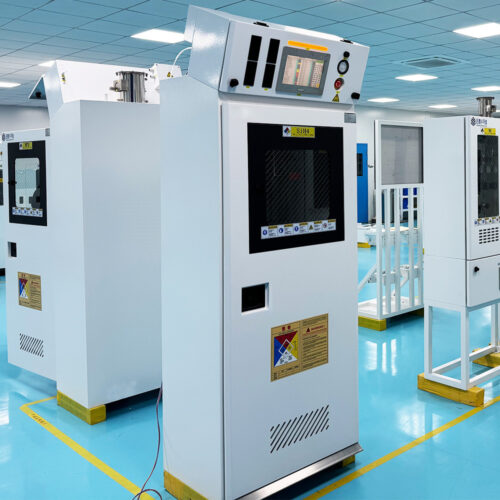
High Purity Bulk Gas Delivery Systems for Semiconductor Manufacturing and Advanced Chemical Distribution Infrastructure
-
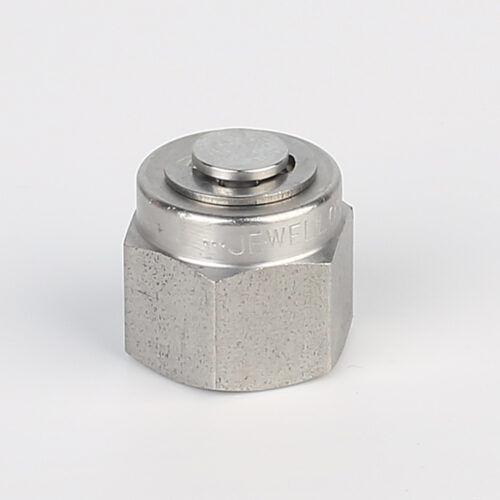
7121L Plug High Purity Plug Fitting And Blanking Plug
-
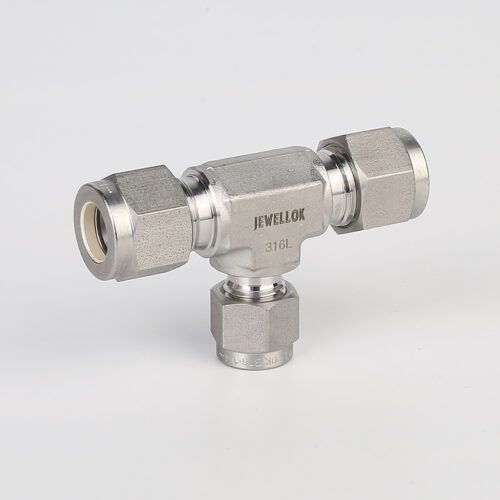
764LR Stainless Steel 316 Reducing Tee UHP Fitting Automatic Buttweld Reducing Tee
-
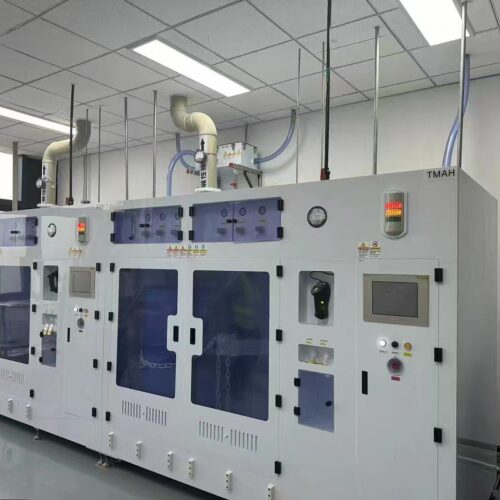
Liquid Bulk Chemical Delivery System with Automatic Chemical Dispense Unit (CDU) Featuring 316L Electropolished Stainless Steel Piping Components
-
Advanced Bulk Specialty Gas Systems BSGS Gas Cabinet for Safe Handling of Toxic and Flammable Process Gases
-
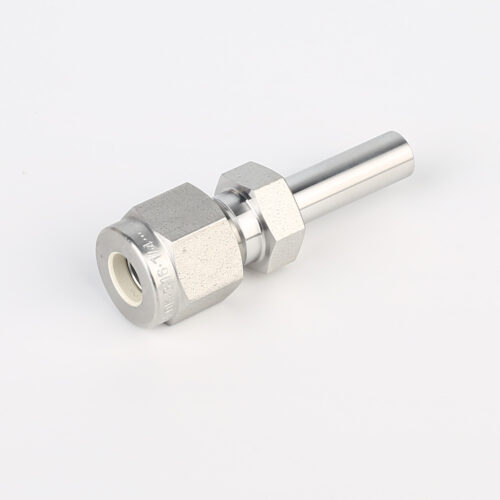
767LT Reducer Pressure Reducing Valve Adjustment High purity Pressure Reducing Union Fittings And Tubing
-
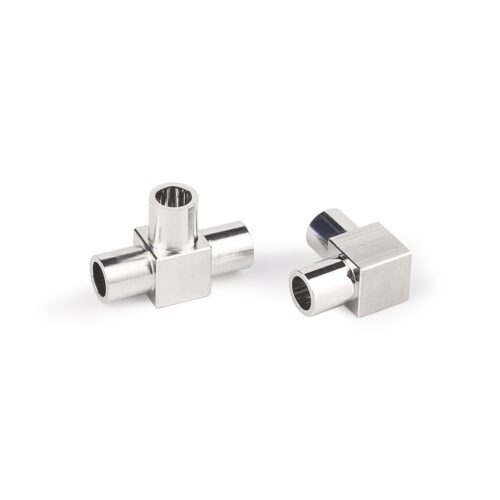
Stainless Steel Mini Elbow Mini Tee Mini Cross Mini Tribow Ultrahigh Purity Mini Butt Weld Fittings
-
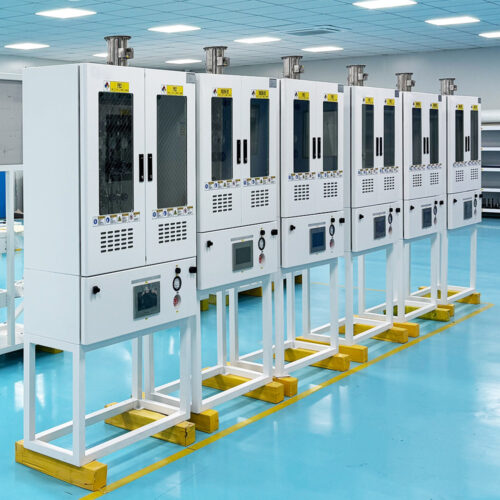
Corrosion Resistant 316L Stainless Steel Exhaust Gas Scrubber System for Harsh Chemical Process Environments