
Regulator Manufacturer Tel: +86 13380377051
Regulator Manufacturer Tel: +86 13380377051
Global Leading UHP Diaphragm Valve Manufacturer: Advanced Solutions for Semiconductor and High-Purity Gas Systems
In semiconductor manufacturing, pharmaceutical processing, photovoltaic production, biotechnology, and other advanced industrial applications, gas purity and process reliability are critical to product quality. Even extremely small amounts of particulate contamination, moisture, oxygen, or metallic impurities can affect process performance and lead to significant production losses. For this reason, Ultra High Purity (UHP) diaphragm valves have become essential components in modern high-purity fluid and gas delivery systems.
As a global leading UHP diaphragm valve manufacturer, we focus on developing and manufacturing high-performance diaphragm valves designed for demanding applications where purity, leak integrity, corrosion resistance, and precise flow control are essential. From semiconductor gas delivery systems and gas cabinets to specialty gas panels and process equipment, our UHP diaphragm valves provide reliable control throughout the entire process gas distribution network.
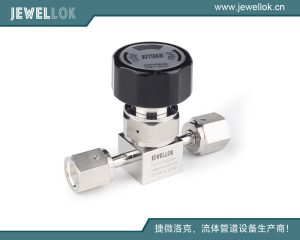
What Is a UHP Diaphragm Valve?
A UHP diaphragm valve is a specialized valve designed to control high-purity gases or liquids while minimizing contamination and leakage. Unlike conventional valves that use stems, packing, or sliding sealing elements exposed to the process medium, diaphragm valves use a flexible diaphragm to isolate the process fluid from the valve’s operating mechanism.
This design provides several important advantages for high-purity applications:
- Minimal internal contamination
- Excellent leak-tightness
- Reduced particle generation
- Low dead volume
- Excellent corrosion resistance
- Reliable shutoff performance
- Long service life
- Suitable for high-purity and reactive gases
In semiconductor manufacturing, these characteristics are particularly important because process gases such as nitrogen, hydrogen, oxygen, argon, silane, ammonia, and various specialty gases must be delivered under carefully controlled conditions.
A properly engineered UHP diaphragm valve helps maintain the integrity of the gas delivery system from the gas source to the process chamber.
Why UHP Diaphragm Valves Are Critical for Semiconductor Manufacturing
Modern semiconductor fabrication processes require increasingly strict control over gas purity. As semiconductor geometries become smaller and manufacturing processes become more sophisticated, contamination that may have been acceptable in older processes can become a major source of yield loss.
A valve installed in a semiconductor gas distribution system must therefore do much more than simply open and close a gas line.
It must provide:
- High sealing integrity
- Low particle generation
- Low internal surface contamination
- High corrosion resistance
- Consistent operating performance
- Excellent repeatability
- Reliable performance over thousands of cycles
UHP diaphragm valves are commonly installed in gas cabinets, gas delivery panels, valve manifold boxes, specialty gas systems, semiconductor process lines, and chemical delivery equipment.
The valve becomes an important barrier between the high-purity gas source and the manufacturing process. Any failure in valve performance can potentially introduce contaminants or interrupt gas delivery.
Advanced Materials for UHP Diaphragm Valves
Material selection is one of the most important factors in UHP valve manufacturing.
For semiconductor and high-purity gas applications, high-quality stainless steel is widely used because it combines mechanical strength, corrosion resistance, and compatibility with demanding process environments.
316L Stainless Steel
316L stainless steel is a commonly selected material for UHP gas components because of its corrosion resistance and suitability for high-purity applications.
For demanding semiconductor applications, advanced manufacturing processes can further improve material performance. Depending on the application, specialized stainless steel materials such as 316L VIM-VAR stainless steel can be used where exceptionally high material quality is required.
Vacuum Induction Melting (VIM) and Vacuum Arc Remelting (VAR) are advanced metallurgical processes designed to improve material cleanliness and consistency.
The final valve material must be selected according to:
- Gas compatibility
- Pressure requirements
- Temperature conditions
- Corrosion characteristics
- Purity requirements
- Mechanical requirements
- Cleaning and fabrication processes
Diaphragm Materials
The diaphragm is one of the most critical components inside a UHP diaphragm valve.
Depending on the valve design and application, specialized metallic diaphragm materials may be used to provide the required combination of flexibility, fatigue resistance, corrosion resistance, and sealing performance.
For particularly demanding applications, cobalt-based superalloys can provide excellent mechanical properties and resistance to challenging process conditions.
The diaphragm material must be carefully matched to the process gas and operating environment to ensure long-term reliability.
Manufacturing Precision Determines Valve Performance
A high-quality UHP diaphragm valve is not simply a conventional valve manufactured from stainless steel. The entire manufacturing process must be optimized for high-purity applications.
Surface finish, internal geometry, welding quality, cleaning, assembly, and testing all influence the final performance of the valve.
Precision Machining
Precision CNC machining is commonly used to manufacture UHP valve bodies and internal components.
High-precision machining helps control:
- Internal dimensions
- Sealing surfaces
- Port geometry
- Diaphragm interfaces
- Internal volume
- Connection dimensions
Consistent machining quality is especially important when valves are installed in complex semiconductor gas delivery systems where multiple components must be connected together.
Internal Surface Finishing
Internal surface quality is another critical consideration.
Rough internal surfaces can create areas where particles, moisture, or contaminants accumulate. A carefully controlled surface finishing process helps reduce these risks and supports more effective cleaning.
Depending on customer requirements, UHP components may use specialized polishing processes to achieve a smooth and consistent internal surface.
The objective is not simply to make the surface visually attractive. The internal surface must be suitable for the required gas purity, cleaning process, and application environment.
VCR and Other UHP Connections
Connection technology plays an important role in maintaining system integrity.
UHP diaphragm valves can be configured with specialized high-purity connections, including VCR-type connections, depending on the requirements of the gas delivery system.
A properly engineered UHP connection provides:
- Reliable metal-to-metal sealing
- Low leakage
- High mechanical stability
- Reduced contamination risk
- Easy integration into UHP gas panels
Connection selection should consider pipe size, pressure, gas compatibility, installation environment, maintenance requirements, and applicable industry standards.
For semiconductor gas systems, the valve and connection should be treated as one integrated sealing system rather than independent components.
Leak Testing and Quality Control
Leak integrity is one of the most important performance characteristics of a UHP diaphragm valve.
Even a very small leak can compromise a high-purity gas system, especially when toxic, corrosive, flammable, or highly reactive gases are involved.
Professional UHP valve manufacturers therefore implement multiple quality-control procedures throughout manufacturing.
Typical inspection and testing may include:
- Dimensional inspection
- Material verification
- Surface inspection
- Pressure testing
- Helium leak testing
- Functional cycling
- Diaphragm performance testing
- Cleaning verification
- Packaging inspection
Helium leak testing is particularly valuable because helium can be detected at extremely low leakage rates.
For high-performance UHP valves, manufacturers may specify leak-rate requirements appropriate to the application and applicable industry standards.
Quality control should begin with raw materials and continue through machining, welding, cleaning, assembly, testing, and packaging.
Electropolishing and UHP Cleaning
Cleaning is an essential stage of UHP valve manufacturing.
Machining and fabrication can leave behind oils, particles, residues, or other contaminants. If these contaminants are not properly removed, they may enter the gas delivery system during operation.
A professional UHP cleaning process is therefore designed to minimize:
- Hydrocarbon contamination
- Particles
- Moisture
- Metallic residues
- Processing oils
- Other surface contaminants
For certain high-purity applications, electropolishing can also be used to improve surface characteristics and support easier cleaning.
After cleaning, valves must be handled in a controlled environment and packaged appropriately to prevent recontamination.
This is especially important for semiconductor customers because a perfectly manufactured valve can still lose its purity advantages if it is improperly cleaned, handled, or packaged.
UHP Diaphragm Valves for Gas Cabinets
Gas cabinets are widely used to safely store and distribute specialty gases in semiconductor and advanced manufacturing facilities.
Inside a gas cabinet, UHP diaphragm valves can be installed in different parts of the gas delivery architecture, including:
- Gas inlet lines
- Pressure regulation sections
- Purge lines
- Vent lines
- Gas switching systems
- Distribution manifolds
- Automatic gas supply systems
The valve must operate reliably while integrating with pressure regulators, filters, sensors, tubing, fittings, and control systems.
For automated gas cabinets, pneumatic UHP diaphragm valves are particularly valuable because they can be remotely controlled and integrated into facility automation systems.
UHP Diaphragm Valves for Gas Delivery Systems
A modern semiconductor gas delivery system may contain dozens or even hundreds of individual components.
The performance of every valve contributes to the overall reliability of the system.
UHP diaphragm valves are commonly used in:
Semiconductor Manufacturing
Applications include CVD, PVD, ALD, etching, ion implantation, and other semiconductor processes requiring controlled specialty gas delivery.
Photovoltaic Manufacturing
High-purity gases are used in several photovoltaic manufacturing processes. Reliable valve performance helps maintain stable gas delivery and process conditions.
LED and Compound Semiconductor Production
Compound semiconductor manufacturing may involve highly reactive or corrosive gases, creating demanding requirements for valve materials and sealing technology.
Pharmaceutical and Biotechnology Applications
High-purity gases can be used for process control, inerting, packaging, and specialized manufacturing processes.
Research and Laboratory Systems
Research facilities frequently require flexible gas distribution systems capable of handling high-purity and specialty gases.
Pneumatic vs. Manual UHP Diaphragm Valves
UHP diaphragm valves can generally be designed as manual or automated configurations.
Manual valves are suitable for applications where operators need direct control and the valve does not require frequent automated cycling.
Advantages include:
- Simple operation
- Easy installation
- Lower system complexity
- Convenient maintenance
Pneumatic valves, on the other hand, are suitable for automated gas delivery systems.
They can be integrated with:
- PLC systems
- Gas cabinet controllers
- Safety interlock systems
- Automatic purge systems
- Gas switching systems
The correct configuration depends on system automation requirements, operating frequency, safety requirements, and facility architecture.
How to Select the Right UHP Diaphragm Valve
Selecting a UHP diaphragm valve should be based on the complete operating environment rather than valve size alone.
Key factors include:
1. Process Gas
Confirm compatibility between the gas and all wetted materials.
2. Operating Pressure
The valve’s pressure rating must exceed the actual operating pressure with an appropriate engineering margin.
3. Temperature
Temperature affects diaphragm performance, sealing materials, and valve durability.
4. Port Size
The valve port should match the required gas flow and system tubing.
5. Connection Type
VCR and other high-purity connection configurations should be selected according to system requirements.
6. Leakage Requirement
For critical semiconductor gas systems, extremely low external and internal leakage may be required.
7. Cycle Life
Automated gas systems may require valves capable of repeated cycling over extended periods.
8. Purity Requirement
The valve’s materials, surface finish, cleaning, packaging, and manufacturing environment should match the required purity level.
Why Choose a Professional UHP Diaphragm Valve Manufacturer?
Choosing the right manufacturer is just as important as selecting the correct valve model.
A professional manufacturer should have capabilities covering the entire production chain, including material selection, precision machining, diaphragm technology, welding, surface treatment, cleaning, assembly, testing, and quality control.
For international semiconductor customers, a reliable supplier should also be capable of providing:
- Technical documentation
- Material certificates
- Dimensional drawings
- Test reports
- Quality inspection records
- Customized valve configurations
- Stable production capacity
- Consistent batch-to-batch performance
- International export experience
These capabilities help customers reduce integration risks and maintain stable production over the entire equipment lifecycle.
The Future of UHP Diaphragm Valve Technology
As semiconductor manufacturing continues to move toward smaller process nodes and more complex process technologies, gas delivery requirements will become increasingly demanding.
Future UHP diaphragm valves are likely to focus on several areas:
Higher purity: Improved materials, cleaning processes, and manufacturing environments will help reduce contamination.
Longer service life: Advanced diaphragm materials and optimized valve structures can improve cycle life.
Smarter automation: Pneumatic and electronically controlled valves will become increasingly integrated with intelligent gas management systems.
Better corrosion resistance: New materials and surface treatments will support increasingly aggressive process gases.
Lower internal volume: Optimized valve geometry can help reduce gas consumption and improve purge efficiency.
Higher manufacturing consistency: Advanced CNC machining, automated inspection, and digital quality management will improve batch consistency.
Conclusion
UHP diaphragm valves are fundamental components in modern high-purity gas delivery systems. Their performance directly affects gas purity, leakage control, process stability, equipment reliability, and manufacturing efficiency.
As a global leading UHP diaphragm valve manufacturer, we are committed to providing high-performance valve solutions for semiconductor, photovoltaic, pharmaceutical, biotechnology, laboratory, and advanced industrial applications.
From high-quality 316L stainless steel materials and precision CNC machining to specialized diaphragm technology, UHP cleaning, leak testing, and controlled packaging, every stage of manufacturing plays an important role in achieving reliable high-purity performance.
For customers building semiconductor gas cabinets, UHP gas delivery systems, specialty gas panels, or other high-purity process equipment, selecting a qualified UHP diaphragm valve manufacturer can significantly improve system reliability and reduce long-term operating risks.
The right UHP diaphragm valve is more than a flow-control component—it is a critical part of the contamination-control and process-safety architecture of an advanced manufacturing facility.
If you are looking for a reliable UHP diaphragm valve manufacturer capable of supplying standard and customized solutions, evaluating material quality, surface finish, connection technology, leak performance, cleaning procedures, testing capabilities, and production consistency should be the foundation of your supplier selection process.
For more about global leading UHP diaphragm valve manufacturer: advanced solutions for semiconductor and high-purity gas systems, you can pay a visit to Jewellok at https://www.specialtygasregulator.com/product-category/specialty-gas-cabinet/ for more info.
-
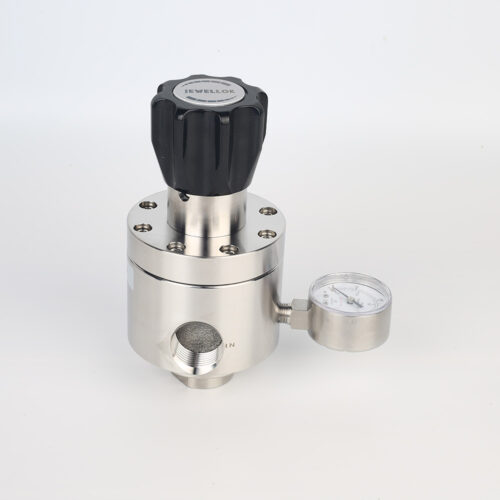
Low Pressure High Flow Line Pressure Regulators And Control Valves JSR-4L Series For Laboratory Pressure Control
-
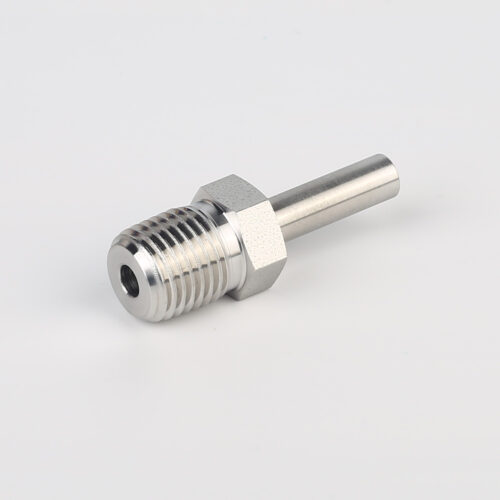
739 High Purity LMR Male Adapter Tube To Pipe Fittings And Adapters
-
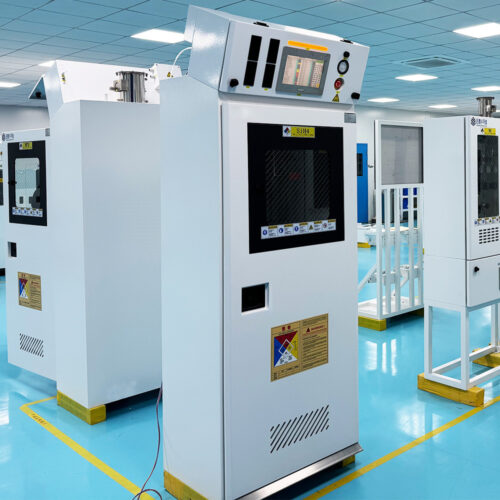
Fully Automated Gas Cabinet For Precise UHP Gas Delivery And High Purity Gas Delivery Systems JW-300-GC
-
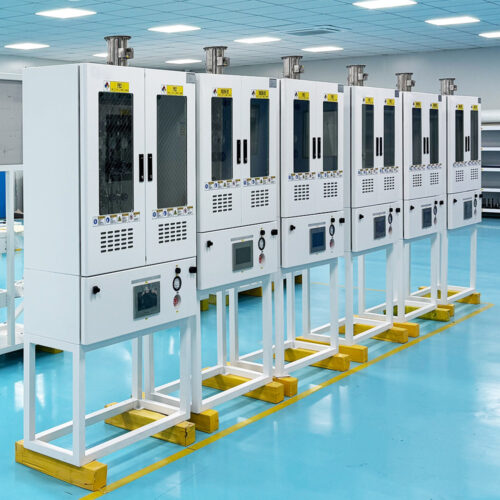
Custom Wet and Dry Exhaust Gas Scrubber System Technology for Effective Acid Gas Neutralization
-
Ultra High Purity Gas Delivery Systems And Liquid Chemical Delivery Systems JW-300-LDS
-
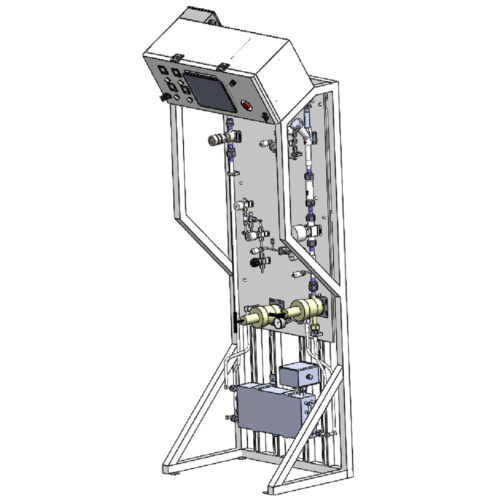
Fully Automated Gas Cabinet Gas Rack Gas Delivery Systems JW-300-GR
-
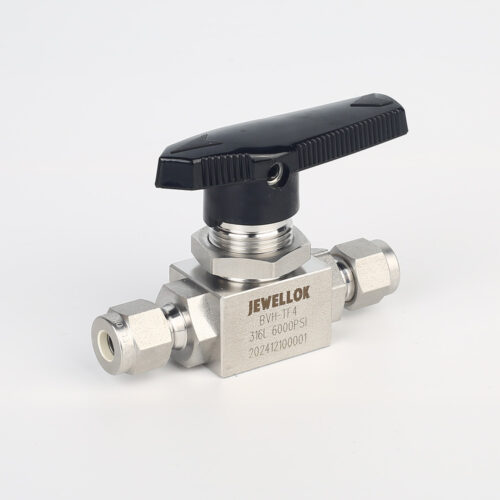
High Purity High Pressure 316 Stainless Steel Ball Valves JBV1 Series From High Pressure Ball Valve Manufacturer And Supplier In China
-
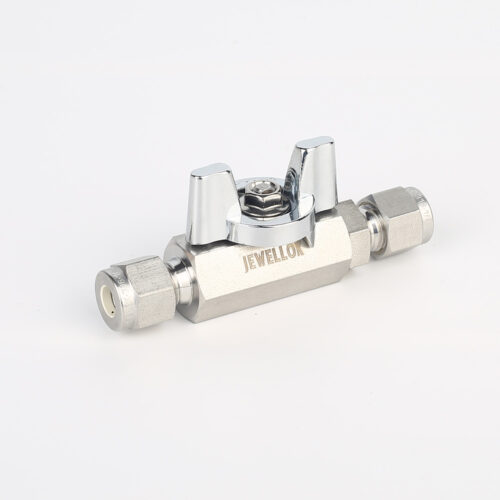
Stainless Steel High-Purity High Temperature Metal Seated Ball Valves JBV3 Series