
Regulator Manufacturer Tel: +86 13380377051
Regulator Manufacturer Tel: +86 13380377051
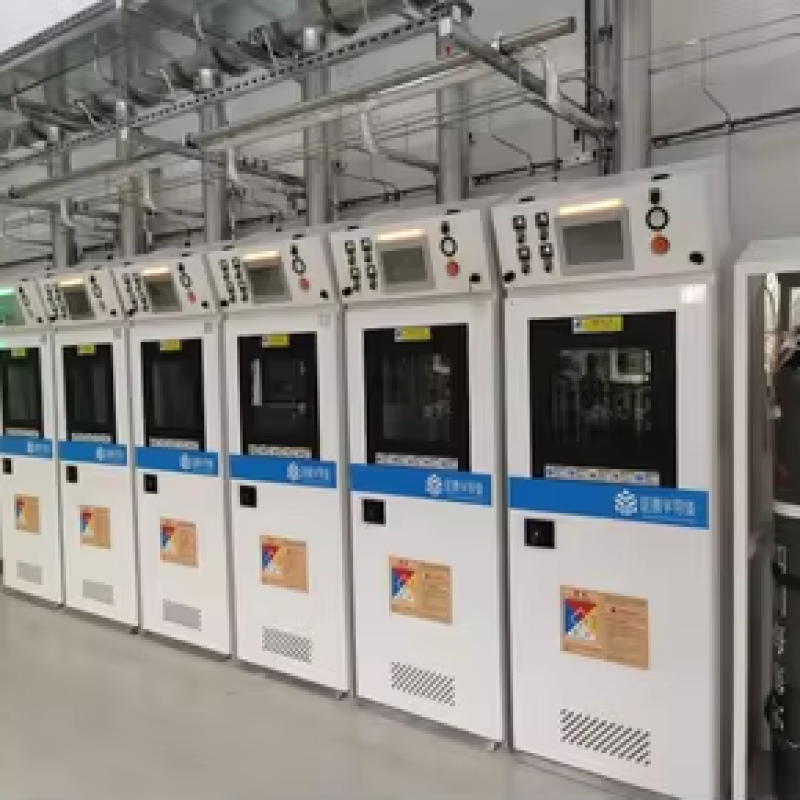
How to Choose a Laboratory Gas Distribution System for Your Facility
A reliable laboratory gas distribution system is essential for laboratories that depend on compressed gases for analytical instruments, research processes, testing, calibration, synthesis, and other specialized applications. Unlike a simple gas piping installation, a properly designed laboratory gas distribution system must provide stable pressure, high gas purity, safe operation, convenient cylinder management, and reliable delivery to every point of use.
Selecting the right system requires more than choosing pipes and regulators. Gas properties, laboratory requirements, pressure levels, flow rates, material compatibility, contamination control, safety regulations, and future expansion all need to be considered during the design stage.
This guide explains the key factors to evaluate when choosing a laboratory gas distribution system and provides a practical framework for selecting the right configuration for your facility.
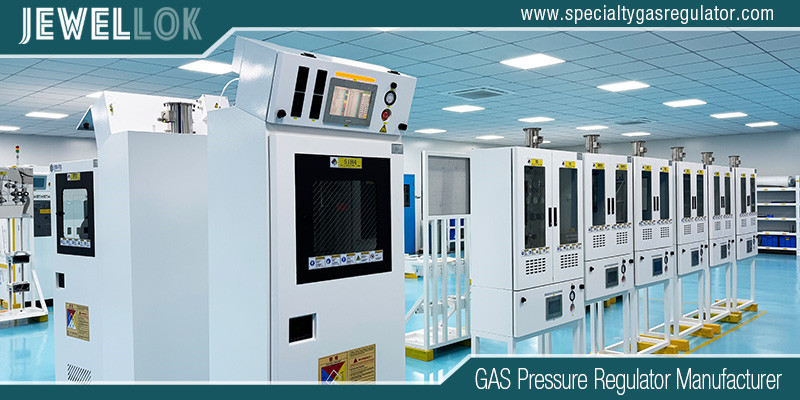
1. Define Your Laboratory Gas Requirements
The first step is to identify exactly which gases the laboratory will use and how each gas will be consumed.
Common laboratory gases include:
- Nitrogen (N₂)
- Oxygen (O₂)
- Argon (Ar)
- Helium (He)
- Hydrogen (H₂)
- Carbon dioxide (CO₂)
- Nitrous oxide (N₂O)
- Compressed air
- Specialty and calibration gases
- Toxic, corrosive, or flammable gases
Each gas has different physical and chemical properties. Therefore, the distribution system should not be designed using a one-size-fits-all approach.
For each gas, determine the required inlet pressure, outlet pressure, maximum flow rate, normal operating flow, purity level, number of points of use, and expected future demand.
For example, an analytical laboratory using high-purity nitrogen for gas chromatography may have very different requirements from a materials laboratory using nitrogen for inerting or an instrument laboratory using helium as a carrier gas.
A detailed gas-use schedule should therefore be prepared before selecting the equipment.
2. Determine Required Gas Purity
Gas purity is one of the most important factors in laboratory gas distribution.
For general laboratory applications, standard industrial-grade materials and components may be sufficient. However, analytical instruments, semiconductor-related research, pharmaceutical laboratories, and sensitive spectroscopy applications may require ultra-high-purity gas delivery.
The distribution system must prevent contamination from entering the gas stream.
Potential contamination sources include:
- Moisture
- Oxygen
- Hydrocarbons
- Particles
- Welding residues
- Oil and grease
- Pipe corrosion
- Elastomer outgassing
- Improperly cleaned components
For high-purity applications, stainless steel tubing—particularly 316L stainless steel—is commonly considered because of its corrosion resistance and suitability for controlled gas delivery.
Component selection is equally important. Regulators, valves, filters, fittings, manifolds, and point-of-use assemblies should be compatible with the required purity level.
When specifying a laboratory gas distribution system, do not evaluate tubing alone. The complete gas path must be considered as a single contamination-control system.
3. Select the Appropriate Gas Source Configuration
Laboratory gas can be supplied from individual cylinders, cylinder manifolds, bulk storage systems, or a combination of these sources.
Single-Cylinder Supply
A single cylinder connected directly to a regulator may be appropriate for small laboratories or low-consumption applications.
However, the laboratory may experience gas interruptions when the cylinder becomes empty. Manual cylinder replacement can also create operational and safety concerns.
Automatic Changeover System
For laboratories requiring continuous gas supply, an automatic or semi-automatic changeover manifold can be a better configuration.
The system uses two or more cylinder banks. When the primary bank reaches a predefined pressure level, the system switches to the reserve bank.
This configuration can reduce downtime and simplify cylinder management.
Central Gas Supply
Large laboratories or facilities with many gas-consuming instruments may benefit from a centralized gas supply system.
A central system can distribute gas through dedicated pipelines to multiple laboratories or points of use. It can also simplify pressure control, monitoring, maintenance, and cylinder management.
The appropriate configuration depends on gas consumption, laboratory size, operating hours, and the required level of supply continuity.
4. Calculate Pressure and Flow Requirements
Correct pressure control is critical to laboratory gas distribution.
The source pressure may be significantly higher than the pressure required by laboratory instruments. A multi-stage pressure regulation system may therefore be necessary.
A typical configuration can include:
Gas Cylinder → Cylinder Valve → High-Pressure Regulator → Manifold → Distribution Pipeline → Point-of-Use Regulator → Laboratory Equipment
The system should be designed according to both normal and maximum flow requirements.
If the pipeline is undersized, pressure drop may occur when multiple instruments operate simultaneously. Excessive pressure drop can result in unstable instrument operation or insufficient gas supply.
Pipe sizing should therefore consider:
- Gas type
- Inlet pressure
- Required outlet pressure
- Maximum flow rate
- Pipeline length
- Number of fittings
- Number of simultaneous users
- Acceptable pressure drop
- Future expansion
For larger facilities, hydraulic calculations or engineering simulation may be used to confirm the appropriate tubing diameter and system configuration.
5. Choose Compatible Materials
Material compatibility is another major consideration.
316L stainless steel is widely used in high-purity laboratory gas systems because it offers good corrosion resistance and can support stringent cleanliness requirements.
Other materials may be suitable depending on the application. For example, copper or specialized polymer tubing may be used in certain general-purpose applications, provided that the material is compatible with the gas and required cleanliness level.
For corrosive gases, the material selection must be especially carefully evaluated.
The engineer should consider:
- Gas chemical compatibility
- Corrosion resistance
- Pressure rating
- Temperature range
- Cleanliness requirements
- Permeability
- Outgassing
- Expected service life
Never select materials based only on purchase price. A component that is inexpensive initially may cause contamination, leakage, corrosion, or premature replacement later.
6. Pay Attention to Valves and Fittings
Valves and fittings are critical components in a laboratory gas distribution system because they determine how effectively the system can be isolated, controlled, maintained, and expanded.
Common components include:
- Ball valves
- Diaphragm valves
- Needle valves
- Check valves
- Pressure regulators
- Filters
- Pressure gauges
- Relief valves
- Tube fittings
- VCR fittings
- Welded connections
For general-purpose gas systems, ball valves may provide convenient isolation.
For high-purity applications, diaphragm valves are often considered where minimizing dead volume and contamination is important. Needle valves may be used where fine flow adjustment is required.
Connections should also be selected according to pressure, purity, maintenance requirements, and installation method. Orbital welding can provide highly controlled permanent connections for demanding high-purity systems, while mechanical fittings may be preferred where regular disconnection is necessary.
7. Consider Safety From the Beginning
Laboratory gas systems must be designed with safety as a primary consideration, particularly when flammable, toxic, corrosive, or asphyxiating gases are involved.
Important safety measures may include:
- Emergency shutoff valves
- Pressure relief devices
- Gas leak detection
- Ventilation
- Gas cabinets
- Cylinder restraints
- Automatic alarms
- Excess-flow protection
- Check valves
- Clearly identified pipelines
- Emergency isolation systems
Flammable gases such as hydrogen require special attention to ignition sources, ventilation, leak detection, and emergency isolation.
Toxic or corrosive gases may require ventilated gas cabinets, automatic shutoff systems, gas detection, and exhaust connections.
The system should be designed according to applicable local building, fire, occupational safety, and laboratory standards.
8. Evaluate Point-of-Use Requirements
A laboratory gas distribution system is ultimately judged by its performance at the point of use.
Each outlet should provide the correct gas, pressure, flow, and connection type required by the laboratory equipment.
A typical point-of-use assembly may include:
Isolation Valve → Pressure Regulator → Pressure Gauge → Filter → Outlet Connection
Different instruments may require different pressure and flow conditions. Therefore, a centralized system does not necessarily mean every outlet should have identical configurations.
Point-of-use regulators can provide localized pressure control and help prevent equipment from receiving excessive upstream pressure.
For sensitive analytical instruments, additional filtration or purification may also be necessary.
9. Plan for Monitoring and Automation
Modern laboratory gas distribution systems increasingly incorporate monitoring and automation.
Pressure sensors can monitor supply pressure, pipeline pressure, and cylinder-bank status. Flow sensors can help track gas consumption.
More advanced systems may provide:
- Automatic cylinder changeover
- Low-pressure alarms
- High-pressure alarms
- Gas leakage alarms
- Remote monitoring
- Data logging
- Automatic emergency shutoff
- PLC-based control
Monitoring can help laboratory operators identify problems before they interrupt experiments or damage sensitive equipment.
For facilities with many gas lines, a centralized monitoring interface can also simplify operation and maintenance.
10. Check Installation and Maintenance Requirements
A good laboratory gas distribution system should be designed not only for installation but also for long-term maintenance.
Before installation, establish:
- Pipeline routing
- Gas identification
- Isolation points
- Maintenance access
- Drain or purge requirements
- Testing procedures
- Expansion points
- Equipment clearance
The system should be pressure-tested and leak-tested before commissioning.
High-purity systems may also require specialized cleaning, purging, and passivation procedures to minimize contamination.
Maintenance procedures should include periodic inspection of regulators, valves, fittings, hoses, pressure gauges, filters, alarms, and gas detection systems.
Keeping detailed maintenance records can help identify recurring problems and support preventive maintenance.
11. Consider Future Expansion
Laboratories frequently add new analytical instruments, research equipment, or additional gas services.
A distribution system designed only for current requirements may become restrictive after expansion.
When designing the system, consider:
- Additional gas outlets
- Higher future flow rates
- Additional laboratory rooms
- Additional cylinder banks
- Spare pipeline capacity
- Modular manifolds
- Future monitoring points
Installing spare ports or designing a modular distribution architecture can make future expansion significantly easier.
Although additional capacity may increase the initial investment, it can reduce the cost and disruption associated with major modifications later.
12. Compare Suppliers Beyond Price
Choosing a laboratory gas distribution system supplier should involve more than comparing equipment prices.
Evaluate the supplier’s capabilities in:
- Gas system engineering
- Pressure control
- High-purity gas handling
- Material selection
- Valve and regulator manufacturing
- Custom manifold design
- Safety system integration
- Installation support
- Testing and commissioning
- After-sales service
Ask suppliers to provide technical drawings, component specifications, pressure ratings, material certificates, leak-test requirements, and system documentation where applicable.
For customized systems, the supplier should be able to adapt the design to your gas types, pressure requirements, laboratory layout, and equipment connections.
13. A Practical Selection Checklist
Before purchasing a laboratory gas distribution system, confirm the following:
Gas requirements
- What gases will be used?
- What purity levels are required?
- Are any gases toxic, corrosive, flammable, or oxygen-enriched?
Pressure and flow
- What is the source pressure?
- What pressure is required at each point of use?
- What are the normal and maximum flow rates?
Distribution
- How many gas outlets are required?
- How long are the pipelines?
- How many instruments may operate simultaneously?
- Is automatic cylinder changeover required?
Materials
- Is 316L stainless steel required?
- Are welded or mechanical connections more appropriate?
- Are all wetted materials chemically compatible?
Safety
- Is gas detection required?
- Are ventilated gas cabinets required?
- What emergency shutoff arrangement is needed?
Expansion
- Will additional instruments or laboratories be added?
- Is spare capacity required?
Answering these questions before requesting quotations will make supplier comparisons much more meaningful.
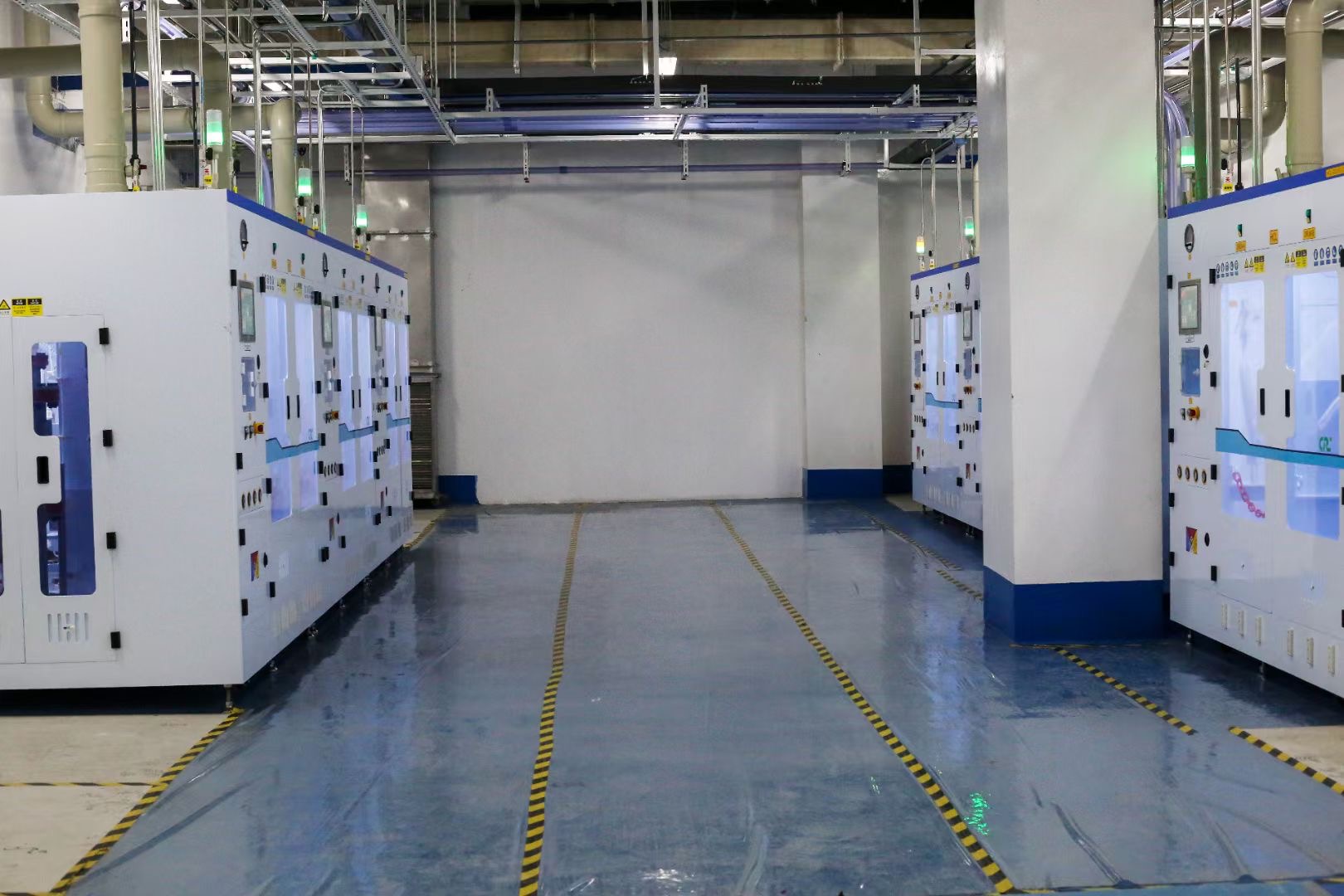
Conclusion
Choosing the right laboratory gas distribution system requires a complete understanding of gas type, purity, pressure, flow, material compatibility, safety, point-of-use requirements, and future expansion.
For a small laboratory, a properly regulated cylinder supply may be sufficient. For larger or more demanding facilities, a centralized system with automatic changeover, high-purity components, point-of-use regulation, monitoring, and integrated safety controls may be more appropriate.
The most effective approach is to treat the gas distribution system as an integrated engineering system rather than a collection of individual components. Every part—from the cylinder connection and regulator to the pipeline, valves, fittings, monitoring devices, and final outlet—can affect system reliability and gas quality.
By defining your requirements before purchasing, selecting compatible materials and components, calculating pressure and flow requirements, incorporating appropriate safety measures, and planning for future expansion, your facility can establish a laboratory gas distribution system that delivers stable, clean, and reliable gas to every point of use.
For laboratories handling high-purity or specialty gases, working with an experienced gas system manufacturer can also help ensure that the final configuration is properly matched to the facility’s technical and operational requirements.
For more about how to choose a laboratory gas distribution system for your facility, you can pay a visit to Jewellok at https://www.specialtygasregulator.com/product-category/specialty-gas-cabinet/ for more info.
-
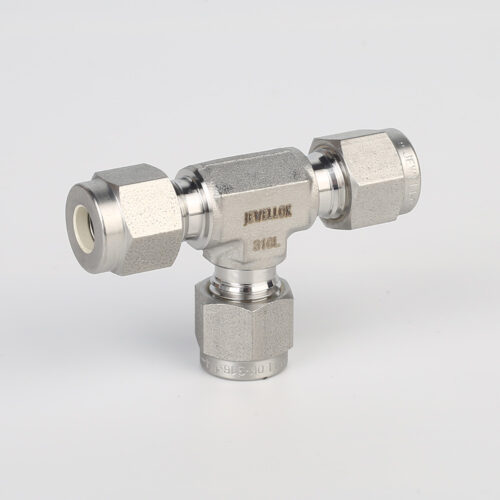
764L Stainless Steel Union Tee High Purity Fitting Union Tee Reducing Tubing Connection
-
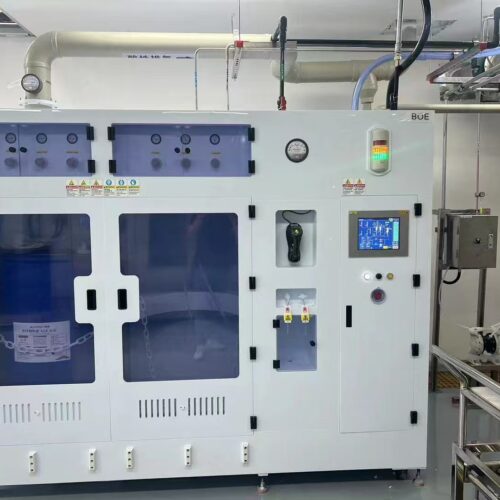
UHP Liquid Chemical Delivery Systems for Semiconductor Fabrication and Photovoltaic Manufacturing Processes
-
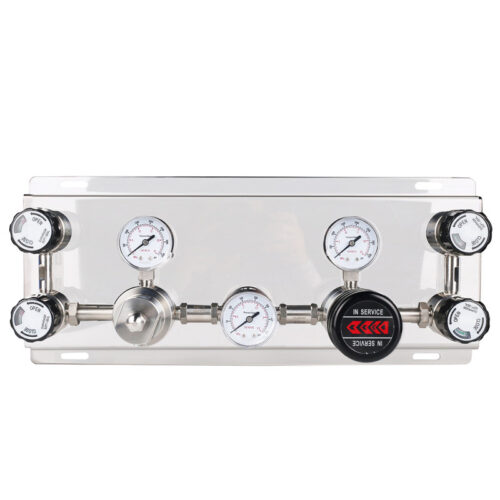
Semi Automatic And Automatic Switching Speicialty Gas Changeover Manifold Panel With Semiconductor Valve Manifold Box Gas Pressure Regulators
-
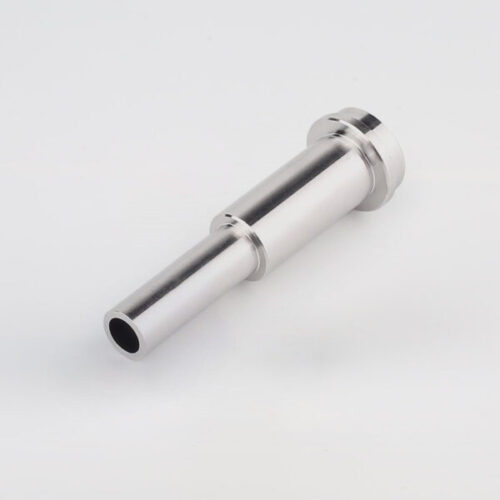
Long Gland LG Series For Ultra High Purity Gas And Chemical Delivery Systems
-
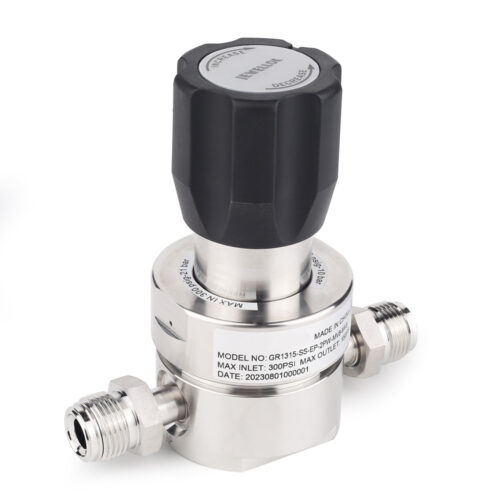
JR1300 Series Ultra High Purity Single Stage Regulator High Flow Line Regulator For Ultra High Purity Intermediate Flow
-
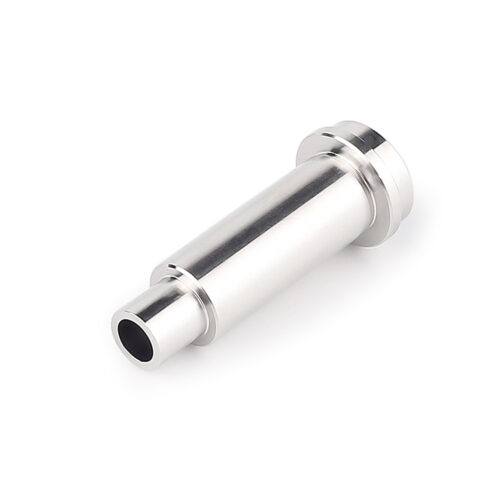
UHP Metal Gasket Face Seal Fittings Vacuum Coupling Metal Face Seal Join Long Gland And Short Gland
-
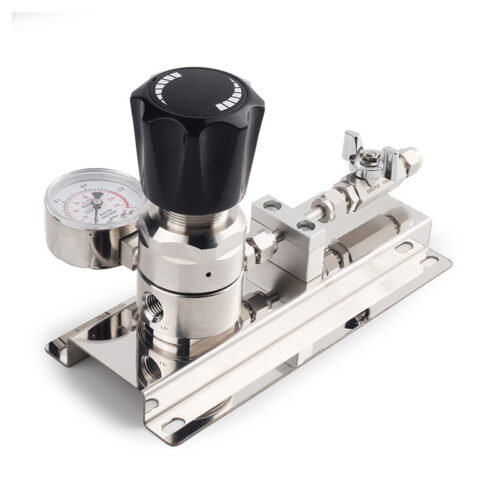
Ultra High Purity 316L Var Stainless Steel Compressed Gas Changeover Manifold Panel System For Integrated Gas Supply System
-
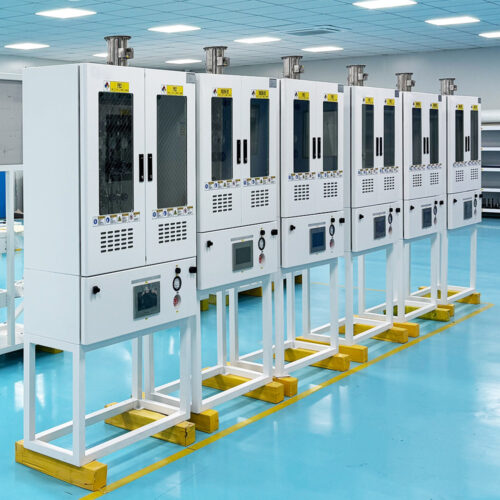
Automated Valve Manifold Box with Leak Detection for Toxic and Flammable Semiconductor Process Gases