
Regulator Manufacturer Tel: +86 13380377051
Regulator Manufacturer Tel: +86 13380377051
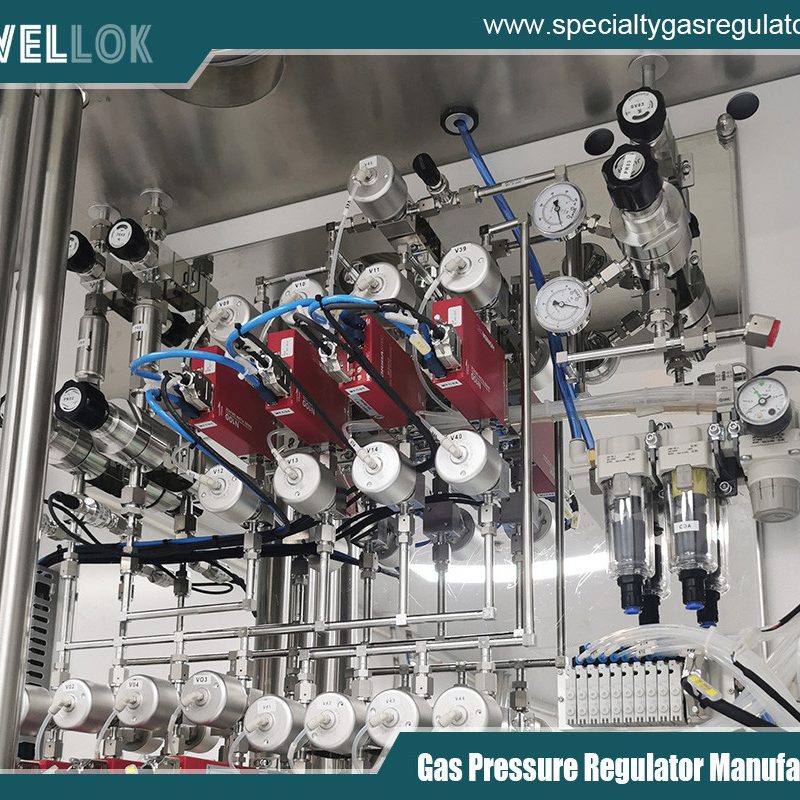
High Purity Specialty Gas Regulators: A Selection Guide for Laboratory & Semiconductor Applications
In the precise worlds of laboratory research and semiconductor fabrication, the quality of process gases is non-negotiable. Trace contaminants at the part-per-billion (ppb) or even part-per-trillion (ppt) level can ruin sensitive experiments, degrade analytical instrument performance, or cause catastrophic yield loss in chip manufacturing. While much attention is given to the gases themselves, the gas regulator—the device controlling pressure from cylinder to point-of-use—is a critical, and often underestimated, component in maintaining gas integrity. A standard industrial regulator can reintroduce more impurities than the gas supplier painstakingly removed.
This guide delves into the selection of high purity specialty gas regulators, providing a framework for engineers, researchers, and procurement specialists to choose the correct device for their specific application in lab and semiconductor environments.

Part 1: Understanding the Stakes – Why Standard Regulators Fail
A regulator’s primary function is to reduce a high, variable cylinder pressure to a stable, lower delivery pressure. In doing so, internal components come into constant contact with the gas stream. Standard regulators are designed for cost and durability in industrial settings, not for ultrapure gas handling. Their failure modes in high-purity applications include:
- Outgassing:Elastomeric seals (like Buna-N) and internal voids can release hydrocarbons, water vapor, and other volatiles into the gas stream.
- Permeation:Gases, especially helium and hydrogen, can diffuse through polymer diaphragms and seals.
- Surface Adsorption/Desorption:Rough internal surfaces (e.g., cast or machined bodies) can trap moisture and particles, later releasing them as pressure or flow changes.
- Metallic Contamination:Corrosion or particulate generation from internal springs, pistons, and valves can introduce metal ions, a deadly contaminant in semiconductor processes.
- Incomplete Purgeability:Complex internal passages with dead volumes trap gas, making purge-down for gas changeouts slow and inefficient, leading to cross-contamination.
Part 2: Core Selection Criteria for High Purity Specialty Gas Regulators
Selecting the right regulator requires analyzing several interconnected specifications.
- Purity Grade & Materials of Construction
This is the most fundamental decision, directly linked to the required gas purity.
- Stainless Steel (SS):The baseline for high purity.
- Type 316L:The industry standard. The “L” denotes low carbon, minimizing carbide precipitation during welding, which can create corrosion sites. It offers excellent corrosion resistance.
- Electropolished (EP) Interior:A critical process. Electropolishing removes microscopic surface peaks, creating a smooth, passive oxide layer that reduces adsorption sites, improves corrosion resistance, and enhances particle washability.
- Surface Finish:Measured in Ra (roughness average). Semiconductor-grade regulators often specify Ra < 10 micro-inches. A smoother finish minimizes particle entrapment.
- Diaphragm Material:
- Metallic Diaphragms (Stainless Steel):Essential for the highest purity and corrosive/ hazardous gases. They eliminate permeation and outgassing entirely. Used in “Diaphragm Seal“ or “All-Metal” regulators.
- High-Purity Elastomers:For less critical high-purity applications. FDA-grade Viton® or Kalrez® perfluoroelastomers are common, offering low outgassing and good chemical resistance. They are typically used as secondary seals, not the primary pressure-sensing diaphragm.
- Seals & Valve Seats:
- Metal-to-Metal:Utilizes a finely machined stem tip (often 316L) sealing against a hard seat (e.g., PCTFE, Rulon). Offers high cycle life and zero outgassing.
- Elastomeric:PCTFE (Kel-F) is a preferred high-purity polymer seat material due to its hardness and chemical inertness.
- Design Type: Spring-Loaded vs. Dome-Loaded
- Spring-Loaded (Direct-Operated):The most common type. Spring force opposes a diaphragm to control the closing element. They are simpler and less expensive. However, the outlet pressure will “droop” as inlet pressure falls or flow increases, as spring force is constant.
- Dilution Purge Regulator:Features two independent gas inlets, allowing an inert purge gas (e.g., N2) to dilute the specialty gas for safe handling of pyrophoric or toxic gases.
- Dome-Loaded (Pilot-Operated):Uses a supply gas pressure (the “dome” pressure) instead of a spring to control the main valve. The dome pressure is set by a small internal pilot regulator.
- Advantages:Provides exceptional stability. Outlet pressure is unaffected by inlet pressure decay. Allows for precise remote control via the dome pressure. Offers higher flow capacity.
- Disadvantages:More complex, more expensive. Requires a clean dome pressure supply gas.
- Semiconductor Choice:Dome-loaded regulators are ubiquitous in semiconductor fabs for critical processes like CVD and etch due to their stability and controllability.
- Cleanliness & Treatment
- Cleaning and Passivation:Regulators must be cleaned to remove manufacturing oils, particles, and contaminants. Processes may include ultrasonic cleaning and passivation—a nitric acid bath that enhances the chromium oxide layer on stainless steel.
- Packaging:High-purity regulators should be bagged in a cleanroom environment using particle-free, low-outgassing packaging (often double-bagged with inert gas purge) to preserve cleanliness until point of installation.
- Connection and Configuration
- Inlet/Outlet Connections:Match cylinder and system connections. Common high-purity choices include VCJ®/G-metal face seal fittings (welded or mechanical), Swagelok® tube fittings, or CGA (Compressed Gas Association) outlets with specific dedicatory nuts for different gases. Face seal fittings are preferred for ultra-high vacuum integrity.
- Purge Ports:Optional auxiliary ports (often 1/4″ or 1/8″ VCJ) on the inlet and outlet sides facilitate easy in-situ purging of the regulator body.
- Gauges:Consider high-purity gauges with stainless steel internals and PTFE diaphragms. For ultimate purity, gauge-less regulators eliminate a significant internal volume and potential leak/contamination point.
Part 3: Application-Specific Guidance
- Semiconductor Fabrication
Semiconductor fabs operate at the extreme end of gas purity, with specifications often calling for “electronics grade” or “SEMI” standard gases.
- Key Drivers:ppt-level contaminants, total hydrocarbon levels, metal ions (Na+, K+, Fe+), moisture (H2O), and oxygen (O2) can all affect gate oxide integrity, cause doping errors, or create defects.
- Primary Recommendations:
- Material:316L EP SS, Ra < 10 µin.
- Design:Dome-loaded regulators are standard for most bulk gas delivery to tools (e.g., N2, O2, H2, Ar). They provide the stability needed for mass flow controller (MFC) feed.
- Sealing:All-metal diaphragm seals are mandatory for the most critical and corrosive gases (e.g., HCl, Cl2, HBr, WF6). High-purity PCTFE or metal seats are standard.
- Specialty Gases:
- Hydrides & Corrosives (SiH4, AsH3, PH3, Cl2):Use all-metal, diaphragm-seal, dome-loaded regulators. Often designated “Corrosive Service.”
- Pyrophorics (SiH4, PH3):Require dilution purge regulators for safe cylinder changeout.
- High-Purity Dopants (B2H6, AsH3):Ultra-high purity diaphragm seals with dedicated, never-used-on-other-gas configurations.
- Gas Cabinet vs. Point-of-Use (PoU):Central gas cabinets use high-flow, dome-loaded panels. Point-of-Use (PoU) regulators, mounted directly on the tool, provide a final stage of pressure control and purity protection right before the process chamber.
- Laboratory & Analytical Applications
Labs span a wide range of needs, from university teaching labs to advanced analytical facilities.
- Key Drivers:Accuracy, stability for instrument calibration, minimizing baseline noise in analyzers, preventing column/method contamination, and safety.
- Primary Recommendations:
- General High-Purity Research (GC, GC-MS, ICP-MS):A high-quality two-stage, spring-loaded regulator with 316L SS body, electropolished interior, and Viton/Kalrez seals is often sufficient. Two-stage design provides better stability than single-stage.
- Ultra-Trace Analysis (ICP-MS, ppb-level work):Upgrade to a diaphragm-seal, metal diaphragm regulator. This eliminates elastomer-related hydrocarbon outgassing that can create spectral interferences.
- Carrier Gases for Chromatography:Stability is paramount. Dome-loaded or precision two-stage spring-loaded regulators are preferred to maintain consistent column flow and detector response.
- Calibration Gas Mixtures:Use regulators dedicated to the specific mixture component to avoid cross-contamination. For ppm/ppb calibration mixes, a high-purity, low-dead-volume regulator is critical.
- Reactive Gases (in labs):For HCl, H2S, or ammonia in research, specify a corrosive service regulator with compatible materials (often Monel or Hastelloy for severe service).
Part 4: Operational Best Practices
Selecting the right regulator is only half the battle. Proper handling ensures its performance.
- Proper Installation:Use clean, proper tools. Follow torque specifications for fittings to avoid damage and leaks. Always use a new gasket with face seal fittings.
- Leak Checking:Perform a thorough helium leak check on the entire assembly after installation, before introducing the process gas. Bubble testing is insufficient for high-purity systems.
- Purge Procedures:Before introducing the specialty gas, purge the regulator and downstream lines thoroughly with an appropriate inert purge gas (e.g., ultra-high purity nitrogen or argon). Use built-in purge ports effectively.
- Dedication:Never use a regulator for a different gas type. Label regulators clearly and permanently. Cross-contamination is a severe risk.
- Certification & Recertification:New regulators should come with a certificate of conformance (C of C) detailing materials, cleanliness, and testing. Establish a schedule for recertification and preventative maintenance, especially for safety-critical applications.
Conclusion
The selection of a high-purity specialty gas regulator is a systems-engineering decision with direct consequences for process integrity, yield, safety, and operational cost. There is no universal “best” regulator.
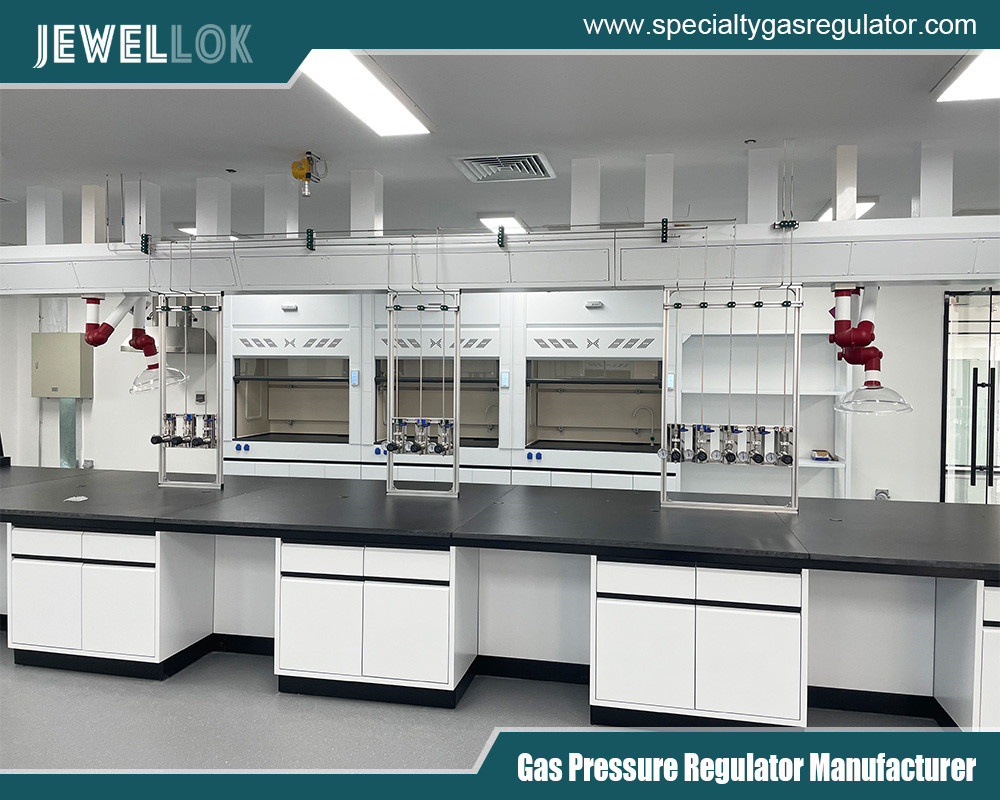
For the semiconductor engineer, the choice will gravitate toward rugged, ultra-clean, all-metal, dome-loaded designs that meet SEMI standards and can withstand continuous operation in gas cabinets and at the point-of-use. For the laboratory researcher, the focus may be on precision, stability for sensitive instruments, and flexibility, often opting for high-grade two-stage spring-loaded or diaphragm-seal regulators.
By systematically evaluating the application’s purity requirements, the gas’s chemical properties, and the needed performance in terms of stability and flow—and by pairing this with the correct materials, design, and operating protocols—users can ensure that the regulator acts as a guardian of gas purity, not its weakest link. In the pursuit of precision at the atomic and molecular scale, this attention to detail is not just advisable; it is essential.
For more about high purity specialty gas regulators: a selection guide for laboratory & semiconductor applications, you can pay a visit to Jewellok at https://www.specialtygasregulator.com/about/ for more info.
-
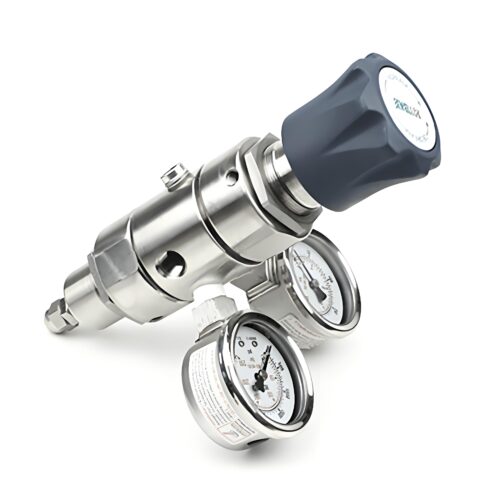
DPR1 Ultra High Purity Two Stage Dual Stage Pressure Reducing Regulator Semiconductor Grade Regulators
-
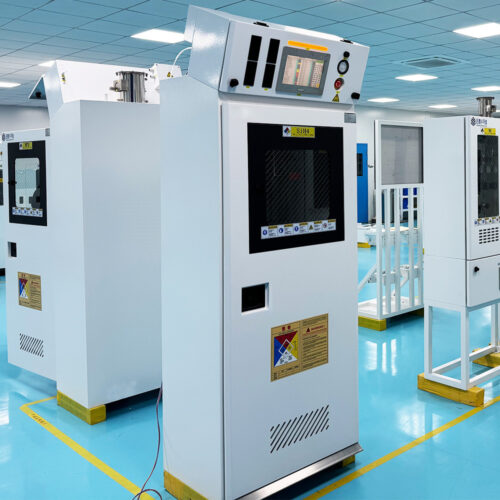
Integrated Scrubber Tail Gas Treatment Cabinet for Safe Bulk Specialty Gas System Exhaust Management
-
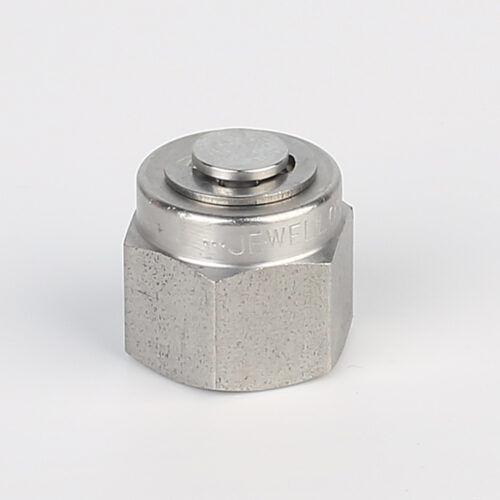
7121L Plug High Purity Plug Fitting And Blanking Plug
-
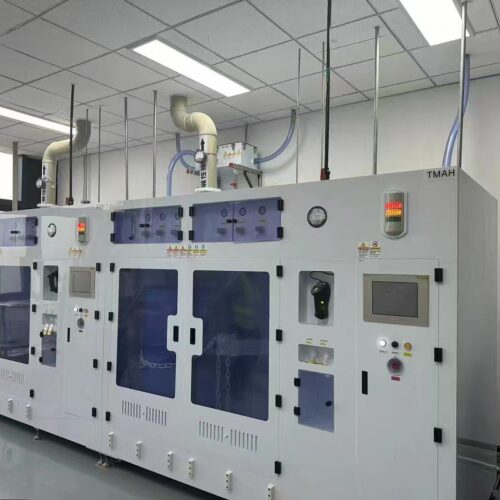
Automated Bulk Chemical Delivery System with Ultra High Purity CDU for Precise Industrial Fluid Control
-
Advanced Exhaust Gas Scrubber System Design for 99% Removal Efficiency of Industrial Toxic Gases
-
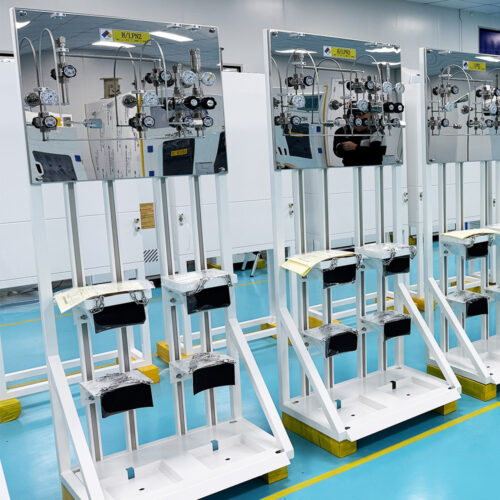
Semi-Automatic VMB Gas Cabinet Gas Changeover Manifold With Semiconductor Valve Manifold Box Diaphragm Valves And Gas Pressure Regulators
-
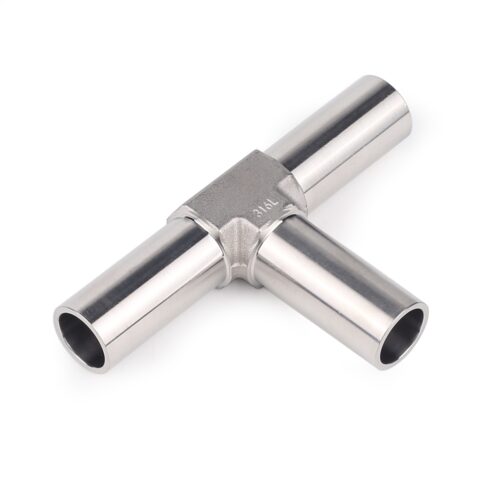
Stainless Steel Ultra Clean Welding Joint Fittings TW Series TRW Series & CW Series
-
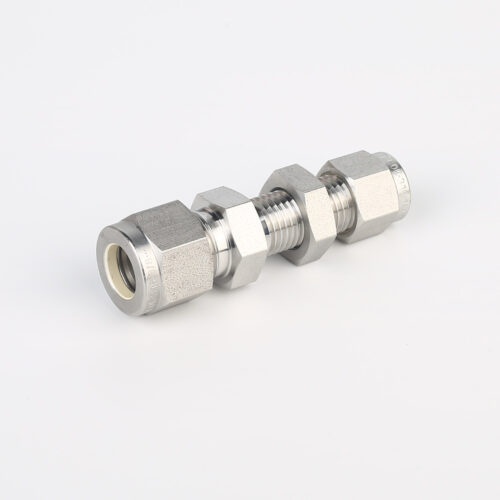
775L Bulkhead Reducing Union | Stainless Steel High Purity Double Ferrule Bulkhead Reducing Unions