
Regulator Manufacturer Tel: +86 13380377051
Regulator Manufacturer Tel: +86 13380377051
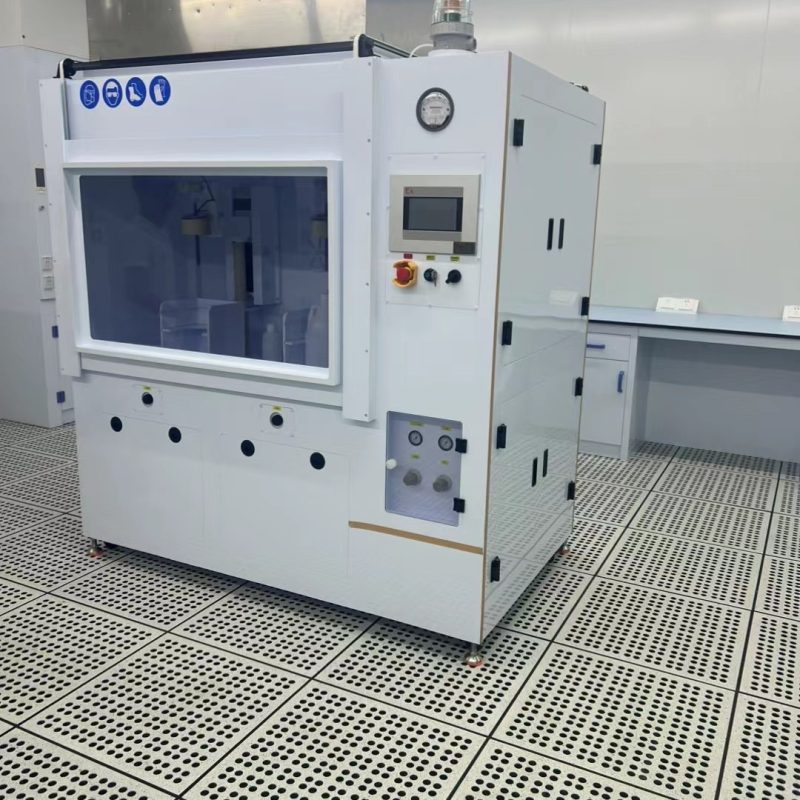
How to Troubleshoot and Repair Channeling in an Acid Gas Neutralization Scrubber?
1. Introduction
An acid gas neutralization scrubber is an essential air pollution control system used in chemical processing plants, semiconductor manufacturing facilities, laboratories, metal processing industries, and other industrial applications. Its primary function is to remove acidic contaminants from exhaust gases by bringing them into contact with an alkaline scrubbing solution.
Common acid gases treated by these systems include hydrogen chloride (HCl), sulfur dioxide (SO₂), hydrogen fluoride (HF), sulfuric acid mist (H₂SO₄), and other water-soluble acidic compounds.
However, one operational problem that can significantly reduce scrubber performance is channeling. Channeling occurs when gas or liquid flows preferentially through certain areas of the packed bed rather than being distributed evenly throughout the packing material.
As a result, large portions of the packing may receive insufficient liquid contact, reducing the effective gas-liquid interaction area. This can lead to poor acid gas removal efficiency, unstable differential pressure, increased chemical consumption, and potentially non-compliant exhaust emissions.
Understanding the causes, identifying early warning signs, and implementing appropriate repair procedures are essential for maintaining reliable scrubber operation.
This article explains how to troubleshoot and repair channeling in an acid gas neutralization scrubber, covering inspection methods, common causes, corrective actions, and preventive maintenance strategies.
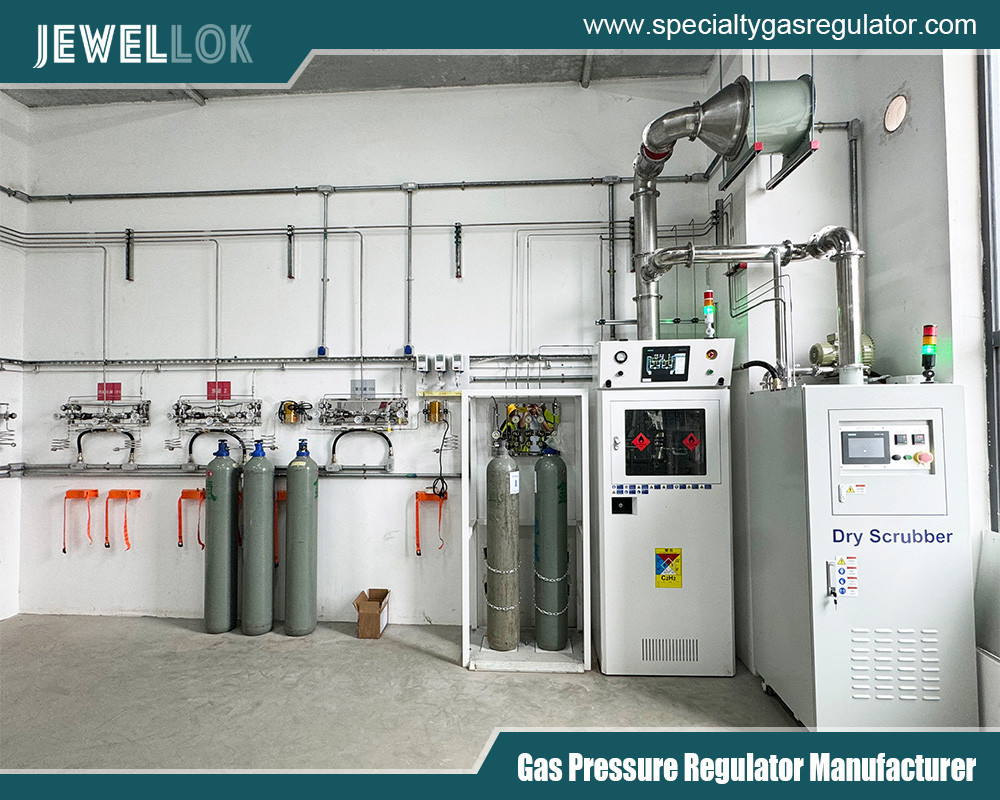
2. What Is Channeling in an Acid Gas Neutralization Scrubber?
Channeling is a flow distribution problem that occurs inside the acid gas neutralization scrubber, particularly within its packed tower section.
Under normal operating conditions, contaminated gas enters the scrubber and moves upward through the packing bed, while alkaline scrubbing liquid is distributed from the top and flows downward.
The packing material provides a large surface area for gas-liquid contact, allowing acidic compounds to dissolve into the liquid and react with alkaline chemicals such as sodium hydroxide (NaOH).
When channeling occurs, gas or liquid follows preferential flow paths instead of spreading uniformly across the entire cross-sectional area of the packing.
For example, liquid may concentrate along one side of the tower wall, leaving the central packing relatively dry. Alternatively, gas may pass through a low-resistance region without sufficient contact with the circulating liquid.
This creates poorly utilized packing areas and reduces the overall mass-transfer efficiency of the scrubber.
Channeling can occur in different types of scrubbers, including:
- Packed-bed acid gas scrubbers.
- Vertical wet chemical scrubbers.
- Polypropylene (PP) packed tower scrubbers.
- FRP acid gas neutralization scrubbers.
- Laboratory exhaust gas scrubber systems.
- Industrial chemical exhaust treatment systems.
In severe cases, channeling can prevent the scrubber from achieving its designed acid gas removal efficiency, even when the circulation pump and chemical dosing system appear to be operating normally.
3. Common Symptoms of Channeling
Identifying channeling early can prevent extensive equipment damage and unnecessary operating costs.
The following symptoms are particularly important during routine inspections.
3.1 Reduced Acid Gas Removal Efficiency
The most important indication of channeling is a reduction in acid gas removal performance.
When liquid distribution becomes uneven, some gas passes through areas with insufficient liquid contact. Consequently, acidic contaminants may escape without being adequately neutralized.
Operators may observe:
- Increased acid gas concentrations at the exhaust outlet.
- Unstable HCl, HF, or SO₂ removal efficiency.
- Failure to meet emission requirements.
- Increased downstream corrosion risks.
Gas concentration measurements before and after the scrubber can help determine whether treatment performance has deteriorated.
3.2 Abnormal Pressure Drop
Differential pressure across the packed bed is another important operating parameter.
Channeling may cause the pressure drop to decrease because gas passes through preferential low-resistance paths. However, channeling associated with packing blockage, liquid accumulation, or localized flooding may produce an increased or unstable pressure drop.
Therefore, a low or high differential pressure should not be treated as definitive evidence of channeling without further inspection.
Operators should compare current readings with the original design conditions and historical operating data.
3.3 Uneven Liquid Distribution
Uneven liquid distribution is one of the most direct physical indicators.
During inspection, operators may discover:
- Dry areas within the packing bed.
- Excessive liquid accumulation in localized areas.
- Uneven wetting of packing surfaces.
- Blocked spray nozzles or distribution openings.
- Liquid flowing mainly along the tower walls.
These conditions indicate that the liquid is not being distributed uniformly across the packing surface.
3.4 Increased Chemical Consumption
When gas-liquid contact efficiency decreases, operators may attempt to compensate by increasing alkaline chemical dosing.
However, additional NaOH consumption does not necessarily improve removal efficiency if the underlying problem is poor liquid distribution.
Excessive chemical dosing can increase operating costs, wastewater treatment requirements, and scaling risks.
4. Main Causes of Channeling in Acid Gas Scrubbers
Understanding the underlying cause is essential before attempting repairs.
4.1 Poor Liquid Distribution
Poor liquid distribution is one of the most common causes of channeling.
If the liquid distributor is incorrectly designed, improperly installed, or partially blocked, the scrubbing solution cannot reach all sections of the packing bed.
Common problems include:
- Blocked spray nozzles.
- Incorrect nozzle spacing.
- Damaged liquid distribution pipes.
- Insufficient distributor coverage.
- Uneven liquid flow caused by improper leveling.
Inadequate liquid distribution allows certain packing areas to remain dry, creating preferential gas flow paths.
4.2 Incorrect Packing Installation
Packing materials are designed to provide a large surface area while maintaining relatively low resistance to gas flow.
However, improper installation can create uneven void spaces and preferential flow channels.
Typical installation problems include:
- Uneven packing height.
- Excessive packing compression.
- Incorrect packing arrangement.
- Inappropriate packing size.
- Insufficient support grids.
- Packing material settling during operation.
Both random packing and structured packing require proper installation to ensure uniform gas and liquid distribution.
4.3 Packing Fouling and Blockage
Chemical deposits, suspended solids, dust, and reaction by-products can accumulate on packing surfaces.
Over time, these deposits may block some passages while leaving other areas relatively open.
Gas and liquid then move preferentially through the less obstructed regions.
Common sources of fouling include:
- High concentrations of particulate matter.
- Calcium and magnesium deposits.
- Chemical precipitation.
- Crystallized salts.
- Corrosion products.
- Biological contamination in certain wastewater-related systems.
Fouling can also increase pressure drop and contribute to localized flooding.
4.4 Incorrect Gas Velocity
Gas velocity has a direct influence on flow distribution and scrubber performance.
If the gas flow rate exceeds the design capacity, the packing bed may experience excessive pressure drop, liquid entrainment, and localized flooding.
Conversely, very low gas flow rates may produce unstable distribution under certain operating conditions.
Operators should verify that actual gas flow remains within the equipment manufacturer’s recommended operating range.
4.5 Insufficient Liquid Circulation
An inadequate liquid-to-gas ratio can cause incomplete wetting of packing surfaces.
Possible causes include:
- Circulation pump degradation.
- Low liquid tank levels.
- Blocked suction filters.
- Restricted circulation pipelines.
- Incorrect pump operating points.
- Damaged impellers.
Insufficient circulation can cause dry zones and reduce the available mass-transfer area.
5. How to Troubleshoot Channeling Step by Step
A systematic troubleshooting procedure helps identify the actual cause instead of relying on unnecessary equipment adjustments.
Step 1: Check Operating Parameters
Begin by recording the scrubber’s operating conditions.
Important parameters include:
- Inlet and outlet gas flow rates.
- Packed-bed differential pressure.
- Circulation liquid flow rate.
- Liquid temperature.
- Scrubbing solution pH.
- Pump discharge pressure.
- Inlet and outlet acid gas concentrations.
Compare these readings with the original design specifications and historical operating records.
Pay particular attention to sudden changes in differential pressure, liquid flow, and outlet gas concentration.
Step 2: Inspect the Liquid Distribution System
Check the liquid distributor, spray headers, pipelines, and nozzles.
Look for blockages, corrosion, damaged connections, and uneven spray patterns.
Where practical, conduct a controlled distribution test using clean water under an approved maintenance procedure.
Verify that liquid reaches all sections of the packing bed rather than concentrating in a limited area.
Clean blocked nozzles and replace damaged distribution components with chemically compatible materials.
Step 3: Inspect the Packing Bed
If channeling persists after correcting the distribution system, inspect the packing material.
Check for:
- Uneven packing arrangement.
- Accumulated chemical deposits.
- Broken or deformed packing.
- Packing settlement.
- Blocked passages.
- Damaged support structures.
If the packing is heavily contaminated, determine whether cleaning can restore its original performance.
Packing that is severely damaged, permanently deformed, or chemically degraded should be replaced.
Step 4: Check Gas Flow Distribution
Inspect the gas inlet arrangement and internal flow-distribution components.
An improperly designed inlet duct or damaged gas distributor can create high-velocity regions and uneven gas flow.
Check for obstructions, damaged baffles, incorrect duct connections, and unexpected changes in exhaust volume.
Where necessary, a qualified engineering team can perform computational fluid dynamics (CFD) analysis to identify uneven velocity distribution.
Step 5: Verify Pump and Chemical Dosing Performance
Inspect the circulation pump and associated pipelines.
Measure actual liquid flow rather than relying exclusively on pump operating status.
Also verify:
- Pump suction conditions.
- Filter condition.
- Discharge pressure.
- Chemical dosing rate.
- pH sensor calibration.
- Automatic control valve operation.
Maintaining the correct alkaline concentration is essential for neutralization, but chemical dosing adjustments cannot compensate for serious hydraulic distribution problems.
6. How to Repair Channeling in an Acid Gas Neutralization Scrubber
Once the cause has been identified, appropriate corrective measures should be implemented.
6.1 Clean or Replace Blocked Spray Nozzles
Blocked spray nozzles should be removed and cleaned according to the manufacturer’s maintenance instructions.
Use suitable cleaning methods that will not damage the nozzle material or alter its spray characteristics.
If deposits cannot be removed or the nozzle has suffered corrosion or mechanical damage, replacement is recommended.
After maintenance, verify the spray angle, flow rate, and distribution pattern.
6.2 Repair the Liquid Distributor
If the liquid distributor is damaged, improperly positioned, or unevenly installed, it should be repaired or replaced.
Check that the distributor is level and correctly aligned with the tower centerline.
Ensure that its outlets are properly sized and distributed to provide uniform liquid coverage.
For larger scrubbers, a redesigned distributor may be necessary if the original configuration cannot achieve adequate distribution.
6.3 Repack the Tower
When channeling is caused by incorrectly installed or damaged packing, repacking may be required.
The repair process generally includes:
- Isolating the scrubber from the process.
- Draining the scrubbing liquid according to site procedures.
- Opening the designated inspection ports.
- Removing contaminated or damaged packing.
- Cleaning and inspecting support grids.
- Installing suitable replacement packing.
- Checking packing height and uniformity.
- Reinstalling liquid distribution components.
The replacement packing should match the scrubber’s design requirements, including chemical compatibility, operating temperature, gas flow rate, and pressure-drop limitations.
Common materials include polypropylene (PP), polyethylene (PE), PVDF, and other chemically compatible plastics or ceramics.
6.4 Improve Gas Distribution
If gas channeling originates from the inlet arrangement, the gas distribution system may require modification.
Possible improvements include:
- Installing or modifying gas distribution baffles.
- Adjusting the inlet duct configuration.
- Correcting damaged internal components.
- Improving the gas inlet flow direction.
- Reviewing the tower’s internal geometry.
Any design modification should be evaluated by a qualified scrubber engineer to avoid creating new pressure-drop or flooding problems.
6.5 Restore Proper Liquid Circulation
If insufficient liquid flow is contributing to channeling, repair the circulation system.
Clean suction filters, remove pipeline obstructions, inspect pump components, and verify the pump’s operating point.
If the existing pump cannot provide the required circulation flow, replacement or system redesign may be necessary.
The liquid flow rate should be restored to the equipment manufacturer’s specified operating range.
7. How to Prevent Channeling from Happening Again
Preventive maintenance is generally more economical than repairing a severely fouled or poorly performing scrubber.
The following practices can significantly reduce the risk of recurring channeling.
7.1 Establish a Regular Inspection Schedule
Develop a preventive maintenance program covering the major scrubber components.
Recommended inspection items include:
| Component | Inspection Items |
|---|---|
| Spray nozzles | Blockage, wear, spray pattern |
| Liquid distributor | Uniformity, alignment, deposits |
| Packing bed | Fouling, deformation, settlement |
| Circulation pump | Flow rate, vibration, leakage |
| Pipeline system | Blockage, corrosion, leakage |
| pH control system | Sensor calibration, dosing accuracy |
| Differential pressure sensor | Measurement accuracy and stability |
Inspection frequency should depend on gas composition, operating hours, contamination levels, and manufacturer recommendations.
7.2 Monitor Differential Pressure Continuously
Install reliable differential pressure monitoring across the packed bed.
Establish normal operating ranges during commissioning and investigate deviations promptly.
A sudden decrease may indicate bypassing or poor contact, while an increase may indicate fouling, flooding, or excessive liquid accumulation.
Differential pressure should always be evaluated together with gas flow and liquid circulation data.
7.3 Maintain Correct Scrubbing Solution pH
For alkaline acid gas neutralization, maintaining the correct pH is essential.
NaOH is commonly used to neutralize acidic contaminants.
For example, the neutralization reactions include:
HCl + NaOH → NaCl + H₂O
SO₂ + 2NaOH → Na₂SO₃ + H₂O
The required operating pH depends on the target acid gas, inlet concentration, chemical reaction characteristics, and discharge requirements.
Regular pH monitoring helps maintain effective chemical neutralization and reduces the risk of unstable operation.
7.4 Control Suspended Solids and Scaling
High suspended solids concentrations and chemical precipitation can accelerate packing fouling.
Appropriate liquid filtration, blowdown management, and water-quality control can help reduce deposits.
Where scaling is a recurring problem, review the makeup water quality, chemical concentration, operating pH, and wastewater management strategy.
7.5 Select Suitable Scrubber Materials
Material selection also affects long-term operating reliability.
For corrosive acid gas applications, PP and FRP are commonly used for scrubber housings, while PVDF may be appropriate for more demanding chemical environments.
However, compatibility must be evaluated against the actual chemical composition, concentration, temperature, and mechanical requirements.
8. When Should Packing or the Entire Scrubber Be Replaced?
Not every channeling problem requires complete equipment replacement.
In many cases, cleaning the distributor, replacing damaged nozzles, or correcting packing installation can restore normal operation.
However, more extensive repairs may be necessary when:
- Packing material has suffered severe chemical degradation.
- Support grids are structurally damaged.
- The tower has extensive internal corrosion.
- The original liquid distribution system is fundamentally inadequate.
- The scrubber consistently fails to achieve its designed removal efficiency.
- Operating conditions have changed significantly since the original design.
Before replacing the entire scrubber, conduct a technical assessment of gas flow, acid gas concentration, liquid circulation capacity, packing characteristics, and material compatibility.
A properly engineered retrofit may provide a more economical solution than installing a completely new system.
9. Conclusion
Channeling is a common but potentially serious operational problem in acid gas neutralization scrubbers. It reduces gas-liquid contact efficiency, increases chemical consumption, and may cause the system to fail its emission control requirements.
The most common causes include poor liquid distribution, incorrect packing installation, packing fouling, excessive gas velocity, and insufficient liquid circulation.
Effective troubleshooting should begin with operating parameter measurements, followed by inspections of the liquid distribution system, packing bed, gas inlet, and circulation pump.
Corrective actions may involve cleaning spray nozzles, repairing liquid distributors, replacing damaged packing, improving gas distribution, and restoring proper liquid circulation.
Most importantly, regular preventive maintenance, continuous differential pressure monitoring, appropriate pH control, and proper equipment design can significantly reduce the risk of recurring channeling.
For industrial facilities and laboratories handling corrosive acid gases, a properly maintained scrubber is essential for stable operation, effective pollutant removal, equipment protection, and environmental compliance.
For more about how to troubleshoot and repair channeling in an acid gas neutralization scrubber, you can pay a visit to Jewellok at https://www.specialtygasregulator.com/product-category/specialty-gas-cabinet/ for more info.
-
767LT Reducer Pressure Reducing Valve Adjustment High purity Pressure Reducing Union Fittings And Tubing
-
High Purity High Pressure 316 Stainless Steel Ball Valves JBV1 Series From High Pressure Ball Valve Manufacturer And Supplier In China
-
765LR Reducing Tee | Stainless Steel 316 High Purity Butt Weld Fittings Metal Face Seal For Welding Pipe Fitting Reducing Tee
-
Integrated Bulk Chemical Delivery System and Automatic CDU Solutions for Safe Hazardous Chemical Fluid Handling
-
High Purity Chemical Dispense System & Packing System For Semiconductors JW-200L-CDM & JW-1000L-CDM
-
Line And Panel Mounting Adjustable Low Pressure Propane And Nitrogen Pressure Regulator JSR-3L & JSR-3LP Series
-
High Purity High Pressure Specialty Gas Bottle Gas Cylinder Storage Cabinet And Gas Pressure Regulating Cabinet For Semiconductor
-
763L Stainless Steel High Purity Pressure Reducing Union Fittings And Tubing Pressure Reducing Valve Adjustment