
Regulator Manufacturer Tel: +86 13380377051
Regulator Manufacturer Tel: +86 13380377051
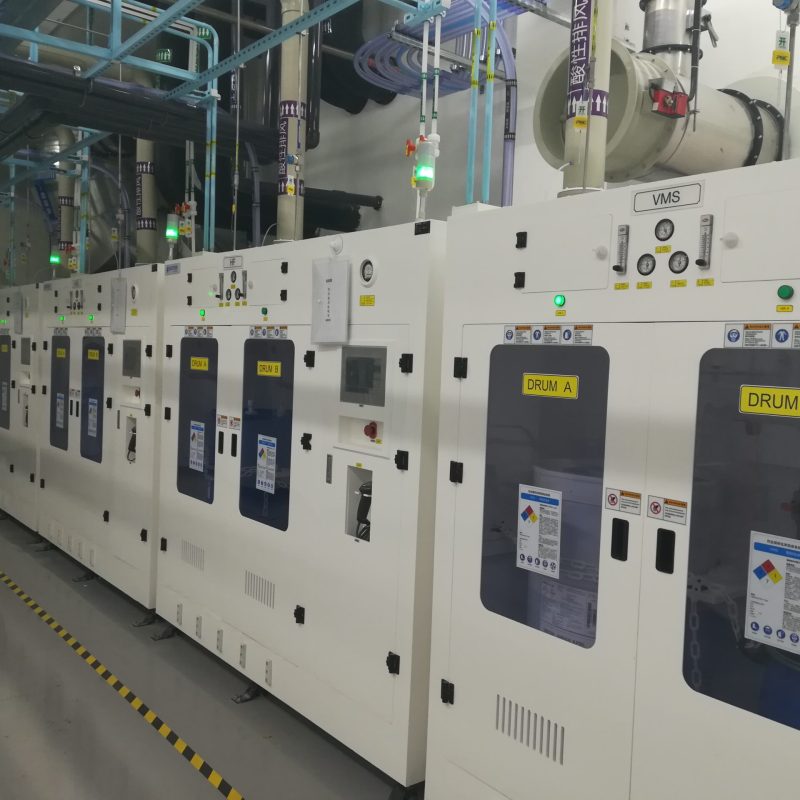
Gas Abatement Systems vs Gas Scrubbers: Key Differences Explained
As industrial processes become increasingly sophisticated and environmental regulations more stringent, the need for effective air pollution control technologies has never been greater. Industries such as semiconductor manufacturing, pharmaceuticals, petrochemicals, and specialty chemicals generate hazardous gases that must be treated before release into the atmosphere. Among the most commonly deployed solutions are gas abatement systems and gas scrubbers.
While these two terms are sometimes used interchangeably, they are not identical. Understanding their distinctions is critical for engineers, facility managers, and environmental compliance professionals who must select the appropriate technology for specific applications.
This article provides a comprehensive technical comparison between gas abatement systems and gas scrubbers, explaining their principles, configurations, advantages, limitations, and ideal use cases.
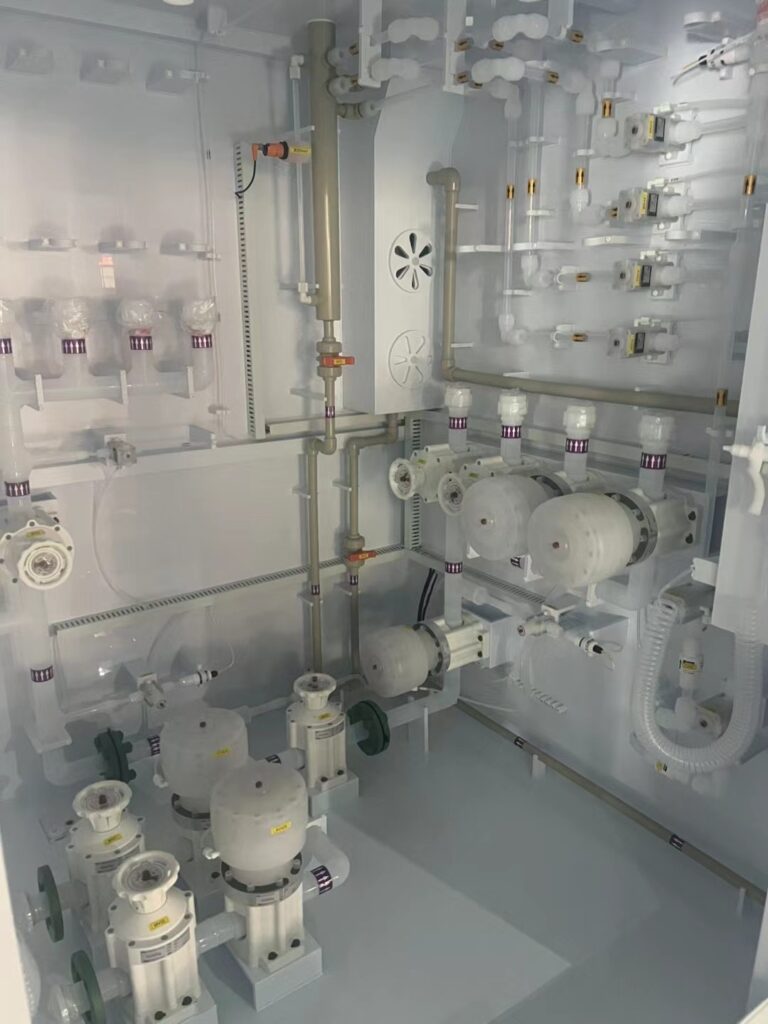
What Are Gas Abatement Systems?
Gas abatement systems are comprehensive solutions designed to reduce, neutralize, or eliminate hazardous gases and vapors generated during industrial processes. The term “abatement” broadly refers to the reduction of pollutants, and these systems often integrate multiple treatment technologies.
Key Functions
Gas abatement systems are engineered to:
- Destroy toxic or hazardous gases
- Convert harmful compounds into less dangerous byproducts
- Ensure compliance with environmental regulations
- Protect worker safety and surrounding communities
Common Technologies Used
Gas abatement systems may include one or more of the following methods:
- Thermal Oxidation
- Uses high temperatures (typically 700–1200°C) to break down volatile organic compounds (VOCs) and hazardous gases into carbon dioxide and water.
- Catalytic Oxidation
- Employs catalysts to lower the required oxidation temperature, improving energy efficiency.
- Plasma Abatement
- Utilizes high-energy plasma to dissociate gas molecules into simpler, less harmful compounds.
- Dry Bed Absorption
- Uses solid media (e.g., activated alumina, carbon) to capture and neutralize gases.
- Wet Scrubbing Integration
- Often includes scrubbers as one stage within a broader system.
Applications
Gas abatement systems are widely used in:
- Semiconductor fabrication (e.g., treatment of silane, ammonia, fluorinated gases)
- Chemical processing plants
- Pharmaceutical manufacturing
- Electronics and display industries
What Are Gas Scrubbers?
Gas scrubbers are a specific type of air pollution control device that removes pollutants from a gas stream by contacting it with a liquid (wet scrubbers) or solid/chemical medium (dry scrubbers).
Core Principle
Scrubbers operate on the principle of mass transfer, where contaminants in the gas phase are absorbed or reacted into another phase (usually liquid).
Types of Gas Scrubbers
- Wet Scrubbers
- Use water or chemical solutions to absorb pollutants.
- Common designs include:
- Packed bed scrubbers
- Venturi scrubbers
- Spray towers
- Dry Scrubbers
- Use dry reagents (e.g., lime, sodium bicarbonate) to neutralize acidic gases.
- Often used in flue gas treatment.
- Semi-Dry Scrubbers
- Combine features of both wet and dry systems.
Target Pollutants
Scrubbers are particularly effective for:
- Acidic gases (e.g., HCl, SO₂, HF)
- Water-soluble compounds
- Particulate matter (in certain designs)
Key Differences Between Gas Abatement Systems and Gas Scrubbers
Although gas scrubbers are often part of gas abatement systems, they differ significantly in scope, functionality, and application.
1. Scope and Definition
Gas Abatement Systems:
- Broad, integrated systems
- May include multiple treatment stages and technologies
- Designed for comprehensive pollutant control
Gas Scrubbers:
- A specific type of equipment
- Typically represent a single treatment stage
👉 In simple terms: All scrubbers can be part of abatement systems, but not all abatement systems are scrubbers.
2. Treatment Mechanism
Gas Abatement Systems:
- Can involve thermal destruction, chemical reactions, adsorption, or plasma processes
- Often designed to completely eliminate hazardous compounds
Gas Scrubbers:
- Primarily rely on absorption and neutralization
- Transfer pollutants from gas phase to liquid or solid phase rather than destroying them
3. Complexity and Design
Gas Abatement Systems:
- More complex and customized
- Include sensors, control systems, and multi-stage processing
- Designed for specific industrial processes and gas chemistries
Gas Scrubbers:
- Simpler, standardized equipment
- Easier to install and operate
- Often used as modular components
4. Efficiency and Performance
Gas Abatement Systems:
- High destruction or removal efficiency (DRE), often exceeding 99%
- Capable of handling highly toxic, reactive, or mixed gas streams
Gas Scrubbers:
- Highly effective for soluble or reactive gases
- Less effective for non-soluble or stable compounds (e.g., methane, certain VOCs)
5. Byproducts and Waste Handling
Gas Abatement Systems:
- May convert pollutants into harmless gases (e.g., CO₂, H₂O)
- Some systems produce minimal secondary waste
Gas Scrubbers:
- Generate liquid waste (scrubber effluent)
- Require additional wastewater treatment
6. Energy Consumption
Gas Abatement Systems:
- Thermal systems can be energy-intensive
- Catalytic systems offer improved efficiency but still require energy input
Gas Scrubbers:
- Generally lower energy consumption
- Main energy use comes from pumps and fans
7. Application Suitability
| Application Type | Preferred Solution |
|---|---|
| Highly toxic semiconductor gases | Gas abatement systems |
| Acid gas removal (HCl, SO₂) | Gas scrubbers |
| Mixed gas streams with VOCs | Abatement systems (with multiple stages) |
| Dust and particulate removal | Scrubbers (e.g., Venturi) |
Integration: How Scrubbers Fit into Abatement Systems
In modern industrial setups, gas scrubbers are rarely standalone solutions for complex emissions. Instead, they are frequently integrated into multi-stage abatement systems.
Example: Semiconductor Industry
A typical semiconductor gas abatement system may include:
- Burn Box (Thermal Oxidizer)
- Destroys pyrophoric gases such as silane
- Quench Section
- Rapidly cools hot gases
- Wet Scrubber
- Removes acid gases like HF and HCl
- Mist Eliminator
- Captures droplets before exhaust release
In this configuration, the scrubber plays a crucial but partial role within the overall abatement strategy.
Advantages and Limitations
Gas Abatement Systems
Advantages:
- High efficiency across a wide range of pollutants
- Customizable for complex gas mixtures
- Essential for high-tech industries
Limitations:
- High capital and operating costs
- Complex maintenance requirements
- Larger footprint
Gas Scrubbers
Advantages:
- Cost-effective
- Proven and reliable technology
- Effective for specific pollutants (especially acid gases)
Limitations:
- Limited to certain gas types
- Generates secondary waste
- May require additional treatment stages
Selection Considerations
Choosing between a gas abatement system and a gas scrubber—or determining how to combine them—depends on several critical factors:
1. Gas Composition
- Complex, hazardous mixtures → Abatement system
- Simple, soluble gases → Scrubber
2. Regulatory Requirements
- Strict emission limits may necessitate multi-stage abatement
3. Process Conditions
- High temperature or reactive gases may require specialized systems
4. Cost Constraints
- Scrubbers offer lower upfront cost
- Abatement systems provide long-term compliance for demanding applications
5. Space and Infrastructure
- Abatement systems require more installation space and utilities
Future Trends
With increasing environmental awareness and stricter global regulations, gas treatment technologies are evolving rapidly.
Emerging Developments
- Hybrid Systems: Combining plasma, catalytic, and scrubbing technologies
- Smart Monitoring: Real-time emission tracking with AI-based optimization
- Energy Recovery: Heat recovery from thermal oxidizers
- Green Chemistry Integration: Reducing hazardous gas generation at the source
Conclusion
Gas abatement systems and gas scrubbers are both essential tools in industrial air pollution control, but they serve different roles. Gas scrubbers are specialized devices primarily used for removing soluble or reactive gases through absorption, while gas abatement systems are comprehensive solutions designed to handle complex and hazardous emissions through multiple treatment mechanisms.
In many modern industrial applications, particularly in high-tech sectors like semiconductor manufacturing, the two are not competing technologies but complementary components of a unified strategy.
Understanding their differences—and how they can work together—enables engineers and decision-makers to design safer, more efficient, and environmentally compliant systems.
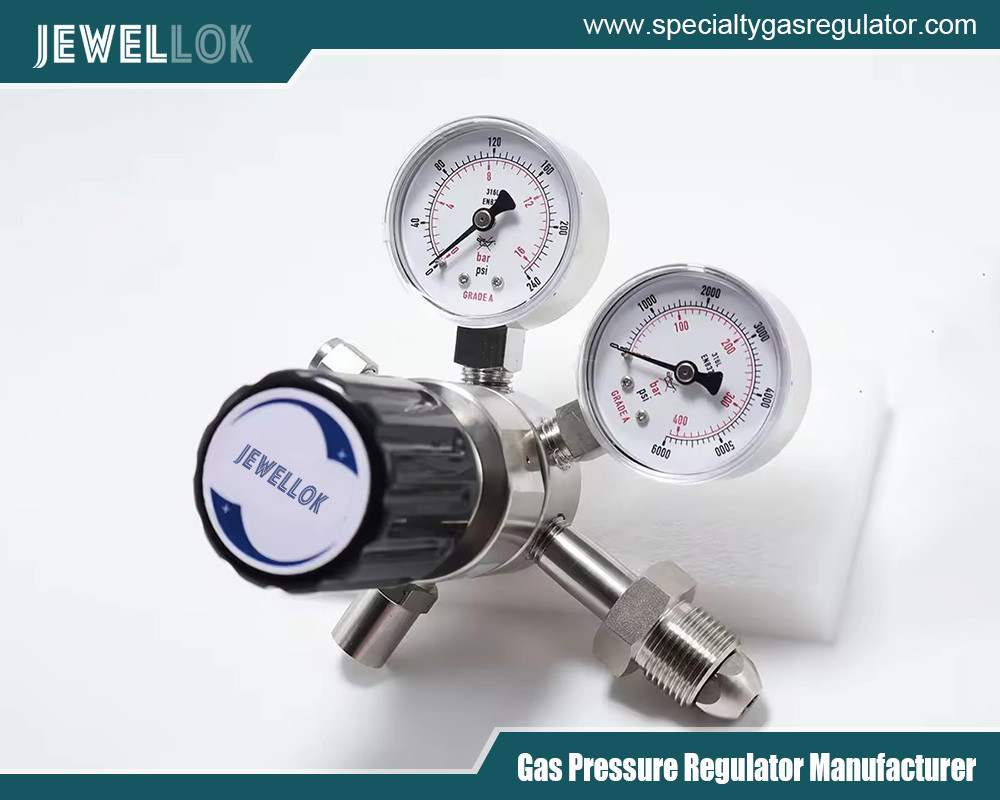
For more about the gas abatement systems vs gas scrubbers: key differences explained, you can pay a visit to Jewellok at https://www.specialtygasregulator.com/product-category/specialty-gas-pressure-regulators/ for more info.
-
Custom Bulk Chemical Delivery System and Automatic Chemical Dispense Unit (CDU) for Solar Cell and EV Battery Production
-
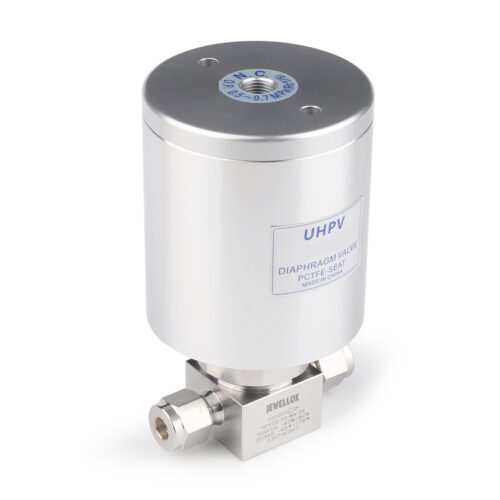
High Pressure High Temperature Pneumatic Ultrahigh Purity Stainless Steel Diaphragm Valves
-
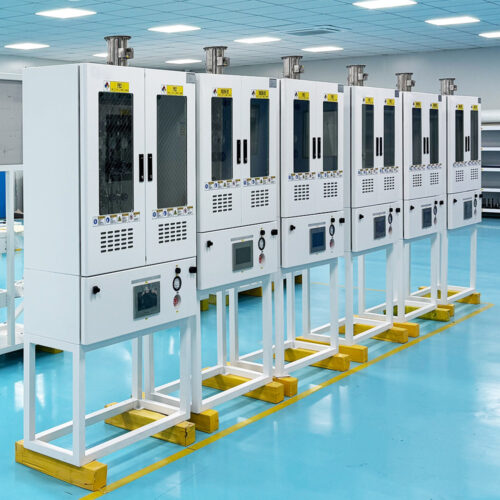
VMB Valve Manifold Panels And Boxes High Purity Configurable Systems JW-200-VMB & JW-100-VMB
-
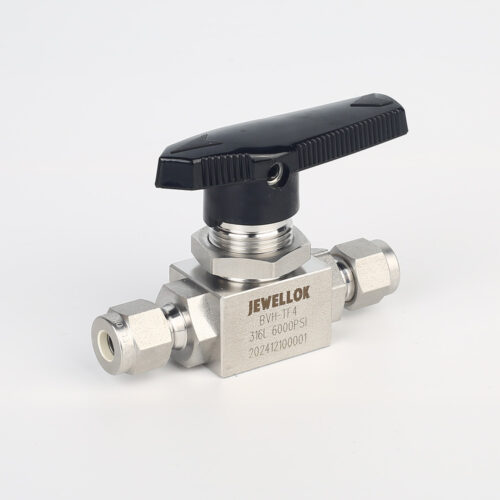
High Purity High Pressure 316 Stainless Steel Ball Valves JBV1 Series From High Pressure Ball Valve Manufacturer And Supplier In China
-
Ultra High Purity Gas Delivery Systems And Liquid Chemical Delivery Systems JW-300-LDS
-
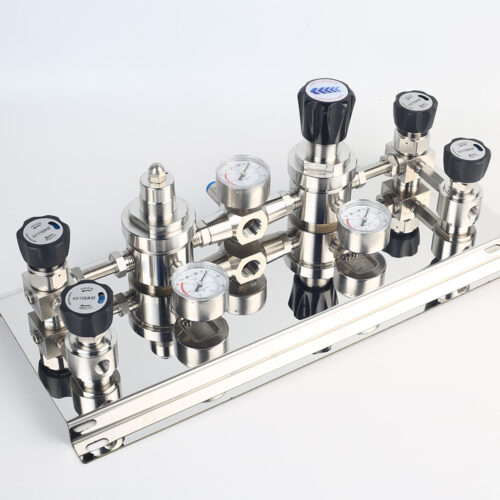
Stainless Steel Single Stage Semiconductor Grade Pressure Control Module Pressure Control Panels JSP-6A Series
-
Vertical Laminar Flow Workstation (VLF) With Chemical Concentration Monitor
-
Stainless Steel High Purity High Temperature Pneumatic Actuated Ball Valves JBV2 Series