
Regulator Manufacturer Tel: +86 13380377051
Regulator Manufacturer Tel: +86 13380377051
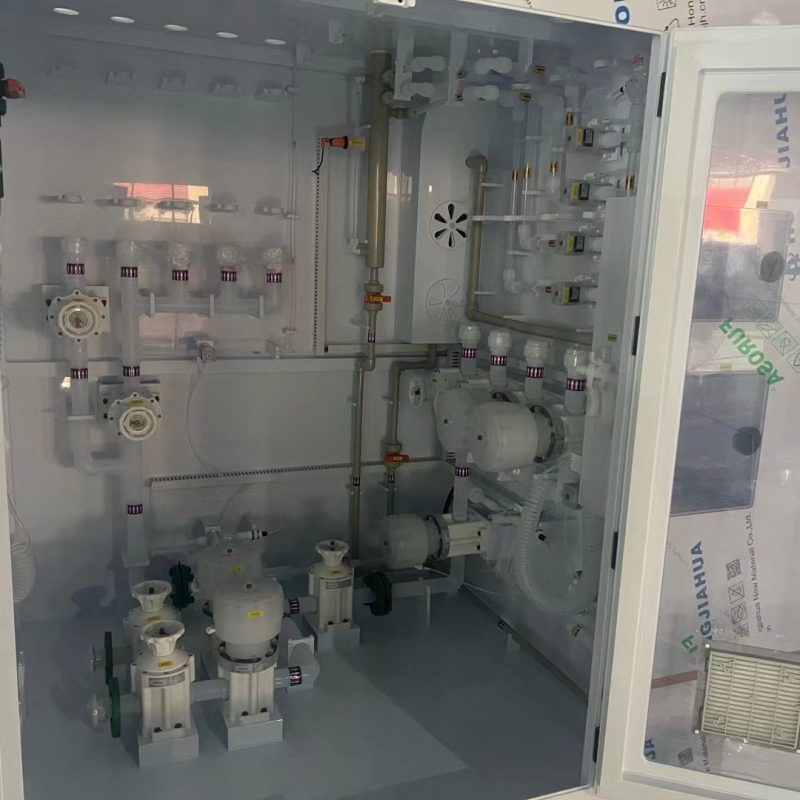
Customized Gas Scrubber Systems for Specialty Gas Applications
As industries such as semiconductors, photovoltaics, pharmaceuticals, LED manufacturing, and advanced materials continue to evolve, the use of specialty gases has expanded significantly. These gases—including toxic, corrosive, flammable, pyrophoric, and high-purity process gases—play a critical role in precision manufacturing and scientific production. However, they also introduce substantial environmental, operational, and safety challenges.
To ensure safe handling and regulatory compliance, customized gas scrubber systems have become an essential part of modern industrial gas management infrastructure. Unlike conventional exhaust treatment equipment, specialty gas applications require highly engineered, application-specific scrubber solutions capable of dealing with complex gas chemistries, fluctuating flow rates, and ultra-high safety requirements.
This article explores the importance, design principles, technologies, and future development trends of customized gas scrubber systems for specialty gas applications.
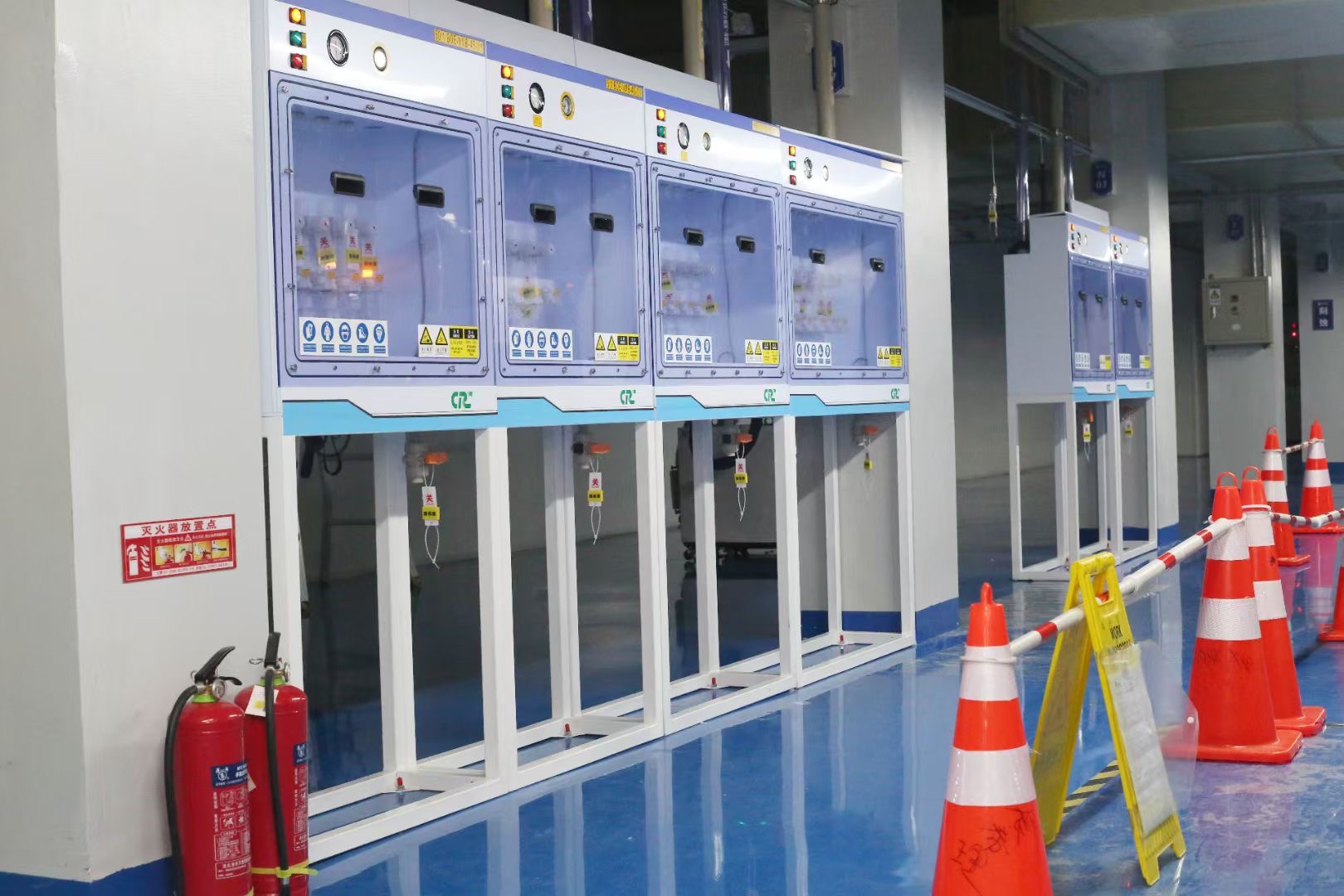
Understanding Specialty Gas Applications
Specialty gases are high-purity or specially formulated gases used in advanced industrial processes. Common examples include:
- Ammonia (NH3)
- Hydrogen chloride (HCl)
- Silane (SiH4)
- Chlorine (Cl2)
- Hydrogen fluoride (HF)
- Nitrogen trifluoride (NF3)
- Sulfur hexafluoride (SF6)
- Arsine (AsH3)
- Phosphine (PH3)
These gases are widely used in:
- Semiconductor wafer fabrication
- Thin-film deposition processes
- Etching and cleaning operations
- Pharmaceutical synthesis
- Laboratory research
- Chemical vapor deposition (CVD)
- Flat panel display manufacturing
- Solar cell production
Because many specialty gases are hazardous, exhaust emissions cannot be released directly into the atmosphere. Effective gas treatment systems are therefore required to neutralize or remove harmful substances before discharge.
Why Standard Scrubbers Are Not Enough
Traditional scrubber systems are generally designed for simple industrial emissions with stable process conditions. Specialty gas environments, however, involve:
- Multiple gas compositions
- Extremely low or high concentrations
- Corrosive byproducts
- Reactive compounds
- Toxic and pyrophoric gases
- High temperature exhaust streams
- Strict semiconductor cleanliness requirements
A standard wet scrubber may not effectively treat mixed acid gases and combustible gases simultaneously. Similarly, conventional systems may suffer from corrosion, insufficient removal efficiency, or unsafe operating conditions when exposed to aggressive chemicals.
This is why customized gas scrubber systems are increasingly preferred in advanced manufacturing facilities.
Key Design Considerations for Customized Gas Scrubber Systems
1. Gas Composition Analysis
The first step in designing a customized scrubber is understanding the process gas chemistry.
Different gases require different treatment methods:
| Gas Type | Common Treatment Method |
|---|---|
| Acid gases (HCl, HF) | Wet chemical scrubbing |
| Alkaline gases (NH3) | Acid neutralization |
| VOCs | Thermal oxidation or adsorption |
| Pyrophoric gases | Combustion + wet scrubbing |
| Toxic hydrides | Oxidation and chemical absorption |
Accurate gas composition analysis helps engineers determine:
- Reaction mechanisms
- Scrubbing media selection
- Materials compatibility
- Exhaust flow requirements
- Safety protection systems
2. Material Compatibility
Specialty gas exhaust often contains highly corrosive substances. Material selection is therefore critical.
Common construction materials include:
- PP (Polypropylene)
- PVC
- PVDF
- FRP (Fiberglass Reinforced Plastic)
- Stainless Steel 316L
- Hastelloy
- PTFE-lined components
For semiconductor applications involving HF or chlorine compounds, PVDF and PTFE are commonly used because of their excellent corrosion resistance.
Improper material selection can lead to:
- Corrosion damage
- Leakage
- System contamination
- Reduced service life
- Safety incidents
3. Removal Efficiency Requirements
Many semiconductor and pharmaceutical facilities require extremely high gas removal efficiency, often exceeding 99%.
Customized scrubber systems must therefore optimize:
- Gas-liquid contact area
- Residence time
- Spray nozzle design
- Packing structure
- Chemical dosing control
- Flow distribution
Multi-stage treatment designs are commonly used to improve overall efficiency.
For example:
- First stage: particulate removal
- Second stage: acid gas neutralization
- Third stage: polishing treatment
This layered approach ensures stable compliance with environmental regulations.
4. Safety and Risk Management
Safety is one of the most important aspects of specialty gas handling.
Certain gases such as silane and phosphine are highly dangerous and can ignite spontaneously in air. Toxic gases like arsine can cause severe health hazards even at very low concentrations.
Customized scrubber systems often include:
- Gas leak detection
- Automatic shutdown systems
- Redundant exhaust fans
- Emergency purge systems
- Explosion-proof instrumentation
- Continuous monitoring sensors
- Negative pressure control
Advanced systems also integrate PLC-based automation and remote monitoring for real-time operational safety.
Main Types of Customized Gas Scrubber Technologies
Wet Scrubber Systems
Wet scrubbers are among the most widely used gas treatment technologies for specialty gas applications.
They operate by bringing contaminated gas streams into contact with chemical solutions that absorb or neutralize pollutants.
Advantages include:
- High efficiency for acid and alkaline gases
- Relatively simple operation
- Lower operating temperatures
- Cost-effective maintenance
Common wet scrubber types include:
- Packed bed scrubbers
- Venturi scrubbers
- Spray tower scrubbers
- Multi-stage wet scrubbers
Wet systems are especially effective for treating:
- HCl
- HF
- NH3
- SO2
- Chlorine compounds
Dry Scrubber Systems
Dry scrubbers use solid chemical media to remove contaminants without liquid chemicals.
These systems are commonly used in semiconductor facilities because they reduce wastewater generation and simplify maintenance.
Advantages include:
- No liquid waste
- Compact design
- Lower corrosion risk
- Easier installation
Dry scrubbers are often used for:
- Toxic gas treatment
- Low-flow specialty gas exhaust
- Semiconductor process tools
However, media replacement costs can be higher over time.
Burn-Wet Systems
Burn-wet systems combine combustion and wet scrubbing technologies.
Pyrophoric and combustible gases are first oxidized in a combustion chamber, then cooled and neutralized in a wet scrubber section.
These systems are highly effective for:
- Silane
- Hydrogen
- Organometallic compounds
- VOC-containing exhaust streams
Key benefits include:
- High destruction efficiency
- Stable operation
- Ability to treat complex mixed gases
Burn-wet systems are widely used in semiconductor fabs and LED production lines.
Hybrid Scrubber Systems
Modern industrial facilities increasingly require hybrid solutions that combine multiple treatment technologies.
Examples include:
- Dry + wet systems
- Thermal oxidizer + scrubber combinations
- Plasma treatment + adsorption
- Multi-stage chemical neutralization
Hybrid systems provide greater flexibility and can handle diverse gas streams more effectively.
Applications in the Semiconductor Industry
The semiconductor industry is one of the largest users of specialty gas scrubber systems.
Processes such as:
- Etching
- CVD
- ALD
- Ion implantation
- Chamber cleaning
generate hazardous exhaust gases that must be carefully treated.
Semiconductor fabs require:
- Ultra-high reliability
- Continuous operation
- Precise monitoring
- Minimal downtime
- Cleanroom compatibility
Customized scrubber systems help semiconductor manufacturers:
- Meet environmental regulations
- Protect worker safety
- Improve process stability
- Reduce contamination risks
- Support sustainable manufacturing goals
As chip manufacturing technology advances toward smaller nodes and more complex materials, gas treatment systems must also evolve accordingly.
Environmental and Regulatory Compliance
Governments worldwide are tightening regulations on industrial emissions, especially greenhouse gases and hazardous air pollutants.
Specialty gas scrubber systems help facilities comply with standards such as:
- EPA regulations
- SEMI safety standards
- Local environmental laws
- Clean air requirements
- Occupational safety regulations
Certain process gases, such as NF3 and SF6, also have extremely high global warming potential (GWP). Efficient treatment systems can significantly reduce greenhouse gas emissions.
Sustainable gas treatment technologies are therefore becoming increasingly important for ESG and carbon reduction initiatives.
Smart Automation and Digital Monitoring
Modern customized scrubber systems are becoming more intelligent through digital integration.
Advanced features include:
- PLC automation
- SCADA systems
- Remote diagnostics
- Predictive maintenance
- Real-time gas monitoring
- IoT-enabled sensors
- Data logging and analytics
Smart monitoring improves:
- System reliability
- Maintenance efficiency
- Process control
- Energy management
- Safety response time
Predictive maintenance technology can also help identify component wear before failures occur, minimizing costly downtime.
Energy Efficiency and Sustainability
Energy consumption is another important consideration in gas treatment system design.
Manufacturers are now focusing on:
- Low-pressure-drop designs
- Variable frequency drive (VFD) fans
- Water recycling systems
- Chemical consumption optimization
- Heat recovery systems
Sustainable scrubber designs reduce both operational costs and environmental impact.
In semiconductor manufacturing, where utilities consumption is extremely high, energy-efficient exhaust treatment systems can provide substantial long-term savings.
Future Trends in Customized Gas Scrubber Systems
The future of specialty gas treatment is being shaped by several emerging trends:
Increased Customization
As industrial processes become more specialized, standardized systems will no longer meet performance requirements. Tailored engineering solutions will continue to dominate the market.
AI-Based Process Optimization
Artificial intelligence and machine learning technologies may soon optimize chemical dosing, airflow control, and maintenance scheduling automatically.
Compact Modular Designs
Space-saving modular scrubber systems are becoming increasingly popular for cleanroom and factory integration.
Enhanced Greenhouse Gas Abatement
Demand for advanced greenhouse gas destruction technologies will continue growing due to stricter carbon reduction targets.
Integration with Smart Factories
Industry 4.0 initiatives are driving closer integration between gas treatment systems and factory-wide digital management platforms.
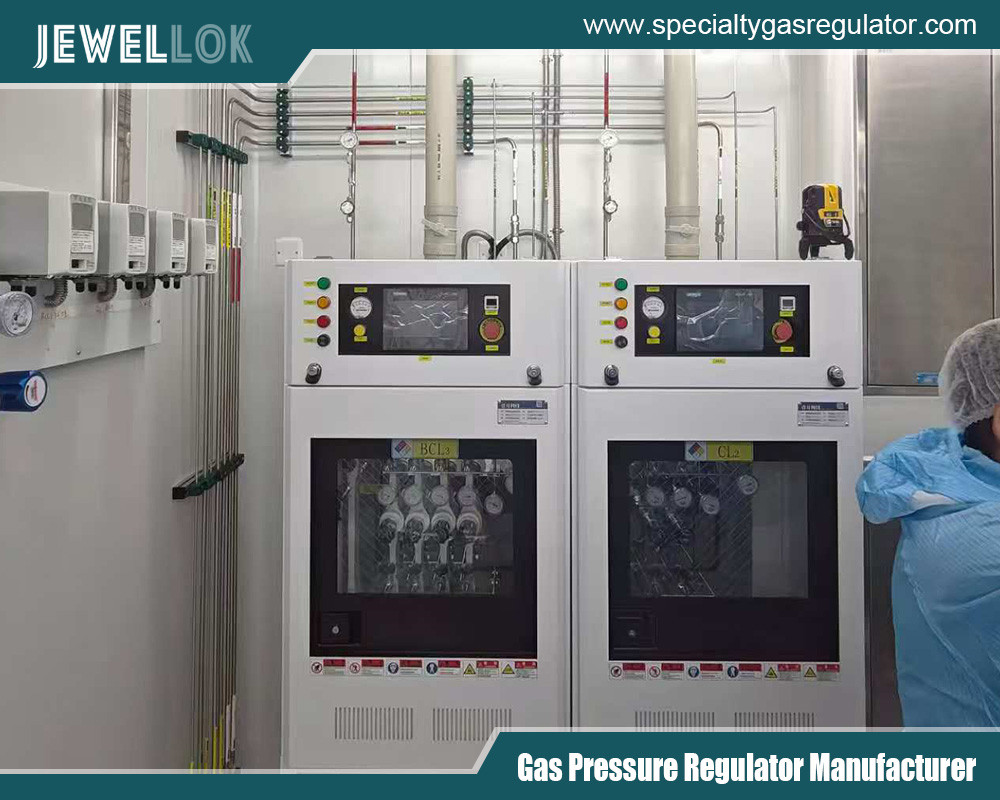
Conclusion
Customized gas scrubber systems are essential for safely managing hazardous emissions in specialty gas applications. From semiconductor manufacturing to advanced chemical processing, these systems provide critical protection for workers, equipment, and the environment.
Unlike conventional exhaust treatment solutions, specialty gas applications require highly engineered systems designed around specific gas chemistries, process conditions, and operational risks. Factors such as material compatibility, removal efficiency, automation, safety controls, and sustainability all play a vital role in successful system design.
As environmental regulations become stricter and advanced manufacturing technologies continue to evolve, the demand for intelligent, energy-efficient, and highly customized gas scrubber systems will continue to grow.
Companies investing in advanced gas treatment technologies today will be better positioned to achieve operational excellence, environmental compliance, and long-term sustainable manufacturing success.
For more about customized gas scrubber systems for specialty gas applications, you can pay a visit to Jewellok at https://www.specialtygasregulator.com/product-category/specialty-gas-cabinet/ for more info.
-
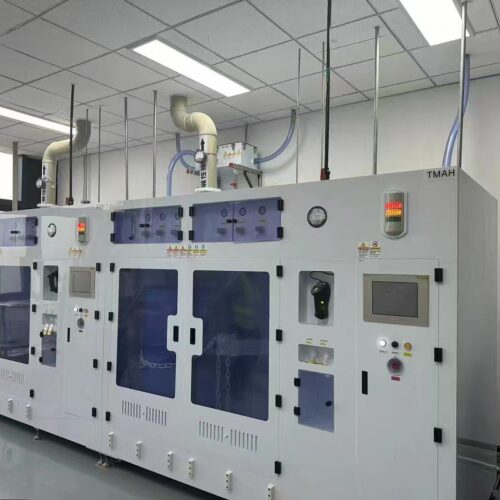
Automated Bulk Chemical Delivery System with Ultra High Purity CDU for Precise Industrial Fluid Control
-
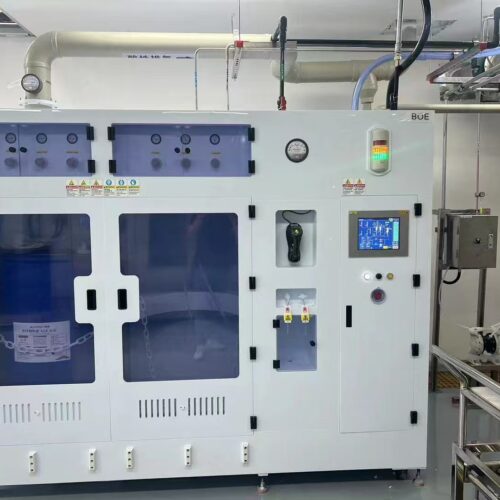
UHP Liquid Chemical Delivery Systems for Semiconductor Fabrication and Photovoltaic Manufacturing Processes
-
High Purity Bulk Chemical Delivery System and Automatic CDU for Advanced Semiconductor Manufacturing and Fabrication
-
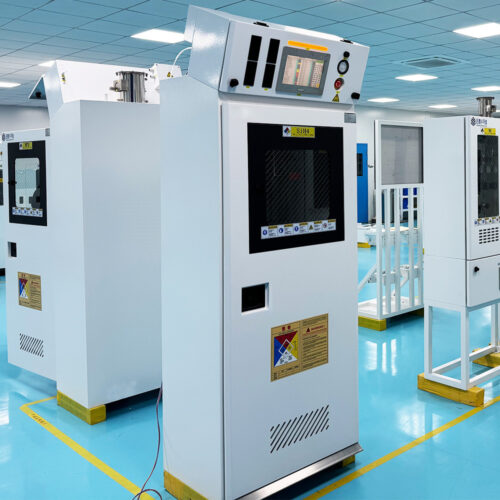
Fully Automated Gas Cabinet For Precise UHP Gas Delivery And High Purity Gas Delivery Systems JW-300-GC
-
Advanced Bulk Specialty Gas Systems BSGS Gas Cabinet for Safe Handling of Toxic and Flammable Process Gases
-
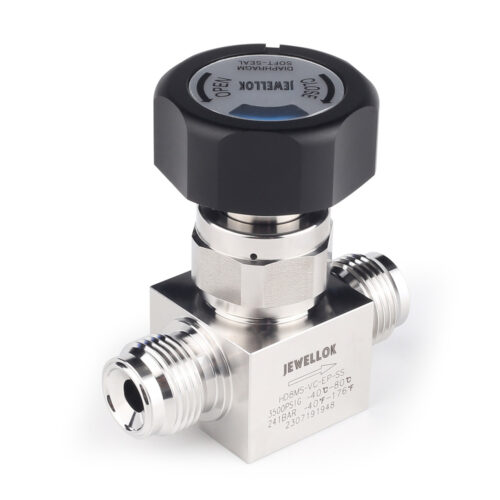
Stainless Steel Ultra High Purity (UHP) High Pressure Manual Diaphragm Valve
-
Automatic Chemical Delivery Module (CDM) and Chemical Delivery System (CDS) for Precise Point of Use Blending and Dilution
-
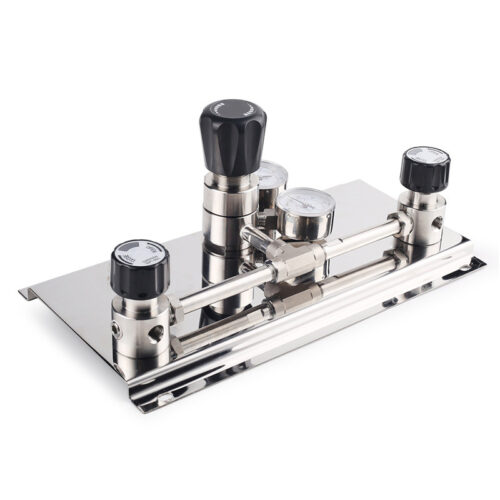
High Purity Semi-Auto Stainless Steel Changeover Manifold System, Nitrogen High Pressure Control Panel With Semiconductor Valve Manifold Box Diaphragm Valves