
Regulator Manufacturer Tel: +86 13380377051
Regulator Manufacturer Tel: +86 13380377051
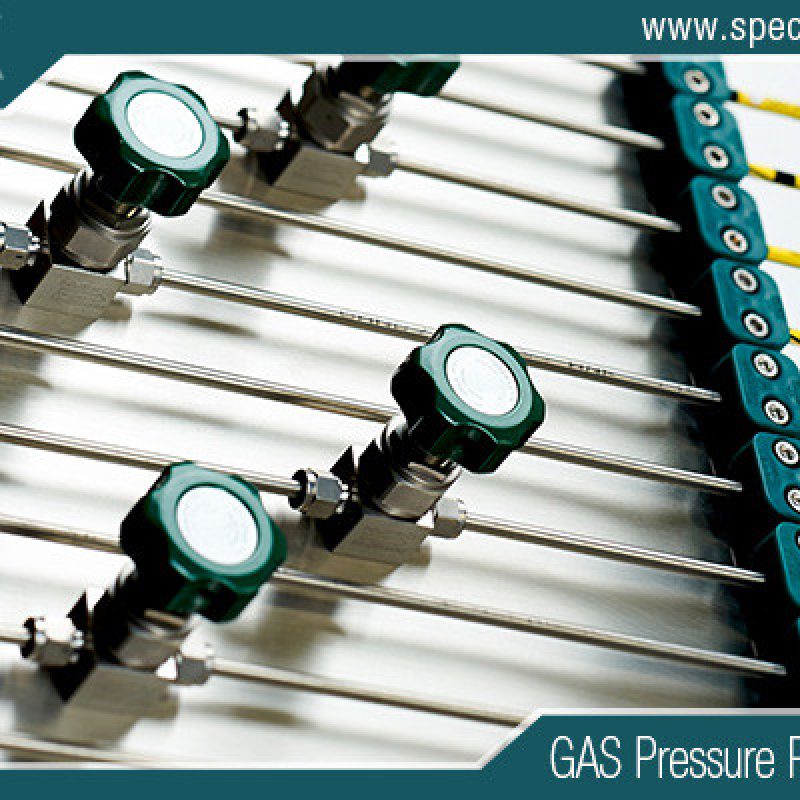
Pressure Stabiliation Mechanisms in Specialty Gas Regulators for Ultra-Low Flow Applications
The Critical Need for Stability
In the realm of analytical instrumentation—encompassing gas chromatography (GC), mass spectrometry (MS), semiconductor fabrication, and trace gas analysis—the precision of measurement is paramount. These applications often operate at ultra-low flow rates, sometimes as minute as a few standard cubic centimeters per minute (sccm) or even less. At such delicate scales, even nanoscopic pressure fluctuations become catastrophic noise, obscuring signals, degrading detection limits, and compromising the reproducibility of results. The pressure regulator, the gatekeeper between the high-pressure gas source and the sensitive instrument, therefore transcends its role as a simple pressure reducer. It must act as an active damping device, a precision governor that delivers not just a set pressure, but an unyieldingly stable one.
Specialty Gas Pressure Regulator Valves designed for these applications are feats of precision engineering. They integrate a suite of mechanical, material, and design-based stabilization mechanisms to combat the inherent challenges of ultra-low flow. These challenges include: seat loading (pressure changes causing stem movement), creep (very slow flow under static conditions), droop (supply pressure effect), and sensitivity to thermal fluctuations and external vibrations. This article delves into the sophisticated mechanisms integrated into these regulators to achieve the near-absolute stability demanded by cutting-edge analytical science.

- Foundational Mechanical Design for Enhanced Sensitivity and Control
The bedrock of stability lies in the core mechanical design, which prioritizes sensitivity and minimal inadvertent movement.
A. Multi-Stage Regulation: The Cascade of Stability
For critical applications, a single pressure reduction is insufficient. Two-stage specialty gas regulators are standard for ultra-low flow use.
- First Stage: A robust, spring-loaded or piston-driven stage reduces the high cylinder pressure (e.g., 2000+ psi) to a stable, intermediate pressure (e.g., 100-200 psi). This “pre-regulation” stage absorbs the bulk of the supply pressure drop and isolates the second stage from cylinder pressure variations.
- Second Stage: This is the precision stage. It takes the already stabilized intermediate pressure and reduces it to the final delivery pressure (e.g., 10-50 psi). Because its inlet pressure is relatively constant, its outlet is exceptionally stable. The second stage’s design is optimized for sensitivity, often using a diaphragm as the sensing element, which is far more responsive to pressure changes than a piston.
B. Diaphragm Design: The Heart of Sensitivity
The diaphragm is the critical sensor that balances system pressure against the force of the control spring.
- Large, Flexible Diaphragms: Specialty regulators use diaphragms with a large effective surface area. This means a small change in outlet pressure creates a significant force on the diaphragm, allowing it to detect and respond to minute fluctuations with high gain.
- Material Choices: For inertness and consistency, diaphragms are often made from 316L stainless steel, Hastelloy, or Inconel. For ultra-high purity, electropolished metal diaphragms are used. In some designs, elastomer-coated metal diaphragms (e.g., PTFE-coated) combine metal’s strength with an inert barrier, though all-metal designs avoid potential outgassing or permeation.
C. Low-Volume Internal Chambers (Dead Volume)
Minimizing the volume between the regulator seat and the outlet port is crucial. A smaller internal volume means that any unintended seat leakage or thermal expansion has a more immediate and pronounced effect on pressure, allowing the diaphragm to sense and correct it faster. It also reduces the “reservoir” of gas that can expand or contract with temperature, thereby enhancing thermal stability and response time.
- Mechanisms to Combat Specific Instability Phenomena
A. Opposed Spring / Force-Balanced Poppet Design
A primary source of fluctuation is seat loading. When outlet pressure drops (as the instrument consumes gas), the diaphragm opens the valve seat. In a conventional design, the inlet pressure itself pushes against the back of the poppet (valve tip), making the opening force pressure-dependent.
- Solution: High-end regulators use an opposed-spring poppet or a force-balanced design. Here, a second spring or a balanced piston arrangement counteracts the force of the inlet pressure on the poppet. This effectively decouples the valve opening force from the inlet pressure, drastically reducing droop (the fall in outlet pressure as inlet pressure decreases) and making the regulator’s performance nearly independent of supply pressure.
B. Non-Rotating Stem & Precision Guides
In many regulators, turning the adjustment knob rotates the stem, which can cause wear on the seat and lead to erratic performance or creep. In precision regulators:
- The stem is non-rotating. The knob turns a precision threaded mechanism that translates rotational force into pure linear motion of the stem.
- The stem is guided by linear bearings or precision-machined guides to eliminate lateral play. This ensures the poppet seats perfectly and concentrically every time, preventing erratic flow and enhancing seat seal integrity.
C. Soft vs. Hard Seat Trade-offs
The seat material—where the poppet seals—is a critical choice.
- Soft Seats (e.g., PTFE, Kel-F, PCTFE): Offer superior bubble-tight shut-off (essential for preventing creep at zero flow) and are self-compensating for minor imperfections. However, they can deform under pressure or temperature (cold flow) and may wear over time.
- Hard Seats (e.g., Sapphire, Ceramic on Metal): Offer exceptional durability, chemical resistance, and thermal stability. Achieving perfect shut-off is more challenging due to the need for near-perfect surface finishes, making them more susceptible to minute creep if microscopic imperfections exist.
- Advanced Designs: Often use a composite approach, like a metal poppet with a sharply contoured edge sealing into a soft seat, optimizing for both shut-off and control.
- Thermal Compensation and Isolation
Temperature changes are a major enemy of pressure stability, causing gas expansion/contraction and altering spring constants.
- Temperature-Compensated Springs
The control spring’s stiffness (spring rate) changes with temperature. Specialty regulators may use Nickel-alloy springs (e.g., Inconel X-750) that have a very low coefficient of elasticity change with temperature, or they may employ bimetallic compensation within the spring assembly to counteract thermal effects.
- Heat Sinking & Thermal Mass
Precision regulators often feature large, finned bodies or are designed to be mounted on substantial heat sinks. This increases thermal mass, slowing the regulator’s temperature change in response to ambient swings and allowing internal temperatures to equilibrate more evenly, reducing thermal transients.
- Insulation and Baffling
Internal gas flow paths are sometimes designed with baffles to minimize the direct flow of gas from the high-pressure inlet (which can be cold due to expansion) onto the sensitive diaphragm, which could cause localized cooling and pressure drift.
- Integrated Flow Control & Purging Enhancements
At ultra-low flows, the act of adjusting the flow itself can induce instability. Modern regulators integrate features to manage this.
A. Integrated or Series-Mounted Fine-Metering Valves
For the best stability, the flow control function is often separated or highly refined:
- Panel-Mount Regulators with Integral Needle Valve: The needle valve is in series after the regulator’s pressure-controlled chamber. This allows the regulator to maintain a constant pressure in its internal volume while the needle valve provides a precise, adjustable restriction for flow.
- Use of Separate, Downstream Mass Flow Controllers (MFCs): In the most stable systems, the regulator’s sole job is to provide a stable pressure to the inlet of an MFC, which then precisely controls the mass flow rate, irrespective of downstream pressure variations.
B. Purge Devices and By-Pass Channels
When a regulator is first pressurized or after adjustment, small volumes of contaminated gas or air can be trapped.
- Internal Purge Channels: Some designs include a small, controlled bypass that allows initial gas to flush out the dead volume without creating a large, unstable surge at the outlet.
- Vented Outlet Fittings: These allow the connection point to be purged before attaching to the instrument, ensuring a clean, stable connection.
- Material Science and Surface Engineering
Stability is also a function of material consistency and surface interaction.
- Electropolishing & High-Purity Passivation: All wetted parts are electropolished to a microscopically smooth finish. This reduces surface area, minimizing adsorption/desorption of gas molecules (which can cause slow drift), and enhances cleanability and corrosion resistance.
- Specialized Elastomers: Where seals are necessary (e.g., stem tips, static seals), low-permeation, low-outgassing elastomers like Kalrez® (FFKM) or Chemraz® are used to prevent contamination and gradual pressure changes from gas permeation.
Conclusion
The pressure stability in ultra-low flow applications is not achieved by a single silver bullet, but through a synergistic integration of multiple, purpose-built mechanisms. From the macro-scale decision to use two-stage regulation to the microscopic perfection of an electropolished surface, each element plays a role in dampening a specific source of potential fluctuation.
The modern specialty gas regulator for analytical instrumentation is thus a precision instrument in its own right. It is a device where advanced mechanics, thoughtful thermodynamics, and high-purity material science converge to create a stable, silent foundation upon which the sensitive work of analysis can proceed with confidence. By understanding these integrated stabilization mechanisms—opposed-spring poppets, temperature compensation, minimized dead volume, and precision guiding—engineers and scientists can select the correct regulator technology to ensure their analytical instruments perform at the very limits of their detection and precision capabilities. In the quest for ever-smaller signals and ever-greater accuracy, the stability of the gas supply, governed by these sophisticated regulators, remains an indispensable pillar of reliable science and industry.
For more about pressure stabiliation mechanisms in specialty gas regulators for ultra-low flow applications, you can pay a visit to Jewellok at https://www.specialtygasregulator.com/about/ for more info.
-
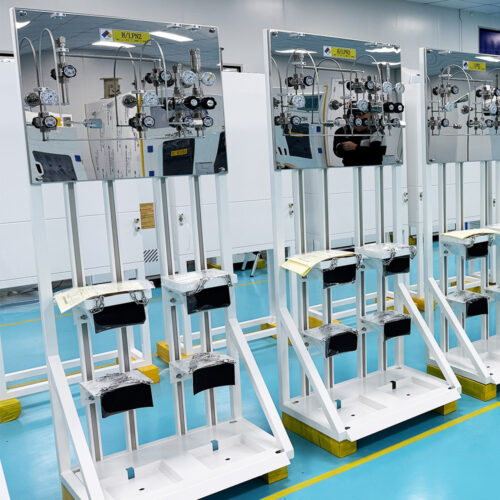
Semi Automatic Gas Cabinet Systems for Handling Toxic and Flammable Process Specialty Gases in High Tech
-
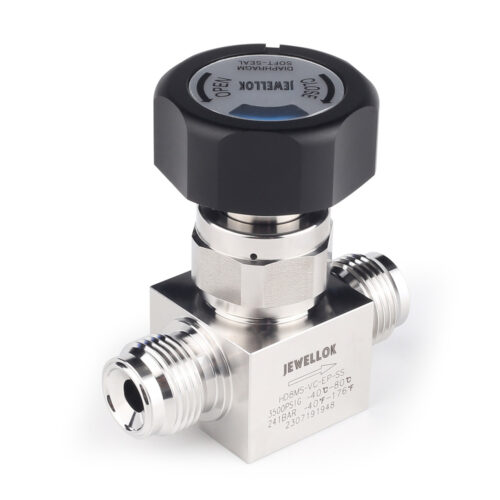
Stainless Steel Ultra High Purity (UHP) High Pressure Manual Diaphragm Valve
-
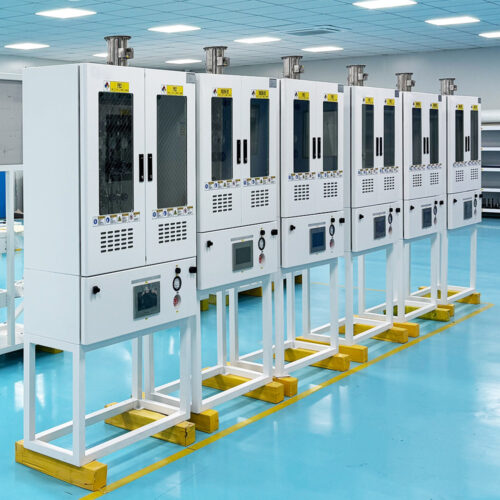
Custom Wet and Dry Exhaust Gas Scrubber System Technology for Effective Acid Gas Neutralization
-
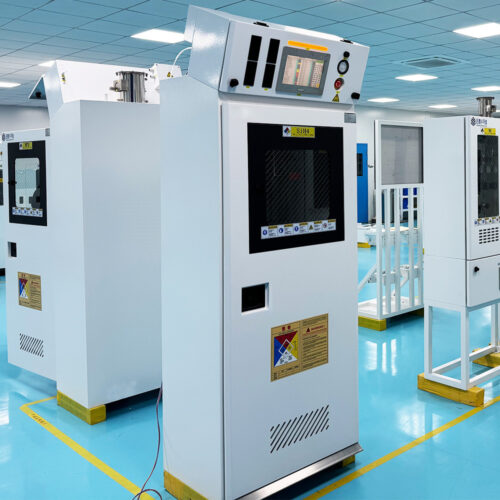
High Purity Bulk Gas Delivery Systems for Semiconductor Manufacturing and Advanced Chemical Distribution Infrastructure
-
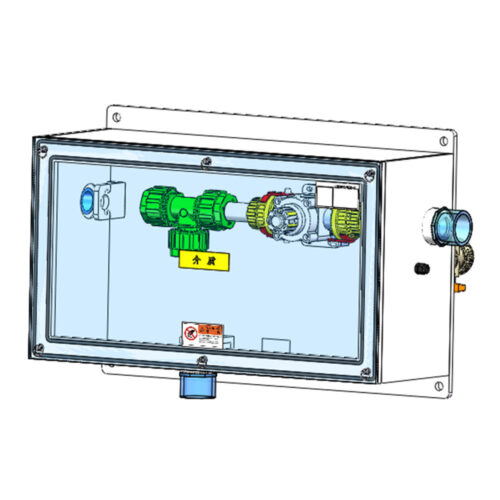
FT-BOX JW-FTB-C Valve Manifold Panels And Boxes With High Purity Configurable Systems
-
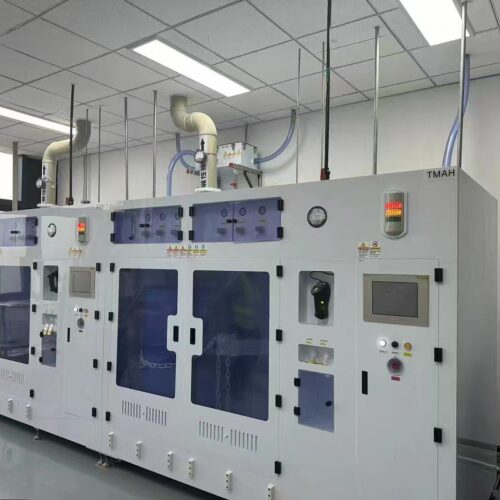
Liquid Bulk Chemical Delivery System with Automatic Chemical Dispense Unit (CDU) Featuring 316L Electropolished Stainless Steel Piping Components
-
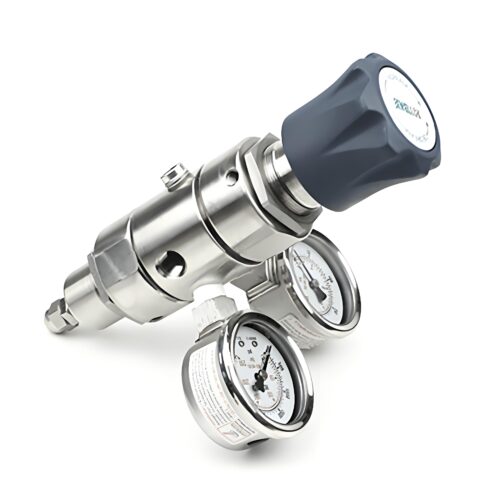
DPR1 Ultra High Purity Two Stage Dual Stage Pressure Reducing Regulator Semiconductor Grade Regulators
-
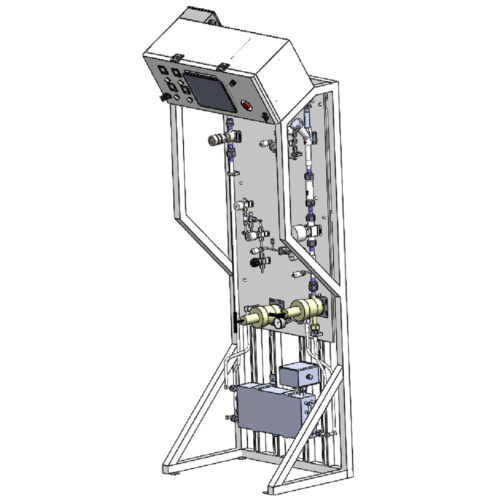
Fully Automated Gas Cabinet Gas Rack Gas Delivery Systems JW-300-GR