
Regulator Manufacturer Tel: +86 13380377051
Regulator Manufacturer Tel: +86 13380377051
A Comprehensive Guide to UHP 316L Stainless Steel Gas Pressure Regulators
Ultra High Purity (UHP) gas pressure regulators are essential components in industries where gas contamination can compromise processes, safety, or product quality. Constructed primarily from 316L stainless steel, these regulators are designed to handle gases with purity levels of 99.999% or higher. They play a critical role in applications such as semiconductor manufacturing, pharmaceutical production, gas chromatography, and specialty gas handling. This guide provides a comprehensive overview of UHP 316L stainless steel gas pressure regulators, covering their design, materials, operation, selection, applications, maintenance, and safety considerations. By understanding these devices, engineers and technicians can ensure optimal performance and reliability in high-stakes environments.
UHP regulators differ from standard pressure regulators by emphasizing minimal internal volume, superior material purity, and contamination-free operation. The use of 316L stainless steel, a low-carbon variant of 316 stainless steel, enhances corrosion resistance and reduces the risk of outgassing or particle shedding. These features make them indispensable for handling toxic, corrosive, flammable, or reactive gases like silane, hydrogen chloride, or ultra-pure nitrogen.
Understanding UHP Requirements
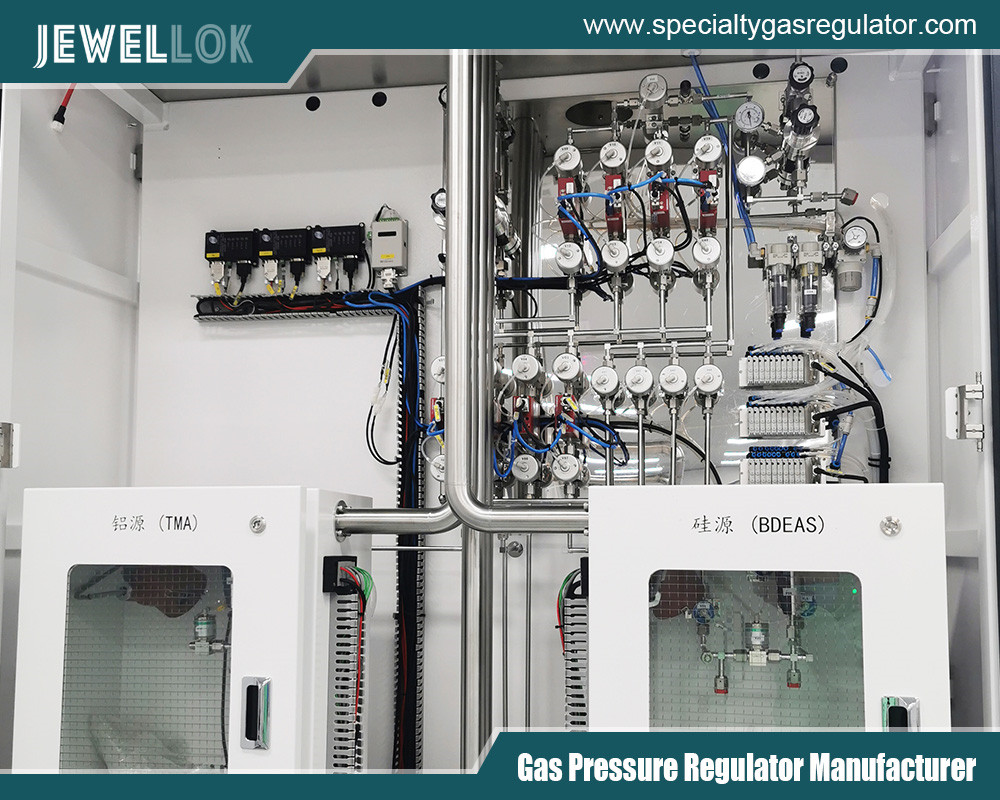
Ultra High Purity systems demand regulators that prevent even trace levels of contaminants from entering the gas stream. Contaminants such as moisture, oxygen, or particulates can lead to defects in microelectronics or inaccuracies in analytical instruments. UHP regulators achieve this through specialized construction techniques, including barstock machining rather than forging, which results in a tighter grain structure and smoother internal surfaces. Surface finishes with low Ra values (roughness average) minimize areas where particles can adhere.
In semiconductor fabrication, for instance, UHP gases are used in processes like chemical vapor deposition, where purity directly impacts yield rates. Regulators must comply with standards like SEMI F20 for UHP-grade materials, ensuring that the 316L stainless steel undergoes secondary remelting to reduce impurities to the utmost limit. This level of purity is not just about the material but also the assembly process, often conducted in ISO 4 cleanrooms to avoid airborne contaminants.
Properties of 316L Stainless Steel
316L stainless steel is the material of choice for UHP gas pressure regulators due to its exceptional properties. It contains 16-18% chromium, 10-14% nickel, and 2-3% molybdenum, with carbon content limited to 0.03% to prevent carbide precipitation during welding. This composition provides superior resistance to pitting and crevice corrosion, especially in chloride-rich environments.
In UHP applications, 316L’s non-reactive nature prevents adsorption and offgassing of contaminants. Unlike elastomeric materials, stainless steel diaphragms do not absorb moisture or hydrocarbons, maintaining gas integrity. Electropolishing further enhances the surface by removing microscopic irregularities, achieving a passivated layer that resists corrosion and particle generation. For highly corrosive gases, variants like Hastelloy C-22 may be used in internals, but 316L remains the standard for bodies and wetted parts.
The material’s mechanical strength allows regulators to withstand inlet pressures up to 6000 psig while delivering precise outlet pressures as low as 0.1 psig. Its weldability supports autogenous butt-welded connections, reducing leak paths and ensuring helium leak-tight integrity.
Design and Components of UHP Regulators
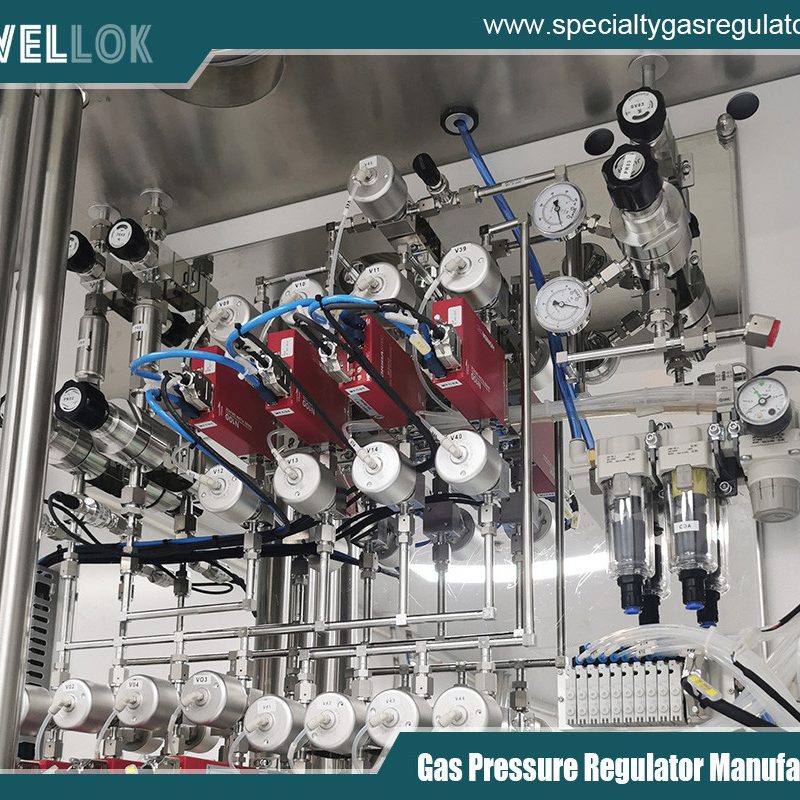
A typical UHP 316L stainless steel gas pressure regulator comprises three main elements: a loading mechanism, a sensing element, and a control element. The loading mechanism, often a spring adjusted by a hand knob, sets the desired outlet pressure. The sensing element is usually a stainless steel diaphragm that detects pressure changes and actuates the control element—a poppet or valve that modulates flow through an orifice.
UHP designs incorporate barstock bodies to minimize internal volume, facilitating quick purging and reducing dead space where contaminants could accumulate. Diaphragms are made from 316L stainless steel to avoid elastomer degradation, and seals are metal-to-metal for leak-free performance. Tied-seat designs, where the seat is fixed to the poppet, are common for corrosive gases, preventing seat erosion.
Additional features include gauges for inlet and outlet pressure monitoring, relief valves for overpressure protection, and filters to trap particulates. High-flow models may use dome-loaded configurations for remote control, while compact versions suit space-constrained setups.
Working Principles
UHP regulators operate on the principle of force balance. Inlet gas enters at high pressure, pushing against the control element. The loading spring compresses the diaphragm, opening the valve to allow flow until the outlet pressure balances the spring force. As downstream demand changes, the diaphragm adjusts the valve position to maintain constant output.
Single-stage regulators perform this in one step, suitable for stable inlet pressures. Dual-stage models add an intermediate reduction, ensuring consistent delivery even as cylinder pressure decays. For UHP, low internal volume aids in rapid equilibrium, and features like cross-purge assemblies enable inert gas flushing during cylinder changes, preventing atmospheric contamination.
In dome-loaded regulators, gas or air pressure replaces the spring, allowing precise remote adjustments. This is ideal for automated systems in cleanrooms.
Applications
UHP 316L stainless steel regulators are vital in semiconductor fabs for delivering process gases like arsine or phosphine without impurities. In pharmaceuticals, they control inert gases for sterile environments. Analytical labs use them for carrier gases in chromatography, ensuring accurate readings.
Other applications include aerospace for fuel systems, food processing for CO2 regulation, and research for handling specialty gases. High-pressure models support calibration standards, while back-pressure regulators protect systems from overpressurization in venting lines.
Selection Criteria
Selecting a UHP regulator involves evaluating gas type (corrosive, toxic, or inert), pressure ranges (inlet up to 10,000 psig, outlet 0-500 psig), flow rates (up to 250 scfm), and purity needs. Material compatibility is paramount—316L for semi-corrosive gases, enhanced alloys for aggressive ones.
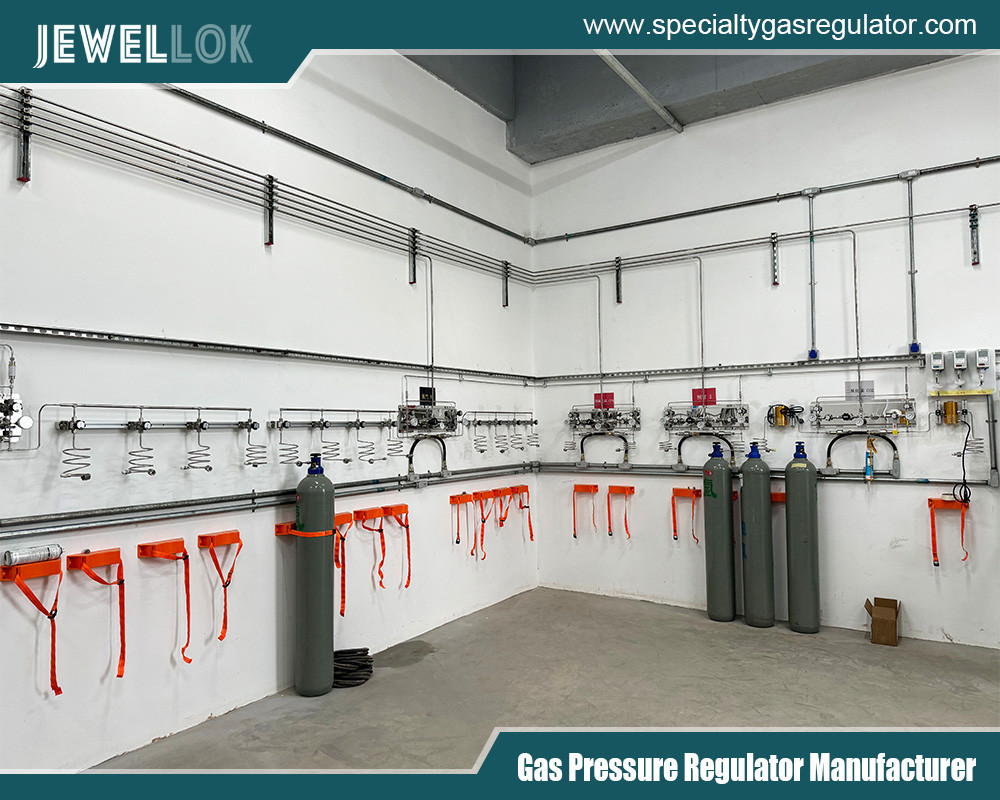
Consider location: cylinder-mounted for high inlet pressures or point-of-use for precision. Dual-stage for fluctuating supplies, single-stage for line control. Features like electropolishing, low Ra finishes, and cleanroom assembly ensure UHP compliance. Budget for accessories like manifolds or purge systems.
Installation and Maintenance
Installation requires clean, dry environments. Connect using compatible fittings, purge lines with inert gas, and leak-test with helium. Mount securely to avoid vibrations.
Maintenance includes regular inspections for leaks, using soap solutions on connections. Purge before and after use for hazardous gases. Replace diaphragms if damaged; clean internals only with approved solvents. Shutdown procedures: Close valves, vent pressure, purge, and disconnect safely. Annual calibration ensures accuracy.
Safety Considerations
Safety is critical with UHP regulators handling hazardous gases. Use in well-ventilated areas with gas detectors. Overpressure relief prevents explosions; tied-diaphragm designs contain failures. Follow standards like CGA for connections. Training on handling toxic gases reduces risks.
Conclusion
UHP 316L stainless steel gas pressure regulators are engineering marvels that safeguard purity in demanding applications. Their robust design, material excellence, and precise operation make them indispensable. By adhering to selection, installation, and maintenance best practices, users can achieve reliable performance and longevity. As industries evolve, these regulators will continue to support innovations in high-purity gas delivery.
For more about a comprehensive guide of uhp 316l stainless steel gas pressure regulators, you can pay a visit to Jewellok at https://www.specialtygasregulator.com/product/ for more info.
-
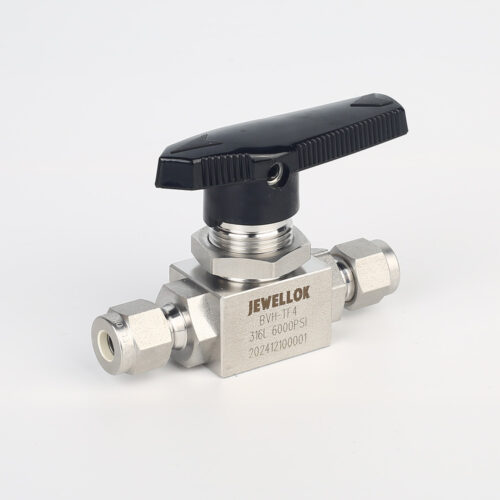
High Purity High Pressure 316 Stainless Steel Ball Valves JBV1 Series From High Pressure Ball Valve Manufacturer And Supplier In China
-
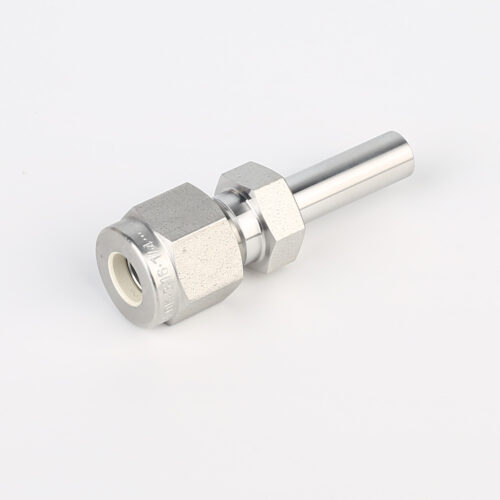
767LT Reducer Pressure Reducing Valve Adjustment High purity Pressure Reducing Union Fittings And Tubing
-
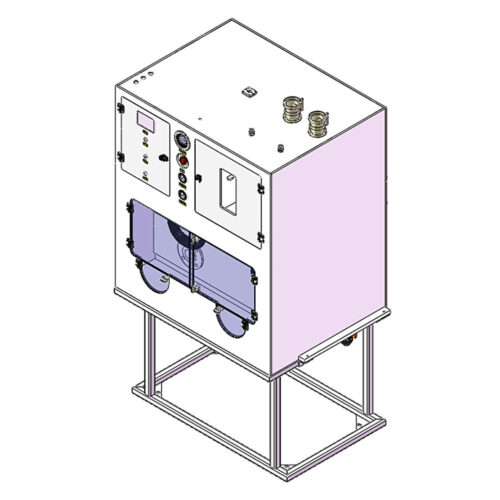
Clean Connection Cabinet JW-300-CCB Valve Manifold Box And Control Valve Box
-
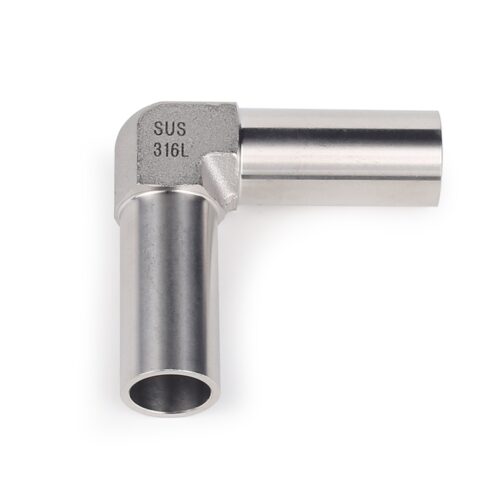
High Purity Stainless Steel Mini Tube Butt Weld Fittings For Semiconductor
-
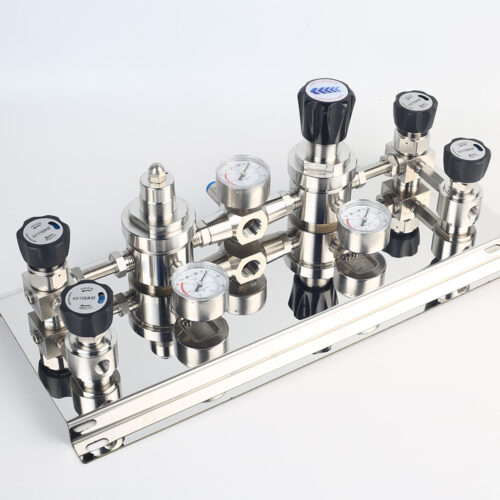
Stainless Steel Single Stage Semiconductor Grade Pressure Control Module Pressure Control Panels JSP-6A Series
-
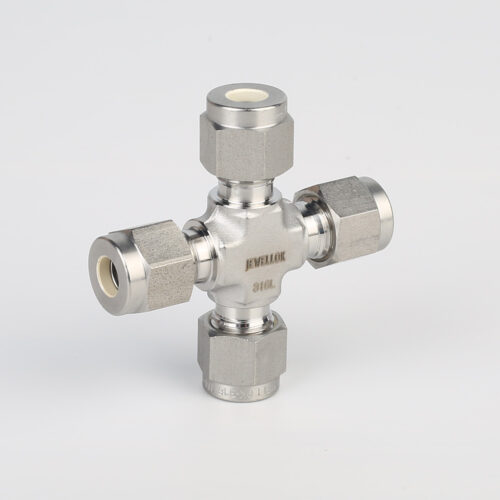
7102L Stainless Steel 316L SS Union Cross Ultra High Purity Long Arm Union Elbow Tee Cross Butt Weld Fittings
-
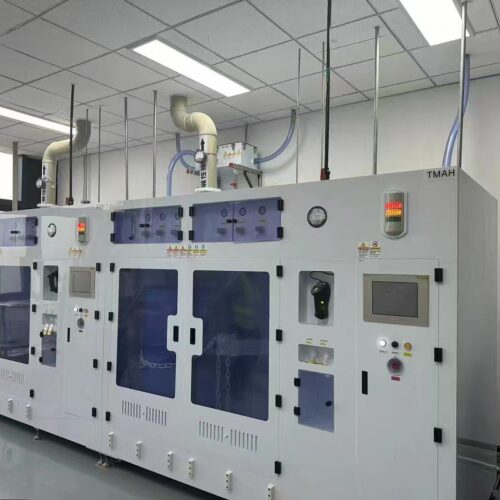
Liquid Bulk Chemical Delivery System with Automatic Chemical Dispense Unit (CDU) Featuring 316L Electropolished Stainless Steel Piping Components
-
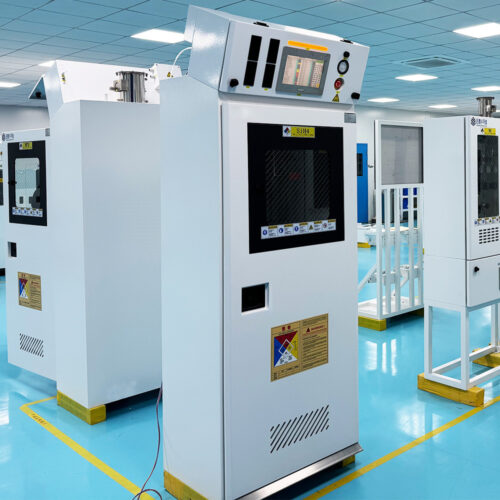
Fully Automated Gas Cabinet For Precise UHP Gas Delivery And High Purity Gas Delivery Systems JW-300-GC