
Regulator Manufacturer Tel: +86 13380377051
Regulator Manufacturer Tel: +86 13380377051

Helium Gas Changeover Manifold with Dual Cylinder Brackets: Design and Key Factors for Uninterrupted Supply
In applications demanding a continuous and reliable flow of high-purity helium—from gas chromatography (GC) and leak detection to semiconductor fabrication and aerospace testing—the unsung hero of the gas delivery system is often the changeover manifold. This technical article delves into the design, operation, and critical implementation considerations of a specialized variant: the helium gas changeover manifold integrated with dual cylinder brackets. We explore the engineering principles that ensure seamless gas supply transition, the mechanical and safety features inherent in the bracket design, and the pivotal role such a system plays in maintaining data integrity, operational efficiency, and safety in sensitive analytical and industrial processes. By examining its components, automatic and manual functionalities, and best-practice deployment, this article provides a comprehensive overview for engineers, lab managers, and technicians responsible for critical gas infrastructure.
- The Imperative for Uninterrupted Helium Supply
Helium, a noble gas with unique properties including inertness, high thermal conductivity, and a small atomic size, is indispensable in numerous high-tech fields. Its role as a carrier gas in GC is perhaps the most widespread, where any fluctuation, interruption, or contamination in supply can lead to flawed analyses, lost samples, costly instrument downtime, and compromised column integrity. Similarly, in leak detection using mass spectrometers or in cryogenic applications, a consistent helium stream is non-negotiable.
While high-purity regulators and filters are rightfully emphasized, the strategy for managing the gas source itself is equally vital. Relying on a single gas cylinder invites operational risk; the cylinder will eventually deplete, necessitating a manual swap that interrupts the process. A helium gas changeover manifold system elegantly solves this problem by linking two gas sources (typically cylinders) into a single, regulated outlet. Its integrated dual cylinder brackets are not mere conveniences but are fundamental to the system’s safety, stability, and functionality. This integrated assembly ensures a continuous gas supply by automatically or manually switching from a primary (active) cylinder to a secondary (reserve) cylinder when the primary is exhausted.
- System Anatomy: Core Components and Integration
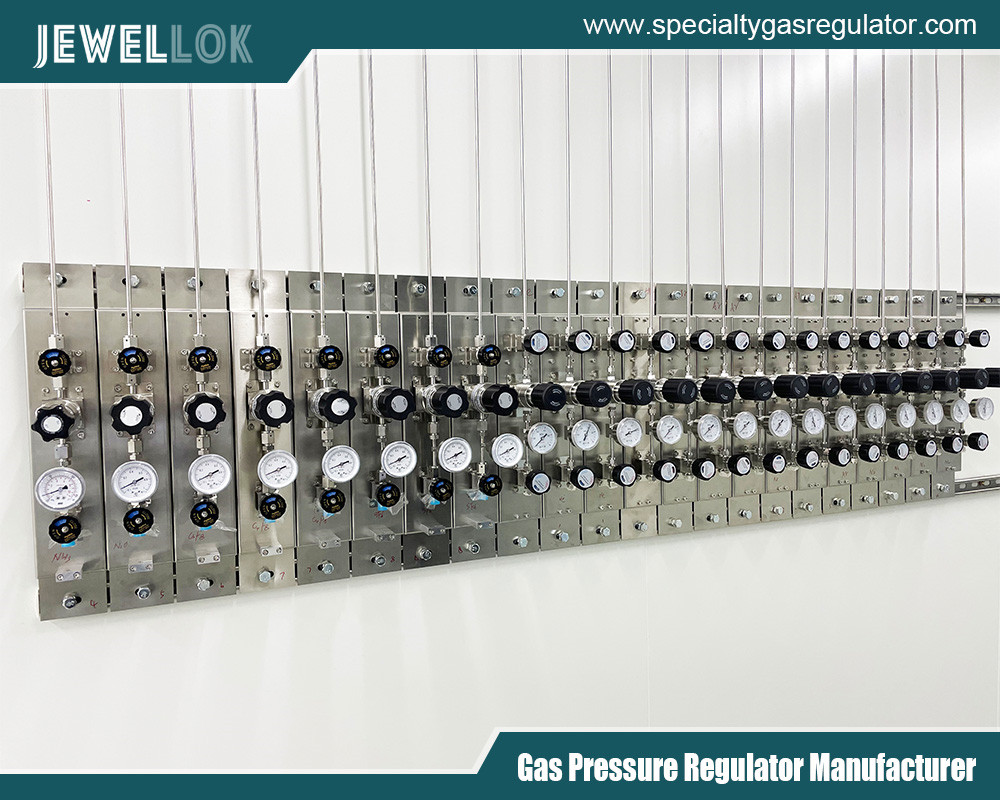
A helium changeover manifold with dual brackets is a cohesive system comprising several key subsystems.
2.1 The Manifold Assembly
At its heart lies the manifold, typically constructed from stainless steel (SS316L or similar) for compatibility with high-purity gases. Its core components include:
- Inlet Valves: Two high-purity diaphragm or bellows valves, one for each cylinder input. These allow for the isolation of each cylinder for safe changeout.
- Pressure Transducers/Sensors: These critical components monitor the pressure in the lines from each cylinder. They provide the electronic signal that indicates when the primary cylinder pressure falls below a pre-set threshold (the changeover point).
- The Changeover Mechanism: This can be either:
- Automatic: Utilizes a pneumatically or electronically actuated valve system. Upon receiving a signal from the primary pressure sensor, it automatically switches the gas flow to draw from the secondary cylinder.
- Manual: Employs a manual lever or valve system, but includes a visual alert (like a pop-up indicator or a pressure gauge with a marked zone) to notify the operator that a changeover is required.
- Check Valves: Essential one-way valves installed on each inlet leg to prevent backflow of gas from one cylinder into another, especially during the changeover process or if a pressure differential exists.
- Common Outlet Regulator: A high-purity, often two-stage, pressure regulator that provides a stable, reduced outlet pressure (e.g., 60-100 psi) to the application, regardless of the fluctuating high pressure from the active cylinder.
- Purge/ Vent Valve: Allows for safe purging of the manifold or individual lines during cylinder changes to evacuate air and prevent contamination.
- Panel Gauges: Display the high pressure from each cylinder and the regulated outlet pressure.
2.2 The Dual Cylinder Bracket Assembly
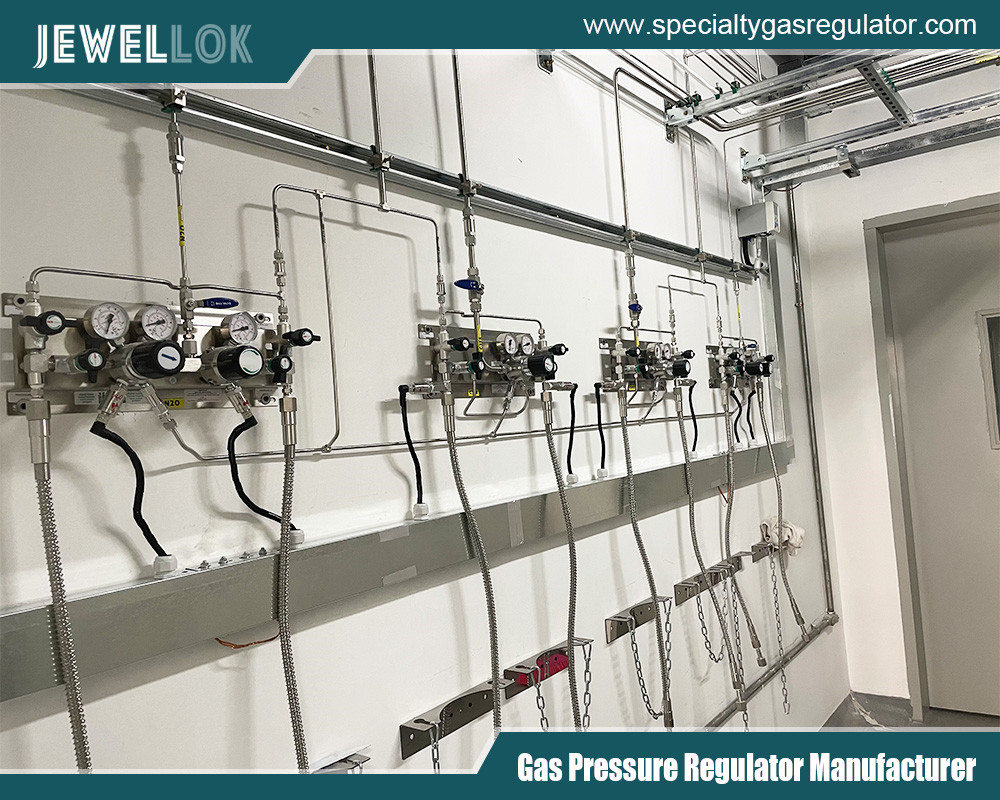
This is the robust mechanical framework that physically supports and secures the system. Its design is paramount for safety and operation:
- Structural Frame: Made of heavy-gauge powder-coated steel or aluminum, designed to withstand the weight and torque of two full helium cylinders (which can weigh over 130 lbs / 60 kg each).
- Cylinder Restraints: Heavy-duty chains, straps, or bolted clamps that positively secure each cylinder to the frame. These prevent cylinders from tipping, falling, or being knocked over—a major safety hazard.
- Manifold Mounting Platform: A dedicated, stable surface to which the manifold panel is securely fastened, protecting the delicate valves and gauges from mechanical shock.
- Mobility Options: Many brackets are equipped with heavy-duty casters (often two fixed and two swivel) for easy repositioning of the entire loaded assembly. Foot-operated brakes are a standard safety feature on mobile units.
- Base Design: A wide footprint enhances stability, preventing the unit from becoming top-heavy when cylinders are mounted.
The integration of the manifold onto the bracket creates a single, pre-assembled, and tested workstation. This eliminates the need for users to construct a secure mounting solution and reduces installation errors in plumbing and cylinder securing.
- Operational Principles and the Changeover Sequence
The system’s operation is defined by a logical sequence, ensuring a bumpless transfer of gas supply.
3.1 Initial Setup and Purging
- Both cylinders are securely mounted in the brackets and restrained.
- The outlet valve of the new primary cylinder is opened slowly, allowing gas to fill the line up to its inlet valve on the manifold.
- Using the purge valve, the line from the cylinder to the inlet valve is carefully purged to remove any atmospheric contaminants introduced during connection.
- The primary inlet valve is opened, and gas flows to the changeover mechanism and the primary pressure sensor.
- The same careful process is followed for the secondary (reserve) cylinder, with its inlet valve initially left closed in a manual system, or opened in an automatic system that manages the isolation internally.
3.2 Normal Operation
During normal operation, gas flows from the active (primary) cylinder, through the changeover mechanism, through the common outlet regulator, and to the application. The pressure sensor continuously monitors the primary cylinder pressure.
3.3 The Changeover Event
- In an Automatic System: When the primary cylinder pressure decays to a pre-determined setpoint (e.g., 200-300 psi, well above the regulator’s minimum inlet pressure requirement), the sensor triggers the control unit. This unit then actuates valves to shut off the flow from the primary leg and open the flow from the secondary leg. An audible or visual alarm is often activated to alert personnel that the primary cylinder is exhausted and requires replacement. The switch happens in milliseconds, with no interruption in flow or pressure to the application.
- In a Manual System: The operator relies on the visual indicator (a gauge entering a red “Reserve” zone or a pop-up pin). Upon seeing this, the operator manually switches a lever or valve to select the secondary cylinder as the new active source. While this requires human intervention, it still prevents the system from running dry, as the reserve is already connected and under pressure.
3.4 Cylinder Replacement
The exhausted primary cylinder is isolated by closing its cylinder valve and its dedicated inlet valve on the manifold. It can then be safely disconnected, removed, and replaced with a new, full cylinder. After purging the new connection, this new cylinder becomes the reserve, and the system is reset. This “rotating primary” methodology ensures there is always a full reserve in place.
- Critical Design and Selection Considerations
Choosing and implementing the correct manifold system requires careful analysis of several factors:
- Gas Purity and Material Compatibility: For high-purity helium (e.g., Grade 5.0, 5.5, or higher), the entire gas path must be electropolished stainless steel with metal diaphragm seals. Internal surfaces should be smooth and void-free to minimize adsorption and outgassing. All seals must be helium-grade, typically using materials like PTFE or Kalrez.
- Pressure Ratings: The manifold, valves, and regulator must be rated for the full cylinder pressure (up to 3000 psi for helium) while the outlet regulator must deliver the required application pressure consistently.
- Automatic vs. Manual: The choice hinges on criticality. Automatic systems are essential for unattended operations, long analytical runs (like in GC-MS), or processes where even a momentary pressure drop is unacceptable. Manual systems offer a cost-effective solution for attended labs where operators can respond promptly to a visual alert.
- Safety Features: Beyond the physical brackets, look for features such as relief valves on the manifold to protect against over-pressurization, robust leak-tight connections (like VCJ® or face-seal fittings), and clear, durable labeling.
- Scalability: Some systems can be configured for more than two cylinders (e.g., quad packs) for extremely high gas consumption scenarios, all mounted on a larger multi-cylinder rack.
- Safety, Maintenance, and Best Practices
The integration of high-pressure gas and heavy cylinders mandates a rigorous approach to safety and upkeep.
- Safety First: Always adhere to local regulations for compressed gas cylinder handling. Use personal protective equipment (PPE) when changing cylinders. Ensure the bracket is on a stable, level surface and brakes are engaged on mobile units. Never tamper with or modify cylinder restraints.
- Leak Checking: Perform a thorough leak check using a helium-specific leak detector or a suitable leak-test solution at all connections after any maintenance or cylinder change. This is crucial for both safety and preserving the purity and economy of the expensive helium gas.
- Preventive Maintenance: Establish a schedule for inspecting cylinder restraints, checking for corrosion on the bracket, and verifying the calibration of pressure gauges and sensors. Automatic systems may require periodic testing of the solenoid valves and control logic.
- Proper Purging: Diligent purging is the single most important step to maintain gas purity. Never skip the purge procedure when connecting a new cylinder.
- Documentation: Maintain a log of cylinder changes, pressure readings, and any maintenance activities. This is valuable for troubleshooting, predicting gas usage, and ensuring procedural compliance.
- Conclusion
The helium gas changeover manifold with dual cylinder brackets is a paradigm of pragmatic engineering, solving a fundamental operational vulnerability in critical gas supply chains. It transcends being a simple piece of hardware to become an integral component of quality assurance and operational reliability. By ensuring an uninterrupted, clean, and stable supply of helium, it safeguards sensitive instrumentation, protects the integrity of valuable data and processes, and enhances laboratory safety through its integrated, secure cylinder management. The investment in such a system—particularly an automatic version for mission-critical applications—pays continuous dividends in reduced downtime, eliminated repeat analyses, conserved helium, and the profound peace of mind that comes from knowing the gas supply, a foundational utility, is managed with robust and intelligent redundancy. As helium remains a precious and finite resource, the efficiency and control offered by these systems make them not just an operational advantage, but a strategic necessity.
For more about helium gas changeover manifold with dual cylinder brackets: design and key factors for uninterrupted supply, you can pay a visit to Jewellok at https://www.specialtygasregulator.com/product-category/specialty-gas-cabinet/ for more info.
-
Stainless Steel High-Purity High Temperature Metal Seated Ball Valves JBV3 Series
-
767LP Port Connector Ultra High Purity VCJ Metal Gasket Face Seal Tube Fittings
-
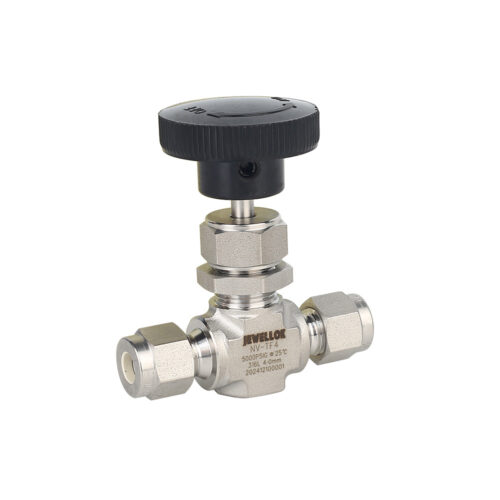
High Purity High Pressure Stainless Steel Needle Valve Natural Gas Flow Control Valve JNV Series
-
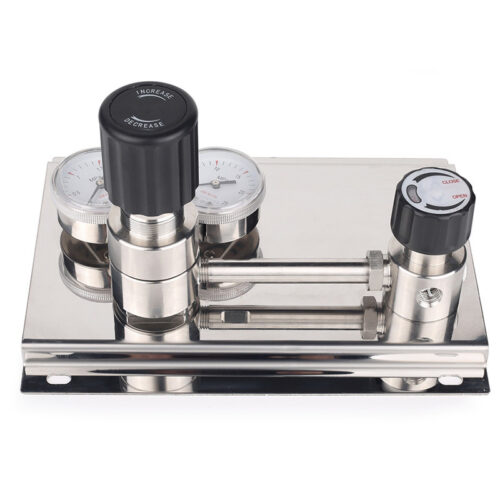
Stainless Steel Fully Automatic Gas Switchover Manifold System Automatic Gas Cylinder Switchover Co2 Cylinder Auto Changeover Controller
-
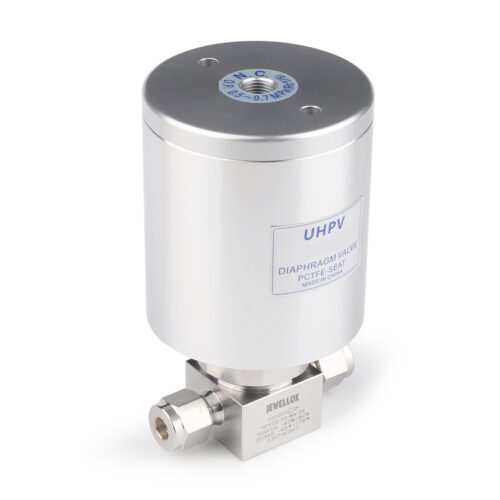
High Pressure High Temperature Pneumatic Ultrahigh Purity Stainless Steel Diaphragm Valves
-
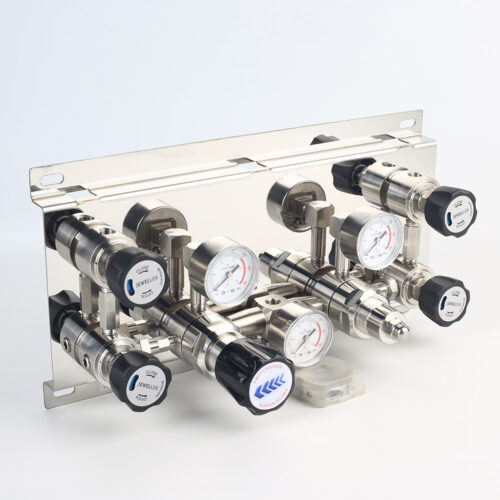
Pressure Control Panels For High Purity Gas Control System JSP-3AE Series From Pressure Control Panels Suppliers And Manufacturer
-
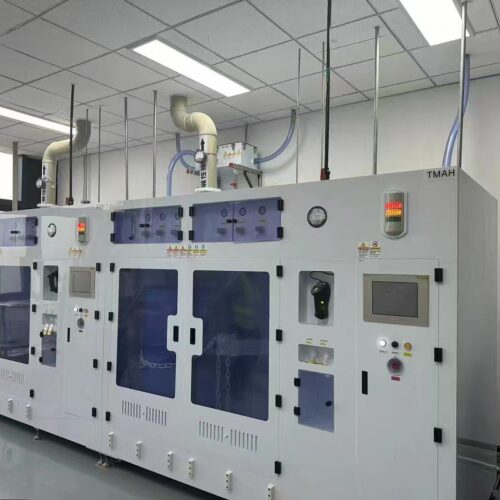
Integrated Bulk Chemical Delivery System and Automatic CDU Solutions for Safe Hazardous Chemical Fluid Handling
-
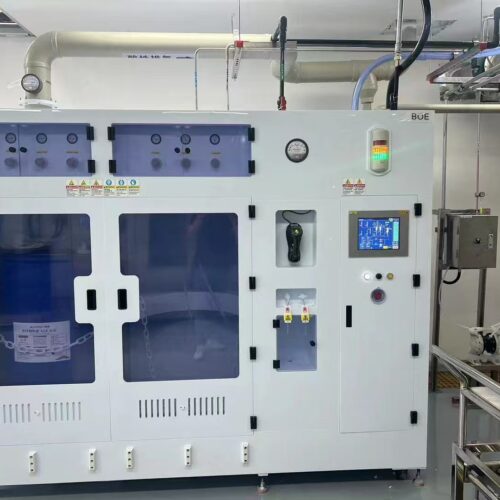
UHP Liquid Chemical Delivery Systems for Semiconductor Fabrication and Photovoltaic Manufacturing Processes