
Regulator Manufacturer Tel: +86 13380377051
Regulator Manufacturer Tel: +86 13380377051
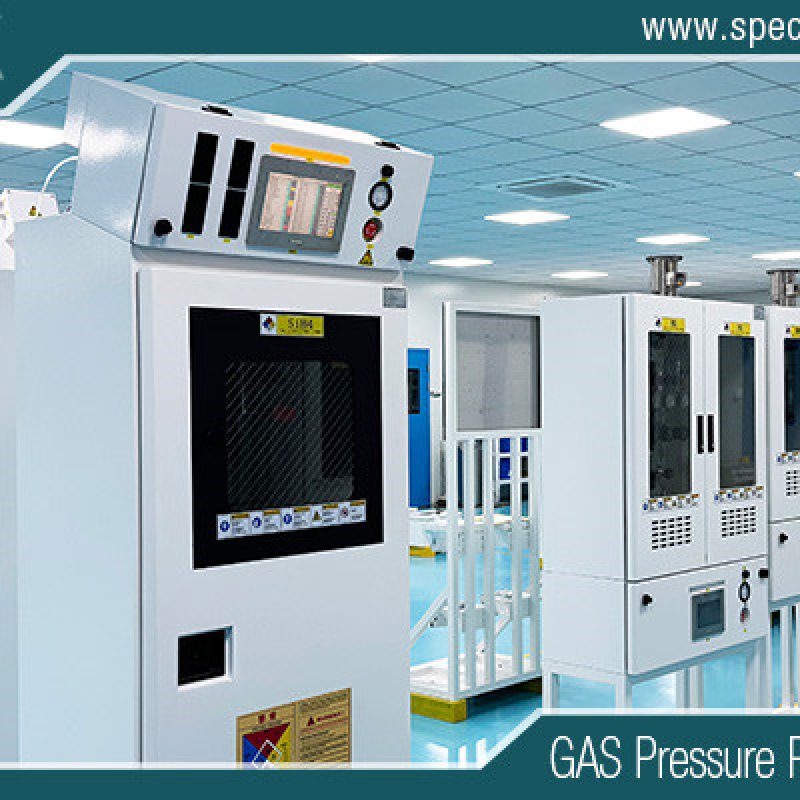
Combating Corrosive Environments: The Application of Corrosion-Resistant Exhaust Gas Scrubbers in Electroplating and Pickling Workshops
Electroplating and pickling processes are fundamental to modern manufacturing, yet they generate highly corrosive and toxic exhaust fumes. These emissions pose significant risks to environmental compliance, occupational health, and the structural integrity of workshop equipment. Standard exhaust treatment systems often fail prematurely under such aggressive conditions. This article delves into the critical role of corrosion-resistant exhaust gas scrubbers in these industries. It explores the specific chemical challenges posed by acid baths, the material science behind durable scrubber construction (including thermoplastics like PP and FRP composites), the operational principles of different scrubber designs, and the tangible benefits of implementing these robust systems for air pollution control and asset protection.
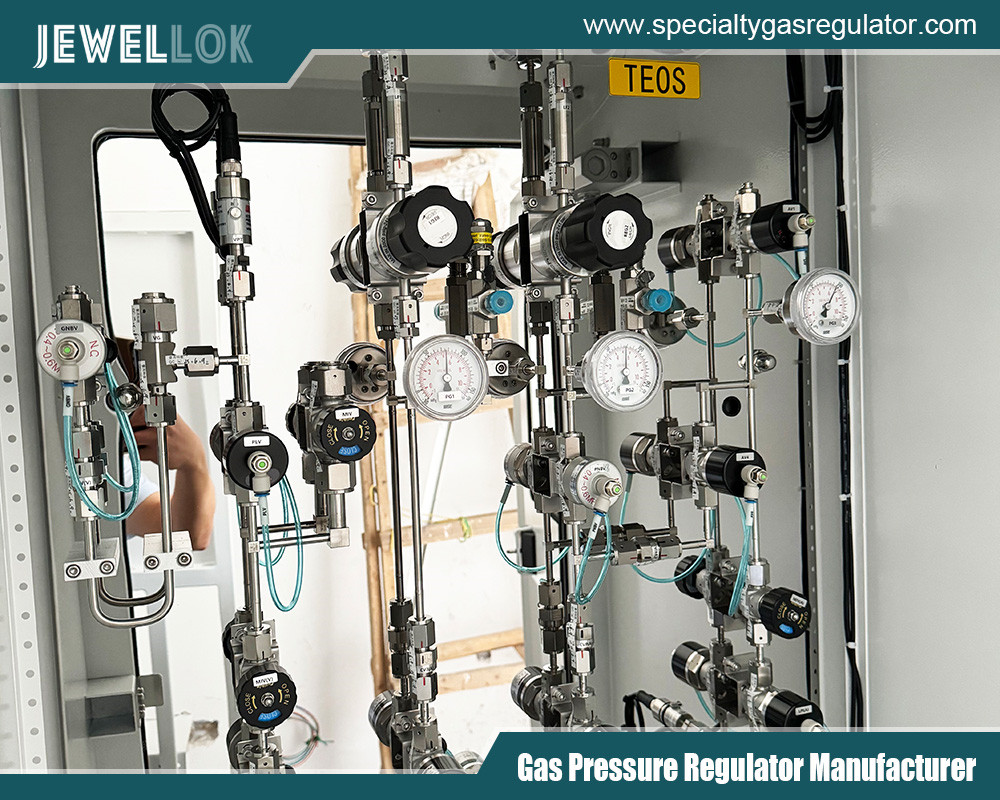
1. The Necessity of Fume Control in Surface Finishing
The electroplating and metal finishing industry is a cornerstone of the industrial supply chain, providing essential corrosion resistance, wear properties, and aesthetic appeal to components ranging from automotive fasteners to aerospace electronics. However, these processes are inherently dependent on aggressive chemistry. Electroplating relies on baths of highly concentrated acids (such as sulfuric, hydrochloric, and nitric acid) and metal salt solutions, while pickling—the process of removing scale and oxides from metal surfaces—involves immersing workpieces in strong acidic solutions.
These operations are a constant source of hazardous fumes, mists, and vapors. When heated to facilitate chemical reactions, these baths release a visible and invisible plume of corrosive gas. Common emissions include hydrogen chloride gas from hydrochloric acid baths, nitrogen oxides (NOx) from nitric acid bright dipping, and sulfuric acid mist. Without intervention, these pollutants create a trifecta of problems:
-
Environmental Non-Compliance: Stringent local and international regulations (such as the EPA’s Clean Air Act or the European Industrial Emissions Directive) mandate the capture and treatment of these pollutants before release into the atmosphere.
-
Workplace Health and Safety: Inhalation of acid mists can cause severe respiratory issues for workers, while skin contact leads to chemical burns.
-
Infrastructure Degradation: Perhaps the most insidious threat is to the workshop itself. Unchecked acid fumes attack structural steelwork, electrical cabinets, ventilation ducts, and even the concrete floors, leading to costly repairs, accelerated equipment depreciation, and potential structural failures.
To address this, the industry has turned to wet scrubbing technology. However, the “one-size-fits-all” approach fails here. The scrubber itself must be an island of resistance in a sea of corrosion. This is where the design and material selection for corrosion-resistant exhaust gas scrubbers become paramount.
2. Understanding the Chemical Challenge in Electroplating & Pickling
To appreciate the engineering required for acorrosion-resistant exhaust gas scrubber, one must first understand the enemy: the chemical cocktail generated in the workshop.
-
Hydrochloric Acid (HCl) Fumes: Commonly used in steel pickling, HCl readily volatilizes, forming a white, highly corrosive mist. It is extremely aggressive towards most common metals.
-
Sulfuric Acid (H₂SO₄) Mist: Used in anodizing and various plating baths. While less volatile than HCl, high-temperature processes create a fine, persistent mist that is hygroscopic and can settle on surfaces, becoming more concentrated and destructive over time.
-
Nitric Acid (HNO₃) and Nitrous Gases (NOx): Used in bright dipping for copper and brass, and in stainless steel pickling. Nitric acid produces nitrogen dioxide (NO₂), a highly toxic, brown, and corrosive gas that is difficult to scrub due to its low solubility in water.
-
Chromium (Cr⁶⁺) Mist: Hexavalent chromium plating processes generate a fine mist containing carcinogenic chromium ions. This requires not just chemical neutralization but high-efficiency particulate removal.
-
Cyanide Gases: In contrast to acidic processes, some electroplating (e.g., copper, zinc, cadmium) uses alkaline cyanide baths, which can release hydrogen cyanide gas upon acidification or contamination.
A robust scrubber system must be capable of handling this wide pH spectrum—from highly acidic to alkaline—without succumbing to the very environment it is meant to control.
3. The Material Science of Corrosion Resistance
The heart of any effective scrubber for this application lies in its construction materials. The goal is to create a barrier that is chemically inert to the process stream. This has led to the widespread adoption of two primary material classes:
3.1 Thermoplastics: Polypropylene (PP)
Polypropylene, specifically homopolymer or copolymer grades, has become the industry standard for small to medium-sized scrubbers and ductwork. Its popularity stems from:
-
Excellent Chemical Resistance: PP is virtually immune to attack from inorganic acids, alkalis, and salt solutions at temperatures up to approximately 80°C (176°F).
-
Fabricability: It is lightweight, easy to weld using thermoplastic welding techniques, and can be formed into complex shapes required for scrubber internals like packing supports and mist eliminators.
-
Cost-Effectiveness: For standard acid fume applications, PP offers a superior balance of performance and cost.
3.2 Fiber-Reinforced Plastics (FRP)
For larger systems, higher temperature applications (up to 120°C / 248°F), or where greater structural strength is required, FRP is the material of choice.
-
Matrix and Reinforcement: FRP scrubbers consist of a polymer resin matrix (typically polyester, vinyl ester, or epoxy) reinforced with fiberglass.
-
The “Corrosion Barrier”: A high-quality FRP scrubber is built with a multi-layered structure. The inner surface, known as the “corrosion liner,” is a resin-rich layer (usually “C-veil” or synthetic veil) with no exposed glass fibers. This layer provides the chemical resistance. Subsequent structural layers incorporate glass fibers for mechanical strength.
-
Resin Selection: Vinyl ester resins are particularly favored for their exceptional resistance to a wide range of acids, alkalis, and solvents, as well as their high temperature tolerance.
3.3 Other Materials
For specific applications, other materials are used:
-
PVDF (Polyvinylidene Fluoride): For extremely high temperatures and aggressive oxidizers.
-
High-Alloy Stainless Steels (e.g., Hastelloy): Sometimes used for critical internal components like spray nozzles, where mechanical strength and resistance to pitting are required, though they are rarely used for the scrubber shell itself due to cost.
4. Scrubber System Design and Operational Principles
While the shell is crucial, the scrubber’s ability to remove pollutants depends on its internal design. The most common types used are vertical counter-current and horizontal cross-flow scrubbers.
4.1 The Vertical Counter-Current Scrubber
This is the workhorse for chemical fume abatement.
-
Gas Entry: Contaminated air is pulled into the bottom of the vertical column via a corrosion-resistant fan (often FRP or PP construction).
-
Packing Media: The gas rises through a bed of random or structured packing material (e.g., pall rings, saddles). This media provides a large surface area for gas-liquid contact.
-
Liquid Distribution: A scrubbing liquid—typically water mixed with a neutralizing agent (like caustic soda for acid gases)—is sprayed from the top of the packing bed via a network of non-clogging spray nozzles.
-
Mass Transfer: As the gas rises and the liquid falls, they mix intimately on the surface of the packing. Acid gases (e.g., HCl) dissolve into the water and react with the caustic soda to form neutral salts (e.g., sodium chloride). For NOx removal, special reducing agents or multi-stage scrubbing may be required.
-
Mist Elimination: The cleaned gas then passes through a mist eliminator (a chevron blade or mesh pad) at the top of the scrubber, which coalesces and removes entrained water droplets before the clean air is exhausted.
-
Recirculation: The scrubbing liquid collects in a sump at the base, where its pH is continuously monitored and adjusted. It is then recirculated by a corrosion-resistant pump (e.g., polypropylene or CPVC) back to the spray nozzles.
4.2 Horizontal Cross-Flow Scrubbers
In applications with space constraints, a horizontal design is used. Gas flows horizontally through a vertical packing bed, while liquid is sprayed from the side and flows horizontally across the packing by gravity. This design is often easier to maintain but may be less efficient for highly soluble gases compared to a tall counter-current column.
4.3 Key Subsystems for Corrosion Management
-
Mist Eliminators: Critical for preventing “stack rain” (acidic droplets being carried out of the stack), which can damage the roof and stack itself.
-
Nozzles and Piping: Must be made of corrosion-proof materials like PP, PVDF, or Hastelloy to ensure longevity and prevent clogging.
-
Instrumentation: pH probes and control panels are often housed in purgeable, corrosion-resistant enclosures to protect sensitive electronics from the ambient fumes.
5. Integration into the Electroplating/Pickling Workshop
A scrubber does not operate in isolation. Its success depends on a holistic system design that begins at the process tanks.
5.1 Capture: The Push-Pull System
Effective capture is the first line of defense. For large open-top tanks, a “push-pull” ventilation system is highly effective. A “push” nozzle manifold on one side of the tank blows a uniform curtain of air across the tank surface, pushing fumes towards an exhaust “pull” hood on the opposite side. This minimizes the volume of exhaust air required (compared to canopy hoods), which in turn reduces the size and operating cost of the scrubber. All hoods and ductwork must be constructed from the same corrosion-resistant materials as the scrubber.
5.2 The Treatment Cycle
The scrubbing process generates a liquid waste stream. The neutralization reaction creates a salt-laden effluent (e.g., sodium sulfate from sulfuric acid scrubbing). This water is periodically bled from the system (blowdown) and must be treated in the workshop’s industrial wastewater treatment plant to remove heavy metals and adjust pH before discharge. The goal is to transfer the pollutant from the air to the water, where it can be safely managed.
6. Tangible Benefits and Performance Outcomes
The investment in a high-quality, corrosion-resistant scrubber system yields substantial returns across multiple facets of the operation.
-
Regulatory Compliance: The primary benefit is the guaranteed ability to meet emission standards. By continuously neutralizing acid gases, facilities can operate without fear of fines, shutdowns, or reputational damage. Removal efficiencies for gases like HCl can routinely exceed 99.9%.
-
Extended Asset Life: By scrubbing the air before it is exhausted, the entire air stream is cleaned, protecting the fan, the stack, and the environment. Critically, by reducing the fugitive emissions inside the building, it protects the building itself, production equipment, and overhead cranes from insidious acid attack.
-
Improved Worker Safety and Morale: A clear, odor-free working environment is fundamental to worker safety and morale. Eliminating visible plumes and irritating fumes demonstrates a commitment to employee well-being, reducing sick days and improving retention.
-
Product Quality: In sensitive manufacturing, airborne particulate and acid fallout can contaminate process baths or settle on work-in-progress, causing defects. A well-ventilated and scrubbed environment contributes to higher product yields.
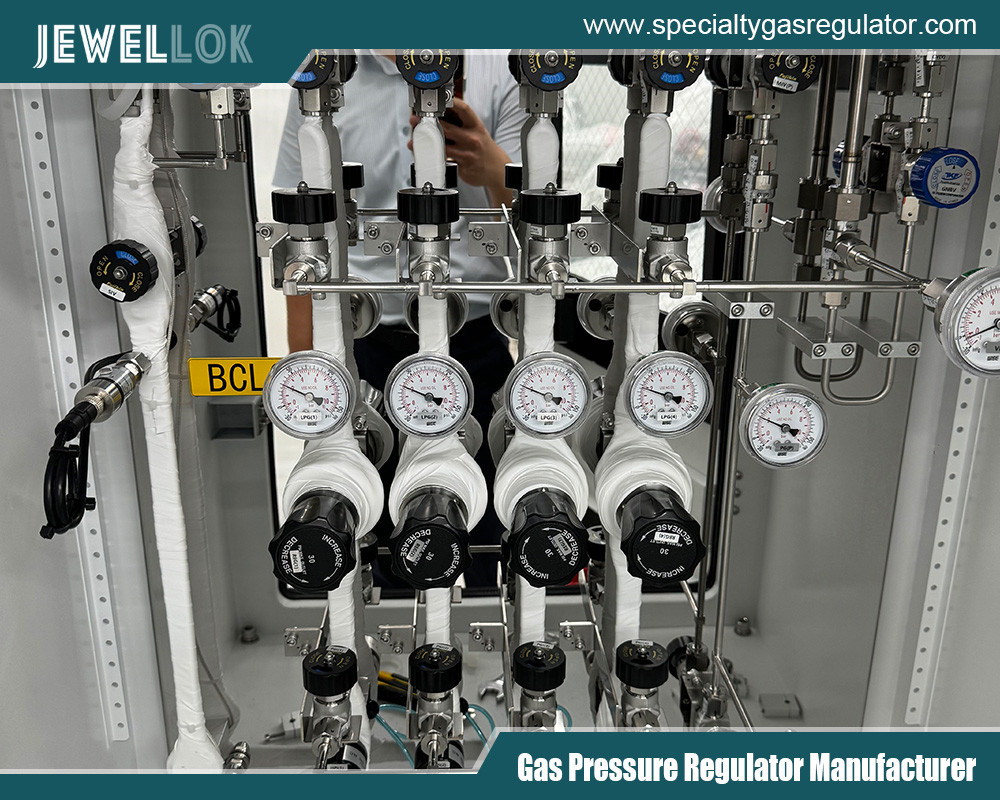
7. Conclusion and Future Trends
The application of corrosion-resistant exhaust gas scrubbers is not merely a regulatory obligation for electroplating and pickling workshops; it is a critical component of operational integrity, asset preservation, and corporate sustainability. By leveraging advanced materials like polypropylene and FRP composites, modern scrubbers are engineered to withstand the aggressive chemical environments they are tasked with controlling.
Looking forward, the industry is evolving towards greater efficiency and intelligence. Future systems will likely incorporate:
-
Smart Controls: Automated control systems using real-time inlet gas analysis to precisely meter scrubbing chemicals, optimizing consumption and reducing operating costs.
-
Energy Recovery: Integrating heat exchangers to capture the thermal energy from hot exhaust streams before scrubbing, using it to pre-heat process baths or workshop spaces.
-
Advanced Media: Development of new packing materials with higher surface area and lower pressure drop to further improve mass transfer efficiency and reduce energy consumption.
-
Zero Liquid Discharge (ZLD): Coupling scrubbers with advanced water treatment to recover and recycle the scrubbing liquor, minimizing water usage and effluent discharge.
As environmental regulations tighten and the focus on industrial sustainability intensifies, the corrosion-resistant scrubber will remain an indispensable tool, ensuring that the essential processes of metal finishing can continue cleanly, safely, and efficiently for decades to come.
For more about combating corrosive environments: the application of corrosion-resistant exhaust gas scrubbers in electroplating and pickling workshops, you can pay a visit to Jewellok at https://www.specialtygasregulator.com/product-category/specialty-gas-cabinet/ for more info.
-
High Purity Bulk Specialty Gas Pressure Control And Filtration Bulk Gas Skid Systems JW-300-BSGS
-
Fully Automated Gas Cabinet For Precise UHP Gas Delivery And High Purity Gas Delivery Systems JW-300-GC
-
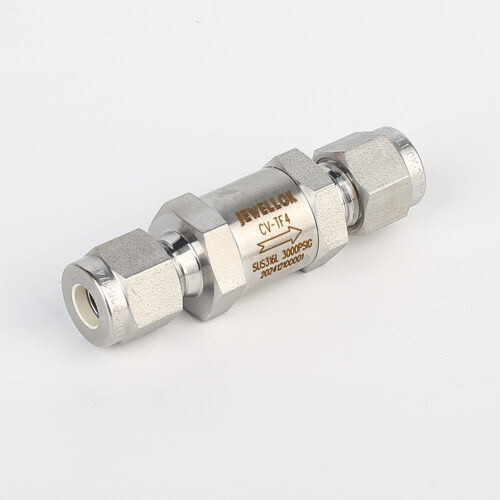
High Pressure High-Purity Welded Check Valves And Low Cracking Pressure Check Valve JCV1 Series
-
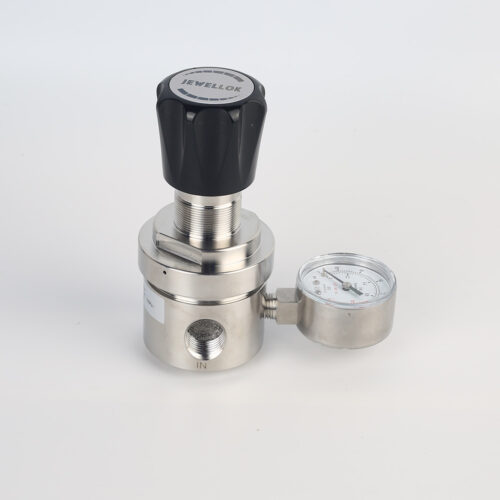
Line And Panel Mounting Adjustable Low Pressure Propane And Nitrogen Pressure Regulator JSR-3L & JSR-3LP Series
-
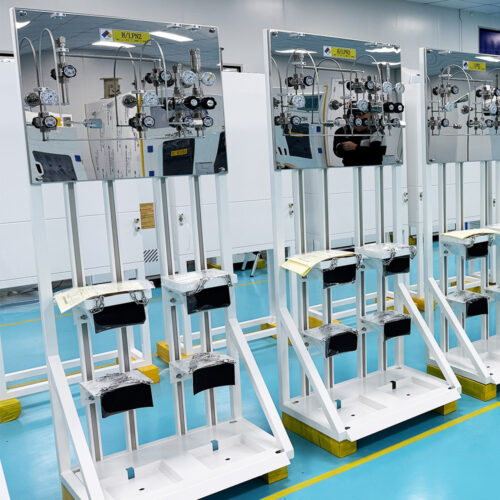
Semi Automatic Gas Cabinet Systems for Handling Toxic and Flammable Process Specialty Gases in High Tech
-
Advanced Exhaust Gas Scrubber System Design for 99% Removal Efficiency of Industrial Toxic Gases
-
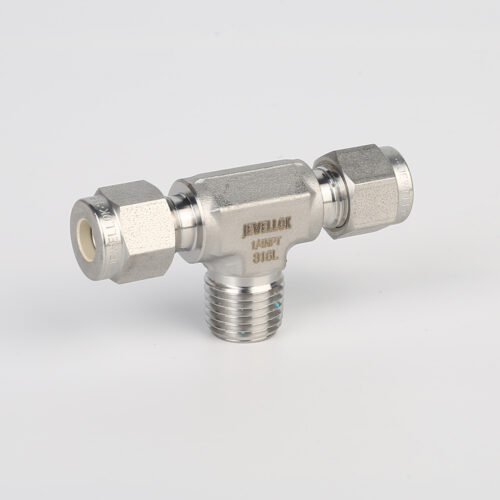
772L Male Branch Tee | Stainless Steel High-Purity Tube Fitting Male Branch Tee
-
High Purity Bulk Gas Delivery Systems for Semiconductor Manufacturing and Advanced Chemical Distribution Infrastructure