
Regulator Manufacturer Tel: +86 13380377051
Regulator Manufacturer Tel: +86 13380377051
What is the function of an exhaust gas scrubber system?
Exhaust gas scrubber systems, often simply referred to as scrubbers, play a crucial role in modern environmental engineering, particularly in industries where combustion processes generate harmful emissions. These systems are designed to clean exhaust gases by removing pollutants before they are released into the atmosphere. The primary function of an exhaust gas scrubber is to reduce the emission of sulfur oxides (SOx), nitrogen oxides (NOx), particulate matter, and other toxic substances from sources like ship engines, power plants, and industrial boilers. By doing so, scrubbers help organizations comply with stringent environmental regulations, such as those set by the International Maritime Organization (IMO) for maritime applications or local air quality standards in industrial settings.
In essence, a scrubber acts as a filtration device that “scrubs” or washes the exhaust gases using a liquid or dry medium. This process not only mitigates air pollution but also contributes to public health by decreasing the release of acid rain precursors and respiratory irritants. As global awareness of climate change and air quality intensifies, the adoption of scrubber technology has surged, making it a key component in sustainable industrial practices.
How Exhaust Gas Scrubbers Work
The core function of an exhaust gas scrubber system is to facilitate a chemical or physical reaction that captures and neutralizes pollutants in the exhaust stream. The process begins when hot exhaust gases from combustion are directed into the scrubber unit. Depending on the type of scrubber, the gases interact with a scrubbing medium—typically water or a chemical solution in wet systems, or a dry sorbent in dry systems.
In wet scrubbers, which are the most common type, the exhaust gas is forced through a spray of scrubbing liquid. This liquid absorbs soluble pollutants like SOx, which react with alkaline substances in the water (such as seawater or a sodium hydroxide solution) to form harmless byproducts like sulfate salts. The particulates in the gas are captured by impaction or diffusion onto water droplets, which then fall out of the gas stream due to gravity or centrifugal force. The cleaned gas exits the scrubber through a demister to remove any remaining moisture, ensuring that only purified exhaust is vented.
Dry scrubbers, on the other hand, use a powdered sorbent like lime or sodium bicarbonate injected into the gas stream. The pollutants react with the sorbent to form solid particles, which are then collected in a fabric filter or electrostatic precipitator. This method is particularly useful in applications where water usage is a concern, such as in arid regions or for certain industrial processes.
The efficiency of a scrubber system is measured by its removal rate, often exceeding 95% for SOx in well-designed units. Factors influencing performance include gas flow rate, temperature, pollutant concentration, and the pH of the scrubbing liquid. Advanced scrubbers incorporate sensors and control systems to monitor these parameters in real-time, adjusting operations to maintain optimal efficiency.
Types of Exhaust Gas Scrubber Systems
Exhaust gas scrubbers can be categorized based on their operational mode and design, each tailored to specific applications and regulatory requirements.
1. Open-Loop Scrubbers: These systems use seawater as the scrubbing medium. The natural alkalinity of seawater neutralizes SOx, and the treated water is discharged back into the ocean after meeting discharge standards. Open-loop scrubbers are popular in maritime shipping due to the abundance of seawater, but they face restrictions in coastal areas with sensitive ecosystems.
2. Closed-Loop Scrubbers: In contrast, closed-loop systems recirculate the scrubbing liquid, typically freshwater mixed with caustic soda. This minimizes water discharge, making it suitable for ports or inland waterways where effluent regulations are strict. The system generates a small amount of bleed-off water that requires treatment to remove accumulated pollutants.
3. Hybrid Scrubbers: Combining features of both open and closed-loop designs, hybrid scrubbers offer flexibility. They can switch modes depending on the operating environment, providing compliance in various regulatory zones without the need for fuel switching.
Beyond wet and dry distinctions, scrubbers may also include selective catalytic reduction (SCR) components for NOx control, where ammonia or urea is injected to convert NOx into nitrogen and water. This integrated approach enhances the overall function of the system, addressing multiple pollutants simultaneously.
Key Components of a Scrubber System
A typical exhaust gas scrubber system comprises several interconnected components that work in harmony to achieve pollutant removal.
– Scrubber Tower: The main vessel where gas-liquid contact occurs. It may feature packing materials or trays to increase surface area for better absorption.
– Pumps and Nozzles: These deliver the scrubbing liquid at high pressure, creating fine droplets for efficient pollutant capture.
– Exhaust Gas Cooler: Often used to reduce gas temperature, improving solubility of pollutants in the liquid.
– Monitoring and Control Systems: Sensors for pH, SOx levels, and flow rates feed data to a programmable logic controller (PLC), enabling automated adjustments.
– Effluent Treatment Unit: For closed-loop systems, this handles the purification of recirculated water and safe disposal of sludge.
– Bypass Valves: Allow exhaust to circumvent the scrubber during maintenance or in emergencies.
These components ensure the system’s reliability, with redundancy features to prevent downtime in critical operations like marine propulsion.
Applications and Benefits
The function of exhaust gas scrubbers extends across various sectors. In the maritime industry, they enable ships to use high-sulfur fuel oil (HSFO) while meeting IMO 2020 sulfur cap limits of 0.5% sulfur content in emissions. This results in significant cost savings compared to switching to low-sulfur fuels. Power plants employ scrubbers to control emissions from coal-fired boilers, reducing acid rain and smog formation. Industrial facilities, such as cement kilns or waste incinerators, use them to comply with emission standards for heavy metals and dioxins.
The benefits are multifaceted. Environmentally, scrubbers lower greenhouse gas contributions indirectly by optimizing fuel use. Economically, they provide a return on investment through fuel flexibility and avoidance of fines. Health-wise, reduced particulate emissions decrease respiratory diseases in populated areas near emission sources.
However, challenges exist. Installation costs can be high, ranging from millions for large vessels. Maintenance is essential to prevent corrosion from acidic gases, and waste management—particularly for closed-loop sludge—requires careful handling to avoid secondary pollution.
Future Trends and Innovations
As regulations evolve, scrubber technology is advancing. Innovations include membrane-based scrubbers for higher efficiency and compact designs for space-constrained applications. Integration with carbon capture systems is emerging, allowing scrubbers to tackle CO2 emissions alongside traditional pollutants. Artificial intelligence is being applied for predictive maintenance, enhancing system longevity and performance.
In summary, the function of an exhaust gas scrubber system is to purify exhaust gases, ensuring environmental compliance and sustainability. By removing harmful pollutants through chemical and physical processes, these systems safeguard air quality and support industrial operations in an eco-conscious world. As technology progresses, scrubbers will remain pivotal in the global shift toward cleaner energy.
For more about what is the function of an exhaust gas scrubber system, you can pay a visit to Jewellok at https://www.specialtygasregulator.com/product-category/specialty-gas-cabinet/ for more info.
-
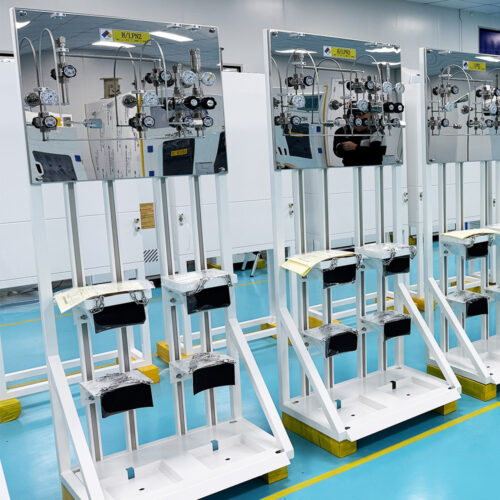
Semi Automatic Gas Cabinet Systems for Handling Toxic and Flammable Process Specialty Gases in High Tech
-
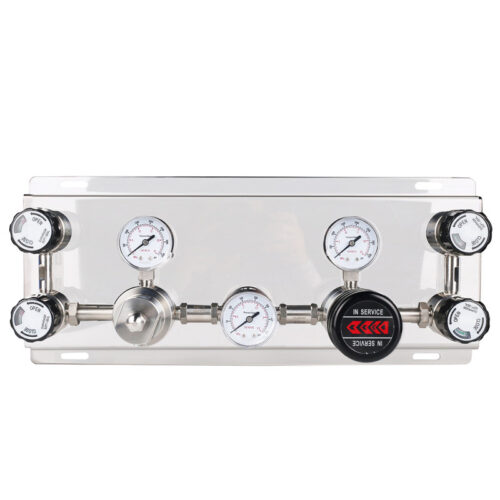
Semi Automatic And Automatic Switching Speicialty Gas Changeover Manifold Panel With Semiconductor Valve Manifold Box Gas Pressure Regulators
-
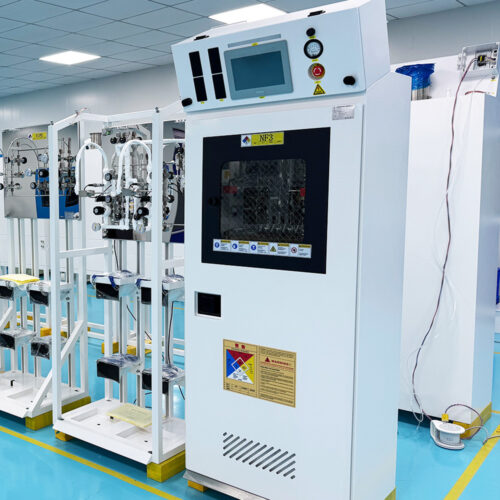
Semi Automatic Gas Cabinet Gas Panels High Purity Gas Delivery Systems JW-200-GC
-
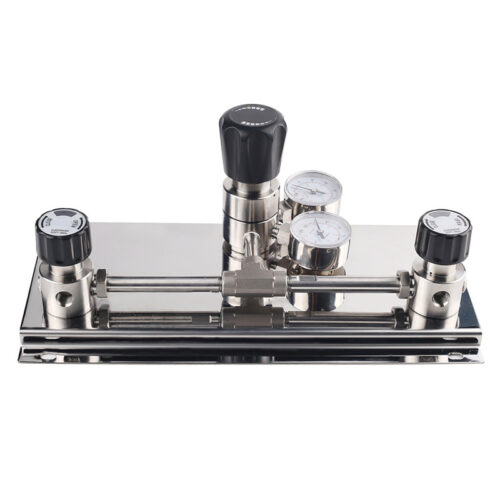
Semi Automatic Oxygen Nitrogen Helium Argon Gas Changeover Manifold Manual Gas Changeover Manifold Panel For Gas Cylinders
-
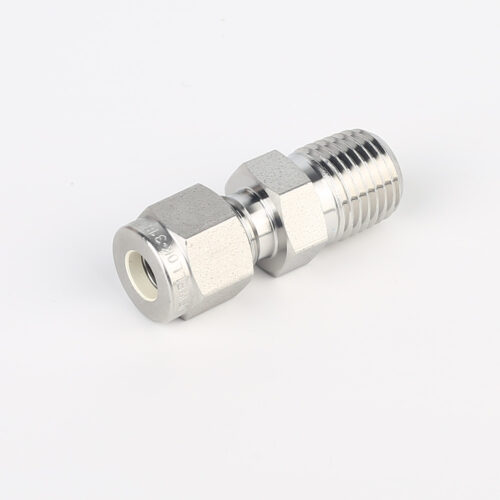
768L Stainless Steel Male Tube Butt Weld Connector | Clean Weld Fittings And Ultra-High Purity Fittings
-
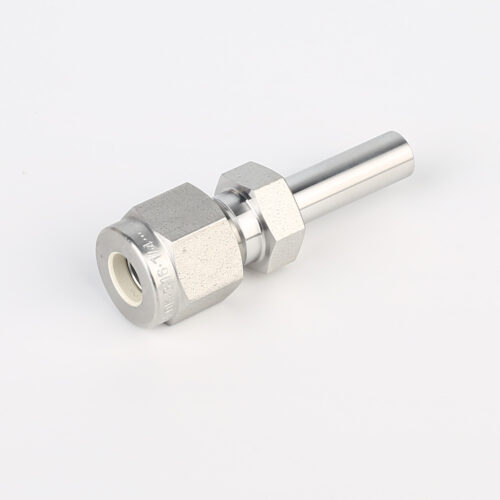
767LT Reducer Pressure Reducing Valve Adjustment High purity Pressure Reducing Union Fittings And Tubing
-
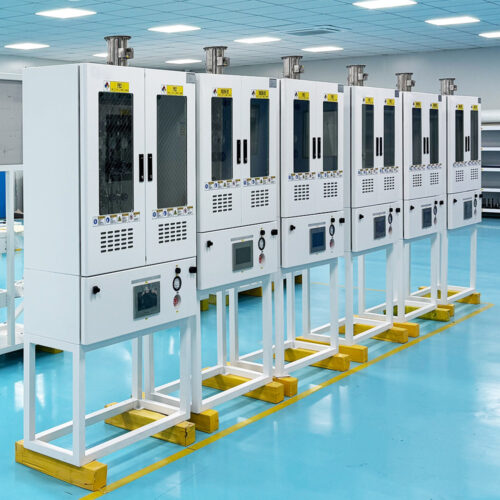
Automated Valve Manifold Box with Leak Detection for Toxic and Flammable Semiconductor Process Gases
-
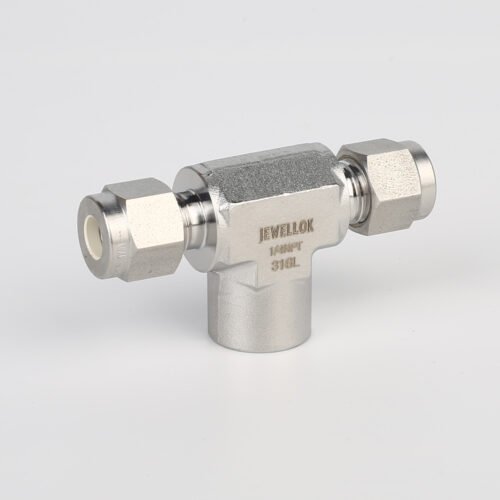
772 LF Female Branch Tee | Stainless Steel Tube Fitting Female Branch Tee 1/2 in. Tube OD x 1/2 in. Tube OD x 3/8 in. Female NPT