
Regulator Manufacturer Tel: +86 13380377051
Regulator Manufacturer Tel: +86 13380377051
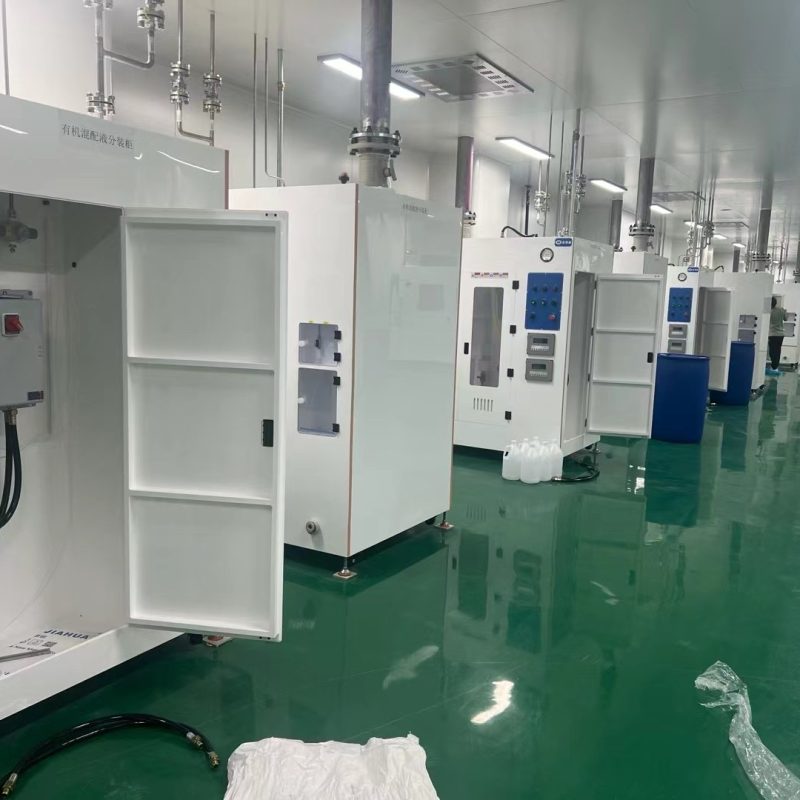
How Gas Treatment Systems in Modern Industry Reduce Enviin modern industryronmental Pollution
Introduction
As global environmental regulations become increasingly stringent, industries are under growing pressure to reduce harmful emissions and improve environmental sustainability. Manufacturing sectors such as semiconductors, pharmaceuticals, chemicals, electronics, metallurgy, laboratories, and energy production generate a wide range of hazardous exhaust gases that can negatively impact air quality, human health, and ecosystems if released without proper treatment.
Gas treatment systems have become an essential part of modern industrial facilities, serving as the final line of defense between industrial processes and the environment. These systems remove or neutralize toxic gases, volatile organic compounds (VOCs), acid gases, particulates, and other hazardous pollutants before they are discharged into the atmosphere.
This article explores how gas treatment systems reduce environmental pollution, examines the major treatment technologies available today, and discusses how businesses can improve operational efficiency while complying with increasingly demanding environmental standards.
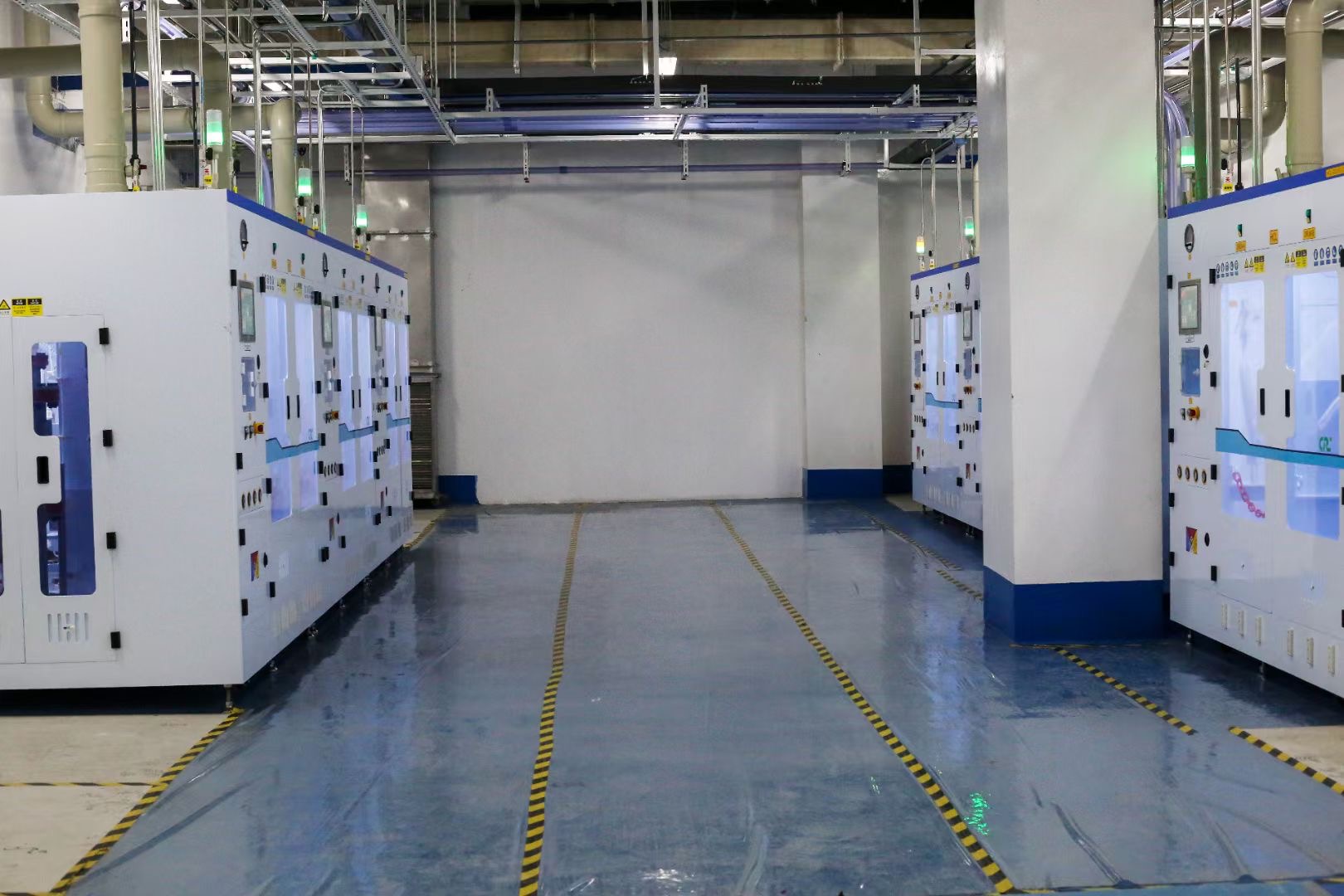
What Is a Gas Treatment System?
A gas treatment system is an engineered pollution-control solution designed to capture, neutralize, filter, or destroy harmful contaminants generated during industrial production.
Depending on the application, a gas treatment system may include:
- Wet scrubbers
- Dry scrubbers
- Packed bed scrubbers
- Chemical scrubbers
- Activated carbon adsorption systems
- Thermal oxidizers
- Catalytic oxidizers
- HEPA and ULPA filtration
- Electrostatic precipitators
- Dust collection equipment
- Multi-stage gas abatement systems
Modern facilities often combine multiple technologies to achieve extremely high removal efficiencies for different pollutants.
Why Industrial Gas Emissions Are an Environmental Concern
Industrial exhaust gases contain numerous pollutants that can seriously affect both public health and the environment.
Common industrial pollutants include:
Acid Gases
Examples include:
- Hydrogen chloride (HCl)
- Hydrogen fluoride (HF)
- Sulfur dioxide (SO₂)
- Nitrogen oxides (NOx)
These gases contribute to:
- Acid rain
- Soil acidification
- Water pollution
- Infrastructure corrosion
Toxic Gases
Examples include:
- Chlorine (Cl₂)
- Ammonia (NH₃)
- Hydrogen sulfide (H₂S)
- Phosphine (PH₃)
- Arsine (AsH₃)
Even low concentrations may pose serious health risks to workers and surrounding communities.
Volatile Organic Compounds (VOCs)
Common VOC sources include:
- Paint manufacturing
- Semiconductor fabrication
- Chemical processing
- Pharmaceutical production
- Printing industries
VOCs contribute to:
- Ground-level ozone
- Smog formation
- Respiratory illnesses
- Greenhouse gas emissions
Fine Particulate Matter
Industrial dust may contain:
- Heavy metals
- Silica
- Carbon particles
- Toxic chemical residues
Without effective filtration, these particles become airborne and significantly degrade air quality.
How Gas Treatment Systems Protect the Environment
1. Removing Hazardous Chemical Pollutants
One of the primary functions of a gas treatment system is removing hazardous chemicals before they enter the atmosphere.
Chemical scrubbers use specially formulated neutralizing solutions to absorb contaminants.
Typical neutralization reactions include:
- Acid gas + alkaline solution
- Ammonia + acidic solution
- Chlorine + sodium hydroxide
The resulting byproducts are converted into safer compounds that can be properly managed through wastewater treatment systems.
This process dramatically reduces harmful atmospheric emissions.
2. Eliminating Volatile Organic Compounds (VOCs)
VOCs are among the most regulated industrial pollutants worldwide.
Gas treatment systems remove VOCs through several technologies:
Activated Carbon Adsorption
Activated carbon provides an enormous internal surface area that traps VOC molecules.
Advantages include:
- High removal efficiency
- Low operating temperature
- Minimal maintenance
- Excellent performance for low-concentration VOCs
Thermal Oxidation
Thermal oxidizers destroy VOCs by heating contaminated gases to extremely high temperatures.
Organic compounds are converted into:
- Carbon dioxide
- Water vapor
Modern regenerative thermal oxidizers (RTOs) can achieve destruction efficiencies exceeding 99%.
Catalytic Oxidation
Catalytic oxidizers achieve similar destruction rates but operate at significantly lower temperatures.
Benefits include:
- Lower fuel consumption
- Reduced operating costs
- Smaller carbon footprint
3. Controlling Acid Gas Emissions
Acid gases can severely damage ecosystems if discharged untreated.
Wet scrubbers remove these contaminants through liquid absorption.
Typical absorbents include:
- Sodium hydroxide
- Calcium hydroxide
- Sodium carbonate
Removal efficiencies often exceed 99% for many acid gases.
This significantly reduces:
- Acid rain
- Soil contamination
- Corrosion
- Aquatic ecosystem damage
4. Reducing Greenhouse Gas Impact
Although gas treatment systems do not eliminate all greenhouse gases, they help minimize indirect emissions by:
- Improving combustion efficiency
- Recovering process gases
- Preventing leaks
- Optimizing energy consumption
Many advanced systems also recover heat generated during gas treatment for reuse in manufacturing processes, improving overall energy efficiency.
5. Preventing Toxic Gas Release
Certain manufacturing processes use highly hazardous specialty gases.
Examples include:
- Silane (SiH₄)
- Phosphine
- Arsine
- Boron trichloride
- Chlorine
- Hydrogen fluoride
Gas treatment systems rapidly neutralize accidental releases before they reach occupied workspaces or the surrounding environment.
This provides critical protection for:
- Employees
- Nearby communities
- Sensitive ecosystems
Major Gas Treatment Technologies
Wet Scrubber Systems
Wet scrubbers remain one of the most widely used gas treatment technologies.
Operating principle:
- Polluted gas enters the scrubber.
- Scrubbing liquid contacts the gas.
- Pollutants dissolve or react chemically.
- Clean gas exits the system.
Advantages include:
- High efficiency
- Continuous operation
- Excellent acid gas removal
- Proven reliability
Applications:
- Chemical plants
- Semiconductor fabs
- Pharmaceutical facilities
- Metal processing
Dry Scrubber Systems
Dry scrubbers use dry sorbents instead of liquids.
Common sorbents include:
- Activated alumina
- Sodium bicarbonate
- Lime
- Activated carbon
Advantages:
- Lower water consumption
- Simplified maintenance
- Reduced wastewater generation
Packed Bed Scrubbers
Packed towers maximize contact between gas and scrubbing liquid.
Benefits include:
- Increased mass transfer
- Higher removal efficiency
- Lower chemical consumption
- Stable long-term performance
Packed bed scrubbers are particularly effective for semiconductor and chemical applications.
Activated Carbon Systems
Activated carbon adsorption is highly effective for:
- VOC removal
- Solvent recovery
- Odor control
- Organic vapor treatment
Spent carbon can often be regenerated, reducing operating costs.
Thermal Oxidizers
Thermal oxidizers are widely used for:
- High VOC concentrations
- Solvent destruction
- Hazardous organic gases
Benefits include:
- Extremely high destruction efficiency
- Reliable operation
- Long service life
Industries That Benefit from Gas Treatment Systems
Semiconductor Manufacturing
Semiconductor production generates numerous hazardous gases including:
- Fluorinated gases
- Chlorine compounds
- Ammonia
- Hydrogen fluoride
Gas treatment systems protect:
- Cleanroom environments
- Operators
- Equipment
- Surrounding communities
Pharmaceutical Manufacturing
Pharmaceutical facilities release:
- Organic solvents
- Chemical vapors
- Fine powders
Proper gas treatment ensures compliance with environmental regulations while protecting product quality.
Chemical Processing
Chemical plants often produce:
- Acid gases
- Toxic vapors
- VOCs
- Sulfur compounds
Customized multi-stage scrubber systems provide reliable emission control.
Electronics Manufacturing
Electronics production frequently uses:
- Solvents
- Cleaning chemicals
- Etching gases
Modern gas treatment systems effectively manage these emissions while supporting sustainable manufacturing.
Metal Processing
Processes including:
- Pickling
- Electroplating
- Smelting
- Surface treatment
produce acid fumes and metal-containing particulates that require specialized treatment before release.
Environmental Benefits Beyond Compliance
Many companies initially install gas treatment systems to satisfy regulatory requirements. However, the long-term benefits extend far beyond compliance.
Environmental advantages include:
- Reduced air pollution
- Improved workplace safety
- Lower ecological impact
- Better corporate sustainability performance
- Reduced community complaints
- Enhanced public image
- Improved ESG performance
- Support for carbon reduction initiatives
These benefits strengthen relationships with regulators, customers, investors, and local communities.
Smart Technologies Improving Gas Treatment Efficiency
Today’s gas treatment systems are becoming increasingly intelligent.
Modern features include:
Real-Time Gas Monitoring
Continuous monitoring detects changes in:
- Gas concentration
- Pressure
- Flow rate
- Temperature
Operators can respond immediately to abnormal conditions.
Automated Chemical Dosing
Smart controllers automatically adjust neutralizing chemical dosage according to pollutant concentrations.
Benefits include:
- Reduced chemical waste
- Stable treatment efficiency
- Lower operating costs
Predictive Maintenance
Sensors continuously monitor equipment health.
Artificial intelligence can predict maintenance requirements before failures occur.
Advantages include:
- Less downtime
- Lower maintenance expenses
- Longer equipment life
- Improved operational reliability
Remote Monitoring
Industrial Internet of Things (IIoT) technology enables engineers to monitor system performance remotely.
Data analytics improve:
- Energy efficiency
- Chemical consumption
- Preventive maintenance
- Environmental reporting
Selecting the Right Gas Treatment System
Choosing the appropriate system requires careful evaluation of multiple factors.
Important considerations include:
- Gas composition
- Pollutant concentration
- Gas temperature
- Humidity
- Airflow rate
- Required removal efficiency
- Local environmental regulations
- Future production expansion
- Maintenance requirements
- Total lifecycle cost
Customized engineering solutions generally provide better performance than standardized equipment for complex industrial applications.
Best Practices for Maximizing Environmental Performance
To ensure long-term pollution reduction, facilities should follow these best practices:
- Conduct regular emissions testing and environmental audits.
- Monitor pressure drop, flow rate, and scrubber efficiency continuously.
- Replace filtration media and activated carbon according to recommended schedules.
- Maintain proper chemical concentrations in wet scrubber solutions.
- Calibrate sensors and gas detection instruments routinely.
- Train operators in emergency response and safe handling procedures.
- Integrate gas treatment systems with plant-wide environmental monitoring platforms.
- Analyze operational data regularly to optimize energy use and chemical consumption.
- Perform preventive maintenance to minimize unplanned downtime.
- Review system performance periodically to ensure compliance with evolving environmental regulations.
Future Trends in Gas Treatment Technology
As industries pursue carbon neutrality and sustainable manufacturing, gas treatment technologies continue to evolve.
Emerging trends include:
- AI-driven process optimization
- Digital twin technology for predictive performance analysis
- Low-energy gas treatment systems
- Advanced catalytic materials with higher conversion efficiencies
- Hybrid wet-dry treatment systems
- Resource recovery from exhaust streams
- Integration with renewable energy sources
- Zero-liquid-discharge (ZLD) treatment concepts
- Carbon capture and utilization (CCU) technologies
- Fully automated environmental management systems
These innovations will further reduce emissions, lower operating costs, and support global climate objectives.
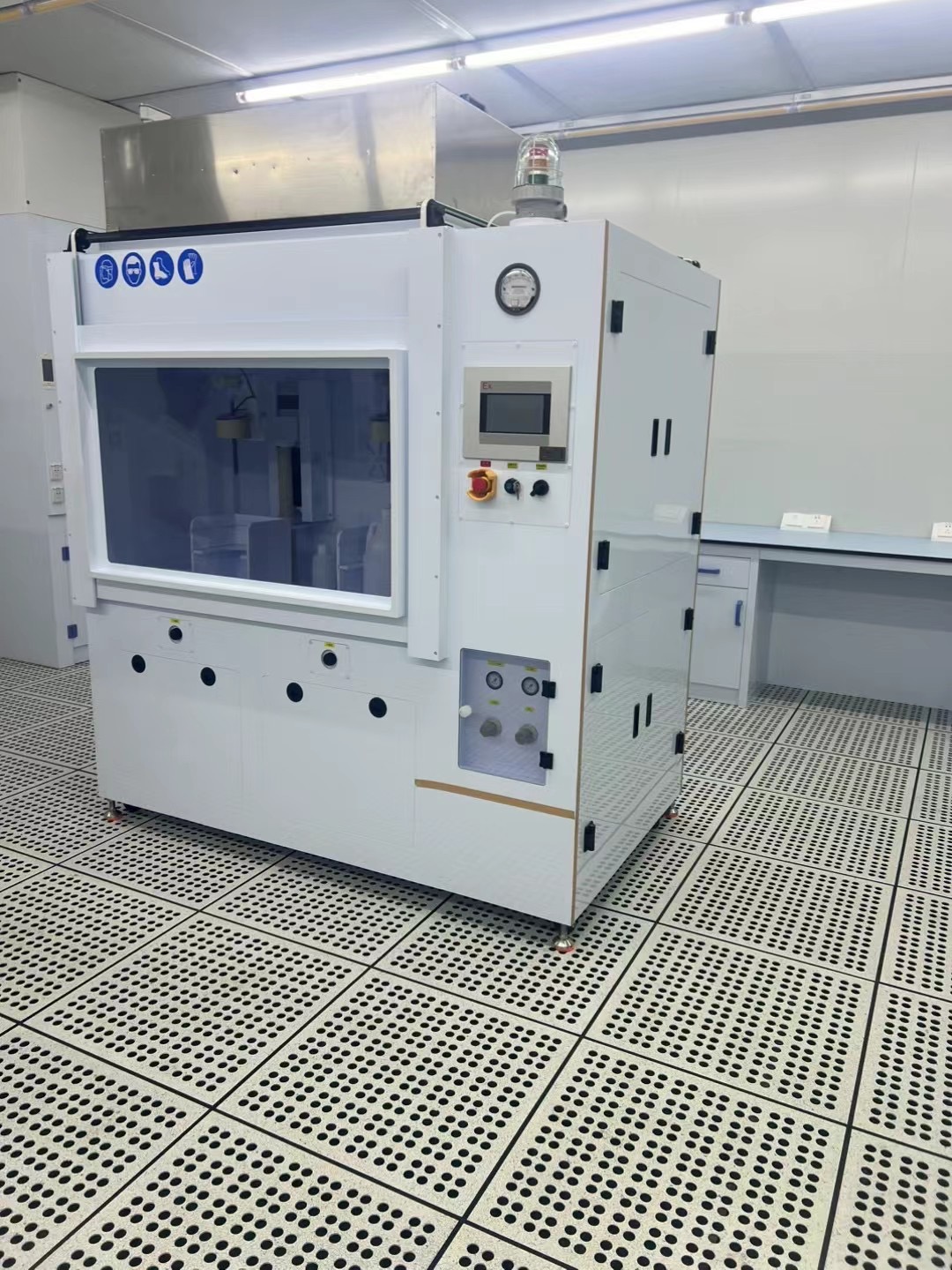
Conclusion
Gas treatment systems play a vital role in reducing environmental pollution by removing hazardous gases, volatile organic compounds, acid gases, particulate matter, and toxic chemical emissions before they are released into the atmosphere. Through advanced technologies such as wet scrubbers, dry scrubbers, activated carbon adsorption, thermal oxidation, catalytic oxidation, and intelligent monitoring systems, industries can significantly improve air quality while ensuring regulatory compliance and protecting public health.
Beyond meeting environmental regulations, modern gas treatment systems contribute to safer workplaces, lower operating costs, enhanced sustainability performance, and stronger corporate environmental responsibility. As industrial processes become more complex and emission standards continue to tighten, investing in high-efficiency gas treatment solutions is no longer simply a regulatory obligation—it is a strategic investment in operational excellence, environmental stewardship, and long-term business competitiveness.
For manufacturers in semiconductor, chemical, pharmaceutical, electronics, and advanced industrial sectors, selecting a properly engineered gas treatment system is one of the most effective ways to achieve cleaner production, reduce environmental impact, and build a more sustainable future.
For more about how gas treatment systems in modern industry reduce environmental pollution, you can pay a visit to Jewellok at https://www.specialtygasregulator.com/product-category/specialty-gas-cabinet/ for more info.
-
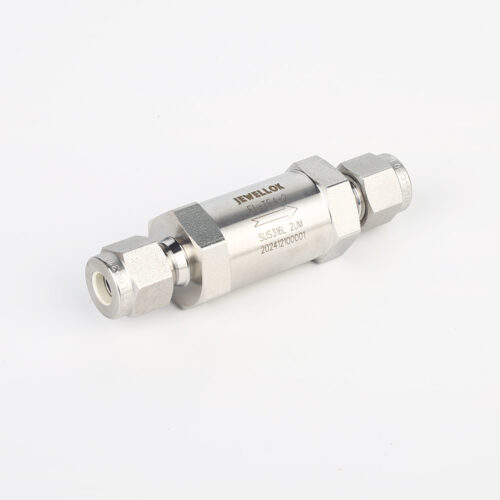
JF Series In-Line Gas Filters | High Purity High Precision High Flow Semiconductor Gas Filter Gas Filtration & Purification
-
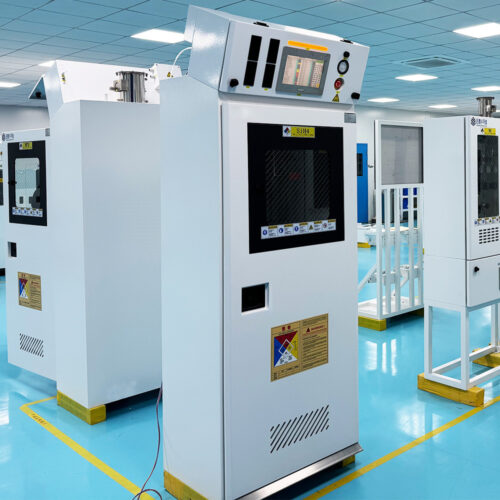
Advanced Bulk Specialty Gas Systems BSGS Gas Cabinet for Safe Handling of Toxic and Flammable Process Gases
-
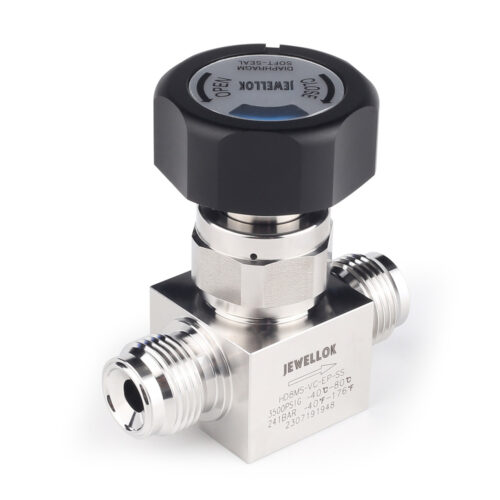
Stainless Steel Ultra High Purity (UHP) High Pressure Manual Diaphragm Valve
-
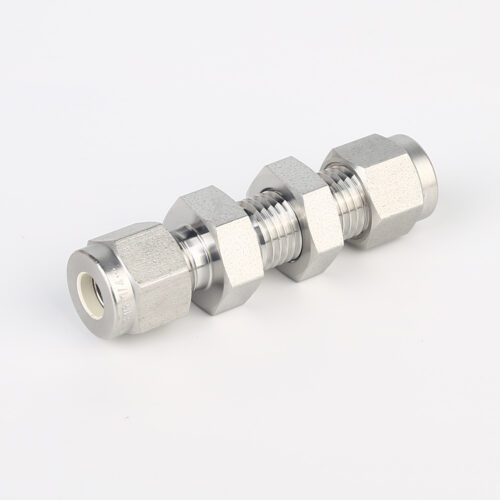
774L Stainless Steel UHP Fittings Butt Weld Bulkhead Union For High Flow Special Gas Fluid
-
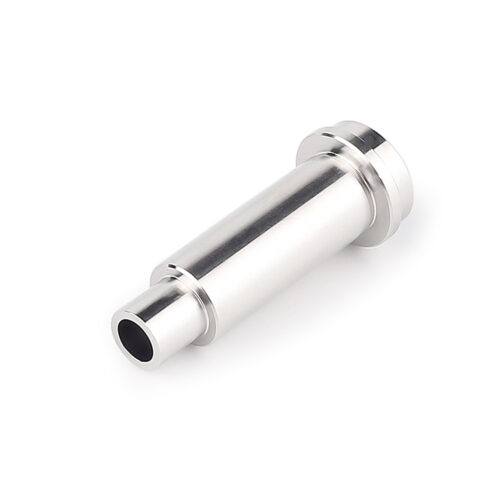
UHP Metal Gasket Face Seal Fittings Vacuum Coupling Metal Face Seal Join Long Gland And Short Gland
-
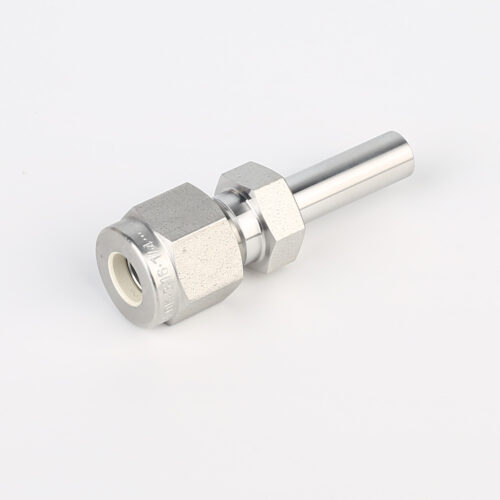
767LT Reducer Pressure Reducing Valve Adjustment High purity Pressure Reducing Union Fittings And Tubing
-
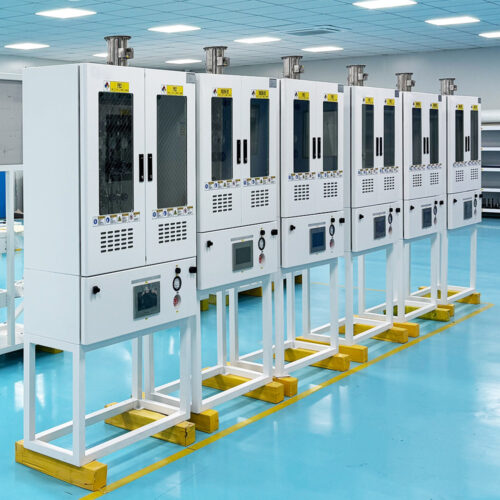
Integrated Gas Delivery Solutions with VMB Valve Manifold Box and Automatic Gas Switchover Systems for Industrial
-
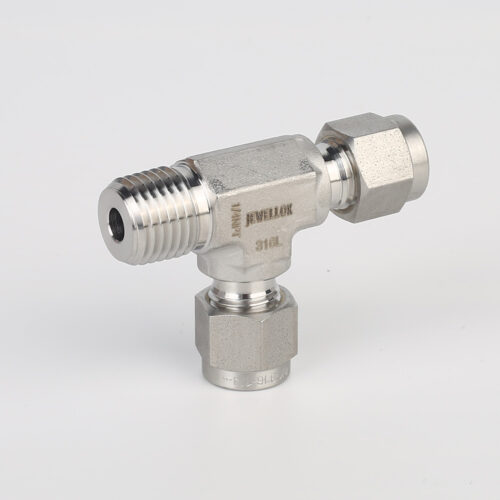
771L Male Run Tee | Stainless Steel High Quality High Purity Male Run Tee Branch Tee Pipe Fittings