
Regulator Manufacturer Tel: +86 13380377051
Regulator Manufacturer Tel: +86 13380377051
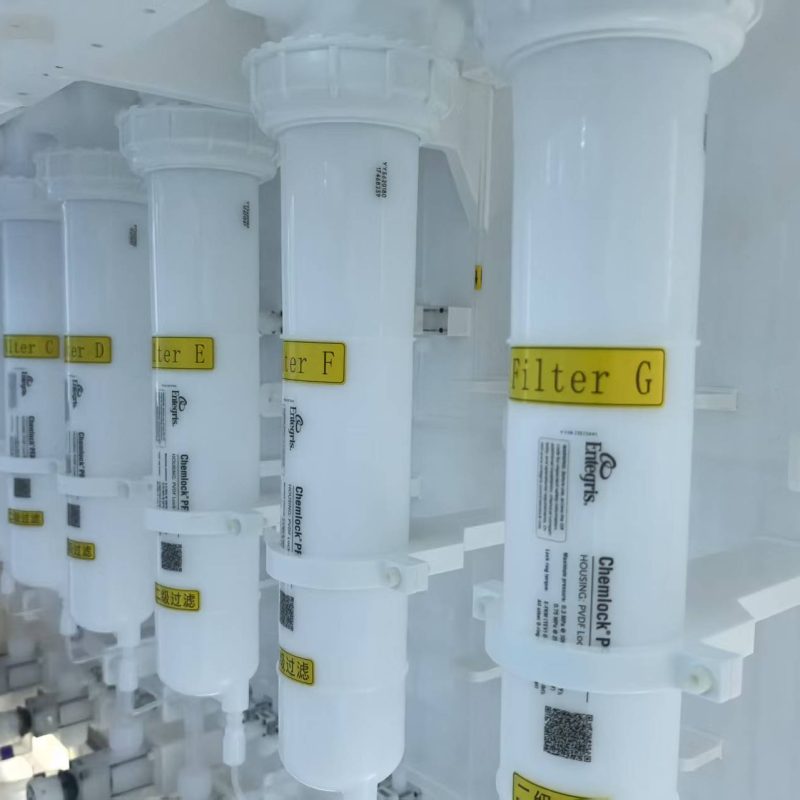
Exhaust Gas Treatment System: Engineering Solutions for Semiconductor and Chemical Manufacturing
The evolution of industrial manufacturing, particularly in the semiconductor and chemical processing sectors, has led to the generation of increasingly complex and hazardous waste gas streams. The Exhaust Gas Treatment System (EGTS) has emerged as a critical infrastructure component, designed not merely for regulatory compliance but as an integral part of process safety management and environmental stewardship. This article explores the architecture, core technologies, and operational challenges of modern EGTS. It delves into the distinct requirements of semiconductor fabrication plants (fabs) and chemical processing facilities, examining the engineering principles behind combustion, wet scrubbing, dry adsorption, and plasma-based abatement technologies. Furthermore, the discussion addresses the shift toward “green” abatement, emphasizing water conservation, energy efficiency, and the recovery of valuable byproducts.
1. Introduction
Industrial production is inherently tied to the generation of byproducts. In high-precision industries such as semiconductor manufacturing and large-scale chemical synthesis, these byproducts are often present in exhaust streams as perfluorinated compounds (PFCs), volatile organic compounds (VOCs), acid gases, and pyrophoric or toxic substances. The release of such gases without treatment poses significant risks: environmental damage (such as global warming potential from PFCs), health hazards to personnel and surrounding communities, and corrosion or damage to facility infrastructure.
The Exhaust Gas Treatment System serves as the final line of defense in the manufacturing process. Unlike general industrial ventilation, an EGTS is a complex, multi-stage process engineering system. It must handle fluctuating flow rates, variable chemical loads, and high-temperature effluents while maintaining near-perfect uptime, as any failure in the system typically mandates an immediate halt to production to prevent backflow or contamination of cleanroom environments.
2. Sources and Composition of Waste Gases
To design an effective treatment system, one must first characterize the waste stream. The composition differs drastically between the two primary industries served.
2.1 Semiconductor Manufacturing
Semiconductor fabrication is a cyclical process of deposition, lithography, and etching. The exhaust gases originate primarily from chemical vapor deposition (CVD), etch reactors, and epitaxy tools.
-
Perfluorinated Compounds (PFCs): Gases such as CF₄, C₂F₆, NF₃, and SF₆ are used extensively for chamber cleaning and etching. These compounds are highly stable and possess global warming potentials (GWP) thousands of times greater than CO₂.
-
Pyrophoric and Flammable Gases: Silane (SiH₄), hydrogen (H₂), and dichlorosilane are common. These gases can spontaneously ignite upon contact with air.
-
Acidic and Corrosive Gases: Hydrogen chloride (HCl), chlorine (Cl₂), and hydrogen fluoride (HF) are used in dry etching.
-
Volatile Organic Compounds (VOCs): Photoresists, solvents, and developers release VOCs such as propylene glycol monomethyl ether acetate (PGMEA) and acetone during lithography processes.
2.2 Chemical Processing
The chemical industry deals with large-scale continuous or batch reactions. The exhaust here is characterized by high volumetric flow rates and a diverse range of chemicals.
-
Hydrocarbons and VOCs: Often present in high concentrations, requiring oxidation.
-
Sulfur Compounds: Hydrogen sulfide (H₂S) and sulfur dioxide (SO₂) from refining or synthesis.
-
Nitrogen Oxides (NOx): Generated from nitration reactions or high-temperature oxidation of nitrogen in combustion processes.
-
Particulate Matter: Catalyst dust, polymer residues, and ash.
3. Core Technologies in Exhaust Gas Treatment
A modern EGTS is rarely a single unit; it is a train of technologies selected based on the “abatement hierarchy” and the specific chemical profile of the waste stream.
3.1 Point-of-Use (POU) Abatement
In semiconductor fabs, the industry standard is Point-of-Use (POU) abatement. Here, treatment occurs at the tool level before the gas enters the main facility exhaust ductwork.
-
Combustion / Pyrolysis: For PFCs and pyrophoric gases, thermal oxidation is the most effective. Systems utilize electric heaters, natural gas burners, or hydrogen burners to raise the gas temperature to 700–1,100°C. At these temperatures, stable PFCs break down into HF, CO₂, and water vapor. “Burn/Wet” combinations are common, where combustion is immediately followed by water quenching.
-
Plasma Abatement: This technology uses a plasma arc or inductive coupling to generate reactive species. It is highly effective for PFCs and allows for operation at lower temperatures than combustion, reducing the fire risk associated with hydrogen or natural gas lines in the subfab. Plasma systems excel at destroying high concentrations of NF₃.
-
Wet Abatement (Scrubbers): While often used as secondary systems, wet scrubbers are also used as POU units for water-soluble gases (e.g., HCl, NH₃). They function by bringing the gas into contact with a scrubbing liquid, typically water or a caustic solution, to absorb soluble components.
3.2 Centralized Scrubber Systems
For chemical plants and for general exhaust from semiconductor fabs (such as lithography VOCs), centralized systems are employed to handle high volumes at lower concentrations.
-
Venturi Scrubbers: These are high-energy devices that use a venturi throat to atomize water. They are exceptionally efficient at removing fine particulate matter and soluble gases. The high velocity creates turbulent mixing, ensuring mass transfer.
-
Packed Bed Scrubbers: These towers are filled with plastic or metal packing media that increases the surface area for gas-liquid contact. They are ideal for absorbing acid gases (HCl, HF, SO₂) or basic gases (NH₃) using counter-flow liquid streams containing sodium hydroxide or sulfuric acid.
-
Rotary Concentrators + Oxidizers: For VOC control in semiconductor fabs, where the air volume is massive but VOC concentration is low, a zeolite rotor concentrator is used. The rotor adsorbs VOCs, concentrates them into a smaller air stream, which is then fed into a Regenerative Thermal Oxidizer (RTO) for destruction at 800–900°C. This dramatically reduces the energy footprint compared to heating the entire exhaust volume.
3.3 Dry Scrubbers and Adsorption
For specific applications where water usage is prohibitive or where the target gases are hydrophobic, dry systems are utilized.
-
Dry Chemical Scrubbers: These use media beds containing virgin or impregnated activated carbon, or specialized chemical reactants (e.g., calcium hydroxide, sodium bicarbonate). They are commonly used in semiconductor subfabs as a backup to wet systems or for point-of-use abatement for boron compounds (B₂H₆) and other specialty gases that react poorly with water.
-
Activated Carbon Filters: Used primarily for VOCs and odor control, carbon adsorbs organic molecules. However, spent carbon is considered hazardous waste, limiting its use for high-concentration streams.
4. System Architecture and Integration
The architecture of an EGTS is defined by the tension between safety, redundancy, and cost.
4.1 Sub-Fab vs. Rooftop vs. Central Plant
In semiconductor fabs, the “sub-fab” (the floor below the cleanroom) houses the POU abatement systems. This minimizes the length of toxic gas lines. After POU treatment, the exhaust enters a “main” header system. Depending on the facility design, this header may lead to a central wet scrubber (often a large-scale packed tower or cross-flow scrubber) on the rooftop or at the facility perimeter to polish the gas before release to the atmosphere.
Chemical plants typically bypass POU and route all vents to a central flare or RTO system via a complex network of corrosion-resistant ductwork, often made of stainless steel or lined with fire-retardant materials.
4.2 Material Selection and Corrosion Control
One of the most significant engineering challenges is corrosion. The presence of HF, HCl, and sulfuric acid mist requires careful material selection.
-
Stainless Steel (316L): Suitable for dry systems and some wet applications but susceptible to chloride stress corrosion cracking.
-
Hastelloy and Inconel: Used in high-temperature zones (combustion chambers) and critical POU units where extreme corrosion resistance is required.
-
Polypropylene (PP) and Polyvinylidene Fluoride (PVDF): Widely used for ductwork downstream of wet scrubbers and for scrubber vessel construction due to their superior acid resistance and low weight.
-
Fluoropolymer Linings: PTFE or PFA linings are often employed in metal ducts to combine structural strength with chemical inertness.
4.3 Safety Instrumented Systems (SIS)
An EGTS is governed by strict safety logic. The system is typically interlocked with the manufacturing tools. If the exhaust flow drops below a set point, or if the abatement device fails (e.g., flame-out in a combustor, scrubber pump failure), an interlock signal halts the manufacturing process to prevent backpressure or toxic accumulation. Key safety components include:
-
LFL (Lower Flammable Limit) Monitors: Ensure that flammable gas concentrations remain below 25% of the LFL to prevent explosions in the ductwork.
-
Sprinkler Systems: Installed in ducts to suppress fires caused by pyrophoric gas ignition.
-
Emergency Scrubbers: Standby systems designed to handle the worst-case scenario, such as a full reactor venting event in a chemical plant.
5. Performance Metrics and Environmental Compliance
The effectiveness of an EGTS is measured by its Destruction Removal Efficiency (DRE). For PFCs in the semiconductor industry, regulations (such as the US EPA’s GHG Reporting Rule or the European Union’s F-Gas Regulation) typically mandate a DRE of 90% to 99% for specific gases. Achieving this requires precise control of temperature, residence time (the time gas remains in the treatment zone), and turbulence.
For chemical plants, compliance is measured against National Ambient Air Quality Standards (NAAQS) and Maximum Achievable Control Technology (MACT) standards. Continuous Emission Monitoring Systems (CEMS) are often required on stacks to provide real-time data on NOx, SO₂, CO, and VOC concentrations to regulatory bodies.
6. Operational Challenges and Maintenance
Despite robust engineering, EGTSs are subject to harsh operating conditions that lead to maintenance challenges.
-
Particulate Fouling: In combustion systems, silicon dioxide (SiO₂) dust, a byproduct of silane combustion, forms a fine, abrasive powder that can clog scrubber nozzles, ducts, and heat exchangers. Automated cleaning cycles (pulse jets or water lances) are often required.
-
Nozzle Plugging: Recirculated scrubbing liquids often contain precipitated salts. Maintaining high-pressure spray nozzles is critical for maintaining gas-liquid contact efficiency.
-
Effluent Treatment: The liquid waste from wet scrubbers (scrubber blowdown) contains high concentrations of dissolved salts, acids, and metals. This stream must be treated in a facility’s wastewater treatment plant (WWTP), often involving pH neutralization and heavy metal precipitation before discharge.
7. The Shift Toward Sustainability
Historically, exhaust gas treatment system has been energy-intensive. A single POU combustor for a semiconductor etch tool can consume the equivalent electricity of several households. However, the industry is pivoting toward sustainability.
-
Energy Recovery: Modern RTOs achieve thermal efficiencies of 95%+ by using ceramic media to capture and reuse heat from the oxidation process. Similarly, some POU systems now incorporate heat exchangers to preheat incoming gases, reducing fuel or electricity consumption.
-
Water Conservation: Conventional wet scrubbers are significant water consumers. To address this, “dry” or “minimal water” abatement technologies are gaining traction. These systems use advanced oxidation or plasma to destroy gases without the need for continuous water flow, or they utilize closed-loop water systems that recycle scrubbing liquid, dramatically reducing net water usage.
-
Byproduct Recovery: Emerging technologies focus on circularity. For instance, instead of simply scrubbing sulfur compounds, some systems are designed to recover elemental sulfur or concentrated sulfuric acid. In semiconductor fabs, research is ongoing into recovering high-purity HF from PFC abatement byproducts for reuse in the cleaning process.
8. Future Trends
As semiconductor nodes shrink to 3nm and below, the complexity of precursor gases increases. New materials like cobalt, ruthenium, and complex metal oxides require new abatement strategies to ensure that the byproducts are non-toxic and non-reactive.
Similarly, the rise of green hydrogen and battery chemical production introduces new challenges. Lithium-ion battery plants produce solvents like N-Methyl-2-pyrrolidone (NMP), which, while recoverable, require specialized condensation and abatement systems to manage large volumes.
The future EGTS will likely be smart. Using AI and machine learning, systems will predict fouling events, optimize chemical dosing for scrubbers in real-time based on sensor input (pH, ORP), and predict maintenance windows to maximize uptime. The integration of digital twins will allow facility engineers to simulate gas flow and reaction dynamics, ensuring that the system remains resilient even as manufacturing processes change.
9. Conclusion
The Exhaust Gas Treatment System is a cornerstone of modern industrial infrastructure. It is a complex assembly of thermal, chemical, and mechanical processes that operates at the intersection of manufacturing productivity, worker safety, and environmental protection. For the semiconductor and chemical industries, where the margin for error is zero, the EGTS is not merely a “end-of-pipe” solution but a sophisticated engineering discipline that demands continuous innovation.
As regulatory pressures intensify and corporate sustainability goals become more aggressive, the focus of EGTS engineering is shifting from mere compliance to resource efficiency. The next generation of systems will be defined by their ability to operate with minimal energy and water input while maximizing the recovery of valuable materials. Ultimately, the effectiveness of an Exhaust Gas Treatment System determines not only the regulatory standing of a facility but also its license to operate in an increasingly environmentally conscious world.
For more about the exhaust gas treatment system: engineering solutions for semiconductor and chemical manufacturing, you can pay a visit to Jewellok at https://www.specialtygasregulator.com/product-category/specialty-gas-cabinet/ for more info.
-
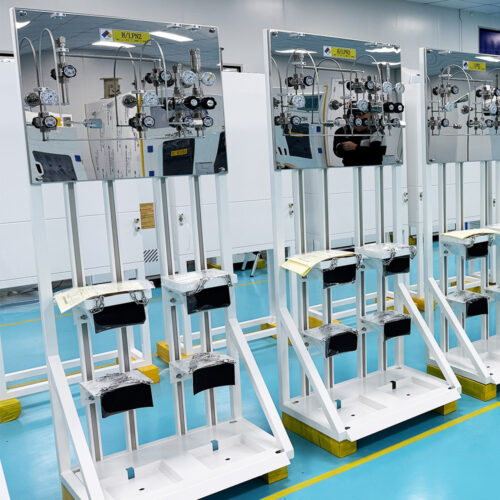
Manual Gas Rack High Purity Gas Delivery Systems JW-100-GR
-
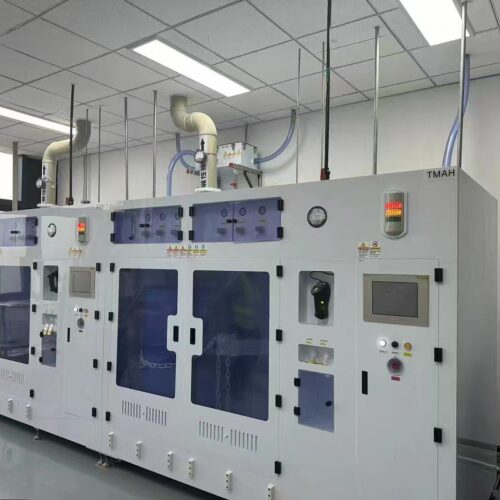
Integrated Bulk Chemical Delivery System and Automatic CDU Solutions for Safe Hazardous Chemical Fluid Handling
-
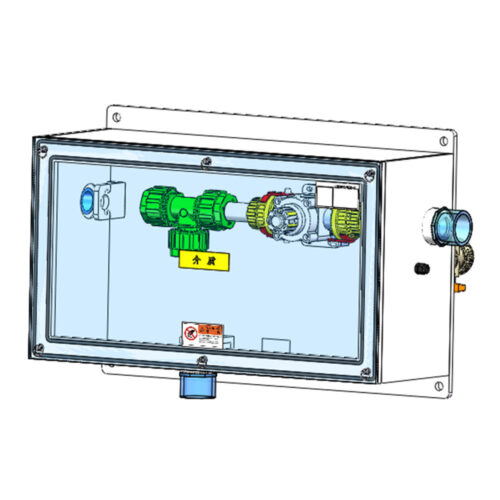
FT-BOX JW-FTB-C Valve Manifold Panels And Boxes With High Purity Configurable Systems
-
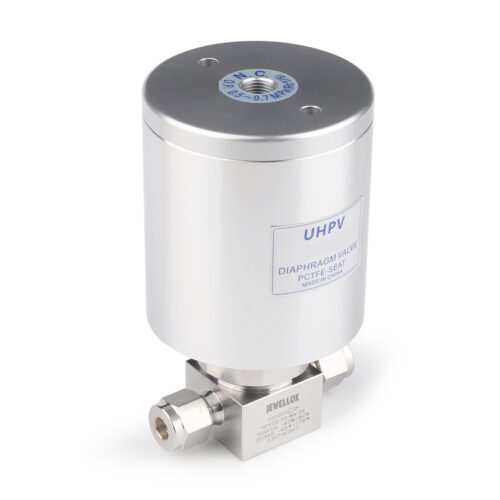
High Pressure High Temperature Pneumatic Ultrahigh Purity Stainless Steel Diaphragm Valves
-
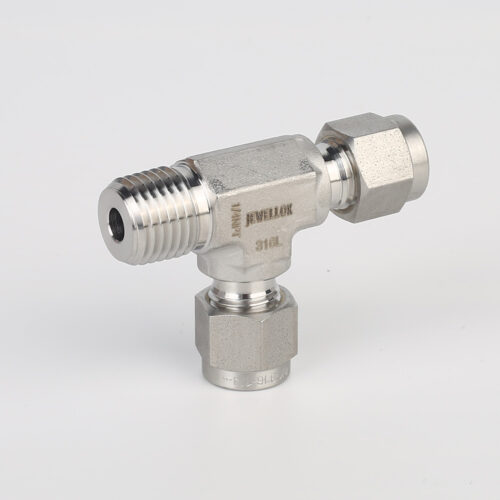
771L Male Run Tee | Stainless Steel High Quality High Purity Male Run Tee Branch Tee Pipe Fittings
-
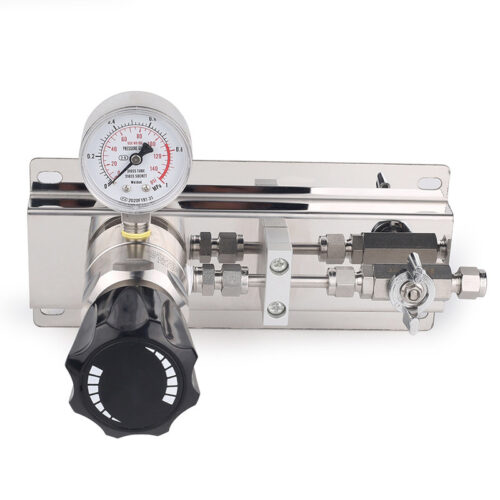
Medical Oxygen Single Stage Manual Gas Changeover Manifold Panel High-Purity Two-Stage Manual Gas Manifold Gas Pressure Control Panels
-
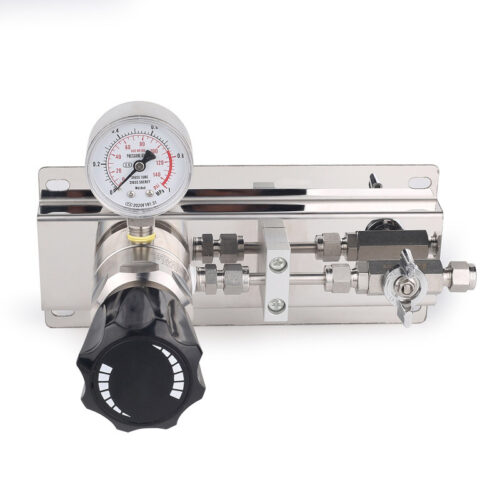
High Purity Gas Cylinder Semi Automatic Changeover Manifold Regulator Panel 3000psig Stainless Steel Gas Control Panel 1/8 Npt With Gauge
-
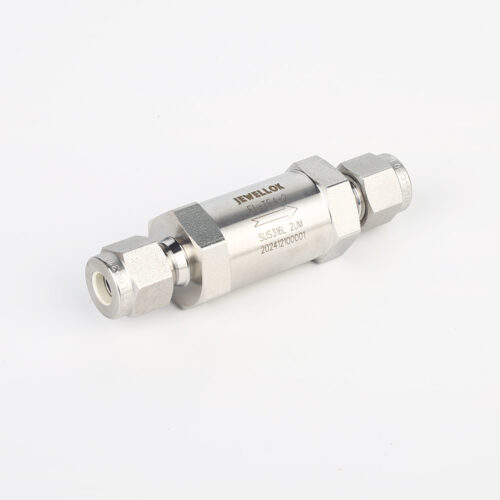
JF Series In-Line Gas Filters | High Purity High Precision High Flow Semiconductor Gas Filter Gas Filtration & Purification