
Regulator Manufacturer Tel: +86 13380377051
Regulator Manufacturer Tel: +86 13380377051
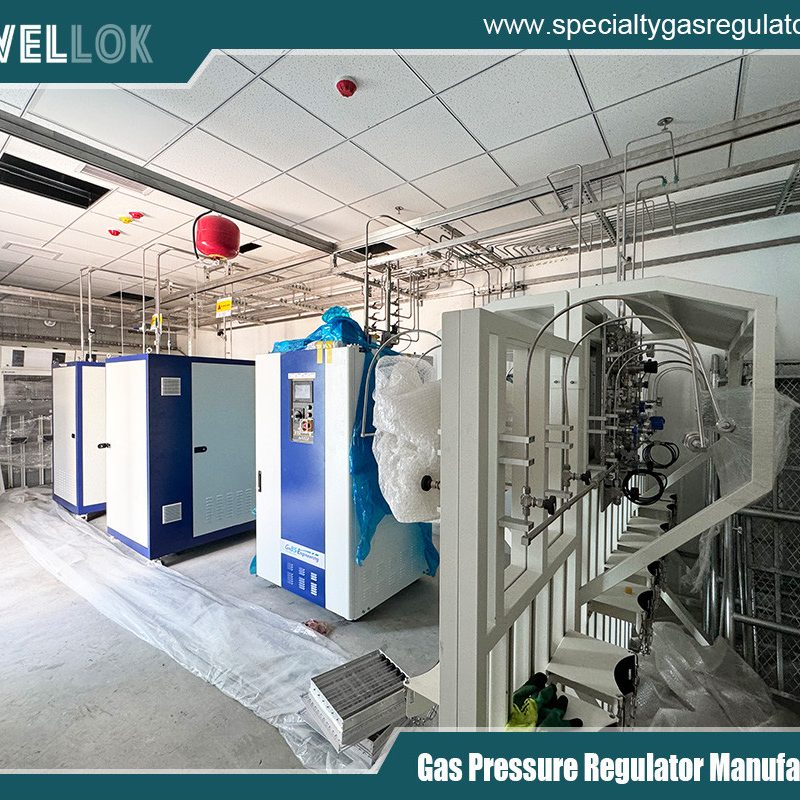
Industrial Scrubber Systems: Complete Solutions for Exhaust Gas Treatment
Introduction
As global industries continue to expand and environmental regulations become increasingly stringent, the need for effective air pollution control technologies has never been greater. Industrial facilities such as semiconductor manufacturing plants, chemical processing factories, pharmaceutical production facilities, metal finishing operations, power generation stations, and waste treatment plants all generate exhaust gases containing hazardous pollutants. These emissions can include acidic gases, volatile organic compounds (VOCs), toxic chemicals, particulate matter, and odorous substances that pose significant risks to human health and the environment.
Industrial scrubber systems have emerged as one of the most reliable and efficient technologies for exhaust gas treatment. By utilizing physical and chemical processes, scrubbers remove harmful contaminants from industrial air streams before they are released into the atmosphere. Modern scrubber systems provide comprehensive solutions that help facilities achieve environmental compliance, improve workplace safety, and support sustainable manufacturing practices.
This article explores industrial scrubber systems, their operating principles, major types, applications, design considerations, and the benefits they offer in complete exhaust gas treatment solutions.
Understanding Industrial Scrubber Systems
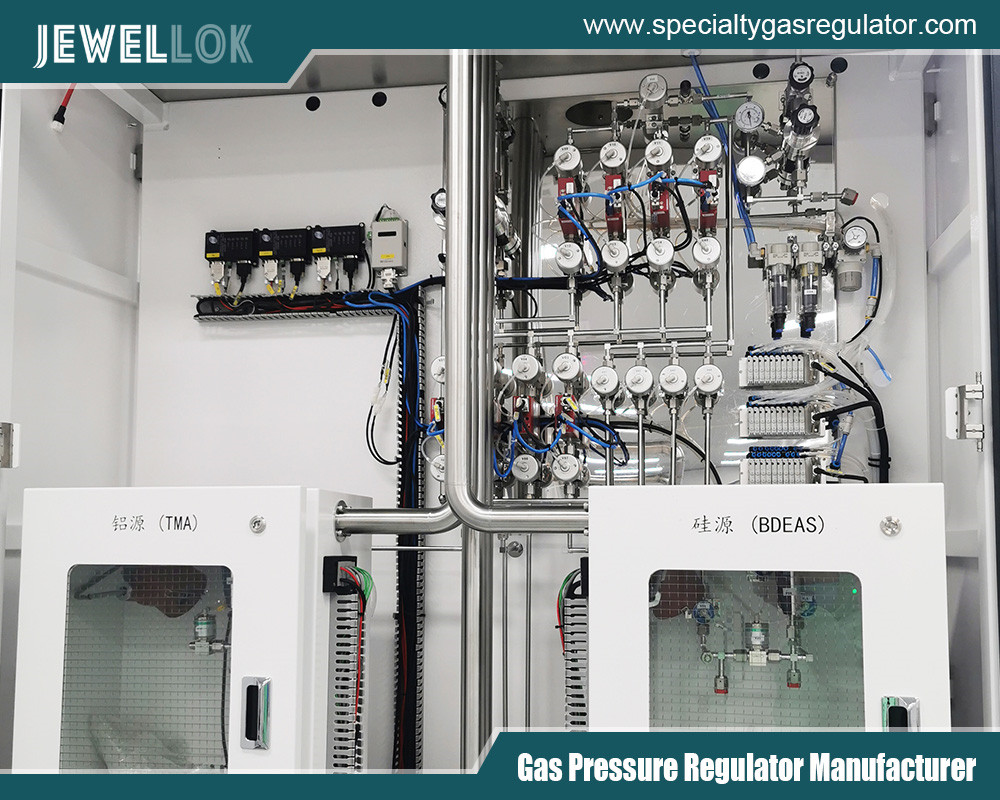
An industrial scrubber is an air pollution control device designed to remove harmful substances from process exhaust gases. The fundamental purpose of a scrubber is to bring contaminated gas streams into contact with a treatment medium—typically a liquid, chemical solution, or specialized packing material—allowing pollutants to be captured, neutralized, or removed.
Scrubber systems are highly effective in controlling a wide range of gaseous contaminants, including:
- Hydrogen chloride (HCl)
- Hydrogen fluoride (HF)
- Sulfur dioxide (SO₂)
- Nitrogen oxides (NOx)
- Ammonia (NH₃)
- Chlorine (Cl₂)
- Hydrogen sulfide (H₂S)
- Volatile organic compounds (VOCs)
- Acid mists
- Odorous compounds
- Fine particulate matter
Depending on the nature of the contaminants and process requirements, industrial scrubbers can be customized to achieve removal efficiencies exceeding 99%.
How Industrial Scrubber Systems Work
The operating principle of an industrial scrubber involves transferring pollutants from the gas phase into a liquid phase or reacting them chemically with treatment agents.
The general process includes:
1. Exhaust Gas Collection
Contaminated air is captured directly from process equipment, exhaust ducts, storage tanks, or manufacturing systems through a ventilation network.
2. Gas Distribution
The exhaust gas enters the scrubber chamber, where flow distribution systems ensure uniform gas movement throughout the treatment zone.
3. Pollutant Removal
Inside the scrubber, contaminants interact with scrubbing liquids or chemical reagents through:
- Absorption
- Neutralization
- Oxidation
- Condensation
- Particulate capture
4. Clean Air Discharge
After treatment, the purified air passes through mist eliminators that remove liquid droplets before the clean gas is discharged through an exhaust stack.
5. Waste Liquid Management
The spent scrubbing solution is collected for treatment, recycling, or disposal according to environmental regulations.
Major Types of Industrial Scrubber Systems
Wet Scrubber Systems
Wet scrubbers are the most widely used exhaust gas treatment technology. They utilize water or chemical solutions to absorb and neutralize pollutants.
Common wet scrubber configurations include:
Packed Bed Scrubbers
Packed bed scrubbers contain structured or random packing materials that maximize the contact surface area between gas and liquid.
Advantages include:
- High removal efficiency
- Low pressure drop
- Excellent acid gas control
- Compact footprint
Typical applications:
- Semiconductor manufacturing
- Chemical plants
- Pharmaceutical facilities
- Fertilizer production
Venturi Scrubbers
Venturi scrubbers accelerate gas velocity through a constricted throat where scrubbing liquid is injected.
Benefits include:
- Exceptional particulate removal
- High collection efficiency for fine particles
- Effective mist elimination
Industries often use venturi scrubbers in mining, metal processing, and combustion exhaust treatment.
Spray Tower Scrubbers
Spray towers utilize spray nozzles to disperse liquid droplets throughout the gas stream.
Advantages:
- Simple design
- Low maintenance requirements
- Cost-effective operation
- Suitable for moderate pollutant concentrations
Dry Scrubber Systems
Dry scrubbers remove pollutants without the use of large quantities of water.
These systems typically inject dry sorbents such as:
- Hydrated lime
- Sodium bicarbonate
- Activated carbon
Dry scrubbers are commonly selected when water conservation is important or wastewater generation must be minimized.
Applications include:
- Waste incineration
- Power plants
- Cement manufacturing
- Biomass energy facilities
Semi-Dry Scrubbers
Semi-dry scrubbers combine characteristics of wet and dry technologies.
An atomized slurry reacts with pollutants while moisture rapidly evaporates, leaving dry reaction products for collection.
Advantages include:
- Reduced water consumption
- High acid gas removal efficiency
- Lower wastewater generation
Chemical Reactions in Exhaust Gas Treatment
The effectiveness of scrubber systems often depends on carefully controlled chemical reactions.
Acid Gas Neutralization
Acidic gases are neutralized using alkaline scrubbing solutions.
For example:
Hydrogen chloride reacts with sodium hydroxide:
HCl + NaOH → NaCl + H₂O
Sulfur dioxide reacts with sodium hydroxide:
SO₂ + 2NaOH → Na₂SO₃ + H₂O
Ammonia Removal
Acidic solutions can effectively remove ammonia emissions:
NH₃ + H₂SO₄ → (NH₄)₂SO₄
Oxidation of Toxic Compounds
Oxidizing agents such as sodium hypochlorite or hydrogen peroxide convert hazardous compounds into less harmful substances.
These chemical processes enable scrubbers to achieve high pollutant removal efficiencies across diverse industrial applications.
Industrial Applications of Scrubber Systems
Semiconductor Manufacturing
The semiconductor industry generates highly corrosive and toxic gases during wafer fabrication processes.
Common contaminants include:
- Hydrofluoric acid
- Chlorine compounds
- Silane gases
- Nitrogen trifluoride
- Ammonia
Multi-stage wet scrubber systems are widely used to ensure safe and compliant treatment of these emissions.
Chemical Processing Plants
Chemical manufacturing operations produce a variety of hazardous gases that require specialized treatment.
Scrubber systems help control:
- Acid vapors
- Solvent emissions
- Toxic gas releases
- Process odors
Customized chemical scrubbers provide targeted treatment based on specific process chemistry.
Pharmaceutical Manufacturing
Pharmaceutical production often involves solvents, reaction gases, and odor-generating compounds.
Industrial scrubbers help maintain:
- Regulatory compliance
- Product quality
- Worker safety
- Environmental protection
Metal Finishing Operations
Processes such as electroplating, pickling, and surface treatment generate corrosive acid mists.
Scrubbers effectively remove:
- Chromic acid mist
- Hydrochloric acid vapor
- Sulfuric acid emissions
- Nitric acid fumes
Waste Treatment Facilities
Wastewater treatment plants and waste processing operations frequently generate unpleasant odors and hazardous gases.
Scrubber systems control:
- Hydrogen sulfide
- Ammonia
- Mercaptans
- Organic odor compounds
Power Generation
Power plants use scrubber systems to reduce emissions from combustion processes.
Typical pollutants include:
- Sulfur dioxide
- Nitrogen oxides
- Particulate matter
- Heavy metals
Flue gas desulfurization systems represent one of the most common large-scale scrubber applications worldwide.
Key Components of an Industrial Scrubber System
A complete exhaust gas treatment solution typically includes several critical components.
Scrubber Tower
The main treatment vessel where pollutant removal occurs.
Circulation Tank
Stores and recirculates the scrubbing solution.
Chemical Dosing System
Automatically controls chemical concentrations to maintain optimal treatment performance.
Recirculation Pumps
Deliver scrubbing liquid throughout the system.
Packing Media
Provides large contact surfaces for gas-liquid interaction.
Mist Eliminator
Removes entrained liquid droplets before air discharge.
Instrumentation and Controls
Modern systems include:
- pH monitoring
- Flow measurement
- Pressure sensors
- Conductivity monitoring
- Automated control systems
Advanced automation ensures stable operation and minimizes maintenance requirements.
Design Considerations for Scrubber Systems
Selecting the appropriate scrubber requires careful evaluation of several factors.
Pollutant Characteristics
Engineers must identify:
- Gas composition
- Pollutant concentration
- Solubility
- Reactivity
- Toxicity
Airflow Volume
System sizing depends heavily on exhaust gas flow rates.
Removal Efficiency Requirements
Environmental permits may require specific pollutant removal targets ranging from 90% to over 99%.
Corrosion Resistance
Scrubbers often operate in highly corrosive environments.
Common construction materials include:
- FRP (Fiberglass Reinforced Plastic)
- PP (Polypropylene)
- PVC
- PVDF
- Stainless steel
Chemical Consumption
Optimizing chemical usage reduces operating costs while maintaining treatment efficiency.
Maintenance Accessibility
Proper design simplifies inspection, cleaning, and component replacement.
Benefits of Industrial Scrubber Systems
Environmental Compliance
Scrubbers help facilities comply with increasingly strict air emission regulations.
High Removal Efficiency
Modern systems routinely achieve pollutant removal efficiencies above 95%, with some applications exceeding 99%.
Improved Workplace Safety
Effective exhaust gas treatment protects employees from exposure to hazardous substances.
Flexible System Design
Custom configurations can accommodate virtually any industrial process.
Odor Control
Scrubbers significantly reduce nuisance odors generated during manufacturing operations.
Sustainable Operations
By minimizing atmospheric emissions, scrubber systems support corporate environmental responsibility initiatives.
Long-Term Cost Savings
Although scrubber systems require initial capital investment, they help avoid regulatory penalties, reduce environmental liabilities, and improve operational reliability.
Emerging Trends in Industrial Scrubber Technology
The future of exhaust gas treatment is being shaped by several technological innovations.
Smart Monitoring Systems
Digital sensors and industrial automation platforms enable real-time performance monitoring and predictive maintenance.
Energy-Efficient Designs
New designs reduce pressure losses and lower energy consumption.
Advanced Packing Materials
High-performance packing improves mass transfer efficiency while minimizing system size.
Water Conservation Technologies
Modern scrubbers increasingly incorporate water recycling and wastewater reduction strategies.
Integrated Treatment Systems
Facilities are adopting multi-stage systems capable of treating multiple pollutants simultaneously.
These innovations improve treatment performance while reducing operational costs and environmental impact.
Conclusion
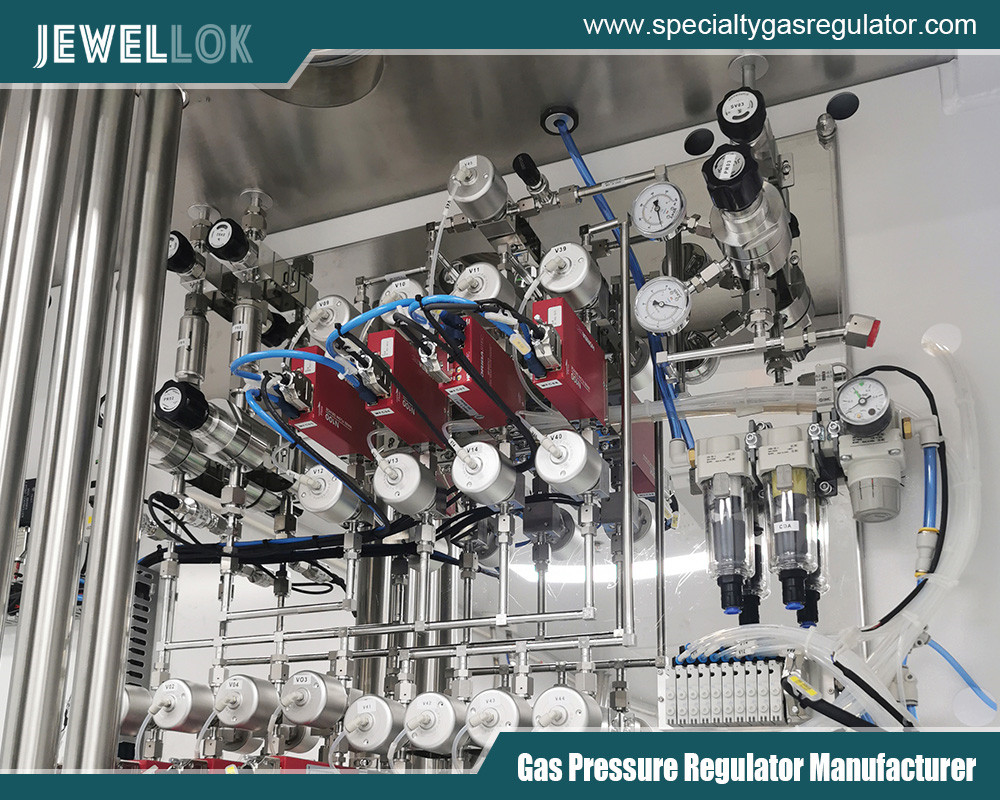
Industrial scrubber systems play a critical role in modern exhaust gas treatment by providing highly effective solutions for controlling hazardous air pollutants across a wide range of industries. Whether treating acidic gases from semiconductor manufacturing, chemical vapors from industrial processing, or sulfur emissions from power generation, scrubber technologies offer reliable, customizable, and environmentally responsible air pollution control.
By combining advanced engineering, optimized chemical treatment processes, and intelligent control systems, industrial scrubbers help manufacturers achieve regulatory compliance, improve workplace safety, and support sustainable industrial development. As environmental standards continue to evolve, industrial scrubber systems will remain an essential component of comprehensive exhaust gas treatment strategies worldwide.
For more about industrial scrubber systems: complete solutions for exhaust gas treatment, you can pay a visit to Jewellok at https://www.specialtygasregulator.com/product-category/specialty-gas-cabinet/ for more info.
-
775L Bulkhead Reducing Union | Stainless Steel High Purity Double Ferrule Bulkhead Reducing Unions
-
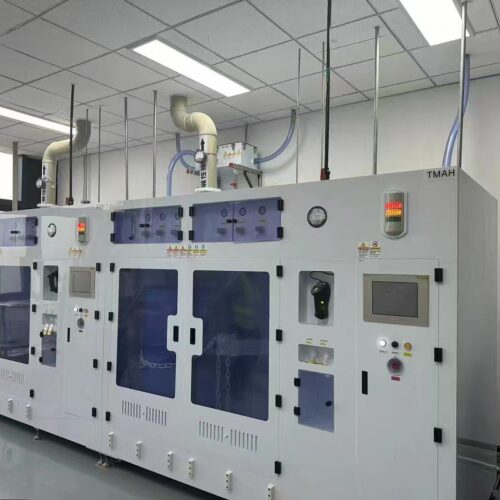
Liquid Bulk Chemical Delivery System with Automatic Chemical Dispense Unit (CDU) Featuring 316L Electropolished Stainless Steel Piping Components
-
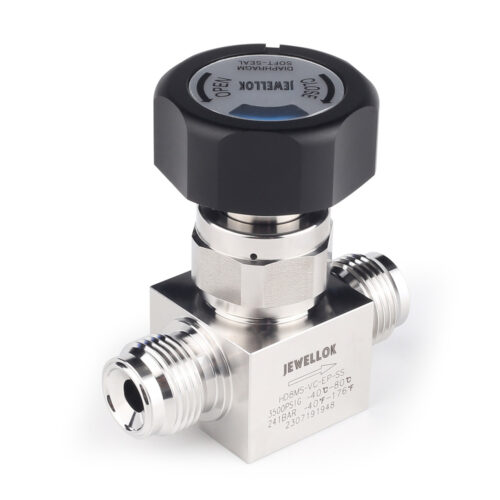
Stainless Steel Ultra High Purity (UHP) High Pressure Manual Diaphragm Valve
-
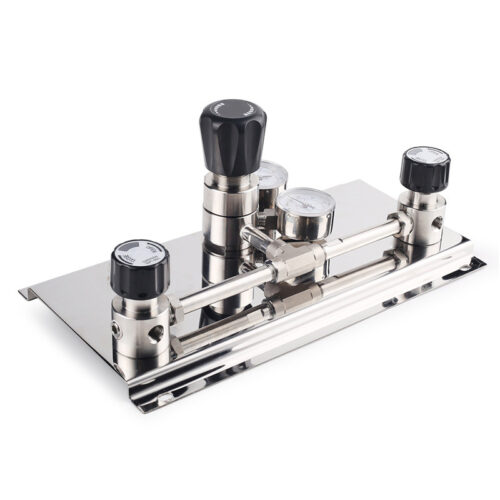
High Purity Semi-Auto Stainless Steel Changeover Manifold System, Nitrogen High Pressure Control Panel With Semiconductor Valve Manifold Box Diaphragm Valves
-
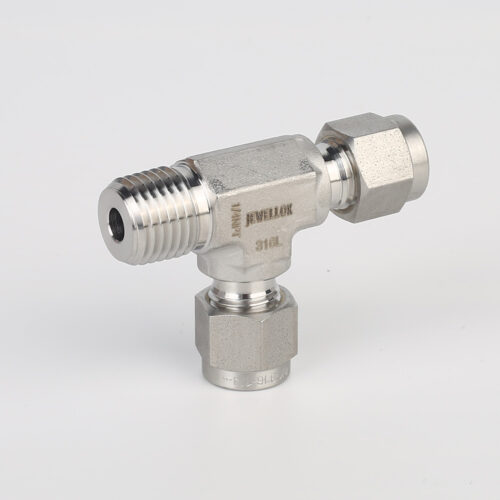
771L Male Run Tee | Stainless Steel High Quality High Purity Male Run Tee Branch Tee Pipe Fittings
-
Semi Automatic Gas Cabinet Systems for Handling Toxic and Flammable Process Specialty Gases in High Tech
-
High Purity Configurable Systems VMB Valve Manifold Box JW-200-VMB-C & JW-100-VMB-C
-
Vertical Laminar Flow Workstation (VLF) With Chemical Concentration Monitor