
Regulator Manufacturer Tel: +86 13380377051
Regulator Manufacturer Tel: +86 13380377051
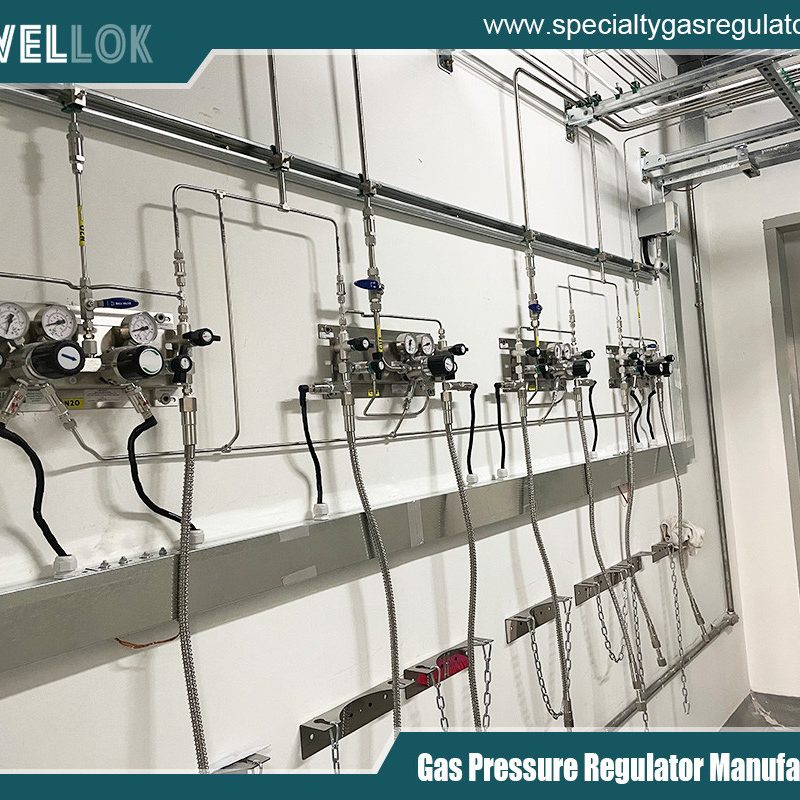
Why Medical Gas Valves Are Critical to Patient Safety in Healthcare Facilities
Medical gas systems are essential infrastructure in modern healthcare facilities. Hospitals, clinics, emergency departments, operating rooms, intensive care units, dental facilities, and diagnostic centers all depend on reliable supplies of medical gases such as oxygen, medical air, nitrous oxide, carbon dioxide, and vacuum. These gases support critical procedures ranging from respiratory therapy and anesthesia to surgery, patient monitoring, and emergency treatment.
At the heart of every reliable medical gas distribution system are medical gas valves. Although valves are often small compared with major hospital equipment, they perform a critical safety function. They control, isolate, regulate, and direct gas flow throughout the facility. A properly designed and installed valve can help prevent cross-connection, contamination, uncontrolled gas release, pressure problems, and service interruptions. Conversely, an incorrectly selected, poorly maintained, or improperly installed valve can create significant risks to patients, medical staff, and healthcare infrastructure.

1. The Role of Medical Gas Valves in Healthcare Facilities
A medical gas valve is a mechanical component used to control the movement of medical gases through a piping network. Depending on the application, valves may be installed at source equipment, distribution pipelines, branch lines, zone controls, terminal units, and equipment connections.
Unlike ordinary industrial gas valves, medical gas valves operate within a safety-critical environment. The gas delivered through the system may be directly involved in patient care. For example, oxygen can be required for patients experiencing respiratory distress, while medical air can be used to operate ventilators and other medical equipment.
The basic functions of medical gas valves include:
- Controlling gas flow
- Isolating sections of a pipeline
- Supporting maintenance and emergency shutdown
- Maintaining system integrity
- Preventing unintended gas mixing
- Supporting pressure management
- Allowing healthcare personnel to isolate specific zones without shutting down the entire facility
A well-designed valve network therefore provides healthcare facilities with both operational flexibility and an important layer of protection.
2. Patient Safety Depends on Gas Purity and Correct Gas Identification
One of the most important reasons medical gas valves matter is that different medical gases have different clinical purposes. Oxygen, medical air, nitrous oxide, carbon dioxide, and other gases cannot simply be treated as interchangeable utilities.
A medical gas system must maintain the correct gas identity from the source to the point of use. Cross-connection between two gas services could potentially deliver the wrong gas to medical equipment or patients. This is particularly dangerous in operating rooms, intensive care units, and emergency departments, where medical gases may be required continuously.
Valve selection and installation are therefore closely connected with gas identification and system integrity. Valves should be clearly identified according to the gas service and installed according to the applicable medical gas system design requirements.
Proper labeling, physical separation, compatible connections, and appropriate valve configuration can collectively reduce the possibility of human error.
3. Reliable Isolation During Emergencies
Healthcare facilities operate around the clock, and medical gas systems must remain available even when unexpected events occur. Fire, pipeline damage, equipment failure, maintenance activities, or other emergencies may require rapid isolation of a particular section of the system.
Zone valves provide an important means of achieving this isolation.
For example, if a problem occurs in a particular hospital department, an appropriately designed zone valve arrangement can allow trained personnel to isolate the affected area while maintaining gas service to other parts of the facility.
This capability is especially important in large hospitals. Shutting down the entire medical gas system simply because one branch has a problem could interrupt treatment for patients in unaffected areas.
Effective zoning allows the facility to balance two competing objectives: rapid emergency isolation and continued medical gas availability.
4. Pressure Control and Stable Gas Delivery
Medical equipment often requires gases to be supplied within defined pressure ranges. Excessive or insufficient pressure can affect equipment performance and may create operational problems.
Medical gas valves work together with regulators, pressure-reducing devices, alarms, piping systems, and source equipment to help establish stable distribution conditions.
For example, an oxygen distribution system may include source equipment, pressure regulation, main pipelines, branch pipelines, zone valves, and terminal outlets. Each component has a specific role, but valves are particularly important because they provide controlled isolation and flow management throughout the network.
Proper valve selection should consider factors such as:
- Operating pressure
- Gas type
- Temperature
- Flow requirements
- Connection type
- Materials compatibility
- Installation environment
- Cleaning requirements
- Applicable standards and codes
Using a valve simply because it has the correct pipe size is not sufficient. Medical gas service requires a complete evaluation of the valve’s design and compatibility.
5. Preventing Contamination of Medical Gas Systems
Gas purity is another major safety consideration. Medical gas pipelines must be protected from contaminants that could affect downstream equipment or patient care.
Valves can become potential contamination points if they are manufactured, cleaned, stored, or installed improperly. Residual oils, particles, moisture, manufacturing debris, or incompatible materials can compromise system cleanliness.
For oxygen service, contamination control is particularly important because oxygen supports combustion. Components used in oxygen systems therefore require appropriate cleaning and handling practices.
Medical gas valves should be manufactured and prepared for their intended service, with appropriate cleanliness controls. During installation, piping and components should also be protected from dirt, moisture, and foreign materials.
The goal is not simply to provide a valve that opens and closes. The valve must maintain the required system cleanliness throughout its service life.
6. Material Selection Is a Critical Engineering Decision
The material used in a medical gas valve affects durability, compatibility, cleanliness, and long-term reliability.
Common engineering considerations include stainless steel, brass, bronze, and other materials depending on the specific application and applicable standards. Material selection should always be based on the gas service, pressure conditions, installation environment, and regulatory requirements.
For example, components used for oxygen service must be compatible with oxygen and appropriately prepared for oxygen applications. Materials, lubricants, seals, and internal components should be selected carefully rather than treated as generic industrial components.
Seal materials are equally important. The sealing material must remain compatible with the gas and operating conditions while providing reliable performance over repeated cycles.
A valve may look mechanically robust but still be unsuitable for a specific medical gas application if its internal materials or sealing system are incompatible.
7. Valve Reliability Supports Continuous Patient Care
In healthcare, equipment downtime can have consequences far beyond production losses. A manufacturing facility may tolerate a short interruption while a hospital department may have patients who depend on continuous medical support.
This makes reliability a fundamental requirement for medical gas valves.
A high-quality valve should provide consistent operation, reliable sealing, and predictable performance over its expected service life. Mechanical components such as stems, seats, seals, handles, and bodies should be designed to withstand the intended operating conditions.
Preventive maintenance is also essential. Healthcare facilities should establish inspection and maintenance procedures based on the system design, applicable standards, manufacturer recommendations, and facility risk assessment.
Maintenance programs may include checking valve identification, accessibility, physical condition, leakage, operating function, and associated alarms or indicators.
8. Zone Valve Boxes Improve Emergency Management
Zone valve boxes are commonly used to organize medical gas isolation points. They typically provide a clearly identified location where authorized personnel can access valves controlling specific areas.
A properly designed zone valve assembly should make it easier for trained personnel to identify which valve controls which department or area.
This is particularly valuable during emergencies. Staff should not have to spend unnecessary time determining which valve corresponds to a particular clinical zone.
Clear identification and accessibility can therefore improve response speed while reducing the possibility of shutting down the wrong gas service.
However, valve operation should be performed only by appropriately trained and authorized personnel following the healthcare facility’s procedures. Incorrect operation can interrupt medical gas service to patients.
9. Compliance With Medical Gas Standards
Medical gas systems are subject to specific regulations, codes, and standards. Requirements vary by country and application, so healthcare facilities and engineering contractors must identify the standards applicable to their project.
In the United States, for example, medical gas installations commonly involve requirements associated with standards and codes such as NFPA 99 and applicable healthcare facility regulations. Other countries and regions may use different standards, including requirements covering medical gas pipeline systems, components, testing, installation, and maintenance.
Compliance should be considered throughout the project lifecycle:
- System design
- Component selection
- Manufacturing
- Cleaning and preparation
- Installation
- Pressure and integrity testing
- Commissioning
- Identification and labeling
- Maintenance
- Periodic inspection
Selecting a valve solely on price without confirming its suitability for the applicable medical gas requirements can introduce unnecessary risk.
10. Leakage Prevention and System Integrity
Gas leakage is another important concern. A leaking medical gas valve can result in gas loss, pressure instability, operational problems, or potentially hazardous conditions depending on the gas involved and the location of the leak.
Valve body construction, sealing technology, connection design, and installation quality all influence leakage performance.
During commissioning and maintenance, appropriate testing procedures should be used to verify system integrity. If leakage or abnormal valve behavior is detected, the affected equipment should be evaluated and repaired or replaced according to the facility’s procedures.
For critical medical gas infrastructure, small components can have system-wide importance. A single defective valve may affect a branch of the distribution network and potentially require isolation of an entire clinical zone.
11. Why Valve Quality Matters More Than Initial Purchase Price
Healthcare facilities sometimes face pressure to reduce construction and maintenance costs. However, medical gas valves should not be selected purely according to purchase price.
The true cost of a valve includes its reliability, installation requirements, maintenance needs, expected service life, replacement frequency, and potential consequences of failure.
A low-cost industrial valve may not provide the materials compatibility, cleanliness, identification, certification, or design features required for medical gas service.
By contrast, a properly specified medical gas valve can contribute to:
- Improved system reliability
- Reduced maintenance problems
- Better gas containment
- Easier emergency isolation
- More predictable long-term operation
- Improved compliance with applicable requirements
For a safety-critical healthcare system, engineering suitability should always come before short-term cost savings.
12. Selecting the Right Medical Gas Valve
Healthcare engineers, contractors, and facility managers should evaluate several factors when selecting medical gas valves.
First, the gas service must be clearly defined. The valve must be suitable for the specific gas and operating conditions.
Second, pressure and temperature requirements should be confirmed. The valve’s pressure rating should be appropriate for the intended pipeline section.
Third, the connection and installation method must match the piping system.
Fourth, material compatibility and cleanliness requirements should be evaluated.
Fifth, the valve should be identifiable and maintainable after installation.
Finally, documentation, testing, certification, and compliance information should be reviewed before the component is approved for a healthcare project.
Working with experienced medical gas system manufacturers and qualified installation contractors can help facilities reduce component-selection risks.
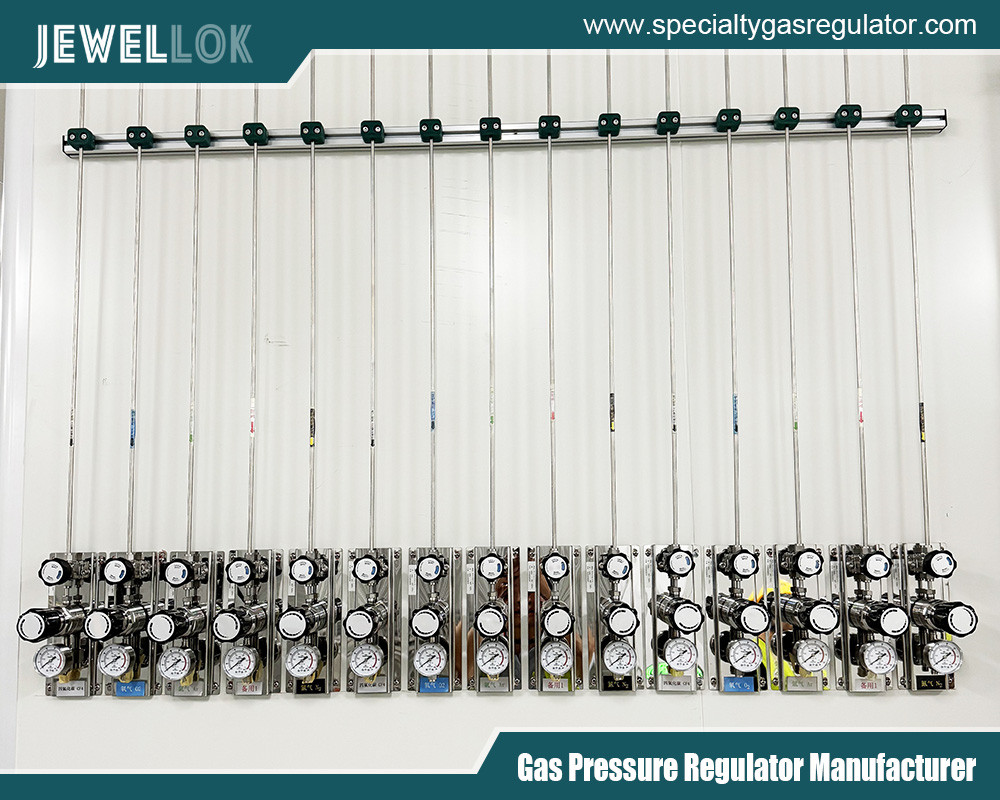
Conclusion
Medical gas valves may be relatively small components, but their importance to healthcare safety is substantial. They help control gas distribution, isolate pipeline sections, support emergency response, protect system integrity, and maintain reliable delivery of critical medical gases.
A dependable medical gas system requires more than high-quality valves alone. It requires correct system design, compatible materials, proper installation, rigorous cleanliness control, appropriate testing, clear identification, preventive maintenance, and compliance with applicable medical gas standards.
For hospitals and other healthcare facilities, patient safety must remain the primary consideration when designing and maintaining medical gas infrastructure. Selecting properly engineered medical gas valves is therefore not simply a technical purchasing decision—it is an essential part of building a safe, reliable, and maintainable healthcare environment.
As medical facilities become increasingly dependent on sophisticated respiratory, anesthesia, surgical, and diagnostic equipment, the reliability of their medical gas infrastructure becomes even more important. Properly specified and maintained valves provide a critical layer of control between the gas source and the patient-care environment, helping healthcare professionals deliver essential treatment safely and continuously.
For more about why medical gas valves are critical to patient safety in healthcare facilities, you can pay a visit to Jewellok at https://www.specialtygasregulator.com/product-category/specialty-gas-cabinet/ for more info.
-
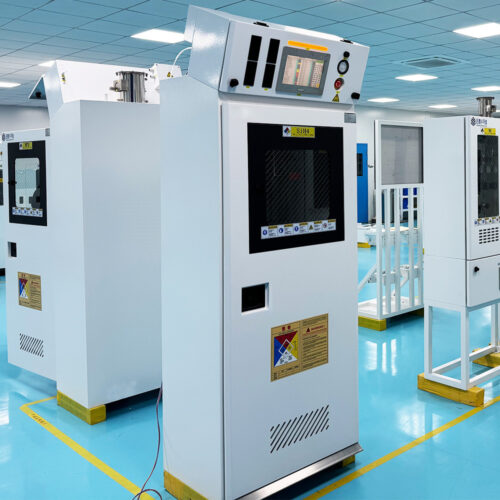
Integrated Scrubber Tail Gas Treatment Cabinet for Safe Bulk Specialty Gas System Exhaust Management
-
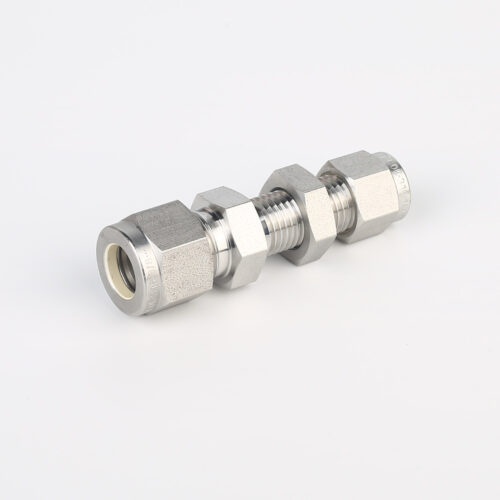
775L Bulkhead Reducing Union | Stainless Steel High Purity Double Ferrule Bulkhead Reducing Unions
-
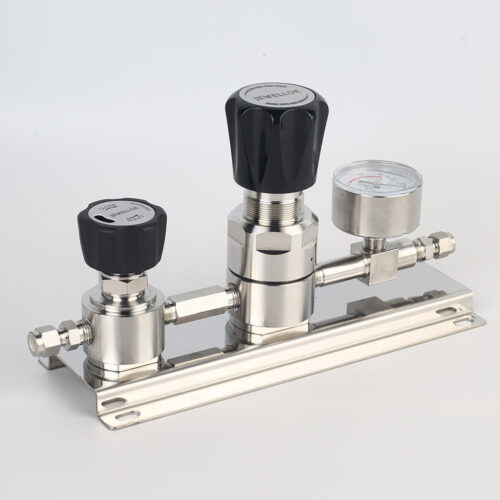
High Purity High Flow Pressure Control Regulators & Valves Gas Stick Assemblies JSR-2TG Series
-
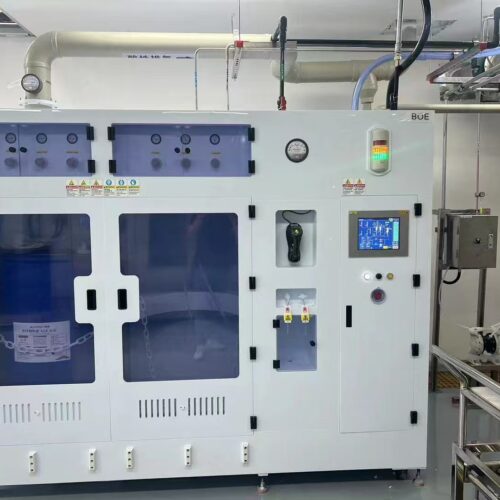
High Purity Bulk Chemical Delivery System and Automatic CDU for Advanced Semiconductor Manufacturing and Fabrication
-
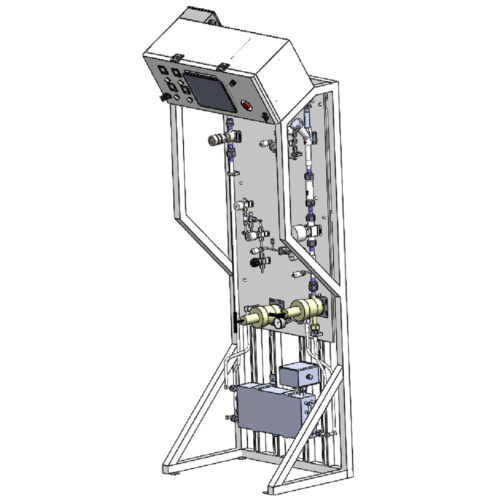
High Purity High Pressure Specialty Gas Bottle Gas Cylinder Storage Cabinet And Gas Pressure Regulating Cabinet For Semiconductor
-
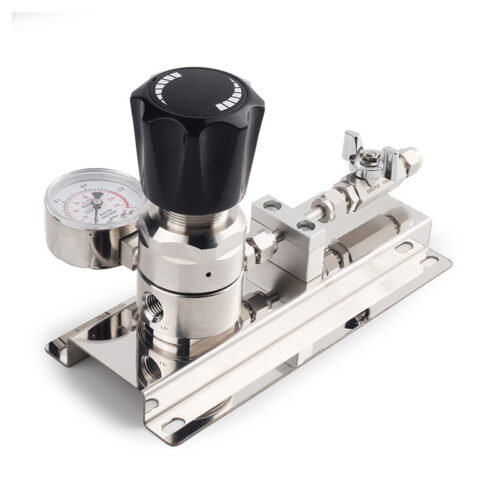
Ultra High Purity 316L Var Stainless Steel Compressed Gas Changeover Manifold Panel System For Integrated Gas Supply System
-
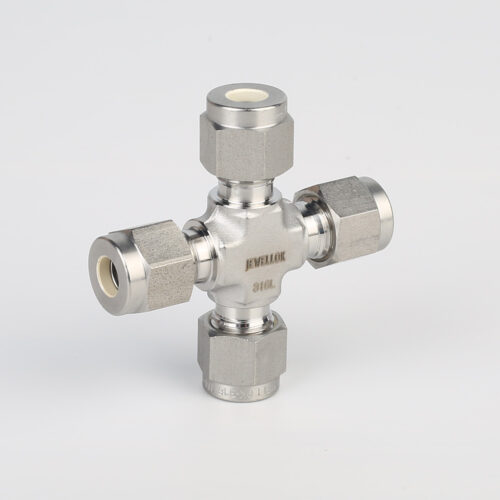
7102L Stainless Steel 316L SS Union Cross Ultra High Purity Long Arm Union Elbow Tee Cross Butt Weld Fittings
-
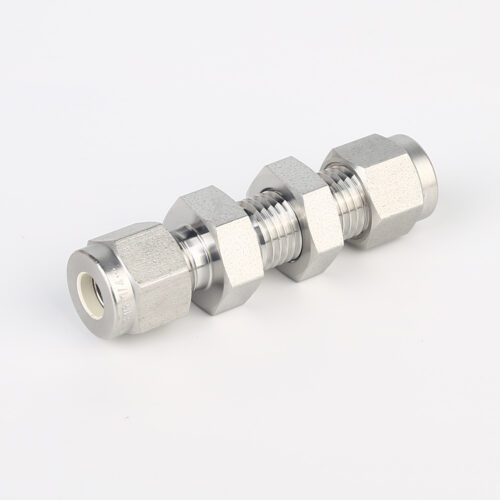
774L Stainless Steel UHP Fittings Butt Weld Bulkhead Union For High Flow Special Gas Fluid