
Regulator Manufacturer Tel: +86 13380377051
Regulator Manufacturer Tel: +86 13380377051
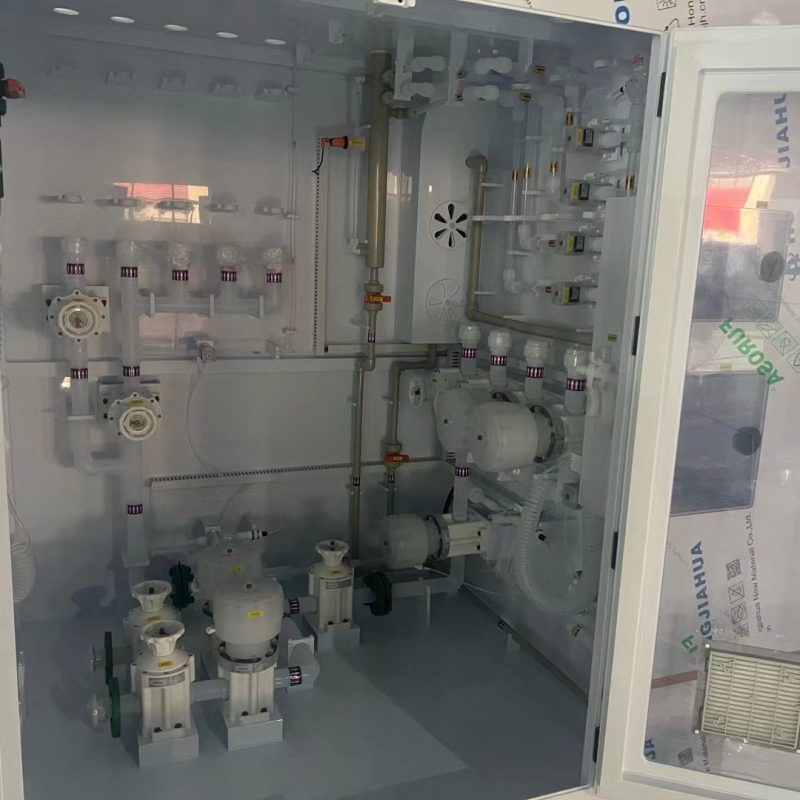
Medical Gas Distribution Systems: Valve Selection and Flow Control Strategies
Medical gas distribution systems are critical infrastructure in modern healthcare facilities, ensuring the safe, reliable, and continuous delivery of gases such as oxygen, nitrous oxide, medical air, carbon dioxide, and vacuum services. These systems directly support life-sustaining applications, including anesthesia, respiratory therapy, intensive care, and surgical procedures. As such, their design, component selection, and operational control must meet stringent safety, performance, and regulatory requirements.
Among the most crucial aspects of these systems are valve selection and flow control strategies. Valves serve as the primary means of isolating, regulating, and directing gas flow, while flow control mechanisms ensure that gases are delivered at appropriate pressures and flow rates for clinical use. This article provides a comprehensive technical overview of how to select suitable valves and implement effective flow control strategies in medical gas distribution systems.
Overview of Medical Gas Distribution Systems
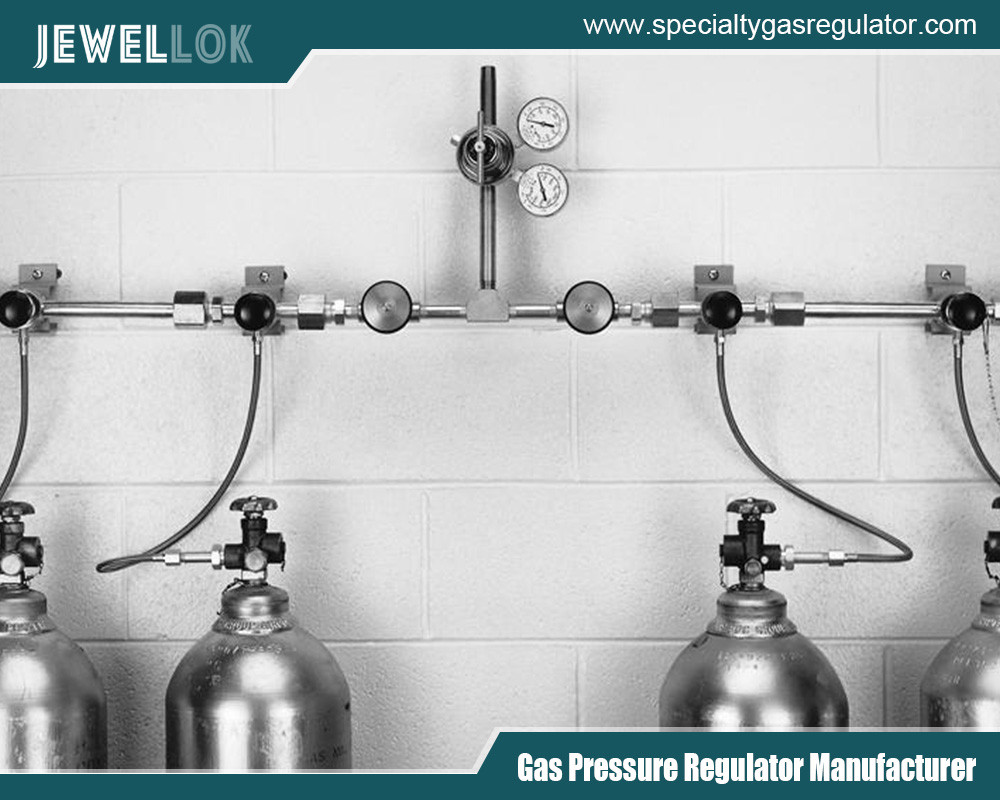
A typical medical gas distribution system consists of a central supply source, pipeline network, pressure regulation devices, valves, alarms, and terminal units. The central supply may include bulk liquid oxygen tanks, gas cylinders, compressors, or vacuum pumps. From the source, gases are distributed through a network of pipelines made from materials such as copper (commonly ASTM B819 compliant for medical use).
The system must maintain gas purity, prevent contamination, and ensure uninterrupted supply. Any failure in pressure control or valve operation can lead to severe consequences, making system reliability paramount.
Types of Valves Used in Medical Gas Systems
Valve selection is a foundational aspect of medical gas distribution system design. Different valve types serve specific functions depending on their location and role within the system.
1. Ball Valves
Ball valves are widely used in medical gas pipelines due to their simple design, durability, and quick shut-off capability. They operate using a spherical ball with a bore that aligns with the flow path when open.
Advantages:
- Fast operation (quarter-turn)
- Low pressure drop
- High reliability and long service life
Applications:
- Zone isolation valves
- Main shut-off valves in pipelines
2. Diaphragm Valves
Diaphragm valves are commonly used in high-purity gas systems. They use a flexible diaphragm to regulate flow and isolate the gas from the valve mechanism.
Advantages:
- Excellent leak-tight performance
- Minimal dead space, reducing contamination risk
- Suitable for ultra-high purity applications
Applications:
- Oxygen service lines
- Cleanroom and critical care environments
3. Needle Valves
Needle valves provide precise flow control through a tapered needle-like plunger.
Advantages:
- Fine flow adjustment
- High precision control
Applications:
- Calibration systems
- Laboratory gas flow regulation
4. Check Valves
Check valves allow gas flow in one direction only, preventing backflow that could contaminate the system or damage equipment.
Applications:
- Compressor outlets
- Cylinder manifold systems
5. Pressure Relief Valves
These valves protect the system from overpressure conditions by releasing gas when pressure exceeds a set threshold.
Applications:
- Downstream of pressure regulators
- Storage tanks and pipelines
Key Considerations in Valve Selection
Selecting the appropriate valve requires careful evaluation of several technical and operational factors.
1. Material Compatibility
Medical gases, especially oxygen, require materials that are non-reactive, corrosion-resistant, and compatible with high-purity environments. Common materials include:
- Brass (oxygen-cleaned)
- Stainless steel (e.g., 316L)
- PTFE seals
Oxygen service demands strict cleaning standards to prevent ignition risks.
2. Pressure and Temperature Ratings
Valves must be rated to handle the maximum operating pressure and temperature of the system. Medical gas systems typically operate at pressures ranging from 50 to 200 psi, depending on the application.
3. Leak Tightness
Leakage in medical gas systems can lead to gas loss, contamination, or safety hazards. Valves must meet stringent leak rate standards, often tested using helium leak detection.
4. Cleanliness and Certification
Valves must be cleaned for oxygen service and comply with standards such as:
- ISO 7396 (Medical gas pipeline systems)
- NFPA 99 (Health care facilities code)
- CGA (Compressed Gas Association) guidelines
5. Ease of Maintenance
Valves should allow for easy inspection, maintenance, and replacement without disrupting the entire system.
Flow Control Strategies in Medical Gas Systems
Effective flow control ensures that gases are delivered at the correct pressure and flow rate to meet clinical requirements. This involves a combination of pressure regulation, flow measurement, and system design.
1. Pressure Regulation
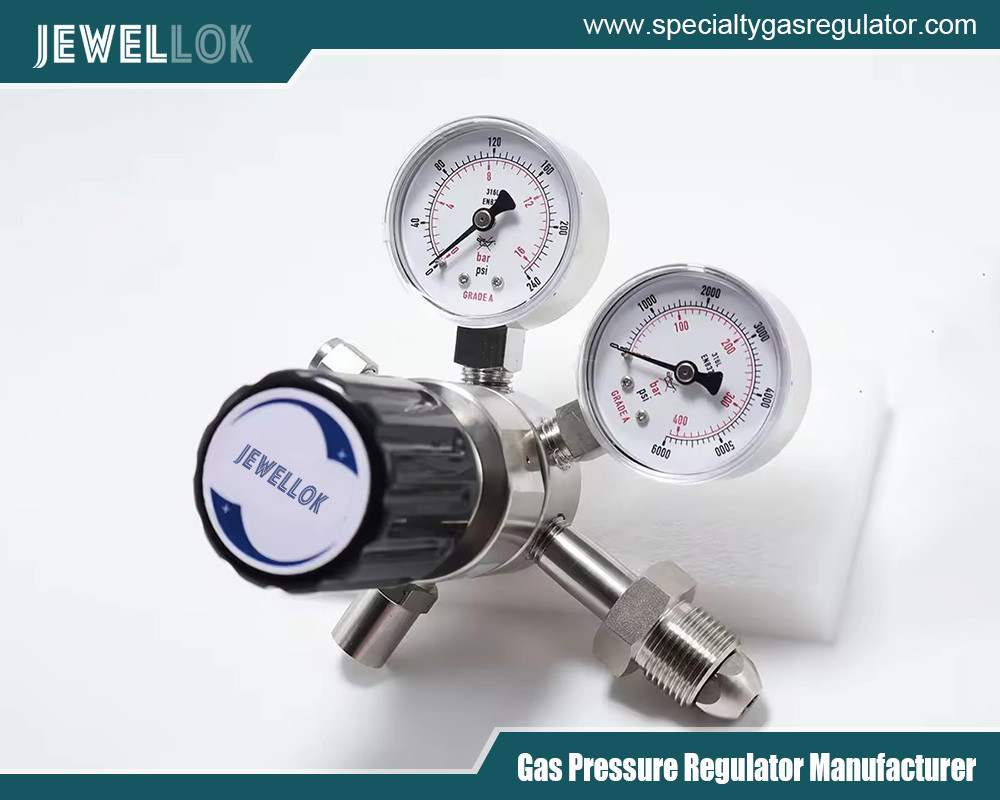
Pressure regulators are essential for reducing high supply pressures to usable levels. Typically, systems use a two-stage regulation process:
- Primary regulators at the source
- Secondary regulators near the point of use
This staged approach improves stability and reduces pressure fluctuations.
2. Flow Control Devices
Flowmeters and flow control valves are used to adjust and monitor gas delivery to patients. These devices must provide accurate readings and stable control.
Common types include:
- Rotameters (variable area flowmeters)
- Mass flow controllers (for high precision applications)
3. Zoning and Isolation
Hospitals divide their gas distribution systems into zones, each controlled by zone valves. This allows maintenance or emergency isolation without affecting the entire facility.
4. Redundancy and Backup Systems
Critical systems incorporate redundancy to ensure continuous operation. For example:
- Dual regulators
- Backup cylinder manifolds
- Automatic switchover systems
5. Monitoring and Alarm Systems
Modern systems include sensors and alarms to detect:
- Pressure drops
- Flow irregularities
- Gas depletion
These systems provide real-time data and alerts to prevent failures.
Advanced Flow Control Techniques
With the advancement of healthcare technology, more sophisticated flow control strategies are being implemented.
1. Digital Flow Control
Electronic flow controllers and smart valves enable precise, programmable control of gas delivery. These systems can be integrated with hospital management systems for centralized monitoring.
2. Proportional Control Valves
These valves adjust flow continuously based on input signals, allowing dynamic control in response to patient needs or system conditions.
3. Predictive Maintenance
Using sensors and data analytics, systems can predict valve wear or failure, enabling proactive maintenance and reducing downtime.
Safety Considerations
Safety is the top priority in medical gas systems. Key safety practices include:
- Proper labeling and color coding of pipelines
- Regular inspection and testing of valves and regulators
- Ensuring all components are oxygen-clean and free from contaminants
- Training personnel on emergency procedures and valve operation
Fire risk is a major concern, especially with oxygen systems. Materials and lubricants must be carefully selected to avoid ignition hazards.
Challenges and Best Practices
Challenges:
- Maintaining gas purity over long pipeline distances
- Preventing leaks and contamination
- Ensuring system scalability for future expansion
- Balancing cost with performance and reliability
Best Practices:
- Use high-quality, certified components
- Implement redundant systems for critical applications
- Conduct regular audits and maintenance
- Design systems with flexibility and modularity
Conclusion
Medical gas distribution systems are complex and mission-critical, requiring careful design and operation. Valve selection and flow control strategies play a central role in ensuring system safety, efficiency, and reliability. By choosing appropriate valve types, considering material compatibility, and implementing advanced flow control techniques, healthcare facilities can optimize their gas delivery systems to meet the highest standards of patient care.
As technology continues to evolve, the integration of smart monitoring and digital control will further enhance system performance, enabling more precise and responsive medical gas management. Ultimately, a well-designed system not only supports clinical excellence but also safeguards lives.
For more about medical gas distribution systems: valve selection and flow control strategies, you can pay a visit to Jewellok at https://www.specialtygasregulator.com/product-category/uhp-liquid-delivery-system/ for more info.
-
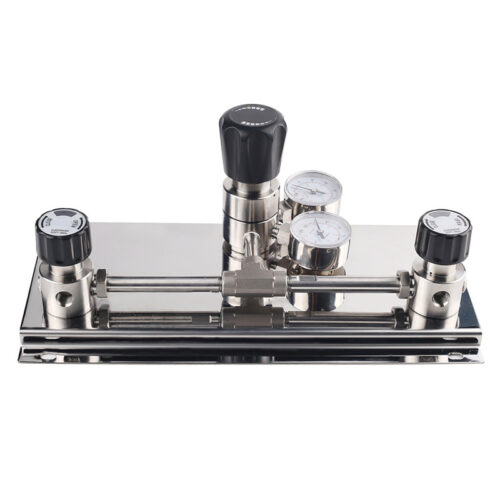
Semi Automatic Oxygen Nitrogen Helium Argon Gas Changeover Manifold Manual Gas Changeover Manifold Panel For Gas Cylinders
-
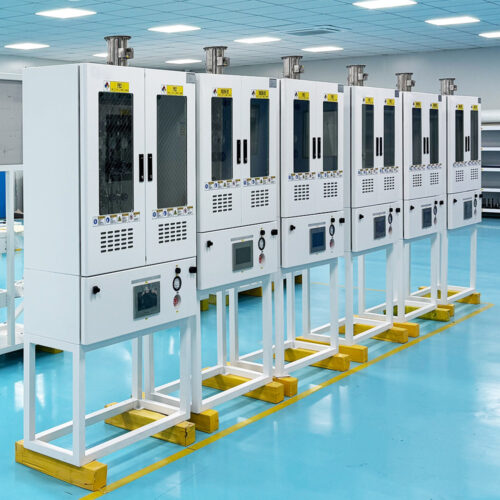
Precision Stainless Steel Valve Manifold Panel for Inert Gas Distribution in Cleanroom Manufacturing Environments
-
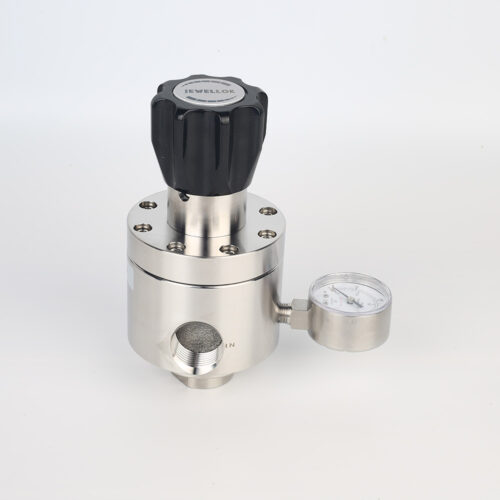
Low Pressure High Flow Line Pressure Regulators And Control Valves JSR-4L Series For Laboratory Pressure Control
-
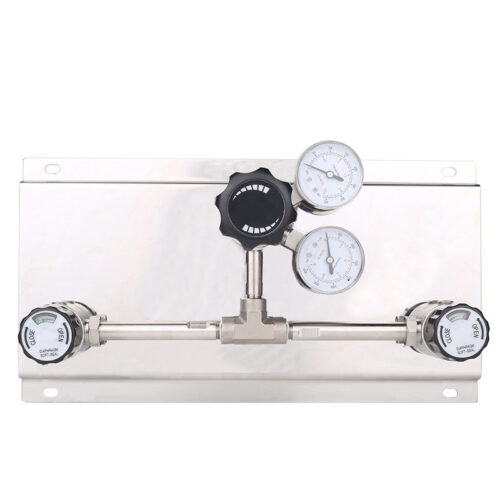
High Pressure High Flow Specialty Gas Control Panel With Diaphragm Valve , 3000Psig Oxygen Control Medical Changeover Manifold Panel
-
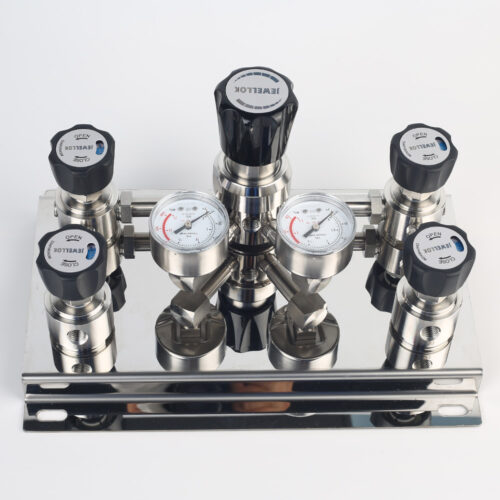
Single Stage Wall And Cabinet Mounting Pressure Control Panels JSP-2E Series For High Purity Gases
-
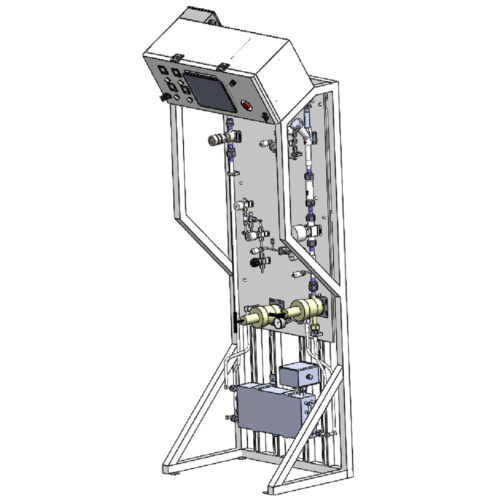
Fully Automated Gas Cabinet Gas Rack Gas Delivery Systems JW-300-GR
-
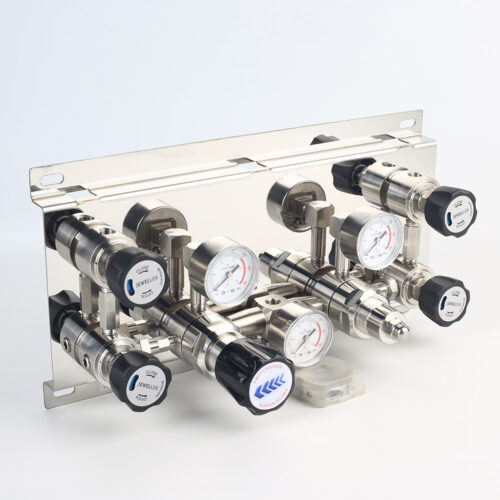
Pressure Control Panels For High Purity Gas Control System JSP-3AE Series From Pressure Control Panels Suppliers And Manufacturer
-
768LN Stainless Steel Male Pipe Tube Butt Weld Connector And Tube Fittings Supplier