
Regulator Manufacturer Tel: +86 13380377051
Regulator Manufacturer Tel: +86 13380377051
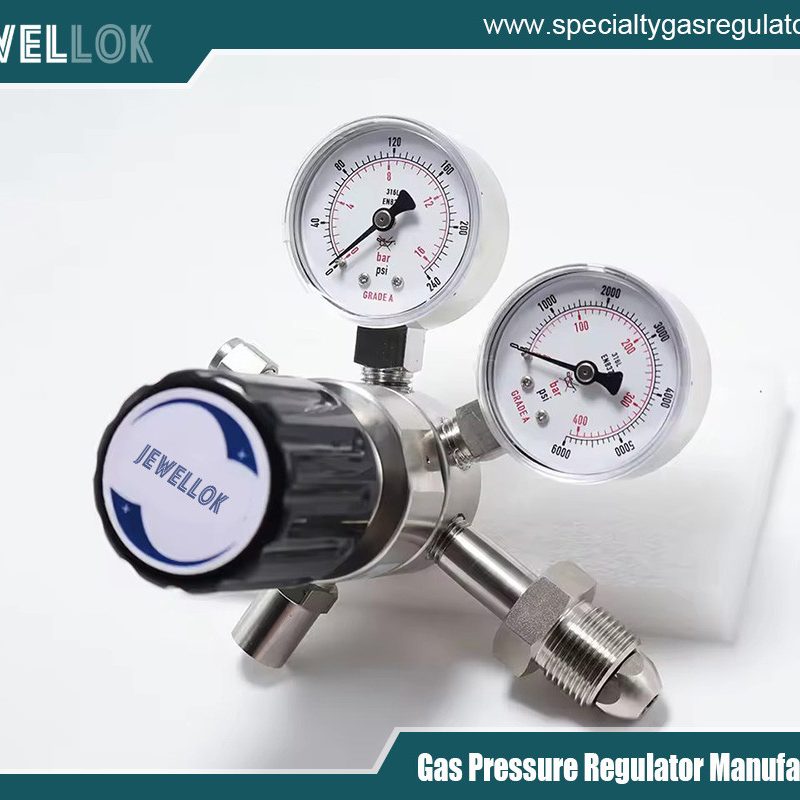
Selection Guide for High Pressure Gas Regulators for Industrial Gas Systems
High pressure gas regulators are essential components in industrial gas systems, providing controlled and stable gas pressure from high-pressure sources to downstream equipment. Whether used in semiconductor manufacturing, chemical processing, laboratories, welding, pharmaceutical production, or specialty gas distribution, the right regulator can improve process stability, operational safety, gas utilization, and equipment reliability.
Selecting a high pressure gas regulator is more complex than simply matching the inlet and outlet pressure. Gas type, pressure range, flow rate, materials, temperature, connection type, leakage requirements, cleanliness, and control configuration must all be considered. An incorrectly selected regulator may cause pressure instability, contamination, excessive gas consumption, or premature component failure.
This guide explains the key factors engineers and purchasing teams should consider when selecting high pressure gas regulators for industrial gas systems.
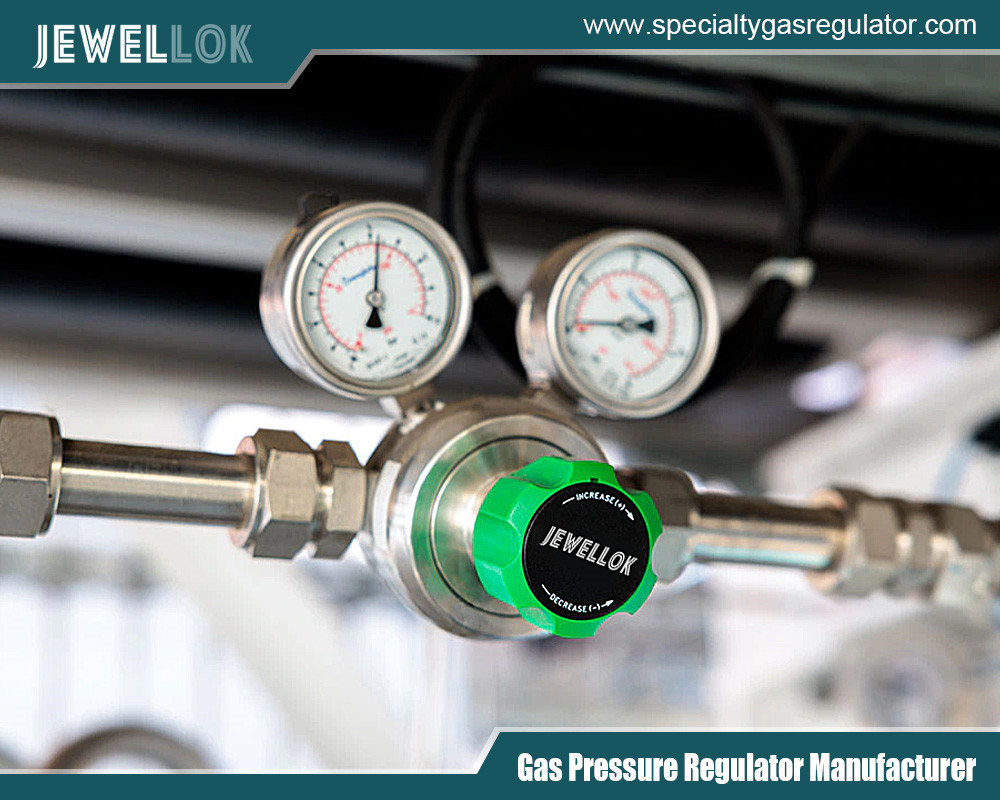
What Is a High Pressure Gas Regulator?
A high pressure gas regulator is a pressure-control device designed to reduce gas pressure from a high-pressure source to a lower, controlled downstream pressure.
Industrial gas may be stored in cylinders, tube trailers, bulk storage tanks, or other high-pressure supply systems. The source pressure can vary significantly depending on the gas and application. A regulator maintains the required downstream pressure even when the supply pressure changes or gas demand fluctuates.
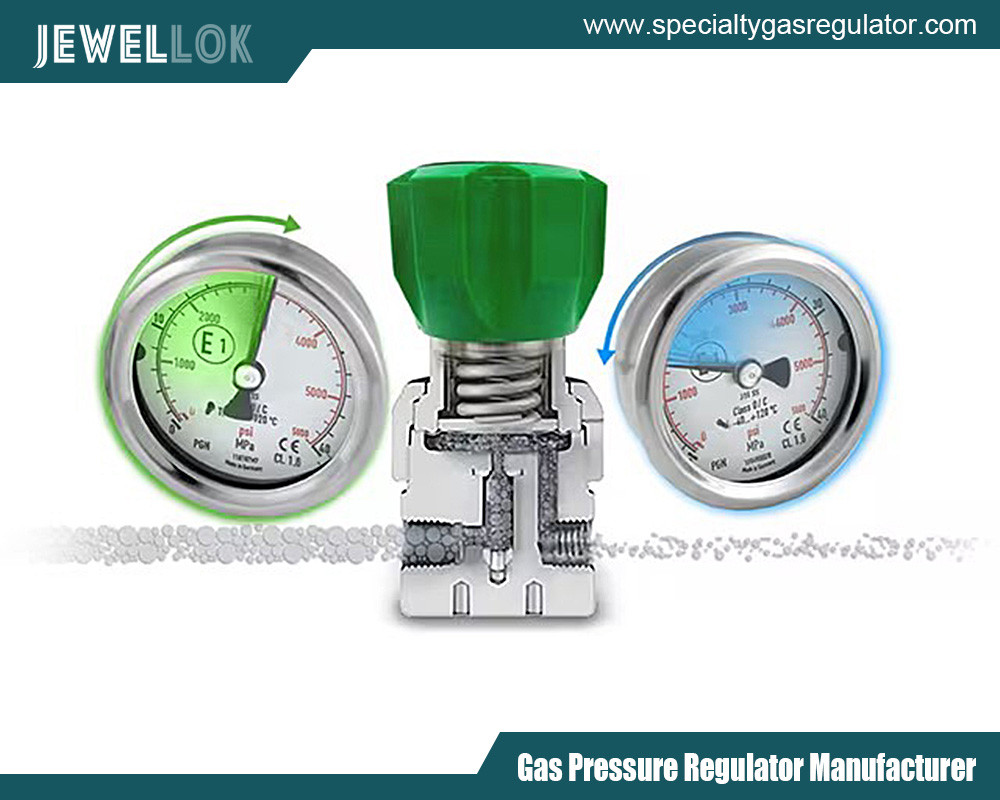
A typical high pressure gas regulator consists of:
- High-pressure inlet
- Low-pressure outlet
- Pressure-control mechanism
- Diaphragm or sensing element
- Valve seat and poppet
- Adjustment mechanism
- Pressure gauges or pressure sensors
- Relief or safety components, where required
For demanding industrial applications, regulators may also incorporate two-stage pressure reduction, integrated shut-off valves, purge connections, filters, or electronic pressure control.
Why Proper Regulator Selection Matters
Pressure regulation directly affects the performance of downstream equipment. A regulator that is too small may restrict flow and create excessive pressure drop. A regulator with poor control characteristics may produce unstable outlet pressure as flow changes.
In semiconductor and advanced manufacturing applications, pressure stability is particularly important because process gases may be supplied to sensitive equipment such as CVD, PVD, ALD, and etching systems.
For corrosive, toxic, flammable, or high-purity gases, material compatibility and leak-tight construction are equally important.
The major objectives when selecting a regulator are therefore:
- Maintain stable downstream pressure.
- Handle the required inlet pressure safely.
- Provide sufficient flow capacity.
- Minimize internal and external leakage.
- Prevent contamination of the gas stream.
- Ensure compatibility with the process gas.
- Provide reliable performance over the expected operating conditions.
1. Determine the Gas Type
The first step is identifying the gas being controlled.
Different gases have different physical and chemical characteristics. Molecular weight, corrosiveness, toxicity, flammability, oxidizing properties, and compatibility with regulator materials can all affect the design.
Common industrial gases include:
- Nitrogen (N₂)
- Oxygen (O₂)
- Argon (Ar)
- Helium (He)
- Hydrogen (H₂)
- Carbon dioxide (CO₂)
- Ammonia (NH₃)
- Silane (SiH₄)
- Chlorine-containing gases
- Specialty semiconductor process gases
For inert gases, stainless steel regulators are commonly used. Reactive or corrosive gases may require specially selected wetted materials and surface treatments.
For high-purity applications, the internal construction should minimize particle generation, adsorption, dead volume, and potential contamination.
Always verify chemical compatibility between the gas and every wetted component, including the diaphragm, valve seat, body, seals, and fittings.
2. Check the Maximum Inlet Pressure
Maximum inlet pressure is one of the most important specifications.
A regulator must be rated for the maximum possible upstream pressure, not simply the normal operating pressure.
For example, if a gas cylinder is connected directly to the regulator, the regulator must be capable of handling the cylinder’s maximum filling pressure and the applicable temperature conditions.
Important specifications include:
- Maximum inlet pressure
- Maximum outlet pressure
- Maximum allowable working pressure
- Proof pressure
- Burst pressure
- Operating temperature range
A suitable safety margin should be considered according to the applicable engineering standards and system design.
For high-pressure industrial gas systems, engineers should never select a regulator based solely on the average pressure used during normal operation.
3. Select the Required Outlet Pressure Range
The outlet pressure range determines whether the regulator can provide the required downstream operating pressure.
Common industrial applications may require relatively low outlet pressures, while specialized process systems may require much higher controlled pressures.
For example, a system may require:
- 0–1 bar
- 0–4 bar
- 0–10 bar
- 0–25 bar
- 0–50 bar
- Higher pressure ranges for specialized applications
The selected regulator should have an appropriate adjustment range rather than operating continuously at the extreme end of its capacity.
A regulator designed specifically for the target pressure range generally provides better control and adjustment sensitivity.
4. Evaluate Flow Rate Requirements
Pressure rating alone does not determine whether a regulator is suitable. Flow capacity is equally important.
The regulator must deliver sufficient gas flow at the required outlet pressure without excessive pressure drop.
Important flow-related parameters include:
- Maximum flow rate
- Minimum controllable flow
- Cv or flow coefficient
- Inlet pressure
- Outlet pressure
- Gas temperature
- Gas molecular weight
- Required pressure stability
Gas flow is often specified in units such as SLPM, Nm³/h, SCFH, or kg/h.
Engineers should evaluate both normal and peak flow requirements.
A regulator selected only according to average flow may perform poorly when several downstream devices operate simultaneously.
5. Consider Single-Stage vs. Two-Stage Regulation
High pressure gas regulators are commonly available in single-stage and two-stage configurations.
Single-Stage Regulators
A single-stage regulator reduces inlet pressure to the desired outlet pressure in one pressure-reduction step.
Advantages include:
- Simple construction
- Compact size
- Lower initial cost
- Easy maintenance
Single-stage regulators can be appropriate for applications where inlet pressure changes are relatively limited and moderate outlet-pressure stability is acceptable.
Two-Stage Regulators
A two-stage regulator reduces pressure through two sequential stages.
This configuration can provide more stable outlet pressure as cylinder pressure decreases.
Two-stage regulation is particularly useful when:
- Supply pressure varies significantly.
- Stable downstream pressure is important.
- The system operates over a long cylinder service period.
- Pressure variation could affect process performance.
For critical gas delivery systems, a two-stage design can help reduce the influence of changing source pressure.
6. Choose Suitable Wetted Materials
Material selection is critical for industrial gas regulators.
316L stainless steel is widely used for demanding gas applications because of its strength, corrosion resistance, and compatibility with many industrial and specialty gases.
Depending on the application, other materials may be used for:
- Valve seats
- Diaphragms
- O-rings
- Seals
- Internal components
For high-purity semiconductor applications, regulators may use carefully controlled stainless-steel construction with electropolished or specially finished internal surfaces.
The objective is to reduce:
- Corrosion
- Particle generation
- Moisture retention
- Gas adsorption
- Outgassing
- Metallic contamination
Material selection should always be based on the actual gas chemistry and operating conditions.
7. Diaphragm vs. Piston Sensing
The sensing mechanism influences regulator performance.
Diaphragm regulators use a flexible diaphragm to sense downstream pressure and control the valve.
Advantages may include:
- High sensitivity
- Good pressure control
- Low friction
- Reduced contamination risk
- Suitable performance for high-purity gas systems
Piston-based regulators can provide robust performance at higher pressures and in applications where durability is a priority.
For ultra-high-purity gas systems, diaphragm-based designs are often preferred because they can provide clean, sensitive pressure control with appropriate materials and manufacturing processes.
8. Consider High-Purity Requirements
Standard industrial gas regulation and ultra-high-purity gas regulation have different requirements.
In semiconductor manufacturing and other contamination-sensitive applications, regulators may need to meet strict requirements for:
- Surface finish
- Internal cleanliness
- Helium leak rate
- Particle generation
- Moisture control
- Dead volume
- Material compatibility
- Internal volume
High-purity regulators are typically manufactured using controlled processes and cleaned specifically for gas-service applications.
316L stainless steel components with high-quality internal finishing are commonly used in ultra-high-purity gas delivery systems.
Connection design is also important. VCR-type connections are widely used in high-purity gas systems because they can provide reliable metal-to-metal sealing when properly installed.
9. Evaluate Leakage Performance
Leakage is a major concern in high-pressure gas systems.
External leakage can create safety risks, while internal leakage can cause pressure instability or unwanted gas transfer.
For toxic, corrosive, flammable, or expensive specialty gases, minimizing leakage is particularly important.
Depending on the application, manufacturers may specify helium leak testing and leakage performance using values such as:
<1 × 10⁻⁹ scc/sec He
However, the actual acceptable leakage specification should be determined according to the system’s gas type, pressure, safety requirements, and applicable standards.
Do not assume that all regulators have the same leakage performance. Request documented test specifications when purchasing regulators for critical applications.
10. Select the Correct Connections
The regulator must match the gas system’s connection standard.
Common connection types include:
- NPT
- BSP
- VCR
- Tube fittings
- Compression fittings
- Flanged connections
High-purity semiconductor systems frequently use metal-sealed connections such as VCR fittings.
Connection size should also match the required flow rate. An undersized connection can create unnecessary pressure losses.
When designing an industrial gas system, connection compatibility should be confirmed across cylinders, regulators, valves, gas panels, manifolds, tubing, and downstream equipment.
11. Consider Pressure Gauges and Monitoring
A regulator may be supplied with one or more pressure gauges.
Typical configurations include:
- Inlet pressure gauge
- Outlet pressure gauge
- Digital pressure sensor
- Pressure transmitter
- Remote monitoring interface
The inlet gauge allows operators to monitor source pressure, while the outlet gauge confirms the pressure supplied to downstream equipment.
For automated gas delivery systems, pressure transmitters can provide real-time data to a PLC, control system, or facility monitoring platform.
This is especially valuable in semiconductor fabs and automated process gas systems where continuous pressure monitoring is required.
12. Temperature and Environmental Conditions
Temperature can affect regulator performance.
Gas pressure, material properties, elastomer behavior, and flow characteristics may change with temperature.
Before selecting a regulator, determine:
- Normal operating temperature
- Minimum temperature
- Maximum temperature
- Ambient conditions
- Installation location
- Potential thermal cycling
For outdoor installations, the regulator may need additional protection from weather and temperature extremes.
For cryogenic or low-temperature gas applications, standard regulator specifications may not be sufficient and specialized equipment may be required.
13. Pressure Stability and Droop
A regulator does not necessarily maintain exactly the same outlet pressure at every flow rate.
As downstream flow increases, outlet pressure can decrease. This phenomenon is commonly known as regulator droop.
For general industrial applications, moderate droop may be acceptable.
For precision process applications, however, pressure stability may be critical.
When comparing regulators, engineers should review performance curves showing outlet pressure versus flow under defined inlet-pressure conditions.
This provides a more realistic understanding of regulator performance than looking at the nominal pressure range alone.
14. Safety Features for Industrial Gas Systems
Safety should be considered together with pressure-control performance.
Depending on the application, a high pressure gas regulator system may incorporate:
- Pressure relief valves
- Shut-off valves
- Check valves
- Excess-flow protection
- Purge connections
- Vent lines
- Dual-cylinder changeover systems
- Gas detection
- Automatic isolation
The regulator itself should not be treated as the only safety device. A complete gas delivery system requires appropriate engineering controls, pressure-rated components, ventilation, gas detection where necessary, and procedures appropriate to the gas hazard.
High Pressure Gas Regulator Applications
High pressure gas regulators are used across many industries.
Semiconductor Manufacturing
Applications include:
- Gas cabinets
- Gas delivery systems
- CVD
- ALD
- Etching
- Implantation
- Specialty gas distribution
Pressure stability and contamination control are particularly important.
Chemical Processing
Regulators control process gases used in reactors, mixing systems, and chemical production equipment.
Pharmaceutical Manufacturing
Clean gas delivery and stable pressure can support manufacturing and laboratory processes where gas purity is important.
Welding and Metal Fabrication
Industrial gases such as argon, oxygen, carbon dioxide, and shielding gas mixtures require controlled delivery to welding and cutting equipment.
Laboratories
Research facilities use regulators for compressed gases, analytical instruments, calibration gases, and specialized experimental systems.
Common Mistakes When Selecting a High Pressure Gas Regulator
Several mistakes occur frequently during regulator selection.
Mistake 1: Selecting only by pressure.
A regulator can have an adequate pressure rating but insufficient flow capacity.
Mistake 2: Ignoring gas compatibility.
Materials suitable for nitrogen may not be suitable for corrosive or reactive gases.
Mistake 3: Using a standard regulator for ultra-high-purity service.
General-purpose regulators may introduce unacceptable contamination.
Mistake 4: Ignoring peak demand.
Normal flow does not necessarily represent the maximum system requirement.
Mistake 5: Choosing the wrong connection.
Incorrect connection standards can cause installation problems and leakage risks.
Mistake 6: Failing to consider pressure droop.
A regulator may appear suitable at one flow rate but become unstable at higher demand.
High Pressure Gas Regulator Selection Checklist
Before purchasing a regulator, confirm the following parameters:
| Parameter | Selection Requirement |
|---|---|
| Gas type | Confirm chemical compatibility |
| Maximum inlet pressure | Must meet system pressure |
| Outlet pressure | Match required operating range |
| Flow rate | Include normal and peak demand |
| Regulation stages | Single-stage or two-stage |
| Wetted materials | Compatible with process gas |
| Diaphragm | Select according to purity and pressure |
| Leakage rate | Match system safety requirements |
| Connection | NPT, BSP, VCR, tube, etc. |
| Temperature | Confirm operating range |
| Cleanliness | Required for high-purity service |
| Pressure monitoring | Gauge, sensor, or transmitter |
| Certifications | Verify applicable standards |
| Maintenance | Consider serviceability and spare parts |
Conclusion
Choosing the right high pressure gas regulator is an important engineering decision for any industrial gas system. The correct regulator must do more than reduce pressure. It must provide stable control, sufficient flow, reliable sealing, appropriate material compatibility, and safe operation under the actual conditions of the gas system.
For standard industrial applications, pressure range, flow capacity, gas compatibility, connection type, and safety features are the primary considerations. For semiconductor, pharmaceutical, and other high-purity applications, engineers should also evaluate internal surface finish, cleanliness, dead volume, leakage performance, diaphragm construction, and connection technology.
A systematic selection process can help prevent pressure instability, contamination, premature component failure, and unnecessary operating costs.
For critical applications, it is recommended to provide the regulator manufacturer with complete operating parameters—including gas type, maximum inlet pressure, required outlet pressure, flow rate, temperature, purity requirements, and connection specifications—before selecting the final model.
A properly selected high pressure gas regulatohigh pressure gas regulatorr can become a reliable foundation for a safe, stable, and efficient industrial gas delivery system.
For more about selection guide for s for industrial gas systems, you can pay a visit to Jewellok at https://www.specialtygasregulator.com/product-category/specialty-gas-cabinet/ for more info.
-
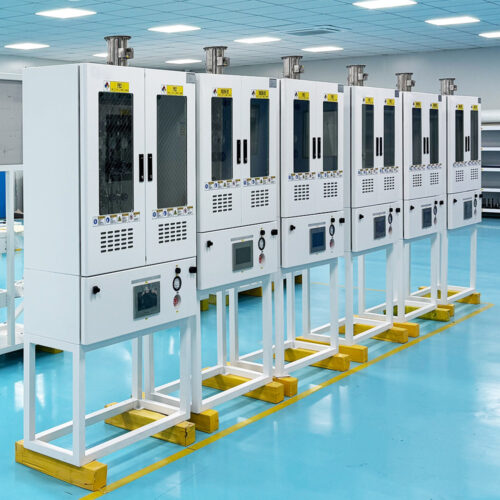
Ultra High Purity Diaphragm Valves and Pressure Regulators for Reliable Ultra High Purity Liquid Chemical Handling Systems
-
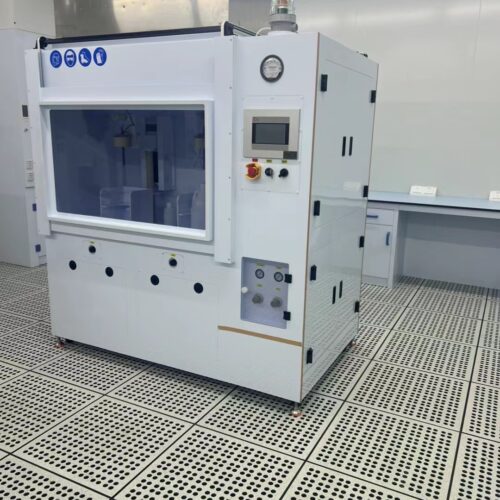
Custom VMB Valve Manifold Boxes for Enhanced Tool Isolation and Maximum Uptime in Complex Chemical Distribution Networks
-
Custom Wet and Dry Exhaust Gas Scrubber System Technology for Effective Acid Gas Neutralization
-
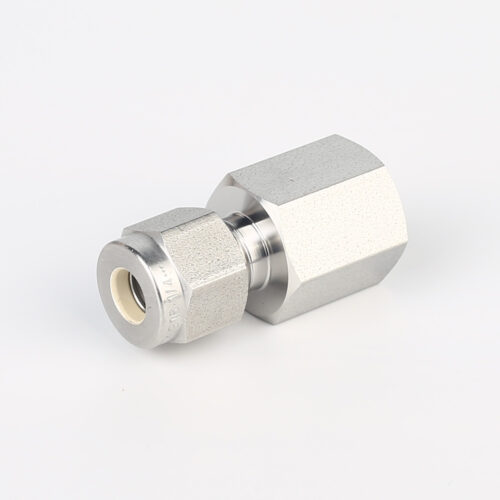
766L High Purity Female Connector UHP Fitting Female Connector
-
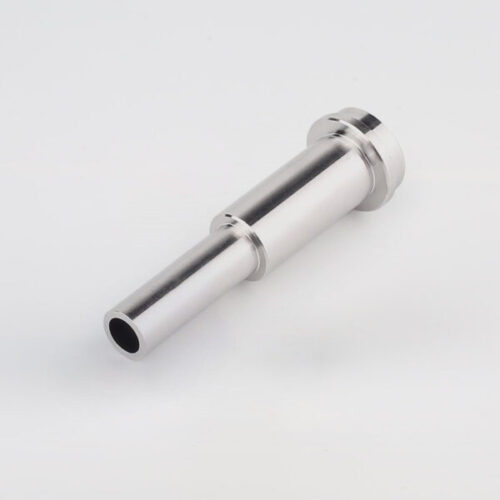
Long Gland LG Series For Ultra High Purity Gas And Chemical Delivery Systems
-
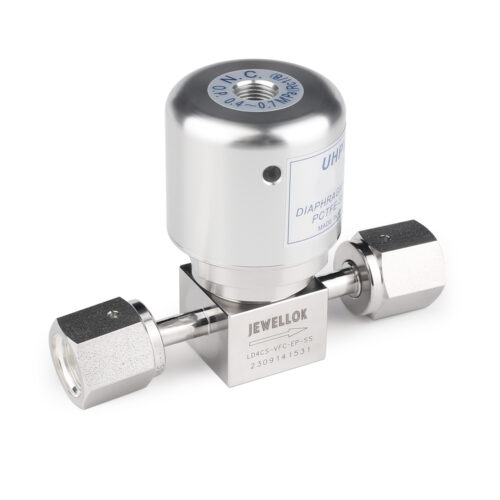
Stainless Steel Low Pressure Seal Pneumatic Diaphragm Control Valve For For HP & UHP Gases
-
Ultra High Purity CDS Solutions Featuring 316L Electropolished Stainless Steel for Superior Chemical Integrity and Safety
-
770L Female Elbow | Stainless Steel High Purity Weld Fittings Female Micro Elbow Fittings